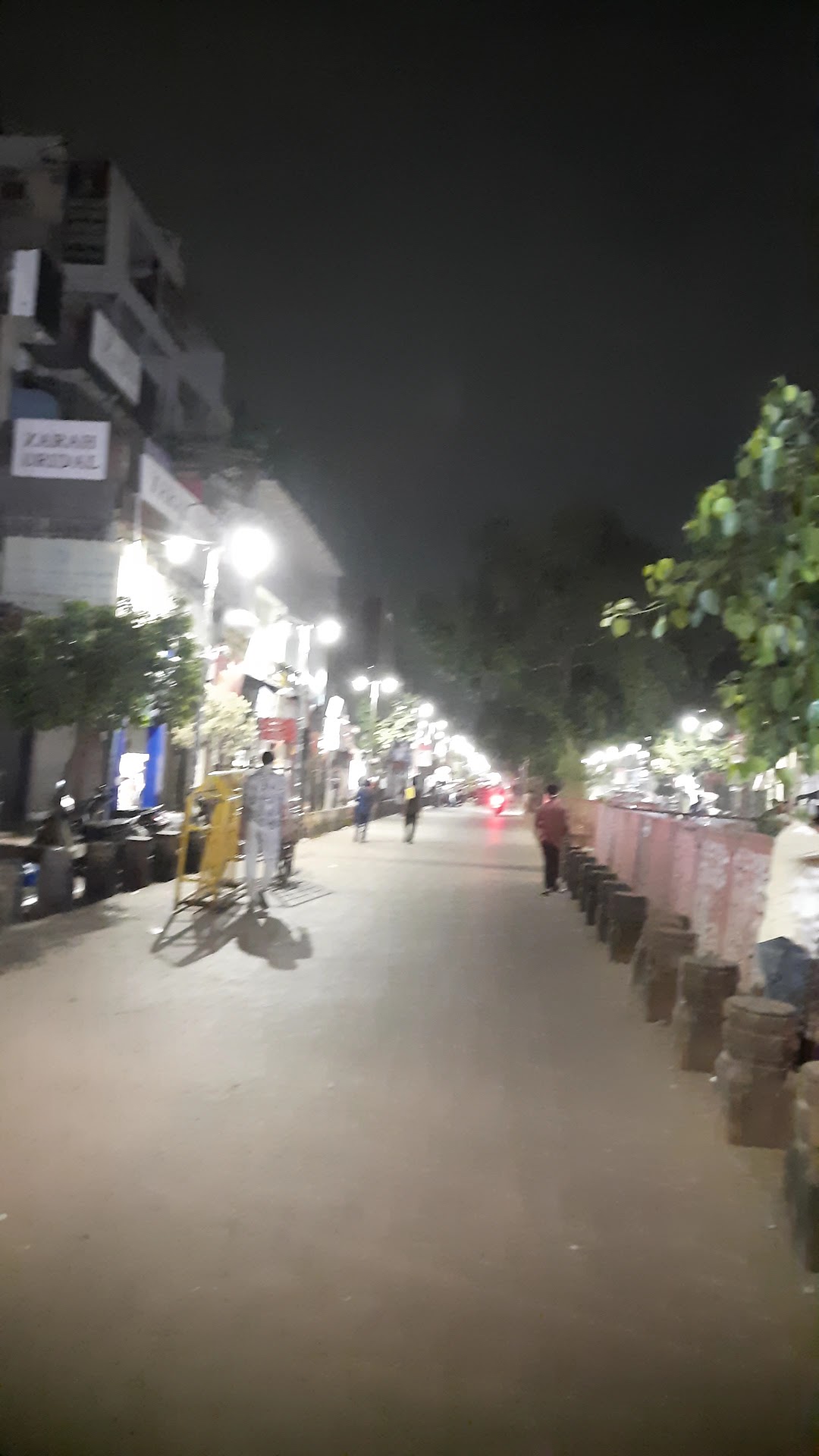
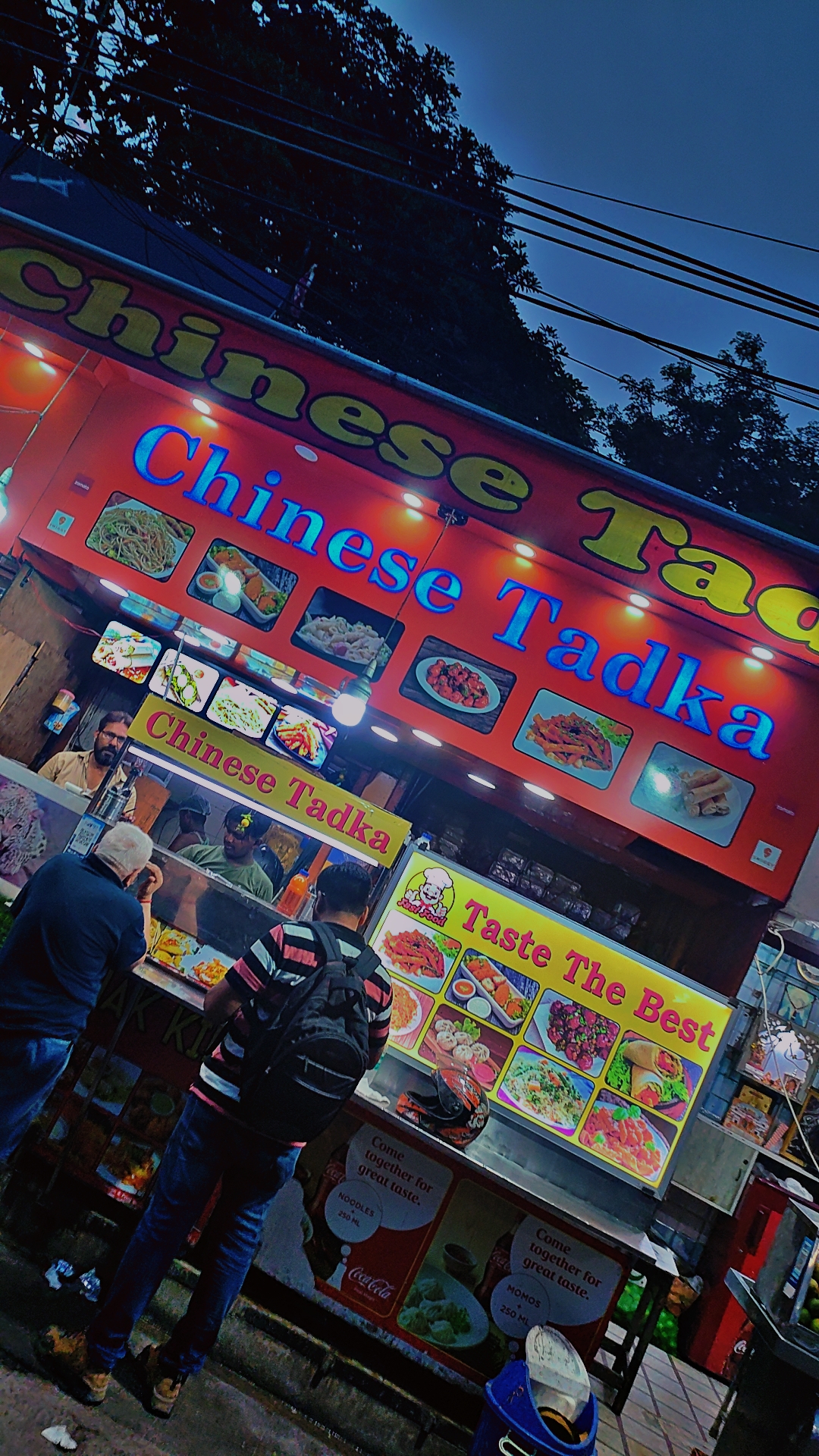
The best way to reach Chandni Chowk is to take the Delhi Metro and get down at Chandni Chowk Metro Station. You can either get down at the Chandni Chowk Road or go to the Old Delhi Railway Station end. You can hire an auto rickshaw or an E-rickshaw from either end to reach the desired market. Chandni Chowk, one of the oldest and busiest markets of Delhi was built by the Mughal Emperor Shah Jahan in the 17th century. It was one of the most important streets in the historical city of Shahjahanabad. Chandni Chowk is closed every Sunday. While a few eateries and essential shops may stay open, most of the market remains shut. This makes weekdays the best time for shopping The closest metro station to the Old Delhi Junction train station is the Chandni Chowk metro station. The metro station gate number 3 is just 200 meters away from the train station.
Chandni Chowk
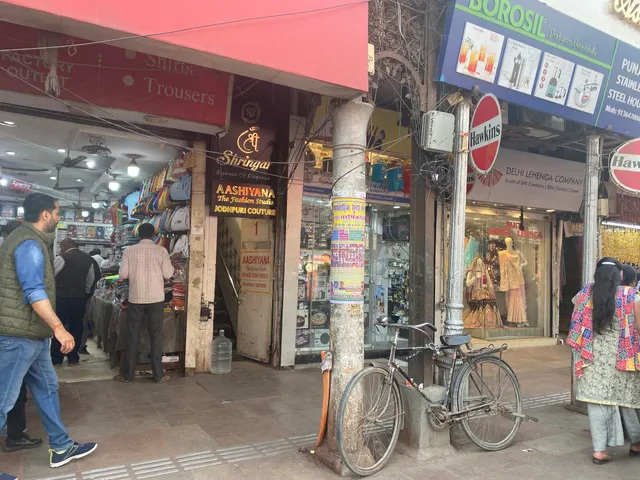
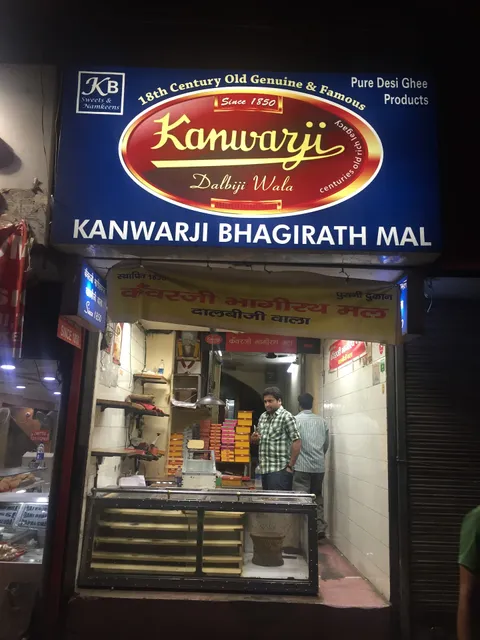
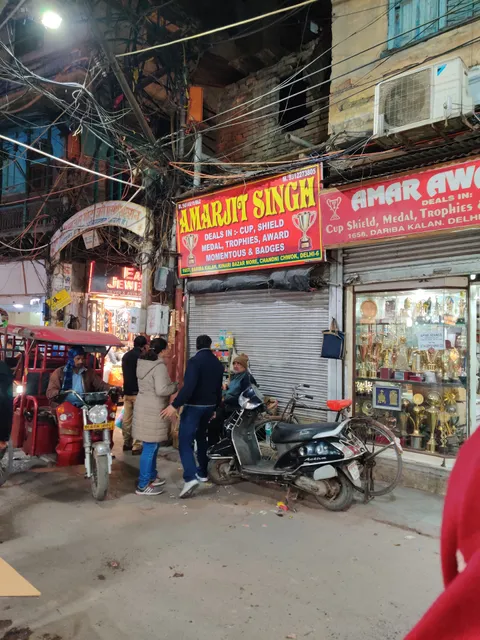
From books to wedding lehengas, there is a section each allotted for various shopping materials and is one of most well known cheapest places to shop in Delhi. The shopping hubs of Chandni Chowk are Nai Sadak, Dariba Kalan, Chawri Bazar, Bhagirathi Palace, Katra Neel, Moti Bazaar and more. moonlight square Original Chandni Chowk
Chandni Chowk ("moonlight square") and its three bazaars were designed and established by Princess Jahanara Begum, Shah Jahan's favourite daughter, in 1650. Chandni Chowk is a fascinating and vibrant area that offers a glimpse into the rich history and culture of India. Whether you're interested in visiting historical landmarks, shopping for unique souvenirs, or trying delicious street food, there is something for everyone in this bustling market area. The Chandni Chowk, also known as Moonlight Square is one of the oldest and busiest markets in Old Delhi, India. It is located close to the Old Delhi Railway Station. The Ghantewala Halwai (घंटेवाला हलवाई) in Chandni Chowk in Delhi, established in 1790 CE was one of the oldest halwais (traditional sweet shop) in India The Chandni Chowk (meaning Moonlight Square) is one of the oldest and busiest markets in Old Delhi, India. There is another location in Pune with the name Chandani Chowk. Located close to the Old Delhi railway station, the Mughal-era Red Fort is located at the eastern fringes of Chandni Chowk. It was built in 1650 by the Mughal Emperor, Shah Jahan, and designed by his daughter, Jahanara. The street spanning the market was historically divided by canals, engineered to reflect moonlight. These canals have since been closed, leaving behind a transformed urban landscape. It remains one of India's largest wholesale markets. The original Chandni Chowk, half-moon-shaped square, was situated before the Townhall; its reflection used to shimmer in the moonlit water pool located at the front. A shallow water channel, whose source was the Yamuna, ran through the middle of the straight street now referred to as the Chandni Chowk bazaar, with roads and shops on either side of the channel. This road had three bazaars.[3] Chandni Chowk ("moonlight square") and its three bazaars were designed and established by Princess Jahanara Begum, Shah Jahan's favourite daughter, in 1650. Originally consisting of 1,560 shops, the bazaar was 40 yards wide and 1,520 yards long.[4] The bazaar, fashion to resemble a square, was accorded ample elegance by the presence of a pool at the complex's center. The pool glimmered under the moonlight, a characteristic that inspired its name.[5]
The shops were originally arranged in a distinctive half-moon pattern, a design that has since been lost or altered over time. The bazaar gained renown for its thriving silver trade, leading to its association with silver merchants. This prominence earned it the moniker Silver Street[6]—a name rooted in its Hindi counterpart, wherein silver is called Chandi.
The term Chandni, which is closely derived from Chandi, further emphasizes the cultural and linguistic connection to the bazaar's identity. The pool at the square was replaced by a clock tower (Ghantaghar) in the 1870s. The centre of the market is still...
Read moreI recently had the pleasure of visiting the bustling Chandini Chowk Market, and I must say, it was an incredible experience that left me in awe of its charm, diversity, and vibrancy. Located in the heart of the city, this market truly lives up to its reputation as a shopper's paradise.
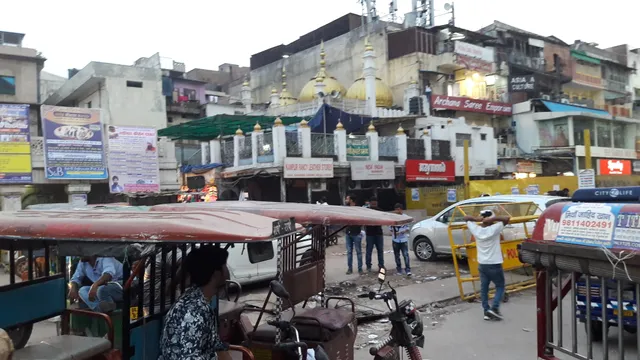
As soon as I entered the market, I was greeted by a kaleidoscope of colors, sounds, and aromas. Rows upon rows of shops lined the narrow lanes, offering a wide range of products and goods. From trendy fashion boutiques to traditional handicraft stores, and from street food stalls to upscale restaurants, Delhi Market had it all.
What struck me the most about the market was its vibrant atmosphere and the hustle-bustle of shoppers and vendors. The energy and excitement were contagious, and it made the whole shopping experience even more enjoyable. It was refreshing to witness the locals and tourists immersed in their search for treasures, bargaining with vendors, and discovering unique finds.
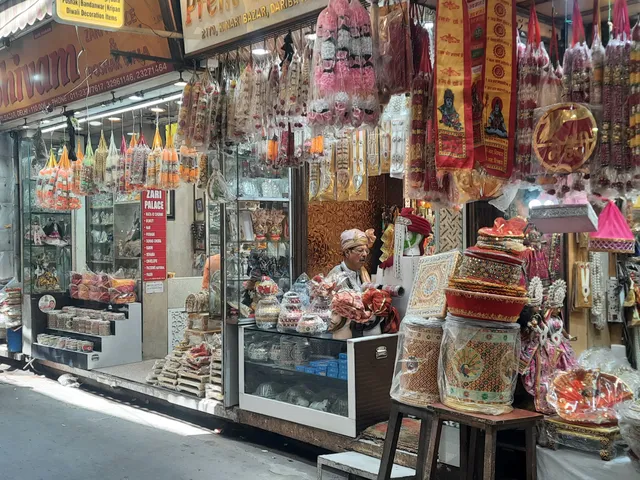
One of the highlights of the market was the variety of goods available. Whether I was looking for trendy clothing, traditional jewelry, authentic spices, or handcrafted souvenirs, Delhi Market had it all and more. The choices were endless, and the quality of the products was impressive.
Furthermore, the market was a true reflection of Delhi's cultural diversity. It showcased the rich heritage of the city through its assortment of traditional handicrafts, artwork, and textiles. Exploring each shop felt like taking a journey through India's different states, with each region's unique craftsmanship and traditions on display.
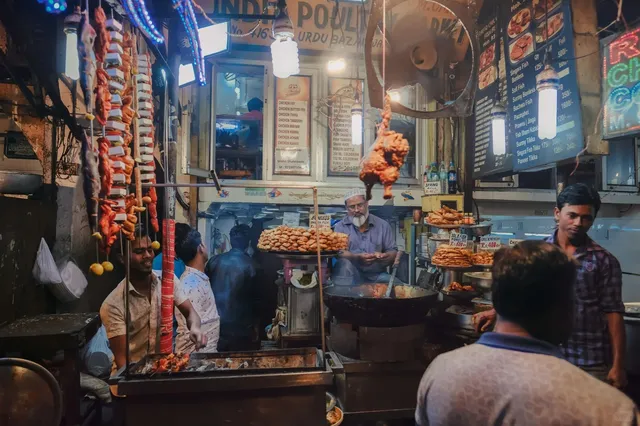
Another standout aspect of Delhi Market was the culinary delights it offered. Food stalls and restaurants serving tantalizing street food and traditional dishes were scattered throughout the market. From buttery parathas to spicy chaat items and fragrant biryanis, the market allowed me to embark on a delightful gastronomic adventure.
Moreover, the affordability of the market was another commendable feature. Prices were reasonable, and the joy of haggling with vendors added an element of excitement to the shopping experience. It was satisfying to walk away with quality products at a great bargain.
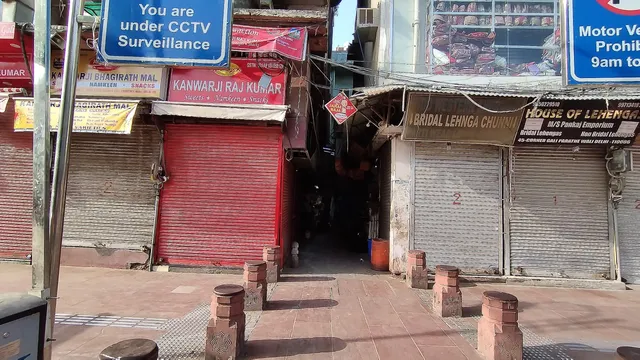
One thing to note is that the market can get crowded, especially during peak hours. Navigating the narrow lanes can be a bit challenging, but the thrill of the market compensates for it. Additionally, it is advisable to keep an eye on your belongings and be cautious of pickpockets.
Overall, Delhi Market is a gem that shouldn't be missed. It offers a truly unique and immersive shopping experience that captures the essence of the city. Whether you are a fashion enthusiast, a food lover, or someone seeking authentic Indian goods, this market will leave you spellbound with its diverse offerings. I highly recommend visiting this vibrant hub to indulge in a memorable shopping adventure in the...
Read moreChandni Chowk, located in the heart of Old Delhi, is one of India’s oldest and busiest markets, steeped in history and cultural significance. Established in 1650 by Mughal Emperor Shah Jahan’s daughter, Jahanara Begum, the market was originally designed with a central water canal that reflected the moonlight — hence the name “Chandni Chowk,” meaning “Moonlight Square.” Over the centuries, it has evolved into a vibrant hub of commerce, tradition, and heritage, drawing locals and tourists alike.
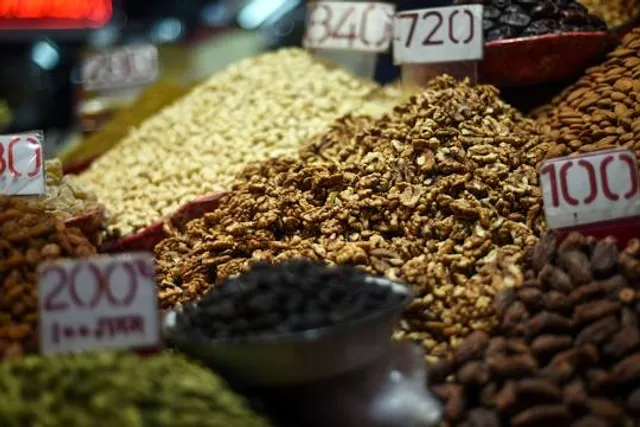
The market is a paradise for shoppers. Its narrow lanes are filled with specialized bazaars offering a wide range of goods. Dariba Kalan is known for exquisite silver and gold jewelry, Kinari Bazaar is famed for its zari and zardozi trimmings ideal for weddings, and Nai Sarak caters to book lovers with a vast array of books and stationery. Bhagirath Palace stands as Asia’s largest market for electronics and lighting, while Khari Baoli, also in the vicinity, is Asia’s largest spice market, offering aromatic spices, herbs, and dry fruits from across the globe.
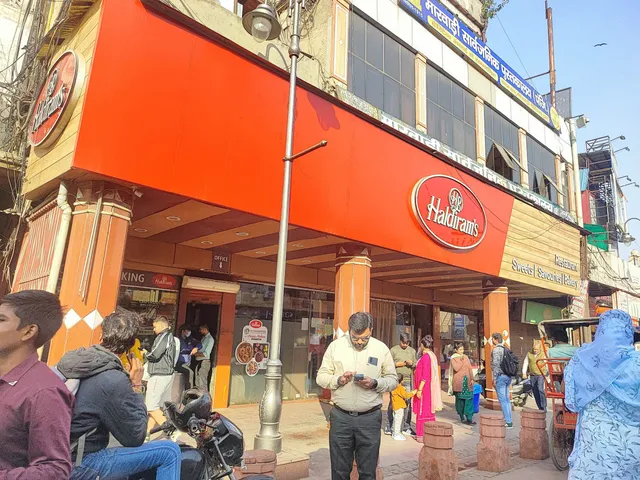
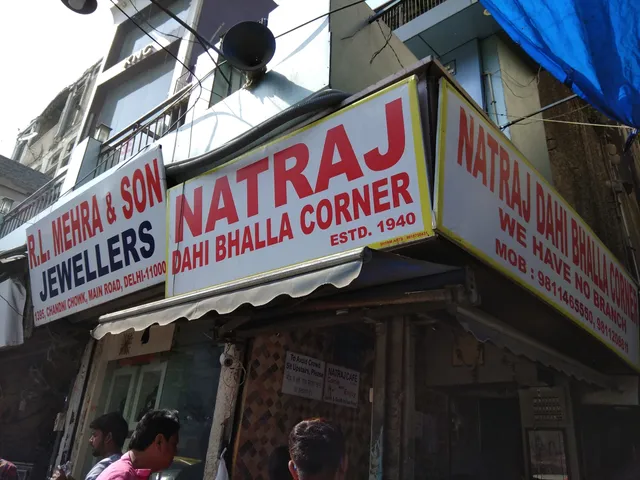
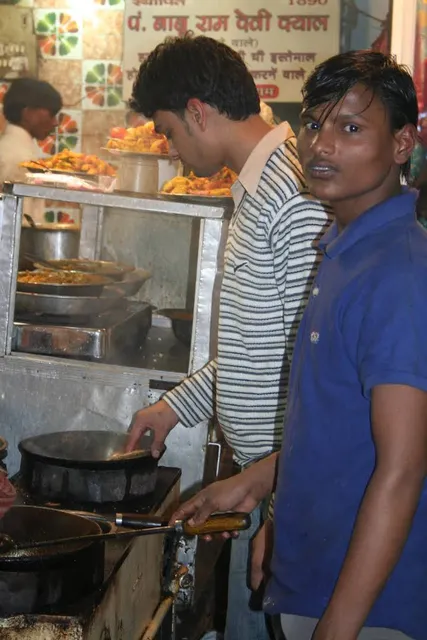
Chandni Chowk is also a food lover’s delight. The area is home to some of Delhi’s most iconic eateries. Paranthe Wali Gali serves a variety of deep-fried, stuffed parathas, while Natraj Dahi Bhalla is famous for its creamy, flavorful dahi bhallas. For those with a sweet tooth, Old Famous Jalebi Wala serves piping hot, syrup-soaked jalebis, and Chaina Ram Sindhi Confectioners offers traditional sweets like besan laddoos and ghevar. These food joints, some of which are decades old, capture the authentic taste of Delhi’s street cuisine.
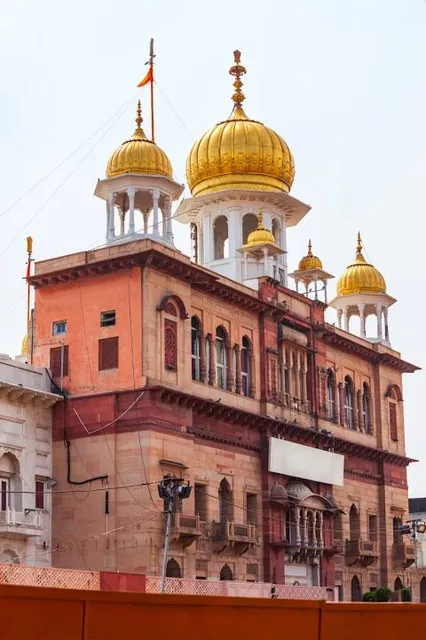
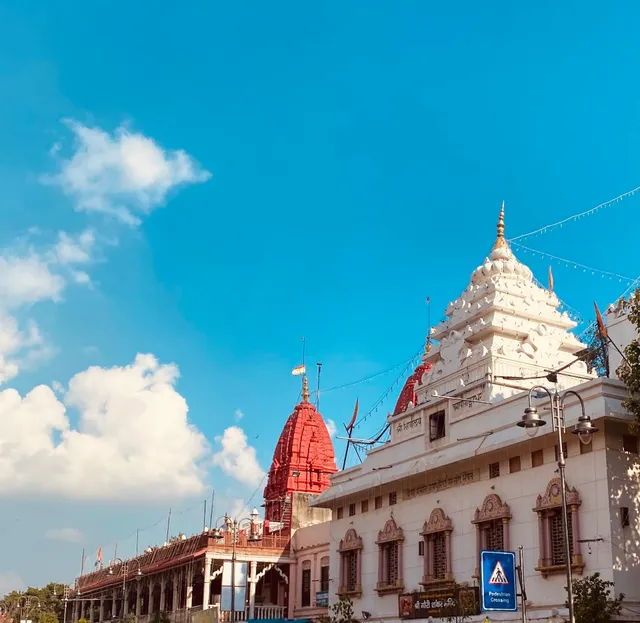
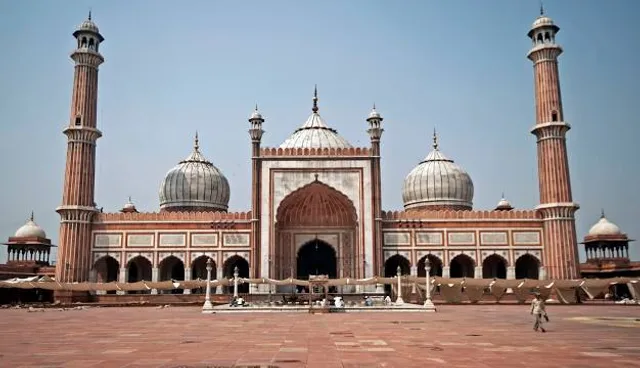
Surrounding Chandni Chowk are several important historical landmarks. The majestic Red Fort, a UNESCO World Heritage Site, stands nearby as a symbol of Mughal grandeur. The Jama Masjid, one of the largest mosques in India, offers a spiritual retreat in the midst of the market’s chaos. Gurdwara Sis Ganj Sahib, a revered Sikh shrine, and Sri Digambar Jain Lal Mandir, the oldest Jain temple in Delhi, reflect the religious diversity that has flourished in this area for centuries.
Accessibility to Chandni Chowk is easy, especially via the Chandni Chowk Metro Station on Delhi Metro’s Yellow Line. Most shops open by 10:00 AM and close around 8:00 PM. The market is typically closed on Sundays, and it’s best to visit on weekdays to avoid heavy crowds. To improve the experience for visitors, the Delhi government has introduced several infrastructure developments, including pedestrian-only zones, better lighting, and sanitation upgrades. A multilevel parking facility at Gandhi Maidan is also underway to ease traffic congestion and parking woes.
In essence, Chandni Chowk is not just a market — it’s a living museum of Delhi’s rich past and vibrant present. With its blend of history, shopping, and food, it offers an unforgettable experience that captures the true spirit...
Read more