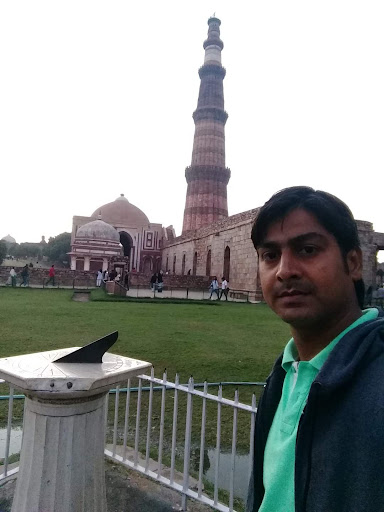
A. Tomb of Imam Zamin, Qutub Complex, Delhi
Adjacent to the south-east of the Alai-Darwaza and approached through
stands this beautiful tomb of Imam Muhammad Ali, popularly known as Sales
He was a native of Turkestan, who came to India during the reign of Sikander Lodi to u
certain religious rites/duties
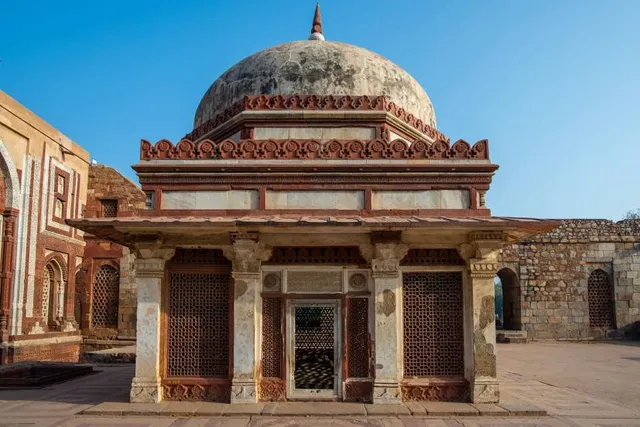
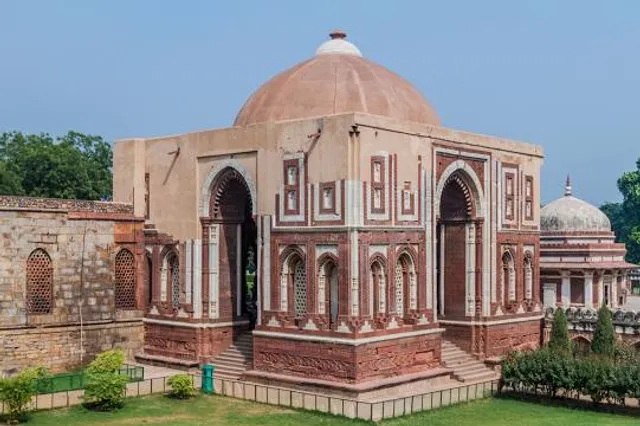
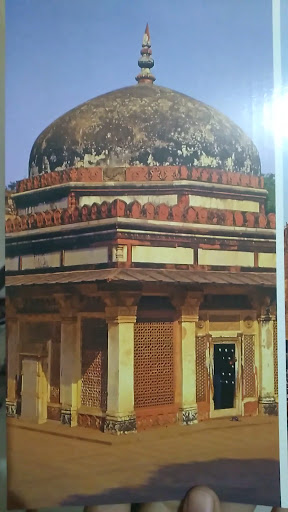
It is an octagonal shaped structure with peforated screens on all the sides and on top of the dome made of sandstone.A. Tomb of Imam Zamin, Qutub Complex, Delhi
Adjacent to the south-east of the Alai-Darwaza and approached through
stands this beautiful tomb of Imam Muhammad Ali, popularly known as Sales
He was a native of Turkestan, who came to India during the reign of Sikander Lodi to u
certain religious rites/duties
It is an octagonal shaped structure with peforated screens on all the sides and on top of the dome made of sandstone.A. Tomb of Imam Zamin, Qutub Complex, Delhi
Adjacent to the south-east of the Alai-Darwaza and approached through
stands this beautiful tomb of Imam Muhammad Ali, popularly known as Sales
He was a native of Turkestan, who came to India during the reign of Sikander Lodi to u
certain religious rites/duties
It is an octagonal shaped structure with peforated screens on all the sides and on top of the dome made of sandstone.A. Tomb of Imam Zamin, Qutub Complex, Delhi
Adjacent to the south-east of the Alai-Darwaza and approached through
stands this beautiful tomb of Imam Muhammad Ali, popularly known as Sales
He was a native of Turkestan, who came to India during the reign of Sikander Lodi to u
certain religious rites/duties
It is an octagonal shaped structure with peforated screens on all the sides and on top of the dome made of sandstone.A. Tomb of Imam Zamin, Qutub Complex, Delhi
Adjacent to the south-east of the Alai-Darwaza and approached through
stands this beautiful tomb of Imam Muhammad Ali, popularly known as Sales
He was a native of Turkestan, who came to India during the reign of Sikander Lodi to u
certain religious rites/duties
It is an octagonal shaped structure with peforated screens on all the sides and on top of the dome made of sandstone.A. Tomb of Imam Zamin, Qutub Complex, Delhi
Adjacent to the south-east of the Alai-Darwaza and approached through
stands this beautiful tomb of Imam Muhammad Ali, popularly known as Sales
He was a native of Turkestan, who came to India during the reign of Sikander Lodi to u
certain religious rites/duties
It is an octagonal shaped structure with peforated screens on all the sides and on top of the dome made of sandstone.A. Tomb of Imam Zamin, Qutub Complex, Delhi
Adjacent to the south-east of the Alai-Darwaza and approached through
stands this beautiful tomb of Imam Muhammad Ali, popularly known as Sales
He was a native of Turkestan, who came to India during the reign of Sikander Lodi to u
certain religious rites/duties
It is an octagonal shaped structure with peforated screens on all the sides and on top of the dome made of sandstone.A. Tomb of Imam Zamin, Qutub Complex, Delhi
Adjacent to the south-east of the Alai-Darwaza and approached through
stands this beautiful tomb of Imam Muhammad Ali, popularly known as Sales
He was a native of Turkestan, who came to India during the reign of Sikander Lodi to u
certain religious rites/duties
It is an octagonal shaped structure with peforated screens on all the sides and on top of the dome made of sandstone.A. Tomb of Imam Zamin, Qutub Complex, Delhi
Adjacent to the south-east of the Alai-Darwaza and approached through
stands this beautiful tomb of Imam Muhammad Ali, popularly known as Sales
He was a native of Turkestan, who came to India during the reign of Sikander Lodi to u
certain religious rites/duties
It is an octagonal shaped structure with peforated screens on all the sides and on top of the dome made of sandstone.A. Tomb of Imam Zamin, Qutub Complex, Delhi
Adjacent to the south-east of the Alai-Darwaza and approached through
stands this beautiful tomb of Imam Muhammad Ali, popularly known as Sales
He was a native of Turkestan, who...
Read moreTomb of Imam Zamin
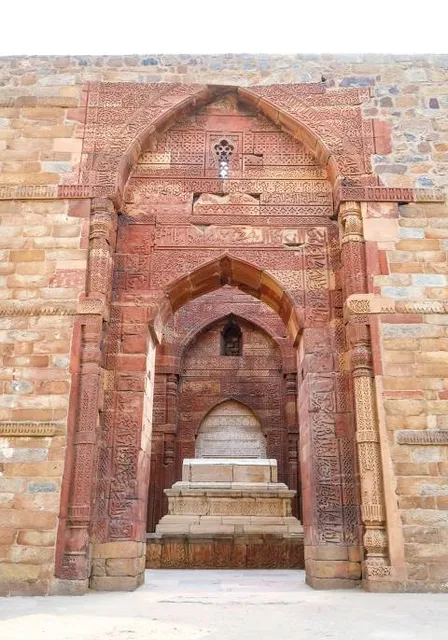
The tomb of Imam Zamin is a mausoleum housing the remains of Muhammad Ali (popularly known as Imam Zamin), an Islamic cleric of the 16th century. It is located at the Qutb Minar complex, Delhi, in India and was built by Ali himself during the reign of Mughal emperor Humayun, long after the original monuments of the complex were constructed.
Tomb of Imam Zamin
Tomb of Imam Zamin
LocationQutb Minar complex, Delhi, India
Built1538
UNESCO World Heritage Site
TypeCulturalCriteriaivDesignated1993 (17th session)Part ofQutb Minar and its monumentsRegionIndia
Background
Imam Zamin was a direct descendant of Muhammad and his original name was Muhammad Ali. Zamin was thus a Sayyid and belonged to the Chishti sect of Sufism. It is believed that he migrated from Turkestan to Delhi during the reign of Sultan Sikandar Lodi, and subsequently became the Imam(chief priest) of the Quwwat-ul-Islam mosque, at the Qutb Minar complex.
According to the inscription on the entrance, the mausoleum was built by Zamin between 1537 and 1538 during the reign of Humayun. He died in 1539.Located east of the Alai Darwaza, the tomb was constructed long after the original group of monuments and was the last addition to the Qutb Minar complex. Zamin is buried at the centre of the mausoleum.
Architecture
The tomb is built in the Lodhi architectural style. The mausoleum is square in shape and measures 7.3 metres (24 ft) in both length and breadth. The roof is supported by twelve pillars and is surmounted by a sandstone dome with jalis on all the sides, except the west and south. The dome rises from an octagonal drum and is decorated with a marble panel above the chhajja(overhanging eaves or cover of a roof) along with a double row of crenelles. Marble is extensively used for the interior ornamentation and in the construction of the cenotaph. The western side of the mausoleum contains a marble-wrought Mihrab (niche in the wall of a mosque that indicates the direction towards which the Muslims pray). The entrance, located at the southern side, is also made of marble.
The entire sandstone structure was originally covered by polished stucco, a portion of which is still extant. The name of Zamin is written in the Naskh script over the doorway of the...
Read moreMy recent visit to Imam Zamin's Tomb in Delhi left me in awe of the rich history and spiritual significance that this place holds. Nestled amidst the bustling chaos of the city, the tomb stands as a serene and tranquil escape from the modern world.
The architecture of Imam Zamin's Tomb is a testament to the exquisite craftsmanship of the Mughal era. The intricate detailing on the exterior walls and the delicate carvings are truly a sight to behold. It's evident that great care and attention to detail were put into creating this magnificent structure.
Upon entering the tomb, I was greeted by a sense of peace and tranquility. The beautifully adorned interior, adorned with intricate patterns and verses from the Quran, exudes a spiritual aura that is hard to describe in words. It's a place where one can sit in contemplation and find solace amidst the chaos of daily life.
The surrounding garden adds to the charm of the tomb, offering a serene space to relax and reflect. The well-maintained pathways and lush greenery create a pleasant ambiance, perfect for a leisurely stroll or a quiet moment of introspection.
What truly sets Imam Zamin's Tomb apart is its historical significance. This burial site is believed to be the final resting place of Imam Zamin, a renowned Sufi saint. The tomb serves as a reminder of the rich cultural heritage and religious diversity that Delhi encompasses.
The only aspect that could be improved is the availability of information for visitors. While the tomb is a popular destination among locals and tourists alike, I found the lack of comprehensive information and signage slightly disappointing. It would be beneficial to have informative plaques or audio guides to learn more about the history and significance of this remarkable site.
Overall, Imam Zamin's Tomb is a hidden gem in Delhi, offering a blend of history, spirituality, and tranquility. Whether you're a history enthusiast, a seeker of spiritual enlightenment, or simply looking for a peaceful escape from the city's hustle and bustle, this tomb is definitely worth a visit. Immerse yourself in the rich tapestry of Delhi's past and let the serenity of this place...
Read more