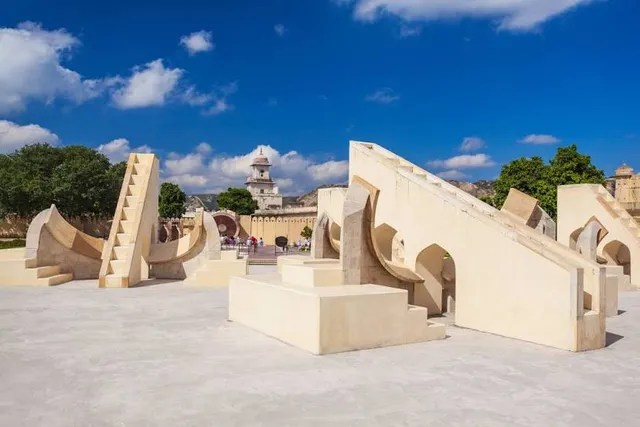
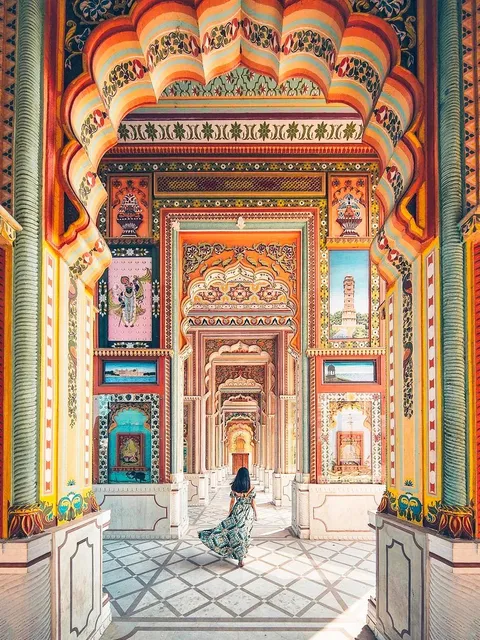
The Jantar Mantar in Jaipur was formed in the early 18th and 19th centuries as an astronomy monitoring station, it contains a collection of around 20 major stationary equipment, they include massive stonework examples of well-known instruments yet they often have unique traits of their own. It is primarily created for enabling naked–eye inspection of celestial locations and incorporating an extensive and well-preserved historic observatory. It displays the astronomical abilities and mythological conceptions of a knowledgeable prince court towards the conclusion of the medieval period.
Architecture
Astronomy, which covers an area of 18700 square meters is a significant site of educational development In ancient India. The Jantar Mantar Jaipur seems to be a symbol of many religious and historical ideas of the 18th and 19th centuries, made of marble, stone, bronze, and other material of the periods in the history of its creation. Bronze, brickwork, and concrete were used to accomplish the construction and repairs over the years. Most of the original components have been replaced by the new building materials and technology, but the instrument’s cultural & numerical importance remains intact. Most of the pieces of equipment are still among the world’s biggest astronomy instruments which are used throughout instruction and computation.
History
The Jantar Mantar is a well-known historical landmark in the center of Jaipur, Rajasthan. The location houses several pieces of equipment that were used to investigate the cosmos and their movements back then. It is an expansion of Delhi’s first-ever astronomy. However, the one in Rajasthan is larger and also more vital. This location has a long and famous history.
Jantar Mantar Jaipur was created by Rajput monarch Sawai Jai Singh ii, who is credited with founding the city of Jaipur there is no specific time frame when Jai Singh began building mostly on the observatory. However, it is reported that in 1724; he erected the very first stone astronomy in Delhi. Jai Singh constructed five other similar astronomers in multiple locations; however, the Jaipur one maintains the greatest and perhaps most perfect of the lot.
Almost all the instrumentation in the Jaipur area had been almost completed by 1728, and the building progressed until 1738. Around 23 astronomers were engaged to install the equipment at Jaipur, however with the changing political scenario in the kingdom, Jai Singh supplanted the Delhi site as the principal astronomy in 1735, a position he held until his death in 1743.
Notable Facts
Astronomy was created as a supplementary research laboratory for Ulugh Beg’s Astronomy in Samarkand, Uzbekistan, and also the archaeological site of Maragheh to investigate Vedic Sanskrit writings & European publications on experimental astronomy.
The observatory has 19 pieces of equipment for time measurement, forecasting sunsets, following the positions of significant galaxies as the earth cycles the sun, finding planets’ declinations, and calculating celestial heights and associated ephemerides.
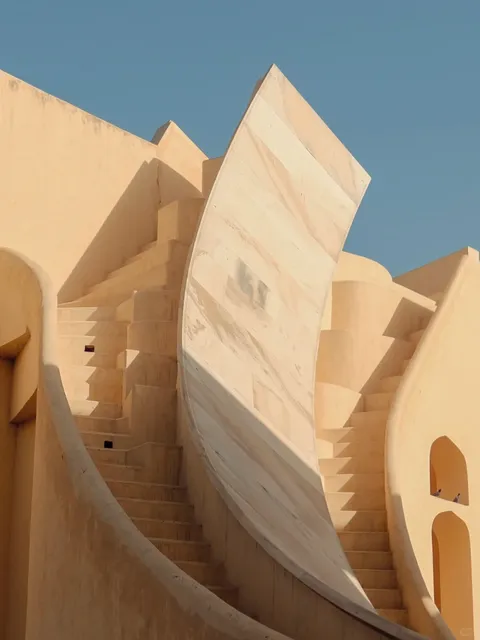
The world’s largest stone sundial is housed here. The Brihat Samrat Yantra, also known as the “great king of instruments,” is an 88-foot-tall (27-meter)-a tall contraption that reveals the moment of the day with the sun’s reflection.
This apparatus provides the local time with a two-second precision. It is oriented at a 27-degree slope, which corresponds to Jaipur’s latitude. The chhatri (umbrella-like top of a structure) on top is used as a place for declaring eclipses and also the coming of monsoons.
The name is derived from two Word meanings: Jantar, which means a device, and Mantrana, which means calculations. To put it another way, Jantar Mantar translates as “measuring instrument.”
Conclusion
The structure’s biggest issues, which might pose a danger, are managing sustainable tourism and enabling development inside the close neighborhood of the Jantar Mantar. Major initiatives to renovate the district and change traffic have already been suggested, and they might...
Read moreJantar Mantar in Jaipur is not just an attraction; it's a journey through time and a testament to the scientific brilliance of ancient India. This astronomical observatory, built in the 18th century by Maharaja Jai Singh II, is a collection of colossal instruments designed to observe celestial bodies with the naked eye. Stepping into Jantar Mantar is like entering an open-air museum of astronomy, where each instrument tells a story of innovation and precision.
Firstly, the sheer scale of the instruments is awe-inspiring. These massive structures, built from stone and marble, dominate the landscape and evoke a sense of wonder. The Samrat Yantra, the world's largest stone sundial, stands tall as a symbol of Jai Singh II's ambition and his kingdom's scientific advancement. Its shadow, moving with the sun, offers a tangible connection to the cosmos and the passage of time. Jantar Mantar is more than just a collection of impressive structures. It's a place where science and architecture intertwine. Each instrument is a work of art, with intricate details and elegant designs. The Jai Prakash Yantra, a pair of concave hemispheres with markings that map the celestial sphere, is a marvel of both scientific ingenuity and aesthetic beauty. Beyond its visual appeal, Jantar Mantar provides a unique learning experience. It offers a glimpse into the history of astronomy in India and the methods used by ancient astronomers to study the universe. With the help of a knowledgeable guide, visitors can delve deeper into the function of each instrument and understand the principles behind their design. It's a fascinating opportunity to connect with the past and appreciate the intellectual achievements of a bygone era.
While the instruments are impressive on their own, a guide can truly unlock their secrets. They can explain the astronomical principles behind each instrument, share historical anecdotes, and answer your questions.
Jaipur can get very hot, especially during the summer months. Plan your visit for early morning or late afternoon to avoid the midday heat. There's a lot to see and explore at Jantar Mantar. Allow at least two hours to fully appreciate the complexity and beauty of the instruments.
Don't forget your camera! The geometric shapes, intricate details, and imposing structures make for stunning photographs.
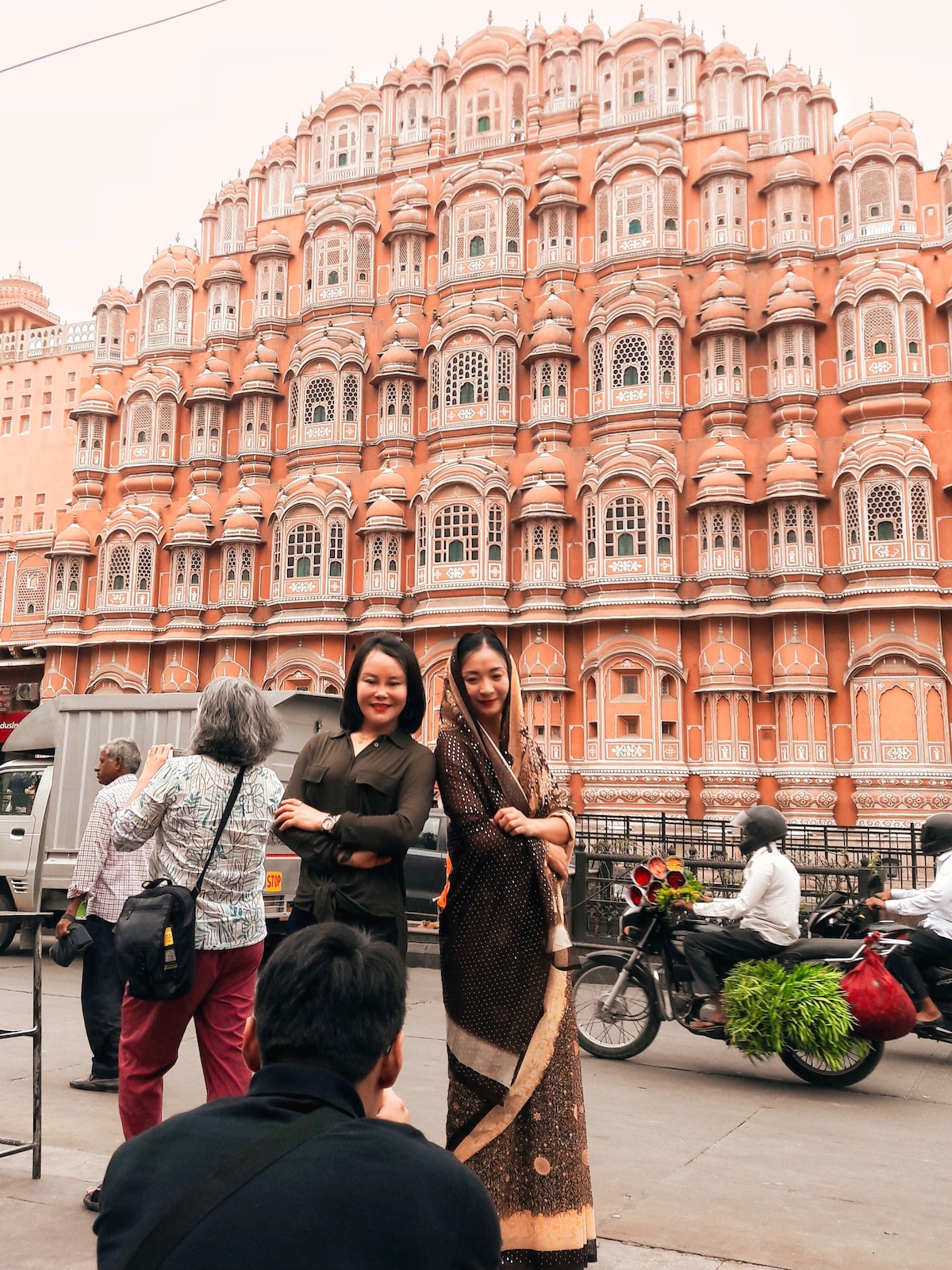
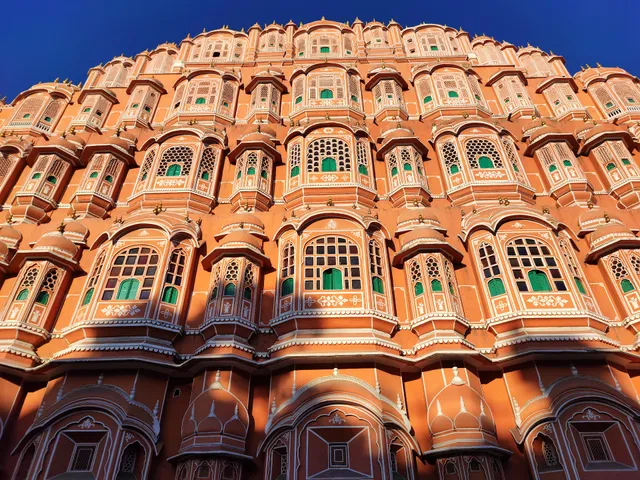
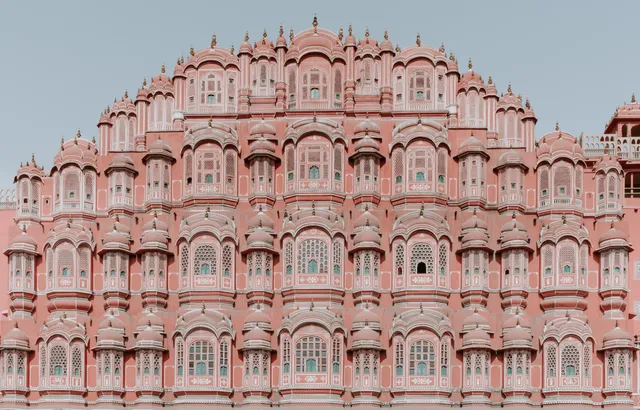
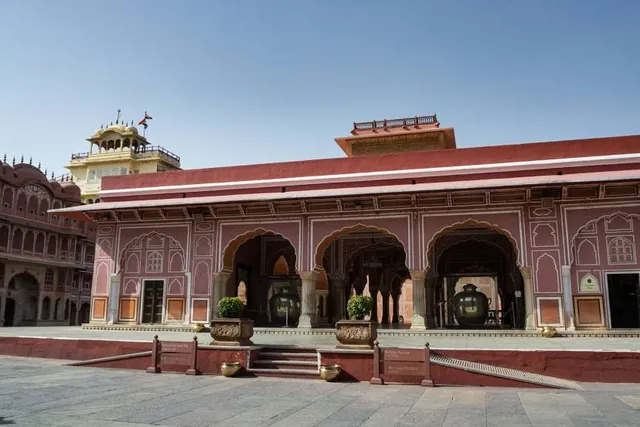
Jantar Mantar is not just a scientific site; it's a cultural landmark that reflects the rich history of Jaipur. The observatory is located in the heart of the city, close to other iconic attractions like the City Palace and Hawa Mahal. A visit to Jantar Mantar can be easily combined with a broader exploration of Jaipur's architectural and cultural heritage.
Jantar Mantar is a must-visit for anyone traveling to Jaipur. It's a place where science, history, and architecture converge to create a truly unique experience. Whether you're a science enthusiast, a history buff, or simply curious about the world, Jantar Mantar will leave you awestruck and inspired. It's a reminder of the ingenuity of our ancestors and the enduring power of...
Read morePersonal Experience Review: Visit to Jantar Mantar, Jaipur 🔭📜🔎🌌📐
My visit to Jantar Mantar in Jaipur was a fascinating journey into the depths of India’s scientific and astronomical legacy. As someone with a deep appreciation for heritage rooted in intellect and innovation, standing amidst the monumental instruments of this UNESCO World Heritage Site was both humbling and enlightening.
Constructed in the early 18th century by Maharaja Sawai Jai Singh II, Jantar Mantar serves as a testament to the visionary blend of architecture, astronomy, and mathematics. The observatory houses a remarkable collection of 19 astronomical instruments, each crafted with precision and purpose designed not merely as sculptures, but as tools to measure celestial movements with surprising accuracy, centuries before the advent of modern technology.
What struck me the most was the Samrat Yantra, the world’s largest stone sundial. Witnessing its immense triangular form casting accurate shadows in real time gave me a profound respect for the scientific prowess of the era. Every structure within the premises from the Jai Prakash Yantra to the Rama Yantra told a story of cosmic curiosity and royal ambition.
The site is well-maintained, and the explanatory plaques and optional guided tours provided valuable insights into the functions and historical context of each instrument. Walking through the observatory felt like walking through a living manuscript of astronomical discovery each corner offering a unique perspective on how our ancestors viewed and measured time, space, and planetary motion.
In Reflection: Jantar Mantar is not just an architectural marvel it is a celebration of human intellect, precision, and our timeless desire to understand the universe. My experience there was both educational and inspiring, and I would highly recommend it to anyone visiting Jaipur who seeks more than just aesthetic pleasure, but a meaningful connection with India’s...
Read more