🏰 Introduction
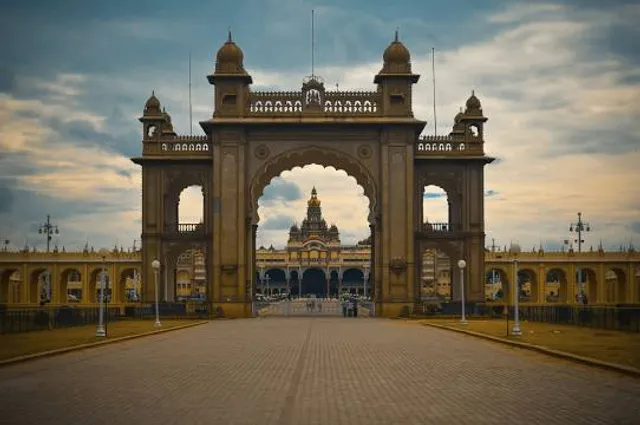
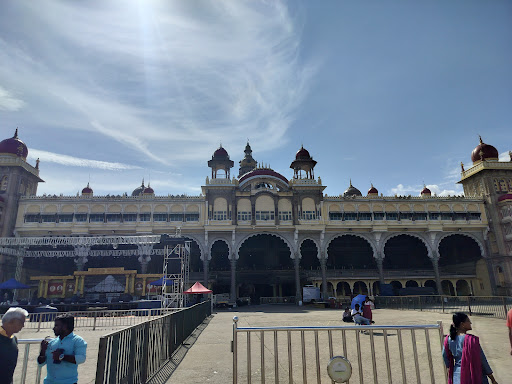
My visit to Mysore Palace, also known as the Amba Vilas Palace, was not just a trip, but a step back into history. Standing in front of this majestic architectural marvel was a dream come true. The palace is a symbol of royalty, heritage, and pride of Karnataka, especially for those who admire India’s regal past. It’s not just a building—it’s a living museum of culture, art, and history that continues to captivate people from across the globe.
This review is based on my personal experience, exploring the palace from morning till evening, soaking in every detail of its architecture, ambiance, cultural richness, and the awe-inspiring stories it holds.
🛣️ Accessibility and Entry Experience
The palace is centrally located in Mysuru city and is extremely accessible. Public transport, autos, and even walking routes are convenient. I traveled by bus from Chamrajanagar and reached the palace in about 2 hours. The entry queue was organized, and ticket prices were quite reasonable—₹100 for adults (Indian citizens), and free entry for children below a certain age. The staff at the entrance were polite and guided us clearly.
There’s a separate line for Indian and foreign tourists, and a free cloakroom facility to store shoes and bags. The moment you cross the entry gate, the grandeur of the palace just hits you. It’s a mix of serenity, splendor, and heritage all packed into one site.
🕌 Architecture and Interiors
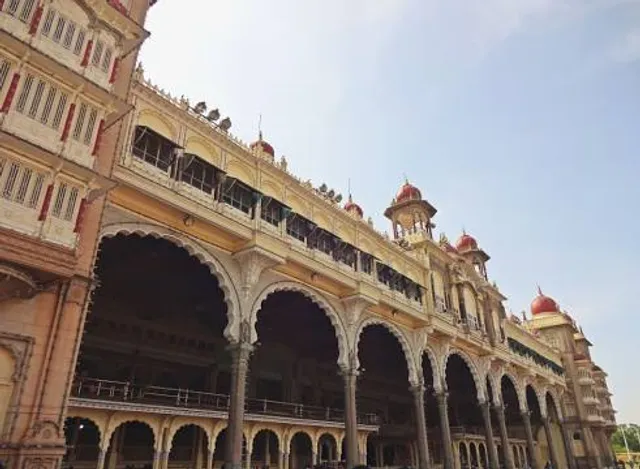
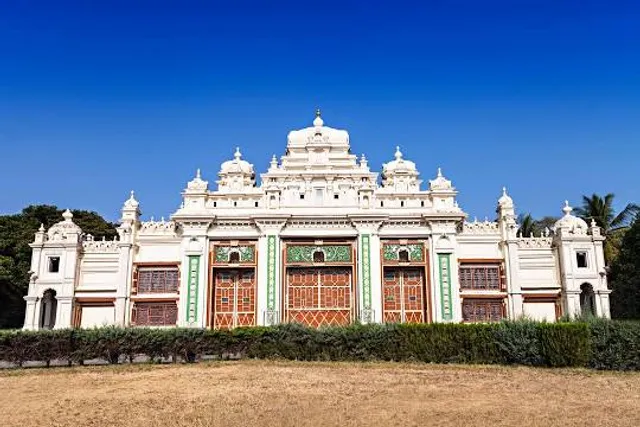
The Mysore Palace is an architectural masterpiece blending Hindu, Mughal, Rajput, and Gothic styles—also called Indo-Saracenic style. It was designed by British architect Henry Irwin and built after the old wooden palace was destroyed in a fire in 1897.
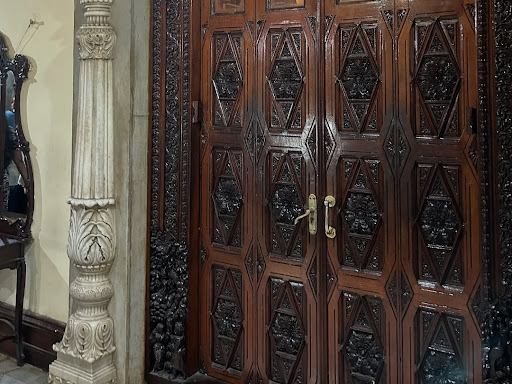
The palace has three floors, with intricately carved wooden doors, colorful glass ceilings, Belgian crystal chandeliers, and ornate tiles. The Durbar Hall and Ambavilasa Hall are the highlights. The ceiling of the Ambavilasa is a wonder on its own with stained glass, and the peacock motifs in the ceiling are spectacular.
Every corner of the palace is covered in rich details—painted pillars, floral motifs, weaponry, photographs, and royal costumes of the Wadiyar dynasty. The palace manages to create a balance between overwhelming detail and calming symmetry.
🖼️ Cultural and Historical Insights
Inside, I felt like I was walking through the pages of history. There are large portraits of the Wadiyar kings, showing their contribution to Karnataka’s governance and arts. The weaponry display was particularly exciting—it included swords, spears, and armor.
The palace also tells stories about Mysore’s contribution to literature, music, and dance. I was fascinated to learn about Dr. S.R. Ranganathan, the father of library science, who hailed from this region. The influence of literature and royal patronage in education and cultural preservation is deeply visible here.
🌳 Outdoor Premises and Gardens
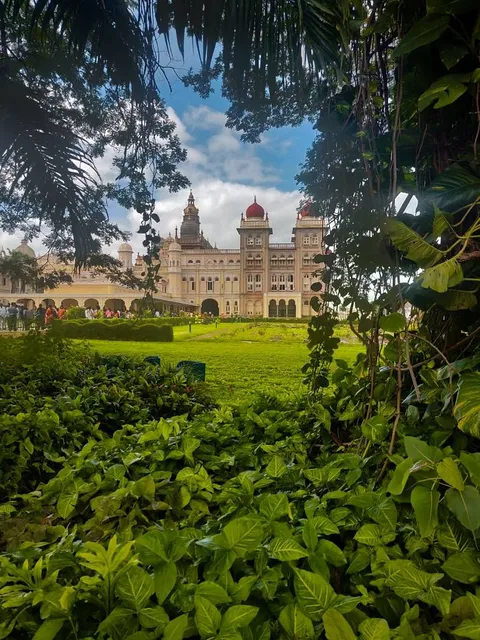
The outer area is as well-maintained as the palace interior. Lush green lawns, flowering plants, and paths for walking added to the calmness. There are clean washroom facilities, security staff, and drinking water stations placed across the campus. Benches are also placed at intervals for elderly visitors to rest.
What made the outdoor experience beautiful was the chance to see the royal elephants and horses, used during the Dasara festival. The atmosphere was alive with school groups, tourists, guides speaking in various languages, and occasional flute sellers giving the vibe of a traditional Indian fair.
💡 Light and Sound Show
One of the best parts of the visit is the Sound and Light Show in the evening. It starts around 7:00 PM and tells the entire history of Mysore through dramatic narration, light effects, and sound. It’s both informative and emotional. I strongly recommend staying till evening to watch this.
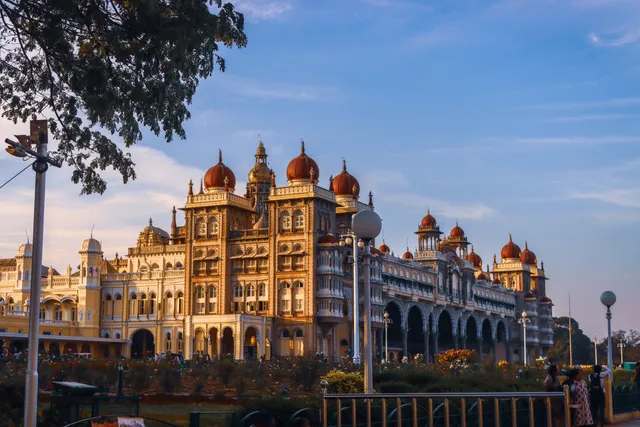
And of course, the illumination of the palace with around 100,000 light bulbs is a magical sight to behold. It feels like the entire palace turns into gold. I couldn’t stop clicking pictures during...
Read moreMysore Palace, also known as Amba Vilas Palace, is a historical palace located in the city of Mysore, Karnataka, India. It's the official residence of the Wadiyar dynasty, the rulers of Mysore. The palace is a stunning example of Indo-Saracenic architecture, blending Hindu, Muslim, Rajput, and Gothic styles.
The palace was originally built in the 14th century, but it was destroyed and rebuilt several times. The current palace was constructed after the previous one was destroyed by fire in 1897. The construction was completed in 1912, and the palace is a grand structure with intricate carvings, ornate domes, and expansive courtyards.
Inside, you'll find beautiful stained-glass windows, mirrored ceilings, and exquisite artwork. The palace is open to the public, and visitors can explore the various halls, rooms, and galleries. The palace is illuminated with nearly 100,000 lights on Sundays and public holidays, creating a spectacular sight.
Mysore Palace is a major tourist attraction and a symbol of the rich cultural heritage of Mysore. It's a must-visit destination for anyone interested in history, architecture, and the legacy of the Wadiyar dynasty.
Mysuru, formerly known as Mysore, is a city in the southern Indian state of Karnataka, renowned for its rich cultural heritage and historical significance. Located about 145 kilometers southwest of Bengaluru, Mysuru served as the capital of the Kingdom of Mysore for nearly six centuries.
The city is famous for its stunning palaces, the most notable being the Mysore Palace, an architectural marvel that showcases Indo-Saracenic design. The palace is illuminated every Sunday evening and during festivals, attracting thousands of visitors. Mysuru is also known for its vibrant Dasara festival, celebrated with grandeur, featuring processions, cultural performances, and traditional rituals.
Mysuru is home to several other attractions, including the Chamundi Hill Temple, St. Philomena's Church, and the Mysore Zoo, one of the oldest and well-maintained zoos in India. The city is surrounded by scenic landscapes, including the picturesque Brindavan Gardens, famous for its musical fountain.
Additionally, Mysuru is recognized for its traditional silk sarees and sandalwood products. The city has a thriving educational sector, housing several prestigious institutions. With its blend of history, culture, and natural beauty, Mysuru remains a popular destination for tourists seeking to explore Karnataka's heritage. The city's warm hospitality and culinary delights further...
Read moreA Royal Experience at Mysore Palace
I'm thrilled to share my exceptional experience at the majestic Mysore Palace, a true gem of India's cultural heritage. Our visit was nothing short of enchanting, and I'm excited to relive the memories through this review.
The Palace: A Marvel of Architecture
The Mysore Palace, also known as the Amba Vilas Palace, is a stunning example of Indo-Saracenic architecture. The palace's intricate designs, vibrant colors, and grandiose structure left me awestruck. As we walked through the palace, we were treated to a visual feast of ornate ceilings, stained glass windows, and beautifully crafted wooden doors.
Daytime Visit
Our daytime visit was fantastic, with plenty of opportunities to explore the palace's various sections, including the Durbar Hall, the King's Private Apartments, and the beautifully maintained gardens. The palace's architecture and history come alive through the guided tours, which provide valuable insights into the Wodeyar dynasty's legacy.
Nighttime Visit: A Magical Experience
What made our experience truly unforgettable was our nighttime visit to the palace. The palace is illuminated with thousands of lights, which creates a mesmerizing effect. The soft glow of the lights highlights the palace's architectural details, making it look even more breathtaking than during the day. We felt like we were transported to a different era, surrounded by the grandeur and majesty of the royal family.
Tips and Recommendations
Plan Your Visit: Try to visit the palace during both day and night to experience its different facets. Guided Tours: Take advantage of the guided tours to learn more about the palace's history and architecture. Photography: Don't miss the opportunity to capture the palace's stunning architecture and beautiful gardens. Nighttime photography is particularly magical, with the palace's illumination creating a unique ambiance. Respect Local Customs: Remember to remove your shoes before entering the palace's sacred areas or temples.
Overall Experience
Our visit to the Mysore Palace was an unforgettable experience that left us with lifelong memories. The palace's grandeur, history, and beauty make it a must-visit destination for anyone traveling to Mysore. I highly recommend adding it to your itinerary and experiencing its magic for yourself.
Will definitely recommend this...
Read more