Dún Laoghaire Harbour Ireland: A Majestic Haven Carved by Time
Step into a realm where the echoes of history dance with the gentle whispers of the sea. Dún Laoghaire Harbour, a coastal gem nestled along the Dublin coastline, beckons you with open arms to embark on a journey that transcends time.
Like an artist's brushstroke on a canvas, this captivating harbour paints a picturesque scene that will leave you breathless.
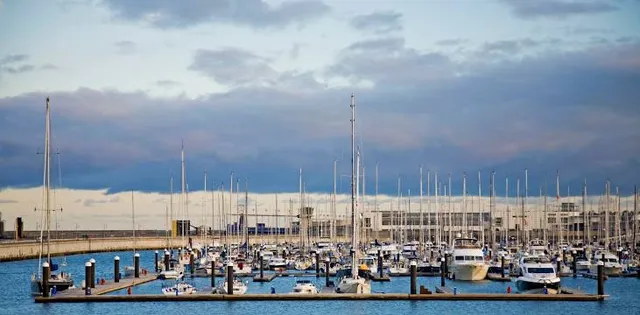
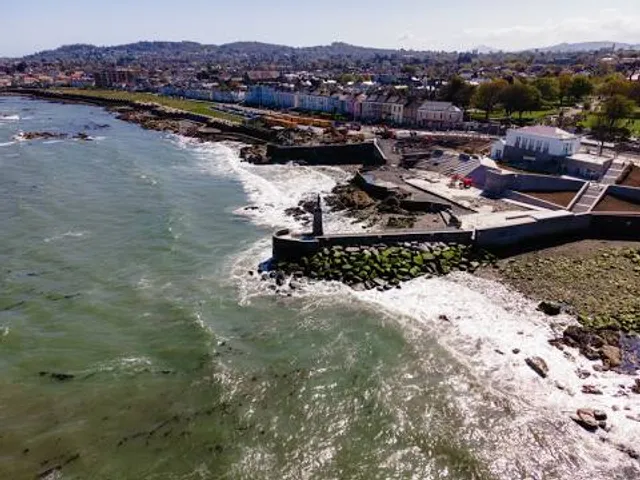
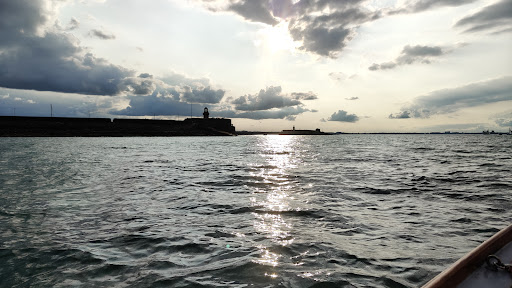
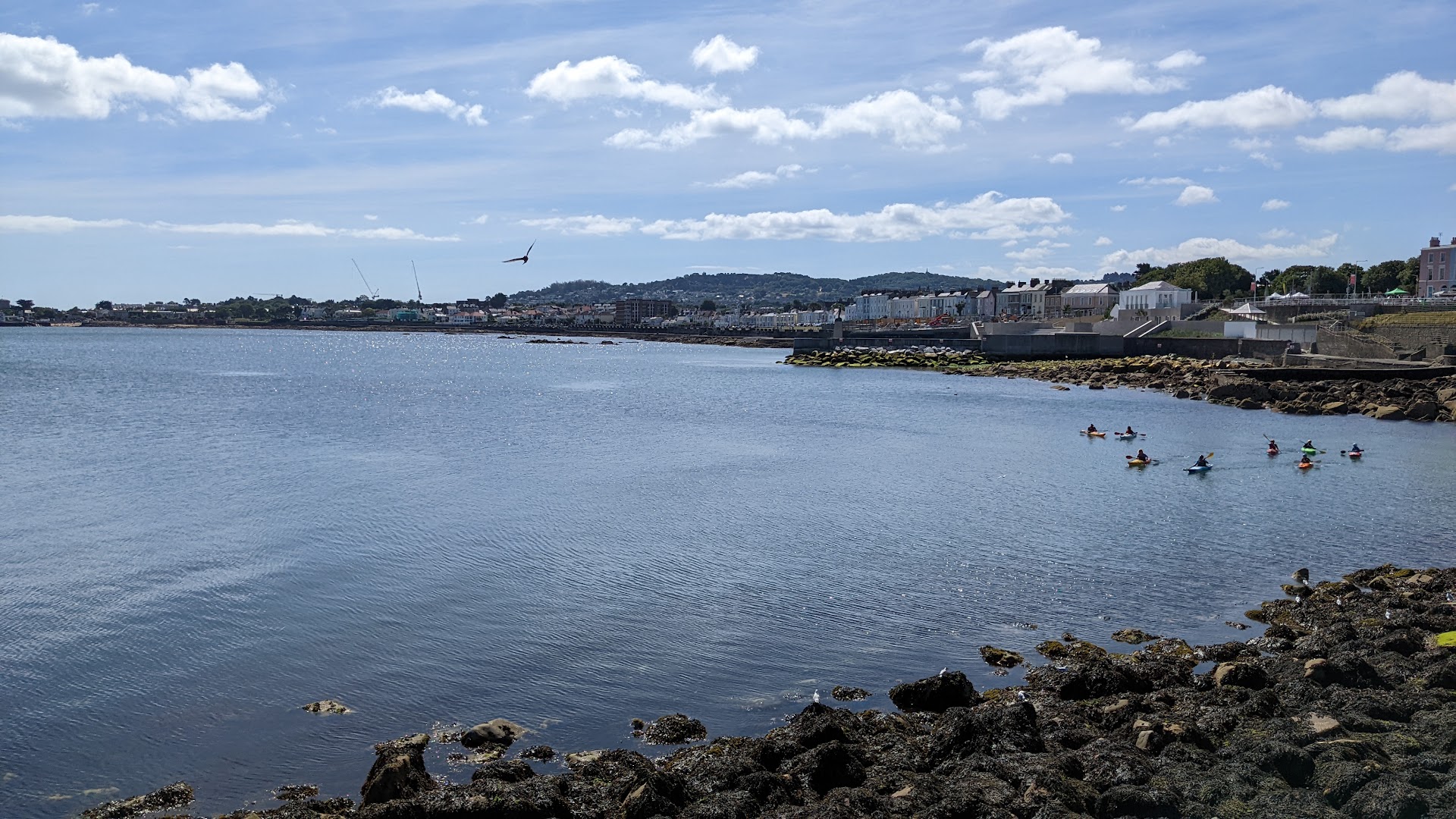
As you approach the harbour, you are greeted by an awe-inspiring sight. The harbour, like a graceful siren, stretches its arms wide, embracing the shimmering Irish Sea. The rhythmic symphony of crashing waves against the harbour walls is a gentle reminder of nature's raw power, as if the sea itself pays homage to this architectural masterpiece.
Dún Laoghaire Harbour stands as a testament to human ingenuity and engineering prowess. Its construction, birthed by the tides of progress, has sculpted a haven that seamlessly blends with the surrounding landscape.
This place, where land and water intertwine, resembles a harmonious duet of nature and human endeavor, creating a mesmerizing union that stirs the soul.
Imagine strolling along the promenade, the salty breeze caressing your face as seagulls gracefully glide overhead. The vibrant hues of the sunset dance upon the tranquil waters, casting a kaleidoscope of colours that mesmerizes the senses. It's as if the setting sun delicately brushes its strokes across the sky, transforming it into a living canvas of ethereal beauty.
But the allure of Dún Laoghaire Harbour extends beyond its captivating aesthetics.
Steeped in rich history, this harbour has witnessed the ebb and flow of time, echoing the tales of bygone eras.
It served as a strategic base for Lóegaire mac Néill, the valiant High King of Ireland, who used its fortifications as a launchpad for daring raids on distant lands.
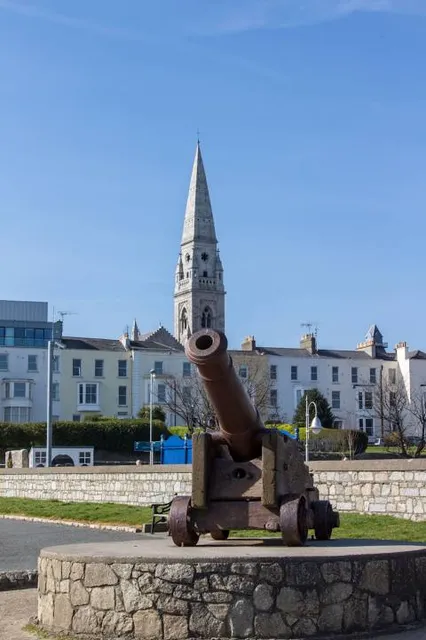
The remnants of these ancient fortifications still whisper their stories, inviting you to unravel the secrets they guard.
As the sun sets and the night casts its enchanting spell,
Dún Laoghaire Harbour transforms into a magical realm. The harbor lights illuminate the darkness, painting a celestial pathway that guides weary sailors and wanderers alike. It's a place where dreams take flight, where hopes and aspirations set sail upon the sea of possibilities.
Dún Laoghaire Harbour, with its timeless allure and majestic charm, captures the essence of Ireland's coastal beauty.
Like a muse that inspires poets and artists, this haven of serenity leaves an indelible mark on your heart and mind.
It is a place where time stands still, and you become part of something greater—a story written in the very fabric of the sea.
So, venture forth and let Dún Laoghaire Harbour be your sanctuary. Lose yourself in its embrace, immerse yourself in its history, and let the waves of inspiration wash over you.
For within its hallowed grounds, you will discover a world where the past and present converge, creating a masterpiece that will forever be etched in your memory.
Dún Laoghaire Harbour— a place, where the symphony of nature and the artistry of mankind intertwine, creating a masterpiece that will leave...
Read moreDún Laoghaire Harbour, one of Ireland’s most iconic maritime landmarks, has a rich and complex history shaped by tragedy, engineering ambition, and social change. Early Origins and the Need for a Harbour Originally, the area was a small fishing village known as Dunleary or Dunlary, with a modest cove and a 163-yard-long pier completed in 1767 to shelter local fishing boats and facilitate coal imports from Swansea and South Wales. Over time, this Old Harbour suffered from silting and became known as the “Dry Pier”. The wider Dublin Bay was notorious for shipwrecks due to shifting sandbars and frequent easterly gales, making safe anchorage a pressing concern. The Turning Point: The 1807 Tragedy The urgency for a safe harbour was dramatically underscored by the disaster of November 1807, when two troopships, the Prince of Wales and the Rochdale, were wrecked near Blackrock with the loss of over 400 lives. This catastrophe galvanized public and political support for the construction of a refuge or “asylum harbour” at Dún Laoghaire. Construction and Development Following a petition led by Captain Richard E. Toutcher, the Irish Parliament passed an Act in 1816 authorizing construction and allocated significant funding. The first stone of the East Pier was laid in 1817 by the Earl of Whitworth, Lord Lieutenant of Ireland. The project was overseen by the renowned civil engineer John Rennie, with John Aird as resident engineer. The work was challenging and dangerous, with storm damage and loss of life during construction. Initially, it was believed a single east pier would suffice, but the need for protection from westerly and northwesterly winds led to the commencement of the West Pier in 1820. The harbour was constructed using granite from nearby Dalkey Quarry, a resource negotiated by Toutcher, which saved the government a substantial sum. The piers—East Pier (about 1.3 km) and West Pier (about 1.55 km)—enclosed a vast area of around 250 acres, making it the largest man-made harbour in Western Europe at the time. Growth and Significance The harbour’s importance grew with the introduction of the mail packet service in 1826, which connected Dún Laoghaire (then Kingstown) to Holyhead, Wales. In 1821, following a visit by King George IV, Dunleary was renamed Kingstown, a name it retained for nearly a century. The harbour continued to expand, with the construction of Traders Wharf in 1855 and Carlisle Pier (originally the Mailboat Pier) in 1856–59. The railway connection to Dublin, established in 1834, and later to Bray in 1856, further cemented its role as a key transport hub. Later History and Legacy Kingstown reverted to its Irish name, Dún Laoghaire, in 1920, with the harbour officially renamed in 1924. The harbour remained a vital departure point for generations of Irish emigrants, as well as a popular spot for day-trippers and maritime enthusiasts. The iconic East and West Piers are now celebrated as engineering marvels and beloved public spaces, with the East Pier featuring in popular culture, such as the film Michael Collins (1996). Summary Table:...
Read moreDunlaoghaire Habour. I drove out from Ballinteer - Dundrum with my Wife and Dog to walk the pier and also walk to The 40 ft . It was a beautiful day when we set out for Dunlaoghaire. We first walked to The 40 Ft there were about 15 Male and Female swimers, what a hardy bunch . After T 40ft we headed for Dunlaoghaie Pier. There were not to many people walking along the pier, there was a bit of wind coming in from the sea on our way to the end of the pier . On the way back. we walk on the lower level of the pier and was sheltered from the sea breeze , which made our walk more enjoyable. The Dunlaoghaire Rathdown County Council have done a lot of good worh around the pier area . There is a new cycle lane and new car parking facilities. Dunlaoghaire is an ideal place to take a. stroll and get the see air into your...
Read more