Basilica di San Petronio things to do, attractions, restaurants, events info and trip planning
Basic Info
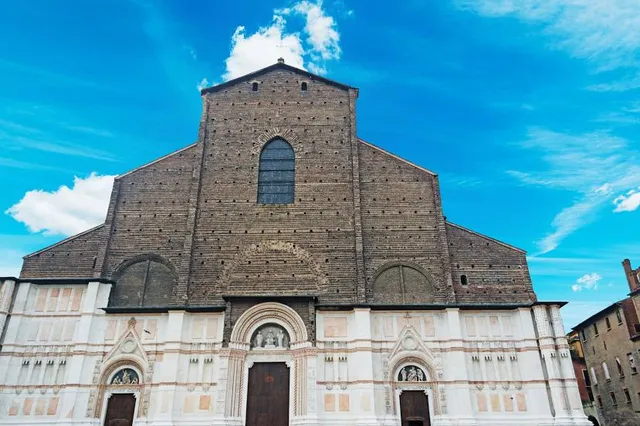
Basilica di San Petronio
Piazza Maggiore, 1/e, 40124 Bologna BO, Italy
4.5(2.6K)
Closed
Save
spot
spot
Ratings & Description
Info
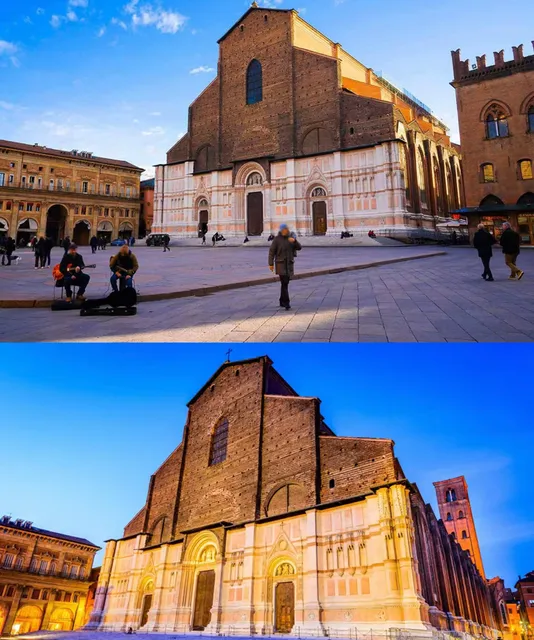
The Basilica of San Petronio is a minor basilica and church of the Archdiocese of Bologna located in Bologna, Emilia Romagna, northern Italy. It dominates Piazza Maggiore. The basilica is dedicated to the patron saint of the city, Saint Petronius, who was the bishop of Bologna in the fifth century.
Cultural
Accessibility
attractions: Piazza Maggiore, Archaeological Museum of Bologna, Neptune's Fountain, Palazzo d'Accursio, Palazzo Re Enzo, Two Towers, San Luca Express, Santuario di Santa Maria della Vita, Bologna Welcome - Official Tourist Office (IAT), Biblioteca Comunale dell'Archiginnasio, restaurants: Regina Sofia, 051 Osteria, Salumeria Simoni Laboratorio, Zerocinquantuno, La Baita Vecchia Malga, PAN8, Osteria del Sole, Osteria Angolo degli Orefici, 051 Osteria Zerocinquantello, Sfoglia Rina, local businesses: Fuente de Neptuno, Galleria Cavour, Comet, Apple Via Rizzoli, Salumeria Simoni, Maisons du Monde, VERO ~ Gelateria Cremeria (OGGI Gelato), Rivenditore Autorizzato Rolex Bologna Giulio Veronesi Gioielleria, LEGO Certified Store Bologna, Cinema Modernissimo
 Learn more insights from Wanderboat AI.
Phone
+39 051 231415
Website
basilicadisanpetronio.org
Open hoursSee all hours
Fri8:30 AM - 1 PM, 2:30 - 6 PMClosed
Plan your stay

Pet-friendly Hotels in Bologna
Find a cozy hotel nearby and make it a full experience.

Affordable Hotels in Bologna
Find a cozy hotel nearby and make it a full experience.

The Coolest Hotels You Haven't Heard Of (Yet)
Find a cozy hotel nearby and make it a full experience.

Trending Stays Worth the Hype in Bologna
Find a cozy hotel nearby and make it a full experience.
Reviews
Live events

SWAGGAMI @ NUMA CLUB
Sat, Feb 21 • 11:00 PM
9 Via Alfieri Maserati 40127 Bologna
View details
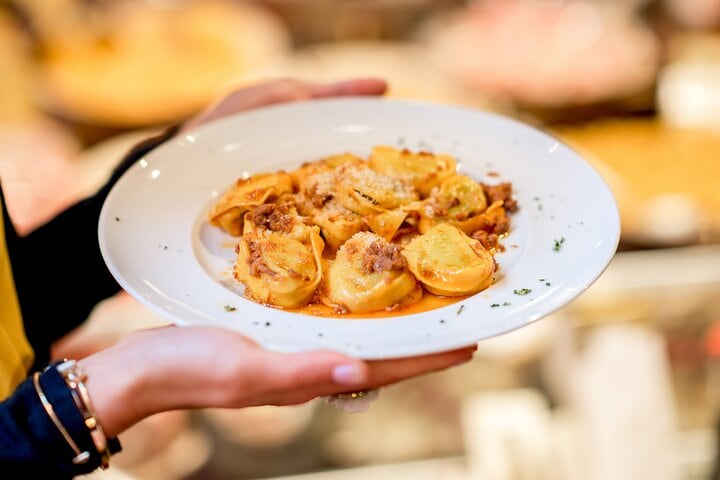
Bologna Home Cooking Class Tagliatelle & Ragú
Fri, Feb 20 • 10:30 AM
40139, Bologna, Emilia-Romagna, Italy
View details
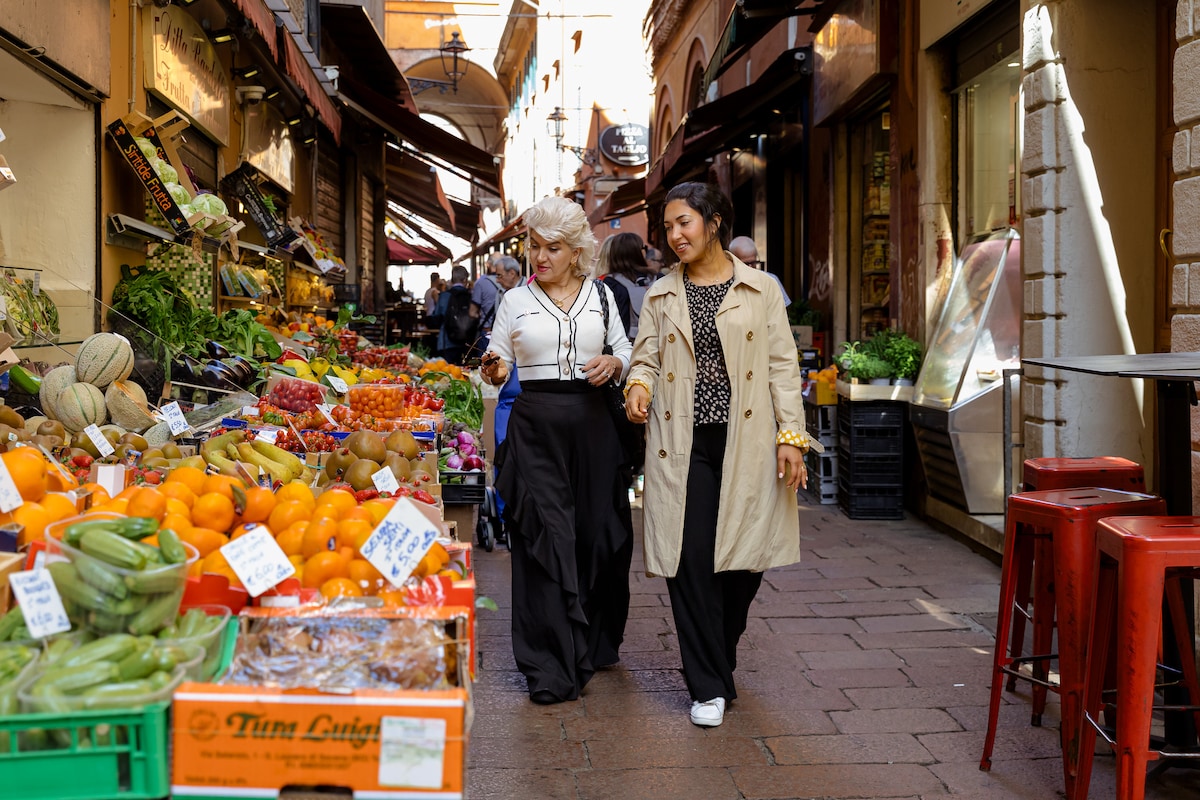
Exploring the Secrets of Bologna
Sun, Feb 22 • 12:00 PM
40124, Bologna, Emilia-Romagna, Italy
View details
Nearby attractions of Basilica di San Petronio
Piazza Maggiore
Archaeological Museum of Bologna
Neptune's Fountain
Palazzo d'Accursio
Palazzo Re Enzo
Two Towers
San Luca Express
Santuario di Santa Maria della Vita
Bologna Welcome - Official Tourist Office (IAT)
Biblioteca Comunale dell'Archiginnasio
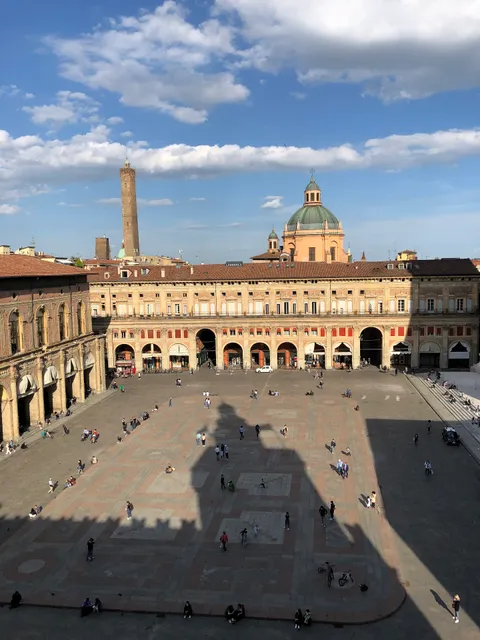
Piazza Maggiore
4.7
(30.6K)
Open 24 hours
Click for details
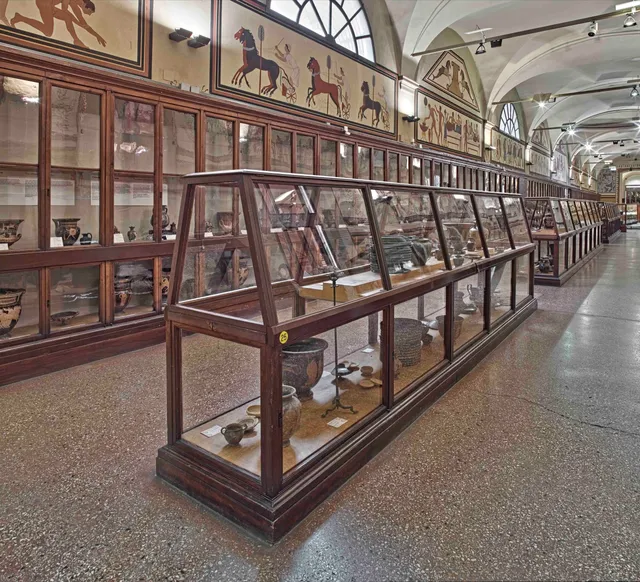
Archaeological Museum of Bologna
4.5
(1.7K)
Closed
Click for details
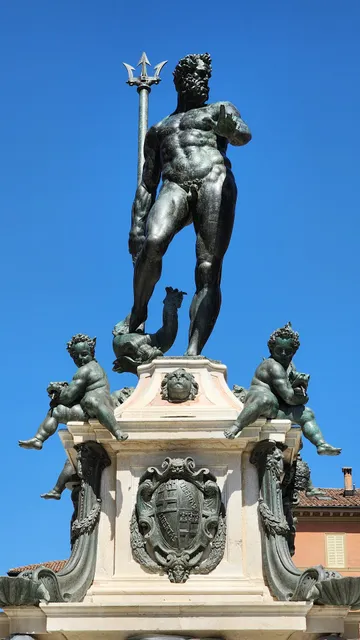
Neptune's Fountain
4.7
(2.5K)
Open until 12:00 AM
Click for details
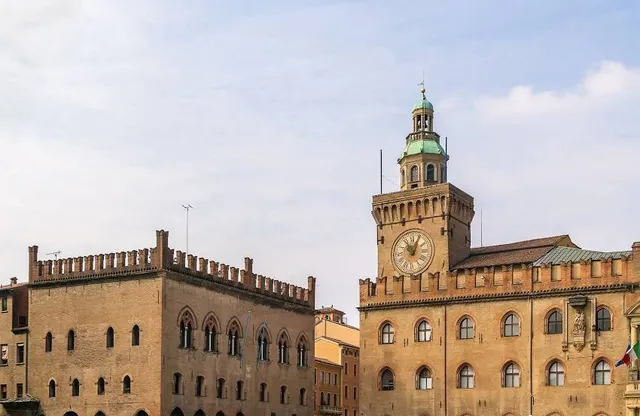
Palazzo d'Accursio
4.7
(1.0K)
Closed
Click for details
Nearby restaurants of Basilica di San Petronio
Regina Sofia
051 Osteria
Salumeria Simoni Laboratorio
Zerocinquantuno
La Baita Vecchia Malga
PAN8
Osteria del Sole
Osteria Angolo degli Orefici
051 Osteria Zerocinquantello
Sfoglia Rina
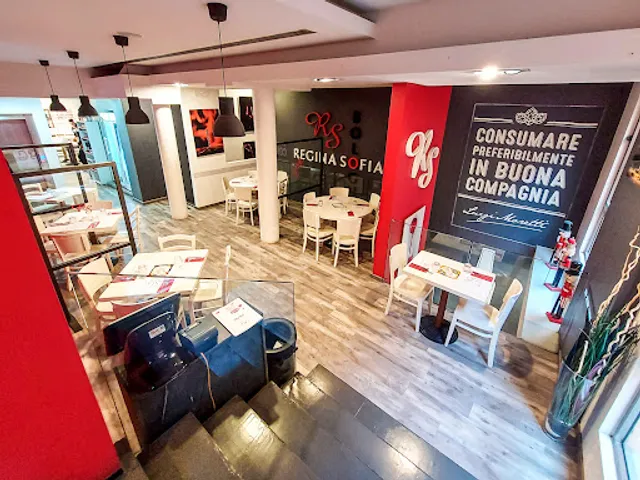
Regina Sofia
4.4
(1.7K)
Closed
Click for details
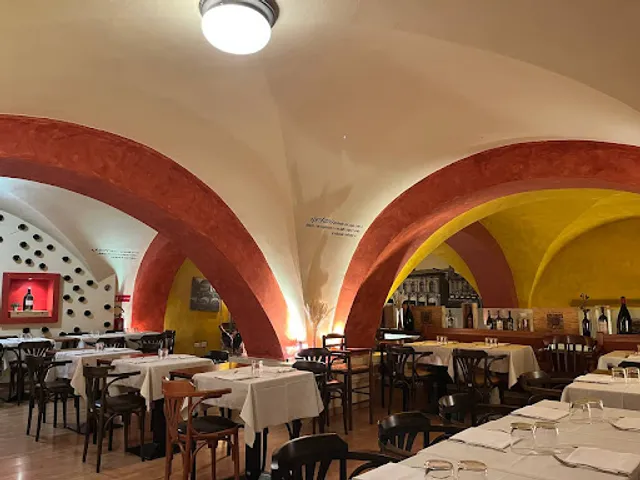
051 Osteria
4.2
(1.1K)
Closed
Click for details
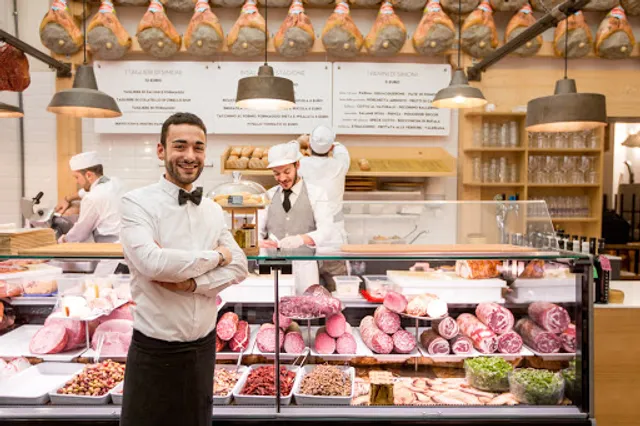
Salumeria Simoni Laboratorio
4.7
(1.0K)
Closed
Click for details
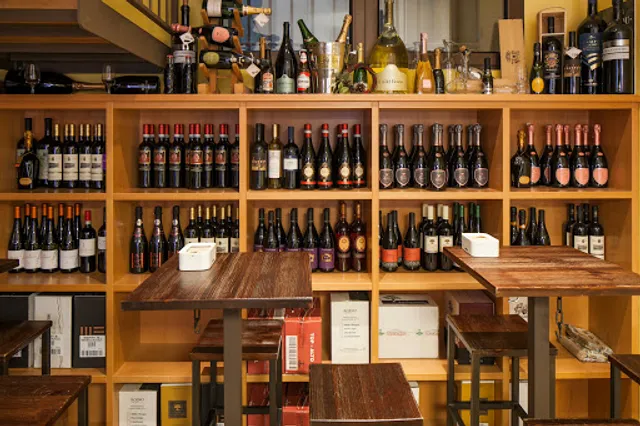
Zerocinquantuno
4.4
(1.2K)
Closed
Click for details
Nearby local services of Basilica di San Petronio
Fuente de Neptuno
Galleria Cavour
Comet
Apple Via Rizzoli
Salumeria Simoni
Maisons du Monde
VERO ~ Gelateria Cremeria (OGGI Gelato)
Rivenditore Autorizzato Rolex Bologna Giulio Veronesi Gioielleria
LEGO Certified Store Bologna
Cinema Modernissimo
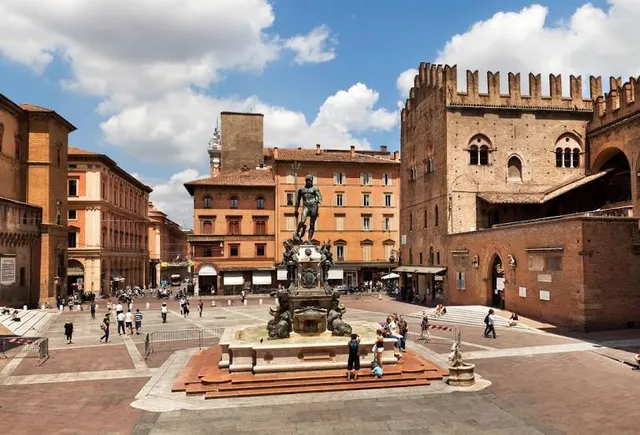
Fuente de Neptuno
4.7
(2K)
Click for details
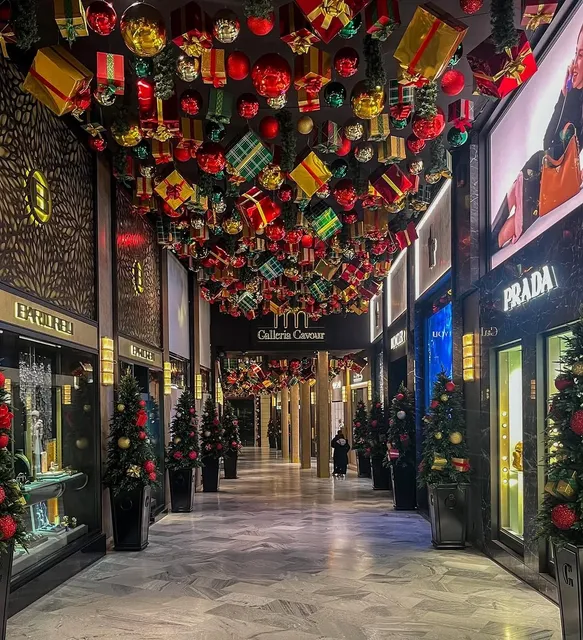
Galleria Cavour
4.4
(4.4K)
Click for details
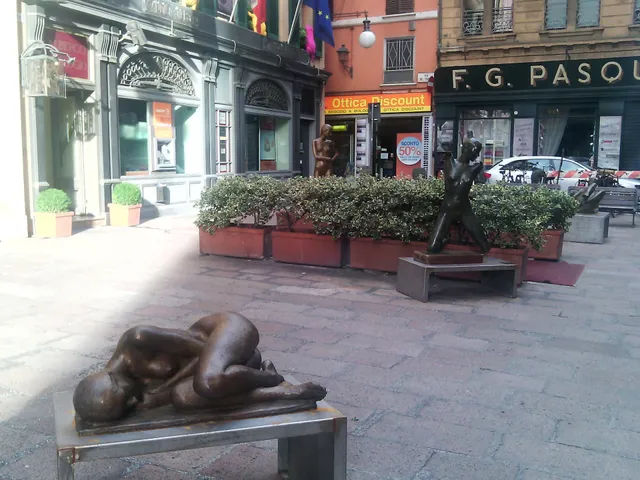
Comet
4.1
(600)
Click for details
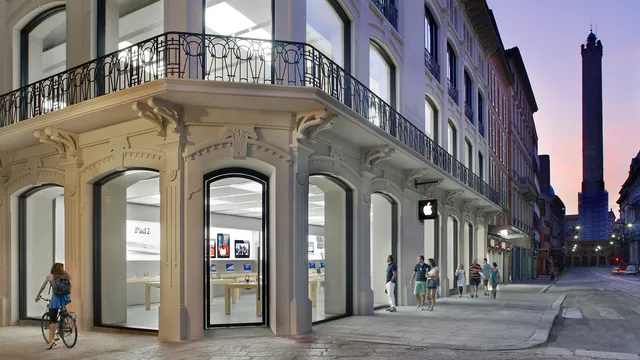
Apple Via Rizzoli
4.1
(1.4K)
Click for details