Basilica santuario Santo Stefano - Complesso delle sette chiese things to do, attractions, restaurants, events info and trip planning
Basic Info
Basilica santuario Santo Stefano - Complesso delle sette chiese
Via Santo Stefano, 24, 40125 Bologna BO, Italy
4.8(1.1K)
Open until 12:30 PM
Save
spot
spot
Ratings & Description
Info
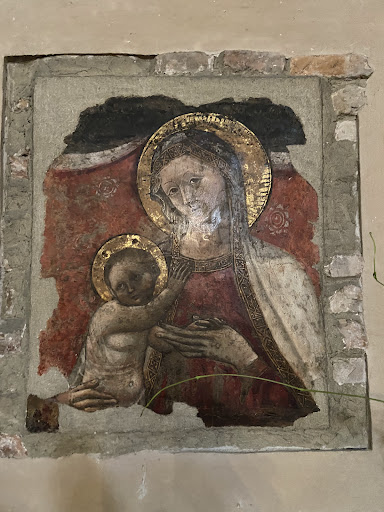
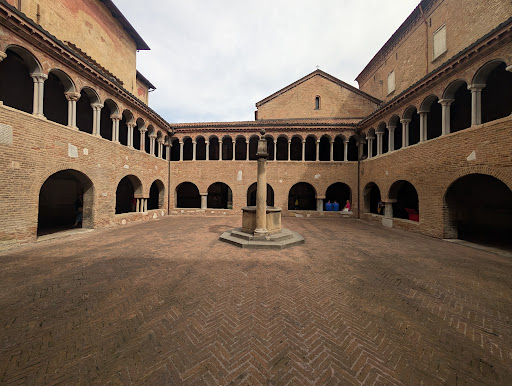
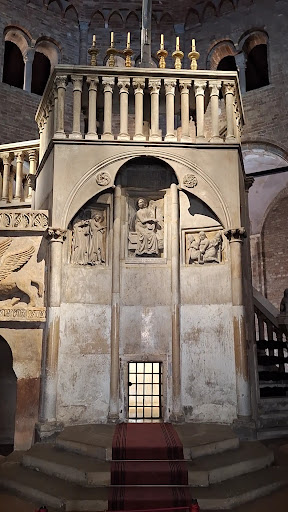
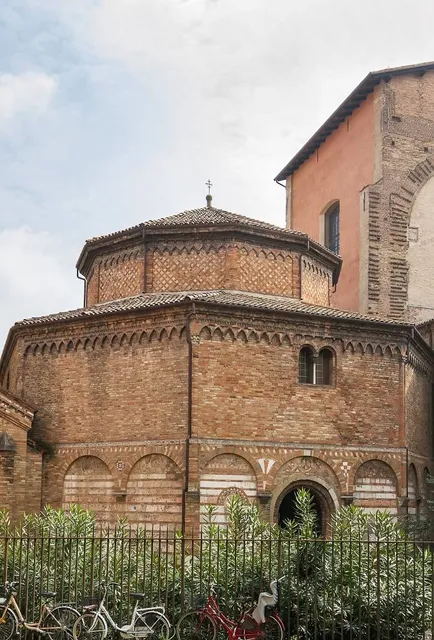
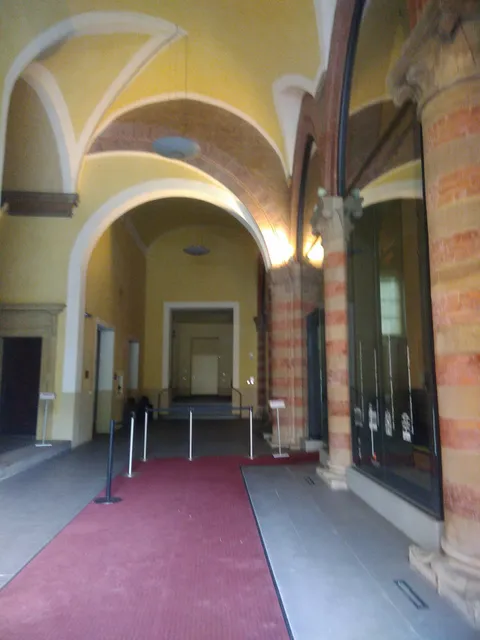
The basilica of Santo Stefano encompasses a complex of religious edifices in the city of Bologna, Italy. Located on Piazza Santo Stefano, it is locally known as Sette Chiese and Santa Gerusalemme. It has the dignity of minor basilica.
Cultural
Accessibility
attractions: Piazza Santo Stefano, Two Towers, Museo internazionale e biblioteca della musica, Le Tre Frecce, Palazzo Pepoli - Museo della Storia di Bologna, Piazza Maggiore, Palazzo Pepoli Campogrande, Basilica di Santa Maria dei Servi, Museo Ottocento Bologna, Basilica Collegiata dei Santi Bartolomeo e Gaetano, restaurants: Ristorante Da Cesarina, Cremeria la Vecchia Stalla, Sfoglia Rina, La Capriata, Ruggine, Camera con Vista, Trattoria Da Giampi e Ciccio, Trattoria Leonida, SETA Sushi Lab, 051 Osteria Santo Stefano, local businesses: Via Santo Stefano, 18, Corte Isolani, Città del sole Bologna - Strada Maggiore, Qubò, Galleria Cavour, Gallina Smilza, Borgo delle Tovaglie Via Farini Bologna, Cervellati, Flying Tiger Copenhagen, Profumo Di Fiori Bologna
 Learn more insights from Wanderboat AI.
Phone
+39 051 498 3423
Website
santostefanobologna.it
Open hoursSee all hours
Sat7:30 AM - 12:30 PM, 2:30 - 7:30 PMOpen
Plan your stay

Pet-friendly Hotels in Bologna
Find a cozy hotel nearby and make it a full experience.

Affordable Hotels in Bologna
Find a cozy hotel nearby and make it a full experience.

The Coolest Hotels You Haven't Heard Of (Yet)
Find a cozy hotel nearby and make it a full experience.

Trending Stays Worth the Hype in Bologna
Find a cozy hotel nearby and make it a full experience.
Reviews
Live events

Visita ORL MEMBER - EUDI2026
Fri, Feb 20 • 9:30 AM
Piazza della Costituzione, 6 40128 Bologna
View details

SWAGGAMI @ NUMA CLUB
Sat, Feb 21 • 11:00 PM
9 Via Alfieri Maserati 40127 Bologna
View details
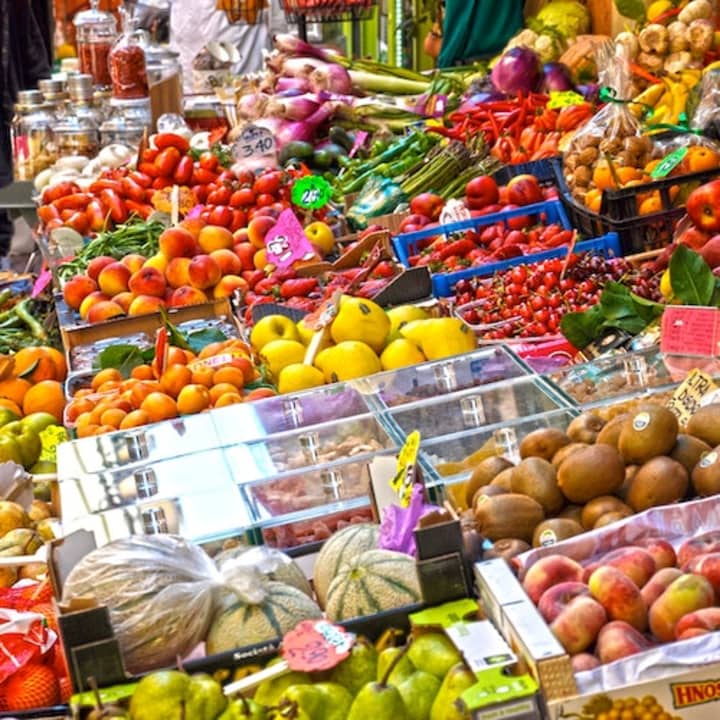
Bologna: Tour di degustazione al mercato + audioguida
Sat, Feb 21 • 10:30 AM
Via Caprarie, 3, Bologna, 40124
View details
Nearby attractions of Basilica santuario Santo Stefano - Complesso delle sette chiese
Piazza Santo Stefano
Two Towers
Museo internazionale e biblioteca della musica
Le Tre Frecce
Palazzo Pepoli - Museo della Storia di Bologna
Piazza Maggiore
Palazzo Pepoli Campogrande
Basilica di Santa Maria dei Servi
Museo Ottocento Bologna
Basilica Collegiata dei Santi Bartolomeo e Gaetano
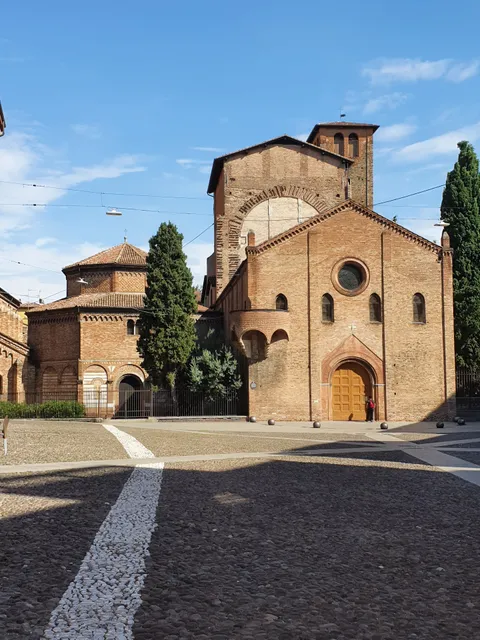
Piazza Santo Stefano
4.8
(5K)
Open 24 hours
Click for details
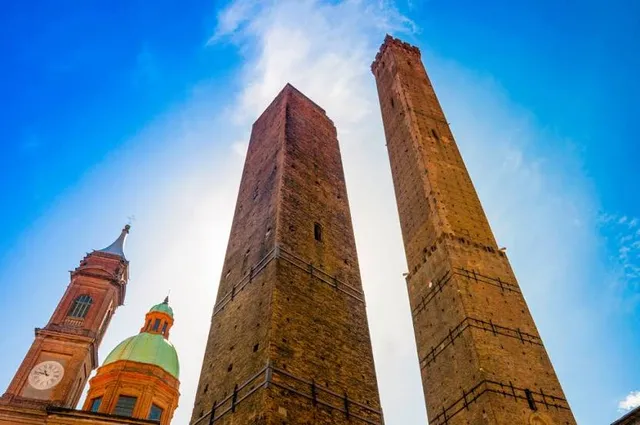
Two Towers
4.7
(12.1K)
Open 24 hours
Click for details
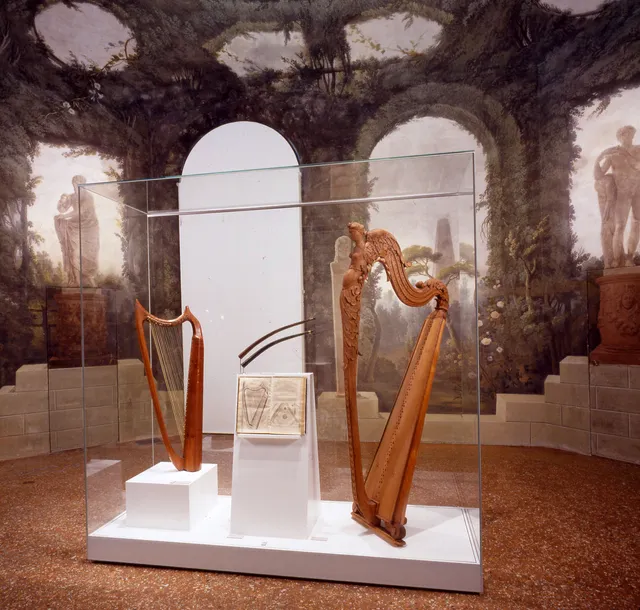
Museo internazionale e biblioteca della musica
4.5
(629)
Open until 7:00 PM
Click for details
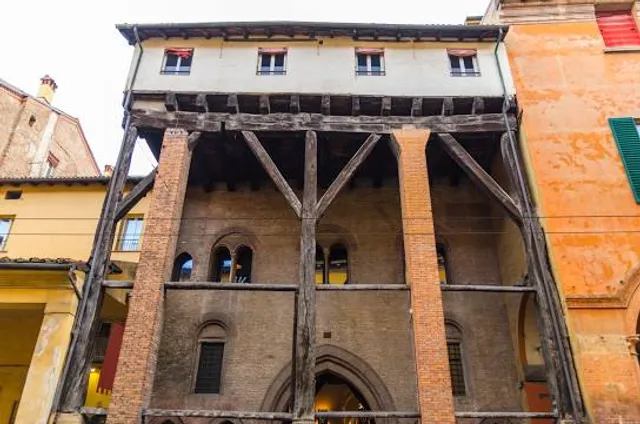
Le Tre Frecce
4.4
(316)
Open until 12:00 AM
Click for details
Nearby restaurants of Basilica santuario Santo Stefano - Complesso delle sette chiese
Ristorante Da Cesarina
Cremeria la Vecchia Stalla
Sfoglia Rina
La Capriata
Ruggine
Camera con Vista
Trattoria Da Giampi e Ciccio
Trattoria Leonida
SETA Sushi Lab
051 Osteria Santo Stefano
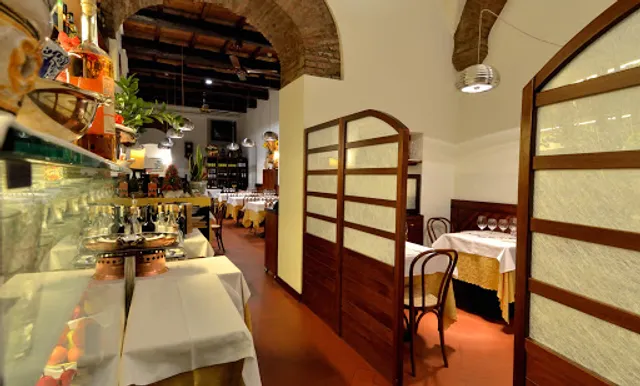
Ristorante Da Cesarina
4.2
(761)
$$$
Closed
Click for details
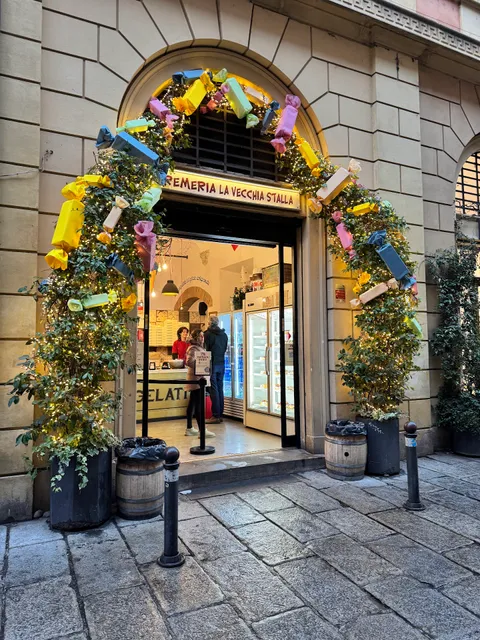
Cremeria la Vecchia Stalla
4.5
(1.4K)
$$
Closed
Click for details
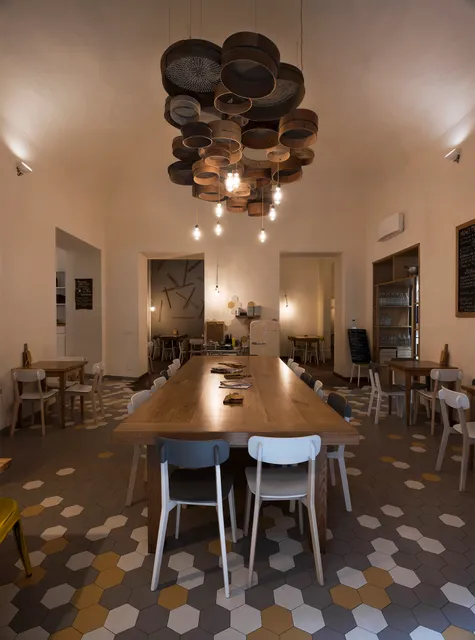
Sfoglia Rina
4.5
(4.1K)
Open until 12:00 AM
Click for details
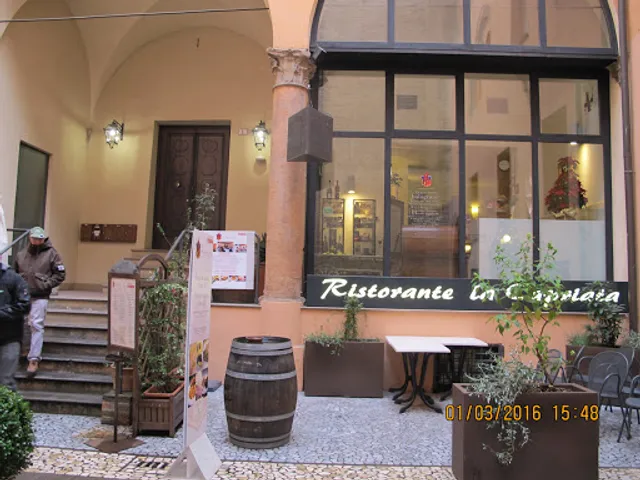
La Capriata
4.0
(927)
Closed
Click for details
Nearby local services of Basilica santuario Santo Stefano - Complesso delle sette chiese
Via Santo Stefano, 18
Corte Isolani
Città del sole Bologna - Strada Maggiore
Qubò
Galleria Cavour
Gallina Smilza
Borgo delle Tovaglie Via Farini Bologna
Cervellati
Flying Tiger Copenhagen
Profumo Di Fiori Bologna
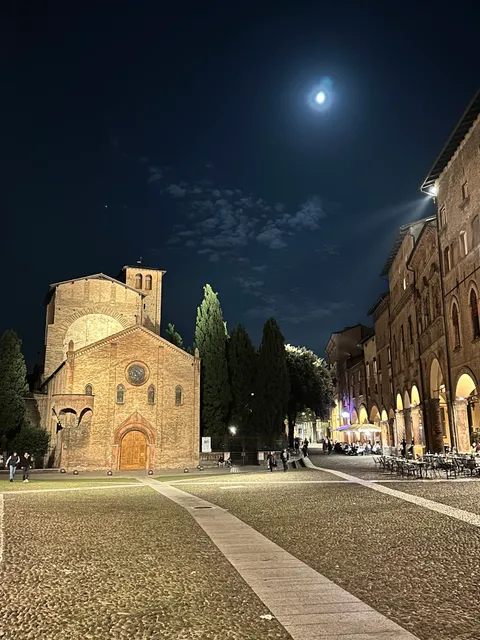
Via Santo Stefano, 18
4.4
(367)
Click for details
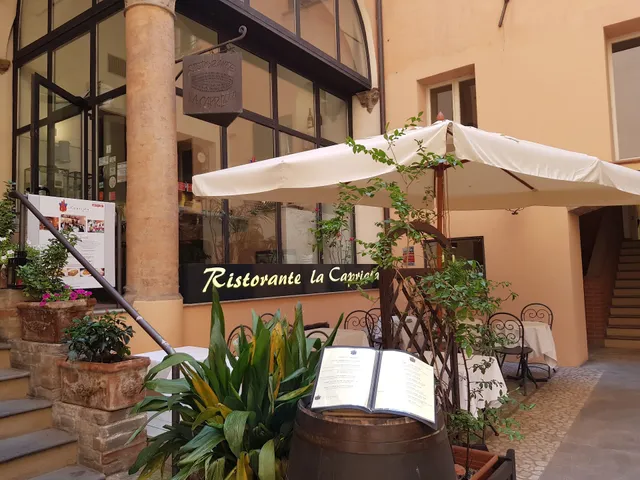
Corte Isolani
4.4
(361)
Click for details
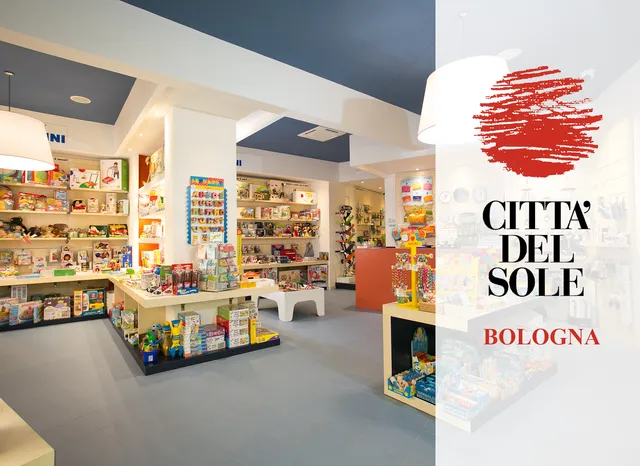
Città del sole Bologna - Strada Maggiore
4.7
(339)
Click for details
Qubò
3.3
(484)
Click for details