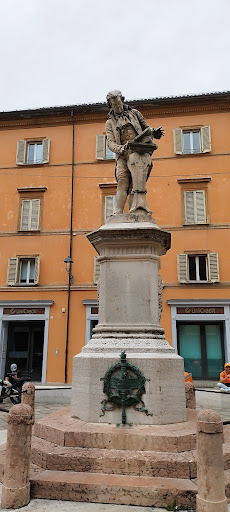
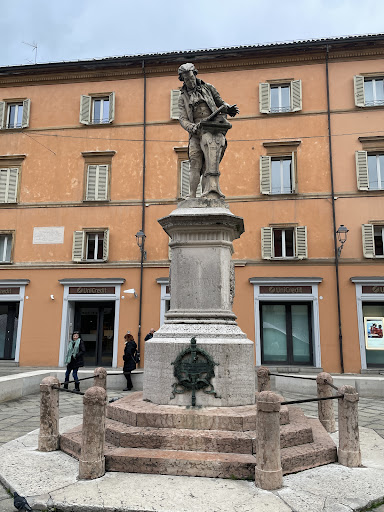
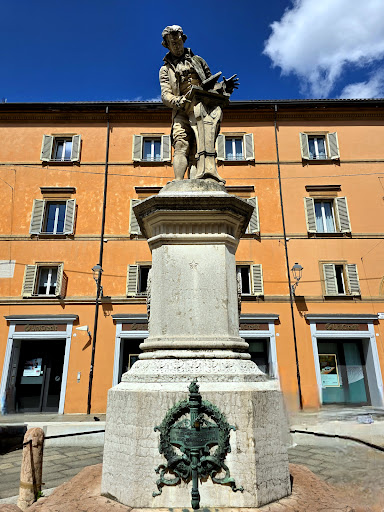
Statua di Luigi Galvani things to do, attractions, restaurants, events info and trip planning
Basic Info
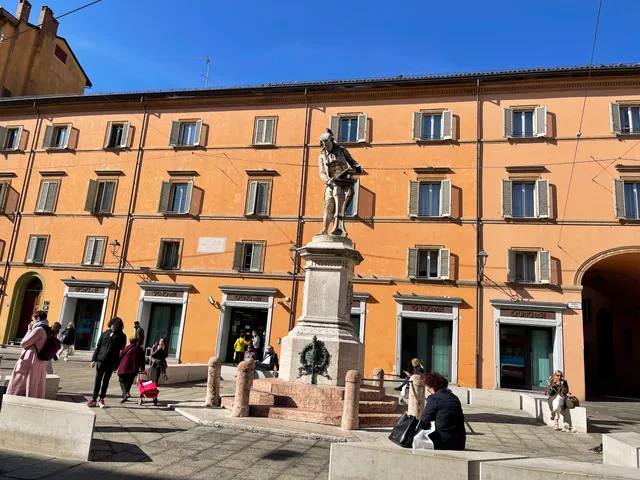
Statua di Luigi Galvani
P.zza Galvani, 40124 Bologna BO, Italy
4.5(85)
Open until 12:00 AM
Save
spot
spot
Ratings & Description
Info
Cultural
Scenic
attractions: Piazza Maggiore, Archaeological Museum of Bologna, Archiginnasio Palace and Anatomical Theater, Biblioteca Comunale dell'Archiginnasio, Portici di Bologna, Palazzo dei Banchi, Neptune's Fountain, Basilica of San Domenico, Two Towers, Palazzo d'Accursio, restaurants: Caffè Zanarini, Cremeria Cavour, Vicolo Colombina, Trattoria Da Me Nella Torre, Regina Sofia, Emporio Armani Caffè & Ristorante, 051 Osteria, PAN8, Bar Al Bricco D'oro, Da Cesari, local businesses: Galleria Cavour, Basilica di San Petronio, Louis Vuitton, Librerie.coop Zanichelli, IQOS Boutique, Tiffany & Co., Fuente de Neptuno, Gucci - Bologna Galleria, Ariel Medical Bologna, COS
 Learn more insights from Wanderboat AI.
Phone
+39 051 239660
Website
bolognawelcome.com
Open hoursSee all hours
SatOpen 24 hoursOpen
Plan your stay

Pet-friendly Hotels in Bologna
Find a cozy hotel nearby and make it a full experience.

Affordable Hotels in Bologna
Find a cozy hotel nearby and make it a full experience.

The Coolest Hotels You Haven't Heard Of (Yet)
Find a cozy hotel nearby and make it a full experience.

Trending Stays Worth the Hype in Bologna
Find a cozy hotel nearby and make it a full experience.
Reviews
Live events

Finale SANREMO @ DumBO by LACRIMA | 28.02
Sat, Feb 28 • 7:30 PM
19 Via Camillo Casarini 40131 Bologna
View details
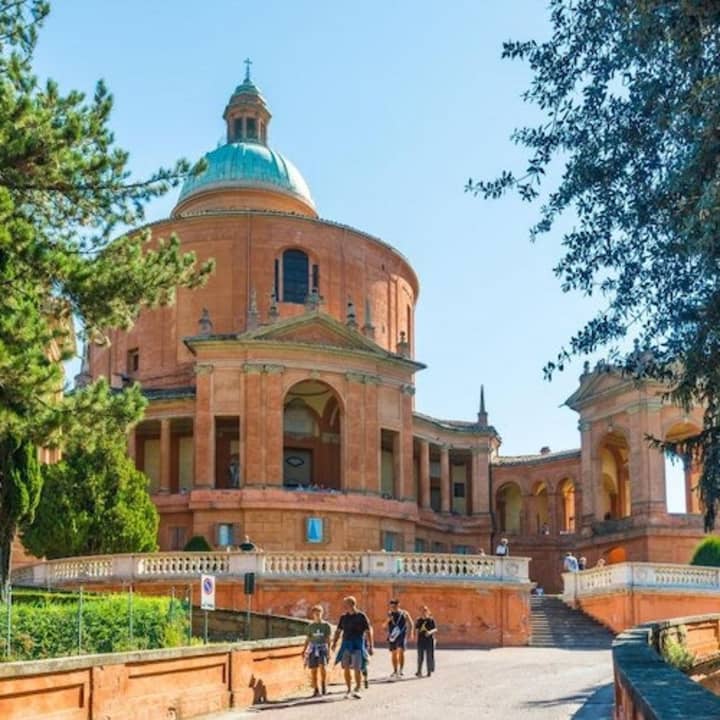
San Luca Express e degustazione locale
Sat, Feb 28 • 10:00 AM
Via Caprarie, 3, Bologna, 40124
View details

BAMBOO FLOW
Thu, Mar 5 • 9:30 PM
23/c Strada Maggiore 40125 Bologna
View details
Nearby attractions of Statua di Luigi Galvani
Piazza Maggiore
Archaeological Museum of Bologna
Archiginnasio Palace and Anatomical Theater
Biblioteca Comunale dell'Archiginnasio
Portici di Bologna
Palazzo dei Banchi
Neptune's Fountain
Basilica of San Domenico
Two Towers
Palazzo d'Accursio
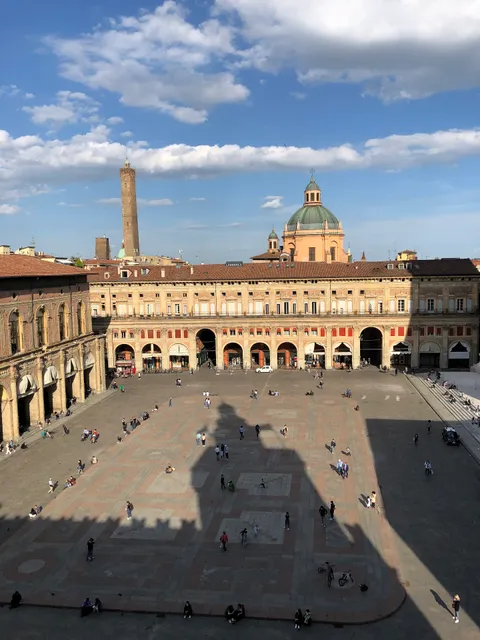
Piazza Maggiore
4.7
(28.7K)
Open 24 hours
Click for details
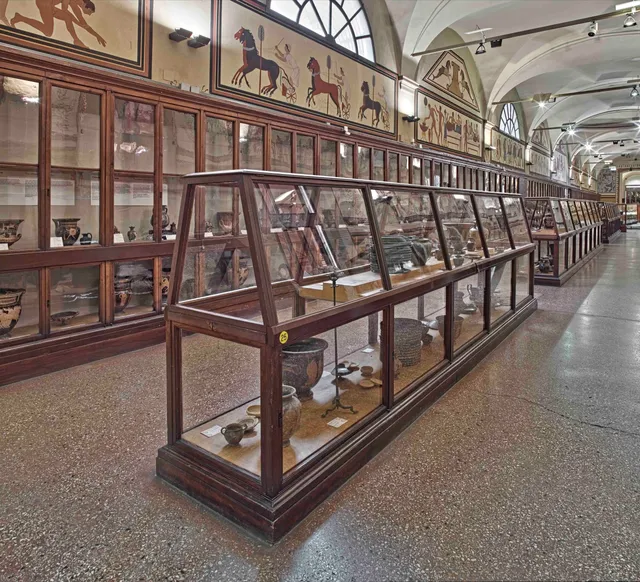
Archaeological Museum of Bologna
4.5
(1.6K)
Closed
Click for details
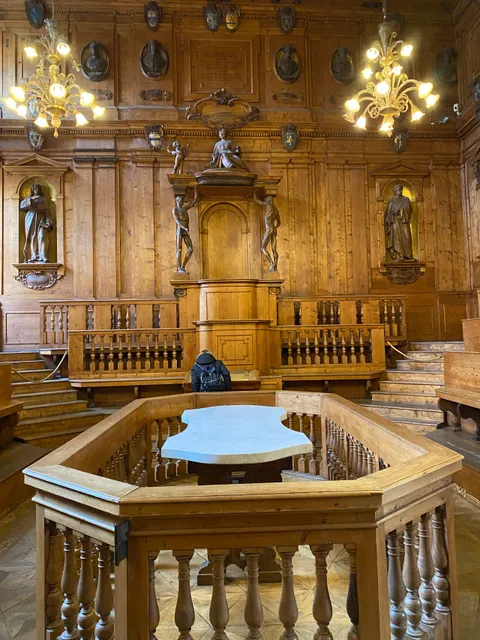
Archiginnasio Palace and Anatomical Theater
4.3
(311)
Closed
Click for details
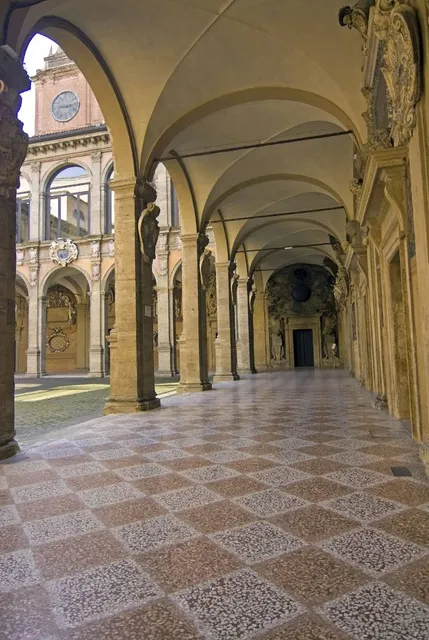
Biblioteca Comunale dell'Archiginnasio
4.6
(299)
Closed
Click for details
Nearby restaurants of Statua di Luigi Galvani
Caffè Zanarini
Cremeria Cavour
Vicolo Colombina
Trattoria Da Me Nella Torre
Regina Sofia
Emporio Armani Caffè & Ristorante
051 Osteria
PAN8
Bar Al Bricco D'oro
Da Cesari
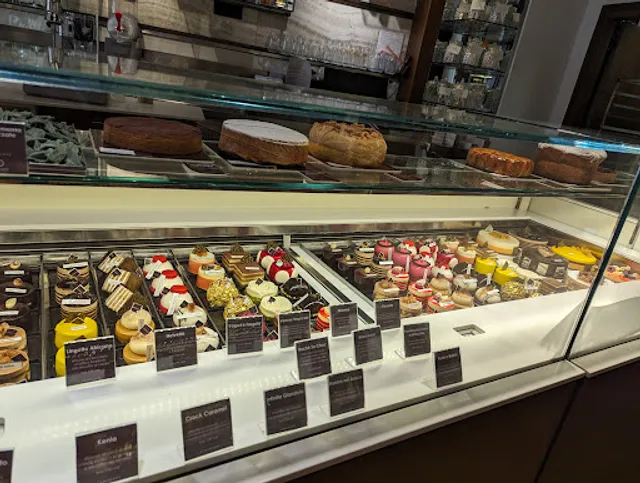
Caffè Zanarini
3.8
(1.1K)
$$$
Open until 9:00 PM
Click for details
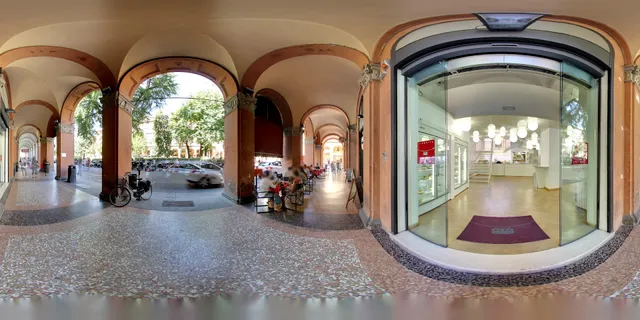
Cremeria Cavour
4.7
(2.4K)
$$
Closed
Click for details
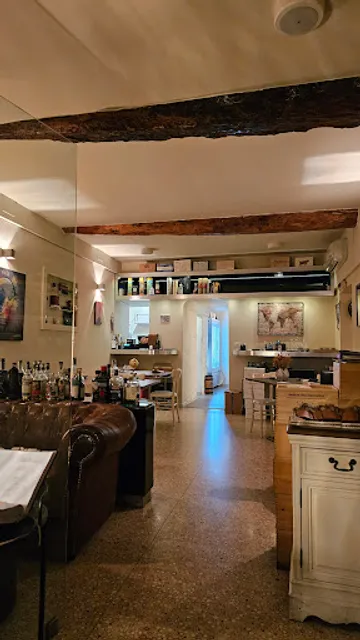
Vicolo Colombina
4.5
(577)
$$
Closed
Click for details
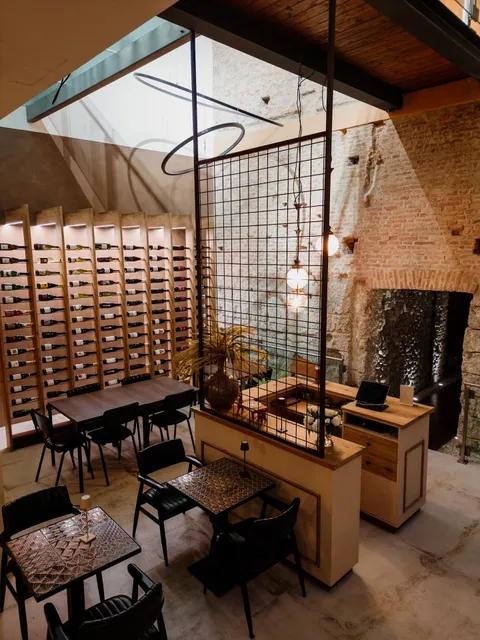
Trattoria Da Me Nella Torre
4.6
(431)
Closed
Click for details
Nearby local services of Statua di Luigi Galvani
Galleria Cavour
Basilica di San Petronio
Louis Vuitton
Librerie.coop Zanichelli
IQOS Boutique
Tiffany & Co.
Fuente de Neptuno
Gucci - Bologna Galleria
Ariel Medical Bologna
COS
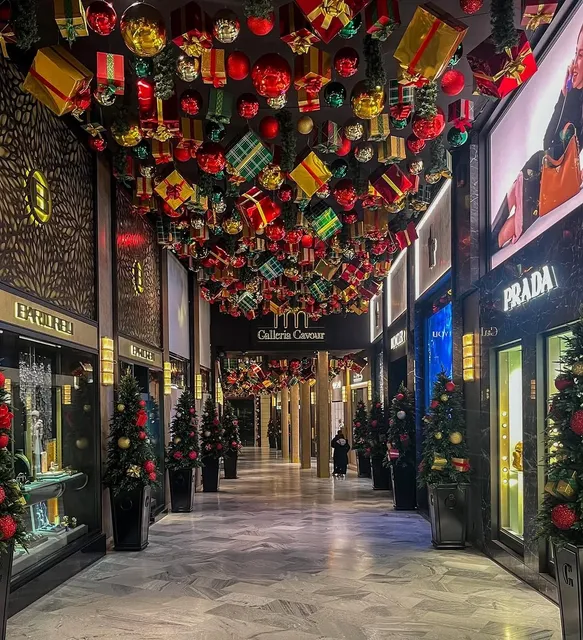
Galleria Cavour
4.4
(4.5K)
Click for details
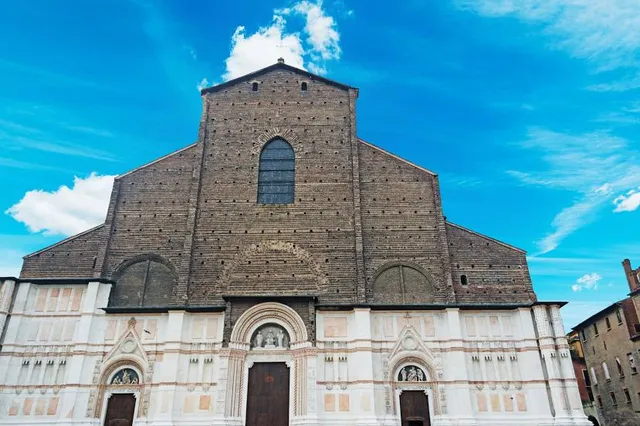
Basilica di San Petronio
4.5
(2.6K)
Click for details

Louis Vuitton
4.3
(414)
Click for details

Librerie.coop Zanichelli
4.6
(130)
Click for details