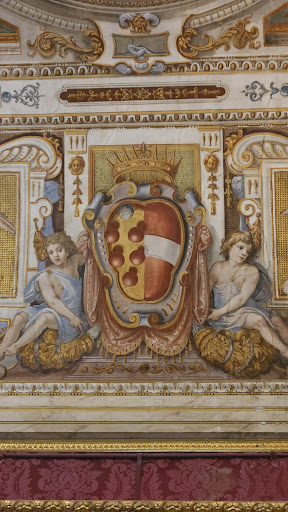
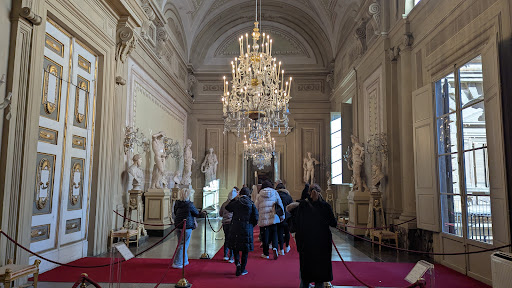
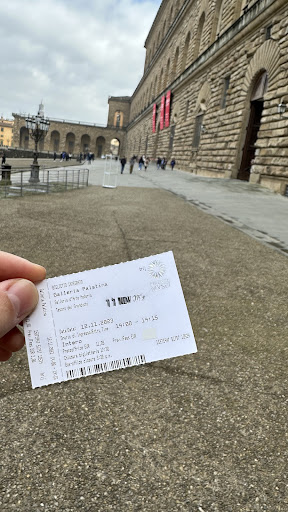
Palatine Gallery things to do, attractions, restaurants, events info and trip planning

Basic Info
Palatine Gallery
Piazza de' Pitti, 1, 50125 Firenze FI, Italy
4.7(301)
Closed


tickets
Save
spot
spot
Ratings & Description
Info
Cultural
Scenic
Family friendly
Accessibility
Luxury
attractions: Pitti Palace, Ponte Vecchio, The Boboli Gardens, Basilica di Santo Spirito, Gallery of Modern Art, Treasury of the Grand Dukes, Museum of Costume and Fashion, Uffizi Gallery, Museum of Natural History, La Specola, Ponte Santa Trinita, restaurants: Osteria Le Pietre - Piazza de Pitti Firenze, Gustapizza, Gustapanino, Enoteca Pitti Gola e Cantina, La Locanda Dei Pitti, Trattoria La Casalinga, Trattoria La Casalinga, Trattoria 4 Leoni, Mancuso Gelati Italiani 1920, Ditta Artigianale Via dello Sprone Specialty Coffee, local businesses: Basilica di Santo Spirito, Ponte Santa Trinità, Monnaluna Fashion Accessories, LíLá Toys - Giochi fuori dagli schemi, The Pitti Leather Shop, Studio Privato - Luca Zagami massaggiatore, Bounce Luggage Storage - Pitti Palace, Eugenia Back Jewelry, Mannina, Extremida gioielli artigianali ed artistici
 Learn more insights from Wanderboat AI.
Phone
+39 055 23885
Website
uffizi.it
Open hoursSee all hours
Sat8:30 AM - 7 PMClosed
Plan your stay

Pet-friendly Hotels in Florence
Find a cozy hotel nearby and make it a full experience.

Affordable Hotels in Florence
Find a cozy hotel nearby and make it a full experience.

The Coolest Hotels You Haven't Heard Of (Yet)
Find a cozy hotel nearby and make it a full experience.

Trending Stays Worth the Hype in Florence
Find a cozy hotel nearby and make it a full experience.
Reviews
Live events

The Jury Experience: morte per mano dell’IA. Chi paga il prezzo?
Sat, Feb 28 • 4:00 PM
Largo Piero Farulli, 1, 50014 Fiesole (FI), 50014
View details

UNA NOTTE AL MUSEO 28/02
Sat, Feb 28 • 5:00 PM
6 Piazza della Calza 50125 Firenze
View details

Saturday BLUE VELVET VIP ROOM
Sat, Feb 28 • 11:59 PM
16r Via del Castello D'Altafronte 50122 Firenze
View details
Nearby attractions of Palatine Gallery
Pitti Palace
Ponte Vecchio
The Boboli Gardens
Basilica di Santo Spirito
Gallery of Modern Art
Treasury of the Grand Dukes
Museum of Costume and Fashion
Uffizi Gallery
Museum of Natural History, La Specola
Ponte Santa Trinita
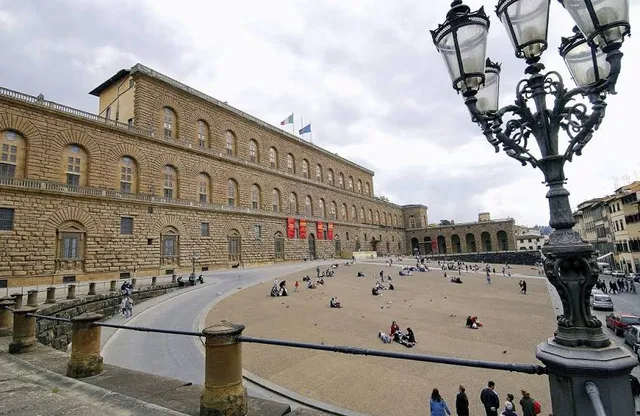
Pitti Palace
4.6
(12.6K)
Closed
Click for details
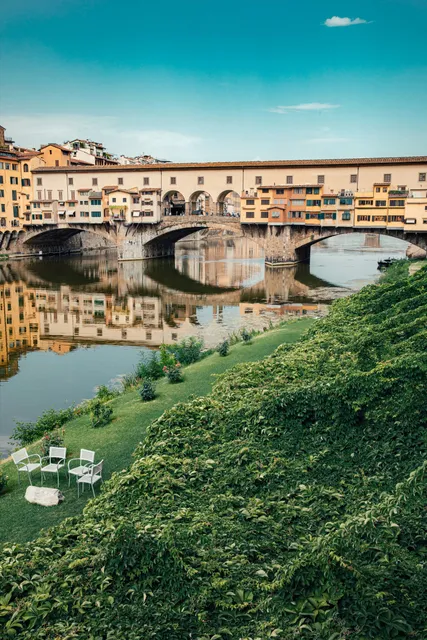
Ponte Vecchio
4.7
(49.1K)
Open 24 hours
Click for details
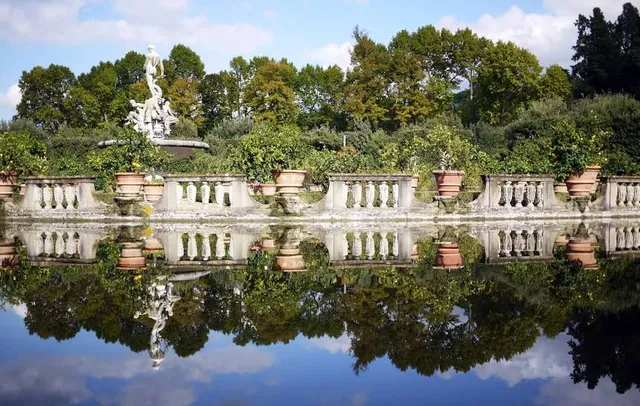
The Boboli Gardens
4.2
(11.4K)
Closed
Click for details
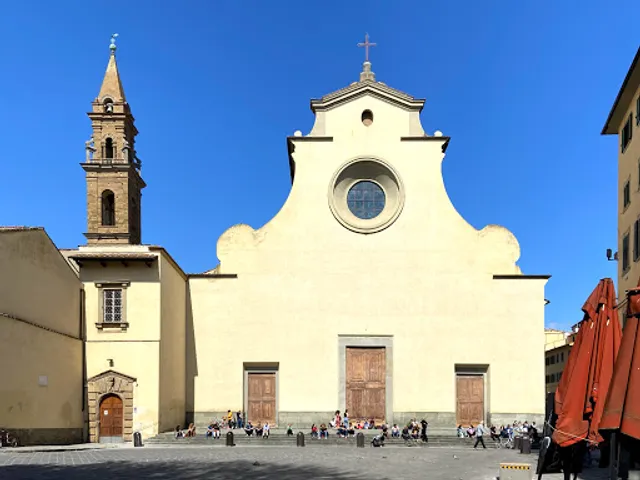
Basilica di Santo Spirito
4.6
(2.2K)
Closed
Click for details
Nearby restaurants of Palatine Gallery
Osteria Le Pietre - Piazza de Pitti Firenze
Gustapizza
Gustapanino
Enoteca Pitti Gola e Cantina
La Locanda Dei Pitti
Trattoria La Casalinga
Trattoria La Casalinga
Trattoria 4 Leoni
Mancuso Gelati Italiani 1920
Ditta Artigianale Via dello Sprone Specialty Coffee
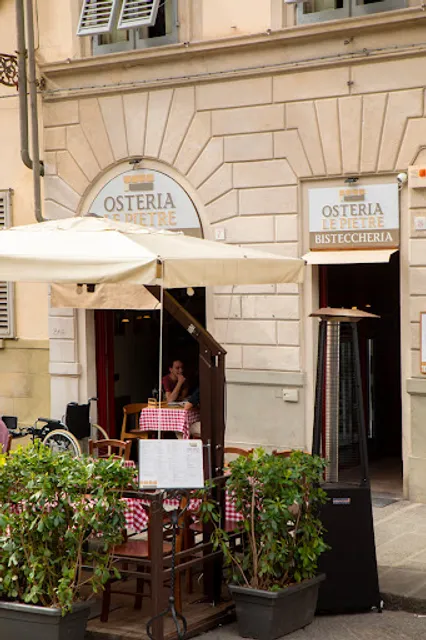
Osteria Le Pietre - Piazza de Pitti Firenze
4.7
(1.1K)
Closed
Click for details
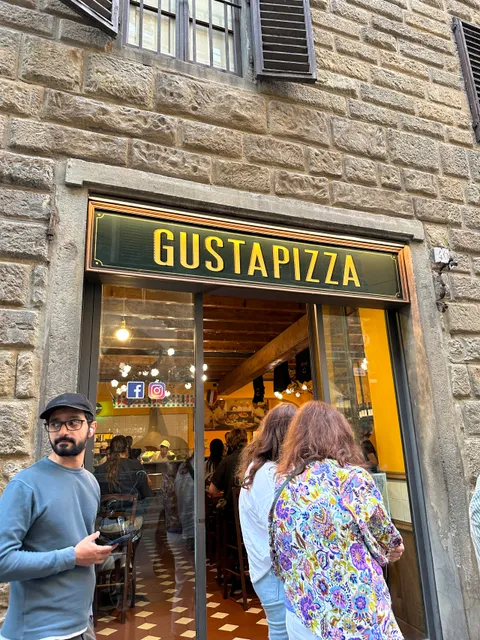
Gustapizza
4.5
(3K)
Closed
Click for details
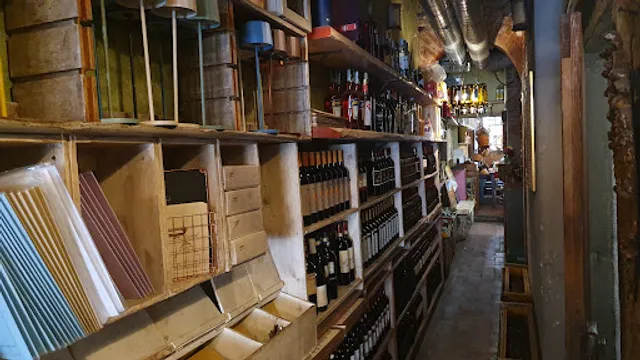
Gustapanino
4.8
(4.4K)
Closed
Click for details
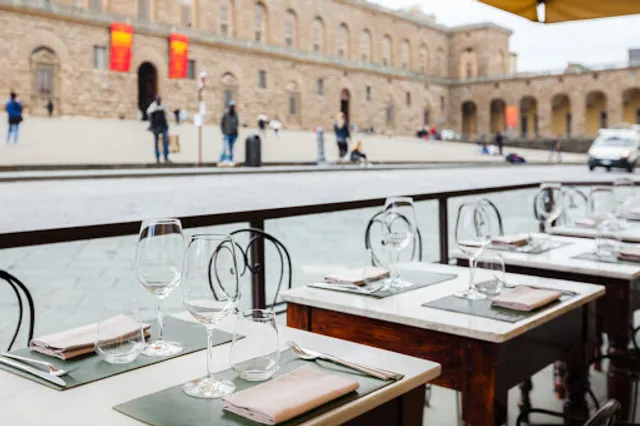
Enoteca Pitti Gola e Cantina
4.7
(509)
$$
Open until 12:00 AM
Click for details
Nearby local services of Palatine Gallery
Basilica di Santo Spirito
Ponte Santa Trinità
Monnaluna Fashion Accessories
LíLá Toys - Giochi fuori dagli schemi
The Pitti Leather Shop
Studio Privato - Luca Zagami massaggiatore
Bounce Luggage Storage - Pitti Palace
Eugenia Back Jewelry
Mannina
Extremida gioielli artigianali ed artistici
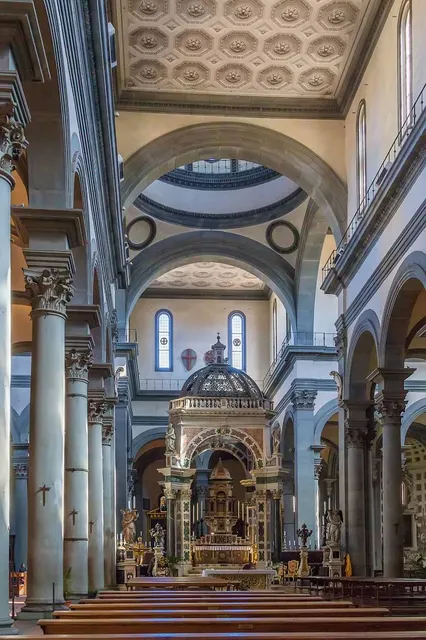
Basilica di Santo Spirito
4.6
(1.9K)
Click for details
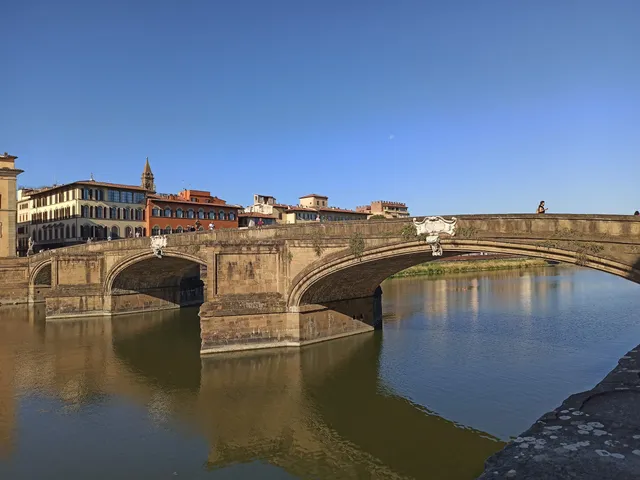
Ponte Santa Trinità
4.6
(4.4K)
Click for details
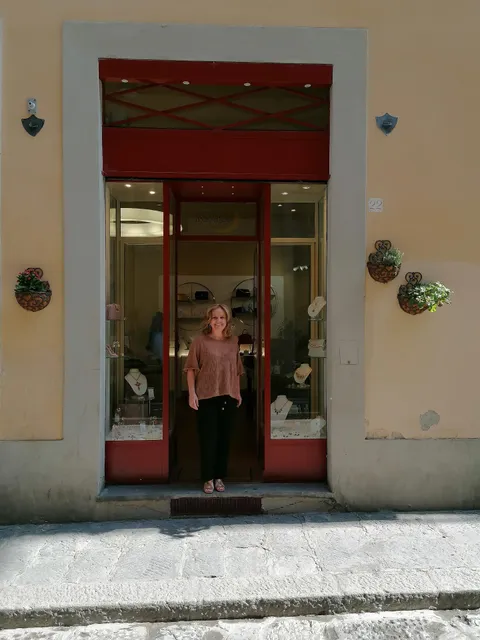
Monnaluna Fashion Accessories
5.0
(73)
Click for details
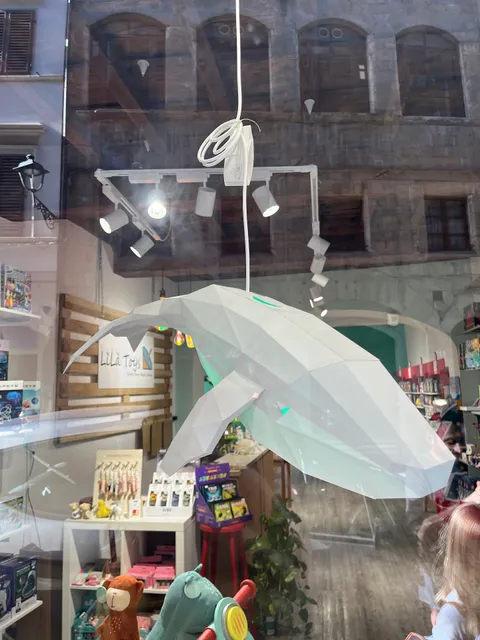
LíLá Toys - Giochi fuori dagli schemi
5.0
(77)
Click for details