Museum of Natural History, La Specola things to do, attractions, restaurants, events info and trip planning
Basic Info
Museum of Natural History, La Specola
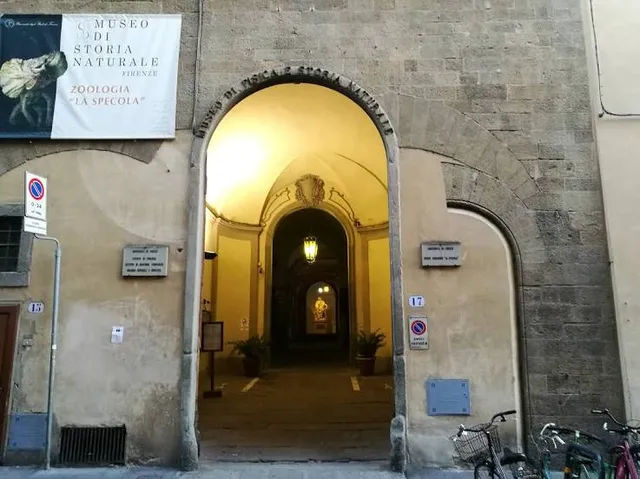
Via Romana, 17, 50125 Firenze FI, Italy
4.5(683)
Open until 5:00 PM

tickets
Save
spot
spot
Ratings & Description
Info
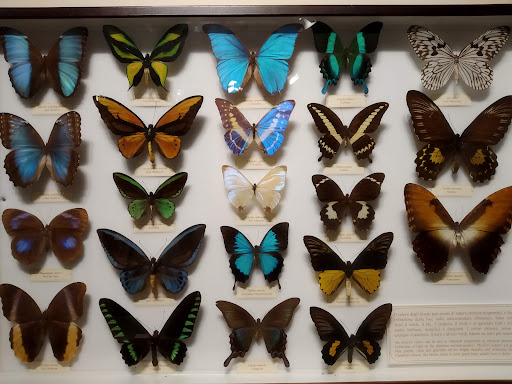
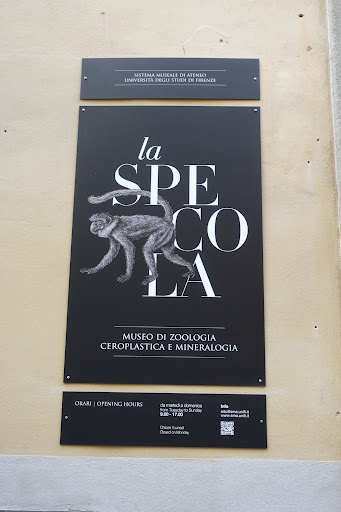
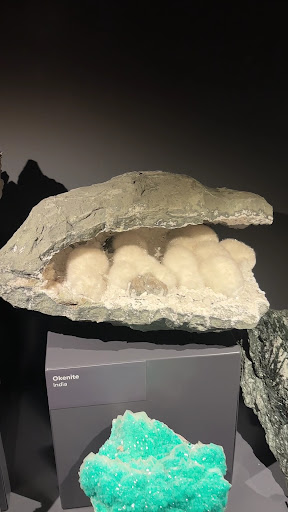
The Museum of Zoology and Natural History, best known as La Specola, is an eclectic natural history museum in Florence, central Italy, located next to the Pitti Palace. The name Specola means observatory, a reference to the astronomical observatory founded there in 1790.
Cultural
Family friendly
Accessibility
attractions: The Boboli Gardens, Pitti Palace, Basilica di Santo Spirito, Palatine Gallery, Ponte Vecchio, Tobian Art Gallery, Museum of Costume and Fashion, Ingresso Giardino di Boboli, Casa Guidi Firenze, Piazza Santo Spirito, restaurants: Trattoria Boboli, Pitti Express, Osteria dell'Enoteca, Pizzeria Totò atto II, Gustapanino, Gustapizza, Osteria Santo Spirito, Tuscan Taste, Osteria Le Pietre - Piazza de Pitti Firenze, Dalla Lola, local businesses: Eating Europe Food Tours Florence, Basilica di Santo Spirito, LíLá Toys - Giochi fuori dagli schemi, Boboli Souvenir, Extremida gioielli artigianali ed artistici, Studio Privato - Luca Zagami massaggiatore, Giuliano Ricchi Jewelry, Ginevra Gemmi Jewellery, Officine Nora - Contemporary jewelry work/shop, The Pet Sitter in Florence
 Learn more insights from Wanderboat AI.
Phone
+39 055 275 6444
Website
sma.unifi.it
Open hoursSee all hours
Thu9 AM - 5 PMOpen
Plan your stay

Pet-friendly Hotels in Florence
Find a cozy hotel nearby and make it a full experience.

Affordable Hotels in Florence
Find a cozy hotel nearby and make it a full experience.

The Coolest Hotels You Haven't Heard Of (Yet)
Find a cozy hotel nearby and make it a full experience.

Trending Stays Worth the Hype in Florence
Find a cozy hotel nearby and make it a full experience.
Reviews
Live events

The Jury Experience: morte per mano dell’IA. Chi paga il prezzo?
Sat, Feb 28 • 4:00 PM
Largo Piero Farulli, 1, 50014 Fiesole (FI), 50014
View details
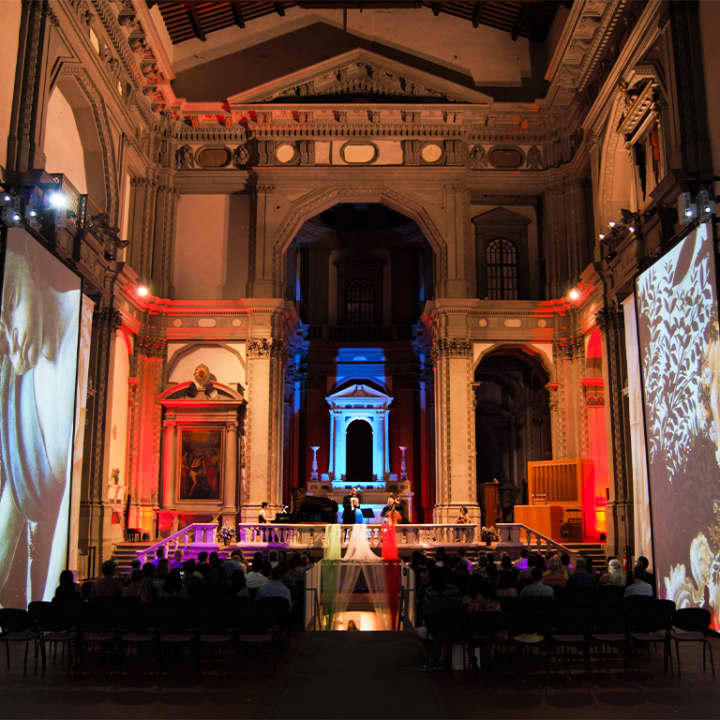
Opera in Roma: Three Tenors - Nessun Dorma Cattedrale dellImmagine
Fri, Feb 27 • 8:30 PM
Piazza di Santo Stefano, 5, Firenze, 50122
View details
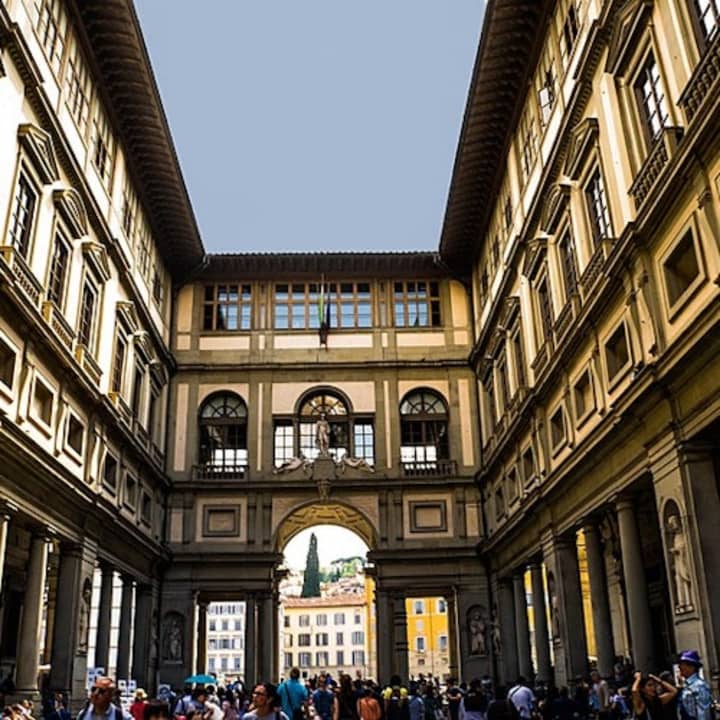
Galleria degli Uffizi: Biglietto dingresso prioritario
Thu, Feb 26 • 9:00 AM
Piazzale degli Uffizi, 6, Firenze, 50122
View details
Nearby attractions of Museum of Natural History, La Specola
The Boboli Gardens
Pitti Palace
Basilica di Santo Spirito
Palatine Gallery
Ponte Vecchio
Tobian Art Gallery
Museum of Costume and Fashion
Ingresso Giardino di Boboli
Casa Guidi Firenze
Piazza Santo Spirito
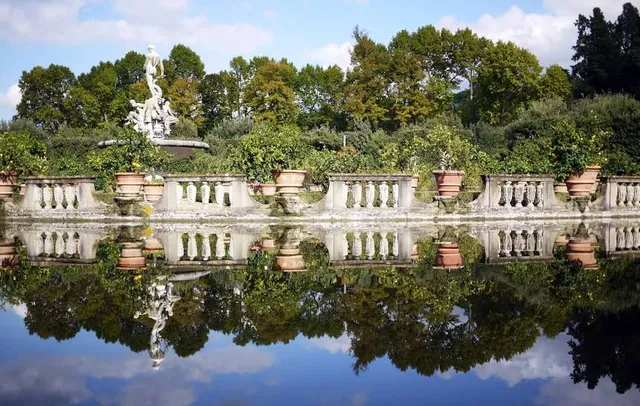
The Boboli Gardens
4.2
(11.1K)
Open until 6:30 PM
Click for details
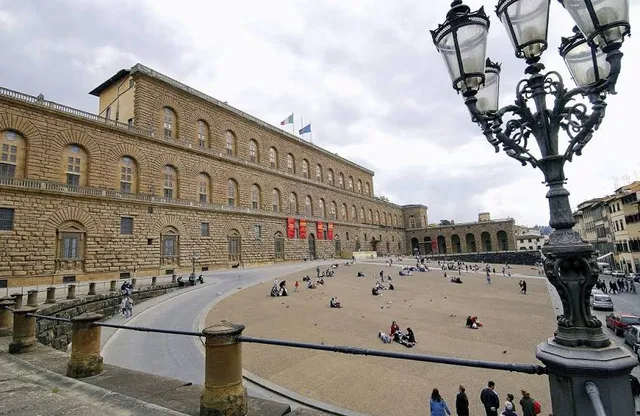
Pitti Palace
4.6
(12.9K)
Open until 6:30 PM
Click for details
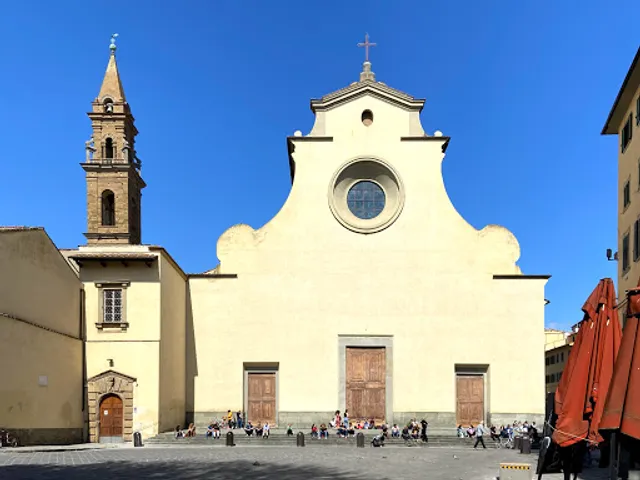
Basilica di Santo Spirito
4.6
(2.1K)
Open until 12:00 AM
Click for details
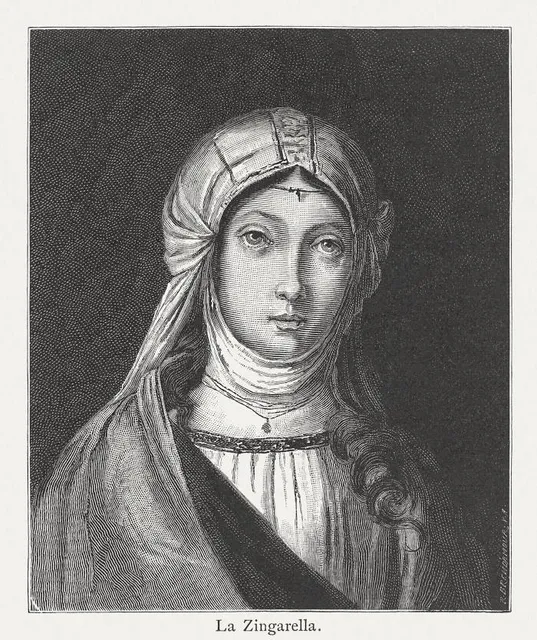
Palatine Gallery
4.7
(314)
Open until 7:00 PM
Click for details
Nearby restaurants of Museum of Natural History, La Specola
Trattoria Boboli
Pitti Express
Osteria dell'Enoteca
Pizzeria Totò atto II
Gustapanino
Gustapizza
Osteria Santo Spirito
Tuscan Taste
Osteria Le Pietre - Piazza de Pitti Firenze
Dalla Lola
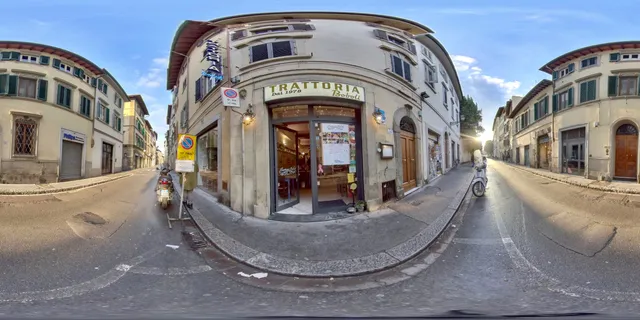
Trattoria Boboli
4.7
(3.7K)
$$
Open until 10:00 PM
Click for details
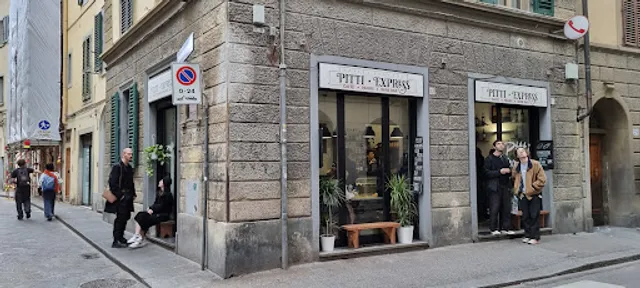
Pitti Express
4.9
(697)
$
Open until 8:00 PM
Click for details
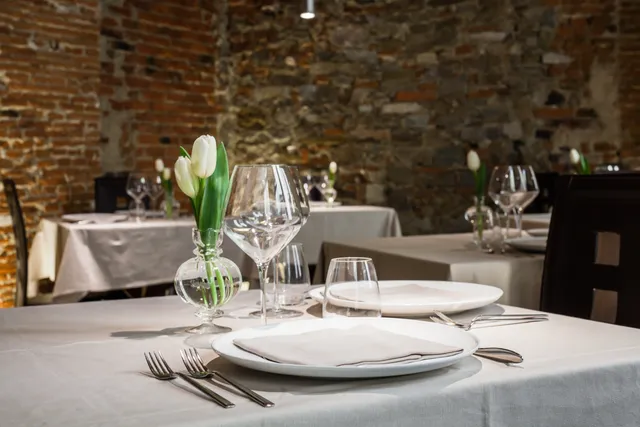
Osteria dell'Enoteca
4.7
(519)
$$
Open until 12:00 AM
Click for details
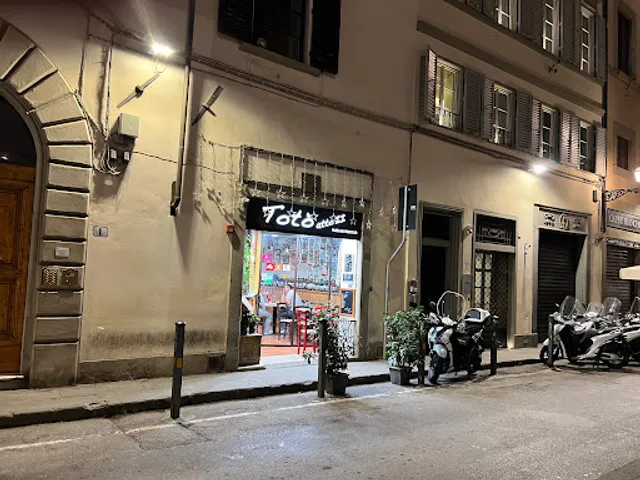
Pizzeria Totò atto II
4.6
(596)
Open until 10:00 PM
Click for details
Nearby local services of Museum of Natural History, La Specola
Eating Europe Food Tours Florence
Basilica di Santo Spirito
LíLá Toys - Giochi fuori dagli schemi
Boboli Souvenir
Extremida gioielli artigianali ed artistici
Studio Privato - Luca Zagami massaggiatore
Giuliano Ricchi Jewelry
Ginevra Gemmi Jewellery
Officine Nora - Contemporary jewelry work/shop
The Pet Sitter in Florence
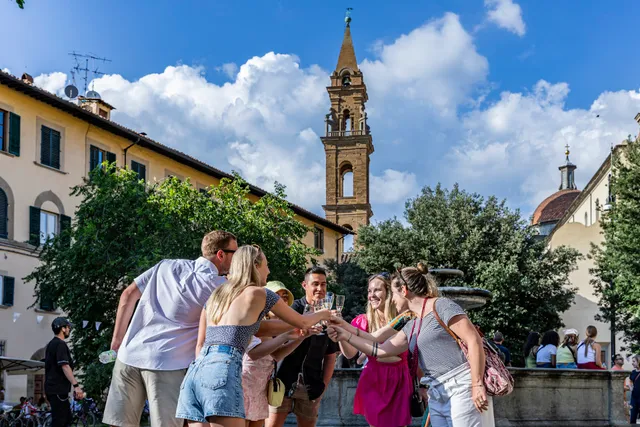
Eating Europe Food Tours Florence
5.0
(2.9K)
Click for details
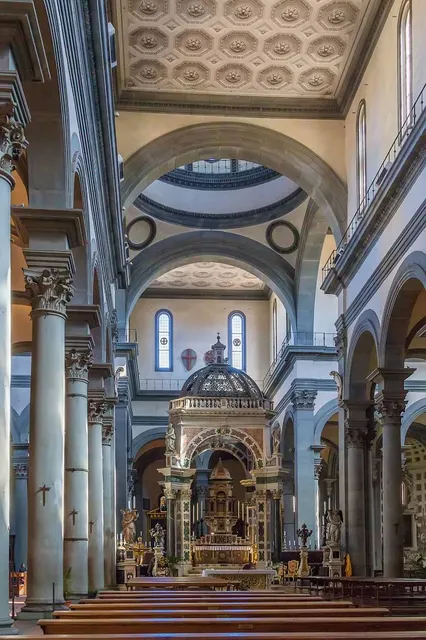
Basilica di Santo Spirito
4.6
(2K)
Click for details
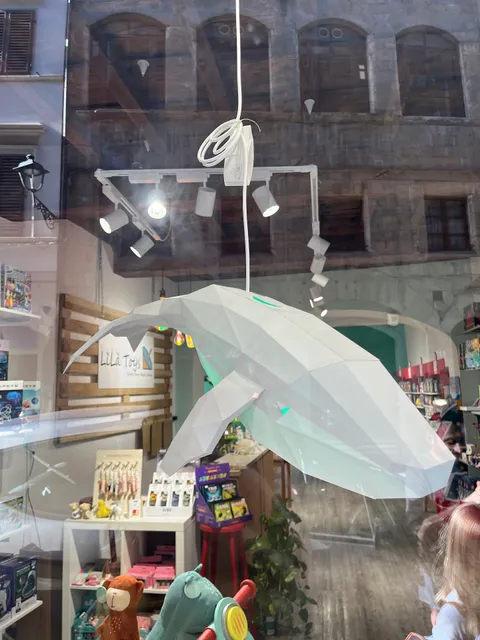
LíLá Toys - Giochi fuori dagli schemi
5.0
(74)
Click for details
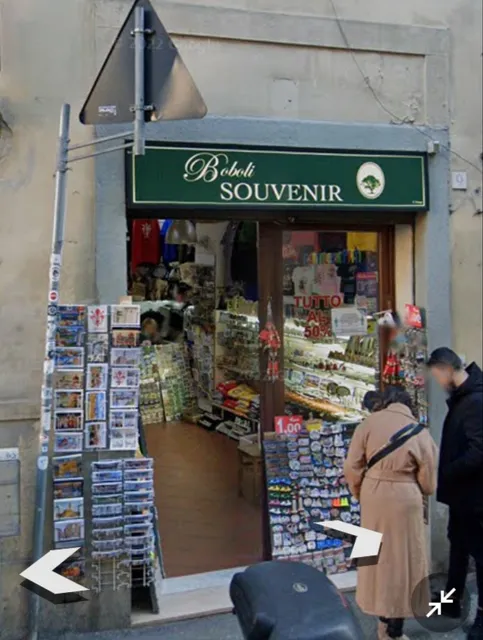
Boboli Souvenir
5.0
(13)
Click for details