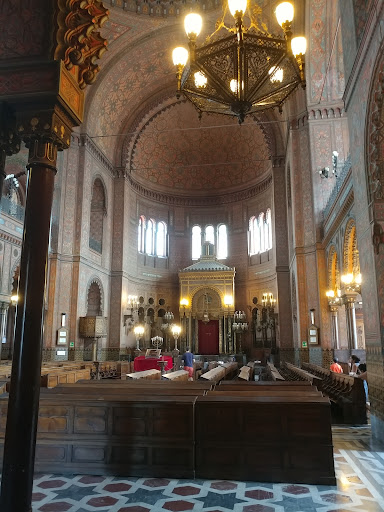
Synagogue and Jewish Museum of Florence things to do, attractions, restaurants, events info and trip planning
Basic Info
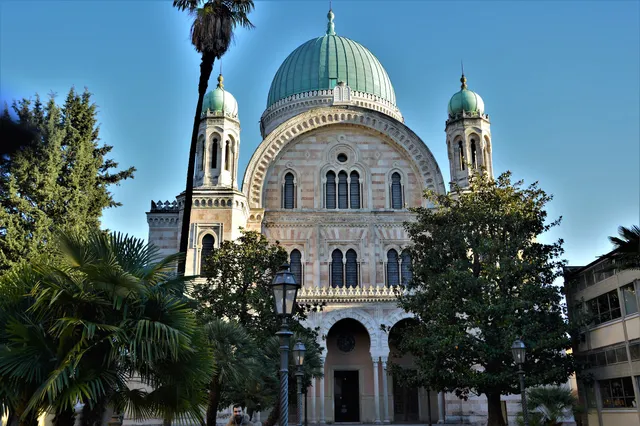
Synagogue and Jewish Museum of Florence
Via Luigi Carlo Farini, 6, 50121 Firenze FI, Italy
4.5(996)
Open until 5:30 PM


tickets
Save
spot
spot
Ratings & Description
Info
The Great Synagogue of Florence is one of the largest synagogues in South-central Europe, situated in Florence, in Italy.
Cultural
Accessibility
attractions: Mercato di Sant’Ambrogio, Loggia del Pesce, Santa Maria Maddalena dei Pazzi, Basilica of Santa Croce in Florence, Teatro Della Pergola, Casa Buonarroti, Verdi, Piazza dei Ciompi, Galleria Il Ponte, AdventureRooms Firenze, restaurants: Ruth's Kosher Jewish Restaurant, Il Pizzaiuolo, Ditta Artigianale Sant' Ambrogio, Ba Ghetto, Pasticceria Nencioni, Sergio Pollini Lampredotto, Osteria Uguccione, SchiacciaMatta, Cibrèo Trattoria, La Ghiotta, local businesses: Lady Jane B., Piazza Massimo D'Azeglio, Pasta Class Florence | Cooking classes in Florence, Conad City, l'Ó Profumo, Alfieri Cinema Bistro Theater Space, Cooking Italy - Florence, Your Vino | Wine tours in Tuscany from Florence, Mercato delle Pulci, Warhammer
 Learn more insights from Wanderboat AI.
Phone
+39 055 245252
Website
firenzebraica.it
Open hoursSee all hours
Wed10 AM - 5:30 PMOpen
Plan your stay

Pet-friendly Hotels in Florence
Find a cozy hotel nearby and make it a full experience.

Affordable Hotels in Florence
Find a cozy hotel nearby and make it a full experience.

The Coolest Hotels You Haven't Heard Of (Yet)
Find a cozy hotel nearby and make it a full experience.

Trending Stays Worth the Hype in Florence
Find a cozy hotel nearby and make it a full experience.
Reviews
Live events

My Farm - three experiences in one day
Wed, Jan 28 • 9:15 AM
50124, Florence, Tuscany, Italy
View details
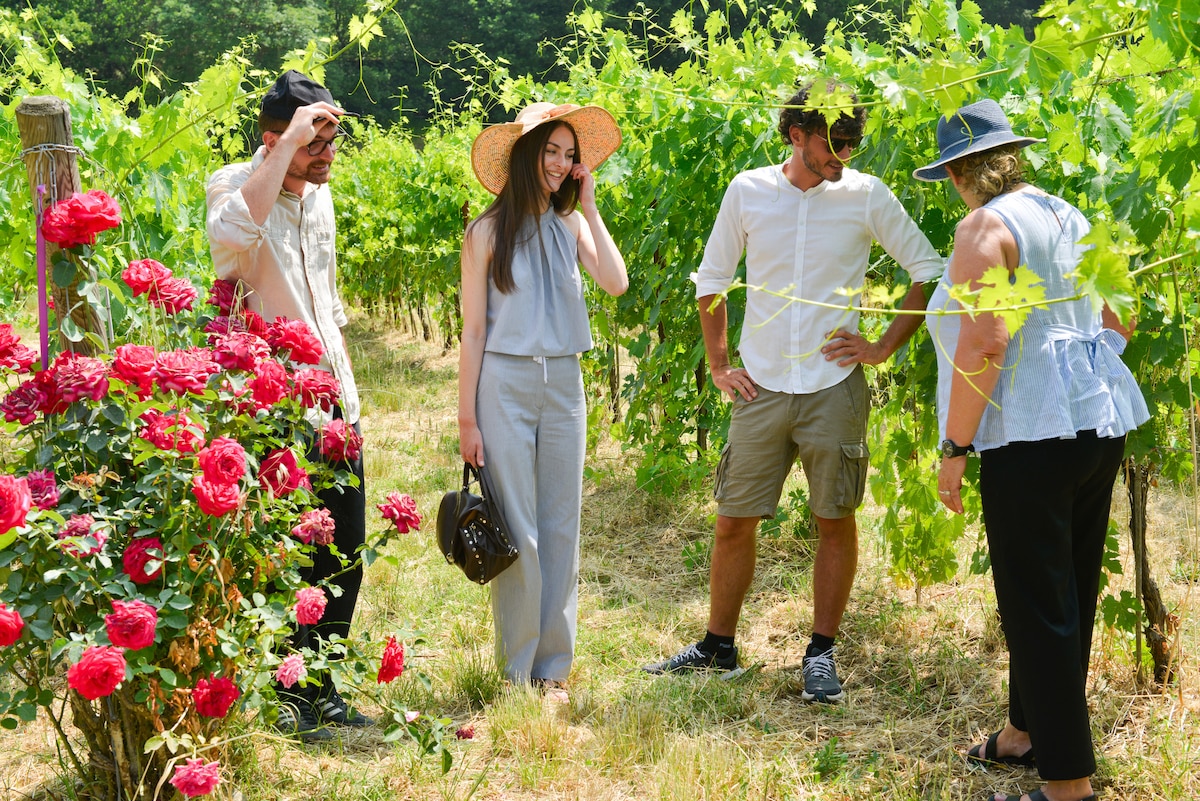
Unforgettable Wine Tasting in Chianti with Lunch
Wed, Jan 28 • 12:00 PM
50125, Florence, Tuscany, Italy
View details
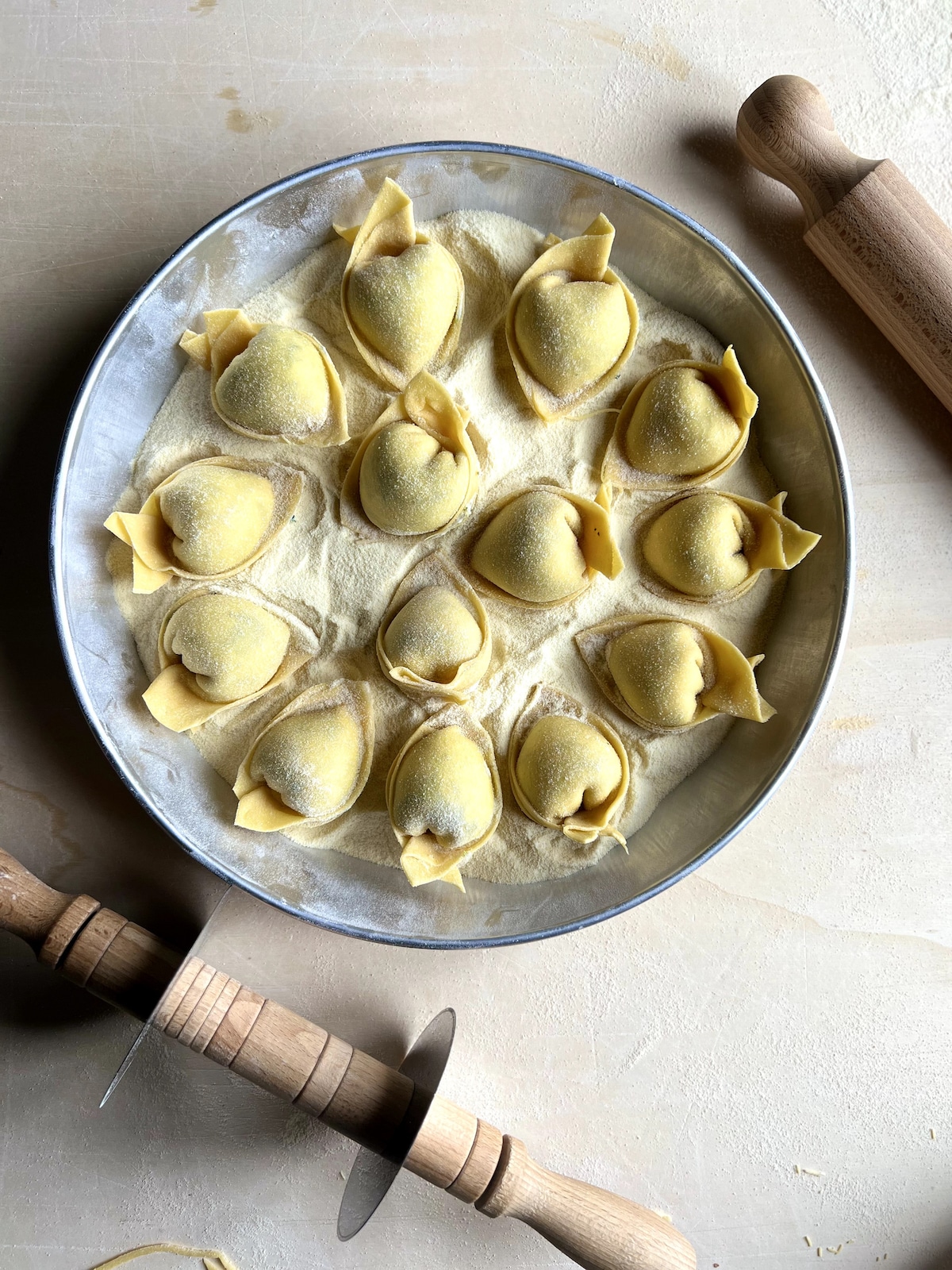
Francys Pasta&Gnocchi on the Florentine Hills
Wed, Jan 28 • 5:00 PM
50131, Florence, Tuscany, Italy
View details
Nearby attractions of Synagogue and Jewish Museum of Florence
Mercato di Sant’Ambrogio
Loggia del Pesce
Santa Maria Maddalena dei Pazzi
Basilica of Santa Croce in Florence
Teatro Della Pergola
Casa Buonarroti
Verdi
Piazza dei Ciompi
Galleria Il Ponte
AdventureRooms Firenze
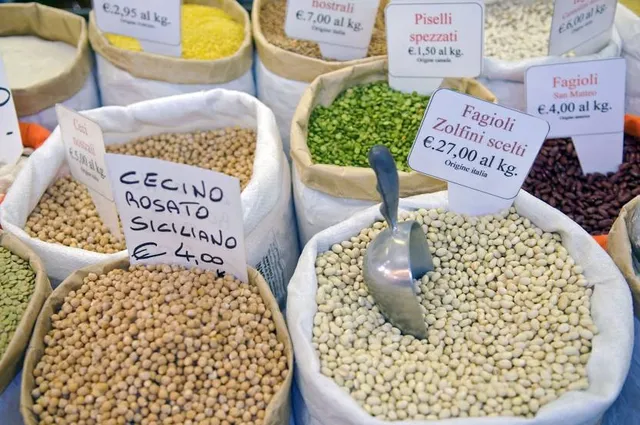
Mercato di Sant’Ambrogio
4.5
(3.6K)
Closed
Click for details
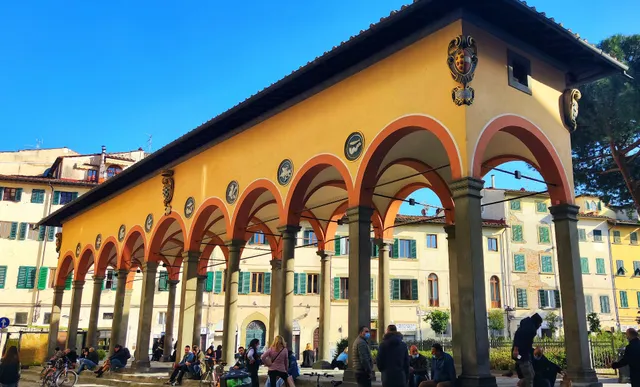
Loggia del Pesce
4.4
(490)
Open 24 hours
Click for details
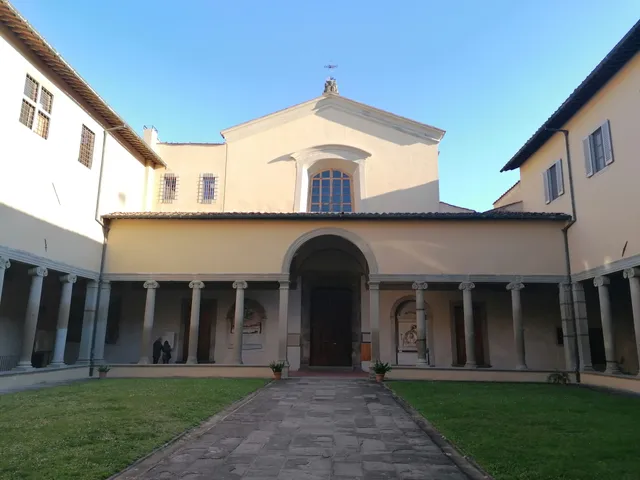
Santa Maria Maddalena dei Pazzi
4.5
(186)
Closed
Click for details
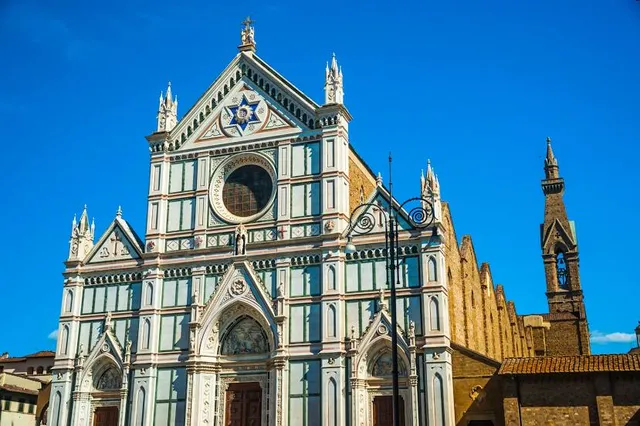
Basilica of Santa Croce in Florence
4.8
(14.9K)
Open until 5:30 PM
Click for details
Nearby restaurants of Synagogue and Jewish Museum of Florence
Ruth's Kosher Jewish Restaurant
Il Pizzaiuolo
Ditta Artigianale Sant' Ambrogio
Ba Ghetto
Pasticceria Nencioni
Sergio Pollini Lampredotto
Osteria Uguccione
SchiacciaMatta
Cibrèo Trattoria
La Ghiotta
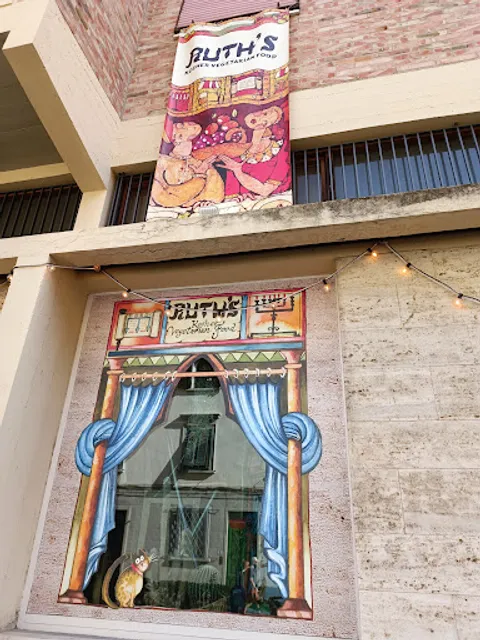
Ruth's Kosher Jewish Restaurant
4.5
(466)
Open until 3:30 PM
Click for details
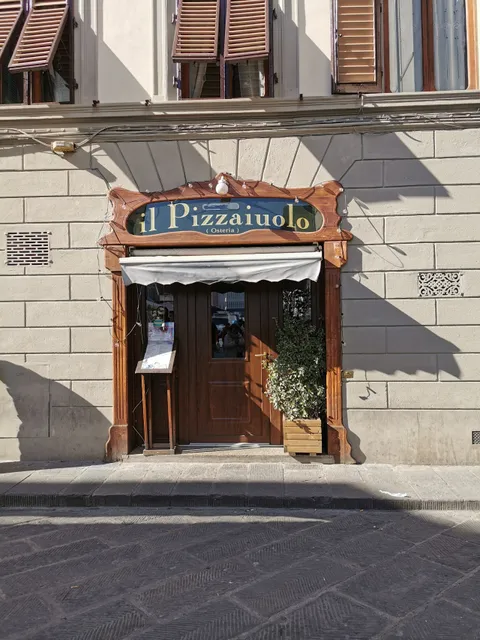
Il Pizzaiuolo
4.5
(1.8K)
Open until 3:00 PM
Click for details
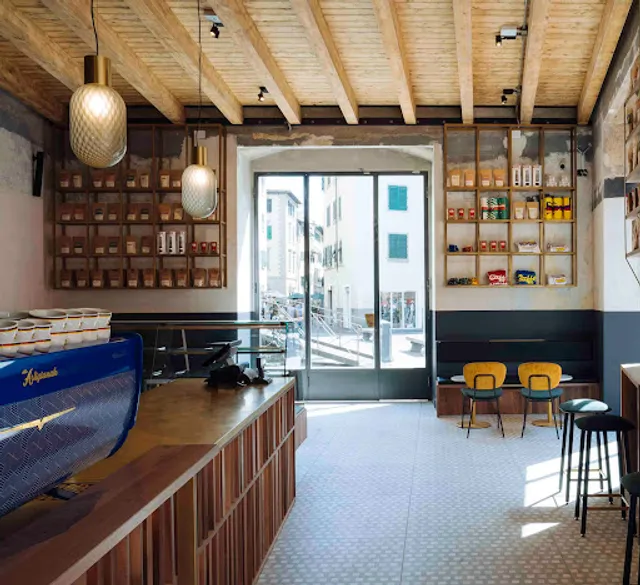
Ditta Artigianale Sant' Ambrogio
4.2
(645)
Open until 10:00 PM
Click for details
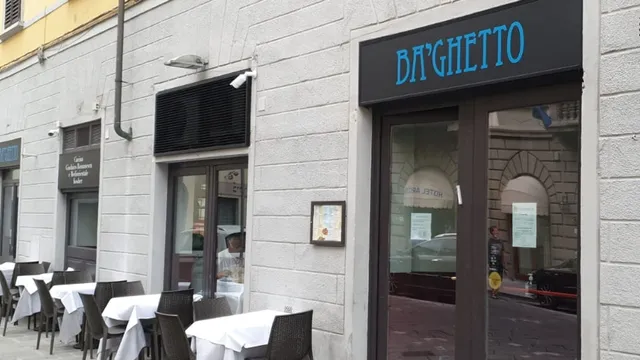
Ba Ghetto
4.3
(269)
Open until 3:00 PM
Click for details
Nearby local services of Synagogue and Jewish Museum of Florence
Lady Jane B.
Piazza Massimo D'Azeglio
Pasta Class Florence | Cooking classes in Florence
Conad City
l'Ó Profumo
Alfieri Cinema Bistro Theater Space
Cooking Italy - Florence
Your Vino | Wine tours in Tuscany from Florence
Mercato delle Pulci
Warhammer
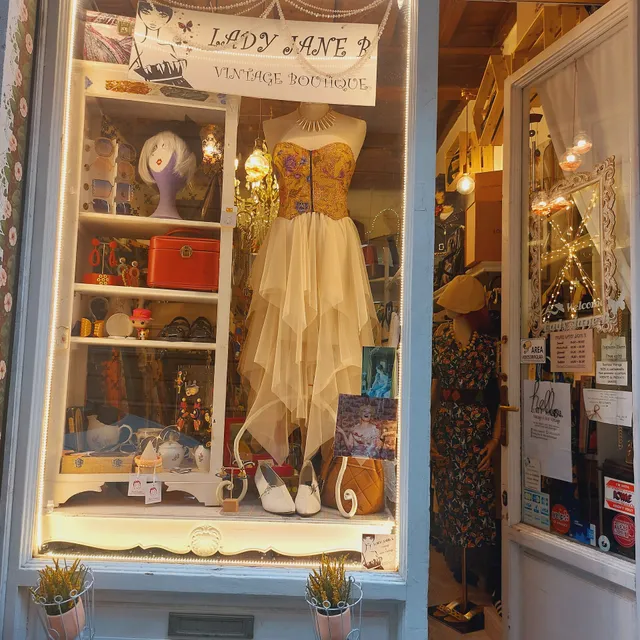
Lady Jane B.
4.9
(119)
Click for details
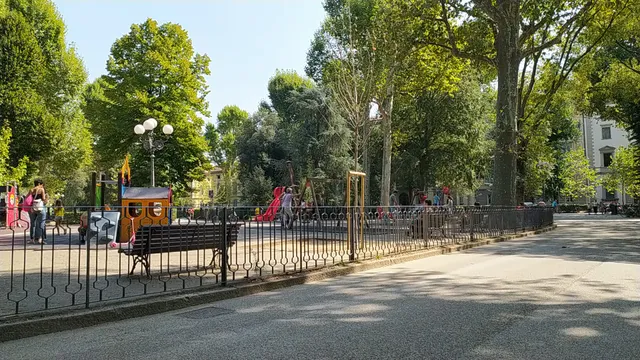
Piazza Massimo D'Azeglio
4.2
(560)
Click for details
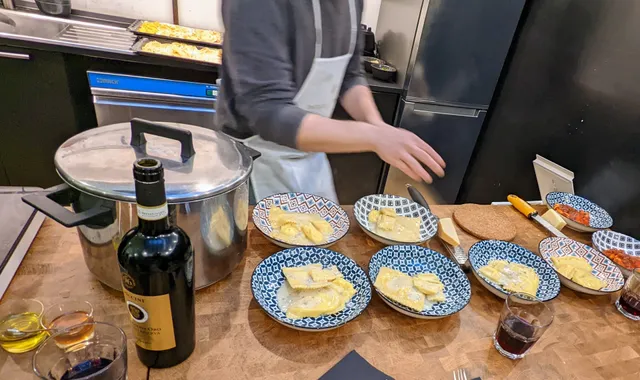
Pasta Class Florence | Cooking classes in Florence
5.0
(948)
Click for details
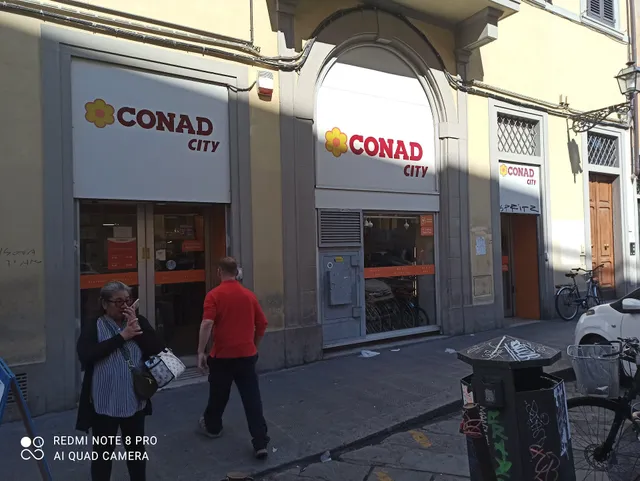
Conad City
4.1
(1.1K)
Click for details