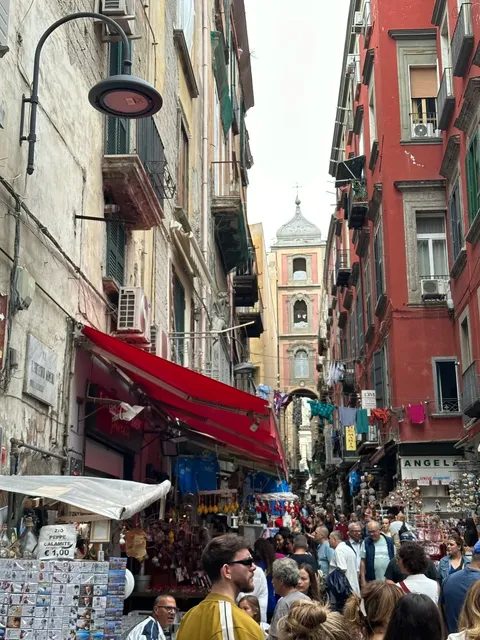
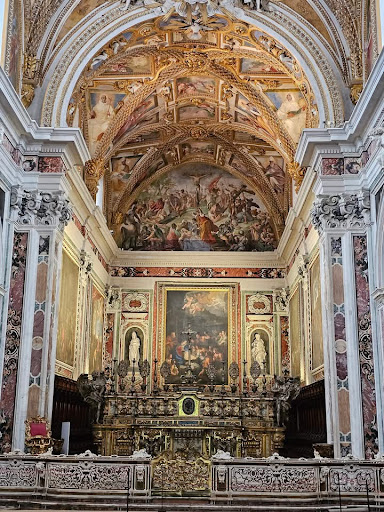
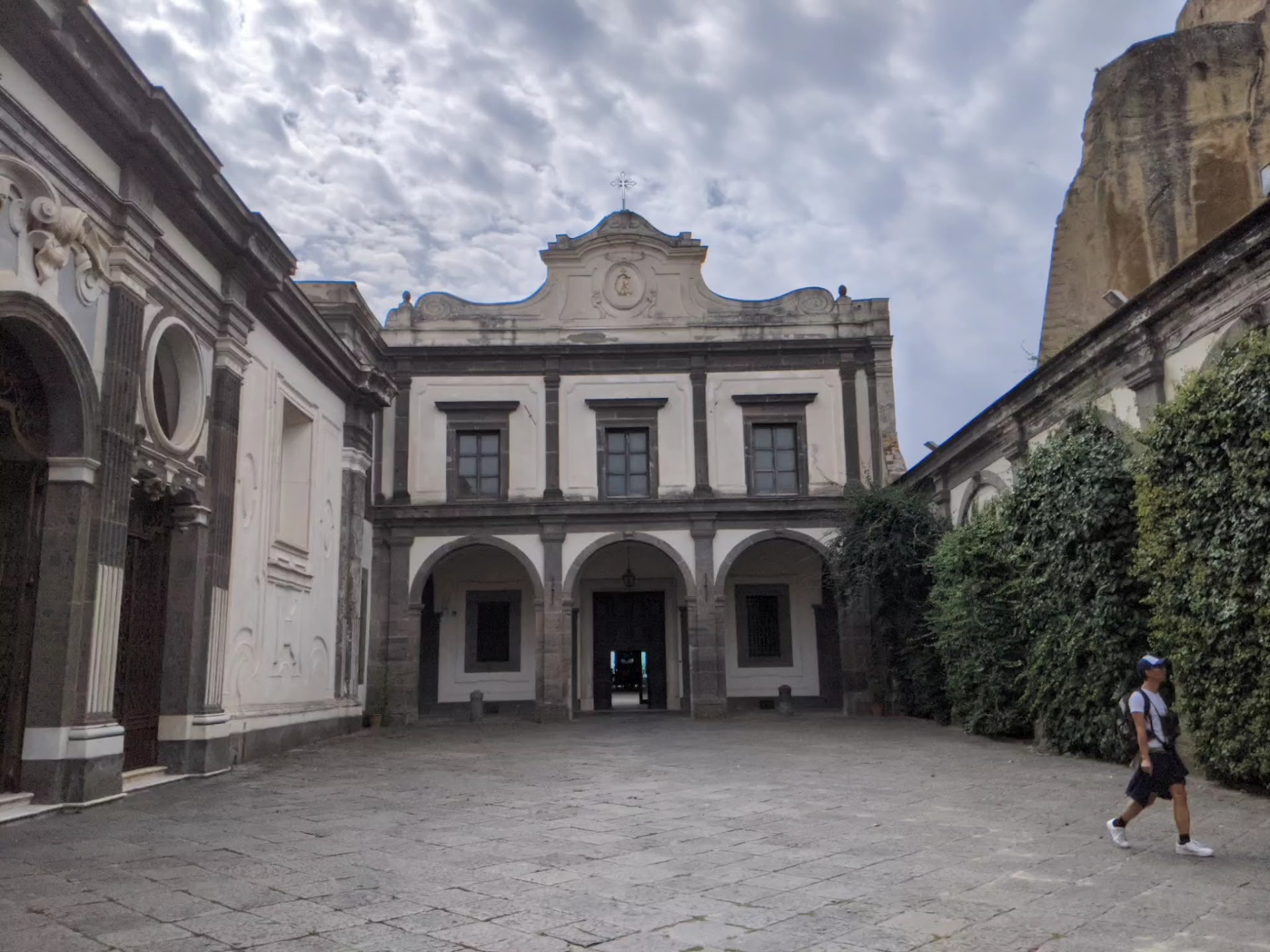
Certosa e Museo di San Martino things to do, attractions, restaurants, events info and trip planning
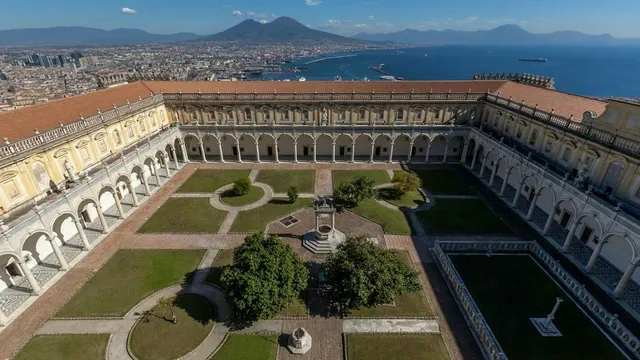
Basic Info
Certosa e Museo di San Martino
Largo S. Martino, 5, 80129 Napoli NA, Italy
4.5(2.8K)
Closed


tickets
Save
spot
spot
Ratings & Description
Info
Cultural
Accessibility
attractions: Castel Sant'Elmo, Murale Diego Armando Maradona - Quartieri Spagnoli, Museo Novecento Napoletano, Suor Orsola Benincasa University - Faculty of Law, Largo Maradona, Maradona graffiti, La Santissima - Community Hub, Chiesa di Santa Maria Francesca delle Cinque Piaghe, Napoli Sotterranea Guided Authorized Tour, Gallerie d'Italia - Naples, restaurants: Scaturchio Certosa Café, Arx Café, Renzo e Lucia, Pizzeria Pizzicotto, Sansone Coffee Artisan Microroastery & Specialty Coffee, Locantina, Murals Maradona 1990, Frank Malone Pub & Brewstore, Pizzeria Santa Maradona, Ristorante La Terrazza dei Barbanti, local businesses: Chiostro di San Francesco, America Hall, Cameo factory De Paola, DEN Club, Santuario Maradona, Monk - Holy winery, I Sapori Di Sicilia - Pasticceria Rosticceria Napoli, Via Toledo, Vomero Fried Food, Buonocore Salumeria
 Learn more insights from Wanderboat AI.
Website
portale.museiitaliani.it
Open hoursSee all hours
Mon8:30 a.m. - 4 p.m.Closed
Plan your stay

Pet-friendly Hotels in Naples
Find a cozy hotel nearby and make it a full experience.

Affordable Hotels in Naples
Find a cozy hotel nearby and make it a full experience.

The Coolest Hotels You Haven't Heard Of (Yet)
Find a cozy hotel nearby and make it a full experience.

Trending Stays Worth the Hype in Naples
Find a cozy hotel nearby and make it a full experience.
Reviews
Live events
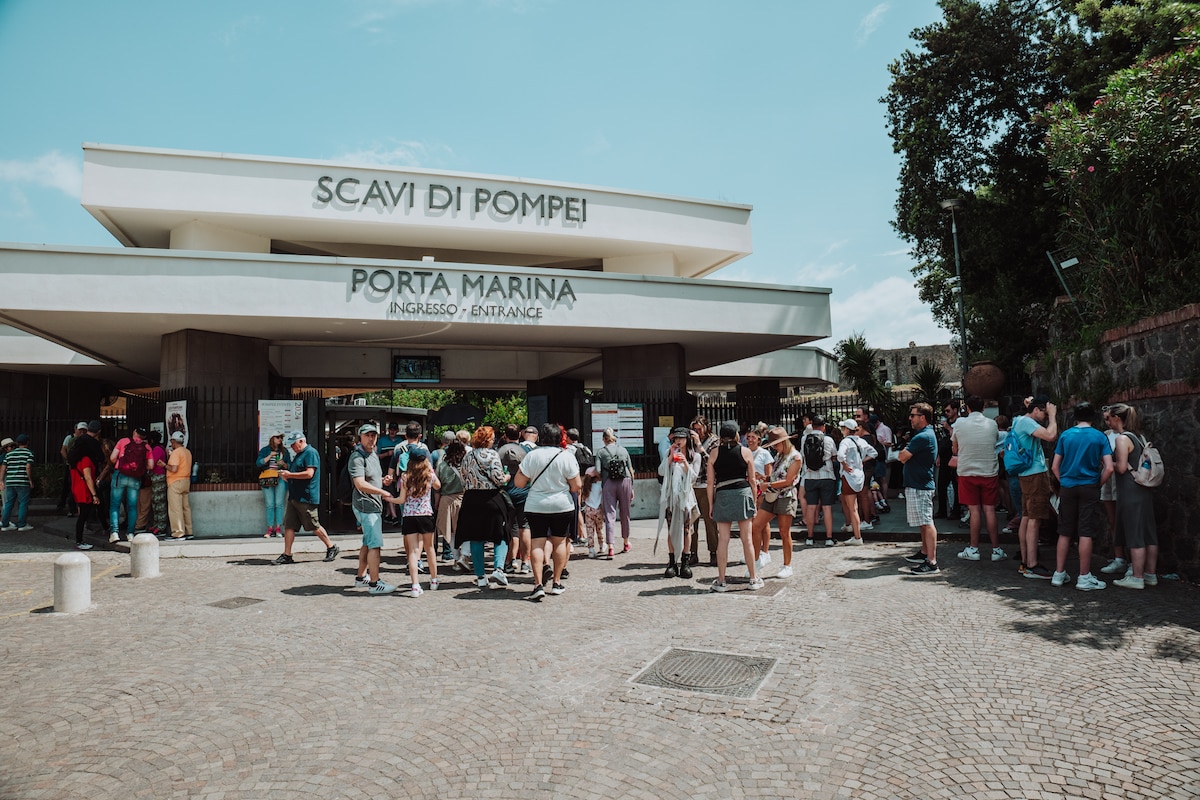
Visit Pompeii with the Villa of the Mysteries
Mon, Feb 23 • 10:30 AM
80045, Pompei, Campania, Italy
View details
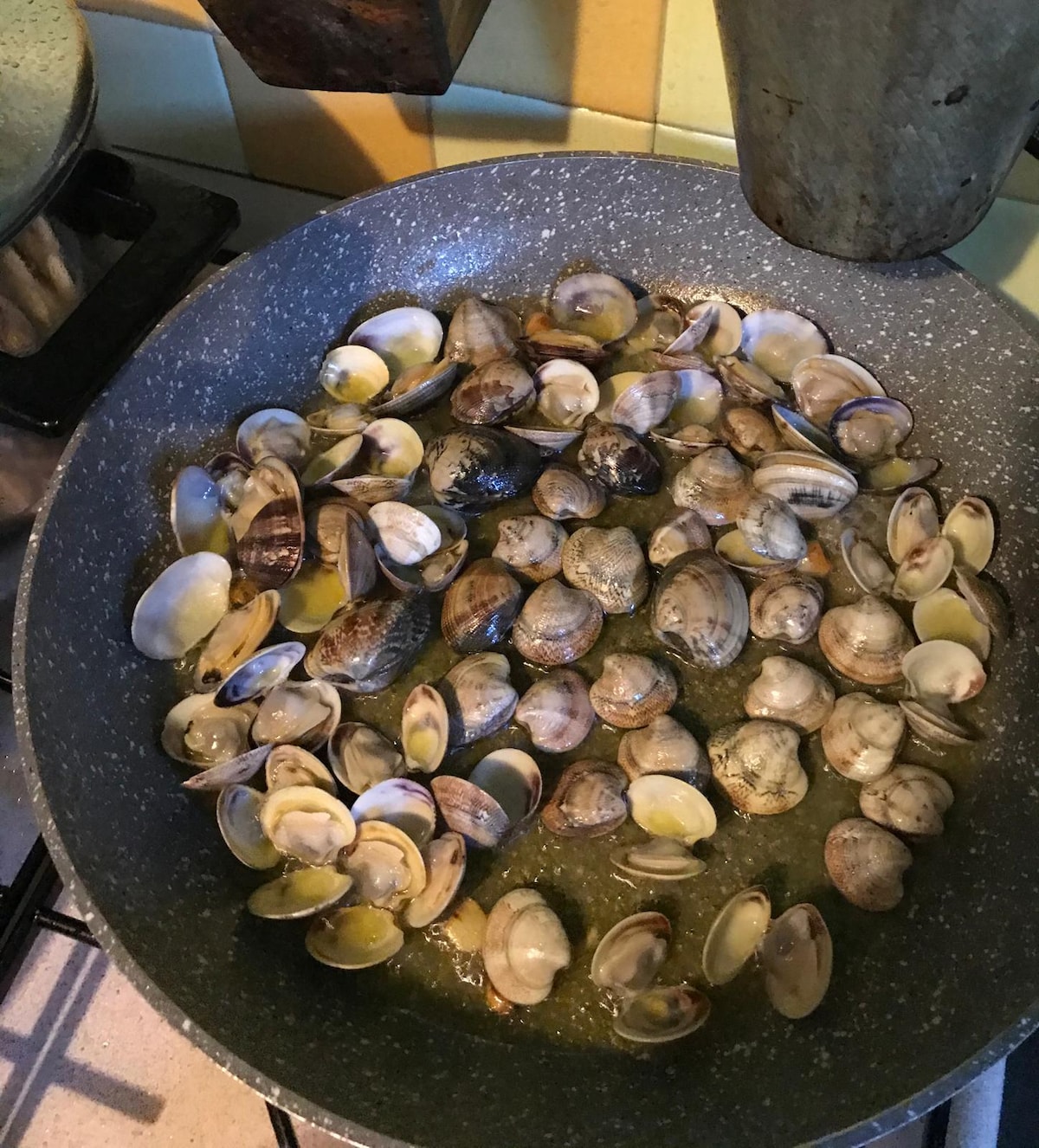
Make Ischia recipes with a local cook
Mon, Feb 23 • 12:00 AM
80077, Ischia, Campania, Italy
View details
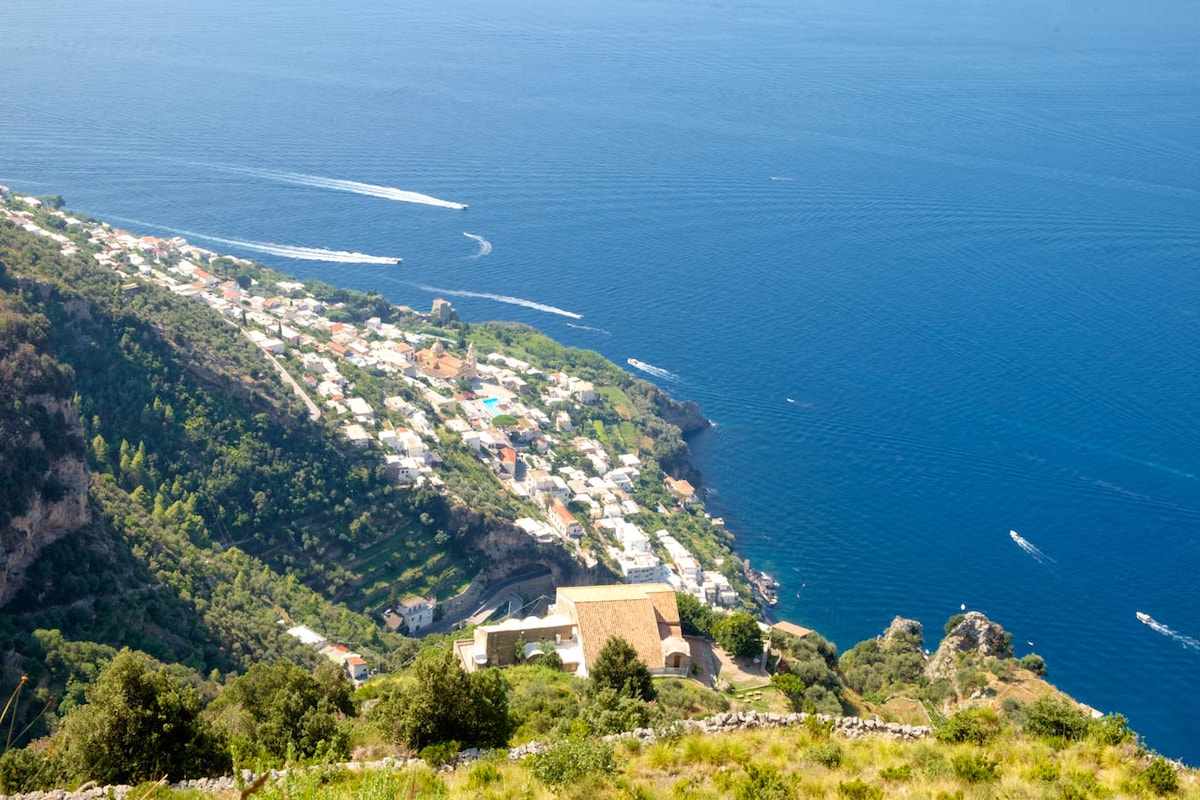
Sorrento Path of the gods with Nino guide&transprt
Sun, Mar 1 • 8:00 AM
80067, Sorrento, Campania, Italy
View details
Nearby attractions of Certosa e Museo di San Martino
Castel Sant'Elmo
Murale Diego Armando Maradona - Quartieri Spagnoli
Museo Novecento Napoletano
Suor Orsola Benincasa University - Faculty of Law
Largo Maradona
Maradona graffiti
La Santissima - Community Hub
Chiesa di Santa Maria Francesca delle Cinque Piaghe
Napoli Sotterranea Guided Authorized Tour
Gallerie d'Italia - Naples
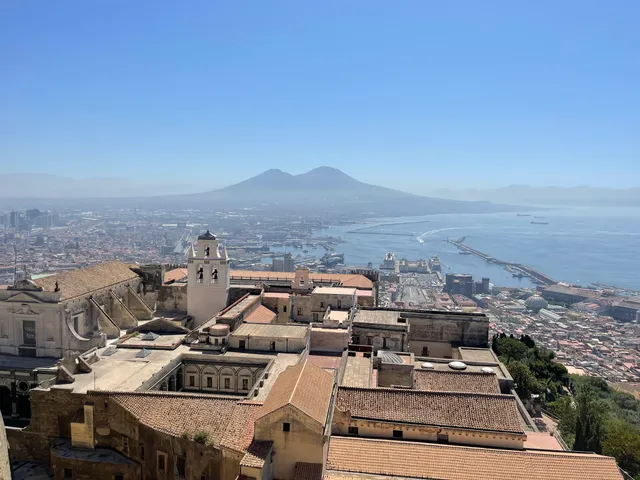
Castel Sant'Elmo
4.6
(12.7K)
Closed
Click for details
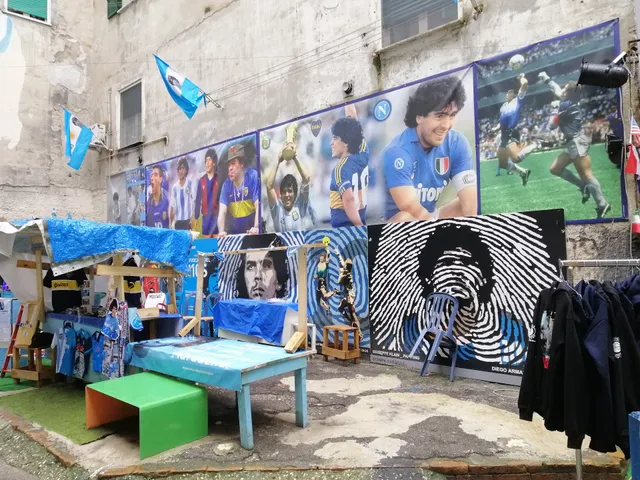
Murale Diego Armando Maradona - Quartieri Spagnoli
4.6
(8.3K)
Open until 12:00 AM
Click for details
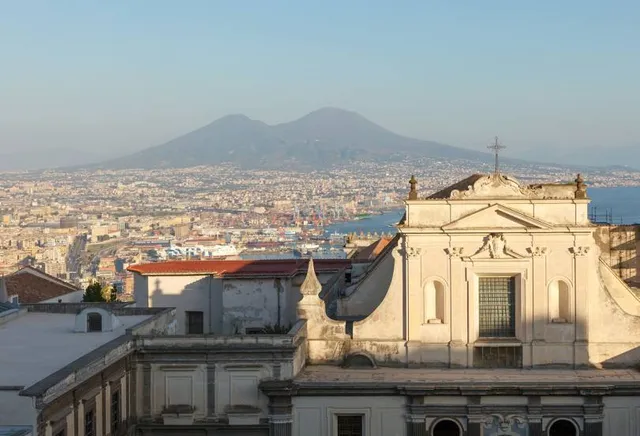
Museo Novecento Napoletano
4.0
(36)
Closed
Click for details
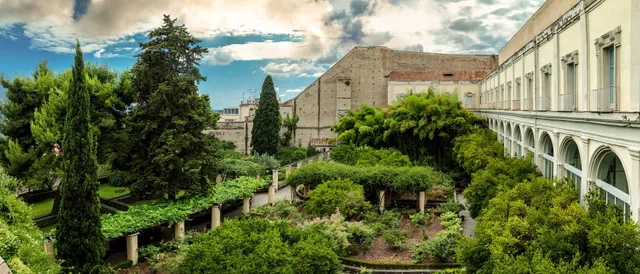
Suor Orsola Benincasa University - Faculty of Law
4.0
(94)
Open until 12:00 AM
Click for details
Nearby restaurants of Certosa e Museo di San Martino
Scaturchio Certosa Café
Arx Café
Renzo e Lucia
Pizzeria Pizzicotto
Sansone Coffee Artisan Microroastery & Specialty Coffee
Locantina
Murals Maradona 1990
Frank Malone Pub & Brewstore
Pizzeria Santa Maradona
Ristorante La Terrazza dei Barbanti
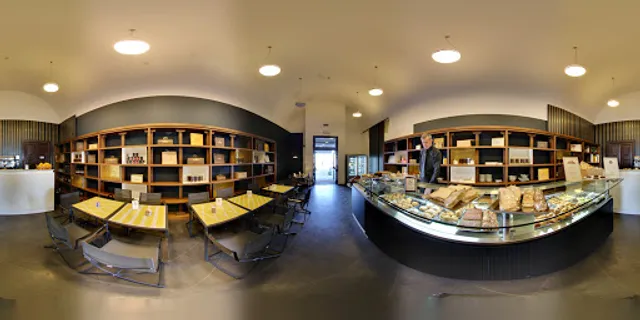
Scaturchio Certosa Café
3.5
(218)
Closed
Click for details
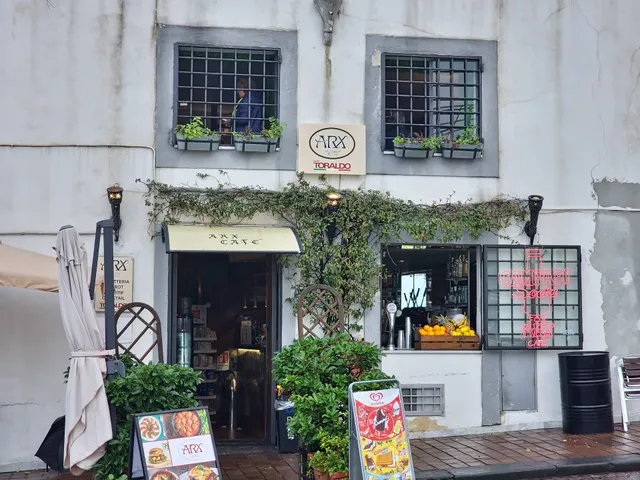
Arx Café
3.2
(242)
Closed
Click for details
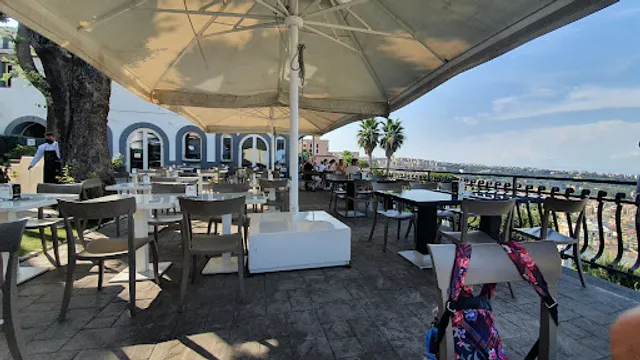
Renzo e Lucia
3.7
(742)
$$$
Open until 12:00 AM
Click for details
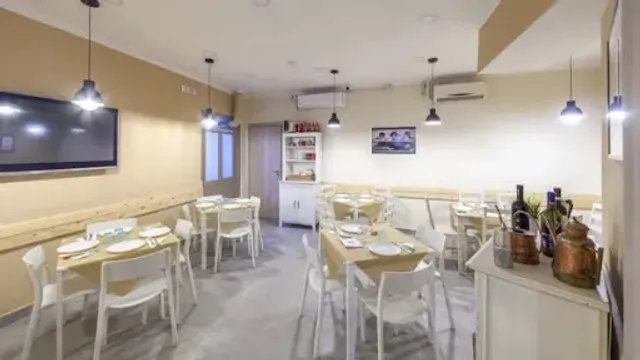
Pizzeria Pizzicotto
4.8
(446)
Open until 12:00 AM
Click for details
Nearby local services of Certosa e Museo di San Martino
Chiostro di San Francesco
America Hall
Cameo factory De Paola
DEN Club
Santuario Maradona
Monk - Holy winery
I Sapori Di Sicilia - Pasticceria Rosticceria Napoli
Via Toledo
Vomero Fried Food
Buonocore Salumeria
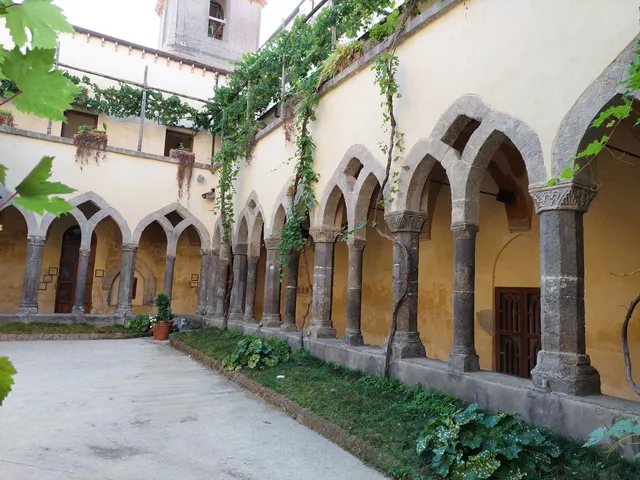
Chiostro di San Francesco
4.6
(355)
Click for details
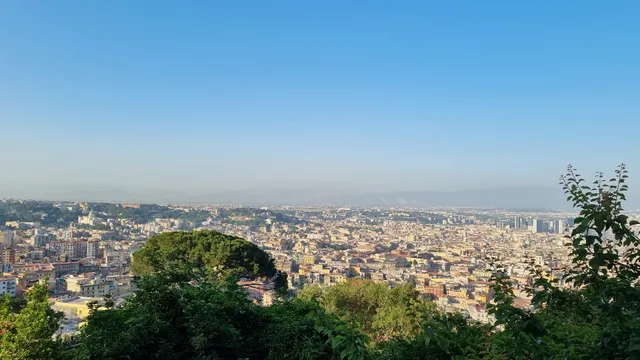
America Hall
4.2
(336)
Click for details
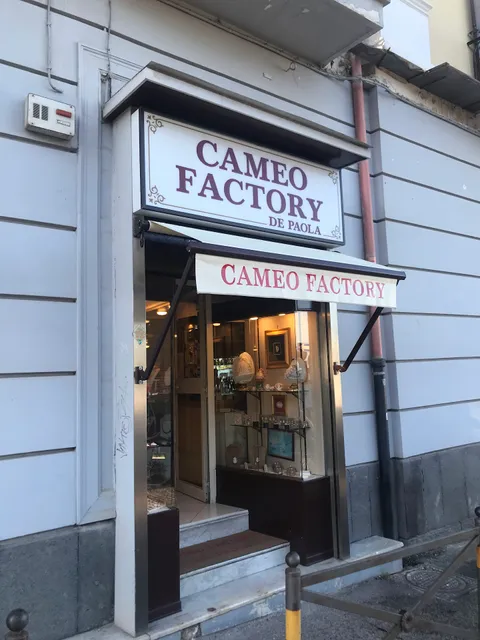
Cameo factory De Paola
4.9
(73)
Click for details

DEN Club
4.5
(20)
Click for details


The hit list


Plan your trip with Wanderboat
Welcome to Wanderboat AI, your AI search for local Eats and Fun, designed to help you explore your city and the world with ease.
Powered by Wanderboat AI trip planner.