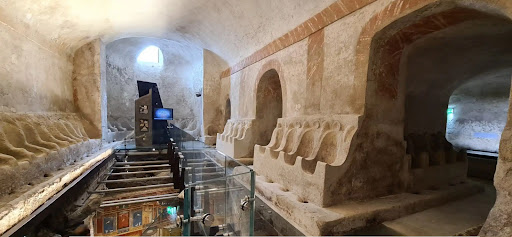
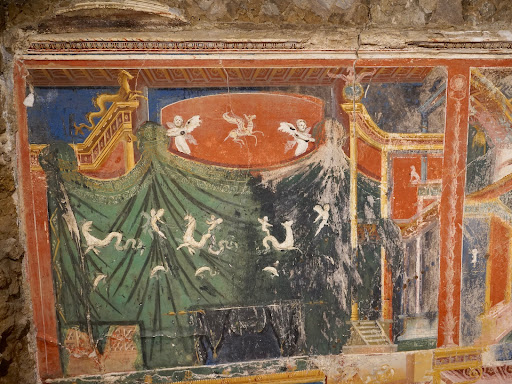
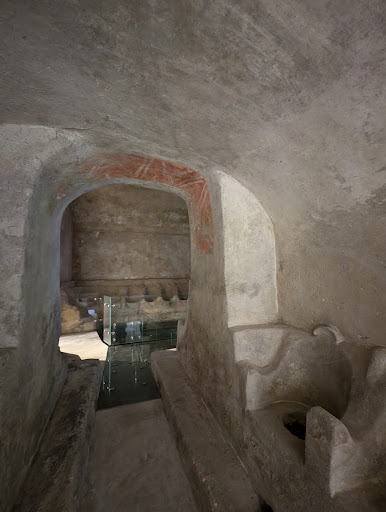
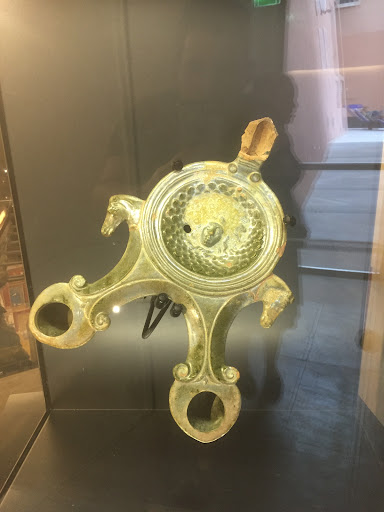
Roman Archeological Museum (Positano MAR) things to do, attractions, restaurants, events info and trip planning
Basic Info
Roman Archeological Museum (Positano MAR)
P.za Flavio Gioia, 7, 84017 Positano SA, Italy
4.8(164)
Closed
Save
spot
spot
Ratings & Description
Info
Cultural
Scenic
Accessibility
Family friendly
attractions: Chiesa di Santa Maria Assunta, Positano Spiaggia, Angeloni Giancarlo, Grassi Junior - Boat rental, ferries and mooring in Positano, Carosone Gallery, Franco Senesi Fine Art, Italian Fine Art Gallery, Church of Santa Maria del Rosario, Fornillo Beach, Arienzo Beach Club Positano, restaurants: Chez Black, Capricci, Al Palazzo, Ristorante Don Giovanni, Ristorante Le Tre Sorelle Positano, La Zagara, Bar Paradise Positano, Cafe Positano, Da Vincenzo Positano, Ristorante Max Positano, local businesses: Positano, Positanese Tour - Positano, Feludei S.R.L., Nanà Positano | Sandali Artigianali Di Lusso, Kayaking in Positano, Positano Boat Charters and Hire, Blue Positano, Music On the Rocks, La Caravella Positano, Spiaggia di Positano
 Learn more insights from Wanderboat AI.
Phone
+39 331 208 5821
Website
marpositano.it
Open hoursSee all hours
Wed10 AM - 4 PMClosed
Plan your stay

Pet-friendly Hotels in Positano
Find a cozy hotel nearby and make it a full experience.

Affordable Hotels in Positano
Find a cozy hotel nearby and make it a full experience.

The Coolest Hotels You Haven't Heard Of (Yet)
Find a cozy hotel nearby and make it a full experience.

Trending Stays Worth the Hype in Positano
Find a cozy hotel nearby and make it a full experience.
Reviews
Live events
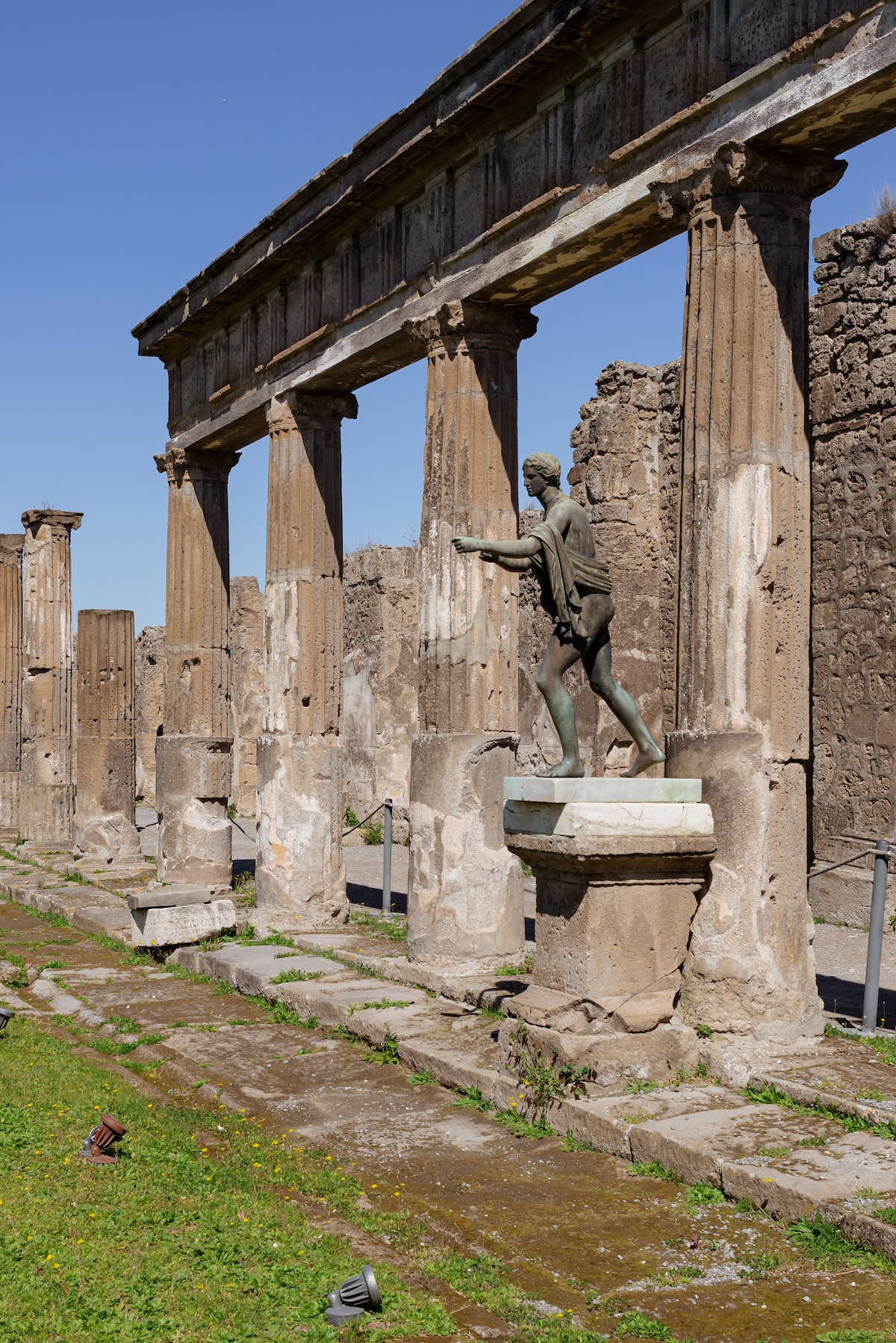
Pompeii VIP Tour with your Archaeologist
Thu, Feb 26 • 9:30 AM
80045, Pompei, Campania, Italy
View details
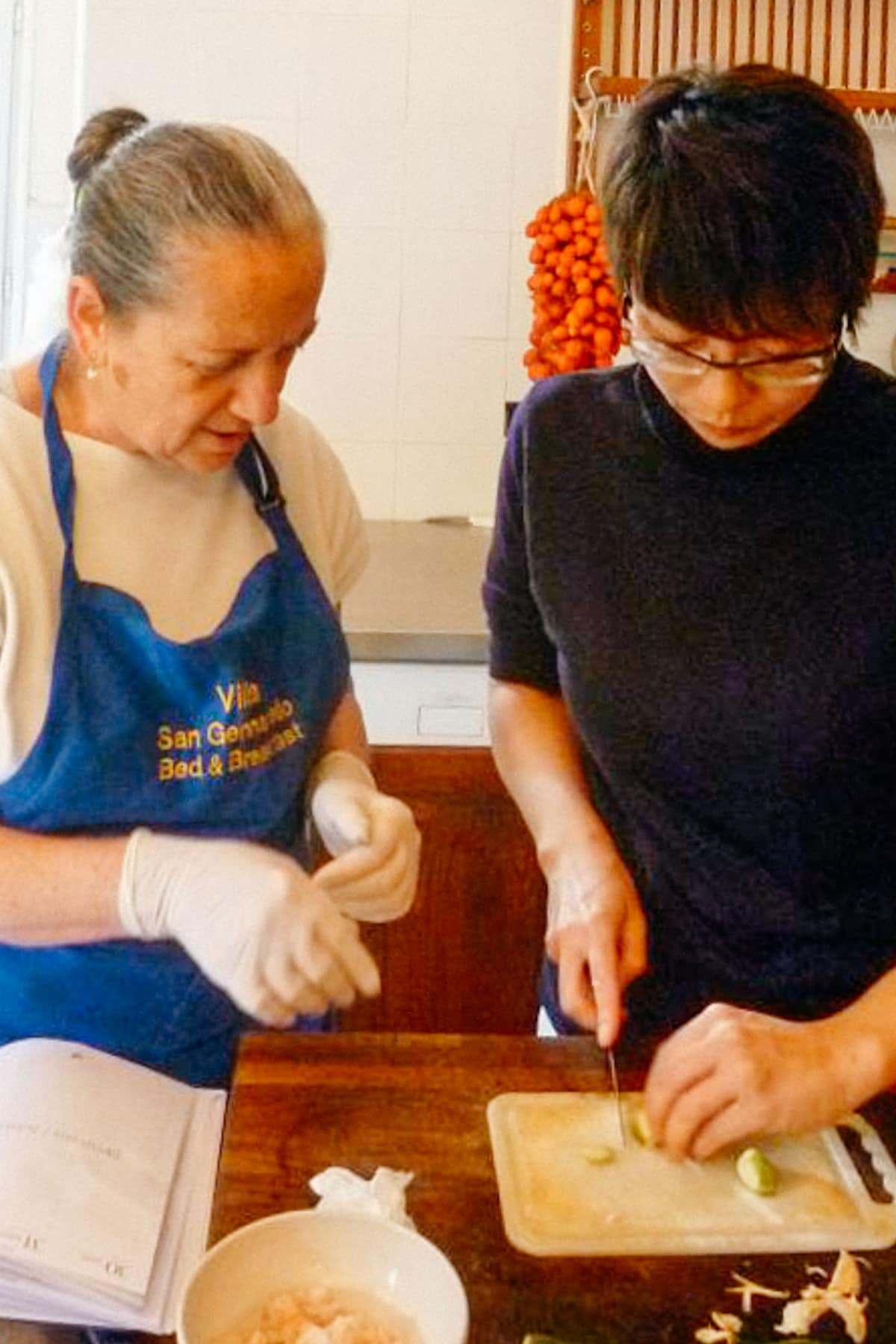
Cooking class in a villa
Wed, Feb 25 • 4:45 PM
80055, Portici, Campania, Italy
View details
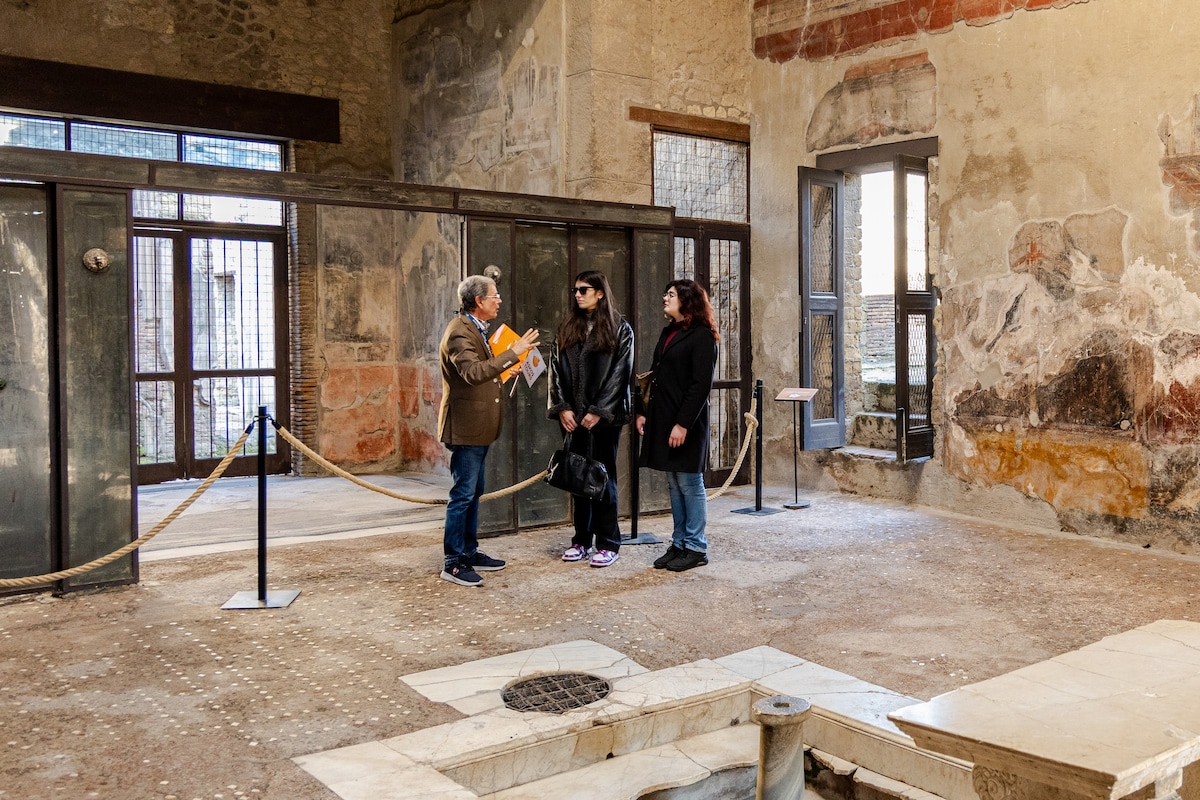
Visit Herculaneum with an archaeologist Tkts incl
Thu, Feb 26 • 11:30 AM
80056, Ercolano, Campania, Italy
View details
Nearby attractions of Roman Archeological Museum (Positano MAR)
Chiesa di Santa Maria Assunta
Positano Spiaggia
Angeloni Giancarlo
Grassi Junior - Boat rental, ferries and mooring in Positano
Carosone Gallery
Franco Senesi Fine Art
Italian Fine Art Gallery
Church of Santa Maria del Rosario
Fornillo Beach
Arienzo Beach Club Positano
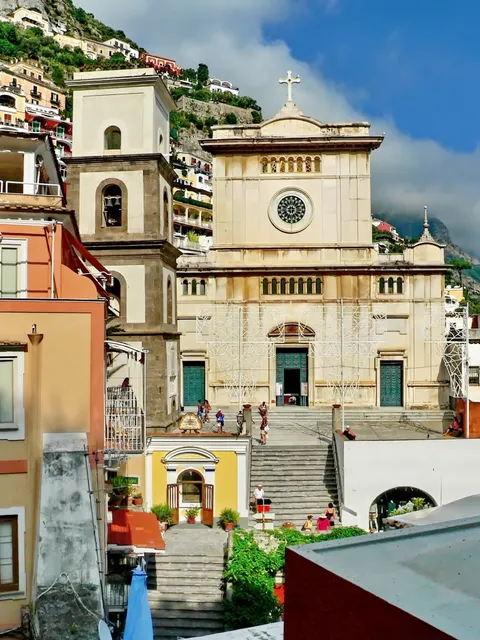
Chiesa di Santa Maria Assunta
4.6
(477)
Closed
Click for details
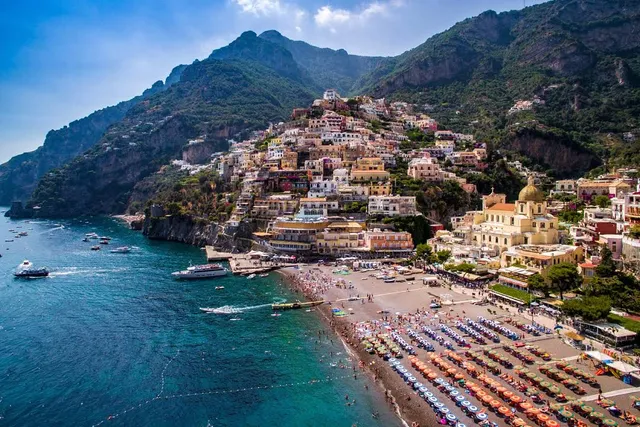
Positano Spiaggia
4.2
(859)
Open 24 hours
Click for details

Angeloni Giancarlo
4.9
(36)
Open 24 hours
Click for details
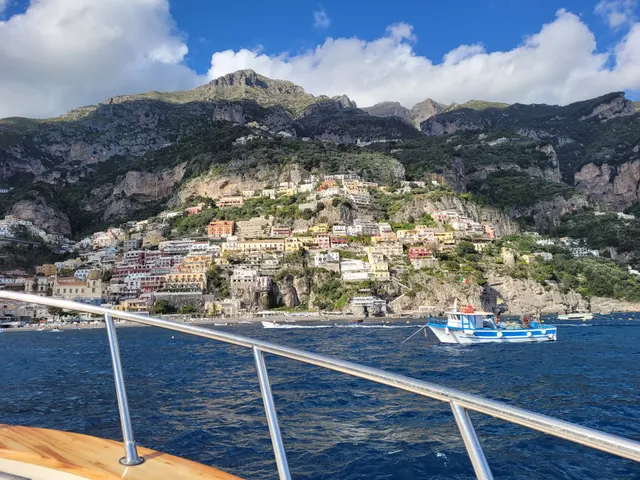
Grassi Junior - Boat rental, ferries and mooring in Positano
3.4
(157)
Open until 9:00 PM
Click for details
Nearby restaurants of Roman Archeological Museum (Positano MAR)
Chez Black
Capricci
Al Palazzo
Ristorante Don Giovanni
Ristorante Le Tre Sorelle Positano
La Zagara
Bar Paradise Positano
Cafe Positano
Da Vincenzo Positano
Ristorante Max Positano
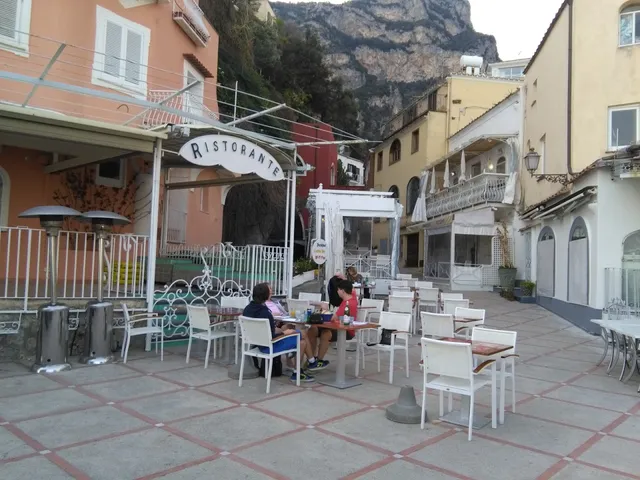
Chez Black
3.8
(1.3K)
$$
Open until 11:00 PM
Click for details
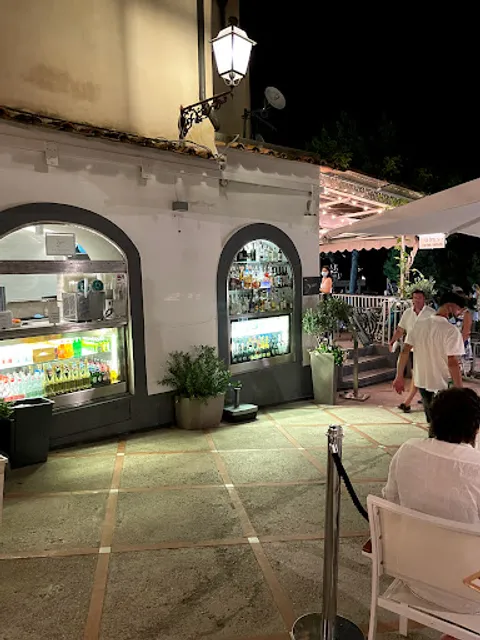
Capricci
4.0
(911)
Click for details
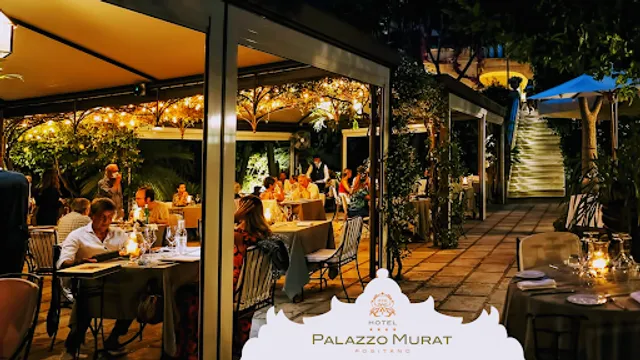
Al Palazzo
4.4
(266)
Open until 9:45 PM
Click for details
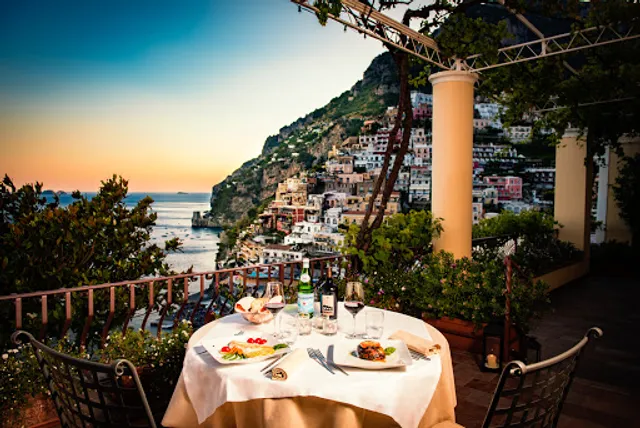
Ristorante Don Giovanni
4.7
(1.5K)
Click for details
Nearby local services of Roman Archeological Museum (Positano MAR)
Positano
Positanese Tour - Positano
Feludei S.R.L.
Nanà Positano | Sandali Artigianali Di Lusso
Kayaking in Positano
Positano Boat Charters and Hire
Blue Positano
Music On the Rocks
La Caravella Positano
Spiaggia di Positano
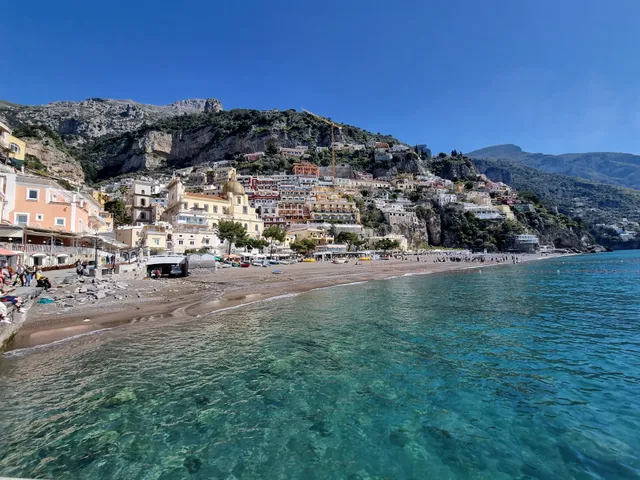
Positano
4.6
(369)
Click for details
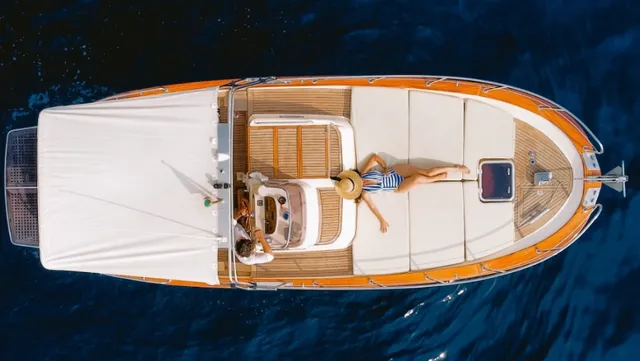
Positanese Tour - Positano
5.0
(135)
Click for details
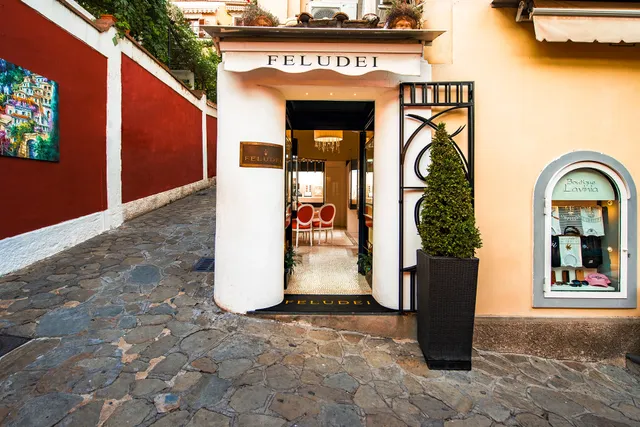
Feludei S.R.L.
4.9
(43)
Click for details
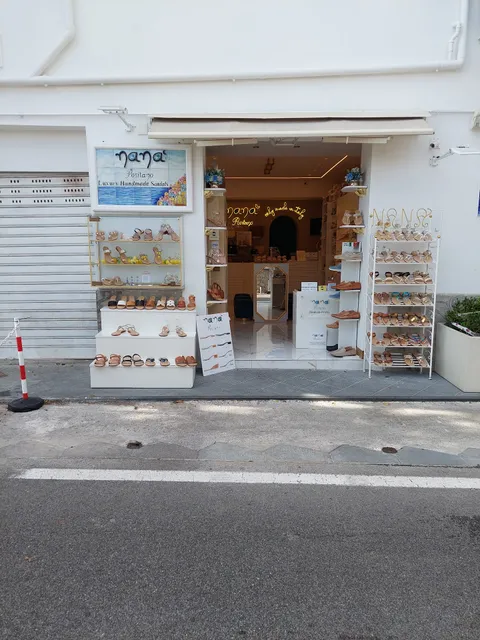
Nanà Positano | Sandali Artigianali Di Lusso
4.8
(104)
Click for details