HTML SitemapExplore
logo
Find Things to DoFind The Best Restaurants

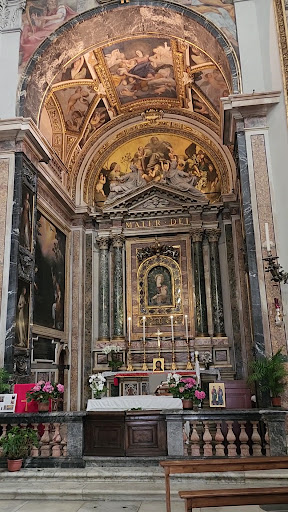
Chiesa di Santa Maria della Pace — Attraction in Rome

Name
Chiesa di Santa Maria della Pace
Description
Nearby attractions
Piazza Navona
Piazza Navona, 00186 Roma RM, Italy
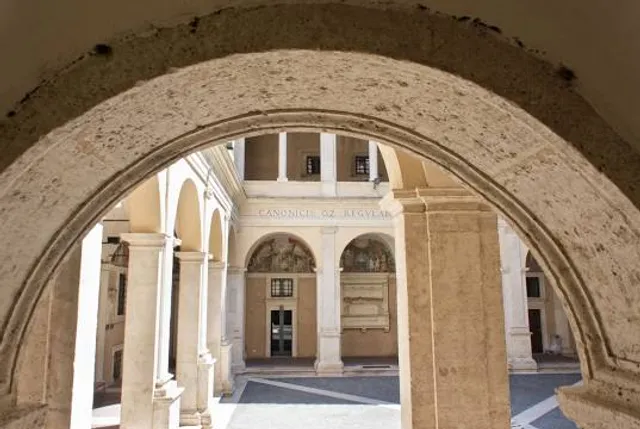
Chiostro del Bramante
Arco della Pace, 5, 00186 Roma RM, Italy
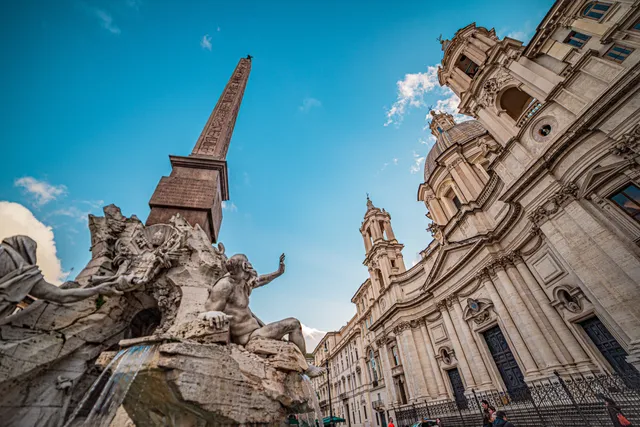
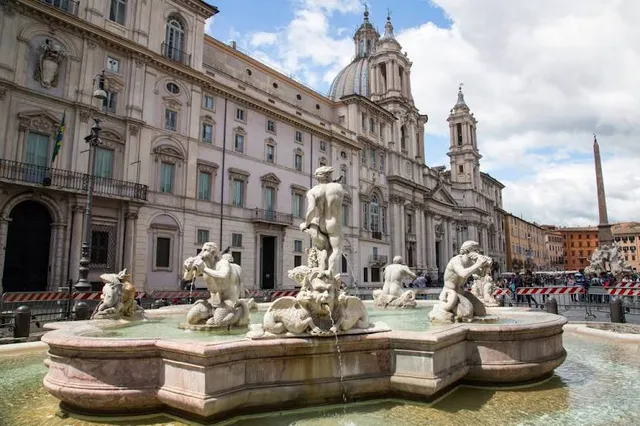
Fiumi Fountain
Fontana dei Quattro Fiumi, Piazza Navona, 90, 00186 Roma RM, Italy
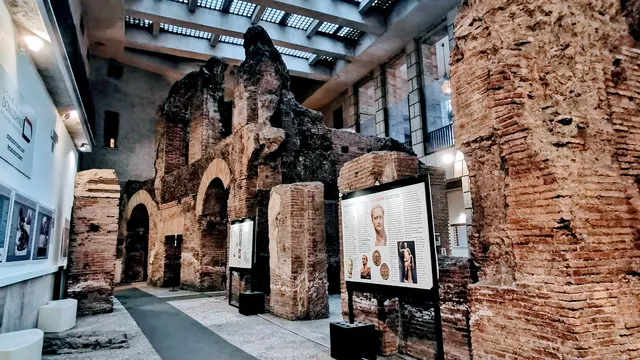
Stadium of Domitian
Via di Tor Sanguigna, 3, 00186 Roma RM, Italy
Sant'Agnese in Agone
Via di Santa Maria dell'Anima, 30/A, 00186 Roma RM, Italy
Pantheon
Piazza della Rotonda, 00186 Roma RM, Italy
Church of St. Louis of the French
Piazza di S. Luigi de' Francesi, 00186 Roma RM, Italy
Museo di Roma - Palazzo Braschi
Piazza di S. Pantaleo, 10, 00186 Roma RM, Italy
Museo Napoleónico
Piazza di Ponte Umberto I, 1, 00186 Roma RM, Italy
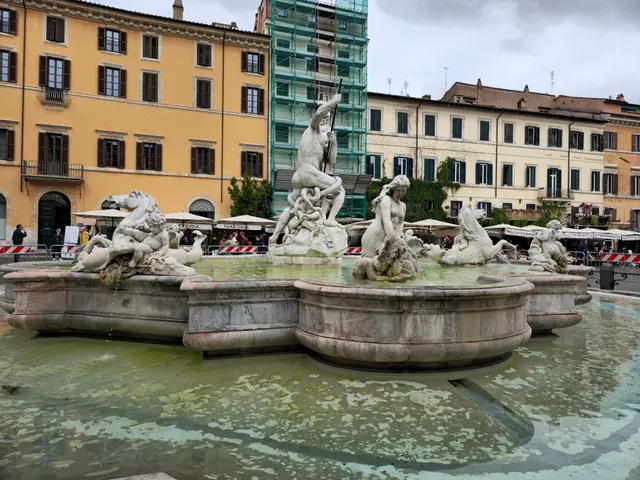
Fountain of the Moro
Piazza Navona, 00186 Roma RM, Italy
Nearby restaurants
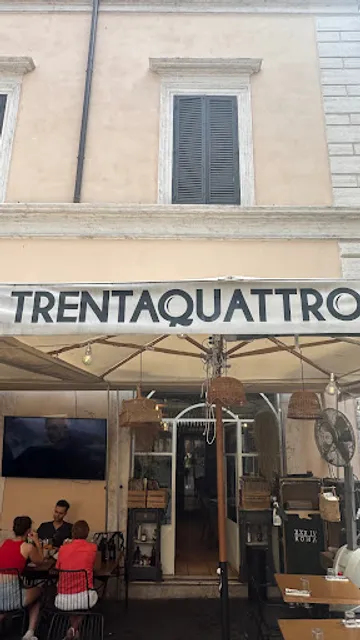
Trentaquattro Roma • Navona
Via della Pace, 26, 00186 Roma RM, Italy
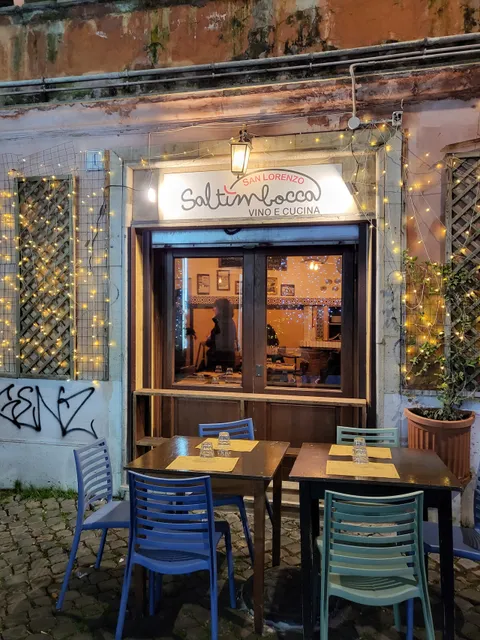
Saltimbocca ristorante
Via di Tor Millina, 5, 00186 Roma RM, Italy
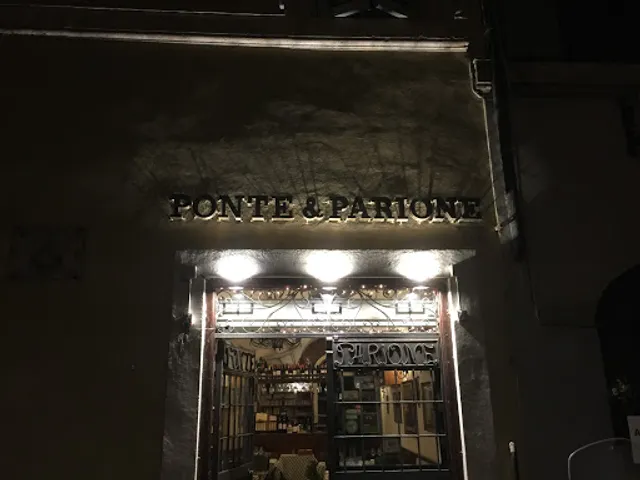
Ponte e Parione - Ristorante Piazza Navona
Via di Santa Maria dell'Anima, 62, 00186 Roma RM, Italy
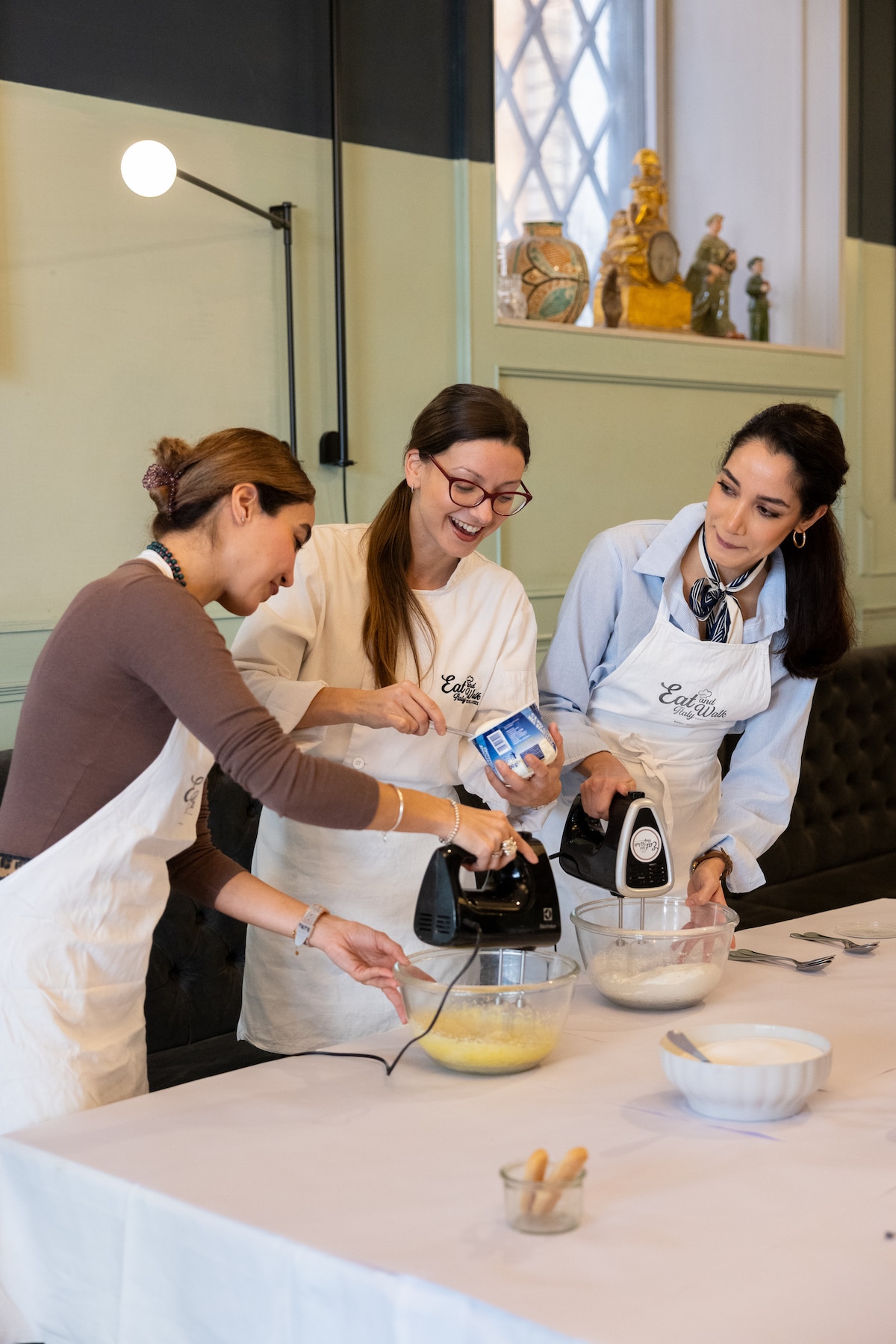
Eat and Walk Italy - Cooking Classes in Rome
Via Giuseppe Zanardelli, 14, 00186 Roma RM, Italy
cybo
Via di Tor Millina, 27, 00186 Roma RM, Italy
Bar del Fico Ristorante
Via della Pace, 34, 00186 Roma RM, Italy
Cantina e Cucina
V. del Governo Vecchio, 87, 00186 Roma RM, Italy
RISTORANTE No.1
Via della Pace, 1, 00186 Roma RM, Italy
Ristorante Montevecchio
Piazza di Montevecchio, 22/a, 00186 Roma RM, Italy
Osteria del Gallo
Vicolo di Montevecchio, 27, 00186 Roma RM, Italy
Related posts
Keywords
Chiesa di Santa Maria della Pace tourism.Chiesa di Santa Maria della Pace hotels.Chiesa di Santa Maria della Pace bed and breakfast. flights to Chiesa di Santa Maria della Pace.Chiesa di Santa Maria della Pace attractions.Chiesa di Santa Maria della Pace restaurants.Chiesa di Santa Maria della Pace travel.Chiesa di Santa Maria della Pace travel guide.Chiesa di Santa Maria della Pace travel blog.Chiesa di Santa Maria della Pace pictures.Chiesa di Santa Maria della Pace photos.Chiesa di Santa Maria della Pace travel tips.Chiesa di Santa Maria della Pace maps.Chiesa di Santa Maria della Pace things to do.
Chiesa di Santa Maria della Pace things to do, attractions, restaurants, events info and trip planning
Chiesa di Santa Maria della Pace
ItalyLazioRomeChiesa di Santa Maria della Pace

Basic Info

Chiesa di Santa Maria della Pace

Arco della Pace, 5, 00186 Roma RM, Italy
4.7(597)
Closed
Save
spot

Ratings & Description

Info

Cultural
Scenic
Accessibility
attractions: Piazza Navona, Chiostro del Bramante, Fiumi Fountain, Stadium of Domitian, Sant'Agnese in Agone, Pantheon, Church of St. Louis of the French, Museo di Roma - Palazzo Braschi, Museo Napoleónico, Fountain of the Moro, restaurants: Trentaquattro Roma • Navona, Saltimbocca ristorante, Ponte e Parione - Ristorante Piazza Navona, Eat and Walk Italy - Cooking Classes in Rome, cybo, Bar del Fico Ristorante, Cantina e Cucina, RISTORANTE No.1, Ristorante Montevecchio, Osteria del Gallo
logoLearn more insights from Wanderboat AI.
Phone
+39 06 6880 4038
Website
turismoroma.it
Open hoursSee all hours
Fri9:30 AM - 6 PMClosed

Plan your stay

hotel
Pet-friendly Hotels in Rome
Find a cozy hotel nearby and make it a full experience.

hotel
Affordable Hotels in Rome
Find a cozy hotel nearby and make it a full experience.

hotel
The Coolest Hotels You Haven't Heard Of (Yet)
Find a cozy hotel nearby and make it a full experience.

hotel
Trending Stays Worth the Hype in Rome
Find a cozy hotel nearby and make it a full experience.

Reviews

Nearby attractions of Chiesa di Santa Maria della Pace

Piazza Navona

Chiostro del Bramante

Fiumi Fountain

Stadium of Domitian

Sant'Agnese in Agone

Pantheon

Church of St. Louis of the French

Museo di Roma - Palazzo Braschi

Museo Napoleónico

Fountain of the Moro

Piazza Navona

Piazza Navona

4.7

(64.2K)

Open 24 hours
Click for details
Chiostro del Bramante

Chiostro del Bramante

4.5

(3.5K)

Open 24 hours
Click for details
Fiumi Fountain

Fiumi Fountain

4.8

(5.6K)

Open 24 hours
Click for details
Stadium of Domitian

Stadium of Domitian

4.4

(970)

Open 24 hours
Click for details

Things to do nearby

Catacombs: The Coolest Underground Tour in Rome
Thu, Dec 4 • 3:00 PM
00147, Rome, Lazio, Italy
View details
Pasta and Pizza cooking class with wine and more
Sun, Dec 7 • 10:30 AM
00142, Rome, Lazio, Italy
View details
Visit a 16th-century boutique winery
Sat, Dec 6 • 10:00 AM
00044, Frascati, Lazio, Italy
View details

Nearby restaurants of Chiesa di Santa Maria della Pace

Trentaquattro Roma • Navona

Saltimbocca ristorante

Ponte e Parione - Ristorante Piazza Navona

Eat and Walk Italy - Cooking Classes in Rome

cybo

Bar del Fico Ristorante

Cantina e Cucina

RISTORANTE No.1

Ristorante Montevecchio

Osteria del Gallo

Trentaquattro Roma • Navona

Trentaquattro Roma • Navona

4.8

(2.4K)

Click for details
Saltimbocca ristorante

Saltimbocca ristorante

4.6

(2.4K)

Click for details
Ponte e Parione - Ristorante Piazza Navona

Ponte e Parione - Ristorante Piazza Navona

4.7

(2.1K)

$$

Closed
Click for details
Eat and Walk Italy - Cooking Classes in Rome

Eat and Walk Italy - Cooking Classes in Rome

5.0

(3.8K)

Click for details
Get the Appoverlay
Get the AppOne tap to find yournext favorite spots!

The hit list

restaurant
Best 10 Restaurants to Visit in Rome
February 12 · 5 min read
attraction
Best 10 Attractions to Visit in Rome
February 12 · 5 min read
Rome

Plan your trip with Wanderboat

Welcome to Wanderboat AI, your AI search for local Eats and Fun, designed to help you explore your city and the world with ease.

Powered by Wanderboat AI trip planner.
Wanderboat LogoWanderboat

Your everyday Al companion for getaway ideas

CompanyAbout Us
InformationAI Trip PlannerSitemap
SocialXInstagramTiktokLinkedin
LegalTerms of ServicePrivacy Policy

Get the app

© 2025 Wanderboat. All rights reserved.
logo

Reviews of Chiesa di Santa Maria della Pace

4.7
(597)
avatar
5.0
51w

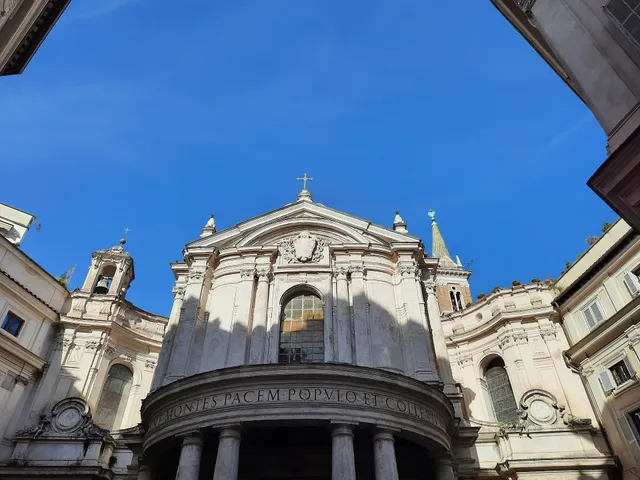
In a quiet corner of Rome, tucked away from the bustling crowds of tourists, stands a majestic baroque church, Santa Maria della Pace. Its curved portico greets visitors with an inscription that promises peace to all who enter: “Domine pacem populo et colles iuvit.”

Centuries ago, the church was not merely a place of worship but a canvas for the most ambitious artists and sculptors of its time. Beneath the towering frescoes and intricate carvings, one humble artisan’s work remains shrouded in mystery—a bas-relief hidden in the shadows of the chapel walls. It is said to depict a kneeling monk, but those who look closer notice something peculiar: a small, almost imperceptible symbol etched onto the figure’s robe.

Local lore has it that this symbol was the signature of a nameless sculptor, a gifted apprentice who worked tirelessly in secret, overshadowed by the fame of his master. He poured his soul into the chapel, carving cherubs that seemed to whisper prayers and saints whose gazes followed the devout. The frescoes above, rumored to be by a famed baroque artist, feature angels carrying scrolls inscribed with celestial wisdom.

Over time, the apprentice’s name was forgotten, yet his work endured. For centuries, the townspeople whispered that his sculptures held a secret. When the sunlight pierced the windows at precisely the right angle on the summer solstice, the carved figures would glow, revealing an intricate constellation on the chapel walls. It was said to guide travelers lost in faith or fortune, offering them a path back to hope.

Today, visitors marvel at the frescoes and the grandeur of the church, but few notice the subtle details—the way the light dances on the carvings, the hidden symbol in the robe of the kneeling monk, or the sense of serenity that seems to emanate from the very stones. Some say it is merely the beauty of baroque art, but others believe it is the enduring legacy of the forgotten artisan, whose work continues to inspire awe and wonder in the hearts of...

   Read more
avatar
5.0
33w

What a wonderful surprise. It is so beautiful. It is recommended by a friend.

The Chiesa di Santa Maria della Pace is a small but exquisite Catholic church in central Rome. Known for its stunning Baroque architecture, Renaissance frescoes, and serene cloister, it is a hidden gem that blends art, history, and spirituality. Dedicated to the Virgin Mary, it was historically tied to peace commemorations and remains a beloved site for visitors and locals.

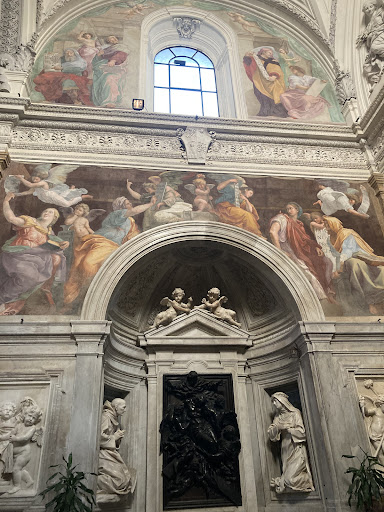
Chigi Chapel: The first chapel on the right, commissioned by Agostino Chigi (a wealthy banker), is the church’s artistic highlight, featuring Raphael’s famous frescoes. Raphael painted the Four Sibyls (Cumaean, Persian, Phrygian, and Tiburtine) receiving angelic instructions, a stunning fresco above the chapel’s arch. Commissioned by Agostino Chigi, the work is celebrated for its grace, vibrant colors, and dynamic composition, rivaling Raphael’s Vatican masterpieces. The chapel also includes frescoes by Raphael’s pupils and a bronze altarpiece by Lorenzetto.

The church’s compact size makes it a quick but unforgettable stop, especially for Raphael...

   Read more
avatar
5.0
5y

Meraviglia rinascimentale! Da visitare in particolare per un affresco di Raffaello.

S.Maria della Pace, situata in via dell'Arco della Pace, sorge in luogo dell'antica "S.Andrea de Acquarenariis", nome che deriva dai numerosi venditori di acqua presenti nella zona, i quali, attingendo direttamente dal Tevere, dovevano purgare l'acqua dalla "rena" che vi era mescolata. La leggenda narra che nel 1480 un'immagine della Vergine posta sotto il portico (oggi situata sull'altare maggiore), colpita da un sasso lanciato da un soldato ubriaco, si mise a sanguinare. Papa Sisto IV, informato dell'accaduto, si recò personalmente sul luogo e fece cambiare il nome della chiesa in "S.Maria della Virtù", promettendo di rimediare allo stato fatiscente dell'edificio. Così avvenne nell'anno 1482, anche se i lavori terminarono due anni dopo sotto Innocenzo VIII: la chiesa venne chiamata S.Maria della Pace per commemorare la conclusa pace di Bagnolo, l'atto che poneva fine alla guerra che aveva visto in causa lo Stato Pontificio, Venezia ed il Regno di Napoli. Il progetto della nuova chiesa fu affidato all'architetto Baccio Pontelli mentre nei primi anni del 1500 il Bramante realizzò il chiostro ed il convento annessi. Il chiostro, in particolare, rappresenta e costituisce il più bell'esempio di corte del primo Rinascimento a Roma, segnando un armonico rinnovamento nella costruzione delle logge: alle quattro arcate del pianterreno, tutte rette da pilastri dorici su cui sono addossate paraste ioniche, corrisponde nella loggia superiore una duplicazione degli elementi portanti, dove pilastri compositi si alternano a colonne corinzie che cadono in asse con le chiavi degli archi sottostanti, creando otto aperture per lato, sopra le quali un architrave prende il posto degli archi a tutto sesto.

Si accede alla chiesa attraverso l'antico portale quattrocentesco: l'interno è a navata unica ed ospita la bellissima Cappella Chigi, la prima a destra, eretta, su commissione di Agostino Chigi, da Pietro da Cortona su disegno di Raffaello, che ideò e realizzò anche l'affresco raffigurante "Sibille e Angeli", posto sopra l'arco della cappella, nonché i quattro "Profeti" nella soprastante lunetta, poi eseguiti dal suo allievo Timoteo Viti nel 1514. Il corredo scultoreo è dominato dall'altorilievo raffigurante "Cristo trasportato dagli angeli" posto sull'altare, opera bronzea di Cosimo Fancelli, autore anche dei due santi laterali eseguiti in collaborazione con Ercole Ferrata, ovvero "S.Caterina" e "S.Bernardino". Degne di nota anche la Cappella Cesi, opera di Antonio da Sangallo il Giovane, e la Cappella Mignanelli, ornata di splendidi marmi provenienti dallo scomparso "Tempio di Giove...

   Read more
Page 1 of 7
Previous
Next

Posts

Camilo A. PosadaCamilo A. Posada
In a quiet corner of Rome, tucked away from the bustling crowds of tourists, stands a majestic baroque church, Santa Maria della Pace. Its curved portico greets visitors with an inscription that promises peace to all who enter: “Domine pacem populo et colles iuvit.” Centuries ago, the church was not merely a place of worship but a canvas for the most ambitious artists and sculptors of its time. Beneath the towering frescoes and intricate carvings, one humble artisan’s work remains shrouded in mystery—a bas-relief hidden in the shadows of the chapel walls. It is said to depict a kneeling monk, but those who look closer notice something peculiar: a small, almost imperceptible symbol etched onto the figure’s robe. Local lore has it that this symbol was the signature of a nameless sculptor, a gifted apprentice who worked tirelessly in secret, overshadowed by the fame of his master. He poured his soul into the chapel, carving cherubs that seemed to whisper prayers and saints whose gazes followed the devout. The frescoes above, rumored to be by a famed baroque artist, feature angels carrying scrolls inscribed with celestial wisdom. Over time, the apprentice’s name was forgotten, yet his work endured. For centuries, the townspeople whispered that his sculptures held a secret. When the sunlight pierced the windows at precisely the right angle on the summer solstice, the carved figures would glow, revealing an intricate constellation on the chapel walls. It was said to guide travelers lost in faith or fortune, offering them a path back to hope. Today, visitors marvel at the frescoes and the grandeur of the church, but few notice the subtle details—the way the light dances on the carvings, the hidden symbol in the robe of the kneeling monk, or the sense of serenity that seems to emanate from the very stones. Some say it is merely the beauty of baroque art, but others believe it is the enduring legacy of the forgotten artisan, whose work continues to inspire awe and wonder in the hearts of all who visit.
Yingchun YeYingchun Ye
What a wonderful surprise. It is so beautiful. It is recommended by a friend. The Chiesa di Santa Maria della Pace is a small but exquisite Catholic church in central Rome. Known for its stunning Baroque architecture, Renaissance frescoes, and serene cloister, it is a hidden gem that blends art, history, and spirituality. Dedicated to the Virgin Mary, it was historically tied to peace commemorations and remains a beloved site for visitors and locals. Chigi Chapel: The first chapel on the right, commissioned by Agostino Chigi (a wealthy banker), is the church’s artistic highlight, featuring Raphael’s famous frescoes. Raphael painted the Four Sibyls (Cumaean, Persian, Phrygian, and Tiburtine) receiving angelic instructions, a stunning fresco above the chapel’s arch. Commissioned by Agostino Chigi, the work is celebrated for its grace, vibrant colors, and dynamic composition, rivaling Raphael’s Vatican masterpieces. The chapel also includes frescoes by Raphael’s pupils and a bronze altarpiece by Lorenzetto. The church’s compact size makes it a quick but unforgettable stop, especially for Raphael enthusiasts.
Roberto SciarroneRoberto Sciarrone
Meraviglia rinascimentale! Da visitare in particolare per un affresco di Raffaello. S.Maria della Pace, situata in via dell'Arco della Pace, sorge in luogo dell'antica "S.Andrea de Acquarenariis", nome che deriva dai numerosi venditori di acqua presenti nella zona, i quali, attingendo direttamente dal Tevere, dovevano purgare l'acqua dalla "rena" che vi era mescolata. La leggenda narra che nel 1480 un'immagine della Vergine posta sotto il portico (oggi situata sull'altare maggiore), colpita da un sasso lanciato da un soldato ubriaco, si mise a sanguinare. Papa Sisto IV, informato dell'accaduto, si recò personalmente sul luogo e fece cambiare il nome della chiesa in "S.Maria della Virtù", promettendo di rimediare allo stato fatiscente dell'edificio. Così avvenne nell'anno 1482, anche se i lavori terminarono due anni dopo sotto Innocenzo VIII: la chiesa venne chiamata S.Maria della Pace per commemorare la conclusa pace di Bagnolo, l'atto che poneva fine alla guerra che aveva visto in causa lo Stato Pontificio, Venezia ed il Regno di Napoli. Il progetto della nuova chiesa fu affidato all'architetto Baccio Pontelli mentre nei primi anni del 1500 il Bramante realizzò il chiostro ed il convento annessi. Il chiostro, in particolare, rappresenta e costituisce il più bell'esempio di corte del primo Rinascimento a Roma, segnando un armonico rinnovamento nella costruzione delle logge: alle quattro arcate del pianterreno, tutte rette da pilastri dorici su cui sono addossate paraste ioniche, corrisponde nella loggia superiore una duplicazione degli elementi portanti, dove pilastri compositi si alternano a colonne corinzie che cadono in asse con le chiavi degli archi sottostanti, creando otto aperture per lato, sopra le quali un architrave prende il posto degli archi a tutto sesto. Si accede alla chiesa attraverso l'antico portale quattrocentesco: l'interno è a navata unica ed ospita la bellissima Cappella Chigi, la prima a destra, eretta, su commissione di Agostino Chigi, da Pietro da Cortona su disegno di Raffaello, che ideò e realizzò anche l'affresco raffigurante "Sibille e Angeli", posto sopra l'arco della cappella, nonché i quattro "Profeti" nella soprastante lunetta, poi eseguiti dal suo allievo Timoteo Viti nel 1514. Il corredo scultoreo è dominato dall'altorilievo raffigurante "Cristo trasportato dagli angeli" posto sull'altare, opera bronzea di Cosimo Fancelli, autore anche dei due santi laterali eseguiti in collaborazione con Ercole Ferrata, ovvero "S.Caterina" e "S.Bernardino". Degne di nota anche la Cappella Cesi, opera di Antonio da Sangallo il Giovane, e la Cappella Mignanelli, ornata di splendidi marmi provenienti dallo scomparso "Tempio di Giove Ottimo Massimo".
See more posts
See more posts
hotel
Find your stay

Pet-friendly Hotels in Rome

Find a cozy hotel nearby and make it a full experience.

In a quiet corner of Rome, tucked away from the bustling crowds of tourists, stands a majestic baroque church, Santa Maria della Pace. Its curved portico greets visitors with an inscription that promises peace to all who enter: “Domine pacem populo et colles iuvit.” Centuries ago, the church was not merely a place of worship but a canvas for the most ambitious artists and sculptors of its time. Beneath the towering frescoes and intricate carvings, one humble artisan’s work remains shrouded in mystery—a bas-relief hidden in the shadows of the chapel walls. It is said to depict a kneeling monk, but those who look closer notice something peculiar: a small, almost imperceptible symbol etched onto the figure’s robe. Local lore has it that this symbol was the signature of a nameless sculptor, a gifted apprentice who worked tirelessly in secret, overshadowed by the fame of his master. He poured his soul into the chapel, carving cherubs that seemed to whisper prayers and saints whose gazes followed the devout. The frescoes above, rumored to be by a famed baroque artist, feature angels carrying scrolls inscribed with celestial wisdom. Over time, the apprentice’s name was forgotten, yet his work endured. For centuries, the townspeople whispered that his sculptures held a secret. When the sunlight pierced the windows at precisely the right angle on the summer solstice, the carved figures would glow, revealing an intricate constellation on the chapel walls. It was said to guide travelers lost in faith or fortune, offering them a path back to hope. Today, visitors marvel at the frescoes and the grandeur of the church, but few notice the subtle details—the way the light dances on the carvings, the hidden symbol in the robe of the kneeling monk, or the sense of serenity that seems to emanate from the very stones. Some say it is merely the beauty of baroque art, but others believe it is the enduring legacy of the forgotten artisan, whose work continues to inspire awe and wonder in the hearts of all who visit.
Camilo A. Posada

Camilo A. Posada

hotel
Find your stay

Affordable Hotels in Rome

Find a cozy hotel nearby and make it a full experience.

Get the Appoverlay
Get the AppOne tap to find yournext favorite spots!
What a wonderful surprise. It is so beautiful. It is recommended by a friend. The Chiesa di Santa Maria della Pace is a small but exquisite Catholic church in central Rome. Known for its stunning Baroque architecture, Renaissance frescoes, and serene cloister, it is a hidden gem that blends art, history, and spirituality. Dedicated to the Virgin Mary, it was historically tied to peace commemorations and remains a beloved site for visitors and locals. Chigi Chapel: The first chapel on the right, commissioned by Agostino Chigi (a wealthy banker), is the church’s artistic highlight, featuring Raphael’s famous frescoes. Raphael painted the Four Sibyls (Cumaean, Persian, Phrygian, and Tiburtine) receiving angelic instructions, a stunning fresco above the chapel’s arch. Commissioned by Agostino Chigi, the work is celebrated for its grace, vibrant colors, and dynamic composition, rivaling Raphael’s Vatican masterpieces. The chapel also includes frescoes by Raphael’s pupils and a bronze altarpiece by Lorenzetto. The church’s compact size makes it a quick but unforgettable stop, especially for Raphael enthusiasts.
Yingchun Ye

Yingchun Ye

hotel
Find your stay

The Coolest Hotels You Haven't Heard Of (Yet)

Find a cozy hotel nearby and make it a full experience.

hotel
Find your stay

Trending Stays Worth the Hype in Rome

Find a cozy hotel nearby and make it a full experience.

Meraviglia rinascimentale! Da visitare in particolare per un affresco di Raffaello. S.Maria della Pace, situata in via dell'Arco della Pace, sorge in luogo dell'antica "S.Andrea de Acquarenariis", nome che deriva dai numerosi venditori di acqua presenti nella zona, i quali, attingendo direttamente dal Tevere, dovevano purgare l'acqua dalla "rena" che vi era mescolata. La leggenda narra che nel 1480 un'immagine della Vergine posta sotto il portico (oggi situata sull'altare maggiore), colpita da un sasso lanciato da un soldato ubriaco, si mise a sanguinare. Papa Sisto IV, informato dell'accaduto, si recò personalmente sul luogo e fece cambiare il nome della chiesa in "S.Maria della Virtù", promettendo di rimediare allo stato fatiscente dell'edificio. Così avvenne nell'anno 1482, anche se i lavori terminarono due anni dopo sotto Innocenzo VIII: la chiesa venne chiamata S.Maria della Pace per commemorare la conclusa pace di Bagnolo, l'atto che poneva fine alla guerra che aveva visto in causa lo Stato Pontificio, Venezia ed il Regno di Napoli. Il progetto della nuova chiesa fu affidato all'architetto Baccio Pontelli mentre nei primi anni del 1500 il Bramante realizzò il chiostro ed il convento annessi. Il chiostro, in particolare, rappresenta e costituisce il più bell'esempio di corte del primo Rinascimento a Roma, segnando un armonico rinnovamento nella costruzione delle logge: alle quattro arcate del pianterreno, tutte rette da pilastri dorici su cui sono addossate paraste ioniche, corrisponde nella loggia superiore una duplicazione degli elementi portanti, dove pilastri compositi si alternano a colonne corinzie che cadono in asse con le chiavi degli archi sottostanti, creando otto aperture per lato, sopra le quali un architrave prende il posto degli archi a tutto sesto. Si accede alla chiesa attraverso l'antico portale quattrocentesco: l'interno è a navata unica ed ospita la bellissima Cappella Chigi, la prima a destra, eretta, su commissione di Agostino Chigi, da Pietro da Cortona su disegno di Raffaello, che ideò e realizzò anche l'affresco raffigurante "Sibille e Angeli", posto sopra l'arco della cappella, nonché i quattro "Profeti" nella soprastante lunetta, poi eseguiti dal suo allievo Timoteo Viti nel 1514. Il corredo scultoreo è dominato dall'altorilievo raffigurante "Cristo trasportato dagli angeli" posto sull'altare, opera bronzea di Cosimo Fancelli, autore anche dei due santi laterali eseguiti in collaborazione con Ercole Ferrata, ovvero "S.Caterina" e "S.Bernardino". Degne di nota anche la Cappella Cesi, opera di Antonio da Sangallo il Giovane, e la Cappella Mignanelli, ornata di splendidi marmi provenienti dallo scomparso "Tempio di Giove Ottimo Massimo".
Roberto Sciarrone

Roberto Sciarrone

See more posts
See more posts