Church of Santa Maria della Vittoria things to do, attractions, restaurants, events info and trip planning
Basic Info
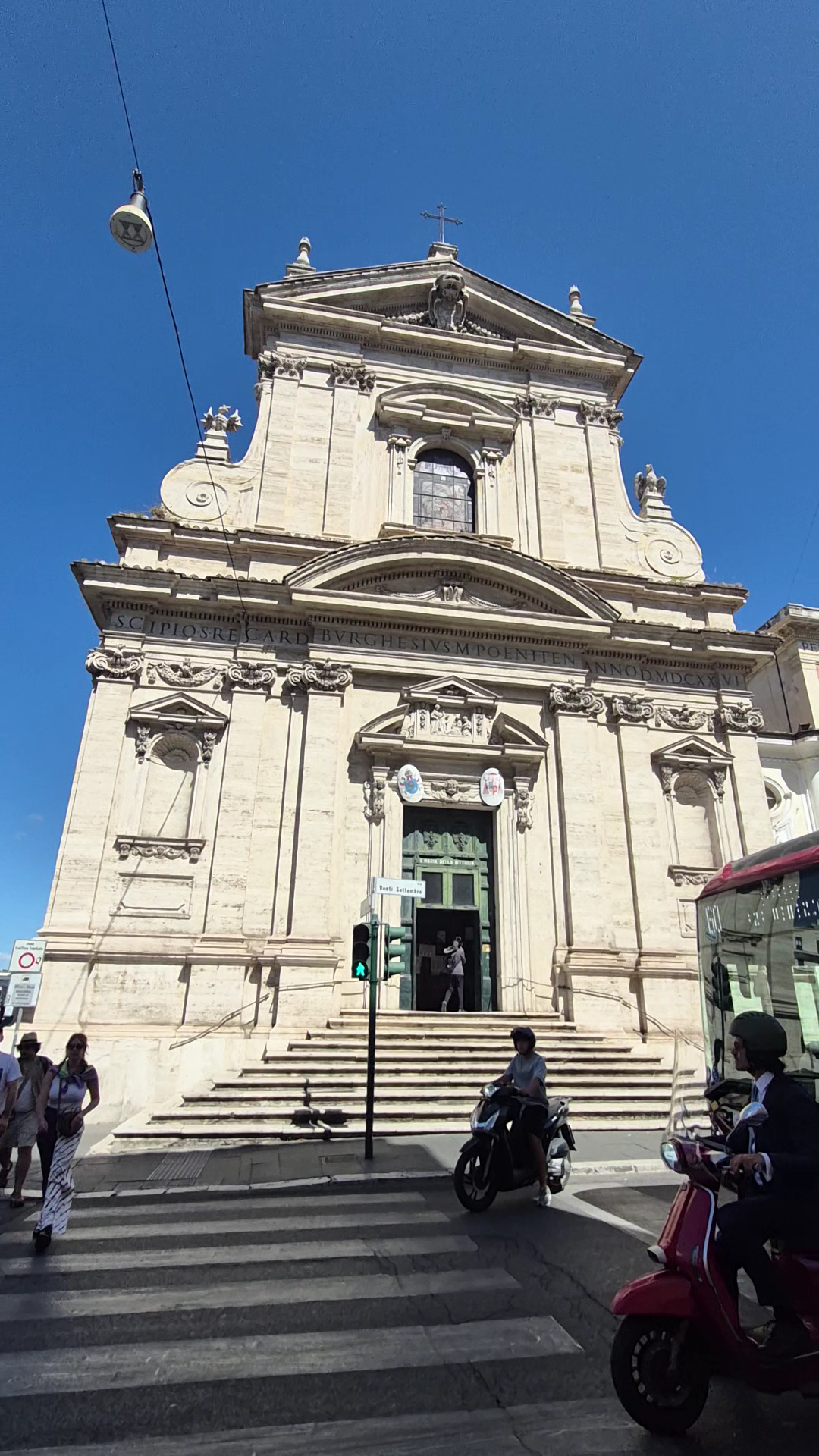
Church of Santa Maria della Vittoria
Via Venti Settembre, 17, 00187 Roma RM, Italy
4.7(3.1K)
Open until 12:00 PM
Save
spot
spot
Ratings & Description
Info
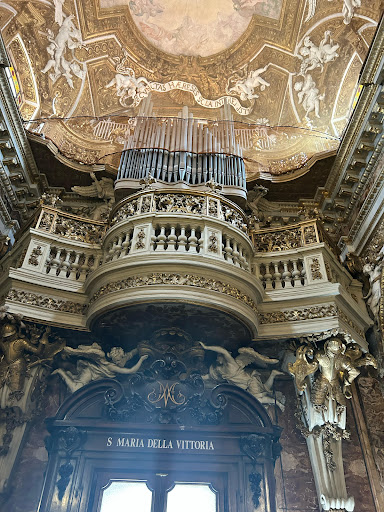
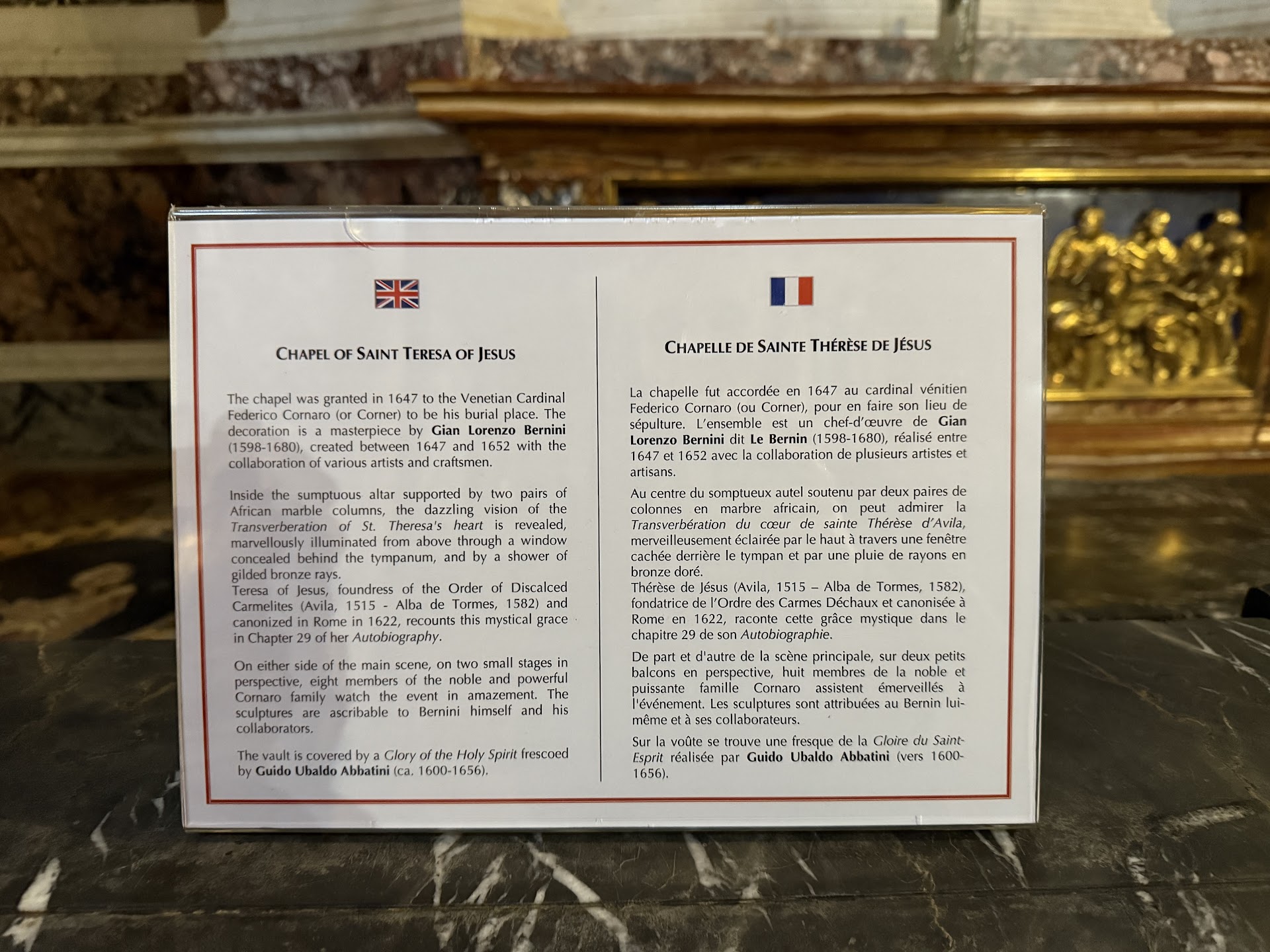
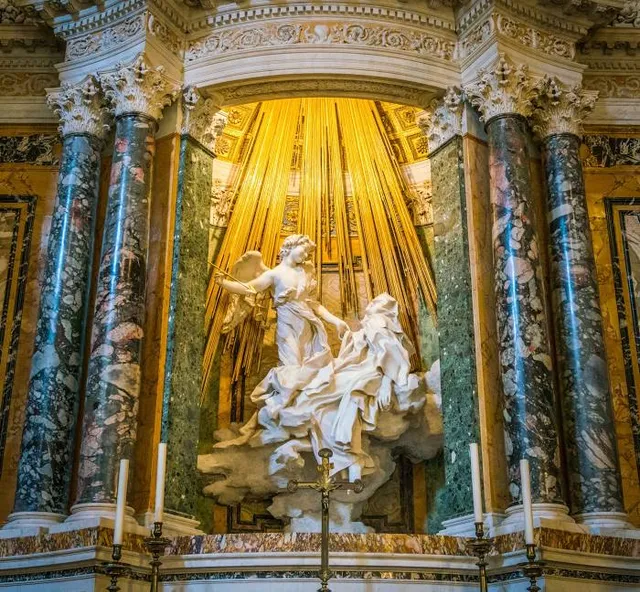
Santa Maria della Vittoria is a Catholic titular church and basilica dedicated to the Virgin Mary in Rome, Italy. The church is known for the masterpiece of Gian Lorenzo Bernini in the Cornaro Chapel, the Ecstasy of Saint Teresa.
Cultural
Accessibility
attractions: Basilica of Saint Mary of the Angels and Martyrs, Piazza della Repubblica, National Gallery of Ancient Art in Barberini Palace, Piazza Barberini, GAMM Game Museum, St. Paul's Within the Walls, Teatro dell'Opera di Roma, Museo e Cripta dei Cappuccini, National Roman Museum - Palazzo Massimo, Fontana del Tritone, restaurants: D’Angelo Caffè & Gastronomia, 50 Kalò di Ciro Salvo - Roma, Orlando dal 1910 - Ristorante - Bottega - Bistrot, Timoty Drinks & Kitchen, Pan Bernardo, Dagnino Pastry Shop and Café, Habemus Pinsa, Oratorio Bistrot, Bar Pasticceria Tavola Calda Il Grottino di San Bernardo, Vero food and smiles, local businesses: The Space Cinema Moderno Roma, Museo Nazionale Romano, Aula Ottagona, Piazza della Repubblica, National Roman Museum, Baths of Diocletian, National Museum of Rome - Baths of Diocletian, Escape Room all'Aperto - Assassinio a Roma, Cinema Quattro Fontane - Circuito Cinema, Church of St Charles at the Four Fountains, Saint Charles at the Four Fountains, Capuchin Crypt
 Learn more insights from Wanderboat AI.
Phone
+39 06 4274 0571
Website
turismoroma.it
Open hoursSee all hours
Mon7 AM - 12 PM, 4 - 6 PMOpen
Plan your stay

Pet-friendly Hotels in Rome
Find a cozy hotel nearby and make it a full experience.

Affordable Hotels in Rome
Find a cozy hotel nearby and make it a full experience.

The Coolest Hotels You Haven't Heard Of (Yet)
Find a cozy hotel nearby and make it a full experience.

Trending Stays Worth the Hype in Rome
Find a cozy hotel nearby and make it a full experience.
Reviews
Live events
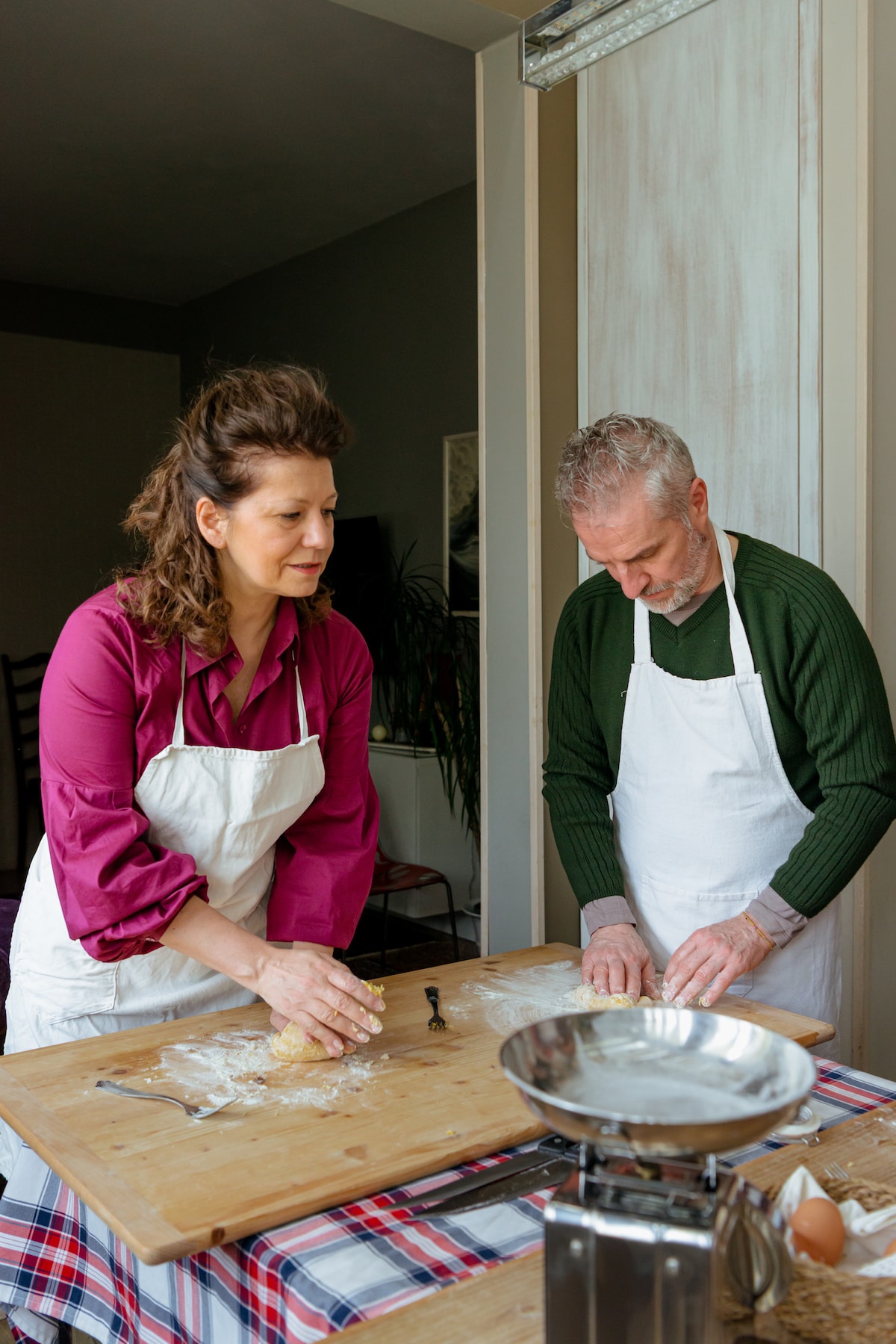
Handmade fettuccine & ravioli Walk at Villa DEste
Sat, Jan 31 • 10:00 AM
00019, Tivoli, Lazio, Italy
View details
Padri, madri, figli. Le trasformazioni dei contesti familiari e procreativi
Wed, Jan 28 • 5:00 PM
1 Piazza di Monte Citorio 00186 Roma
View details

Global Game Jam Roma 2026
Fri, Jan 30 • 5:30 PM
via tiburtina, 691, 00159 Roma
View details
Nearby attractions of Church of Santa Maria della Vittoria
Basilica of Saint Mary of the Angels and Martyrs
Piazza della Repubblica
National Gallery of Ancient Art in Barberini Palace
Piazza Barberini
GAMM Game Museum
St. Paul's Within the Walls
Teatro dell'Opera di Roma
Museo e Cripta dei Cappuccini
National Roman Museum - Palazzo Massimo
Fontana del Tritone
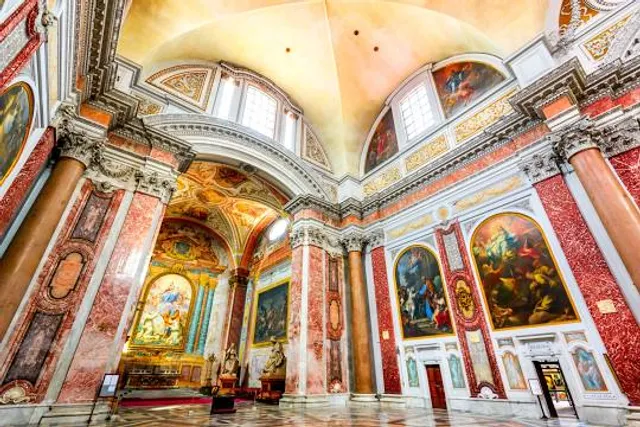
Basilica of Saint Mary of the Angels and Martyrs
4.7
(3.8K)
Open until 1:00 PM
Click for details
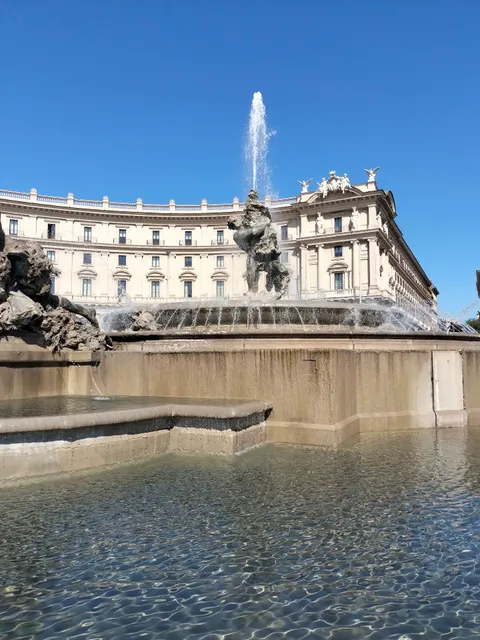
Piazza della Repubblica
4.6
(829)
Open until 12:00 AM
Click for details
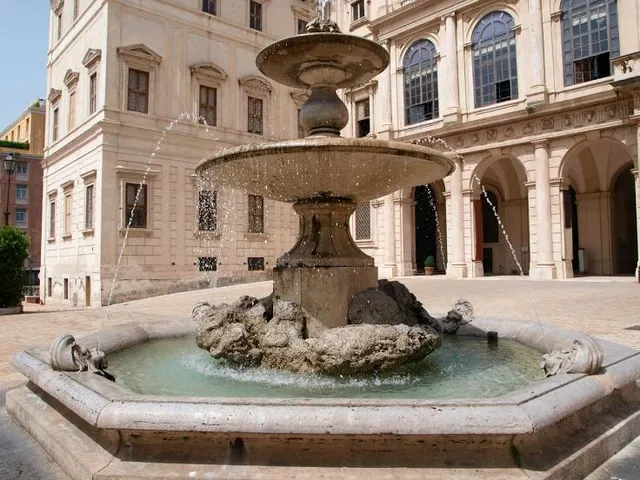
National Gallery of Ancient Art in Barberini Palace
4.6
(3.4K)
Open until 12:00 AM
Click for details
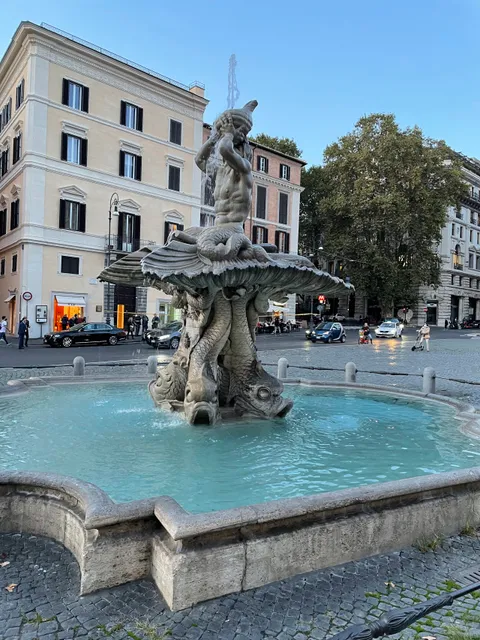
Piazza Barberini
4.5
(9.9K)
Open 24 hours
Click for details
Nearby restaurants of Church of Santa Maria della Vittoria
D’Angelo Caffè & Gastronomia
50 Kalò di Ciro Salvo - Roma
Orlando dal 1910 - Ristorante - Bottega - Bistrot
Timoty Drinks & Kitchen
Pan Bernardo
Dagnino Pastry Shop and Café
Habemus Pinsa
Oratorio Bistrot
Bar Pasticceria Tavola Calda Il Grottino di San Bernardo
Vero food and smiles
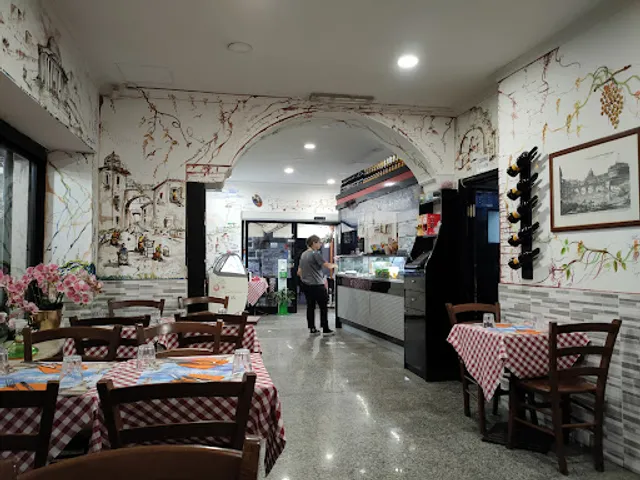
D’Angelo Caffè & Gastronomia
4.7
(1.4K)
Open until 4:00 PM
Click for details
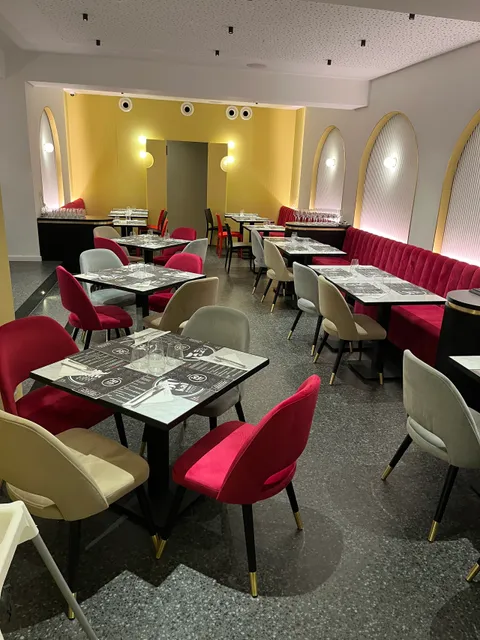
50 Kalò di Ciro Salvo - Roma
4.5
(1.8K)
Closed
Click for details
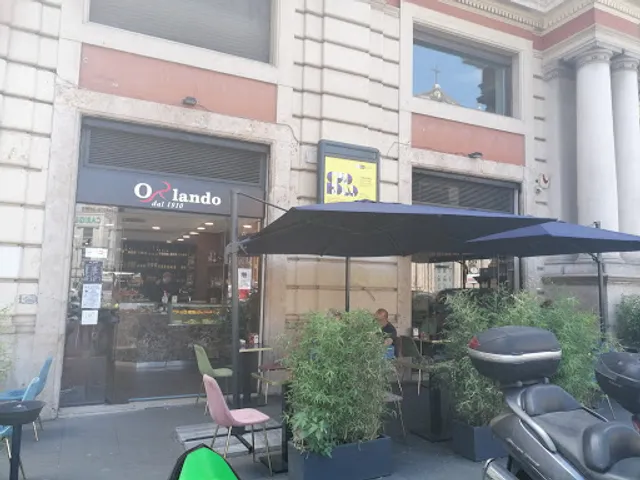
Orlando dal 1910 - Ristorante - Bottega - Bistrot
4.0
(229)
Open until 11:00 PM
Click for details
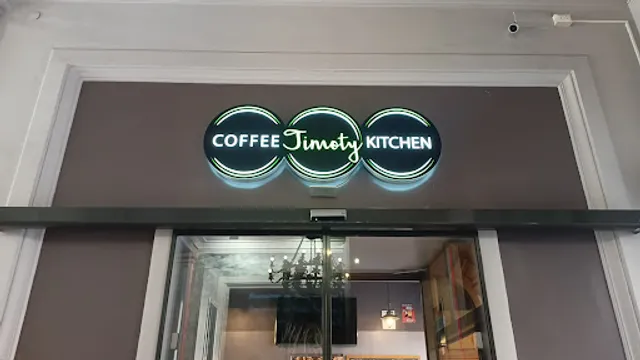
Timoty Drinks & Kitchen
4.5
(560)
Open until 12:30 PM
Click for details
Nearby local services of Church of Santa Maria della Vittoria
The Space Cinema Moderno Roma
Museo Nazionale Romano, Aula Ottagona
Piazza della Repubblica
National Roman Museum, Baths of Diocletian
National Museum of Rome - Baths of Diocletian
Escape Room all'Aperto - Assassinio a Roma
Cinema Quattro Fontane - Circuito Cinema
Church of St Charles at the Four Fountains
Saint Charles at the Four Fountains
Capuchin Crypt
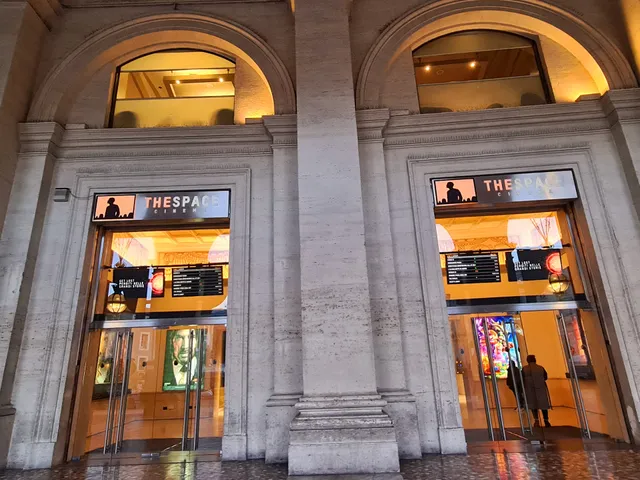
The Space Cinema Moderno Roma
4.1
(1.8K)
Click for details
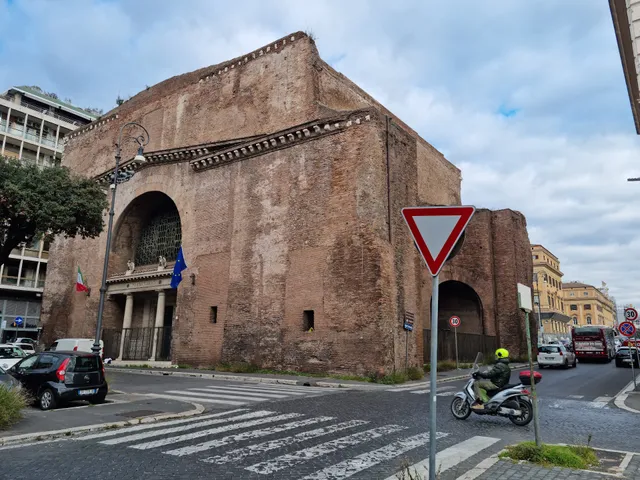
Museo Nazionale Romano, Aula Ottagona
4.7
(117)
Click for details
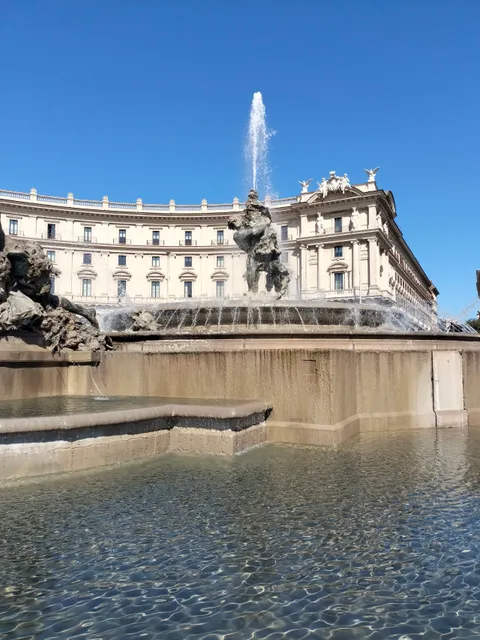
Piazza della Repubblica
4.5
(398)
Click for details
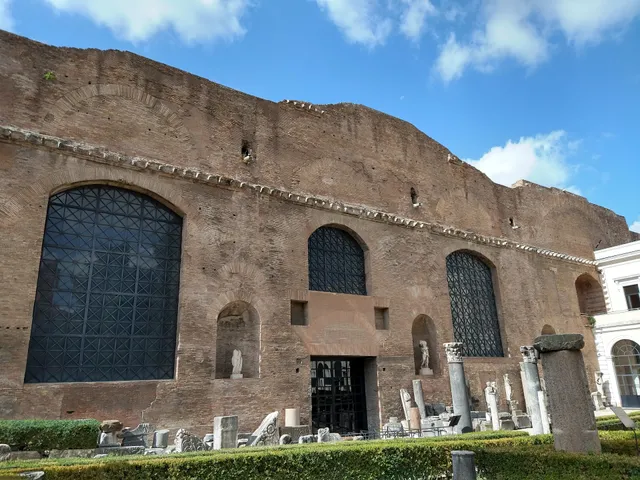
National Roman Museum, Baths of Diocletian
4.5
(2.2K)
Click for details


The hit list



Plan your trip with Wanderboat
Welcome to Wanderboat AI, your AI search for local Eats and Fun, designed to help you explore your city and the world with ease.
Powered by Wanderboat AI trip planner.