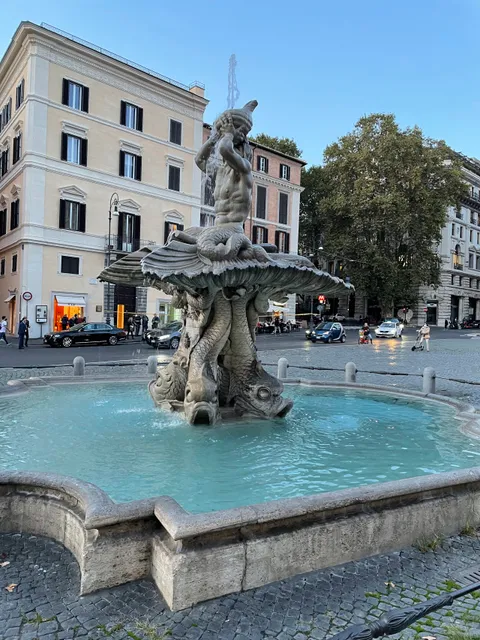
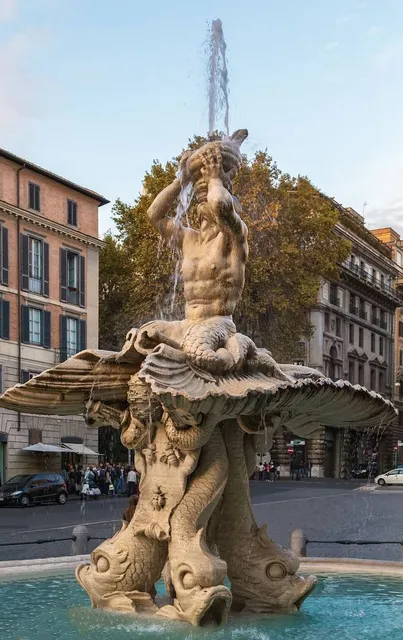
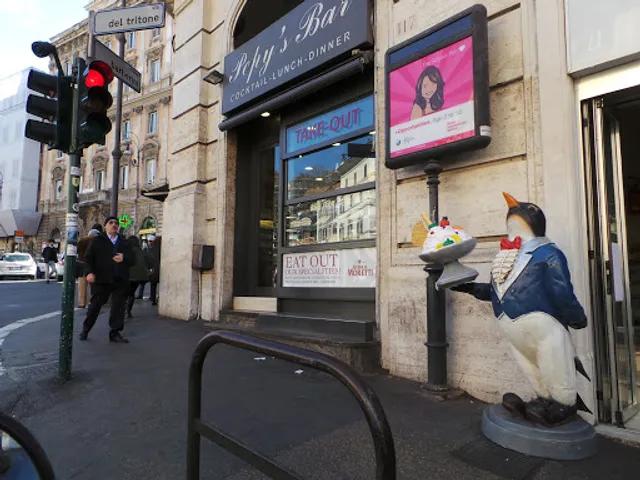
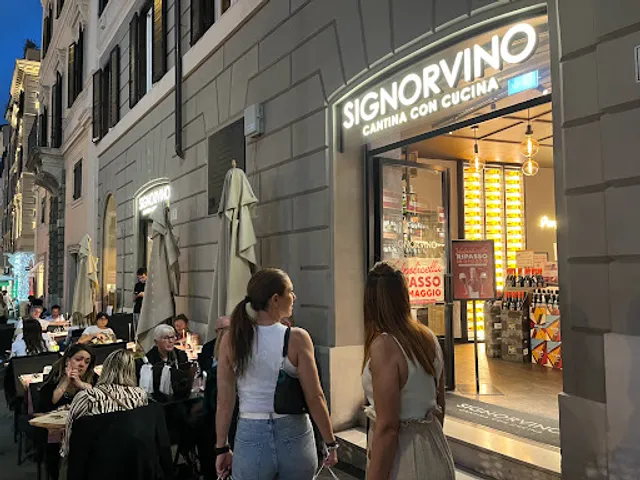
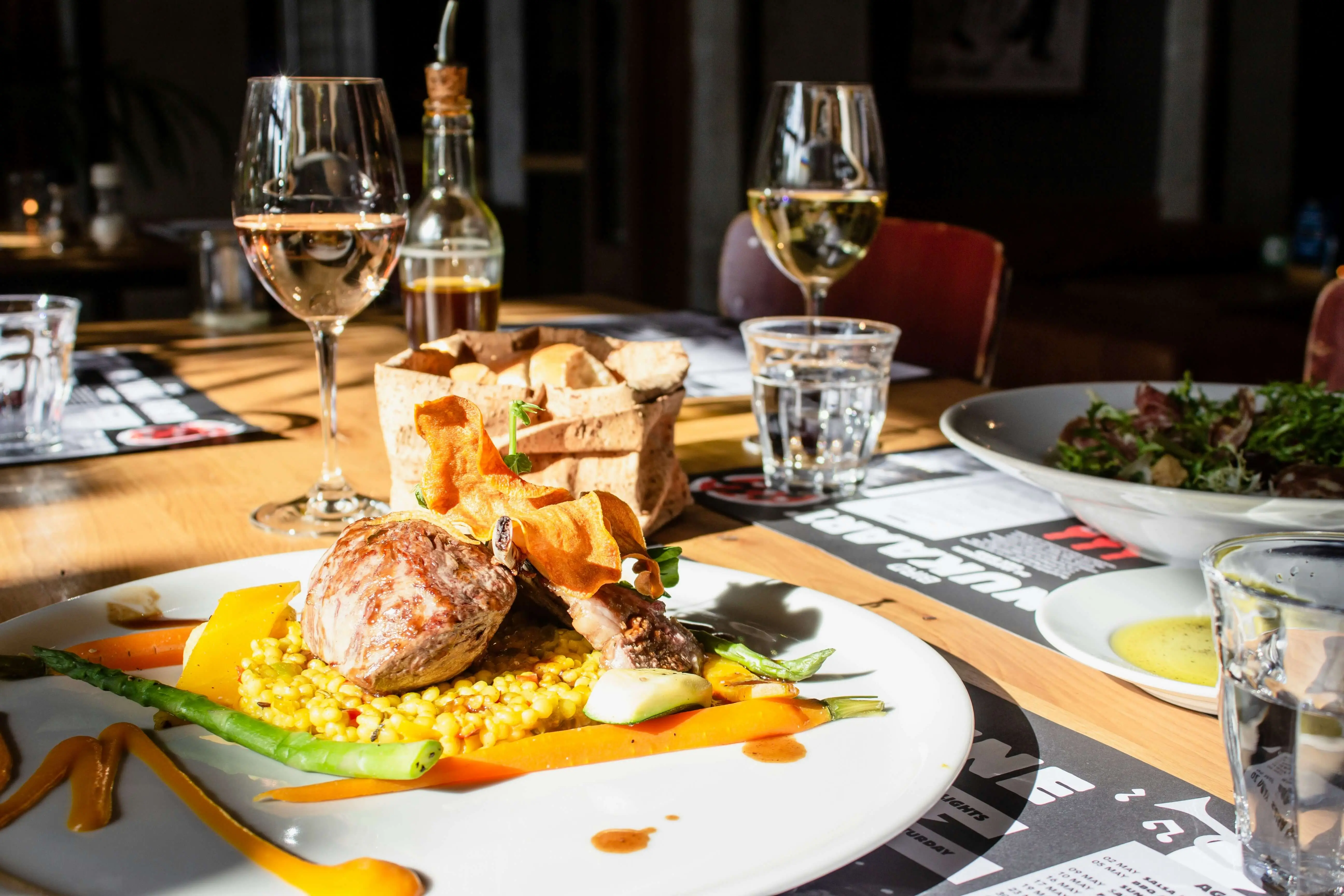
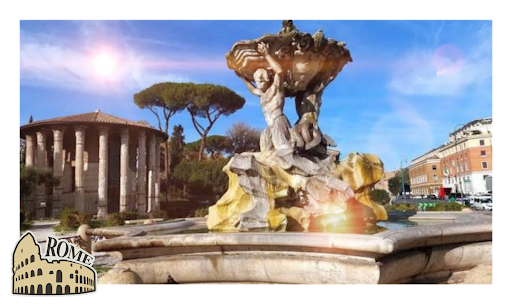
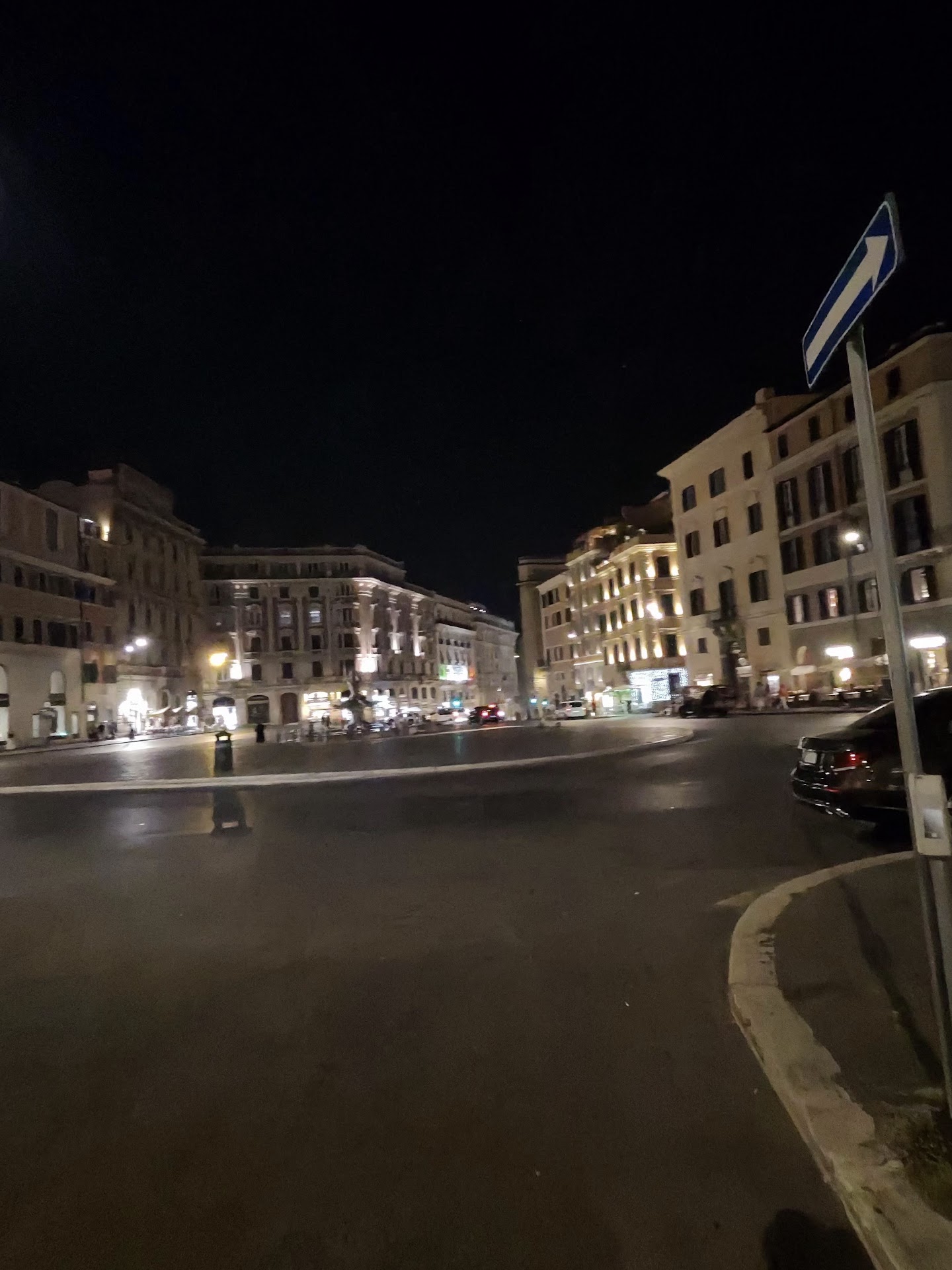
Discover the heart of Rome's baroque beauty at Piazza Barberini, a bustling square that serves as a gateway to some of the city's most elegant streets and famous attractions. This piazza is a vibrant hub, perfect for starting your exploration of the Eternal City. Getting There Piazza Barberini is incredibly easy to reach, making it a convenient stop on any Roman itinerary. The most direct method is by Metro Line A, with a dedicated "Barberini" stop located right in the square. This connects you effortlessly to major points like the Spanish Steps, the Vatican, and Termini Station. For those who prefer the bus, numerous lines service the area, and it's also a pleasant walk from iconic landmarks such as the Trevi Fountain and the Via Veneto. A Fountain of Grandeur The piazza's centerpiece is the stunning Fountain of the Triton, a masterpiece by Gian Lorenzo Bernini. Depicting a muscular Triton blowing a conch shell from which water gushes, this fountain is a magnificent example of Baroque sculpture. It's a fantastic spot to take a break, admire the artistry, and cool off on a warm day. While you can't drink directly from this monumental fountain, you'll find plenty of nearby public water fountains, or nasoni, where you can refill your bottle with fresh, cool water for free, just as the locals do. Dining and Entertainment Piazza Barberini and the surrounding area offer a wealth of dining options, from quick bites to gourmet meals. You'll find traditional Roman trattorias serving classic dishes like cacio e pepe and carbonara, as well as modern restaurants and cozy cafes. For a sweet treat, don't miss the chance to grab some authentic Italian gelato from one of the many gelaterias. The area comes alive in the evening, with bars and bistros perfect for an aperitivo or a leisurely dinner. The Local Vibe Like many of Rome's popular squares, Piazza Barberini can get quite busy, especially in the afternoon and evening. However, the energy is part of its charm. The piazza is a crossroads of activity, with people heading to the Trevi Fountain, shopping on Via del Corso, or exploring the upscale Via Veneto. To experience a quieter, more reflective moment with the Triton, consider visiting in the early morning. Regardless of the time of day, the vibrant atmosphere and beautiful artistry of Piazza Barberini make it an essential stop on your...
Ā Ā Ā Read morePiazza Barbarine Tritoreā looks like a blend of Italian words referring to Piazza Barberini and its famous Fontana del Tritone (āTriton Fountainā) in Rome.
Located in the historic center of Rome on Quirinal Hill, the square takes its name from the Barberini family and the nearby Palazzo Barberini ļæ¼. ⢠The squareās name is sometimes misspelled or misheard; āTritoreā likely refers to the Triton Fountain ā Fontana del Tritone ā a celebrated Baroque masterpiece.
Fontana del Tritone (Triton Fountain) ⢠Sculptor: Gian Lorenzo Bernini, crafted between 1642ā43 under Pope UrbanāÆVIIIās commission (UrbanāÆVIII was Maffeo Barberini) ļæ¼. ⢠Design: Features Triton rising from a scallop shell, supported by four dolphins, all carved in travertine ā a first in fountain design ā crowned by Barberini bees and papal coats of arms ļæ¼. ⢠Symbolism: Celebrates divine providence and Barberini power; its blow on the shell signals benevolence and strength . ⢠Restorations: Major cleanings occurred in 1932, late 1980s, 2013 to restore original effect ļæ¼.
Fontana delle Api (Fountain of the Bees) ⢠Also by Bernini in 1644 as a public water trough near Via Veneto. ⢠Named for the Barberini bees; originally at the squareās corner, later moved due to road restructuring ļæ¼ ļæ¼.
Palazzo Barberini ⢠Built 1625ā1633 by Carlo Maderno, with Bernini and Borromini contributing; home to Galleria Nazionale dāArte Antica (Raphael, Caravaggio, Tintoretto) ļæ¼. ⢠Features an elegant Baroque design and an underground Barberini Mithraeum, a 2ndā3rd-century...
Ā Ā Ā Read morePIAZZA BARBERINI: UN ANGOLO BAROCCO NEL CUORE DI ROMA:
La grande ed elegante Piazza Barberini, si trova nel centro storico di Roma, Rione II (Trevi), una delle diramazioni ĆØ la suggestiva Via Veneto.
Dal 2006 ho avuto il piacere di tornare più volte in questo luogo e in seguito anche recensendolo e, con ogni visita, ho raccolto nuovi scatti fotografici e sensazioni che mi piace condividere. Alcune delle foto che ho scattato tra il 2006 e il 2020 accompagnano questa recensione aggiornata. .
UN TEMPO QUASI CAMPAGNA:
La Piazza prende il nome dallāomonimo e maestoso Palazzo Barberini costruito fra il 1625-1633, il quale vi si affaccia. Per molto tempo il Palazzo ĆØ stato lāunica grande costruzione, infatti intorno perlopiù vi erano solo piccoli edifici e giardini e lāarea si poteva definire quasi campagna.
Sullo sfondo di questa Piazza fa āteatralmenteā da quinta di scena il Palazzo dellāHotel Bernini (1943) che ha sostituito il ben più bello āpalazzo dellāHotel Bristolā che nelle sue forme classiche aveva rispettato lāambiente circostante.
LE DUE FONTANE DI BERNINI
Piazza Barberini ĆØ celebre per ospitare due capolavori di Gian Lorenzo Bernini, simboli del barocco romano e della potenza della famiglia Barberini.
Fontana del Tritone Ć unāopera in travertino ideata nel XVII secolo da Gian Lorenzo Bernini. Il soggetto principale ĆØ il dio marino āTritoneā (nella parte superiore umano e in quella inferiore a forma di pesce) che inginocchiato sopra una grande conchiglia che si poggia sulle code di quattro delfini. Il Tritone tiene con le mani una conchiglia a moā di corno e vi soffia (si capisce dalle guance che sono raffigurate come gonfie di aria), da questa conchiglia, lāacqua si riversa sulla conchiglia aperta più grande e da questa sulla vasca curvilinea. A completamento dellāopera vi sono degli stemmi che identificano il Papa Urbano VIII (che aveva commissionato la fontana) e la sua famiglia i Barberini.
Fontana delle Api La fontana delle Api ĆØ una delle molte fontane storiche di Roma, si trova dal 1916 all'angolo di piazza Barberini con via Veneto, venne realizzata nel 1644 dal grande Gian Lorenzo Bernini. Fu commissionata dal papa Urbano VIII doveva essere non molto grande e il suo utilizzo era come abbeveratoio per i cavalli. La fontana ĆØ formata da una conchiglia dalla quale tre api buttano lāacqua entro una semplice vasca. Il simbolo dellāape che Bernini scelse di inserire nella fontana era in onore del papa che era della famiglia Barberini che aveva appunto lāape come simbolo araldico. Purtroppo quello che ĆØ arrivato a noi ĆØ in parte una ricostruzione della fontana originale, poichĆ© fu smontata (1871) e posta in un deposito e quando si volle ricomporre per inserirla nell'attuale ubicazione molti pezzi non furono più trovati.
PIAZZA BARBERINI NELLA āROMA SPARITAā
La piazza fu immortalata anche dal pittore Ettore Roesler Franz nella celebre serie di acquerelli āRoma Sparitaā (1878ā1896), che documenta la cittĆ prima delle grandi trasformazioni urbanistiche. Dei 120 acquerelli originali, 119 sono oggi conservati al Museo di Roma in Trastevere.
I BARBERINI, DA TAFANI A API:
La nobile famiglia cambiò il loro nome da āTafaniā a āBarberiniā per ragioni di prestigio. Stemma araldico: sfondo azzurro, a tre api d'oro poste due in capo ed una in punta. La nobile e principesca famiglia dei Barberini originari della Toscana, ebbe una grande importanza politica e religiosa a Roma, Il massimo del potere lo raggiunse quando venne eletto Papa il 1623 Urbano VIII (Maffeo Barberini).
SCOPRIRE ROMA ATTRAVERSO UNA āPAGINAā ALLA VOLTA:
Roma ĆØ un libro aperto e Piazza Barberini ne ĆØ una pagina importante, con i suoi dettagli che la rendono un luogo sempre sorprendente. Se avete gradito questa lettura, vi invito a scoprire le altre...
Ā Ā Ā Read more