HTML SitemapExplore
logo
Find Things to DoFind The Best Restaurants

Pons Aemilius — Attraction in Rome

Name
Pons Aemilius
Description
Nearby attractions
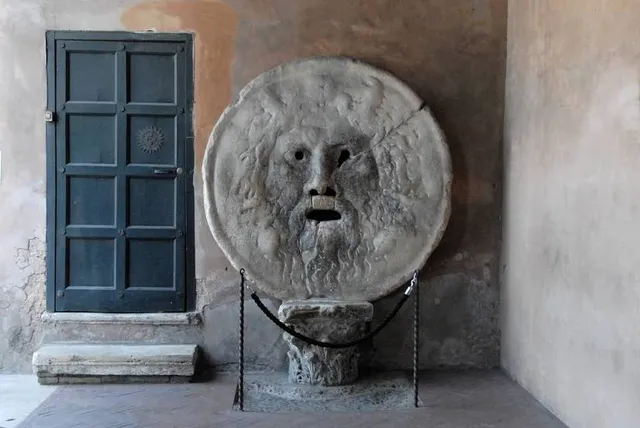
Mouth of Truth
Piazza della Bocca della Verità, 00186 Roma RM, Italy
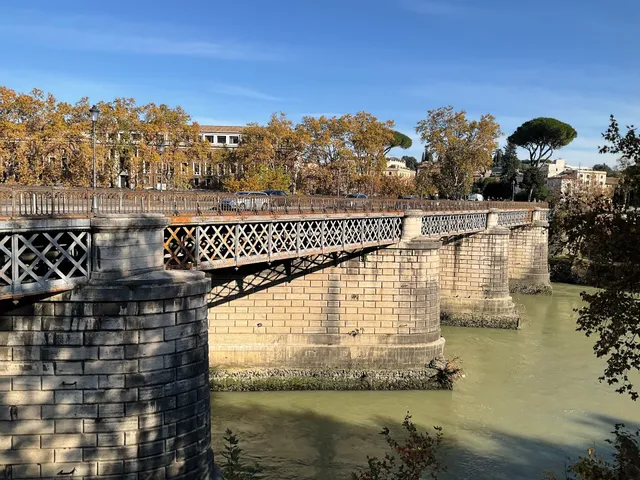
Ponte Palatino
Lungotevere degli Alberteschi, 00153 Roma RM, Italy
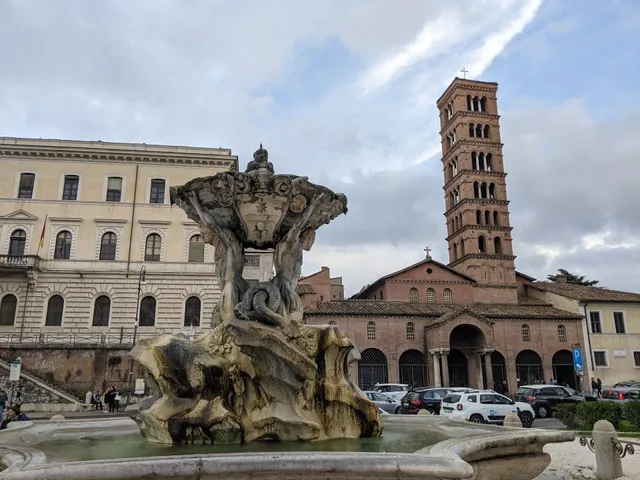
Basilica di Santa Maria in Cosmedin
Piazza della Bocca della Verità, 18, 00186 Roma RM, Italy
Basilica di San Bartolomeo all'Isola Tiberina
Piazza S. Bartolomeo All'Isola, 22, 00186 Roma RM, Italy
Temple of Hercules Victor
Piazza della Bocca della Verità, 00186 Roma RM, Italy
Teatro di Marcello
Via del Teatro di Marcello, 00186 Roma RM, Italy
Ponte Fabricio
Ponte Fabricio, 00186 Roma RM, Italy
Temple of Portunus
Piazza della Bocca della Verità, 00186 Roma RM, Italy
Ponte Cestio
00186 Rome, Metropolitan City of Rome Capital, Italy
Forum Boarium
Via Luigi Petroselli, 00186 Roma RM, Italy
Nearby restaurants
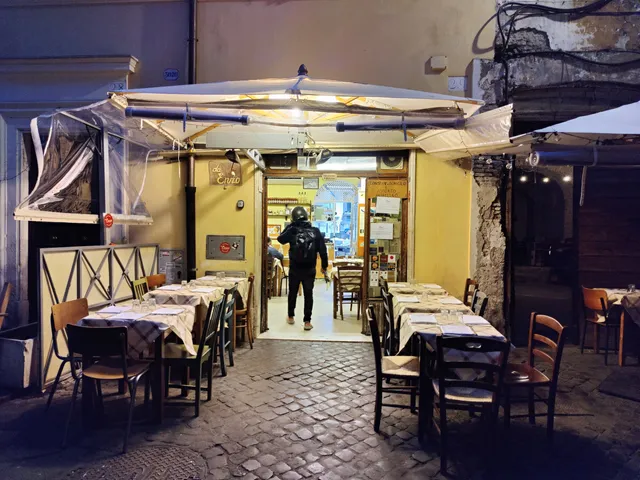
Trattoria Da Enzo al 29
Via dei Vascellari, 29, 00153 Roma RM, Italy
Trattoria Da Teo
Piazza dei Ponziani, 7A, 00153 Roma RM, Italy
Tiberino Ristorante
V. di Ponte Quattro Capi, 18, 00186 Roma RM, Italy
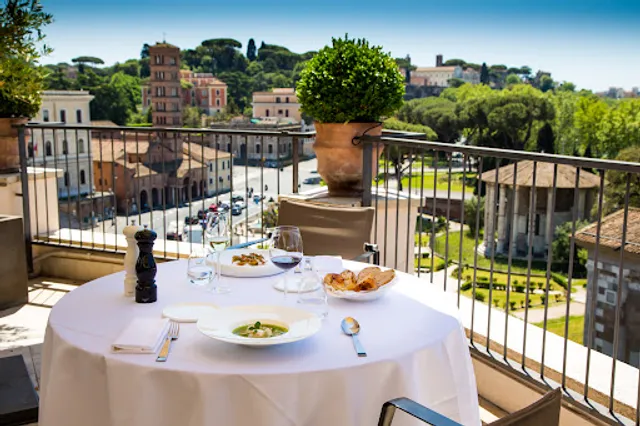
47 Circus Roof Garden
Via Luigi Petroselli, 47, 00186 Roma RM, Italy
Terra Satis bar
Piazza dei Ponziani, 1/a, 00153 Roma RM, Italy
Ristorante Sette Oche in Altalena
Via dei Salumi, 36, 00153 Roma RM, Italy
Ristorante le Mani in Pasta
Via dei Genovesi, 37, 00153 Roma RM, Italy
Gli Specialisti
Piazza in Piscinula, 50, 00153 Roma RM, Italy
Roma Sparita
Piazza di Santa Cecilia, 24, 00153 Roma RM, Italy
Ouzerì
Via dei Vascellari, 72-73, 00153 Roma RM, Italy
Related posts
Keywords
Pons Aemilius tourism.Pons Aemilius hotels.Pons Aemilius bed and breakfast. flights to Pons Aemilius.Pons Aemilius attractions.Pons Aemilius restaurants.Pons Aemilius travel.Pons Aemilius travel guide.Pons Aemilius travel blog.Pons Aemilius pictures.Pons Aemilius photos.Pons Aemilius travel tips.Pons Aemilius maps.Pons Aemilius things to do.
Pons Aemilius things to do, attractions, restaurants, events info and trip planning
Pons Aemilius
ItalyLazioRomePons Aemilius

Basic Info

Pons Aemilius

Via di Ponte Rotto, 00186 Roma RM, Italy
4.6(313)
Open 24 hours
Save
spot

Ratings & Description

Info

Cultural
Scenic
Outdoor
Family friendly
attractions: Mouth of Truth, Ponte Palatino, Basilica di Santa Maria in Cosmedin, Basilica di San Bartolomeo all'Isola Tiberina, Temple of Hercules Victor, Teatro di Marcello, Ponte Fabricio, Temple of Portunus, Ponte Cestio, Forum Boarium, restaurants: Trattoria Da Enzo al 29, Trattoria Da Teo, Tiberino Ristorante, 47 Circus Roof Garden, Terra Satis bar, Ristorante Sette Oche in Altalena, Ristorante le Mani in Pasta, Gli Specialisti, Roma Sparita, Ouzerì
logoLearn more insights from Wanderboat AI.
Website
romasegreta.it

Plan your stay

hotel
Pet-friendly Hotels in Rome
Find a cozy hotel nearby and make it a full experience.

hotel
Affordable Hotels in Rome
Find a cozy hotel nearby and make it a full experience.

hotel
The Coolest Hotels You Haven't Heard Of (Yet)
Find a cozy hotel nearby and make it a full experience.

hotel
Trending Stays Worth the Hype in Rome
Find a cozy hotel nearby and make it a full experience.

Reviews

Nearby attractions of Pons Aemilius

Mouth of Truth

Ponte Palatino

Basilica di Santa Maria in Cosmedin

Basilica di San Bartolomeo all'Isola Tiberina

Temple of Hercules Victor

Teatro di Marcello

Ponte Fabricio

Temple of Portunus

Ponte Cestio

Forum Boarium

Mouth of Truth

Mouth of Truth

4.3

(8.7K)

Closed
Click for details
Ponte Palatino

Ponte Palatino

4.6

(471)

Open 24 hours
Click for details
Basilica di Santa Maria in Cosmedin

Basilica di Santa Maria in Cosmedin

4.5

(3.4K)

Closed
Click for details
Basilica di San Bartolomeo all'Isola Tiberina

Basilica di San Bartolomeo all'Isola Tiberina

4.6

(1.1K)

Open 24 hours
Click for details

Things to do nearby

Catacombs: The Coolest Underground Tour in Rome
Thu, Dec 4 • 3:00 PM
00147, Rome, Lazio, Italy
View details
Pasta and Pizza cooking class with wine and more
Sun, Dec 7 • 10:30 AM
00142, Rome, Lazio, Italy
View details
Visit a 16th-century boutique winery
Sat, Dec 6 • 10:00 AM
00044, Frascati, Lazio, Italy
View details

Nearby restaurants of Pons Aemilius

Trattoria Da Enzo al 29

Trattoria Da Teo

Tiberino Ristorante

47 Circus Roof Garden

Terra Satis bar

Ristorante Sette Oche in Altalena

Ristorante le Mani in Pasta

Gli Specialisti

Roma Sparita

Ouzerì

Trattoria Da Enzo al 29

Trattoria Da Enzo al 29

4.3

(3.9K)

$$

Closed
Click for details
Trattoria Da Teo

Trattoria Da Teo

4.2

(1.6K)

Click for details
Tiberino Ristorante

Tiberino Ristorante

4.6

(1.1K)

$$

Click for details
47 Circus Roof Garden

47 Circus Roof Garden

4.3

(524)

$$$

Click for details
Get the Appoverlay
Get the AppOne tap to find yournext favorite spots!

The hit list

restaurant
Best 10 Restaurants to Visit in Rome
February 12 · 5 min read
attraction
Best 10 Attractions to Visit in Rome
February 12 · 5 min read
Rome

Plan your trip with Wanderboat

Welcome to Wanderboat AI, your AI search for local Eats and Fun, designed to help you explore your city and the world with ease.

Powered by Wanderboat AI trip planner.
Wanderboat LogoWanderboat

Your everyday Al companion for getaway ideas

CompanyAbout Us
InformationAI Trip PlannerSitemap
SocialXInstagramTiktokLinkedin
LegalTerms of ServicePrivacy Policy

Get the app

© 2025 Wanderboat. All rights reserved.
logo

Posts

Misiu martinoMisiu martino
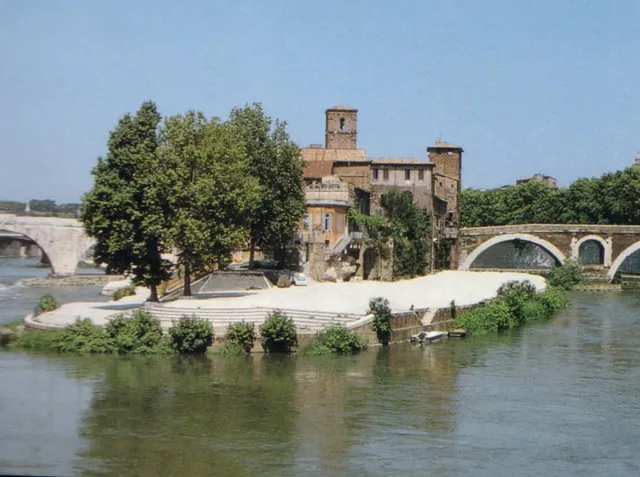
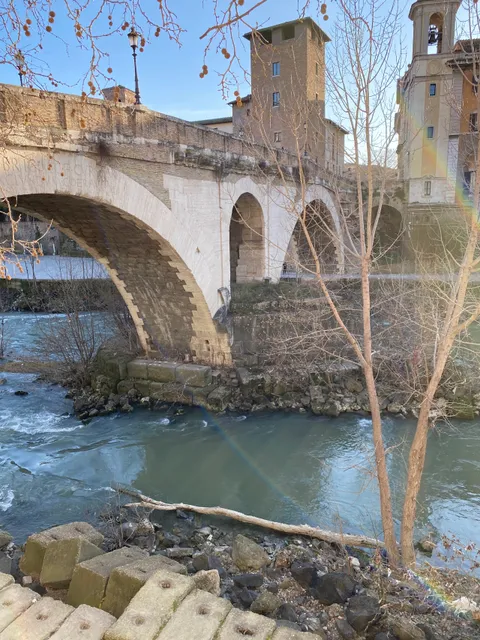
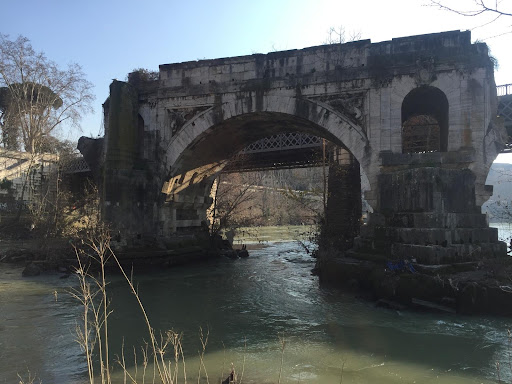
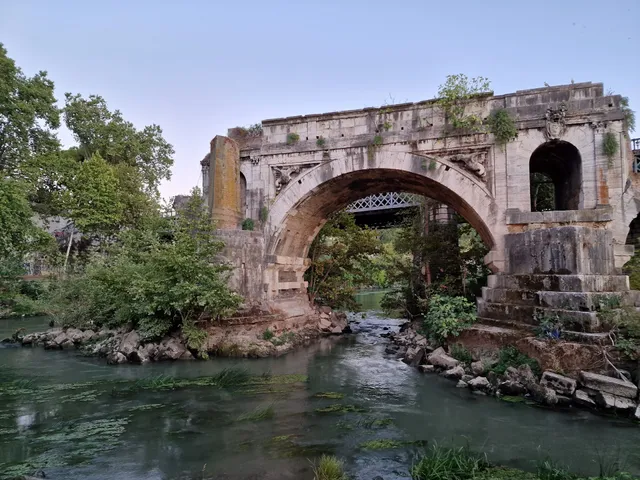
It is commonly known as Ponte Rotto (Broken Bridge) but the great arch with a decadent and poetic aspect that emerges from the waters of the Tiber, not far from the Tiber Island, is actually what remains of the ancient Pons Aemilius, made of wood in the 2nd century BC and reconstructed of stone a century later. It was the longest of Rome’s ancient bridges with an important strategic position, but definitively not lucky: placed obliquely to the current of the river, where the water turbulence is particularly strong, it was very often overwhelmed by the power of the Tiber. Damaged when not destroyed, it was then reconstructed several times. Even its name often changed over the centuries: with the renovation carried out by Augustus, Emperor and Pontifex Maximus, it was nicknamed “Pons Maximus”, then in the 9th century it became known as the Santa Maria Bridge when the Temple of Portunus was turned into the church of Santa Maria Egiziaca. In 1144, the bridge was renamed Senatorium Bridge, probably following a full restoration carried out at the expense of the Senators, Rome’s main administrators.Repairs and restorations also continued in the following centuries: the complete renovation of 1552, by Nanni di Baccio on a design by Michelangelo, proved to be ineffective and only five years later the bridge was again swept away by a flood. With the umpteenth reconstruction commissioned by Pope Gregory XIII Boncompagni in 1573 and remembered by a clearly legible inscription, as well as by the bas-reliefs with dragons that recall the papal coat of arms, the bridge was used to lead the new Acqua Felice pipeline to Trastevere, which fed the fountain in piazza di Santa Maria in Trastevere, but another violent flood on Christmas night in 1598 destroyed about half of the bridge, carrying away 3 arches and 2 piers. The remaining section of the bridge, anchored to the right bank, was used as a hanging garden until the end of the 17th century, when the precarious stability of the bridge made it completely unusable.In 1853, the three remaining arches were connected to the mainland on both sides with an iron footbridge. In 1887, the new footbridge was demolished along with two of the three arches to make room for a new bridge, Ponte Palatino.
Camilo A. PosadaCamilo A. Posada
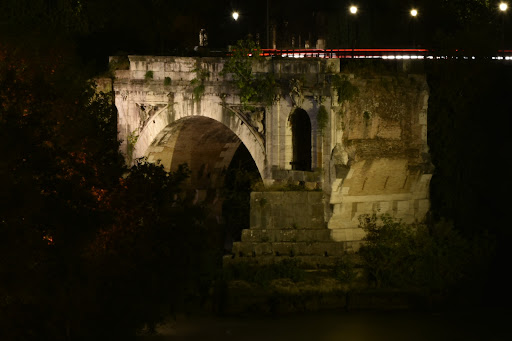
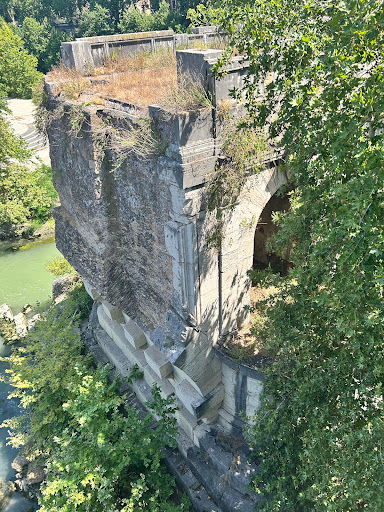
This is the Ponte Rotto, or “Broken Bridge,” a remnant of ancient Rome that stands in the Tiber River near the Tiber Island. Originally named the Pons Aemilius, it was constructed in 179 BCE, making it the oldest stone bridge in Rome. The bridge was designed to connect the Forum Boarium to Trastevere, offering a vital link between the city center and the rural areas beyond. Initially built with wooden superstructures, it was fully reconstructed in stone around 142 BCE, reflecting the Romans’ growing architectural ambition and engineering prowess. The Ponte Rotto owes its current fragmented state to a series of natural disasters. Floods, particularly the devastating one in 1598, destroyed much of the bridge, leaving only the single arch that stands today. Over the centuries, various attempts to repair and modernize the structure were made, but its strategic importance waned as other crossings were built. By the late 19th century, the Ponte Rotto was deemed obsolete, and much of it was demolished to make way for new infrastructure, leaving behind the picturesque ruin that remains a striking reminder of Rome’s layered history. One anecdote tied to the Ponte Rotto involves its role in controlling the Tiber’s notorious floods. Medieval Romans associated the bridge with divine protection and used it as a site for ceremonies invoking safety from floods. However, its repeated destruction led to superstitions that the bridge was cursed. Its resilience in retaining even a single arch has since turned it into a symbol of endurance and a favorite spot for artists and photographers inspired by its melancholic beauty. Today, the Ponte Rotto is both a tourist attraction and a silent observer of Rome’s bustling life. It serves as a bridge not of utility but of memory, reminding visitors of the ingenuity and fragility of Roman engineering. Its lone arch, with moss and ivy creeping across its ancient stones, reflects the passage of time and the resilience of history. Despite being reduced to a fragment, it continues to inspire stories, connecting the modern city with its storied past.
BradBrad
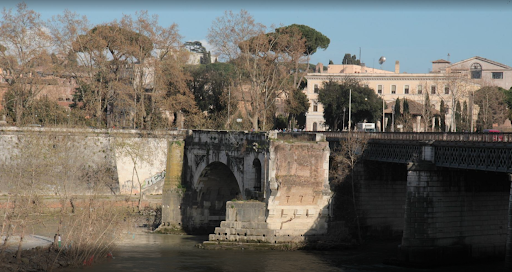
Not much left of this ancient bridge which was also called Ponte Rotto (Broken Bridge). Originally built in the 2nd century BC, this is a stone bridge fragment that hangs in the river idly these days. Unfortunately, it suffered numerous fatal blows due to floods of the River Tiber over the centuries. Reconstructed several times, the bridge was finally abandoned. It was then mostly demolished in the late 19th century with a single arch structure left in the river for us to see today. Worth a look while walking across the newer Ponte Palatino just to the south or if sightseeing on Isola Tiberina. You can also see it from a distance on the Trastevere side of the river north of Ponte Palatino.
See more posts
See more posts
hotel
Find your stay

Pet-friendly Hotels in Rome

Find a cozy hotel nearby and make it a full experience.

It is commonly known as Ponte Rotto (Broken Bridge) but the great arch with a decadent and poetic aspect that emerges from the waters of the Tiber, not far from the Tiber Island, is actually what remains of the ancient Pons Aemilius, made of wood in the 2nd century BC and reconstructed of stone a century later. It was the longest of Rome’s ancient bridges with an important strategic position, but definitively not lucky: placed obliquely to the current of the river, where the water turbulence is particularly strong, it was very often overwhelmed by the power of the Tiber. Damaged when not destroyed, it was then reconstructed several times. Even its name often changed over the centuries: with the renovation carried out by Augustus, Emperor and Pontifex Maximus, it was nicknamed “Pons Maximus”, then in the 9th century it became known as the Santa Maria Bridge when the Temple of Portunus was turned into the church of Santa Maria Egiziaca. In 1144, the bridge was renamed Senatorium Bridge, probably following a full restoration carried out at the expense of the Senators, Rome’s main administrators.Repairs and restorations also continued in the following centuries: the complete renovation of 1552, by Nanni di Baccio on a design by Michelangelo, proved to be ineffective and only five years later the bridge was again swept away by a flood. With the umpteenth reconstruction commissioned by Pope Gregory XIII Boncompagni in 1573 and remembered by a clearly legible inscription, as well as by the bas-reliefs with dragons that recall the papal coat of arms, the bridge was used to lead the new Acqua Felice pipeline to Trastevere, which fed the fountain in piazza di Santa Maria in Trastevere, but another violent flood on Christmas night in 1598 destroyed about half of the bridge, carrying away 3 arches and 2 piers. The remaining section of the bridge, anchored to the right bank, was used as a hanging garden until the end of the 17th century, when the precarious stability of the bridge made it completely unusable.In 1853, the three remaining arches were connected to the mainland on both sides with an iron footbridge. In 1887, the new footbridge was demolished along with two of the three arches to make room for a new bridge, Ponte Palatino.
Misiu martino

Misiu martino

hotel
Find your stay

Affordable Hotels in Rome

Find a cozy hotel nearby and make it a full experience.

Get the Appoverlay
Get the AppOne tap to find yournext favorite spots!
This is the Ponte Rotto, or “Broken Bridge,” a remnant of ancient Rome that stands in the Tiber River near the Tiber Island. Originally named the Pons Aemilius, it was constructed in 179 BCE, making it the oldest stone bridge in Rome. The bridge was designed to connect the Forum Boarium to Trastevere, offering a vital link between the city center and the rural areas beyond. Initially built with wooden superstructures, it was fully reconstructed in stone around 142 BCE, reflecting the Romans’ growing architectural ambition and engineering prowess. The Ponte Rotto owes its current fragmented state to a series of natural disasters. Floods, particularly the devastating one in 1598, destroyed much of the bridge, leaving only the single arch that stands today. Over the centuries, various attempts to repair and modernize the structure were made, but its strategic importance waned as other crossings were built. By the late 19th century, the Ponte Rotto was deemed obsolete, and much of it was demolished to make way for new infrastructure, leaving behind the picturesque ruin that remains a striking reminder of Rome’s layered history. One anecdote tied to the Ponte Rotto involves its role in controlling the Tiber’s notorious floods. Medieval Romans associated the bridge with divine protection and used it as a site for ceremonies invoking safety from floods. However, its repeated destruction led to superstitions that the bridge was cursed. Its resilience in retaining even a single arch has since turned it into a symbol of endurance and a favorite spot for artists and photographers inspired by its melancholic beauty. Today, the Ponte Rotto is both a tourist attraction and a silent observer of Rome’s bustling life. It serves as a bridge not of utility but of memory, reminding visitors of the ingenuity and fragility of Roman engineering. Its lone arch, with moss and ivy creeping across its ancient stones, reflects the passage of time and the resilience of history. Despite being reduced to a fragment, it continues to inspire stories, connecting the modern city with its storied past.
Camilo A. Posada

Camilo A. Posada

hotel
Find your stay

The Coolest Hotels You Haven't Heard Of (Yet)

Find a cozy hotel nearby and make it a full experience.

hotel
Find your stay

Trending Stays Worth the Hype in Rome

Find a cozy hotel nearby and make it a full experience.

Not much left of this ancient bridge which was also called Ponte Rotto (Broken Bridge). Originally built in the 2nd century BC, this is a stone bridge fragment that hangs in the river idly these days. Unfortunately, it suffered numerous fatal blows due to floods of the River Tiber over the centuries. Reconstructed several times, the bridge was finally abandoned. It was then mostly demolished in the late 19th century with a single arch structure left in the river for us to see today. Worth a look while walking across the newer Ponte Palatino just to the south or if sightseeing on Isola Tiberina. You can also see it from a distance on the Trastevere side of the river north of Ponte Palatino.
Brad

Brad

See more posts
See more posts

Reviews of Pons Aemilius

4.6
(313)
avatar
5.0
16w

It is commonly known as Ponte Rotto (Broken Bridge) but the great arch with a decadent and poetic aspect that emerges from the waters of the Tiber, not far from the Tiber Island, is actually what remains of the ancient Pons Aemilius, made of wood in the 2nd century BC and reconstructed of stone a century later. It was the longest of Rome’s ancient bridges with an important strategic position, but definitively not lucky: placed obliquely to the current of the river, where the water turbulence is particularly strong, it was very often overwhelmed by the power of the Tiber. Damaged when not destroyed, it was then reconstructed several times. Even its name often changed over the centuries: with the renovation carried out by Augustus, Emperor and Pontifex Maximus, it was nicknamed “Pons Maximus”, then in the 9th century it became known as the Santa Maria Bridge when the Temple of Portunus was turned into the church of Santa Maria Egiziaca. In 1144, the bridge was renamed Senatorium Bridge, probably following a full restoration carried out at the expense of the Senators, Rome’s main administrators.Repairs and restorations also continued in the following centuries: the complete renovation of 1552, by Nanni di Baccio on a design by Michelangelo, proved to be ineffective and only five years later the bridge was again swept away by a flood. With the umpteenth reconstruction commissioned by Pope Gregory XIII Boncompagni in 1573 and remembered by a clearly legible inscription, as well as by the bas-reliefs with dragons that recall the papal coat of arms, the bridge was used to lead the new Acqua Felice pipeline to Trastevere, which fed the fountain in piazza di Santa Maria in Trastevere, but another violent flood on Christmas night in 1598 destroyed about half of the bridge, carrying away 3 arches and 2 piers. The remaining section of the bridge, anchored to the right bank, was used as a hanging garden until the end of the 17th century, when the precarious stability of the bridge made it completely unusable.In 1853, the three remaining arches were connected to the mainland on both sides with an iron footbridge. In 1887, the new footbridge was demolished along with two of the three arches to make room for a new bridge,...

   Read more
avatar
4.0
51w

This is the Ponte Rotto, or “Broken Bridge,” a remnant of ancient Rome that stands in the Tiber River near the Tiber Island. Originally named the Pons Aemilius, it was constructed in 179 BCE, making it the oldest stone bridge in Rome. The bridge was designed to connect the Forum Boarium to Trastevere, offering a vital link between the city center and the rural areas beyond. Initially built with wooden superstructures, it was fully reconstructed in stone around 142 BCE, reflecting the Romans’ growing architectural ambition and engineering prowess.

The Ponte Rotto owes its current fragmented state to a series of natural disasters. Floods, particularly the devastating one in 1598, destroyed much of the bridge, leaving only the single arch that stands today. Over the centuries, various attempts to repair and modernize the structure were made, but its strategic importance waned as other crossings were built. By the late 19th century, the Ponte Rotto was deemed obsolete, and much of it was demolished to make way for new infrastructure, leaving behind the picturesque ruin that remains a striking reminder of Rome’s layered history.

One anecdote tied to the Ponte Rotto involves its role in controlling the Tiber’s notorious floods. Medieval Romans associated the bridge with divine protection and used it as a site for ceremonies invoking safety from floods. However, its repeated destruction led to superstitions that the bridge was cursed. Its resilience in retaining even a single arch has since turned it into a symbol of endurance and a favorite spot for artists and photographers inspired by its melancholic beauty.

Today, the Ponte Rotto is both a tourist attraction and a silent observer of Rome’s bustling life. It serves as a bridge not of utility but of memory, reminding visitors of the ingenuity and fragility of Roman engineering. Its lone arch, with moss and ivy creeping across its ancient stones, reflects the passage of time and the resilience of history. Despite being reduced to a fragment, it continues to inspire stories, connecting the modern city with its...

   Read more
avatar
3.0
1y

Not much left of this ancient bridge which was also called Ponte Rotto (Broken Bridge). Originally built in the 2nd century BC, this is a stone bridge fragment that hangs in the river idly these days.

Unfortunately, it suffered numerous fatal blows due to floods of the River Tiber over the centuries. Reconstructed several times, the bridge was finally abandoned. It was then mostly demolished in the late 19th century with a single arch structure left in the river for us to see today.

Worth a look while walking across the newer Ponte Palatino just to the south or if sightseeing on Isola Tiberina. You can also see it from a distance on the Trastevere side of the river north of...

   Read more
Page 1 of 7
Previous
Next