HTML SitemapExplore
logo
Find Things to DoFind The Best Restaurants

Palazzo Farnese — Attraction in Rome

Name
Palazzo Farnese
Description
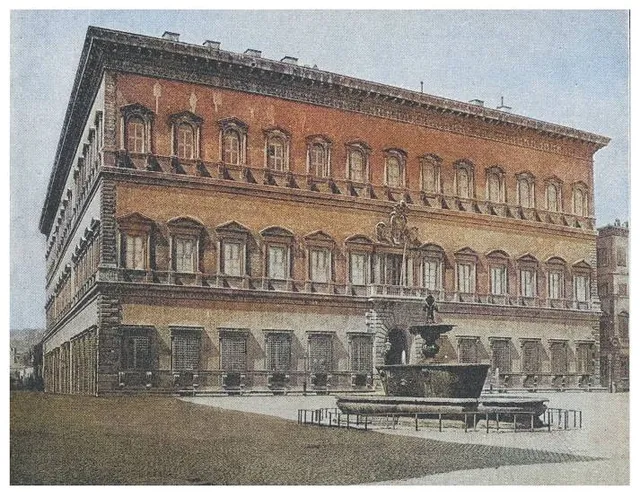
Palazzo Farnese or Farnese Palace is one of the most important High Renaissance palaces in Rome. Owned by the Italian Republic, it was given to the French government in 1936 for a period of 99 years, and currently serves as the French embassy in Italy.
Nearby attractions
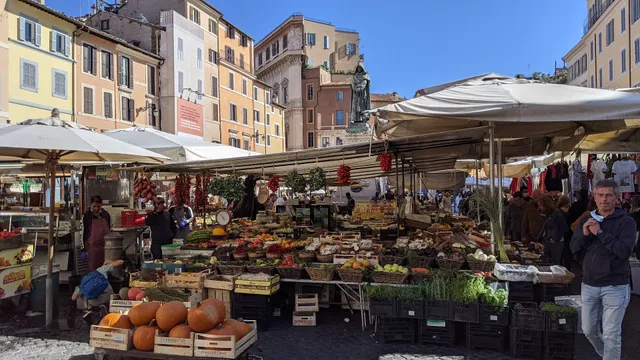
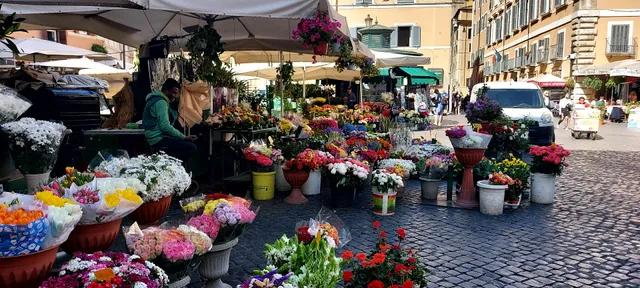
Campo de' Fiori
P.za Campo de' Fiori, 00186 Roma RM, Italy
Galleria Spada
Piazza Capo di Ferro, 13, 00186 Roma RM, Italy
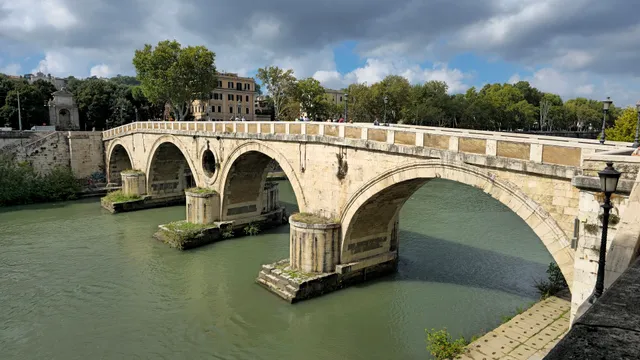
Ponte Sisto
Piazza Trilussa, 00153 Roma RM, Italy
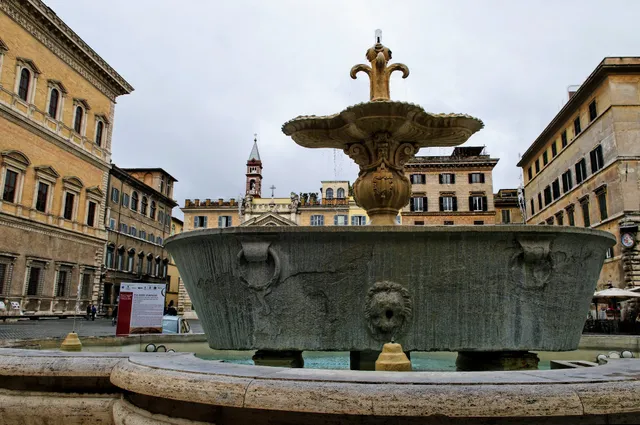
Fontana di Piazza Farnese
Piazza Farnese, 00186 Roma RM, Italy
Museo/Mostra Leonardo da Vinci - Il Genio le Invenzioni
P.za della Cancelleria, 1, 00186 Roma RM, Italy
Piazza Navona
Piazza Navona, 00186 Roma RM, Italy
Palazzo della Cancelleria
P.za della Cancelleria, 1, 00186 Roma RM, Italy
Villa Farnesina
Via della Lungara, 230, 00165 Roma RM, Italy
Museo di Roma - Palazzo Braschi
Piazza di S. Pantaleo, 10, 00186 Roma RM, Italy
Welcome To Rome
Corso Vittorio Emanuele II, 203, 00186 Roma RM, Italy
Nearby restaurants
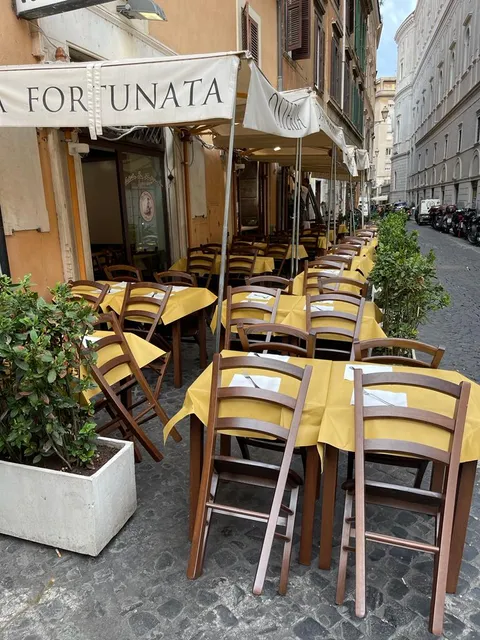
Osteria da Fortunata
Via del Pellegrino, 11/12, 00186 Roma RM, Italy
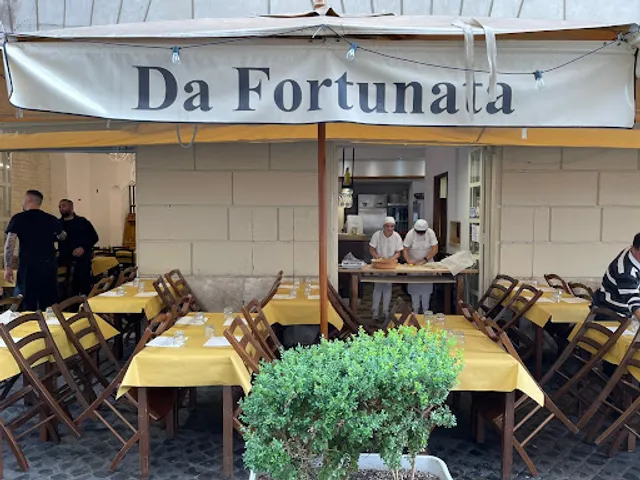
Osteria da Fortunata - Baullari
Via Dei Baullari, 112, 00186 Roma RM, Italy
Giordi
P.za Campo de' Fiori, 16, 00186 Roma RM, Italy
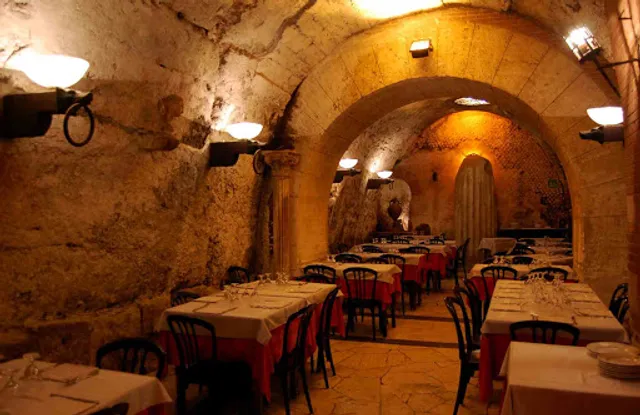
Ristorante Pancrazio dal 1922
P.zza del Biscione, 92, 00186 Roma RM, Italy
Mariuccia
P.za della Cancelleria, 92, 00186 Roma RM, Italy
Osteria La Quercia
Piazza della Quercia, 23, 00186 Roma RM, Italy
Ai Balestrari Campo de Fiori
Via dei Balestrari, 41, 00186 Roma RM, Italy
Caffè Perù
Via di Monserrato, 46, 00186 Roma RM, Italy
Mercato Hostaria Roma
P.za Campo de' Fiori, 53, 00186 Roma RM, Italy
Virgilio a Campo De’ Fiori
P.za Campo de' Fiori, 10/a, 00186 Roma RM, Italy
Nearby hotels
Hotel Residenza in Farnese
Via del Mascherone, 59, 00186 Roma RM, Italy
Hotel Ponte Sisto
Via dei Pettinari, 64, 00186 Roma RM, Italy
Piazza Farnese Luxury Suites
Piazza Farnese, 101, 00186 Roma RM, Italy
Hotel Damaso
P.za della Cancelleria, 62, 00186 Roma RM, Italy
Navona Essence Hotel
Via dei Cappellari, 24, 00186 Roma RM, Italy
Hotel Campo de' Fiori
Via del Biscione, 6, 00186 Roma RM, Italy
Mama's Home Rome
P.za Campo de' Fiori, 27, 00186 Roma RM, Italy
Sweet Collection
Via Giulia, 183, 00186 Roma RM, Italy
Hotel Lunetta
Piazza del Paradiso, 68, 00186 Roma RM, Italy
Bollo Apartments
Vicolo del Bollo, 4, 00186 Roma RM, Italy
Related posts
Keywords
Palazzo Farnese tourism.Palazzo Farnese hotels.Palazzo Farnese bed and breakfast. flights to Palazzo Farnese.Palazzo Farnese attractions.Palazzo Farnese restaurants.Palazzo Farnese travel.Palazzo Farnese travel guide.Palazzo Farnese travel blog.Palazzo Farnese pictures.Palazzo Farnese photos.Palazzo Farnese travel tips.Palazzo Farnese maps.Palazzo Farnese things to do.
Palazzo Farnese things to do, attractions, restaurants, events info and trip planning
Palazzo Farnese
ItalyLazioRomePalazzo Farnese

Basic Info

Palazzo Farnese

Piazza Farnese, 67, 00186 Roma RM, Italy
4.5(817)
Open 24 hours
Save
spot

Ratings & Description

Info

Palazzo Farnese or Farnese Palace is one of the most important High Renaissance palaces in Rome. Owned by the Italian Republic, it was given to the French government in 1936 for a period of 99 years, and currently serves as the French embassy in Italy.

Cultural
Scenic
Accessibility
attractions: Campo de' Fiori, Galleria Spada, Ponte Sisto, Fontana di Piazza Farnese, Museo/Mostra Leonardo da Vinci - Il Genio le Invenzioni, Piazza Navona, Palazzo della Cancelleria, Villa Farnesina, Museo di Roma - Palazzo Braschi, Welcome To Rome, restaurants: Osteria da Fortunata, Osteria da Fortunata - Baullari, Giordi, Ristorante Pancrazio dal 1922, Mariuccia, Osteria La Quercia, Ai Balestrari Campo de Fiori, Caffè Perù, Mercato Hostaria Roma, Virgilio a Campo De’ Fiori
logoLearn more insights from Wanderboat AI.
Phone
+39 06 0608
Website
visite-palazzofarnese.it

Plan your stay

hotel
Pet-friendly Hotels in Rome
Find a cozy hotel nearby and make it a full experience.

hotel
Affordable Hotels in Rome
Find a cozy hotel nearby and make it a full experience.

hotel
The Coolest Hotels You Haven't Heard Of (Yet)
Find a cozy hotel nearby and make it a full experience.

hotel
Trending Stays Worth the Hype in Rome
Find a cozy hotel nearby and make it a full experience.

Reviews

Nearby attractions of Palazzo Farnese

Campo de' Fiori

Galleria Spada

Ponte Sisto

Fontana di Piazza Farnese

Museo/Mostra Leonardo da Vinci - Il Genio le Invenzioni

Piazza Navona

Palazzo della Cancelleria

Villa Farnesina

Museo di Roma - Palazzo Braschi

Welcome To Rome

Campo de' Fiori

Campo de' Fiori

4.4

(23.9K)

Open 24 hours
Click for details
Galleria Spada

Galleria Spada

4.5

(1.3K)

Open 24 hours
Click for details
Ponte Sisto

Ponte Sisto

4.6

(5.7K)

Open 24 hours
Click for details
Fontana di Piazza Farnese

Fontana di Piazza Farnese

4.5

(140)

Open until 12:00 AM
Click for details
Things to do nearby

Catacombs: The Coolest Underground Tour in Rome
Sun, Dec 7 • 10:00 AM
00147, Rome, Lazio, Italy
View details
Pasta-making class, wine tasting and dinner
Sun, Dec 7 • 10:30 AM
00044, Frascati, Lazio, Italy
View details
Colosseum of Wonders -Arena Floor Access
Wed, Dec 10 • 8:30 AM
00184, Rome, Lazio, Italy
View details

Nearby restaurants of Palazzo Farnese

Osteria da Fortunata

Osteria da Fortunata - Baullari

Giordi

Ristorante Pancrazio dal 1922

Mariuccia

Osteria La Quercia

Ai Balestrari Campo de Fiori

Caffè Perù

Mercato Hostaria Roma

Virgilio a Campo De’ Fiori

Osteria da Fortunata

Osteria da Fortunata

4.3

(10.9K)

Click for details
Osteria da Fortunata - Baullari

Osteria da Fortunata - Baullari

4.7

(2.3K)

Click for details
Giordi

Giordi

4.7

(1.8K)

Click for details
Ristorante Pancrazio dal 1922

Ristorante Pancrazio dal 1922

4.7

(4.7K)

Click for details
Get the Appoverlay
Get the AppOne tap to find yournext favorite spots!

The hit list

restaurant
Best 10 Restaurants to Visit in Rome
February 12 · 5 min read
attraction
Best 10 Attractions to Visit in Rome
February 12 · 5 min read
Rome

Plan your trip with Wanderboat

Welcome to Wanderboat AI, your AI search for local Eats and Fun, designed to help you explore your city and the world with ease.

Powered by Wanderboat AI trip planner.
Wanderboat LogoWanderboat

Your everyday Al companion for getaway ideas

CompanyAbout Us
InformationAI Trip PlannerSitemap
SocialXInstagramTiktokLinkedin
LegalTerms of ServicePrivacy Policy

Get the app

© 2025 Wanderboat. All rights reserved.
logo

Posts

Camilo A. PosadaCamilo A. Posada
Palazzo Farnese stands as one of the most remarkable examples of Renaissance architecture in Rome, embodying the wealth, power, and cultural legacy of the Farnese family. Designed in the 16th century, its construction was initiated in 1517 under Cardinal Alessandro Farnese, who later became Pope Paul III. The building reflects a collaboration of some of the most prominent architects of the era, including Antonio da Sangallo the Younger, Michelangelo, and Giacomo della Porta. This majestic palace, located near Campo de’ Fiori, is renowned for its grand proportions and elegant design. The rusticated ground floor gives it an imposing presence, while the upper levels are characterized by smooth ashlar masonry, perfectly symmetrical windows, and a central cornice designed by Michelangelo himself. The enormous Farnese coat of arms with lilies crowns the façade, a clear display of the family’s ambition and influence during the height of the Renaissance. Inside, the palace boasts exquisite frescoes, such as the Gallery of Hercules painted by Annibale Carracci, which is celebrated for its mythological themes and masterful use of perspective. The building’s interiors reflect the grandeur and refinement associated with one of Italy’s most powerful noble families. The Farnese family, originally from Lazio, rose to prominence in the 15th and 16th centuries, thanks to strategic alliances, ecclesiastical power, and their patronage of the arts. Pope Paul III, the family’s most famous member, commissioned the palace as a symbol of their prestige. The family’s influence extended across Europe, particularly during the Counter-Reformation, and their legacy is still deeply intertwined with Italian cultural history. Today, Palazzo Farnese serves as the French Embassy, a testament to its continued significance as a seat of diplomacy and culture. Its austere elegance and timeless beauty make it an essential landmark for visitors exploring the artistic and historical treasures of Rome.
Anna ShlimovichAnna Shlimovich
An outstanding edifice epitomising the work of great architects and artists of the glorious past. The site of the aria Vissi d'arte (Tosca by Puccini) and presently by the French Embassy. While its splendid architecture can be admired by all from the outside, you need to get a ticket booked in advance with your passport to see the inside. The main reason to go through this hassle (no backpacks allowed, airport-like checks, and it's currently 12 euros) is to see the great fresco by Annibale Carracci. If you love art, it's a must. The guided tour now changed from 3 years ago, they do not take you to the upper floor loggia with a view. But the Caracci fresco is included as before. The guided tour takes an hour. There is a bathroom inside available only in courtyard. No bags allowed except for purses. Arrive 30 minutes prior to go through all the checks. Bring your own passport!
Roberto CecchiniRoberto Cecchini
Dopo tanto tempo sono riuscito a visitarlo: grandi aspettative in parte un po' deluse poiché credo che la magnificenza che viene attribuita a questo palazzo derivi da una serie di fattori concomitanti (la grandeur francese, il poker di artisti che lo hanno realizzato, il contingentamento degli accessi, l'impossibilità di fare foto, ecc.). Definito come una delle quattro meraviglie di Roma in realtà è solo un bel palazzo cinquecentesco, che nasconde è vero delle perle di bellezza ma che colpisce più per gli spazi che non per altro, anche se ovviamente la visita riguarda solo alcuni locali e si possono vedere solo alcune opere esposte. Intanto diciamo subito che molte delle sculture esposte sono copie di originali fatti trasportare a Napoli...aggiungiamo che la narrazione dei capolavori tende a magnificarli anche quando sono validi ma non eccelsi. Ovviamente il fatto che venne iniziato da Antonio da Sangallo il Giovane su commissione del cardinale Alessandro Farnese (futuro papa Paolo III) continuato alla morte di questo prima da Michelangelo e poi dal Vignola (autore della facciata posteriore) per poi essere terminato da Giacomo Della Porta nel 1589 è una cosa che suggestiona e prelude a una somma di maestria senza pari. Se poi aggiungiamo l'opera di affresco in primis dei fratelli Carracci (che realizzarono la famosa galleria a cavallo tra 1500 e 1600), autori dell'opera più bella presente nel piano nobile del palazzo e continuiamo con il Salone d’Ercole (molto ampio ma poco decorato), la Galleria di Murano e il Camerino (sempre di Caracci) allora il gioco sembra fatto: in realtà alcuni saloni sono molto molto ricchi e hanno anche suppellettili di gran gusto e la sala dei fasti farnesiani (oggi studio dell'ambasciatore, considerata - da loro - l'ufficio più bello del mondo) non emoziona, e l'ostentazione di normalità con alcuni oggetti personali (una palla da football, una maglia sportiva, ecc.) un po' stona con le pareti cupamente affrescate. Colpiscono i pavimenti, le grandi scale monumentali e la cosa più bella a mio avviso è il peristilio che si trova di fronte al portone principale e che potrete ammirare meglio nel percorso di uscita, passandoci dentro. Bella anche la biblioteca che si trova al piano superiore e alla quale si accede solo se si è studiosi di materie umanistiche. Francamente il palazzo Farnese di Caprarola è molto ma molto più bello di questo che comunque merita e ultimamente ha anche aperto alla visita ai ritrovamenti archeologici nei sotterranei. Utili info? Lasciate un like e guardate le altre recensioni fatte su Roma e non solo.
See more posts
See more posts
hotel
Find your stay

Pet-friendly Hotels in Rome

Find a cozy hotel nearby and make it a full experience.

Palazzo Farnese stands as one of the most remarkable examples of Renaissance architecture in Rome, embodying the wealth, power, and cultural legacy of the Farnese family. Designed in the 16th century, its construction was initiated in 1517 under Cardinal Alessandro Farnese, who later became Pope Paul III. The building reflects a collaboration of some of the most prominent architects of the era, including Antonio da Sangallo the Younger, Michelangelo, and Giacomo della Porta. This majestic palace, located near Campo de’ Fiori, is renowned for its grand proportions and elegant design. The rusticated ground floor gives it an imposing presence, while the upper levels are characterized by smooth ashlar masonry, perfectly symmetrical windows, and a central cornice designed by Michelangelo himself. The enormous Farnese coat of arms with lilies crowns the façade, a clear display of the family’s ambition and influence during the height of the Renaissance. Inside, the palace boasts exquisite frescoes, such as the Gallery of Hercules painted by Annibale Carracci, which is celebrated for its mythological themes and masterful use of perspective. The building’s interiors reflect the grandeur and refinement associated with one of Italy’s most powerful noble families. The Farnese family, originally from Lazio, rose to prominence in the 15th and 16th centuries, thanks to strategic alliances, ecclesiastical power, and their patronage of the arts. Pope Paul III, the family’s most famous member, commissioned the palace as a symbol of their prestige. The family’s influence extended across Europe, particularly during the Counter-Reformation, and their legacy is still deeply intertwined with Italian cultural history. Today, Palazzo Farnese serves as the French Embassy, a testament to its continued significance as a seat of diplomacy and culture. Its austere elegance and timeless beauty make it an essential landmark for visitors exploring the artistic and historical treasures of Rome.
Camilo A. Posada

Camilo A. Posada

hotel
Find your stay

Affordable Hotels in Rome

Find a cozy hotel nearby and make it a full experience.

Get the Appoverlay
Get the AppOne tap to find yournext favorite spots!
An outstanding edifice epitomising the work of great architects and artists of the glorious past. The site of the aria Vissi d'arte (Tosca by Puccini) and presently by the French Embassy. While its splendid architecture can be admired by all from the outside, you need to get a ticket booked in advance with your passport to see the inside. The main reason to go through this hassle (no backpacks allowed, airport-like checks, and it's currently 12 euros) is to see the great fresco by Annibale Carracci. If you love art, it's a must. The guided tour now changed from 3 years ago, they do not take you to the upper floor loggia with a view. But the Caracci fresco is included as before. The guided tour takes an hour. There is a bathroom inside available only in courtyard. No bags allowed except for purses. Arrive 30 minutes prior to go through all the checks. Bring your own passport!
Anna Shlimovich

Anna Shlimovich

hotel
Find your stay

The Coolest Hotels You Haven't Heard Of (Yet)

Find a cozy hotel nearby and make it a full experience.

hotel
Find your stay

Trending Stays Worth the Hype in Rome

Find a cozy hotel nearby and make it a full experience.

Dopo tanto tempo sono riuscito a visitarlo: grandi aspettative in parte un po' deluse poiché credo che la magnificenza che viene attribuita a questo palazzo derivi da una serie di fattori concomitanti (la grandeur francese, il poker di artisti che lo hanno realizzato, il contingentamento degli accessi, l'impossibilità di fare foto, ecc.). Definito come una delle quattro meraviglie di Roma in realtà è solo un bel palazzo cinquecentesco, che nasconde è vero delle perle di bellezza ma che colpisce più per gli spazi che non per altro, anche se ovviamente la visita riguarda solo alcuni locali e si possono vedere solo alcune opere esposte. Intanto diciamo subito che molte delle sculture esposte sono copie di originali fatti trasportare a Napoli...aggiungiamo che la narrazione dei capolavori tende a magnificarli anche quando sono validi ma non eccelsi. Ovviamente il fatto che venne iniziato da Antonio da Sangallo il Giovane su commissione del cardinale Alessandro Farnese (futuro papa Paolo III) continuato alla morte di questo prima da Michelangelo e poi dal Vignola (autore della facciata posteriore) per poi essere terminato da Giacomo Della Porta nel 1589 è una cosa che suggestiona e prelude a una somma di maestria senza pari. Se poi aggiungiamo l'opera di affresco in primis dei fratelli Carracci (che realizzarono la famosa galleria a cavallo tra 1500 e 1600), autori dell'opera più bella presente nel piano nobile del palazzo e continuiamo con il Salone d’Ercole (molto ampio ma poco decorato), la Galleria di Murano e il Camerino (sempre di Caracci) allora il gioco sembra fatto: in realtà alcuni saloni sono molto molto ricchi e hanno anche suppellettili di gran gusto e la sala dei fasti farnesiani (oggi studio dell'ambasciatore, considerata - da loro - l'ufficio più bello del mondo) non emoziona, e l'ostentazione di normalità con alcuni oggetti personali (una palla da football, una maglia sportiva, ecc.) un po' stona con le pareti cupamente affrescate. Colpiscono i pavimenti, le grandi scale monumentali e la cosa più bella a mio avviso è il peristilio che si trova di fronte al portone principale e che potrete ammirare meglio nel percorso di uscita, passandoci dentro. Bella anche la biblioteca che si trova al piano superiore e alla quale si accede solo se si è studiosi di materie umanistiche. Francamente il palazzo Farnese di Caprarola è molto ma molto più bello di questo che comunque merita e ultimamente ha anche aperto alla visita ai ritrovamenti archeologici nei sotterranei. Utili info? Lasciate un like e guardate le altre recensioni fatte su Roma e non solo.
Roberto Cecchini

Roberto Cecchini

See more posts
See more posts

Reviews of Palazzo Farnese

4.5
(817)
avatar
5.0
51w

Palazzo Farnese stands as one of the most remarkable examples of Renaissance architecture in Rome, embodying the wealth, power, and cultural legacy of the Farnese family. Designed in the 16th century, its construction was initiated in 1517 under Cardinal Alessandro Farnese, who later became Pope Paul III. The building reflects a collaboration of some of the most prominent architects of the era, including Antonio da Sangallo the Younger, Michelangelo, and Giacomo della Porta. This majestic palace, located near Campo de’ Fiori, is renowned for its grand proportions and elegant design. The rusticated ground floor gives it an imposing presence, while the upper levels are characterized by smooth ashlar masonry, perfectly symmetrical windows, and a central cornice designed by Michelangelo himself. The enormous Farnese coat of arms with lilies crowns the façade, a clear display of the family’s ambition and influence during the height of the Renaissance. Inside, the palace boasts exquisite frescoes, such as the Gallery of Hercules painted by Annibale Carracci, which is celebrated for its mythological themes and masterful use of perspective. The building’s interiors reflect the grandeur and refinement associated with one of Italy’s most powerful noble families. The Farnese family, originally from Lazio, rose to prominence in the 15th and 16th centuries, thanks to strategic alliances, ecclesiastical power, and their patronage of the arts. Pope Paul III, the family’s most famous member, commissioned the palace as a symbol of their prestige. The family’s influence extended across Europe, particularly during the Counter-Reformation, and their legacy is still deeply intertwined with Italian cultural history.

Today, Palazzo Farnese serves as the French Embassy, a testament to its continued significance as a seat of diplomacy and culture. Its austere elegance and timeless beauty make it an essential landmark for visitors exploring the artistic and historical...

   Read more
avatar
4.0
7y

Book tours online, ahead of time. It is very easy to do. There are tours in a number of languages, including English.

It is the French Embassy and there was quite a bit of security. Outside, our bags were searched and we were scanned with a handheld metal detector. Then our passports checked against what we gave when booking. Then we were permitted inside the building and one-by-one allowed into the next room where our bags were x-rayed and we went through another detector. Needless to say photos weren't permitted. That procedure was successfully completed and no one was shot by the French gendarmes.

Our tour was about the history of the building, the architecture and to see the Carracci Gallery. The palace was built in 1513 by the Farnese family. Alessandro Farnese was Pope Paul III. Three nephews, all cardinals, completed construction of the building. Popes had a habit of promoting nephews to important roles in the church. The Italian word for 'nephew' is 'nipote' and that is where our English 'nepotism' comes from. Eventually the palazzo became the Embassy of France in Rome, capital of the new country of Italy. The Italian government owns the building. France has a 99 year lease for 1€ per annum, although France spent one million euros renovating it. The Hercules Hall is huge (as befits its name), being almost 20 metres high. There are two 17th century tapesties based on frescoes by Raphael in the Vatican. The highlight is definitely the Carracci Gallery, so-called as it was decorated by the Carracci brothers, Annibale and Agostino, between 1597 and 1608. The room is considered Annibale's masterpiece and the quality is said to compare with that of Michelangelo's Sistine Chapel. The walls were decorated by students of the Carracci's such as Domenichino.

The hour went very quickly. Perhaps the only drawback was that the guide spoke a little quietly...

   Read more
avatar
5.0
6y

Palazzo Farnese or Farnese Palace is one of the most important High Renaissance palaces in Rome. Owned by the Italian Republic, it was given to the French government in 1936 for a period of 99 years, and currently serves as the French embassy in Italy.

First designed in 1517 for the Farnese family, the building expanded in size and conception when Alessandro Farnese became Pope Paul III in 1534, to designs by Antonio da Sangallo the Younger. Its building history involved some of the most prominent Italian architects of the 16th century, including Michelangelo, Jacopo Barozzi da Vignola and Giacomo della Porta.

At the end of the 16th century, the important fresco cycle of The Loves of the Gods in the Farnese Gallery was carried out by the Bolognese painter Annibale Carracci, marking the beginning of two divergent trends in painting during the 17th century, the Roman High Baroque and Classicism. The famous Farnese sculpture collection, now in the National Archeological Museum of Naples, as well as other Farnese collections, now mostly in Capodimonte Museum in Naples, were accommodated...

   Read more
Page 1 of 7
Previous
Next