Basilica of Santa Maria in Trastevere things to do, attractions, restaurants, events info and trip planning
Basic Info
Basilica of Santa Maria in Trastevere
Piazza di Santa Maria in Trastevere, 00153 Roma RM, Italy
4.7(8.7K)
Closed
Save
spot
spot
Ratings & Description
Info
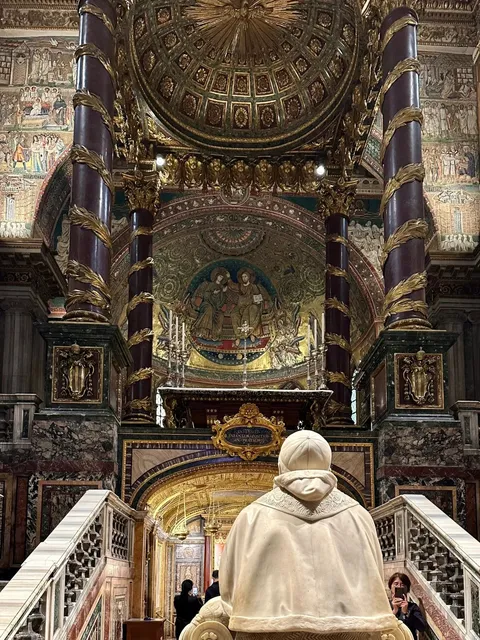
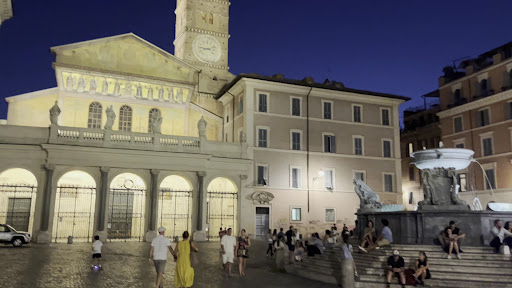
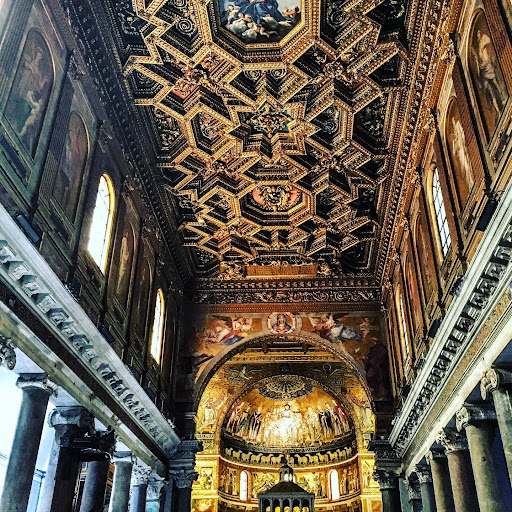
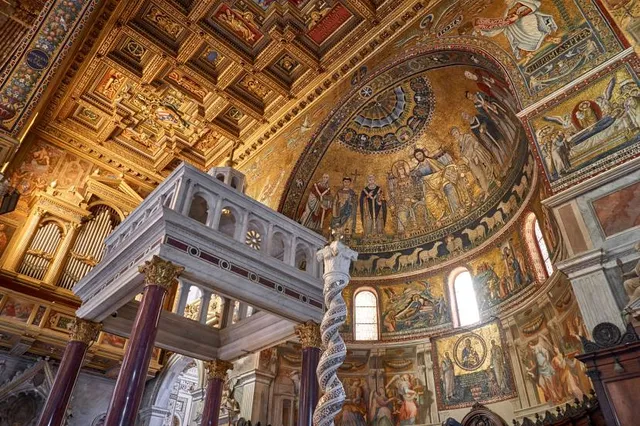
The Basilica of Santa Maria in Trastevere; English: Our Lady in Trastevere is a titular minor basilica in the Trastevere district of Rome, and one of the oldest churches of Rome. The basic floor plan and wall structure of the church date back to the 340s, and much of the structure to 1140–43.
Cultural
Accessibility
attractions: Fontana di Santa Maria in Trastevere, Museo di Roma in Trastevere, Ponte Sisto, Chiesa di San Callisto, Borgia Gallery Arena Magna, Basilica di San Crisogono, Fontana dell'Acqua Paola, Ponte Garibaldi, Church of St Dorothy, Tempietto del Bramante, restaurants: Tonnarello | Paglia, La Canonica, Nannarella, Otello, Ristorante Sabatini, Bar San Calisto | Roma, Tonnarello Calisto, Come 'na Vorta Pasta e Vino Osteria - Trastevere, La Tavernetta 29 da Tony e Andrea, Casetta di Trastevere, local businesses: Church of San Pietro in Montorio, Dust of Time, Ottica Roma, Intrastevere, Il Cinema in Piazza, Gelateria Regusto, 18 mq vintage store, Mibo Trastevere - The Super Very Bellissimo store, Elvis Lives Trastevere, Anna Retico Design
 Learn more insights from Wanderboat AI.
Phone
+39 06 581 4802
Website
santamariaintrastevere.it
Open hoursSee all hours
Tue7:30 AM - 8:30 PMClosed
Plan your stay

Pet-friendly Hotels in Rome
Find a cozy hotel nearby and make it a full experience.

Affordable Hotels in Rome
Find a cozy hotel nearby and make it a full experience.

The Coolest Hotels You Haven't Heard Of (Yet)
Find a cozy hotel nearby and make it a full experience.

Trending Stays Worth the Hype in Rome
Find a cozy hotel nearby and make it a full experience.
Reviews
Live events

Make handmade fettuccine and tiramisu with a local
Tue, Feb 24 • 10:15 AM
00187, Rome, Lazio, Italy
View details

LUNA: A Journey to the Moon – un’esperienza immersiva in realtà virtuale a Roma
Wed, Feb 25 • 4:00 PM
Via Trionfale, 7400, Roma, 00136
View details
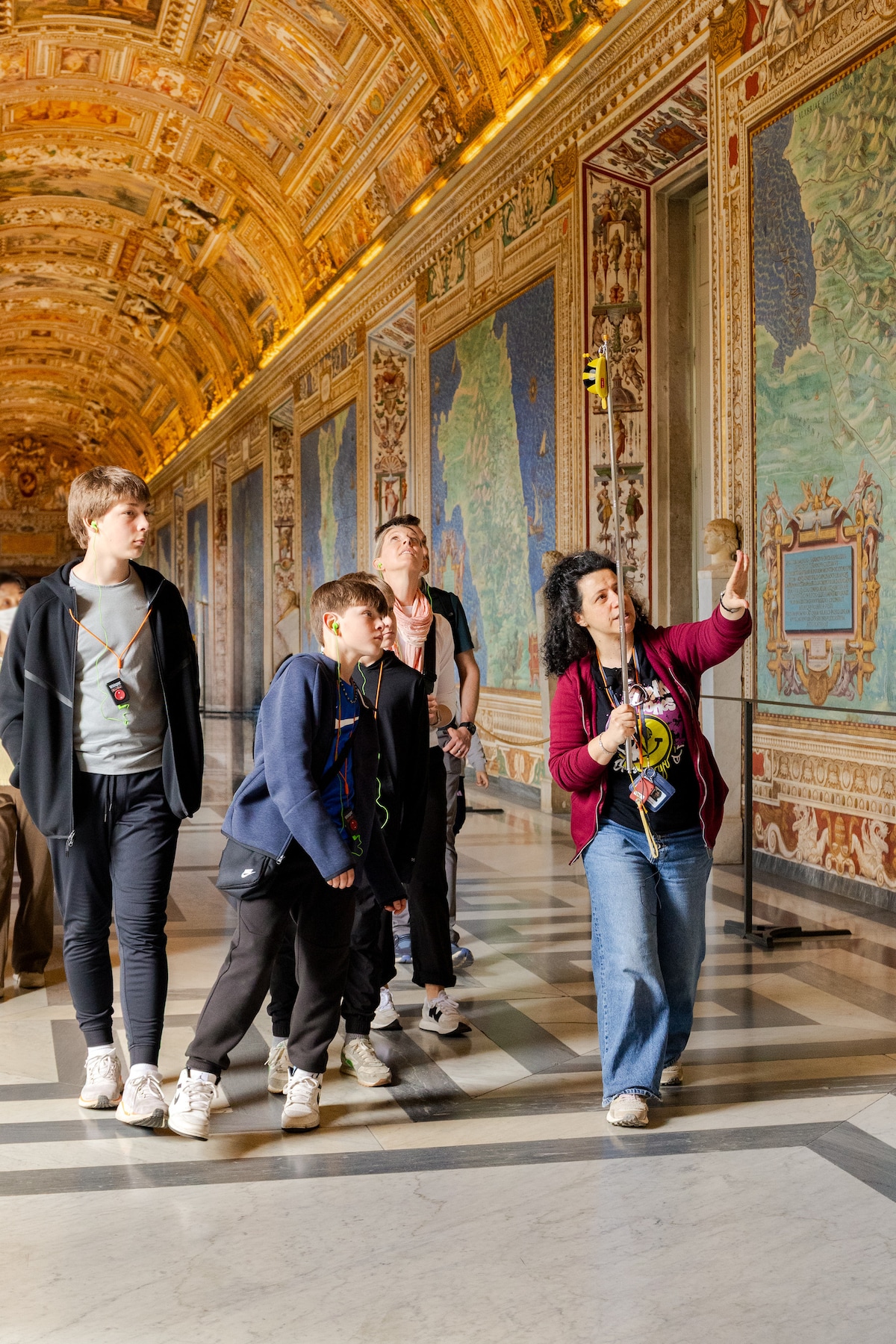
Complete Vatican Tour: Museums, Sistine & Basilica
Tue, Feb 24 • 9:30 AM
00192, Rome, Lazio, Italy
View details
Nearby attractions of Basilica of Santa Maria in Trastevere
Fontana di Santa Maria in Trastevere
Museo di Roma in Trastevere
Ponte Sisto
Chiesa di San Callisto
Borgia Gallery Arena Magna
Basilica di San Crisogono
Fontana dell'Acqua Paola
Ponte Garibaldi
Church of St Dorothy
Tempietto del Bramante
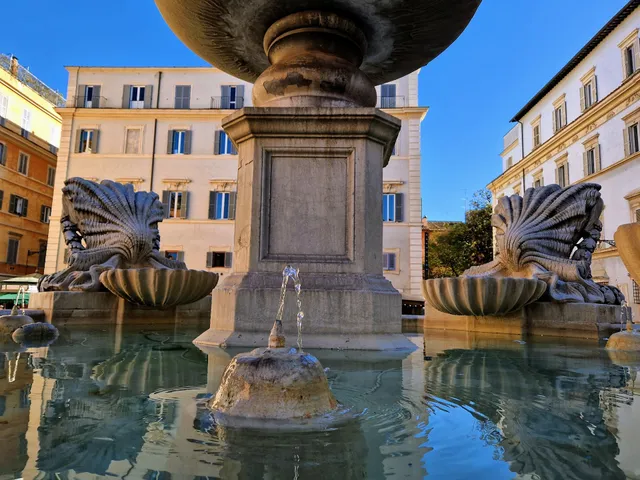
Fontana di Santa Maria in Trastevere
4.6
(761)
Open until 12:00 AM
Click for details
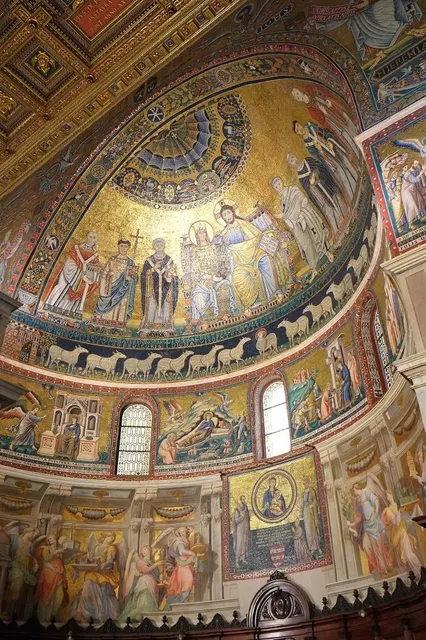
Museo di Roma in Trastevere
4.3
(820)
Open until 12:00 AM
Click for details
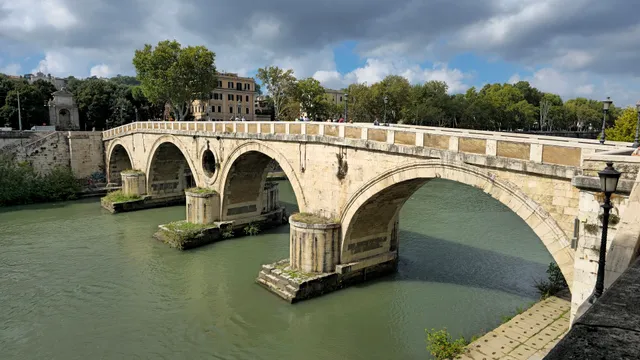
Ponte Sisto
4.6
(5.6K)
Open 24 hours
Click for details
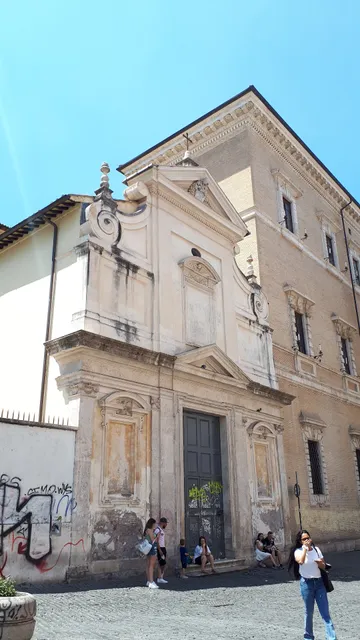
Chiesa di San Callisto
4.5
(104)
Closed
Click for details
Nearby restaurants of Basilica of Santa Maria in Trastevere
Tonnarello | Paglia
La Canonica
Nannarella
Otello
Ristorante Sabatini
Bar San Calisto | Roma
Tonnarello Calisto
Come 'na Vorta Pasta e Vino Osteria - Trastevere
La Tavernetta 29 da Tony e Andrea
Casetta di Trastevere
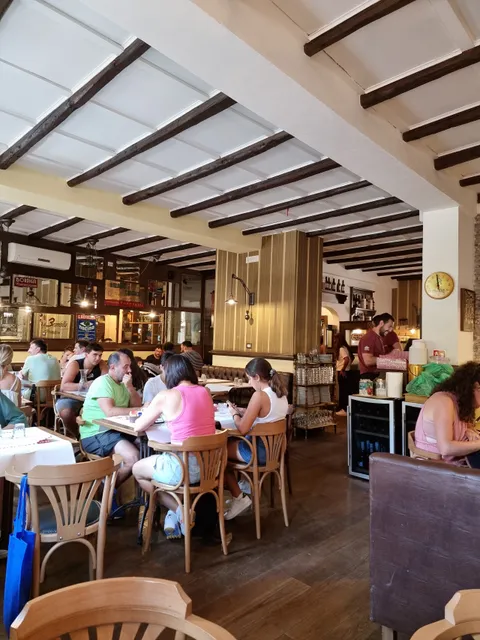
Tonnarello | Paglia
4.7
(32K)
Closed
Click for details
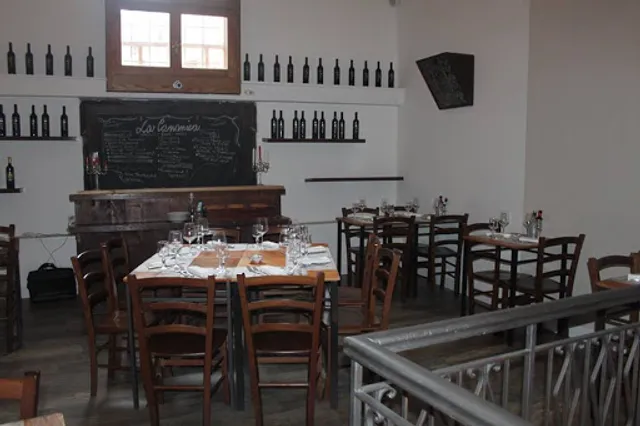
La Canonica
4.5
(8.8K)
Closed
Click for details
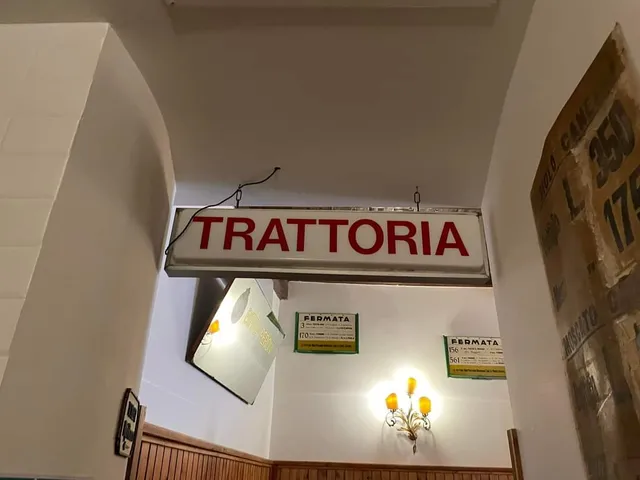
Nannarella
4.7
(15.3K)
Closed
Click for details
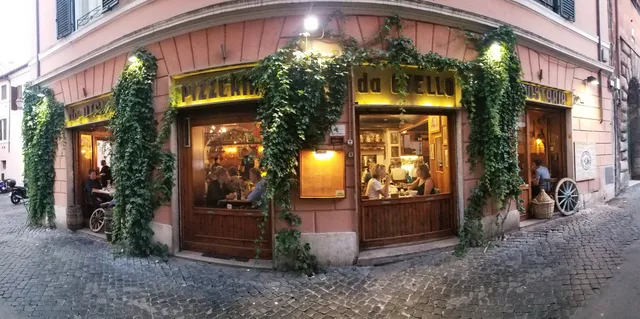
Otello
4.7
(6.5K)
Open until 12:00 AM
Click for details
Nearby local services of Basilica of Santa Maria in Trastevere
Church of San Pietro in Montorio
Dust of Time
Ottica Roma
Intrastevere
Il Cinema in Piazza
Gelateria Regusto
18 mq vintage store
Mibo Trastevere - The Super Very Bellissimo store
Elvis Lives Trastevere
Anna Retico Design
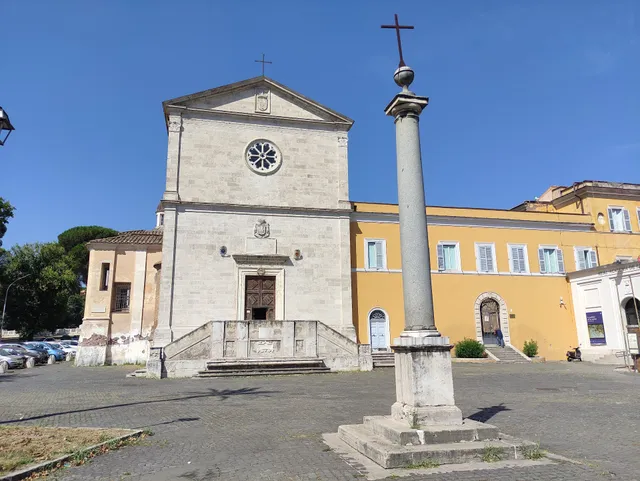
Church of San Pietro in Montorio
4.7
(1.0K)
Click for details
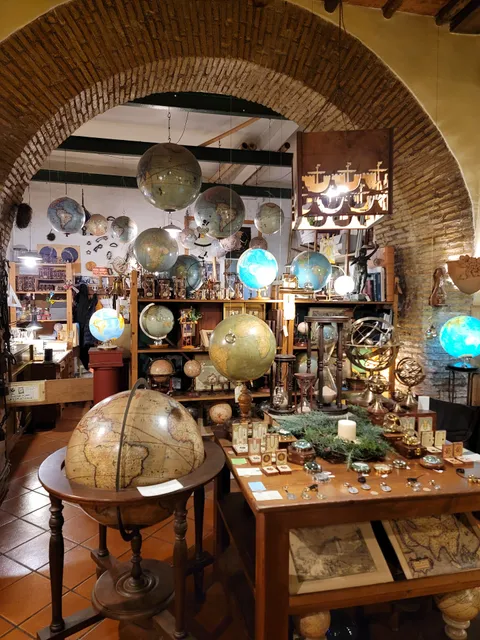
Dust of Time
4.8
(145)
Click for details
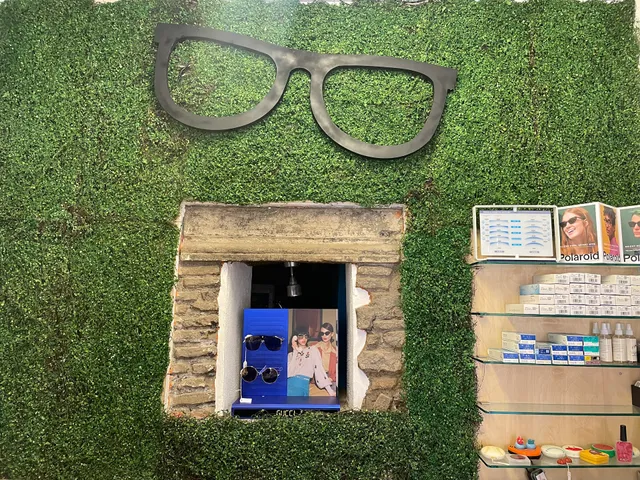
Ottica Roma
4.6
(51)
Click for details
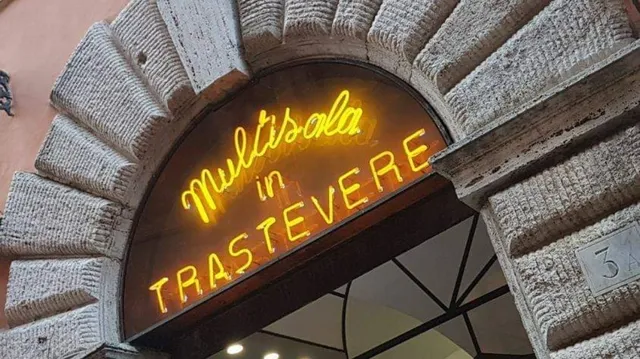
Intrastevere
4.3
(478)
Click for details


The hit list



Plan your trip with Wanderboat
Welcome to Wanderboat AI, your AI search for local Eats and Fun, designed to help you explore your city and the world with ease.
Powered by Wanderboat AI trip planner.