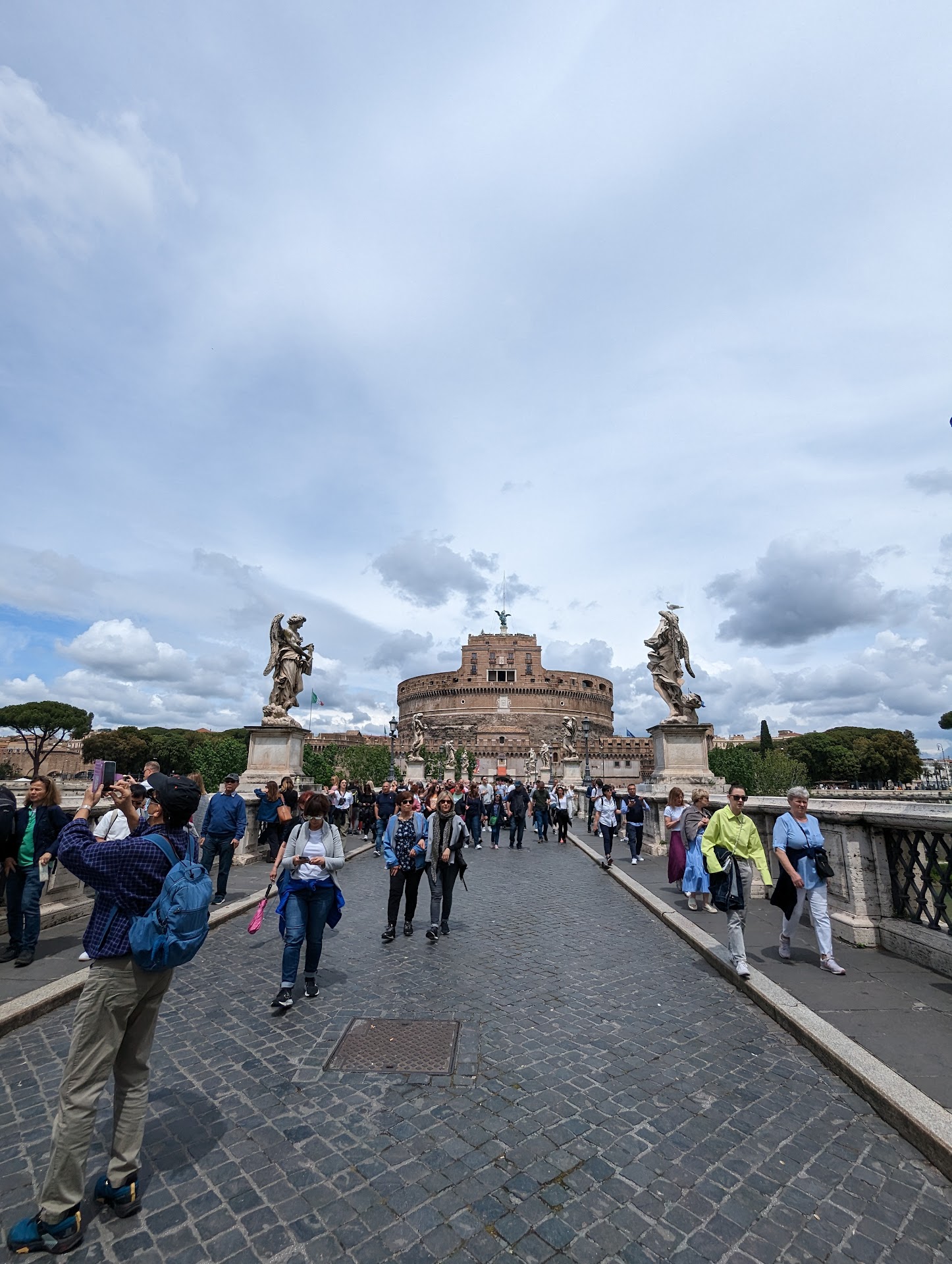
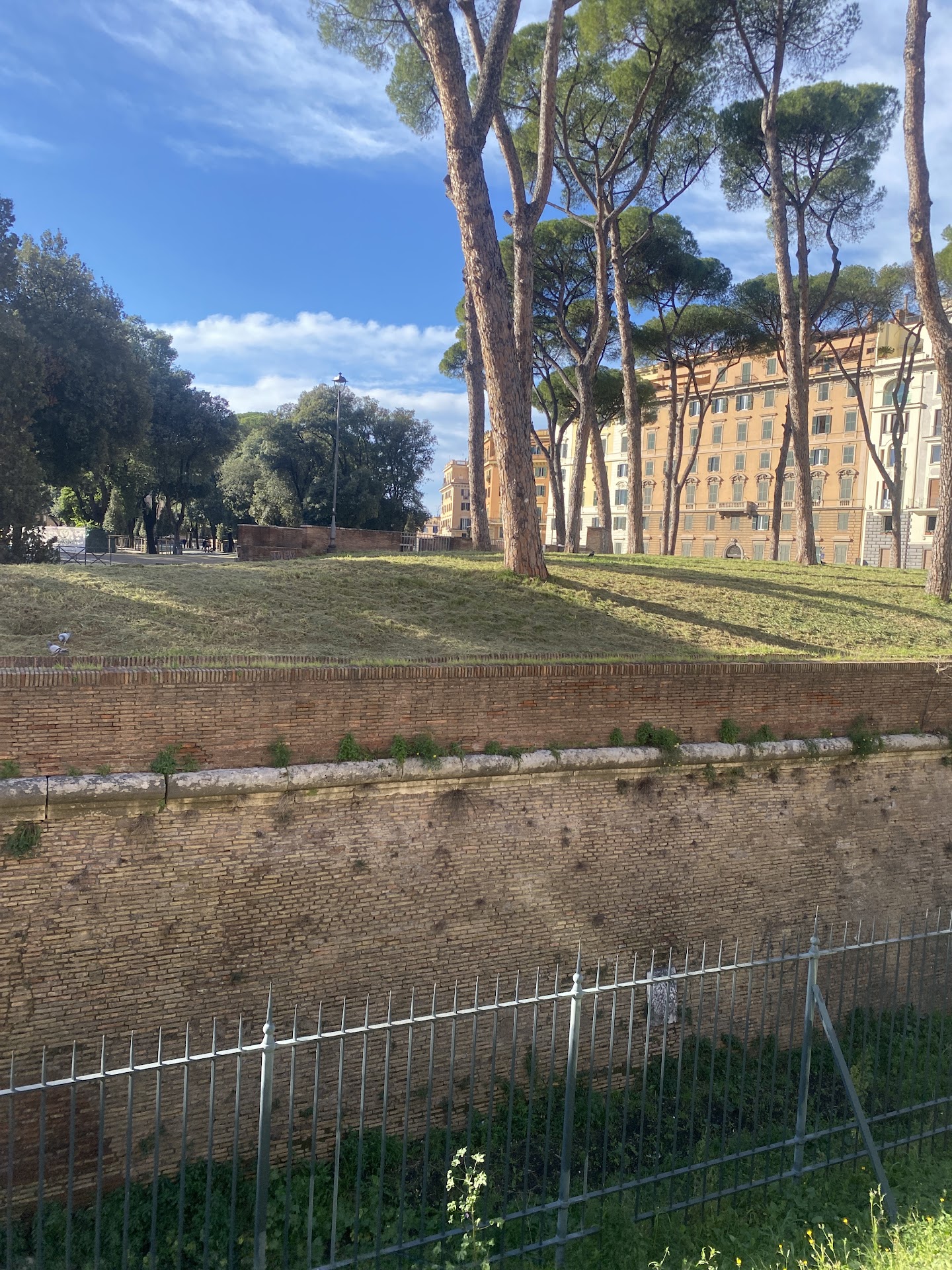
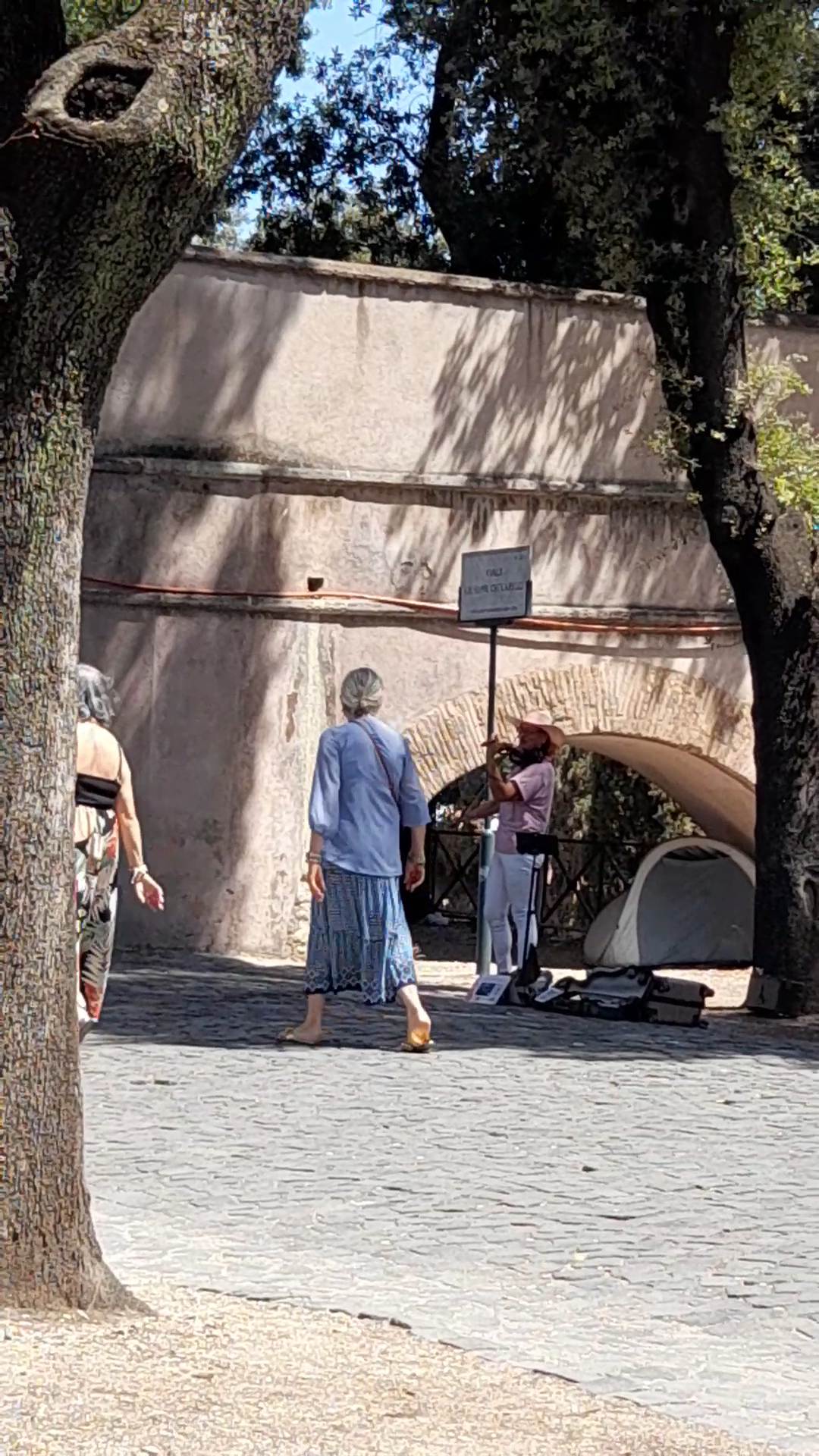
Parco della Mole Adriana things to do, attractions, restaurants, events info and trip planning
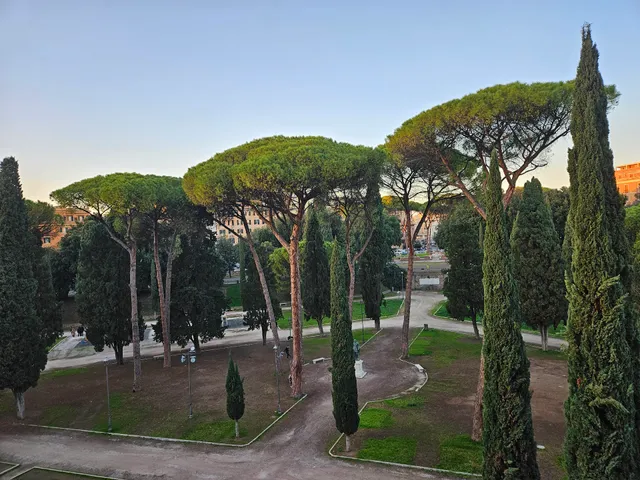
Basic Info
Parco della Mole Adriana
Piazza Adriana, 00193 Roma RM, Italy
4.6(11.4K)
Closed
Save
spot
spot
Ratings & Description
Info
Cultural
Outdoor
Scenic
Family friendly
Accessibility
attractions: Castel Sant'Angelo, Castel Sant'Angelo, St. Angelo Bridge, Terrazzo dell'Angelo, Ponte Vittorio Emanuele II, Passetto di Borgo, PIT Castel Sant'Angelo (Tourist Information) Point, Parrocchia Santuario di Santa Maria in Traspontina, Museum Leonardo Da Vinci Experience, Piazza Navona, restaurants: Caffetteria Ristorante Castel Sant’Angelo, Gelateria Cremilla, Hostaria Da Cesare Bottega Storica dal 1921, Margot - Ristorante Prati, Biblio Bar Roma, Osteria Della Parola, Borghiciana Pastificio Artigianale, Antica Trattoria Memmo Srl (Negozio Historico), La Locanda di Eugenio, L'Arena del Gelato, local businesses: Teatro Adriano, ANDREA925, Murano Max Murano Glass Rome, University of Studies Guglielmo Marconi, Venus Inn Guest House - Prati Vaticano, Università LUMSA, The Roman Guy Tours, Ponte Umberto I, Basilica of Saints Celsus and Julian, Gelateria
 Learn more insights from Wanderboat AI.
Phone
+39 06 0608
Website
sovraintendenzaroma.it
Open hoursSee all hours
Wed7:30 AM - 4:30 PMClosed
Plan your stay

Pet-friendly Hotels in Rome
Find a cozy hotel nearby and make it a full experience.

Affordable Hotels in Rome
Find a cozy hotel nearby and make it a full experience.

The Coolest Hotels You Haven't Heard Of (Yet)
Find a cozy hotel nearby and make it a full experience.

Trending Stays Worth the Hype in Rome
Find a cozy hotel nearby and make it a full experience.
Reviews
Live events
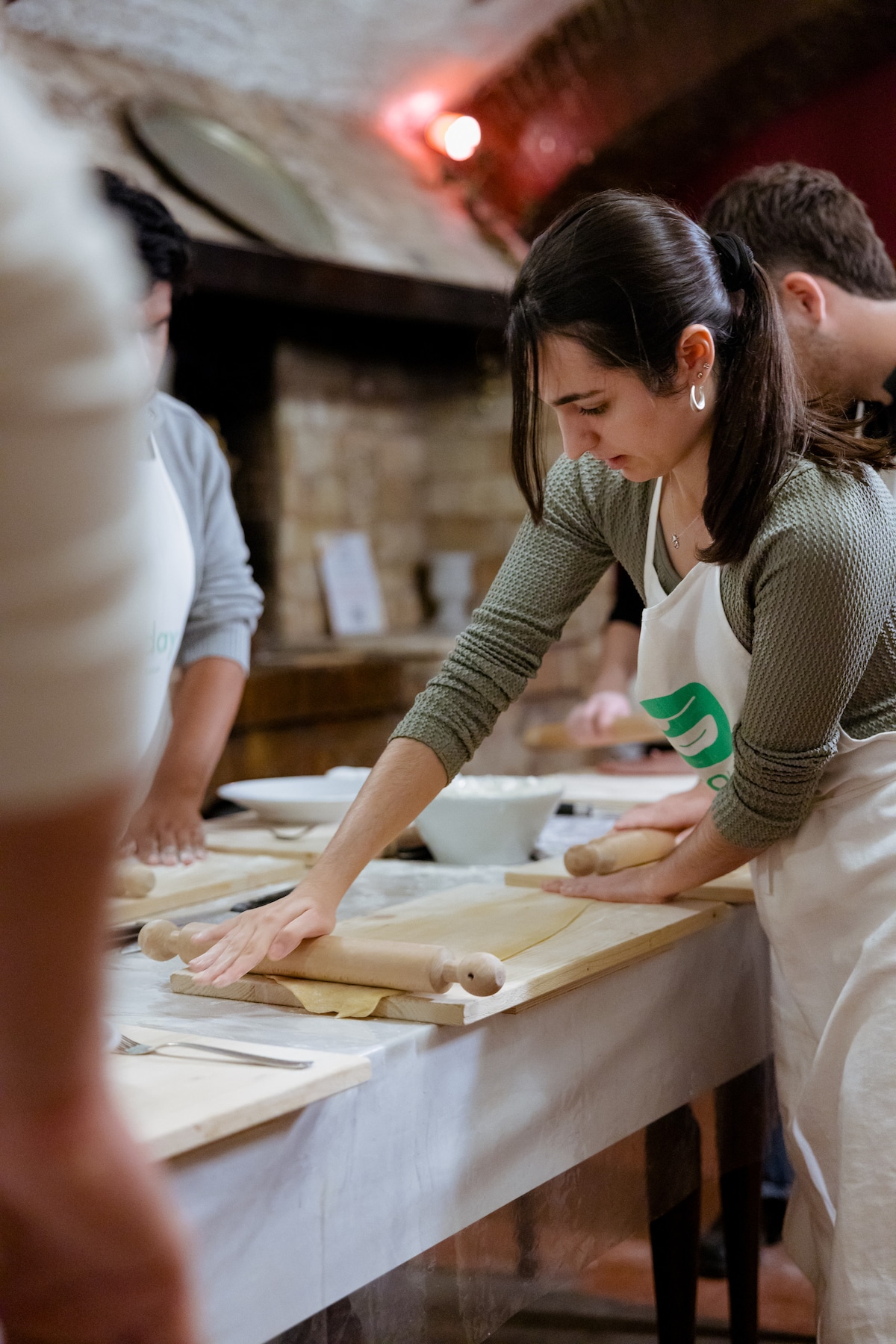
Make handmade fettuccine and tiramisu with a local
Wed, Feb 25 • 5:30 PM
00187, Rome, Lazio, Italy
View details
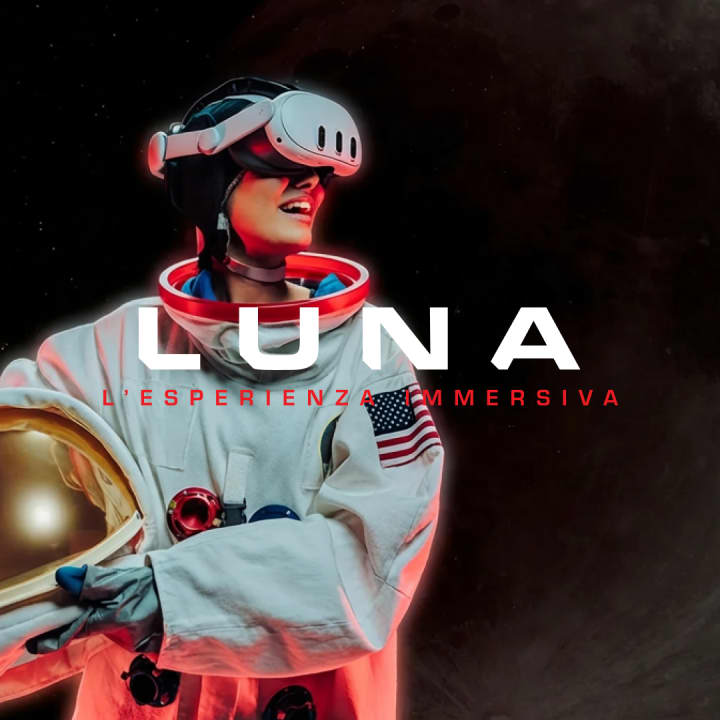
LUNA: A Journey to the Moon – un’esperienza immersiva in realtà virtuale a Roma
Wed, Feb 25 • 5:40 PM
Via Trionfale, 7400, Roma, 00136
View details

Passioni, simpatia e convenzioni: la natura umana in Hume e Darwin
Thu, Feb 26 • 6:00 PM
Via Plebiscito 118 00186 Roma
View details
Nearby attractions of Parco della Mole Adriana
Castel Sant'Angelo
Castel Sant'Angelo
St. Angelo Bridge
Terrazzo dell'Angelo
Ponte Vittorio Emanuele II
Passetto di Borgo
PIT Castel Sant'Angelo (Tourist Information) Point
Parrocchia Santuario di Santa Maria in Traspontina
Museum Leonardo Da Vinci Experience
Piazza Navona
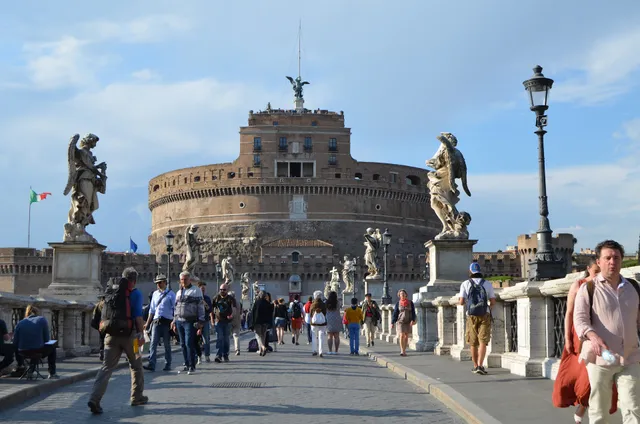
Castel Sant'Angelo
4.7
(33.1K)
Open until 7:30 PM
Click for details
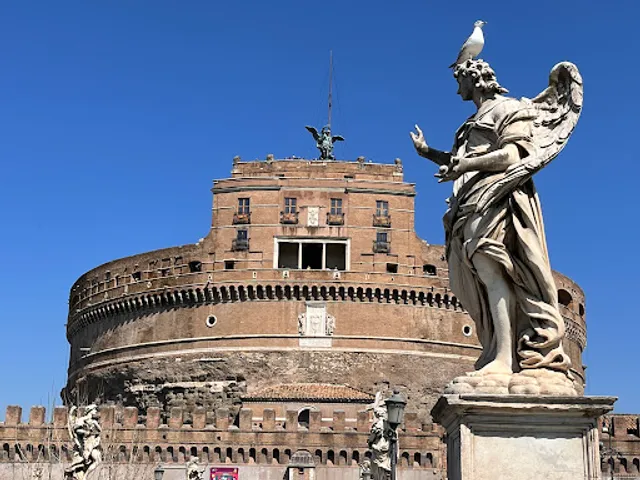
Castel Sant'Angelo
4.7
(35.1K)
Open until 7:30 PM
Click for details
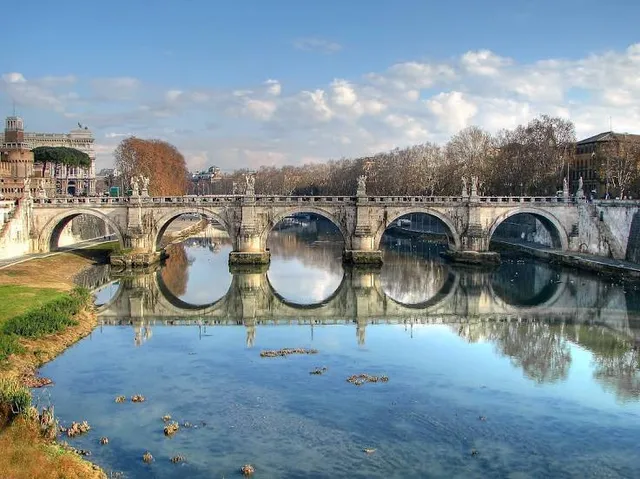
St. Angelo Bridge
4.7
(9.1K)
Open until 12:00 AM
Click for details
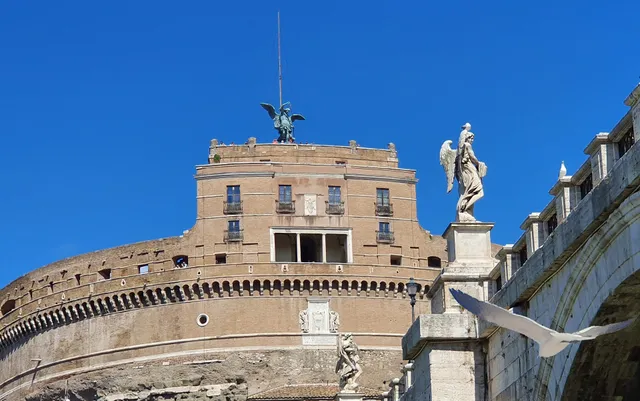
Terrazzo dell'Angelo
4.8
(43)
Open until 7:30 PM
Click for details
Nearby restaurants of Parco della Mole Adriana
Caffetteria Ristorante Castel Sant’Angelo
Gelateria Cremilla
Hostaria Da Cesare Bottega Storica dal 1921
Margot - Ristorante Prati
Biblio Bar Roma
Osteria Della Parola
Borghiciana Pastificio Artigianale
Antica Trattoria Memmo Srl (Negozio Historico)
La Locanda di Eugenio
L'Arena del Gelato
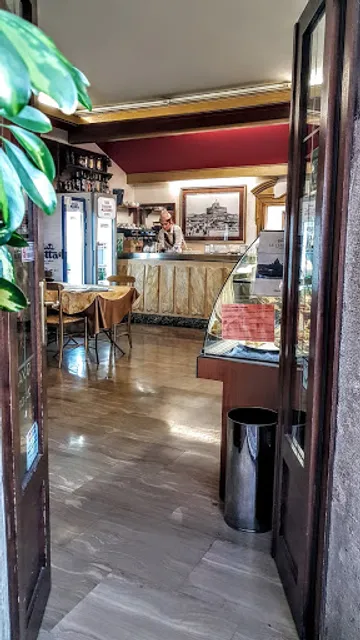
Caffetteria Ristorante Castel Sant’Angelo
3.8
(191)
Closed
Click for details
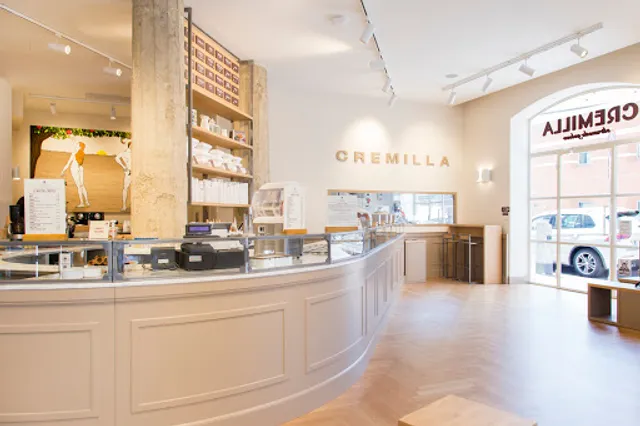
Gelateria Cremilla
4.6
(1.4K)
$$
Open until 11:00 PM
Click for details
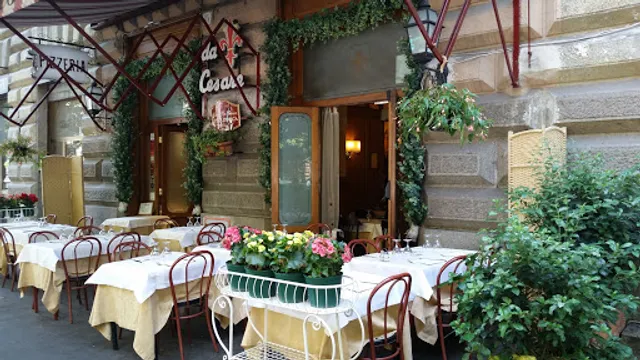
Hostaria Da Cesare Bottega Storica dal 1921
4.1
(641)
$$
Closed
Click for details
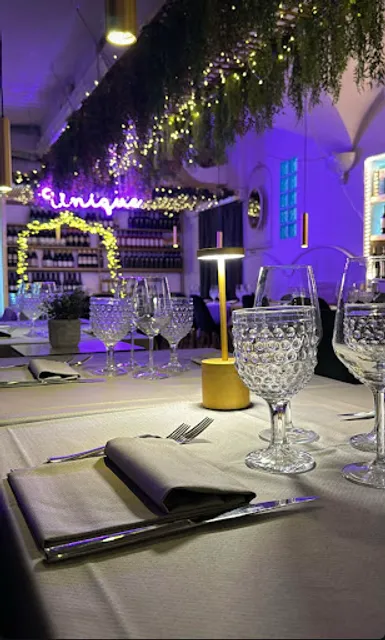
Margot - Ristorante Prati
4.5
(1.0K)
Open until 12:00 AM
Click for details
Nearby local services of Parco della Mole Adriana
Teatro Adriano
ANDREA925
Murano Max Murano Glass Rome
University of Studies Guglielmo Marconi
Venus Inn Guest House - Prati Vaticano
Università LUMSA
The Roman Guy Tours
Ponte Umberto I
Basilica of Saints Celsus and Julian
Gelateria
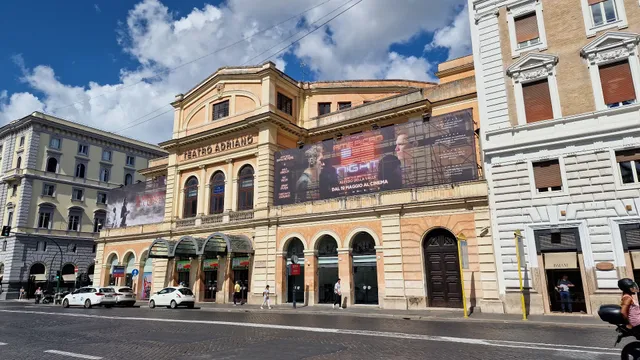
Teatro Adriano
4.1
(2K)
Click for details

ANDREA925
4.7
(375)
Click for details
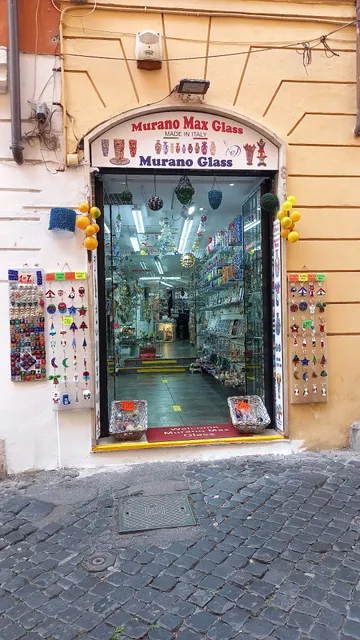
Murano Max Murano Glass Rome
5.0
(1.8K)
Click for details
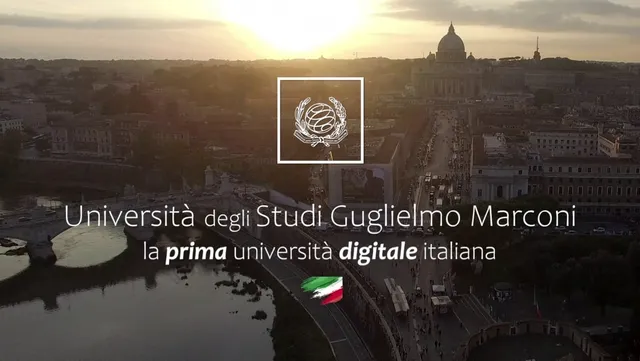
University of Studies Guglielmo Marconi
4.8
(638)
Click for details


The hit list



Plan your trip with Wanderboat
Welcome to Wanderboat AI, your AI search for local Eats and Fun, designed to help you explore your city and the world with ease.
Powered by Wanderboat AI trip planner.