St. Angelo Bridge things to do, attractions, restaurants, events info and trip planning
Basic Info
St. Angelo Bridge
Ponte Sant'Angelo, 00186 Roma RM, Italy
4.7(9.8K)
Open until 12:00 AM
Save
spot
spot
Ratings & Description
Info
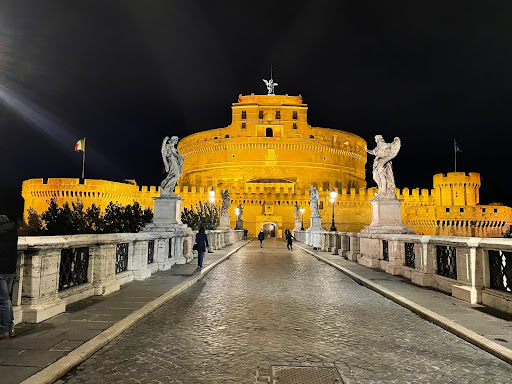
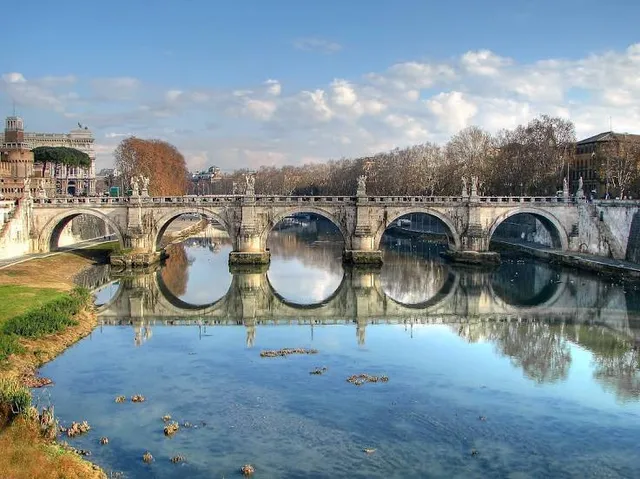
Ponte Sant'Angelo, originally the Aelian Bridge or Pons Aelius, is a Roman bridge in Rome, Italy, completed in 134 AD by Roman Emperor Hadrian, to span the Tiber from the city centre to his newly constructed mausoleum, now the towering Castel Sant'Angelo.
Cultural
Outdoor
Pet friendly
attractions: Castel Sant'Angelo, Castel Sant'Angelo, Parco della Mole Adriana, Ponte Vittorio Emanuele II, PIT Castel Sant'Angelo (Tourist Information) Point, Terrazzo dell'Angelo, Piazza Navona, Basilica di San Giovanni Battista dei Fiorentini, Museum Leonardo Da Vinci Experience, Parrocchia Santuario di Santa Maria in Traspontina, restaurants: Terrazza Tevere, O'Pazzariello, Bar Nero Caffé, Locanda dell'Angelo Ristorante Pizzeria Braceria, Ristorante Giovanni, Ristorante Sant'Angelo, Magna Quanto te Pare, La Salumeria, Panico, Osteria Le Streghe dal 1920, local businesses: Murano Max Murano Glass Rome, Basilica of Saints Celsus and Julian, Toni&Guy, Mini Market, Nailbar gamax, Carrefour Express, Serendipita, TAYISA NAILS, Creart Roma - Ceramica Artistica, Silvestri e Fabi due srl
 Learn more insights from Wanderboat AI.
Website
castelsantangeloroma.it
Open hoursSee all hours
FriOpen 24 hoursOpen
Plan your stay

Pet-friendly Hotels in Rome
Find a cozy hotel nearby and make it a full experience.

Affordable Hotels in Rome
Find a cozy hotel nearby and make it a full experience.

The Coolest Hotels You Haven't Heard Of (Yet)
Find a cozy hotel nearby and make it a full experience.

Trending Stays Worth the Hype in Rome
Find a cozy hotel nearby and make it a full experience.
Reviews
Live events

Make handmade fettuccine and tiramisu with a local
Fri, Feb 27 • 12:30 PM
00187, Rome, Lazio, Italy
View details

LUNA: A Journey to the Moon – un’esperienza immersiva in realtà virtuale a Roma
Fri, Feb 27 • 4:00 PM
Via Trionfale, 7400, Roma, 00136
View details
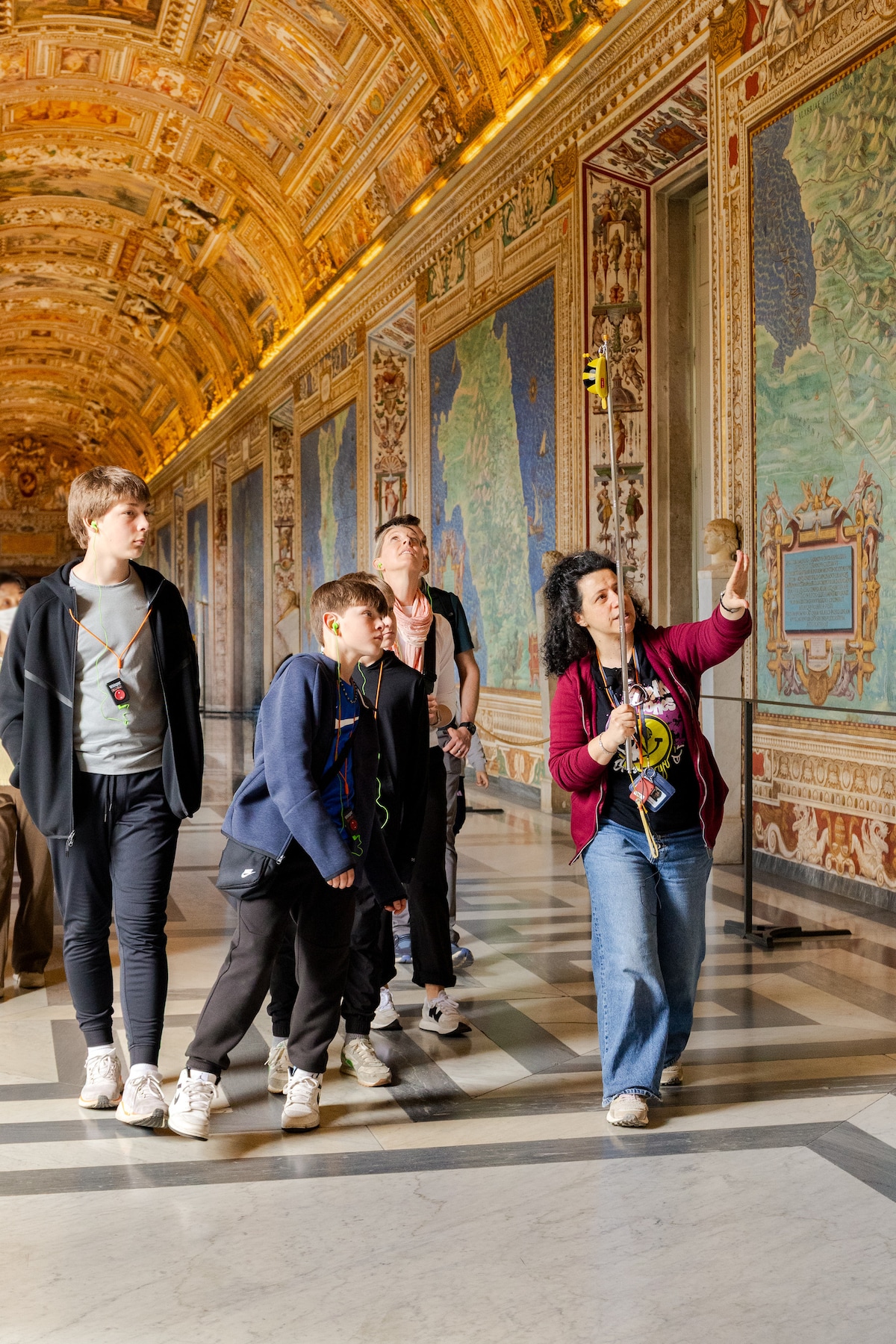
Complete Vatican Tour: Museums, Sistine & Basilica
Sat, Feb 28 • 9:15 AM
00192, Rome, Lazio, Italy
View details
Nearby attractions of St. Angelo Bridge
Castel Sant'Angelo
Castel Sant'Angelo
Parco della Mole Adriana
Ponte Vittorio Emanuele II
PIT Castel Sant'Angelo (Tourist Information) Point
Terrazzo dell'Angelo
Piazza Navona
Basilica di San Giovanni Battista dei Fiorentini
Museum Leonardo Da Vinci Experience
Parrocchia Santuario di Santa Maria in Traspontina
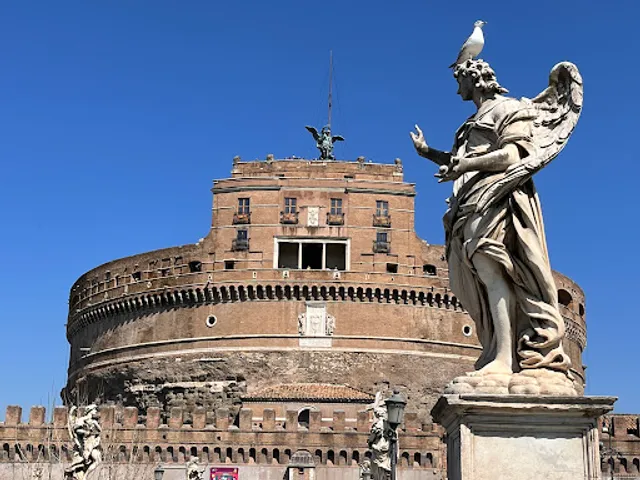
Castel Sant'Angelo
4.7
(35.7K)
Open until 7:30 PM
Click for details
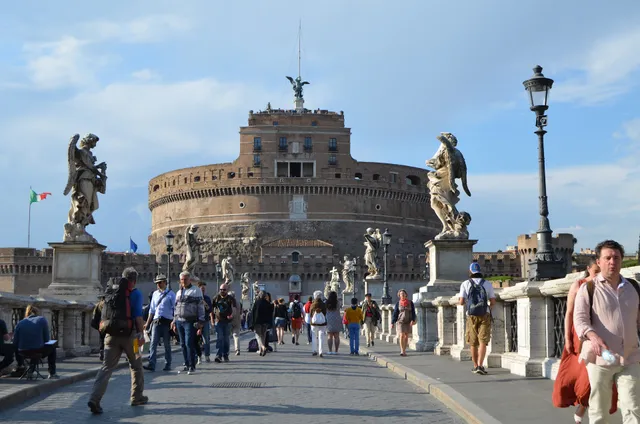
Castel Sant'Angelo
4.7
(33.5K)
Open until 7:30 PM
Click for details
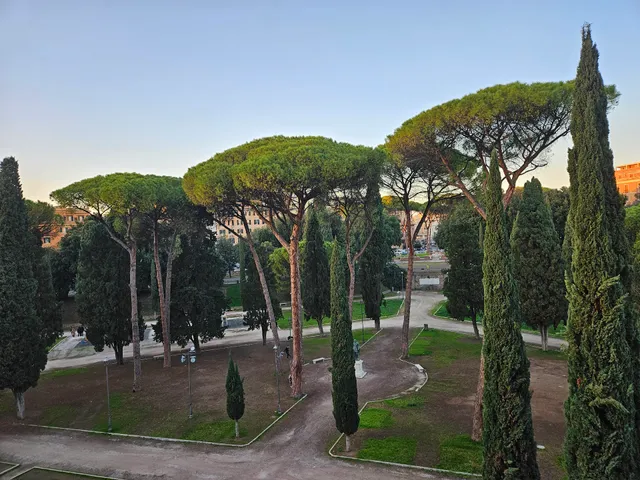
Parco della Mole Adriana
4.6
(10.7K)
Open until 4:30 PM
Click for details
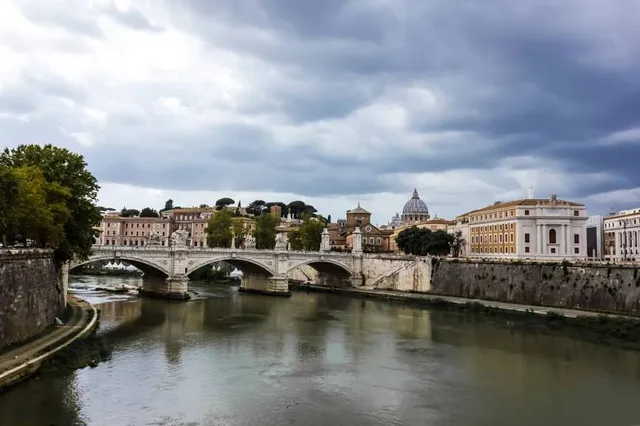
Ponte Vittorio Emanuele II
4.7
(1.3K)
Open until 12:00 AM
Click for details
Nearby restaurants of St. Angelo Bridge
Terrazza Tevere
O'Pazzariello
Bar Nero Caffé
Locanda dell'Angelo Ristorante Pizzeria Braceria
Ristorante Giovanni
Ristorante Sant'Angelo
Magna Quanto te Pare
La Salumeria
Panico
Osteria Le Streghe dal 1920
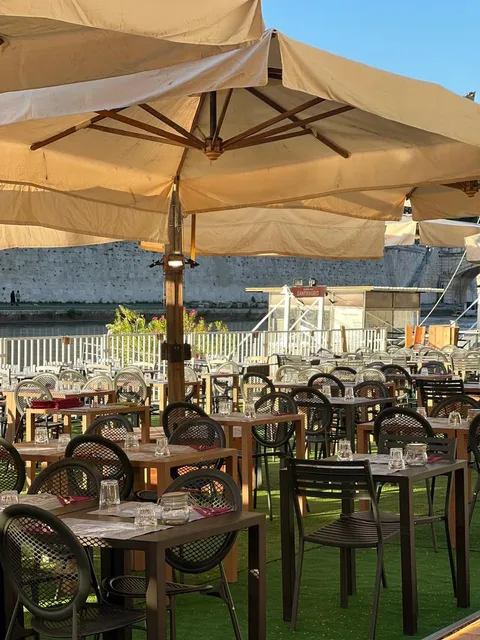
Terrazza Tevere
4.6
(793)
Click for details
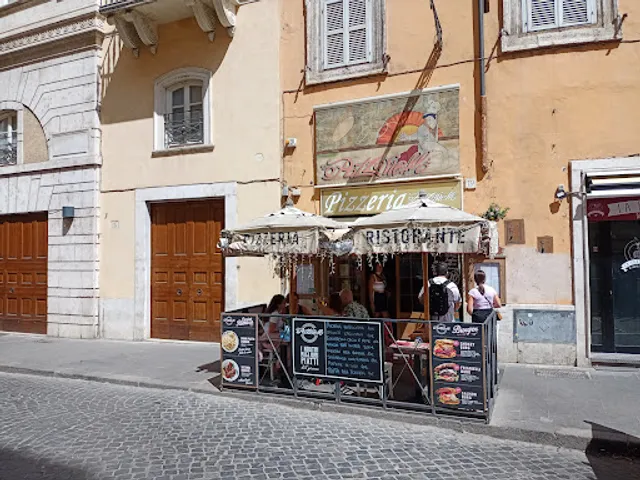
O'Pazzariello
4.4
(1.8K)
Open until 12:00 AM
Click for details
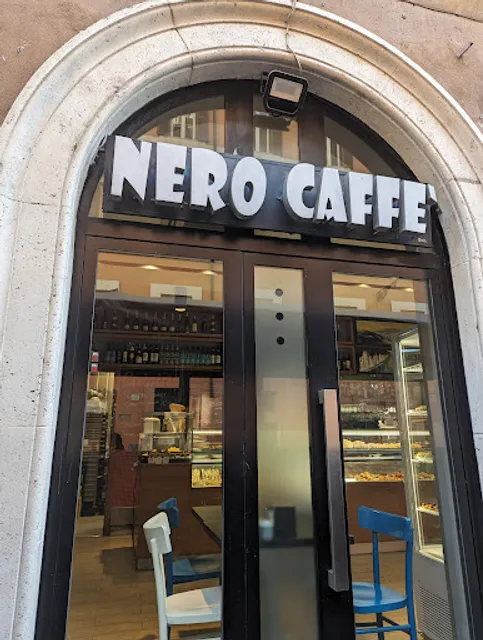
Bar Nero Caffé
3.7
(412)
Open until 8:00 PM
Click for details
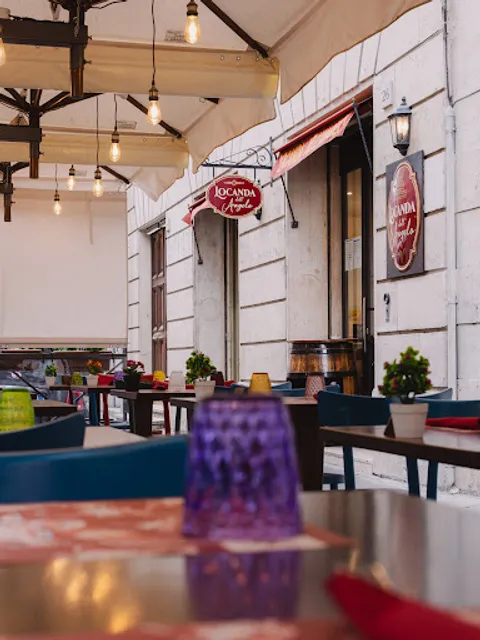
Locanda dell'Angelo Ristorante Pizzeria Braceria
4.5
(424)
Click for details
Nearby local services of St. Angelo Bridge
Murano Max Murano Glass Rome
Basilica of Saints Celsus and Julian
Toni&Guy
Mini Market
Nailbar gamax
Carrefour Express
Serendipita
TAYISA NAILS
Creart Roma - Ceramica Artistica
Silvestri e Fabi due srl
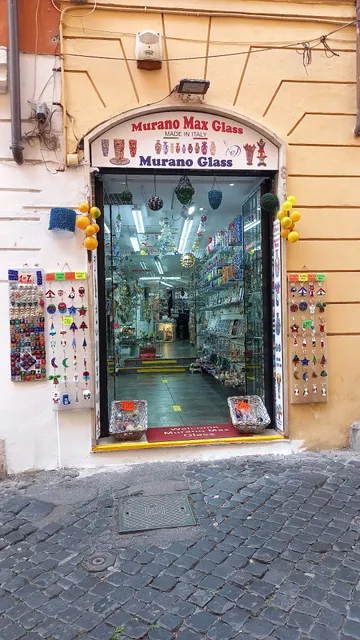
Murano Max Murano Glass Rome
5.0
(1.7K)
Click for details
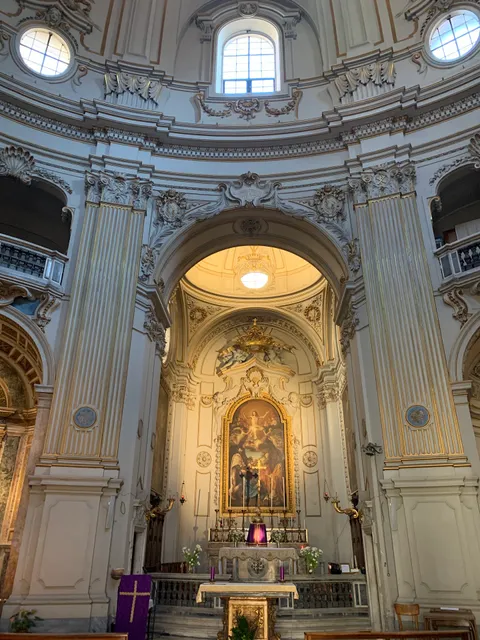
Basilica of Saints Celsus and Julian
4.6
(72)
Click for details

Toni&Guy
4.8
(228)
Click for details

Mini Market
3.7
(53)
Click for details


The hit list

Plan your trip with Wanderboat
Welcome to Wanderboat AI, your AI search for local Eats and Fun, designed to help you explore your city and the world with ease.
Powered by Wanderboat AI trip planner.