Parrocchia Santuario di Santa Maria in Traspontina things to do, attractions, restaurants, events info and trip planning
Basic Info
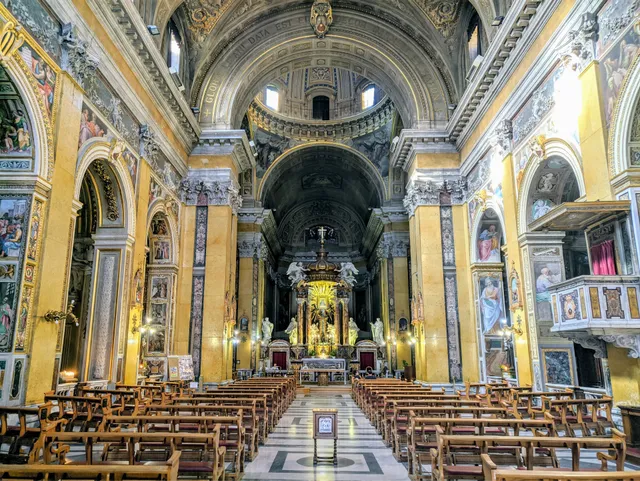
Parrocchia Santuario di Santa Maria in Traspontina
Via della Conciliazione, 00193 Roma RM, Italy
4.7(863)
Closed
Save
spot
spot
Ratings & Description
Info
attractions: Museum Leonardo Da Vinci Experience, Castel Sant'Angelo, Chiesa di Santo Spirito in Sassia - Santuario della Divina Misericordia, Parco della Mole Adriana, St. Angelo Bridge, Vatican Tour, Ponte Vittorio Emanuele II, Passetto di Borgo, Saint Peter's Square, St. Peter Square Obelisk, restaurants: Da Romolo alla Mole Adriana, Borghiciana Pastificio Artigianale, il Baretto Rome, Mama Eat - Roma Vaticano, Rione XIV Bistrot, Universal Bar Pizzeria, Ristorante Venerina, Sfiziami Italian Bistrot, Ristorante Pizzeria Marcantonio, L'Arena del Gelato, local businesses: Università LUMSA, Presidio Ospedaliero Santo Spirito in Sassia, ANDREA925, Best In Rome Tour, Vatican Emporium - Religious Articles & Gifts, Casa Generalizia della Compagnia di Gesú, Mondo Cattolico, HUMILIS Made in Assisi (Boutique Roma Vaticano), Murano Max Murano Glass Rome, The Roman Guy Tours
 Learn more insights from Wanderboat AI.
Phone
+39 06 6880 6451
Website
parrocchiatraspontina.it
Open hoursSee all hours
Wed8 AM - 1 PM, 3 - 8 PMClosed
Plan your stay

Pet-friendly Hotels in Rome
Find a cozy hotel nearby and make it a full experience.

Affordable Hotels in Rome
Find a cozy hotel nearby and make it a full experience.

The Coolest Hotels You Haven't Heard Of (Yet)
Find a cozy hotel nearby and make it a full experience.

Trending Stays Worth the Hype in Rome
Find a cozy hotel nearby and make it a full experience.
Reviews
Live events
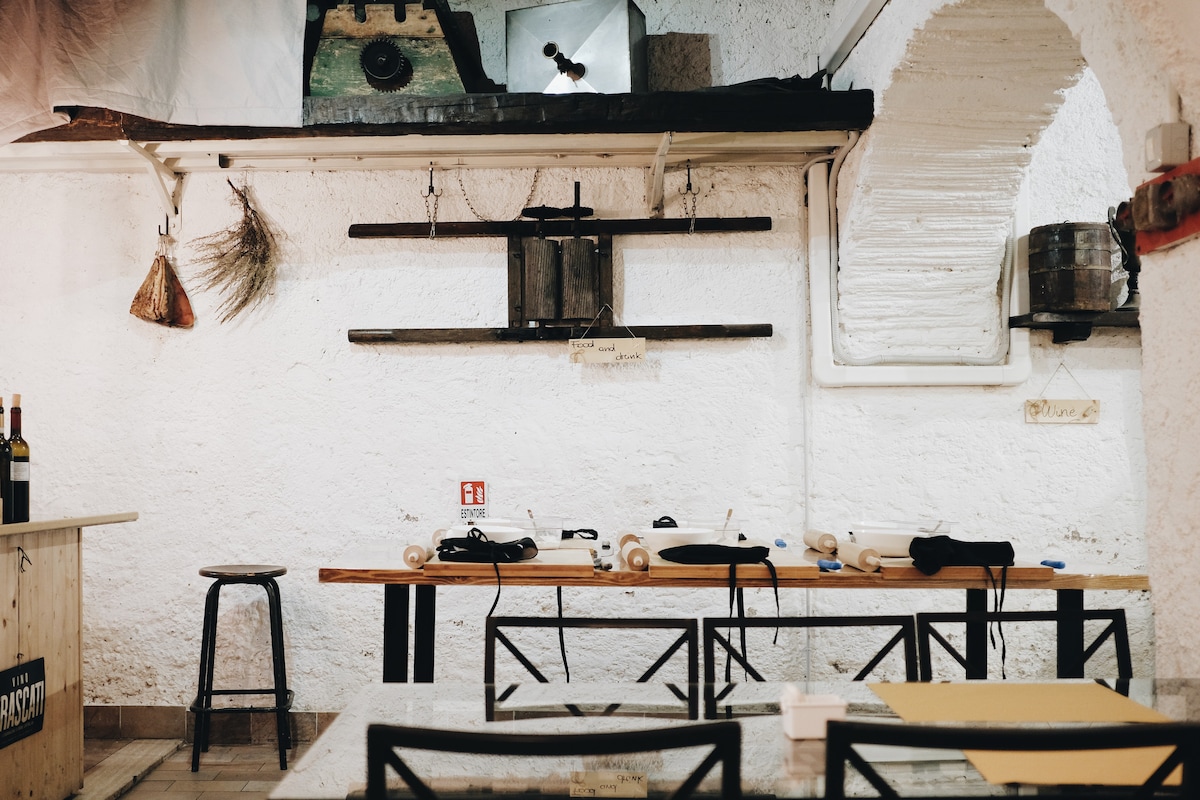
Pasta-making class, wine tasting and dinner
Wed, Feb 4 • 3:30 PM
00044, Frascati, Lazio, Italy
View details
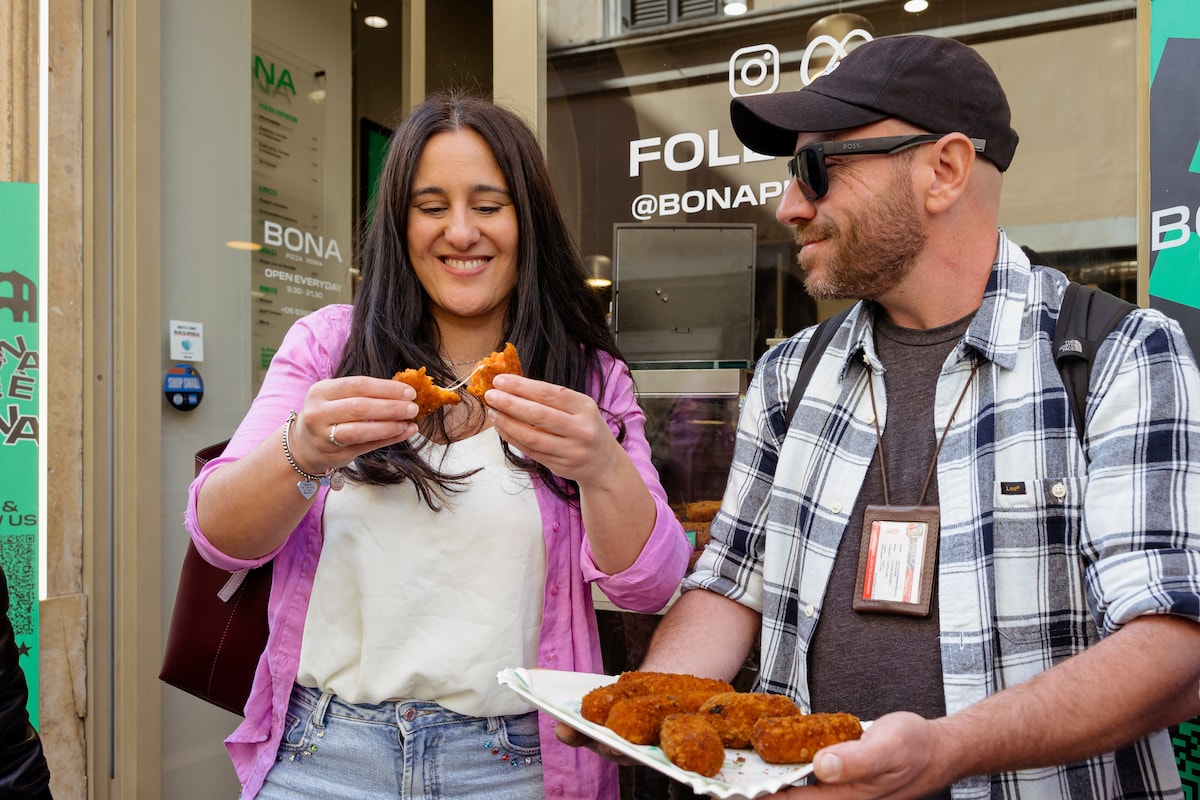
Rome Street Food Tour, Eat Like a Local
Wed, Feb 4 • 12:00 PM
00186, Rome, Lazio, Italy
View details
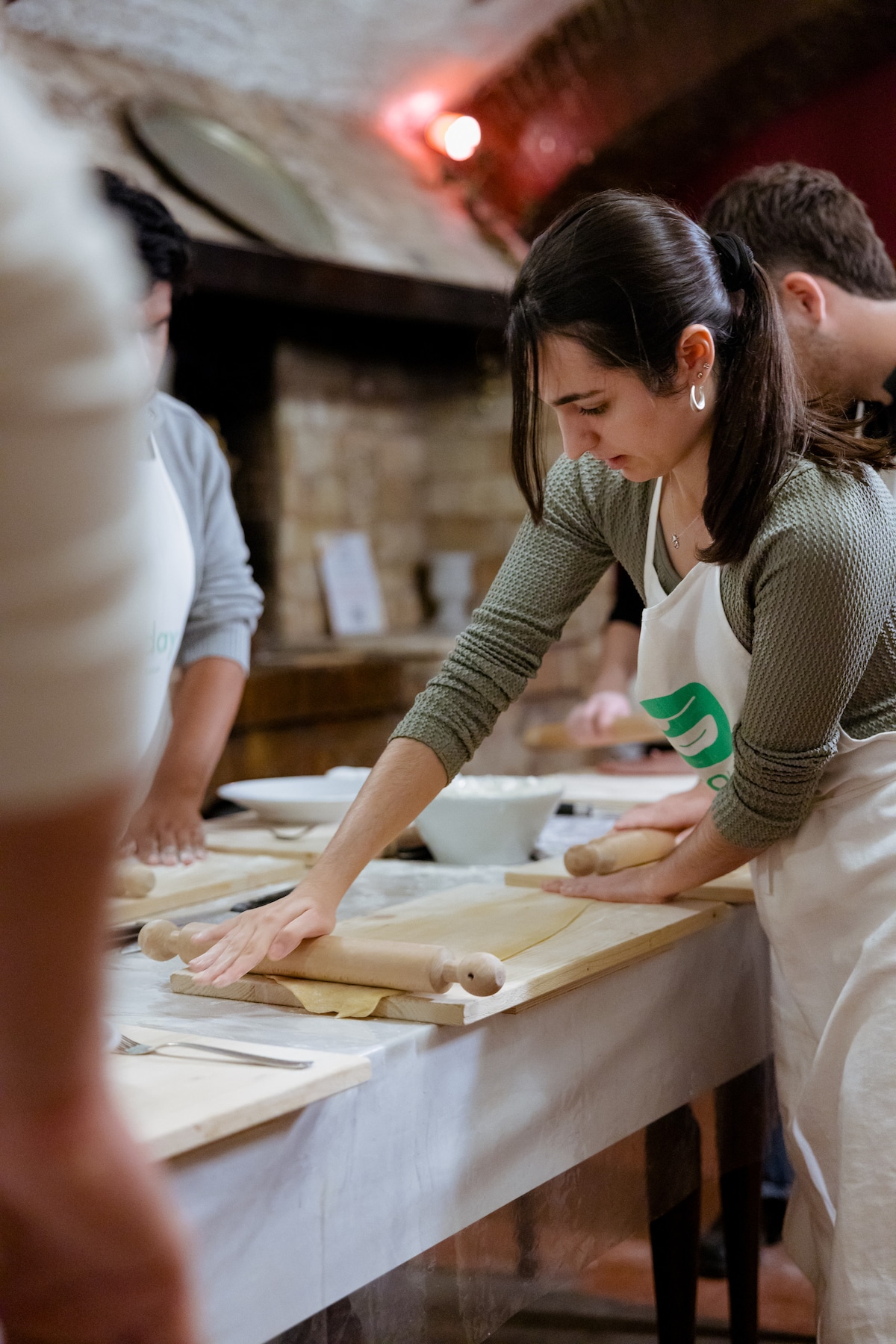
Make handmade fettuccine and tiramisu with a local
Wed, Feb 4 • 12:30 PM
00187, Rome, Lazio, Italy
View details
Nearby attractions of Parrocchia Santuario di Santa Maria in Traspontina
Museum Leonardo Da Vinci Experience
Castel Sant'Angelo
Chiesa di Santo Spirito in Sassia - Santuario della Divina Misericordia
Parco della Mole Adriana
St. Angelo Bridge
Vatican Tour
Ponte Vittorio Emanuele II
Passetto di Borgo
Saint Peter's Square
St. Peter Square Obelisk
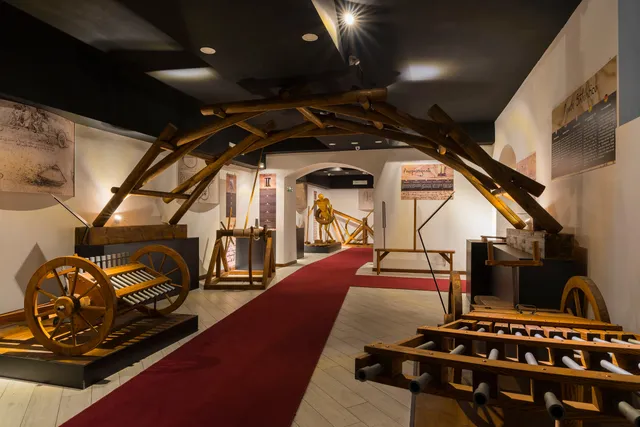
Museum Leonardo Da Vinci Experience
4.4
(2.1K)
Open until 7:30 PM
Click for details
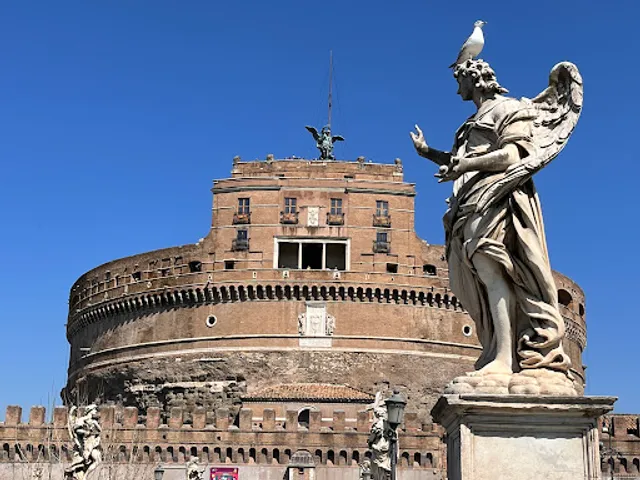
Castel Sant'Angelo
4.7
(35.7K)
Open until 7:30 PM
Click for details
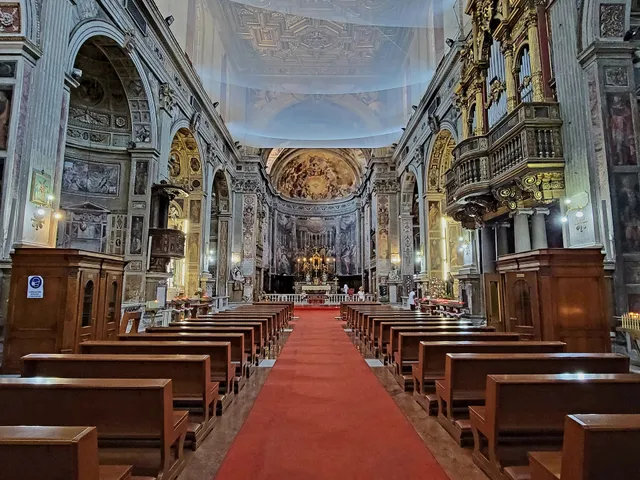
Chiesa di Santo Spirito in Sassia - Santuario della Divina Misericordia
4.8
(1.0K)
Open until 7:30 PM
Click for details
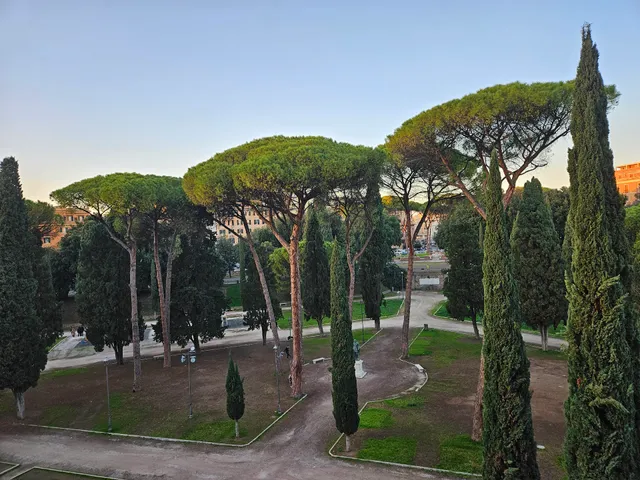
Parco della Mole Adriana
4.6
(11.1K)
Open until 4:30 PM
Click for details
Nearby restaurants of Parrocchia Santuario di Santa Maria in Traspontina
Da Romolo alla Mole Adriana
Borghiciana Pastificio Artigianale
il Baretto Rome
Mama Eat - Roma Vaticano
Rione XIV Bistrot
Universal Bar Pizzeria
Ristorante Venerina
Sfiziami Italian Bistrot
Ristorante Pizzeria Marcantonio
L'Arena del Gelato
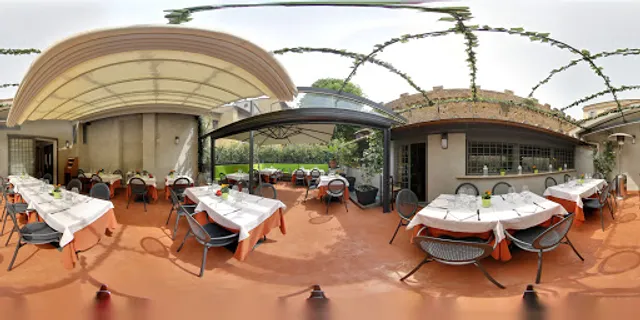
Da Romolo alla Mole Adriana
4.5
(1.7K)
$$
Open until 3:00 PM
Click for details
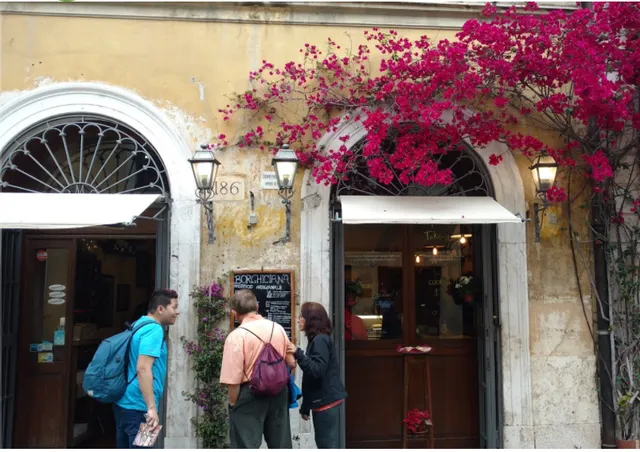
Borghiciana Pastificio Artigianale
4.7
(2.3K)
Open until 9:30 PM
Click for details
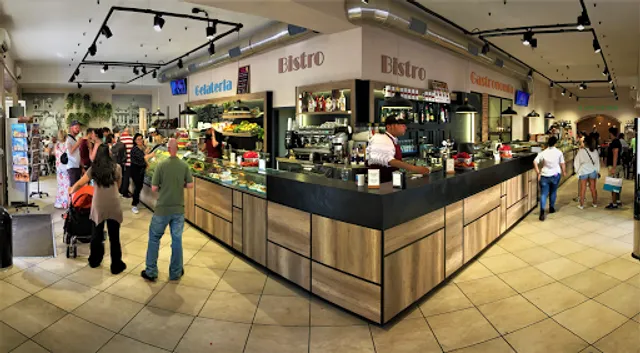
il Baretto Rome
3.2
(862)
Open until 7:30 PM
Click for details
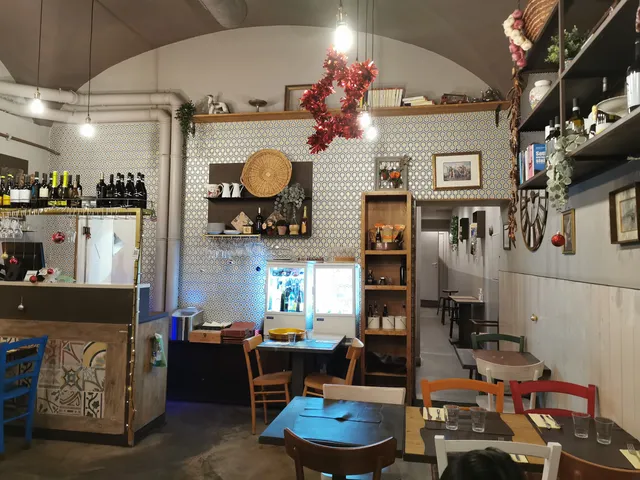
Mama Eat - Roma Vaticano
4.3
(1.4K)
Open until 12:00 AM
Click for details
Nearby local services of Parrocchia Santuario di Santa Maria in Traspontina
Università LUMSA
Presidio Ospedaliero Santo Spirito in Sassia
ANDREA925
Best In Rome Tour
Vatican Emporium - Religious Articles & Gifts
Casa Generalizia della Compagnia di Gesú
Mondo Cattolico
HUMILIS Made in Assisi (Boutique Roma Vaticano)
Murano Max Murano Glass Rome
The Roman Guy Tours
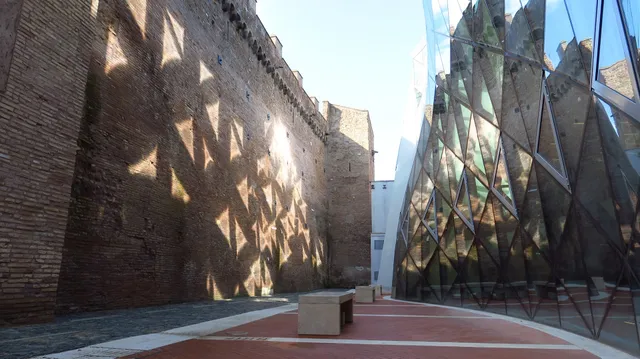
Università LUMSA
4.3
(91)
Click for details
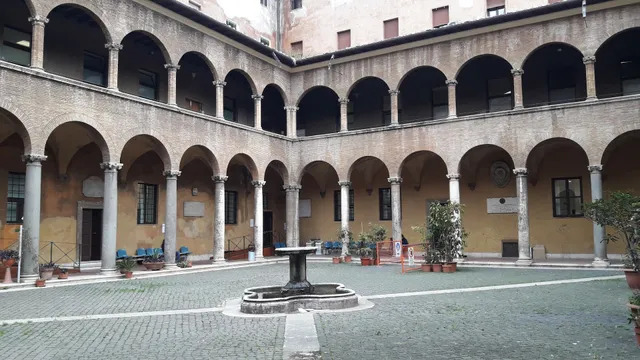
Presidio Ospedaliero Santo Spirito in Sassia
3.6
(336)
Click for details

ANDREA925
4.7
(377)
Click for details
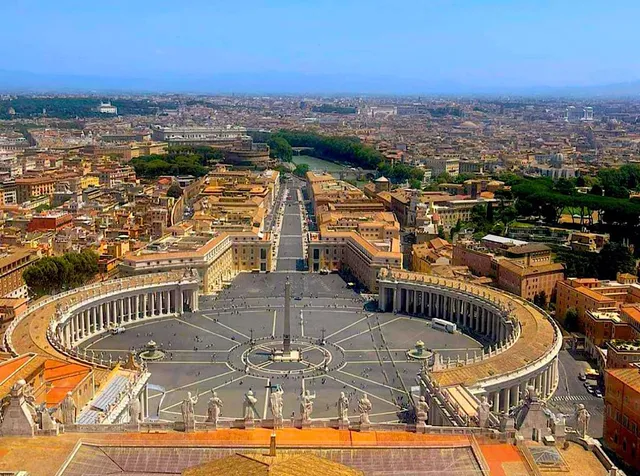
Best In Rome Tour
4.7
(405)
Click for details


The hit list

Plan your trip with Wanderboat
Welcome to Wanderboat AI, your AI search for local Eats and Fun, designed to help you explore your city and the world with ease.
Powered by Wanderboat AI trip planner.