HTML SitemapExplore
logo
Find Things to DoFind The Best Restaurants

Quirinal Palace — Attraction in Rome

Name
Quirinal Palace
Description
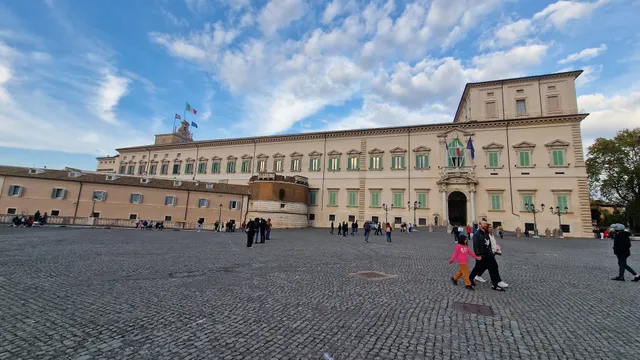
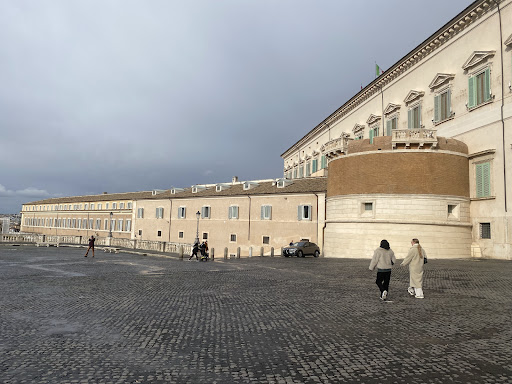
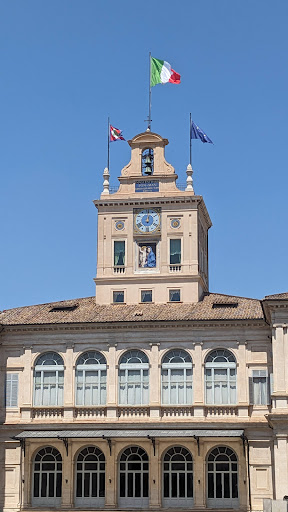
The Quirinal Palace is a historic building in Rome, Italy, one of the three current official residences of the President of the Italian Republic, together with Villa Rosebery in Naples and the Tenuta di Castelporziano, an estate on the outskirts of Rome, some 25 km from the centre of the city.
Nearby attractions
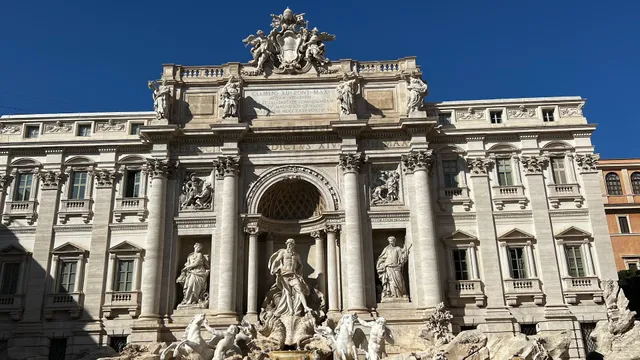
Trevi Fountain
Piazza di Trevi, 00187 Roma RM, Italy
Scuderie del Quirinale
Via Ventiquattro Maggio, 16, 00186 Roma RM, Italy
Vicus Caprarius - The Water City
Vicolo del Puttarello, 25, 00187 Roma RM, Italy
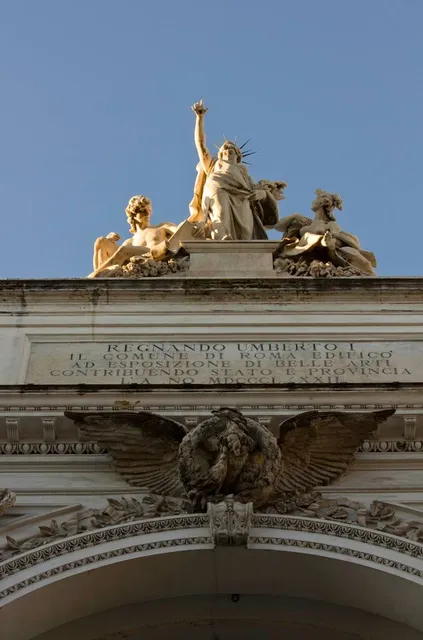
Palazzo delle Esposizioni
Via Nazionale, 194, 00184 Roma RM, Italy
Piazza Barberini
P.za Barberini, 23, 00187 Roma RM, Italy
Fontana dei Dioscuri
P.za del Quirinale, 00184 Roma RM, Italy
Church of St Andrew on the Quirinal
Via del Quirinale, 30, 00187 Roma RM, Italy
Galleria Colonna
Via della Pilotta, 17, 00187 Roma RM, Italy
Chiesa dei Santi Vincenzo e Anastasio - Rettoria
Vicolo dei Modelli, 72, 00187 Roma RM, Italy
Pontifical Gregorian University
Piazza della Pilotta, 4, 00187 Roma RM, Italy
Nearby restaurants
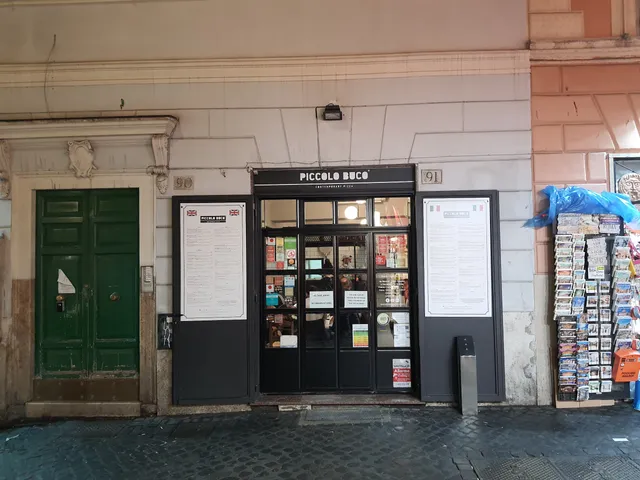
Piccolo Buco (NO PRENOTAZIONI-NO RESERVATIONS)
Via del Lavatore, 91, 00187 Roma RM, Italy
Piccolo Arancio
Vicolo Scanderbeg, 112, 00187 Roma RM, Italy
That's Amore Restaurant
Via in Arcione, 115, 00187 Roma RM, Italy
Pizza in Trevi - Fontana di Trevi
Via di S. Vincenzo, 30/30A, 00187 Roma RM, Italy
Klass Restaurant
Via in Arcione, 89, 00187 Roma RM, Italy
Il Chianti Osteria Toscana dal 1960
Via del Lavatore, 81/82/82A, 00187 Roma RM, Italy
Pinsitaly Trevi
Via della Panetteria, 12, 00187 Roma RM, Italy
RAMEN LAB AKIRA
Via in Arcione, 71, 00187 Roma RM, Italy
Comodo Mercato Trevi
Via del Lavatore, 88b, 00187 Roma RM, Italy
Ristorante Taberna Patrizi e Plebei
Via del Lavatore, 36, 00187 Roma RM, Italy
Related posts
Keywords
Quirinal Palace tourism.Quirinal Palace hotels.Quirinal Palace bed and breakfast. flights to Quirinal Palace.Quirinal Palace attractions.Quirinal Palace restaurants.Quirinal Palace travel.Quirinal Palace travel guide.Quirinal Palace travel blog.Quirinal Palace pictures.Quirinal Palace photos.Quirinal Palace travel tips.Quirinal Palace maps.Quirinal Palace things to do.
Quirinal Palace things to do, attractions, restaurants, events info and trip planning
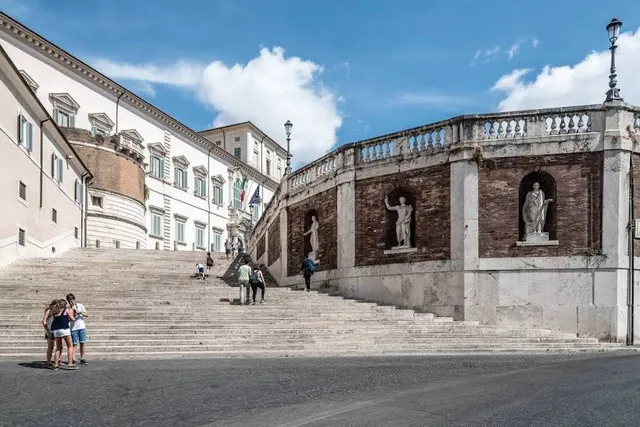
Quirinal Palace
ItalyLazioRomeQuirinal Palace

Basic Info

Quirinal Palace

P.za del Quirinale, 00187 Roma RM, Italy
4.7(2.3K)
Open 24 hours
Save
spot

Ratings & Description

Info

The Quirinal Palace is a historic building in Rome, Italy, one of the three current official residences of the President of the Italian Republic, together with Villa Rosebery in Naples and the Tenuta di Castelporziano, an estate on the outskirts of Rome, some 25 km from the centre of the city.

Cultural
Accessibility
attractions: Trevi Fountain, Scuderie del Quirinale, Vicus Caprarius - The Water City, Palazzo delle Esposizioni, Piazza Barberini, Fontana dei Dioscuri, Church of St Andrew on the Quirinal, Galleria Colonna, Chiesa dei Santi Vincenzo e Anastasio - Rettoria, Pontifical Gregorian University, restaurants: Piccolo Buco (NO PRENOTAZIONI-NO RESERVATIONS), Piccolo Arancio, That's Amore Restaurant, Pizza in Trevi - Fontana di Trevi, Klass Restaurant, Il Chianti Osteria Toscana dal 1960, Pinsitaly Trevi, RAMEN LAB AKIRA, Comodo Mercato Trevi, Ristorante Taberna Patrizi e Plebei
logoLearn more insights from Wanderboat AI.
Phone
+39 06 4201 2191
Website
palazzo.quirinale.it

Plan your stay

hotel
Pet-friendly Hotels in Rome
Find a cozy hotel nearby and make it a full experience.

hotel
Affordable Hotels in Rome
Find a cozy hotel nearby and make it a full experience.

hotel
The Coolest Hotels You Haven't Heard Of (Yet)
Find a cozy hotel nearby and make it a full experience.

hotel
Trending Stays Worth the Hype in Rome
Find a cozy hotel nearby and make it a full experience.

Reviews

Nearby attractions of Quirinal Palace

Trevi Fountain

Scuderie del Quirinale

Vicus Caprarius - The Water City

Palazzo delle Esposizioni

Piazza Barberini

Fontana dei Dioscuri

Church of St Andrew on the Quirinal

Galleria Colonna

Chiesa dei Santi Vincenzo e Anastasio - Rettoria
Pontifical Gregorian University

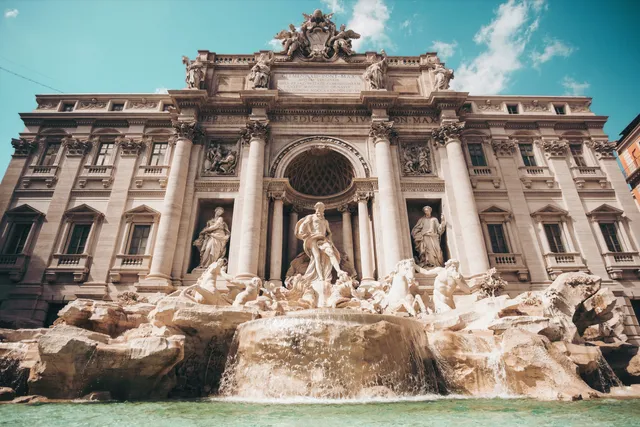
Trevi Fountain

Trevi Fountain

4.7

(135.3K)

Open 24 hours
Click for details
Scuderie del Quirinale

Scuderie del Quirinale

4.6

(2.7K)

Open 24 hours
Click for details
Vicus Caprarius - The Water City

Vicus Caprarius - The Water City

4.2

(763)

Open 24 hours
Click for details
Palazzo delle Esposizioni

Palazzo delle Esposizioni

4.5

(3.2K)

Closed
Click for details

Things to do nearby

Catacombs: The Coolest Underground Tour in Rome
Thu, Dec 4 • 3:00 PM
00147, Rome, Lazio, Italy
View details
Pasta and Pizza cooking class with wine and more
Sun, Dec 7 • 10:30 AM
00142, Rome, Lazio, Italy
View details
Visit a 16th-century boutique winery
Sat, Dec 6 • 10:00 AM
00044, Frascati, Lazio, Italy
View details

Nearby restaurants of Quirinal Palace

Piccolo Buco (NO PRENOTAZIONI-NO RESERVATIONS)

Piccolo Arancio

That's Amore Restaurant

Pizza in Trevi - Fontana di Trevi

Klass Restaurant

Il Chianti Osteria Toscana dal 1960

Pinsitaly Trevi

RAMEN LAB AKIRA

Comodo Mercato Trevi

Ristorante Taberna Patrizi e Plebei

Piccolo Buco (NO PRENOTAZIONI-NO RESERVATIONS)

Piccolo Buco (NO PRENOTAZIONI-NO RESERVATIONS)

4.5

(3.1K)

Click for details
Piccolo Arancio

Piccolo Arancio

4.5

(1.3K)

Click for details
That's Amore Restaurant

That's Amore Restaurant

4.4

(3K)

Click for details
Pizza in Trevi - Fontana di Trevi

Pizza in Trevi - Fontana di Trevi

4.6

(3.5K)

Click for details
Get the Appoverlay
Get the AppOne tap to find yournext favorite spots!

The hit list

restaurant
Best 10 Restaurants to Visit in Rome
February 12 · 5 min read
attraction
Best 10 Attractions to Visit in Rome
February 12 · 5 min read
Rome

Plan your trip with Wanderboat

Welcome to Wanderboat AI, your AI search for local Eats and Fun, designed to help you explore your city and the world with ease.

Powered by Wanderboat AI trip planner.
Wanderboat LogoWanderboat

Your everyday Al companion for getaway ideas

CompanyAbout Us
InformationAI Trip PlannerSitemap
SocialXInstagramTiktokLinkedin
LegalTerms of ServicePrivacy Policy

Get the app

© 2025 Wanderboat. All rights reserved.
logo

Reviews of Quirinal Palace

4.7
(2,263)
avatar
5.0
49w

The Palazzo del Quirinale, one of Italy’s most significant landmarks, stands atop the Quirinal Hill, the highest of Rome’s seven hills. Built in 1583 under the commission of Pope Gregory XIII, it was originally designed as a summer residence for the papacy. The Quirinale Hill was chosen not only for its elevated and breezy location but also for its historical significance, as it was a site of ancient Roman temples and mythology. Architect Ottaviano Mascherino designed the original structure, which was expanded over the centuries by architects such as Carlo Maderno and Gian Lorenzo Bernini, giving the palace its monumental grandeur. The 110,500 square-meter building is one of the largest palaces in the world and a testament to Renaissance and Baroque architectural ingenuity. During its early history, the Palazzo served as a papal residence for 30 popes, marking it as a focal point of religious and political power in Rome. However, its role shifted dramatically in 1870 when the Kingdom of Italy annexed the Papal States. Following this, it became the residence of the Kings of Italy during the monarchy. Victor Emmanuel II, the first king of a unified Italy, chose the Quirinale for its strategic position and symbolic weight as a unifying space. The palace’s transformation from papal to royal residence was emblematic of Italy’s tumultuous journey toward national unity. Interestingly, the palace also bears scars of history; Napoleon had plans to use it as an imperial palace, but his ambitions were thwarted by his downfall. The Quirinale’s transition to a presidential residence came after Italy became a republic in 1946. Since then, it has been the official residence of the President of the Italian Republic, serving as a symbol of Italian democracy. The palace houses stunning frescoes, including works by Guido Reni and Melozzo da Forlì, alongside the opulent Hall of Mirrors, inspired by Versailles. The gardens, spanning four hectares, reflect centuries of landscape artistry, blending Renaissance and Baroque styles with elements added during the royal era. Visitors to the Quirinale often remark on the grandeur of the Scalone d’Onore, the grand staircase that epitomizes Italian neoclassical design. Anecdotes abound in the history of the Quirinale. During the unification of Italy, King Umberto I famously remarked on the challenge of making the sprawling palace feel like home, calling it “too vast to warm.” In another fascinating episode, the palace played a secretive role during the Cold War, hosting confidential meetings between world leaders in its ornate chambers. Today, the Quirinale is not just a seat of power but also a repository of Italian art, history, and political legacy. The changing flags atop its facade—the Italian tricolor, the European Union flag, and the Presidential Standard—signal the continuity of its...

   Read more
avatar
5.0
21w

ℹ️ MUST READ FOR NON-ITALIAN TOURISTS!

This palace is free to visit, with only a small €2.50 online booking fee. Entry is possible only with a guided tour, which is also free.

🙁 The downside:

There are no tours in English, and no signs or explanations in English on-site. This is because the site isn't a traditional museum, but rather a historic building deeply tied to Italian national heritage.

😍 The upside:

The official website is available in English, French, German, and Spanish, making it easy to book.

And honestly — the palace is so stunning, you’ll enjoy the visit even without understanding the language. A real-time translation app or AI can help you get the gist.

✅ HOW TO BOOK:

Visit the official website and choose one of the three itineraries (all are ⏱ Approx. 1h 20min):

Artistic-Institutional Itinerary Courtyard of Honour, Ground Floor, Piano Nobile, and Imperial Apartments

Themed Itinerary Vasella, Gardens, and Carriages

Quirinale Contemporaneo Same route as the Artistic-Institutional, but focused on modern art and design

We chose the Artistic-Institutional Itinerary, which was perfect for a hot summer day (or rainy one). For better weather, the garden tour could be a great choice.

🎯 THE EXPERIENCE

Aside from the interesting historical stories (about the palace, the rooms, and the roles of the President and the Pope), the architecture, interiors, and atmosphere were absolutely spectacular.

Whether you’re into history and art — or just enjoy beautiful places — this visit is a hidden gem and highly recommended.

📌 Don’t forget to bring an ID — there's a security check before entering.

Enjoy...

   Read more
avatar
5.0
2y

Nestled atop the Quirinal Hill in the heart of Rome, the Quirinal Palace is a harmonious blend of history, elegance, and breathtaking vistas. Once a royal and papal residence, this magnificent palace now serves as the official residence of the President of the Italian Republic, and it's also home to a captivating museum. Perched on the Piazza del Quirinale, it offers a vantage point like no other, commanding awe-inspiring views of the Eternal City.

The Quirinal Palace invites you to step into a world where the past meets the present with grace and dignity. Its grandeur, with its majestic façade and regal interiors, whispers tales of emperors and popes, and every corner resonates with the echoes of history.

As you wander through its hallowed halls, you'll encounter art and artifacts that tell the story of Italy's rich heritage. Paintings, sculptures, and historical relics adorn its walls, providing a window into the nation's cultural soul.

What makes the Quirinal Palace even more enchanting is its potential to host weddings. Imagine exchanging vows in a setting where centuries of love stories have unfolded. The palace's timeless charm and the sweeping views of Rome would create a backdrop of unparalleled beauty for a wedding celebration.

Whether you're visiting for its historical significance, the art it houses, or simply to bask in the mesmerizing views, the Quirinal Palace embodies the very essence of romance. It's a place where love stories are not only remembered but also have the potential to be newly written, making it a dream destination for weddings that would be etched in the hearts of...

   Read more
Page 1 of 7
Previous
Next

Posts

Camilo A. PosadaCamilo A. Posada
The Palazzo del Quirinale, one of Italy’s most significant landmarks, stands atop the Quirinal Hill, the highest of Rome’s seven hills. Built in 1583 under the commission of Pope Gregory XIII, it was originally designed as a summer residence for the papacy. The Quirinale Hill was chosen not only for its elevated and breezy location but also for its historical significance, as it was a site of ancient Roman temples and mythology. Architect Ottaviano Mascherino designed the original structure, which was expanded over the centuries by architects such as Carlo Maderno and Gian Lorenzo Bernini, giving the palace its monumental grandeur. The 110,500 square-meter building is one of the largest palaces in the world and a testament to Renaissance and Baroque architectural ingenuity. During its early history, the Palazzo served as a papal residence for 30 popes, marking it as a focal point of religious and political power in Rome. However, its role shifted dramatically in 1870 when the Kingdom of Italy annexed the Papal States. Following this, it became the residence of the Kings of Italy during the monarchy. Victor Emmanuel II, the first king of a unified Italy, chose the Quirinale for its strategic position and symbolic weight as a unifying space. The palace’s transformation from papal to royal residence was emblematic of Italy’s tumultuous journey toward national unity. Interestingly, the palace also bears scars of history; Napoleon had plans to use it as an imperial palace, but his ambitions were thwarted by his downfall. The Quirinale’s transition to a presidential residence came after Italy became a republic in 1946. Since then, it has been the official residence of the President of the Italian Republic, serving as a symbol of Italian democracy. The palace houses stunning frescoes, including works by Guido Reni and Melozzo da Forlì, alongside the opulent Hall of Mirrors, inspired by Versailles. The gardens, spanning four hectares, reflect centuries of landscape artistry, blending Renaissance and Baroque styles with elements added during the royal era. Visitors to the Quirinale often remark on the grandeur of the Scalone d’Onore, the grand staircase that epitomizes Italian neoclassical design. Anecdotes abound in the history of the Quirinale. During the unification of Italy, King Umberto I famously remarked on the challenge of making the sprawling palace feel like home, calling it “too vast to warm.” In another fascinating episode, the palace played a secretive role during the Cold War, hosting confidential meetings between world leaders in its ornate chambers. Today, the Quirinale is not just a seat of power but also a repository of Italian art, history, and political legacy. The changing flags atop its facade—the Italian tricolor, the European Union flag, and the Presidential Standard—signal the continuity of its multifaceted history.
Oh My GoshenOh My Goshen
ℹ️ MUST READ FOR NON-ITALIAN TOURISTS! This palace is free to visit, with only a small €2.50 online booking fee. Entry is possible only with a guided tour, which is also free. 🙁 The downside: There are no tours in English, and no signs or explanations in English on-site. This is because the site isn't a traditional museum, but rather a historic building deeply tied to Italian national heritage. 😍 The upside: The official website is available in English, French, German, and Spanish, making it easy to book. And honestly — the palace is so stunning, you’ll enjoy the visit even without understanding the language. A real-time translation app or AI can help you get the gist. ✅ HOW TO BOOK: Visit the official website and choose one of the three itineraries (all are ⏱ Approx. 1h 20min): Artistic-Institutional Itinerary Courtyard of Honour, Ground Floor, Piano Nobile, and Imperial Apartments Themed Itinerary Vasella, Gardens, and Carriages Quirinale Contemporaneo Same route as the Artistic-Institutional, but focused on modern art and design We chose the Artistic-Institutional Itinerary, which was perfect for a hot summer day (or rainy one). For better weather, the garden tour could be a great choice. 🎯 THE EXPERIENCE Aside from the interesting historical stories (about the palace, the rooms, and the roles of the President and the Pope), the architecture, interiors, and atmosphere were absolutely spectacular. Whether you’re into history and art — or just enjoy beautiful places — this visit is a hidden gem and highly recommended. 📌 Don’t forget to bring an ID — there's a security check before entering. Enjoy your visit! 👌
LauraLaura
La piazza si estende sulla sommità del Monte Quirinale, il più elevato dei sette colli, così detto perché un tempo vi sorgeva il tempio di Quirino o la città dei Curi, ove secondo la leggenda, mossero i Sabini di Tazio per venire a stabilirsi su questa altura. Al centro della piazza, sopra alti piedistalli, sorgono le colossali statue dei Dioscuri, Castore e Polluce, i divini gemelli che trattengono per le briglie i loro cavalli scalpitanti; i gruppi marmorei sono rielaborazioni romane di età imperiale, di un originale greco del V secolo a.C. Sul lato destro della piazza, si erge la facciata del fastoso Palazzo della Consulta, eretto nel 1732 da Ferdinando Fuga, su commissione di papa Clemente XII per il tribunale della Sacra Consulta e oggi sede della Corte Costituzionale. Nella piazza, sotto lo sguardo attento degli imponenti Corazzieri, si erge il Palazzo del Quirinale che, dal 1946, è il luogo simbolo della vita della Repubblica italiana e sede della Presidenza della Repubblica, dopo essere stato, per oltre tre secoli, residenza estiva dei papi e poi dimora dei re d’Italia. Il Palazzo sorge in un luogo che, per la posizione elevata e la particolare salubrità, ospita fin dall’antichità nuclei residenziali e importanti edifici pubblici e di culto tra cui il Tempio di Serapide edificato da Caracalla nel 217 d.C., da cui provengono il gruppo scultoreo dei Dioscuri. Con una superficie di 110.500 mq, è il sesto palazzo più grande al mondo, 20 volte più grande della Casa Bianca, e luogo di attrazione turistica per la bellezza delle sue architetture, opera di Domenico Fontana, Carlo Maderno e Gian Lorenzo Bernini, che qui creò la suggestiva Loggia delle Benedizioni, e dotato di un patrimonio di arte, storia e cultura unico nel suo genere. Le sue collezioni d’arte, famose in tutto il mondo, sono costituite da statue e dipinti antichi e moderni, arazzi di inestimabile valore, carrozze dalla pregiata manifattura, preziosi orologi, i cui più antichi esemplari risalgono all’epoca di Luigi XIV, oltre che da una corposissima collezione di porcellane, circa 38.000 pezzi, che può essere considerata tra le più prestigiose a livello internazionale. Dal 2019, anche l’arte contemporanea ha fatto il suo ingresso ufficiale nel Palazzo con “Quirinale Contemporaneo”, un progetto in fieri inserito nel percorso di visita e destinato ad arricchirsi nel tempo per aprire le porte al futuro nel rispetto del passato e delle tradizioni. Dipinti, sculture e installazioni firmate dai grandi nomi del Novecento, insieme a oggetti concepiti da designer italiani e prodotti da aziende italiane, hanno così trovato collocazione stabile nei cortili, nei saloni e nei giardini del Palazzo, nella Tenuta di Castelporziano e a Villa Rosebery. Nelle tre edizioni del progetto, la collezione è arrivata a contare 102 opere d’arte e 101 oggetti di design. Tra gli artisti di cui è possibile ammirare le opere figurano, per esempio, Giorgio de Chirico, Lucio Fontana, Arnaldo Pomodoro, Giacomo Manzù, Afro, Alberto Burri, Carla Accardi e Giosetta Fioroni, Michelangelo Pistoletto, Pino Pascali e Mimmo Rotella. Ampio spazio è dedicato anche al design, una delle eccellenze italiane più apprezzate nel mondo, con le creazioni di Gio Ponti, Piero Fornasetti, Franco Albini, Achille e Pier Giacomo Castiglioni, Vico Magistretti, Carlo Mollino, Gae Aulenti, Gaetano Pesce, Alessandro Mendini, Cini Boeri, Paola Navone e tanti altri. Da non perdere gli straordinari giardini di circa 4 ettari risalenti al XVI secolo che invitano il visitatore a passeggiare tra le loro aiuole geometriche, la ricca collezione di specie arboree, le alte siepi e, addirittura, un fitto boschetto con ampi viali e incantevoli pergolati. In uno dei punti panoramici del parco si trova l’elegante Coffee House, realizzata dall’architetto Ferdinando Fuga nel XVIII secolo, dalla cui terrazza si può ammirare la cinquecentesca Fontana dell'Organo, il cui meccanismo, seppur rimodernato, è ancora perfettamente funzionante.
See more posts
See more posts
hotel
Find your stay

Pet-friendly Hotels in Rome

Find a cozy hotel nearby and make it a full experience.

The Palazzo del Quirinale, one of Italy’s most significant landmarks, stands atop the Quirinal Hill, the highest of Rome’s seven hills. Built in 1583 under the commission of Pope Gregory XIII, it was originally designed as a summer residence for the papacy. The Quirinale Hill was chosen not only for its elevated and breezy location but also for its historical significance, as it was a site of ancient Roman temples and mythology. Architect Ottaviano Mascherino designed the original structure, which was expanded over the centuries by architects such as Carlo Maderno and Gian Lorenzo Bernini, giving the palace its monumental grandeur. The 110,500 square-meter building is one of the largest palaces in the world and a testament to Renaissance and Baroque architectural ingenuity. During its early history, the Palazzo served as a papal residence for 30 popes, marking it as a focal point of religious and political power in Rome. However, its role shifted dramatically in 1870 when the Kingdom of Italy annexed the Papal States. Following this, it became the residence of the Kings of Italy during the monarchy. Victor Emmanuel II, the first king of a unified Italy, chose the Quirinale for its strategic position and symbolic weight as a unifying space. The palace’s transformation from papal to royal residence was emblematic of Italy’s tumultuous journey toward national unity. Interestingly, the palace also bears scars of history; Napoleon had plans to use it as an imperial palace, but his ambitions were thwarted by his downfall. The Quirinale’s transition to a presidential residence came after Italy became a republic in 1946. Since then, it has been the official residence of the President of the Italian Republic, serving as a symbol of Italian democracy. The palace houses stunning frescoes, including works by Guido Reni and Melozzo da Forlì, alongside the opulent Hall of Mirrors, inspired by Versailles. The gardens, spanning four hectares, reflect centuries of landscape artistry, blending Renaissance and Baroque styles with elements added during the royal era. Visitors to the Quirinale often remark on the grandeur of the Scalone d’Onore, the grand staircase that epitomizes Italian neoclassical design. Anecdotes abound in the history of the Quirinale. During the unification of Italy, King Umberto I famously remarked on the challenge of making the sprawling palace feel like home, calling it “too vast to warm.” In another fascinating episode, the palace played a secretive role during the Cold War, hosting confidential meetings between world leaders in its ornate chambers. Today, the Quirinale is not just a seat of power but also a repository of Italian art, history, and political legacy. The changing flags atop its facade—the Italian tricolor, the European Union flag, and the Presidential Standard—signal the continuity of its multifaceted history.
Camilo A. Posada

Camilo A. Posada

hotel
Find your stay

Affordable Hotels in Rome

Find a cozy hotel nearby and make it a full experience.

Get the Appoverlay
Get the AppOne tap to find yournext favorite spots!
ℹ️ MUST READ FOR NON-ITALIAN TOURISTS! This palace is free to visit, with only a small €2.50 online booking fee. Entry is possible only with a guided tour, which is also free. 🙁 The downside: There are no tours in English, and no signs or explanations in English on-site. This is because the site isn't a traditional museum, but rather a historic building deeply tied to Italian national heritage. 😍 The upside: The official website is available in English, French, German, and Spanish, making it easy to book. And honestly — the palace is so stunning, you’ll enjoy the visit even without understanding the language. A real-time translation app or AI can help you get the gist. ✅ HOW TO BOOK: Visit the official website and choose one of the three itineraries (all are ⏱ Approx. 1h 20min): Artistic-Institutional Itinerary Courtyard of Honour, Ground Floor, Piano Nobile, and Imperial Apartments Themed Itinerary Vasella, Gardens, and Carriages Quirinale Contemporaneo Same route as the Artistic-Institutional, but focused on modern art and design We chose the Artistic-Institutional Itinerary, which was perfect for a hot summer day (or rainy one). For better weather, the garden tour could be a great choice. 🎯 THE EXPERIENCE Aside from the interesting historical stories (about the palace, the rooms, and the roles of the President and the Pope), the architecture, interiors, and atmosphere were absolutely spectacular. Whether you’re into history and art — or just enjoy beautiful places — this visit is a hidden gem and highly recommended. 📌 Don’t forget to bring an ID — there's a security check before entering. Enjoy your visit! 👌
Oh My Goshen

Oh My Goshen

hotel
Find your stay

The Coolest Hotels You Haven't Heard Of (Yet)

Find a cozy hotel nearby and make it a full experience.

hotel
Find your stay

Trending Stays Worth the Hype in Rome

Find a cozy hotel nearby and make it a full experience.

La piazza si estende sulla sommità del Monte Quirinale, il più elevato dei sette colli, così detto perché un tempo vi sorgeva il tempio di Quirino o la città dei Curi, ove secondo la leggenda, mossero i Sabini di Tazio per venire a stabilirsi su questa altura. Al centro della piazza, sopra alti piedistalli, sorgono le colossali statue dei Dioscuri, Castore e Polluce, i divini gemelli che trattengono per le briglie i loro cavalli scalpitanti; i gruppi marmorei sono rielaborazioni romane di età imperiale, di un originale greco del V secolo a.C. Sul lato destro della piazza, si erge la facciata del fastoso Palazzo della Consulta, eretto nel 1732 da Ferdinando Fuga, su commissione di papa Clemente XII per il tribunale della Sacra Consulta e oggi sede della Corte Costituzionale. Nella piazza, sotto lo sguardo attento degli imponenti Corazzieri, si erge il Palazzo del Quirinale che, dal 1946, è il luogo simbolo della vita della Repubblica italiana e sede della Presidenza della Repubblica, dopo essere stato, per oltre tre secoli, residenza estiva dei papi e poi dimora dei re d’Italia. Il Palazzo sorge in un luogo che, per la posizione elevata e la particolare salubrità, ospita fin dall’antichità nuclei residenziali e importanti edifici pubblici e di culto tra cui il Tempio di Serapide edificato da Caracalla nel 217 d.C., da cui provengono il gruppo scultoreo dei Dioscuri. Con una superficie di 110.500 mq, è il sesto palazzo più grande al mondo, 20 volte più grande della Casa Bianca, e luogo di attrazione turistica per la bellezza delle sue architetture, opera di Domenico Fontana, Carlo Maderno e Gian Lorenzo Bernini, che qui creò la suggestiva Loggia delle Benedizioni, e dotato di un patrimonio di arte, storia e cultura unico nel suo genere. Le sue collezioni d’arte, famose in tutto il mondo, sono costituite da statue e dipinti antichi e moderni, arazzi di inestimabile valore, carrozze dalla pregiata manifattura, preziosi orologi, i cui più antichi esemplari risalgono all’epoca di Luigi XIV, oltre che da una corposissima collezione di porcellane, circa 38.000 pezzi, che può essere considerata tra le più prestigiose a livello internazionale. Dal 2019, anche l’arte contemporanea ha fatto il suo ingresso ufficiale nel Palazzo con “Quirinale Contemporaneo”, un progetto in fieri inserito nel percorso di visita e destinato ad arricchirsi nel tempo per aprire le porte al futuro nel rispetto del passato e delle tradizioni. Dipinti, sculture e installazioni firmate dai grandi nomi del Novecento, insieme a oggetti concepiti da designer italiani e prodotti da aziende italiane, hanno così trovato collocazione stabile nei cortili, nei saloni e nei giardini del Palazzo, nella Tenuta di Castelporziano e a Villa Rosebery. Nelle tre edizioni del progetto, la collezione è arrivata a contare 102 opere d’arte e 101 oggetti di design. Tra gli artisti di cui è possibile ammirare le opere figurano, per esempio, Giorgio de Chirico, Lucio Fontana, Arnaldo Pomodoro, Giacomo Manzù, Afro, Alberto Burri, Carla Accardi e Giosetta Fioroni, Michelangelo Pistoletto, Pino Pascali e Mimmo Rotella. Ampio spazio è dedicato anche al design, una delle eccellenze italiane più apprezzate nel mondo, con le creazioni di Gio Ponti, Piero Fornasetti, Franco Albini, Achille e Pier Giacomo Castiglioni, Vico Magistretti, Carlo Mollino, Gae Aulenti, Gaetano Pesce, Alessandro Mendini, Cini Boeri, Paola Navone e tanti altri. Da non perdere gli straordinari giardini di circa 4 ettari risalenti al XVI secolo che invitano il visitatore a passeggiare tra le loro aiuole geometriche, la ricca collezione di specie arboree, le alte siepi e, addirittura, un fitto boschetto con ampi viali e incantevoli pergolati. In uno dei punti panoramici del parco si trova l’elegante Coffee House, realizzata dall’architetto Ferdinando Fuga nel XVIII secolo, dalla cui terrazza si può ammirare la cinquecentesca Fontana dell'Organo, il cui meccanismo, seppur rimodernato, è ancora perfettamente funzionante.
Laura

Laura

See more posts
See more posts