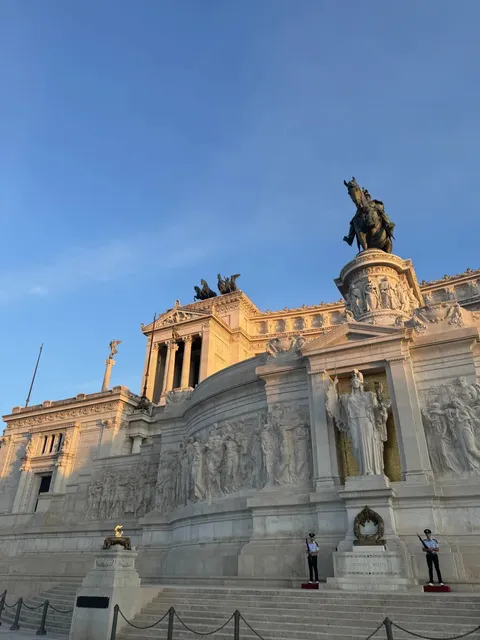
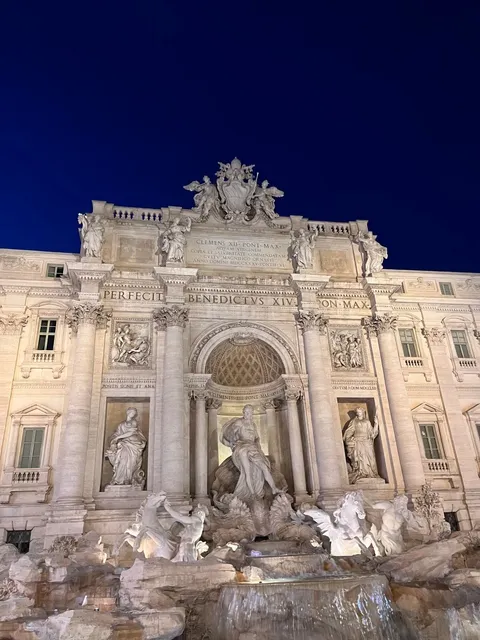
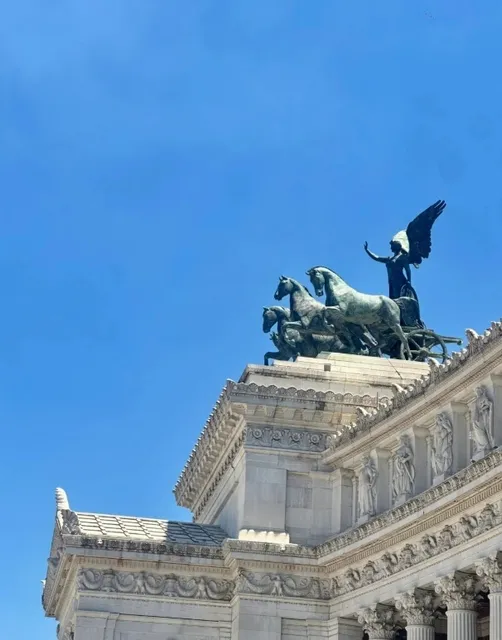
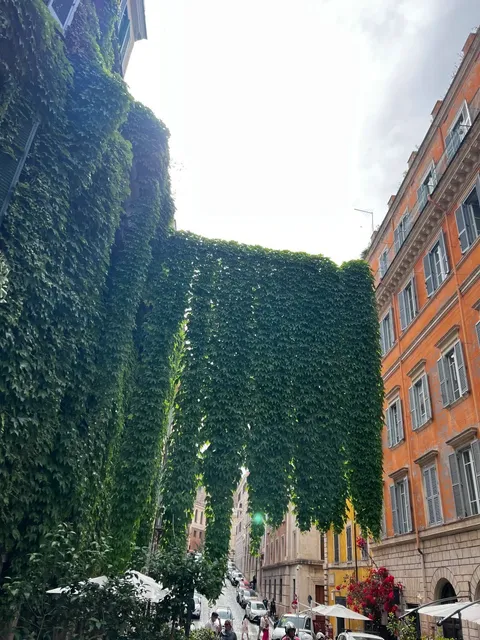
Piazza Venezia things to do, attractions, restaurants, events info and trip planning
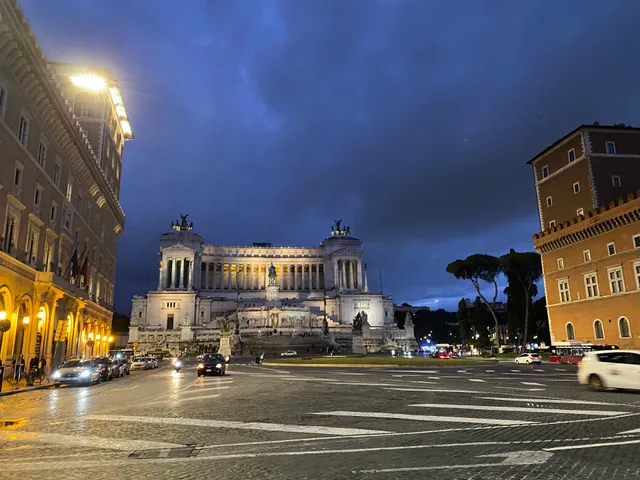
Basic Info
Piazza Venezia
Piazza Venezia, 00187 Roma RM, Italy
4.7(20K)
Open until 12:00 AM
Save
spot
spot
Ratings & Description
Info
Cultural
Scenic
Accessibility
attractions: Monument to Victor Emmanuel II, National Museum of the Palazzo di Venezia, Altare della Patria, Basilica of St Mark Evangelist at Campidoglio, Piazza del Campidoglio, Chiesa del Gesù, Trajan's Column, Palazzo Bonaparte, Le Domus Romane di Palazzo Valentini, Complex of the Victorian Ala Brasini, restaurants: Scholars Lounge Irish Pub, Hedera - Osteria Contemporanea, Ristorante Plebiscito, Antico Caffè Castellino, ViVi - Piazza Venezia, Bar Brasile, Ristorante Pizzeria Forno A Legna 12 Apostoli, Caffetteria Italia al Vittoriano, Antica Roma 013, Grano Trattoria, local businesses: Campidoglio, Doria Pamphili Gallery, Giardini di Palazzo Venezia, Palacio Colonna, Palazzo Altieri, Crypta Balbi, laFeltrinelli Books and Music, Teatro Marcello, Calamo, Salomé
 Learn more insights from Wanderboat AI.
Phone
+39 06 0608
Website
turismoroma.it
Open hoursSee all hours
SatOpen 24 hoursOpen
Plan your stay

Pet-friendly Hotels in Rome
Find a cozy hotel nearby and make it a full experience.

Affordable Hotels in Rome
Find a cozy hotel nearby and make it a full experience.

The Coolest Hotels You Haven't Heard Of (Yet)
Find a cozy hotel nearby and make it a full experience.

Trending Stays Worth the Hype in Rome
Find a cozy hotel nearby and make it a full experience.
Reviews
Live events

Sabato 21 Febbraio allenati con noi a Villa Borghese!
Sat, Feb 21 • 10:00 AM
Largo Marcello Mastroianni 00197 Roma
View details

Open Day - In Presenza - Lauree Triennali e Magistrali a ciclo unico
Sat, Feb 21 • 9:30 AM
Via Pompeo Magno 28 00192 Roma
View details
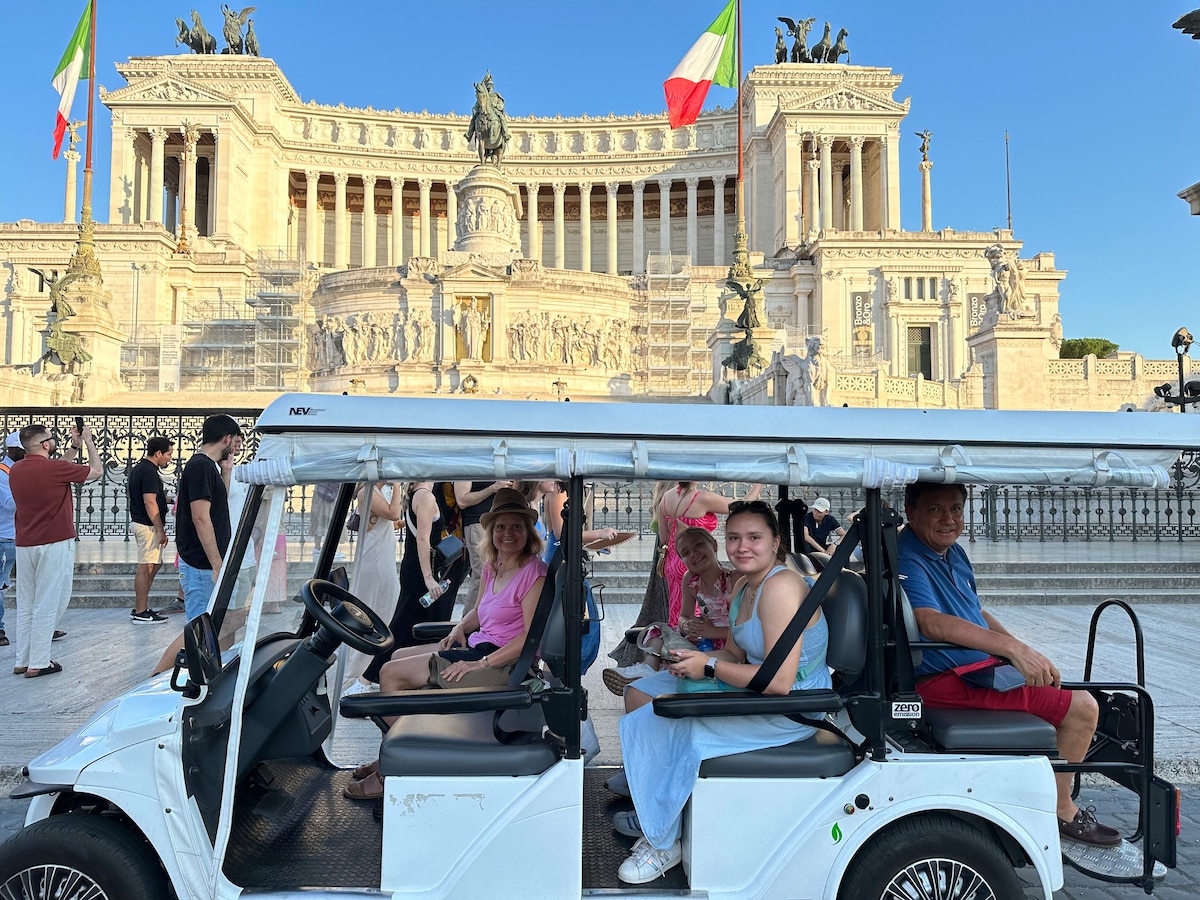
Discover Rome Highlights by Golf Cart
Sun, Feb 22 • 1:00 PM
00184, Rome, Lazio, Italy
View details
Nearby attractions of Piazza Venezia
Monument to Victor Emmanuel II
National Museum of the Palazzo di Venezia
Altare della Patria
Basilica of St Mark Evangelist at Campidoglio
Piazza del Campidoglio
Chiesa del Gesù
Trajan's Column
Palazzo Bonaparte
Le Domus Romane di Palazzo Valentini
Complex of the Victorian Ala Brasini
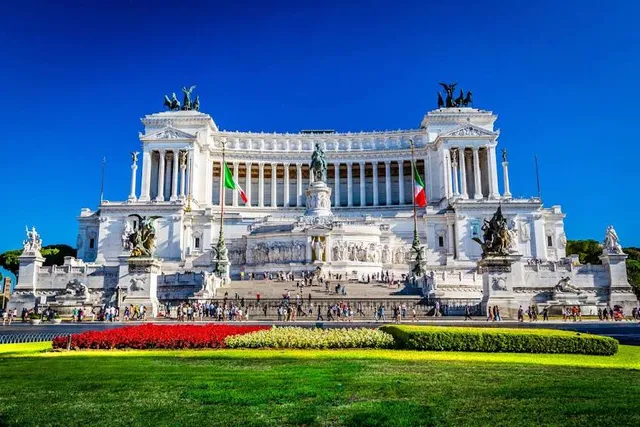
Monument to Victor Emmanuel II
4.8
(24.3K)
Open until 7:30 PM
Click for details
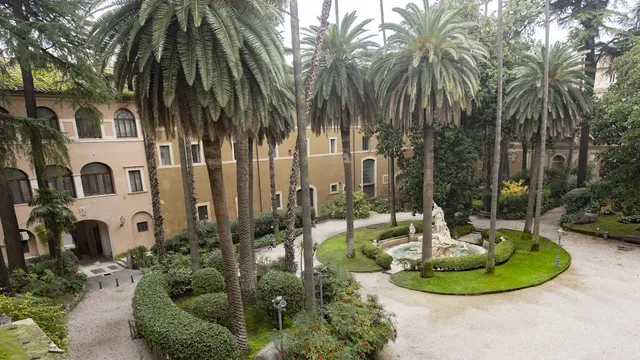
National Museum of the Palazzo di Venezia
4.5
(1.3K)
Open until 7:30 PM
Click for details
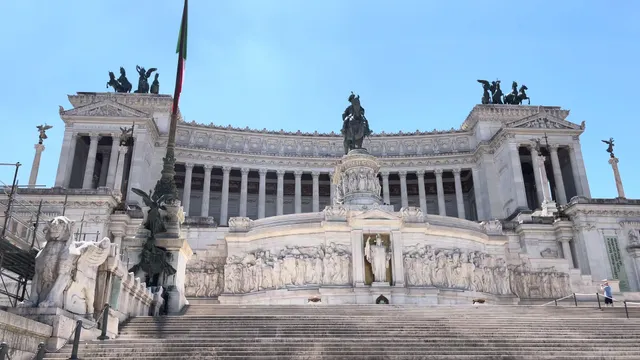
Altare della Patria
4.8
(1.7K)
Open until 7:30 PM
Click for details
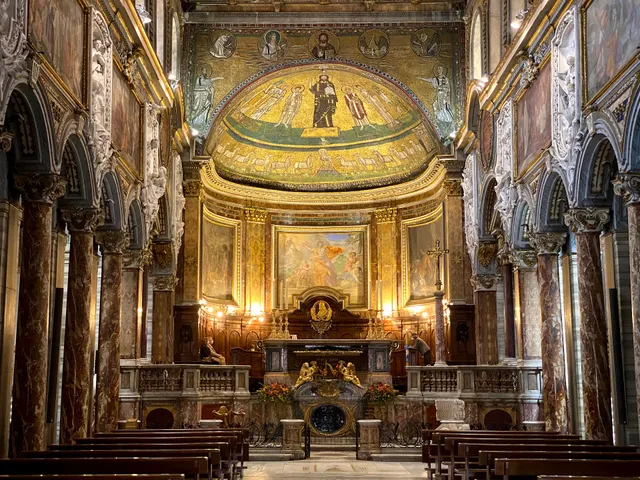
Basilica of St Mark Evangelist at Campidoglio
4.7
(283)
Open 24 hours
Click for details
Nearby restaurants of Piazza Venezia
Scholars Lounge Irish Pub
Hedera - Osteria Contemporanea
Ristorante Plebiscito
Antico Caffè Castellino
ViVi - Piazza Venezia
Bar Brasile
Ristorante Pizzeria Forno A Legna 12 Apostoli
Caffetteria Italia al Vittoriano
Antica Roma 013
Grano Trattoria
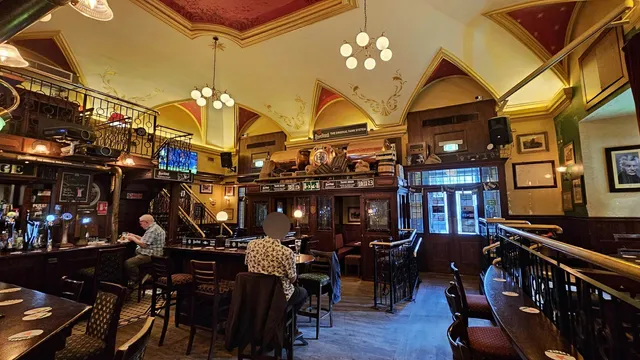
Scholars Lounge Irish Pub
4.2
(3.6K)
$
Open until 3:30 AM
Click for details
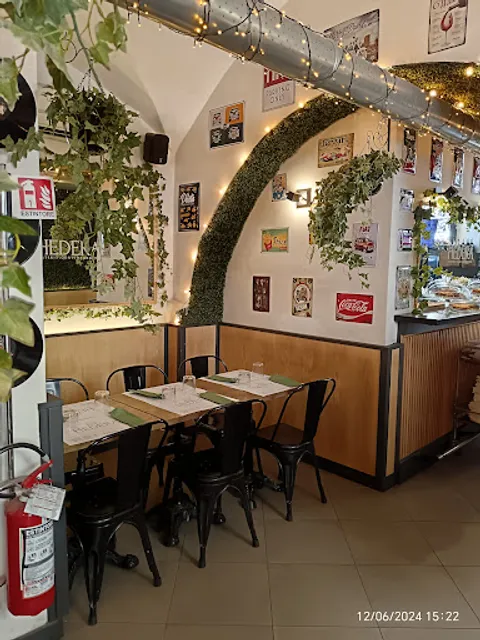
Hedera - Osteria Contemporanea
4.5
(1.8K)
Open until 11:00 PM
Click for details
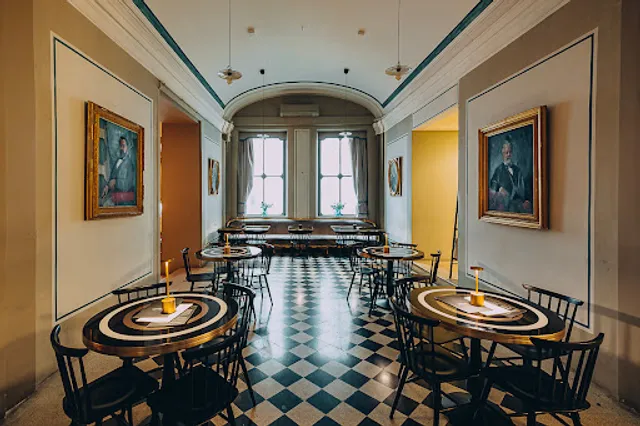
Ristorante Plebiscito
4.1
(726)
Open until 11:00 PM
Click for details
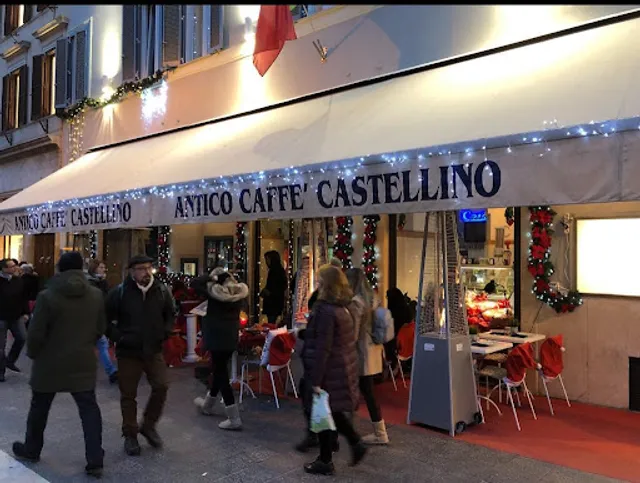
Antico Caffè Castellino
3.4
(1.0K)
Open until 12:00 AM
Click for details
Nearby local services of Piazza Venezia
Campidoglio
Doria Pamphili Gallery
Giardini di Palazzo Venezia
Palacio Colonna
Palazzo Altieri
Crypta Balbi
laFeltrinelli Books and Music
Teatro Marcello
Calamo
Salomé
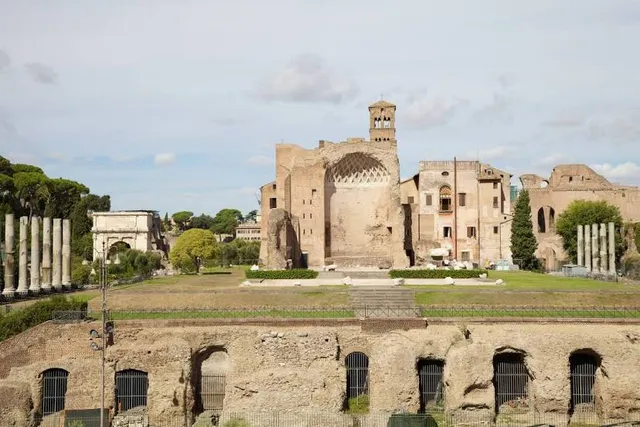
Campidoglio
4.7
(8.1K)
Click for details
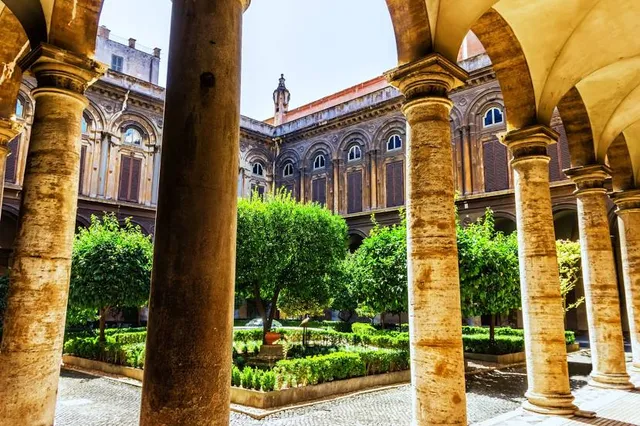
Doria Pamphili Gallery
4.6
(2.3K)
Click for details
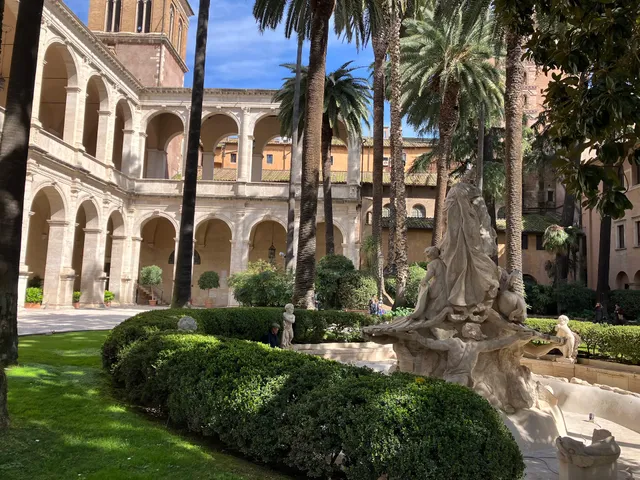
Giardini di Palazzo Venezia
4.8
(107)
Click for details
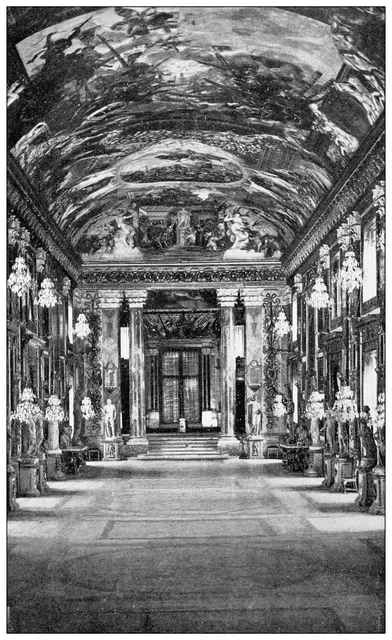
Palacio Colonna
4.8
(831)
Click for details


The hit list
Plan your trip with Wanderboat
Welcome to Wanderboat AI, your AI search for local Eats and Fun, designed to help you explore your city and the world with ease.
Powered by Wanderboat AI trip planner.