HTML SitemapExplore
logo
Find Things to DoFind The Best Restaurants

Temple of Divus Julius — Attraction in Rome

Name
Temple of Divus Julius
Description
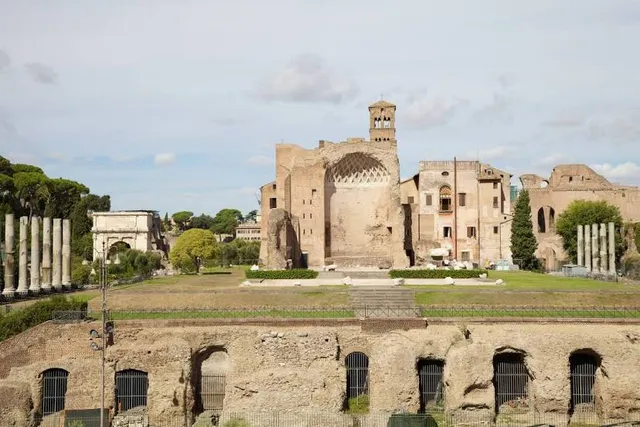
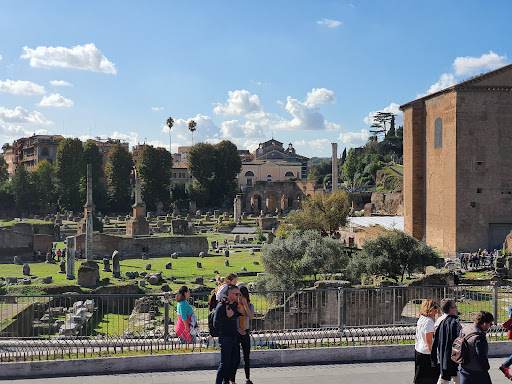
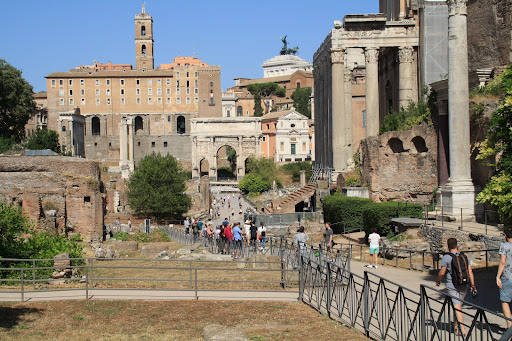
The Temple of Caesar or Temple of Divus Iulius, also known as Temple of the Deified Julius Caesar, delubrum, heroon or Temple of the Comet Star, is an ancient structure in the Roman Forum of Rome, Italy, located near the Regia and the Temple of Vesta.
Nearby attractions
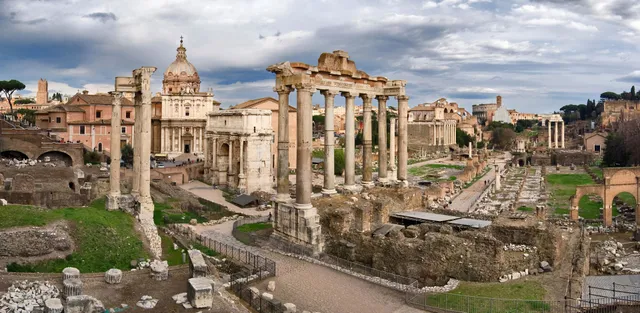
Roman Forum
00186 Rome, Metropolitan City of Rome Capital, Italy
Parco archeologico del Colosseo
Piazza S. Maria Nova, 53, 00186 Roma RM, Italy
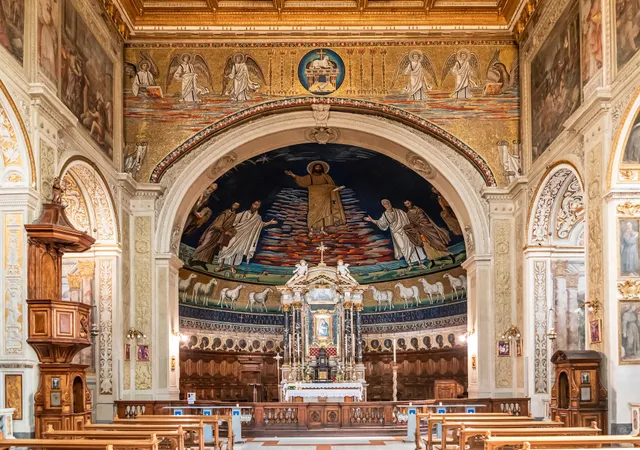
Santi Cosma e Damiano
Via dei Fori Imperiali, 1, 00186 Roma RM, Italy
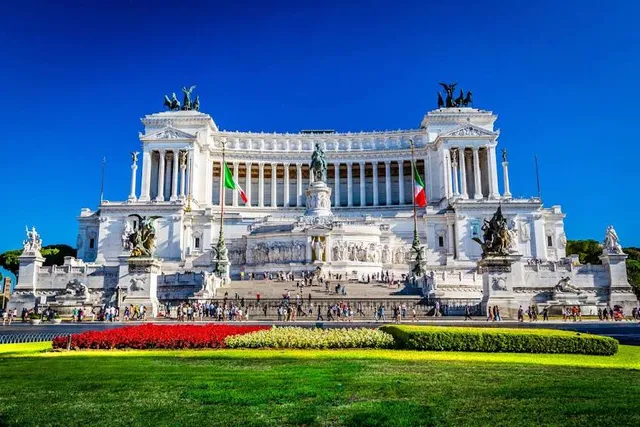
Monument to Victor Emmanuel II
Piazza Venezia, 00186 Roma RM, Italy
Piazza del Campidoglio
Piazza del Campidoglio, 00186 Roma RM, Italy
Temple of Vesta
Via dei Fori Imperiali, 00186 Roma RM, Italy
Antoninus and Faustina Temple
Via in Miranda, 1, 00186 Roma RM, Italy
Capitoline Museums
Piazza del Campidoglio, 1, 00186 Roma RM, Italy
House of the Vestals
Largo, Via della Salara Vecchia, 00186 Roma RM, Italy
Temple of Castor and Pollux
00186 Rome, Metropolitan City of Rome Capital, Italy
Nearby restaurants
Angelino "ai Fori" dal 1947
Largo Corrado Ricci, 40, Via dei Fori Imperiali, 25/42 43, 00184 Roma RM, Italy
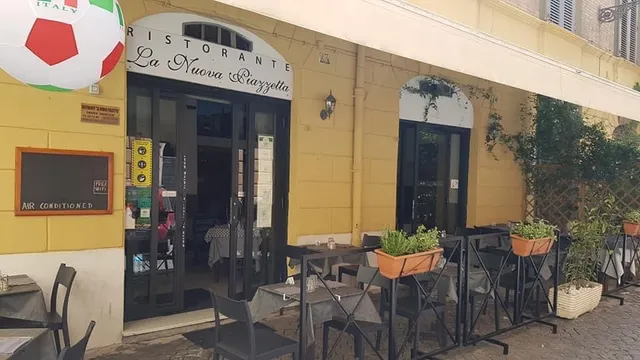
La Nuova Piazzetta
Vicolo del Buon Consiglio, 23/a, 00184 Roma RM, Italy
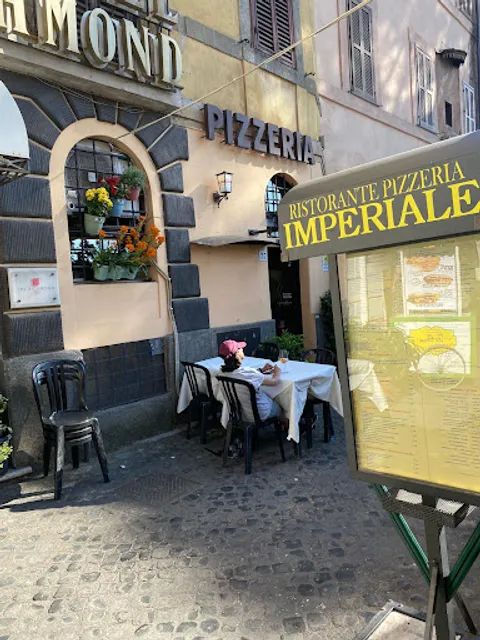
Ristorante Pizzeria Imperiale
Largo Corrado Ricci, 37, 00184 Roma RM, Italy
Il Giardino ai Fori
Largo Corrado Ricci, 37A, 00184 Roma RM, Italy
Iari The Vino
Via Frangipane, 27, 00184 Roma RM, Italy
OSTERIA DA SAMU
Via del Colosseo, 72, 00184 Roma RM, Italy
Pizzeria della Madonna dei Monti
Via della Madonna dei Monti, 110, 00184 Roma RM, Italy
Osteria Maracuja
Largo Corrado Ricci, 1, 00184 Roma RM, Italy
Ristorante Massenzio Ai Fori
Largo Corrado Ricci, 2, 00184 Roma RM, Italy
La Prezzemolina
Via del Colosseo, 1 E/F, 00184 Roma RM, Italy
Related posts
Keywords
Temple of Divus Julius tourism.Temple of Divus Julius hotels.Temple of Divus Julius bed and breakfast. flights to Temple of Divus Julius.Temple of Divus Julius attractions.Temple of Divus Julius restaurants.Temple of Divus Julius travel.Temple of Divus Julius travel guide.Temple of Divus Julius travel blog.Temple of Divus Julius pictures.Temple of Divus Julius photos.Temple of Divus Julius travel tips.Temple of Divus Julius maps.Temple of Divus Julius things to do.
Temple of Divus Julius things to do, attractions, restaurants, events info and trip planning
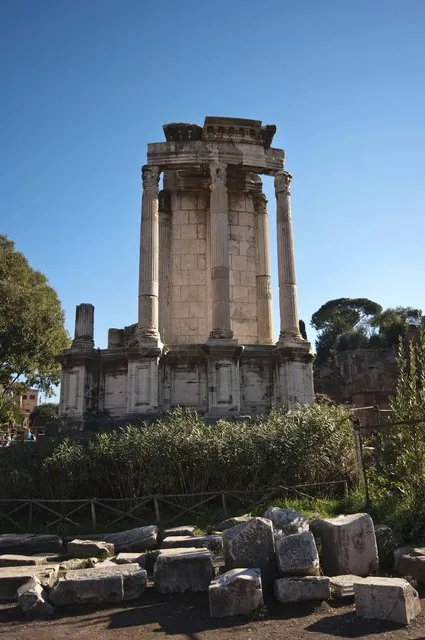
Temple of Divus Julius
ItalyLazioRomeTemple of Divus Julius

Basic Info

Temple of Divus Julius

Via della Salara Vecchia, 5/6, 00186 Roma RM, Italy
4.7(189)
Open 24 hours
Save
spot

Ratings & Description

Info

The Temple of Caesar or Temple of Divus Iulius, also known as Temple of the Deified Julius Caesar, delubrum, heroon or Temple of the Comet Star, is an ancient structure in the Roman Forum of Rome, Italy, located near the Regia and the Temple of Vesta.

Cultural
Scenic
Family friendly
attractions: Roman Forum, Parco archeologico del Colosseo, Santi Cosma e Damiano, Monument to Victor Emmanuel II, Piazza del Campidoglio, Temple of Vesta, Antoninus and Faustina Temple, Capitoline Museums, House of the Vestals, Temple of Castor and Pollux, restaurants: Angelino "ai Fori" dal 1947, La Nuova Piazzetta, Ristorante Pizzeria Imperiale, Il Giardino ai Fori, Iari The Vino, OSTERIA DA SAMU, Pizzeria della Madonna dei Monti, Osteria Maracuja, Ristorante Massenzio Ai Fori, La Prezzemolina
logoLearn more insights from Wanderboat AI.
Phone
+39 06 3996 7700
Website
romanoimpero.com

Plan your stay

hotel
Pet-friendly Hotels in Rome
Find a cozy hotel nearby and make it a full experience.

hotel
Affordable Hotels in Rome
Find a cozy hotel nearby and make it a full experience.

hotel
The Coolest Hotels You Haven't Heard Of (Yet)
Find a cozy hotel nearby and make it a full experience.

hotel
Trending Stays Worth the Hype in Rome
Find a cozy hotel nearby and make it a full experience.

Reviews

Nearby attractions of Temple of Divus Julius

Roman Forum

Parco archeologico del Colosseo

Santi Cosma e Damiano

Monument to Victor Emmanuel II

Piazza del Campidoglio

Temple of Vesta

Antoninus and Faustina Temple

Capitoline Museums

House of the Vestals

Temple of Castor and Pollux
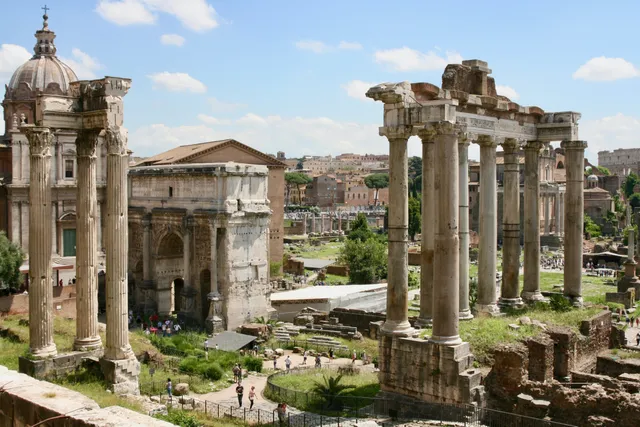
Roman Forum

Roman Forum

4.8

(44.8K)

Open 24 hours
Click for details
Parco archeologico del Colosseo

Parco archeologico del Colosseo

4.8

(1.7K)

Open 24 hours
Click for details
Santi Cosma e Damiano

Santi Cosma e Damiano

4.8

(1.2K)

Open 24 hours
Click for details
Monument to Victor Emmanuel II

Monument to Victor Emmanuel II

4.8

(23.9K)

Open 24 hours
Click for details

Things to do nearby

Catacombs: The Coolest Underground Tour in Rome
Thu, Dec 4 • 3:00 PM
00147, Rome, Lazio, Italy
View details
Pasta and Pizza cooking class with wine and more
Sun, Dec 7 • 10:30 AM
00142, Rome, Lazio, Italy
View details
Visit a 16th-century boutique winery
Sat, Dec 6 • 10:00 AM
00044, Frascati, Lazio, Italy
View details

Nearby restaurants of Temple of Divus Julius

Angelino "ai Fori" dal 1947

La Nuova Piazzetta

Ristorante Pizzeria Imperiale

Il Giardino ai Fori

Iari The Vino

OSTERIA DA SAMU

Pizzeria della Madonna dei Monti

Osteria Maracuja

Ristorante Massenzio Ai Fori

La Prezzemolina
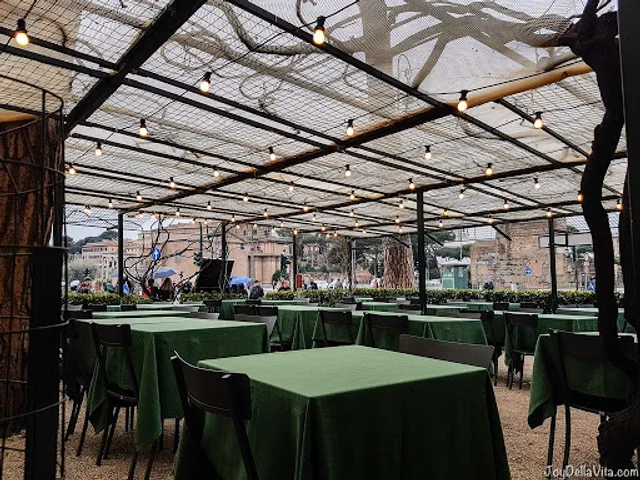
Angelino "ai Fori" dal 1947

Angelino "ai Fori" dal 1947

4.5

(4.4K)

$$

Click for details
La Nuova Piazzetta

La Nuova Piazzetta

4.8

(15.4K)

$$

Click for details
Ristorante Pizzeria Imperiale

Ristorante Pizzeria Imperiale

4.6

(4.3K)

$$

Click for details
Il Giardino ai Fori

Il Giardino ai Fori

4.2

(2.7K)

Click for details
Get the Appoverlay
Get the AppOne tap to find yournext favorite spots!

The hit list

restaurant
Best 10 Restaurants to Visit in Rome
February 12 · 5 min read
attraction
Best 10 Attractions to Visit in Rome
February 12 · 5 min read
Rome

Plan your trip with Wanderboat

Welcome to Wanderboat AI, your AI search for local Eats and Fun, designed to help you explore your city and the world with ease.

Powered by Wanderboat AI trip planner.
Wanderboat LogoWanderboat

Your everyday Al companion for getaway ideas

CompanyAbout Us
InformationAI Trip PlannerSitemap
SocialXInstagramTiktokLinkedin
LegalTerms of ServicePrivacy Policy

Get the app

© 2025 Wanderboat. All rights reserved.
logo

Posts

Marcelo BossleMarcelo Bossle
42 BC - According to (Apian), Caesar's body was transported in an ivory litter and placed in (Rostra) in a golden sanctuary based on the Temple of Venus Generatrix, the goddess from whom the Julius family claimed to descend. Mark Antony delivered his famous speech and Caesar's will was read to the public as a mechanical mechanism, positioned above the site, showed a wax image of Caesar, rotating it so that everyone could clearly see the 23 wounds he suffered from. all over body and face. Spurred on by speech, will, and wax image, the crowd tried to take the body to the Capitoline to be buried among the Roman gods. After a violent discussion about the funeral pyre and the fate of Caesar's ashes, the Roman people, Caesar's allies, and his family decided to build the pyre right there.
Misha SmileyMisha Smiley
The Temple of Divus Julius in Rome is a must-see for anyone exploring the Roman Forum. It marks the location where Julius Caesar was cremated, giving the site deep historical significance. Walking through the ruins, you feel connected to the power and legacy of ancient Rome. The area is beautiful, peaceful, and surrounded by incredible architecture. Visiting in the morning is ideal for lighting and fewer crowds. This is a truly moving and memorable experience. Perfect for history lovers and curious travelers visiting Rome.
Domenico DiCoDomenico DiCo
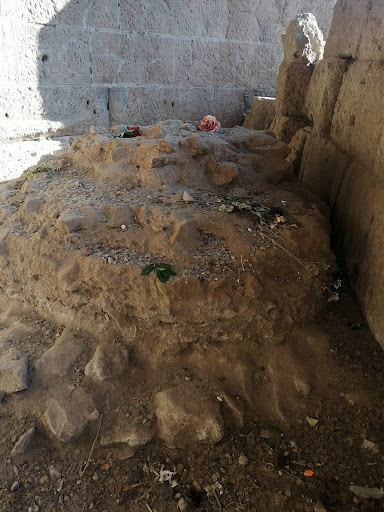
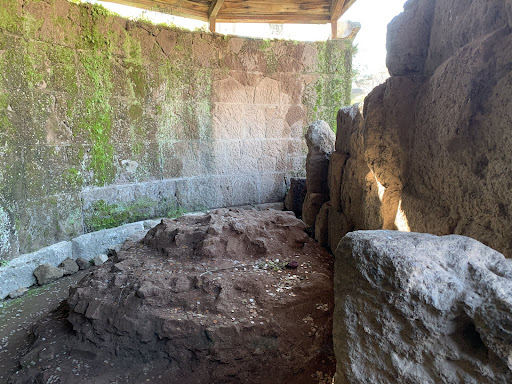
Questo antico tempio di cui possiamo ammirare alcuni resti nel parco archeologico del Colosseo era dedicato a Giulio Cesare. Fu inaugurato dall'imperatore Augusto nel 29 a.C., Giulio Cesare fu il primo romano deificato oltre a Romolo, questo tempio era legato al culto di una cometa apparsa poco dopo la morte proprio di Giulio Cesare che si pensava fosse collegata all'anima di esso. Il tempio era costruito su di un podio composto da blocchi di tufo e rivestito in travertino, sulla sua facciata vi erano 6 colonne e sui lati 2, si diceva fosse decorato con i rostri delle navi di Marco Antonio e Cleopatra recuperati dalla battaglia di Azio. Numerosi affreschi adornavano il tempio e al centro di esso svettava una statua di Giulio Cesare coronata da stella che rappresenterebbe la famosa cometa sopra citata, così come molti altri manufatti o monumenti presenti nel parco archeologico del Colosseo, del tempio originale oggi a noi è rimasto ben poco ma di certo la storia di esso non morirà e mi auguro che venga sempre tramandata per non dimenticare. Cosa bella che ho notato personalmente è, sul retro della colonna caduta in primo piano una enorme roccia circondata da pareti che accoglie una specie di altare pieno di monete lasciate dai turisti penso in segno di buon auspicio o mi piace pensare che siano una offerta al grande Giulio Cesare che ha reso Roma famosa a livello mondiale.
See more posts
See more posts
hotel
Find your stay

Pet-friendly Hotels in Rome

Find a cozy hotel nearby and make it a full experience.

42 BC - According to (Apian), Caesar's body was transported in an ivory litter and placed in (Rostra) in a golden sanctuary based on the Temple of Venus Generatrix, the goddess from whom the Julius family claimed to descend. Mark Antony delivered his famous speech and Caesar's will was read to the public as a mechanical mechanism, positioned above the site, showed a wax image of Caesar, rotating it so that everyone could clearly see the 23 wounds he suffered from. all over body and face. Spurred on by speech, will, and wax image, the crowd tried to take the body to the Capitoline to be buried among the Roman gods. After a violent discussion about the funeral pyre and the fate of Caesar's ashes, the Roman people, Caesar's allies, and his family decided to build the pyre right there.
Marcelo Bossle

Marcelo Bossle

hotel
Find your stay

Affordable Hotels in Rome

Find a cozy hotel nearby and make it a full experience.

Get the Appoverlay
Get the AppOne tap to find yournext favorite spots!
The Temple of Divus Julius in Rome is a must-see for anyone exploring the Roman Forum. It marks the location where Julius Caesar was cremated, giving the site deep historical significance. Walking through the ruins, you feel connected to the power and legacy of ancient Rome. The area is beautiful, peaceful, and surrounded by incredible architecture. Visiting in the morning is ideal for lighting and fewer crowds. This is a truly moving and memorable experience. Perfect for history lovers and curious travelers visiting Rome.
Misha Smiley

Misha Smiley

hotel
Find your stay

The Coolest Hotels You Haven't Heard Of (Yet)

Find a cozy hotel nearby and make it a full experience.

hotel
Find your stay

Trending Stays Worth the Hype in Rome

Find a cozy hotel nearby and make it a full experience.

Questo antico tempio di cui possiamo ammirare alcuni resti nel parco archeologico del Colosseo era dedicato a Giulio Cesare. Fu inaugurato dall'imperatore Augusto nel 29 a.C., Giulio Cesare fu il primo romano deificato oltre a Romolo, questo tempio era legato al culto di una cometa apparsa poco dopo la morte proprio di Giulio Cesare che si pensava fosse collegata all'anima di esso. Il tempio era costruito su di un podio composto da blocchi di tufo e rivestito in travertino, sulla sua facciata vi erano 6 colonne e sui lati 2, si diceva fosse decorato con i rostri delle navi di Marco Antonio e Cleopatra recuperati dalla battaglia di Azio. Numerosi affreschi adornavano il tempio e al centro di esso svettava una statua di Giulio Cesare coronata da stella che rappresenterebbe la famosa cometa sopra citata, così come molti altri manufatti o monumenti presenti nel parco archeologico del Colosseo, del tempio originale oggi a noi è rimasto ben poco ma di certo la storia di esso non morirà e mi auguro che venga sempre tramandata per non dimenticare. Cosa bella che ho notato personalmente è, sul retro della colonna caduta in primo piano una enorme roccia circondata da pareti che accoglie una specie di altare pieno di monete lasciate dai turisti penso in segno di buon auspicio o mi piace pensare che siano una offerta al grande Giulio Cesare che ha reso Roma famosa a livello mondiale.
Domenico DiCo

Domenico DiCo

See more posts
See more posts

Reviews of Temple of Divus Julius

4.7
(189)
avatar
5.0
1y

A Profound Historical Experience:

Visiting the burial site of Julius Caesar within the Roman Forum was an awe-inspiring and deeply moving experience. This location, known as the Temple of Divus Julius, offers a unique glimpse into one of history's most pivotal moments and honors one of Rome's greatest figures.

Historical Significance:

The site marks the spot where Julius Caesar was cremated in 44 BC, following his assassination in the Curia of Pompey in the Campus Martius. Augustus, his adopted heir, later constructed the temple in 29 BC to deify Caesar, solidifying his status as a god. The temple was built on a high podium, with six columns at the front, decorated with the prows of ships from Antony and Cleopatra, captured by Augustus at the Battle of Actium. Standing here, you can almost feel the weight of history and the political drama that unfolded over two millennia ago.

Preservation and Presentation:

The temple ruins are remarkably well-preserved, and the site is beautifully maintained. The area where Caesar's body was cremated is adorned with flowers and coins, left by visitors paying their respects, adding a personal and touching element to the visit. Although only the cement core of the original structure remains, its grandeur and significance are still palpable.

Informative Signage:

There are several informative plaques around the site, providing detailed historical context in multiple languages. However, one particular sign, which explains the historical background of the Temple of Divus Julius, was quite hard to read due to wear and tear. Deciphering it took some effort, but it greatly enhanced the experience by offering insights into the significance of the location and the events that transpired here.

Atmosphere:

The atmosphere at the Temple of Divus Julius is both solemn and inspiring. It’s a quiet corner of the bustling Roman Forum, allowing for reflection and a deeper connection to the ancient past. The surrounding ruins of the Forum add to the sense of grandeur and historical importance.

Accessibility:

The site is easily accessible within the Roman Forum, which is centrally located in Rome. It's advisable to visit early in the day to avoid crowds and to fully appreciate the tranquility and significance of the location.

Conclusion:

Visiting Julius Caesar's burial site is an absolute must for any history enthusiast or traveler to Rome. It’s a place where you can genuinely feel connected to the ancient world and one of its most influential figures. The combination of historical depth, excellent preservation, and respectful atmosphere makes this a five-star destination. Highly...

   Read more
avatar
5.0
2y

A few weeks ago, we visited amazing Rome, se did and matchless Roman Forum and this Temple of Caesar in Rome. It’s an ancient building in the Roman Forum, built on the spot where Julius Caesar was actually cremated after his death in 44 BC. The temple was completed by his adopted son, Octavian, and then dedicated to him on 18 August 29 BC. Even though it’s just a ruin now, it’s still a special place of course. You clearly feel this when you visit the spot. People go there to remember Caesar and leave flowers. It was interesting to see how much respect people still have for him, even after all these years. But I think that all the same, he was an emperor and did a lot of injustice and cruelty, and many people died because of him. And I always think that no one has any right to sacrifice at least one innocent life for the sake of any, even supposedly the greatest ever plan. So we didn't...

   Read more
avatar
5.0
2y

Il tempio del Divo Giulio è un tempio dedicato a Gaio Giulio Cesare, divinizzato dopo la sua morte, situato a Roma nel Foro romano. Cesare fu il primo romano ad essere divinizzato dopo la sua morte, e di conseguenza onorato con un tempio, dopo il mitico fondatore Romolo. Cesare venne ucciso in una seduta del Senato tenutasi nella Curia Pompeia nel Campo Marzio. Il suo corpo venne poi trasportato nel Foro, vicino alla Regia, che era la sede ufficiale del pontefice massimo, carica rivestita dal dittatore. In questo luogo, all'estremità orientale della piazza del Foro, venne accesa la pira funebre improvvisata per la cremazione e si svolsero i suoi funerali. Qui venne eretto un altare, affiancato da una colonna in marmo giallo antico. La costruzione del tempio fu decretata dal senato, su iniziativa dei triumviri, nel 42 a.C., dopo la battaglia di Filippi nella quale erano stati sconfitti e uccisi i cesaricidi. Un sacerdote flamen maior era stato attribuito al culto di Cesare già poco dopo il 44 a.C. e Marco Antonio fu il primo a ricoprire questa carica. L'edificio venne effettivamente costruito da Ottaviano, figlio adottivo di Cesare, e dedicato il 18 agosto del 29 a.C.. Per i lavori fu spostata oltre il tempio la via che delimitava la piazza sul lato orientale e fu eliminata una precedente costruzione, di cui sono state viste le fondazioni, in blocchi di tufo di Grottaoscura, attribuibili alla fine dell'età repubblicana, di ignota identificazione. La cerimonia di dedica si svolse tre giorni dopo il trionfo che Ottaviano aveva celebrato per la vittoria di Azio sull'Egitto di Cleopatra e nel tempio furono custodite preziose opere del bottino conquistato in tale occasione. L'edificio è raffigurato sul rovescio di alcune monete del 37-34 a.C.: di conseguenza si era ritenuto che fosse stato completato già in quegli anni, mentre la dedica ufficiale sarebbe stata ritardata a causa della guerra civile tra Ottaviano e Marco Antonio. Il tempio venne raffigurato nuovamente su monete anche all'epoca di Adriano, ma non sembra che in quest'epoca siano stati eseguiti interventi di restauro di qualche rilievo. L'uso orientale di divinizzare post mortem venne ripreso da numerosi imperatori, come testimoniano ancora oggi il tempio di Vespasiano e Tito o quello di Antonino e Faustina, sempre nel Foro. I resti dell'edificio furono liberati in occasione dello scoprimento complessivo del Foro romano nel 1872. Altri scavi vennero condotti nel 1888, nel 1898-1899 (Giacomo Boni) e...

   Read more
Page 1 of 7
Previous
Next