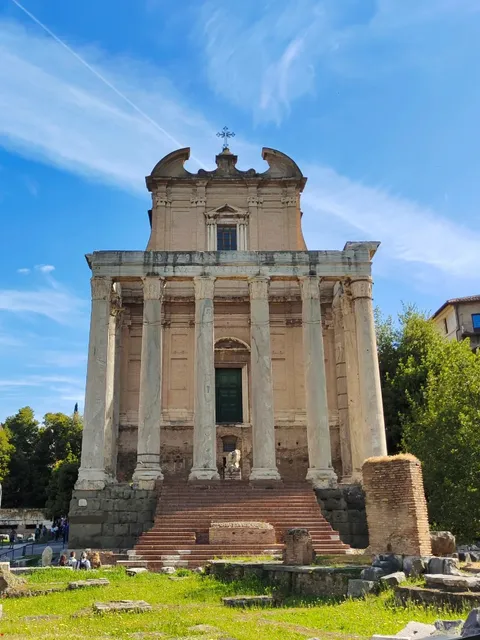
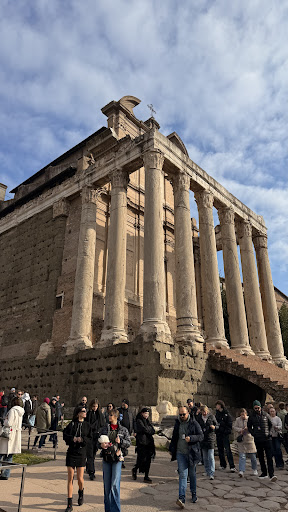
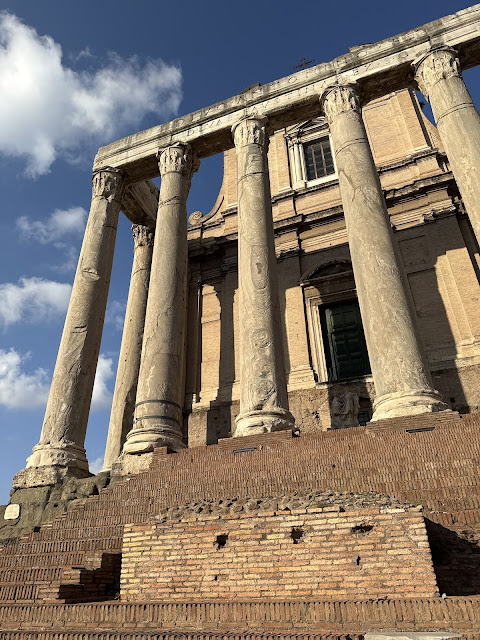
Antoninus and Faustina Temple things to do, attractions, restaurants, events info and trip planning
Basic Info
Antoninus and Faustina Temple
Via in Miranda, 1, 00186 Roma RM, Italy
4.8(249)
Open until 6:30 PM


tickets
Save
spot
spot
Ratings & Description
Info
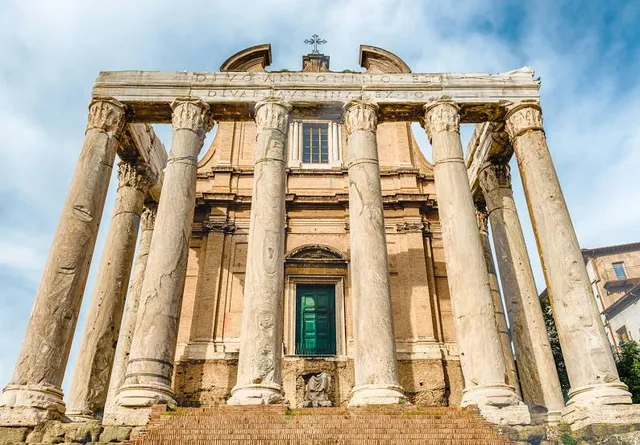
The Temple of Antoninus and Faustina is an ancient Roman temple in Rome, which was later converted into a Roman Catholic church, the Chiesa di San Lorenzo in Miranda or simply "San Lorenzo in Miranda". It is located in the Forum Romanum, on the Via Sacra, opposite the Regia.
Cultural
Scenic
Family friendly
attractions: Roman Forum, Santi Cosma e Damiano, Parco archeologico del Colosseo, Colosseum, Colosseum, Monument to Victor Emmanuel II, Temple of Divus Julius, House of the Vestals, Tempio del Divo Romolo, Temple of Vesta, restaurants: Angelino "ai Fori" dal 1947, La Nuova Piazzetta, Ristorante Pizzeria Imperiale, Il Giardino ai Fori, Iari The Vino, OSTERIA DA SAMU, Pizzeria della Madonna dei Monti, La Prezzemolina, Osteria Maracuja, Ristorante Massenzio Ai Fori, local businesses: Via dei Fori Imperiali, Biglietteria Foro Romano, Campidoglio, Palatine Hill, Palatine Hill, Palatine Hill, Orti Farnesiani sul Palatino, Capitoline Hill, Italy With Family | Colosseum Tours | Vatican Tours, Teatro Marcello
 Learn more insights from Wanderboat AI.
Website
colosseo.it
Open hoursSee all hours
Wed8:30 AM - 6:30 PMOpen
Plan your stay

Pet-friendly Hotels in Rome
Find a cozy hotel nearby and make it a full experience.

Affordable Hotels in Rome
Find a cozy hotel nearby and make it a full experience.

The Coolest Hotels You Haven't Heard Of (Yet)
Find a cozy hotel nearby and make it a full experience.

Trending Stays Worth the Hype in Rome
Find a cozy hotel nearby and make it a full experience.
Reviews
Live events

Make handmade fettuccine and tiramisu with a local
Wed, Feb 25 • 10:15 AM
00187, Rome, Lazio, Italy
View details
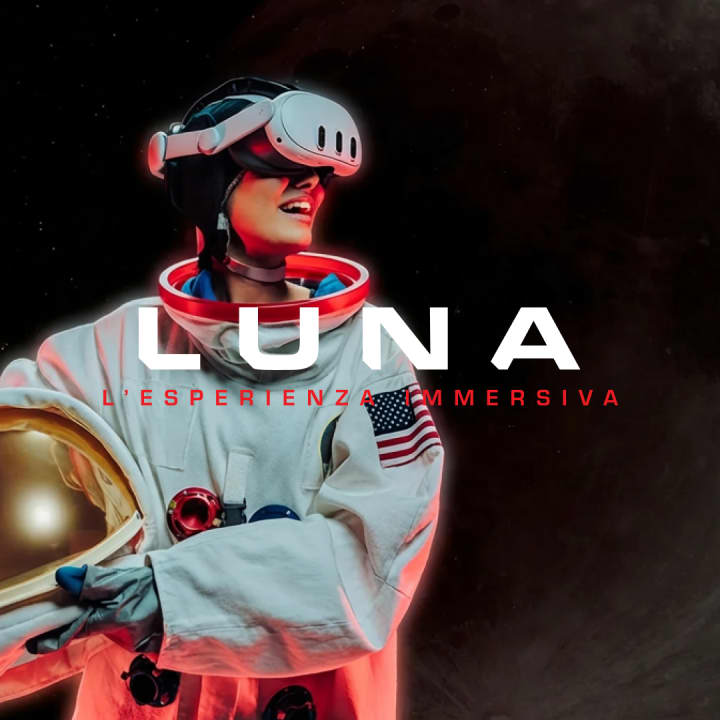
LUNA: A Journey to the Moon – un’esperienza immersiva in realtà virtuale a Roma
Wed, Feb 25 • 4:00 PM
Via Trionfale, 7400, Roma, 00136
View details

Passioni, simpatia e convenzioni: la natura umana in Hume e Darwin
Thu, Feb 26 • 6:00 PM
Via Plebiscito 118 00186 Roma
View details
Nearby attractions of Antoninus and Faustina Temple
Roman Forum
Santi Cosma e Damiano
Parco archeologico del Colosseo
Colosseum
Colosseum
Monument to Victor Emmanuel II
Temple of Divus Julius
House of the Vestals
Tempio del Divo Romolo
Temple of Vesta
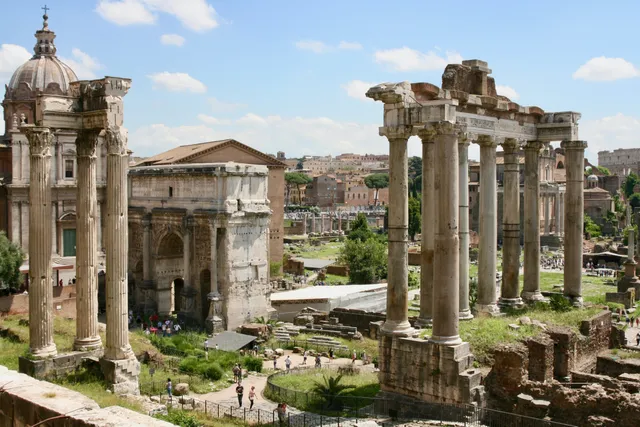
Roman Forum
4.8
(46.5K)
Closed
Click for details
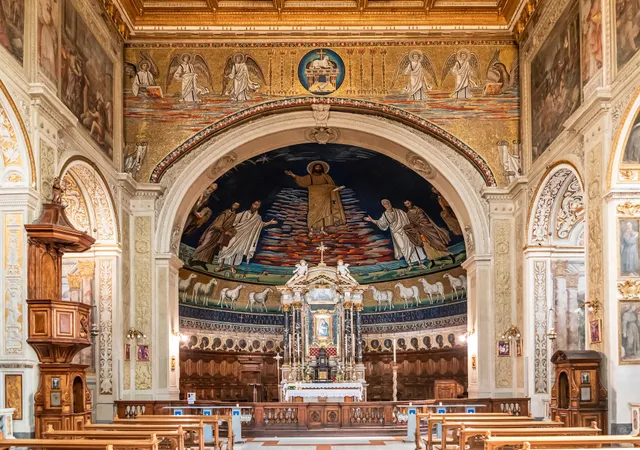
Santi Cosma e Damiano
4.8
(1.2K)
Closed
Click for details
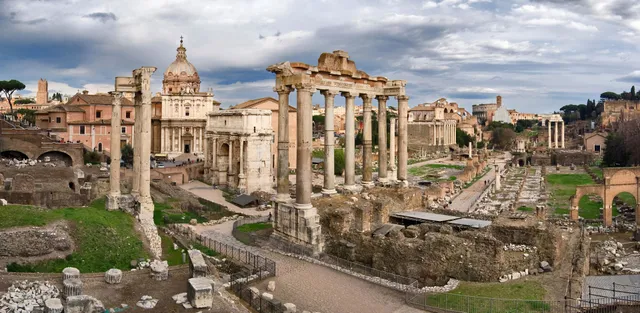
Parco archeologico del Colosseo
4.8
(1.8K)
Open until 4:30 PM
Click for details
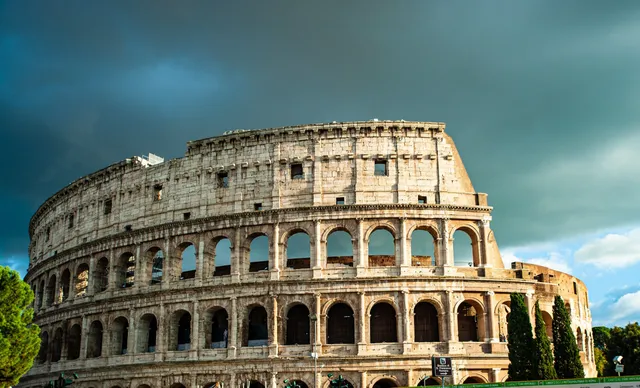
Colosseum
4.8
(131.9K)
Open until 4:30 PM
Click for details
Nearby restaurants of Antoninus and Faustina Temple
Angelino "ai Fori" dal 1947
La Nuova Piazzetta
Ristorante Pizzeria Imperiale
Il Giardino ai Fori
Iari The Vino
OSTERIA DA SAMU
Pizzeria della Madonna dei Monti
La Prezzemolina
Osteria Maracuja
Ristorante Massenzio Ai Fori
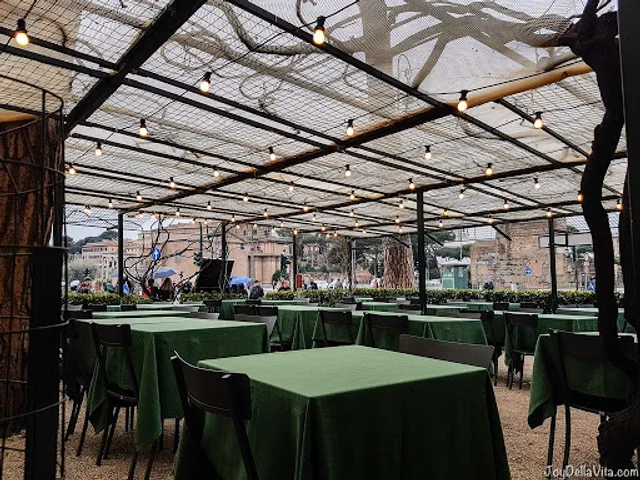
Angelino "ai Fori" dal 1947
4.5
(4.5K)
$$
Closed
Click for details
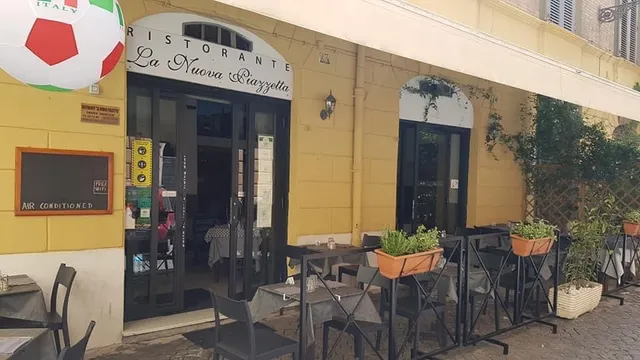
La Nuova Piazzetta
4.8
(15.7K)
$$
Closed
Click for details
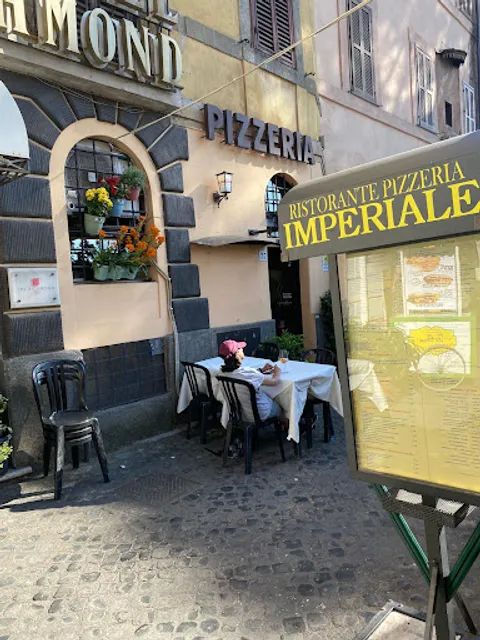
Ristorante Pizzeria Imperiale
4.6
(4.3K)
Closed
Click for details
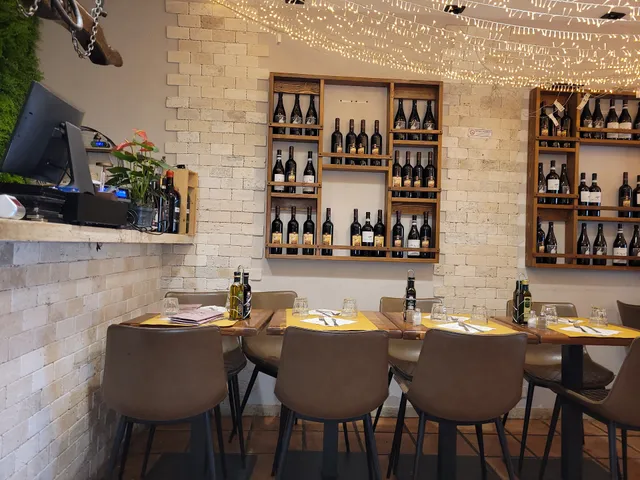
Il Giardino ai Fori
4.2
(2.9K)
Open until 12:00 AM
Click for details
Nearby local services of Antoninus and Faustina Temple
Via dei Fori Imperiali
Biglietteria Foro Romano
Campidoglio
Palatine Hill
Palatine Hill
Palatine Hill
Orti Farnesiani sul Palatino
Capitoline Hill
Italy With Family | Colosseum Tours | Vatican Tours
Teatro Marcello
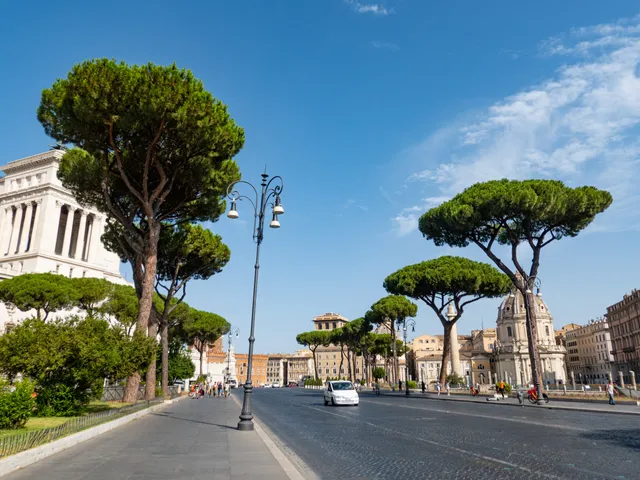
Via dei Fori Imperiali
4.8
(441)
Click for details
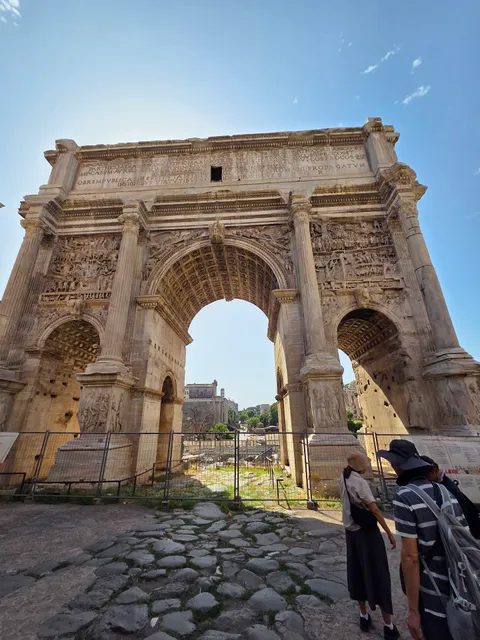
Biglietteria Foro Romano
4.0
(159)
Click for details
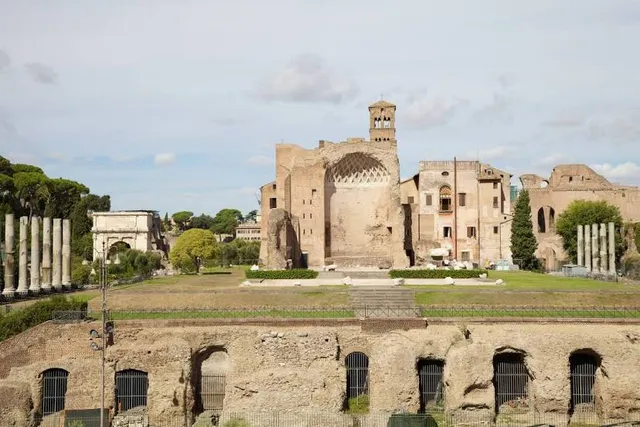
Campidoglio
4.7
(7.8K)
Click for details
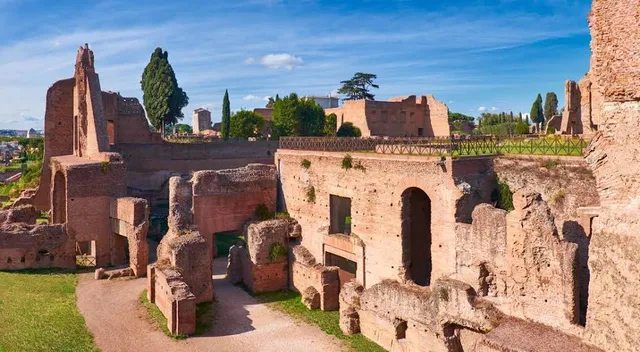
Palatine Hill
4.7
(1.1K)
Click for details


The hit list



Plan your trip with Wanderboat
Welcome to Wanderboat AI, your AI search for local Eats and Fun, designed to help you explore your city and the world with ease.
Powered by Wanderboat AI trip planner.