Provincial Archaeological Museum of Salerno things to do, attractions, restaurants, events info and trip planning
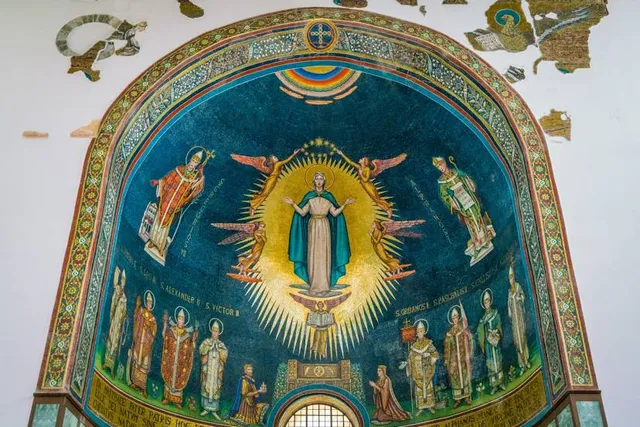
Basic Info
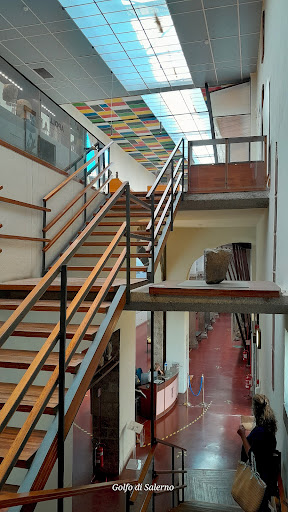
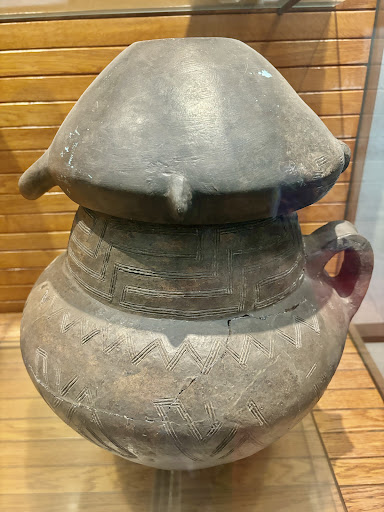
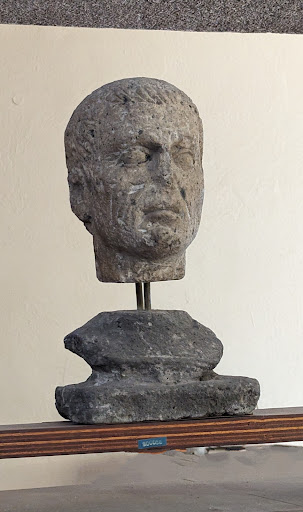
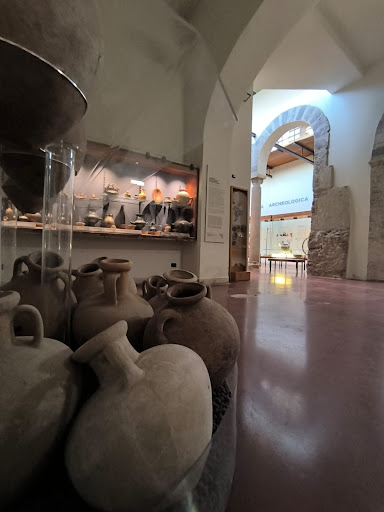
Provincial Archaeological Museum of Salerno
Via S. Benedetto, 28, 84122 Salerno SA, Italy
4.3(259)
Closed
Save
spot
spot
Ratings & Description
Info
"cultural"
"family friendly"
"accessibility"
attractions: Cathedral of Santa Maria degli Angeli, San Matteo and San Gregorio VII, Church of the Crucifix, Provincial Art Gallery of Salerno, Diocesan Museum of San Matteo, Church of St. George, Virtual Museum of Salerno's Medical School, Monumental Complex of San Pedro next to Court - Hypogeum and Palatine Chapel, Giardino della Minerva, Villa Comunale di Salerno, Spiaggia di Santa Teresa, restaurants: Pizzaportafoglio & Fessarie, Whippy--Di Prisco lievitati d' eccellenza, L'Antica Pizzeria da Michele Salerno, La Traversa, Osso Ristorante di Carne, Osteria Angolo Masuccio, Saporito, Cicirinella, Mariterraneo Ristorante di Mare, La Botte Pazza, local businesses: Vicolo Barriera, 2, Escape Room Salerno, Roman Catholic Archdiocese of Salerno-Campagna-Acerno, Casa Del Parmigiano Di Vezzo Angela, Pescheria Arce, Manzoni Gastronomia, Lavorazione Artigianale Savastano, Arco Catalano, Spiaggia Santa Teresa, La Fabbrica delle Meraviglie
 Learn more insights from Wanderboat AI.
Phone
+39 089 231135
Website
museoarcheologicosalerno.it
Open hoursSee all hours
Fri9 AM - 7 PMClosed
Plan your stay

Pet-friendly Hotels in Salerno
Find a cozy hotel nearby and make it a full experience.

Affordable Hotels in Salerno
Find a cozy hotel nearby and make it a full experience.

The Coolest Hotels You Haven't Heard Of (Yet)
Find a cozy hotel nearby and make it a full experience.

Trending Stays Worth the Hype in Salerno
Find a cozy hotel nearby and make it a full experience.
Reviews
Live events
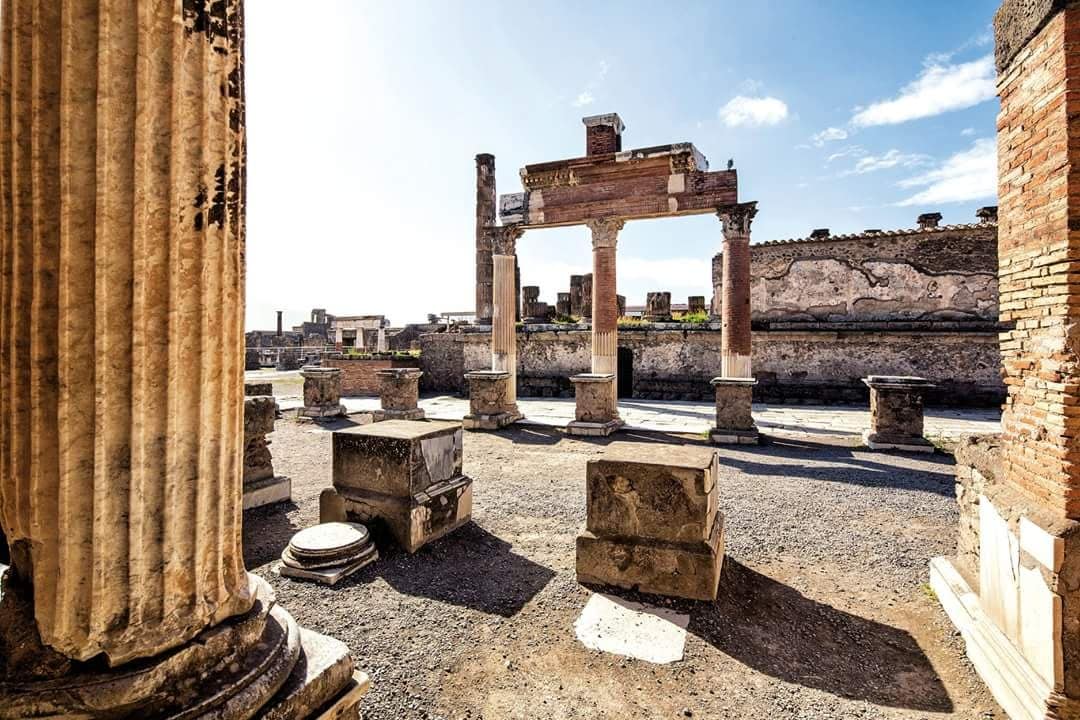
Explore Pompeii with an archaeologist Tkt included
Sat, Jan 31 • 10:30 AM
80045, Pompei, Campania, Italy
View details
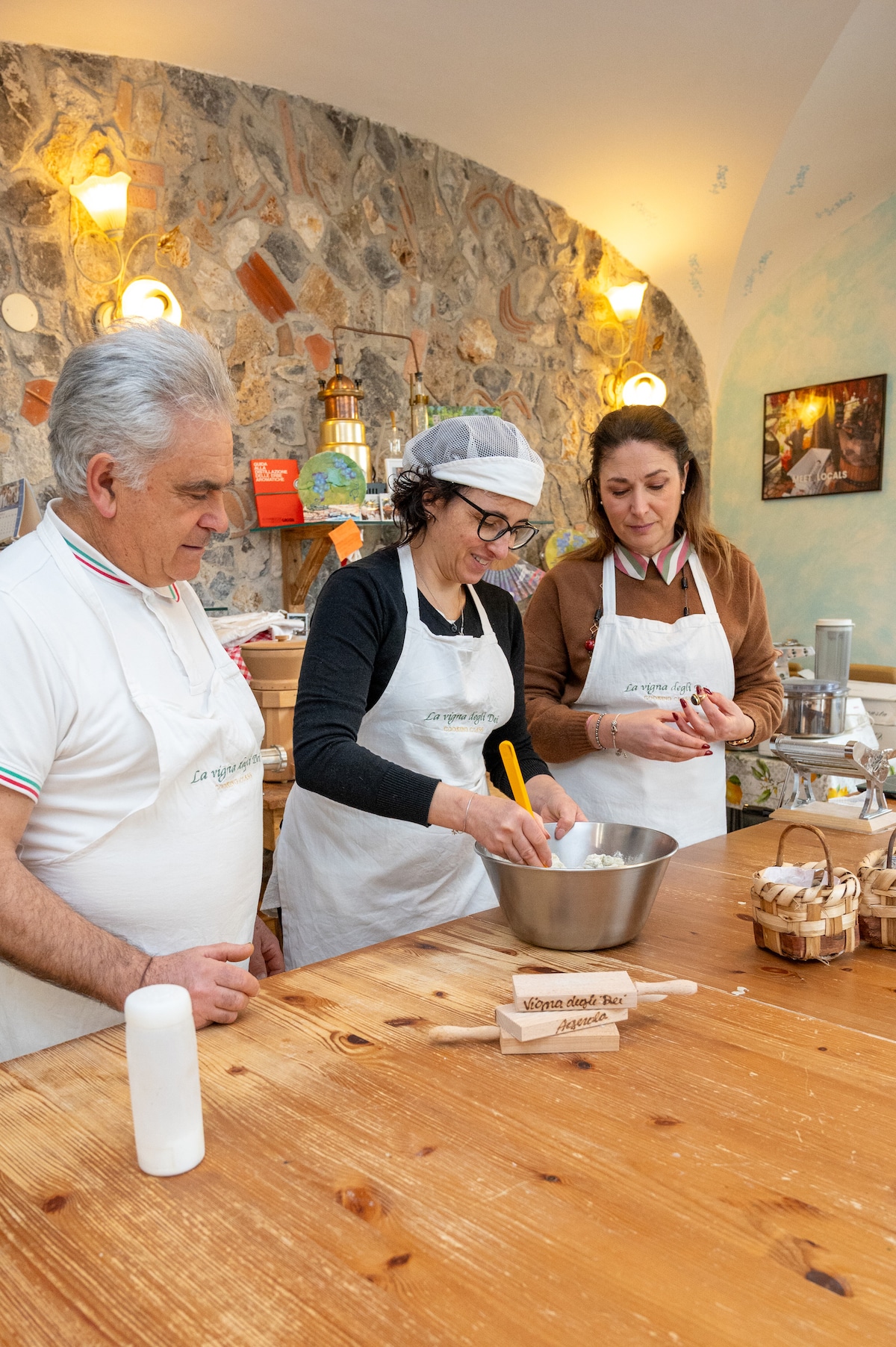
Forage Herbs & Make Grandmas Ravioli Amalfi Coast
Sat, Jan 31 • 12:00 PM
80051, Pianillo, Campania, Italy
View details
Nearby attractions of Provincial Archaeological Museum of Salerno
Cathedral of Santa Maria degli Angeli, San Matteo and San Gregorio VII
Church of the Crucifix
Provincial Art Gallery of Salerno
Diocesan Museum of San Matteo
Church of St. George
Virtual Museum of Salerno's Medical School
Monumental Complex of San Pedro next to Court - Hypogeum and Palatine Chapel
Giardino della Minerva
Villa Comunale di Salerno
Spiaggia di Santa Teresa
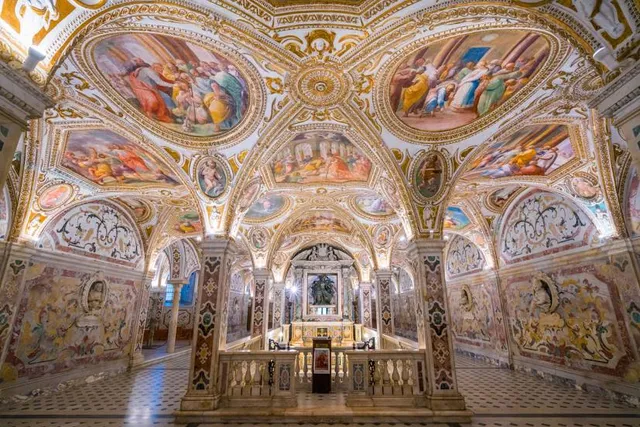
Cathedral of Santa Maria degli Angeli, San Matteo and San Gregorio VII
4.6
(2.8K)
Closed
Click for details
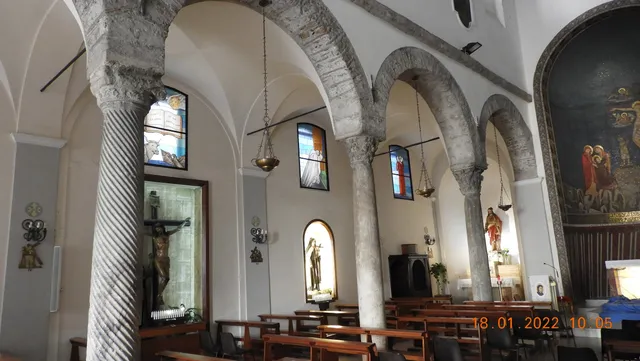
Church of the Crucifix
4.5
(116)
Closed
Click for details
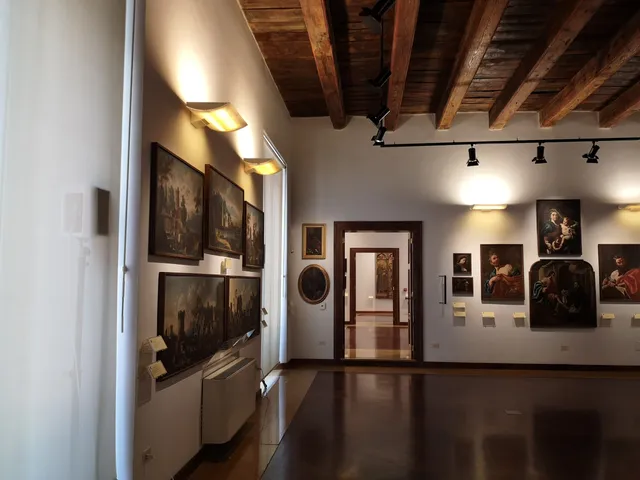
Provincial Art Gallery of Salerno
4.4
(173)
Closed
Click for details
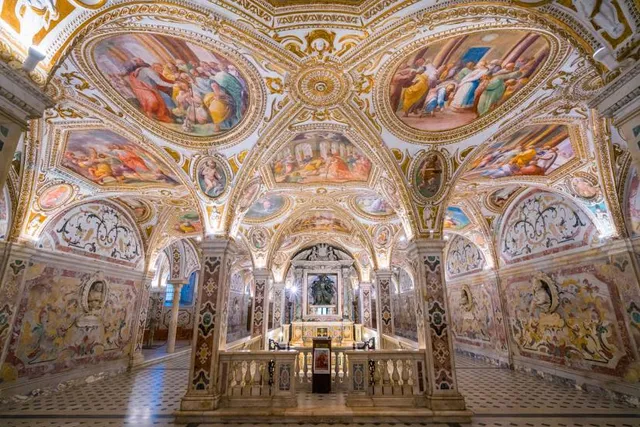
Diocesan Museum of San Matteo
4.5
(257)
Closed
Click for details
Nearby restaurants of Provincial Archaeological Museum of Salerno
Pizzaportafoglio & Fessarie
Whippy--Di Prisco lievitati d' eccellenza
L'Antica Pizzeria da Michele Salerno
La Traversa
Osso Ristorante di Carne
Osteria Angolo Masuccio
Saporito
Cicirinella
Mariterraneo Ristorante di Mare
La Botte Pazza
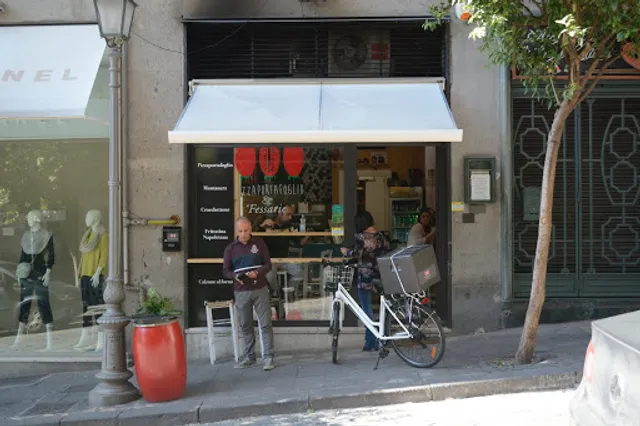
Pizzaportafoglio & Fessarie
4.5
(494)
Open until 12:00 AM
Click for details
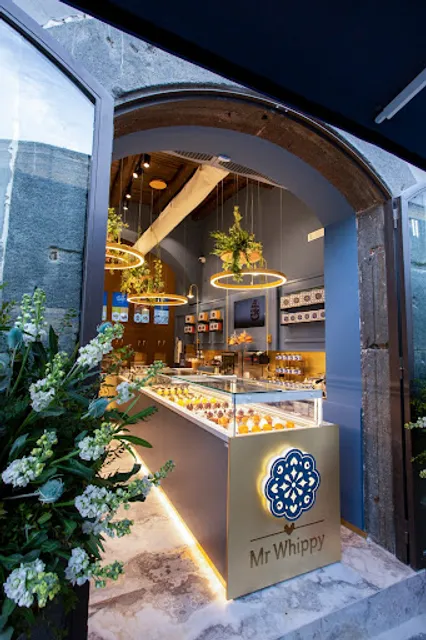
Whippy--Di Prisco lievitati d' eccellenza
4.5
(1.2K)
$$
Open until 1:00 AM
Click for details
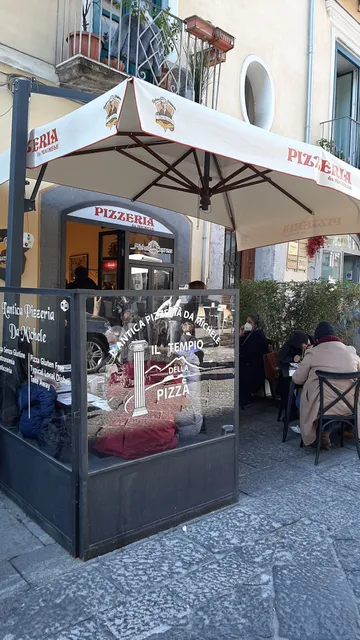
L'Antica Pizzeria da Michele Salerno
4.2
(1.0K)
Open until 12:00 AM
Click for details
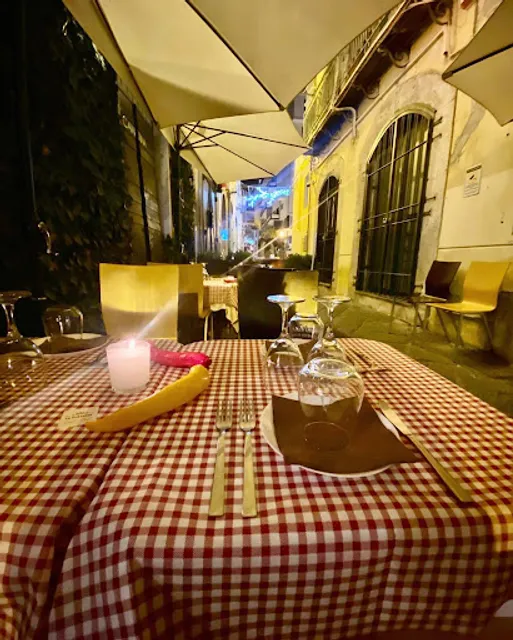
La Traversa
4.7
(669)
Open until 12:00 AM
Click for details
Nearby local services of Provincial Archaeological Museum of Salerno
Vicolo Barriera, 2
Escape Room Salerno
Roman Catholic Archdiocese of Salerno-Campagna-Acerno
Casa Del Parmigiano Di Vezzo Angela
Pescheria Arce
Manzoni Gastronomia
Lavorazione Artigianale Savastano
Arco Catalano
Spiaggia Santa Teresa
La Fabbrica delle Meraviglie
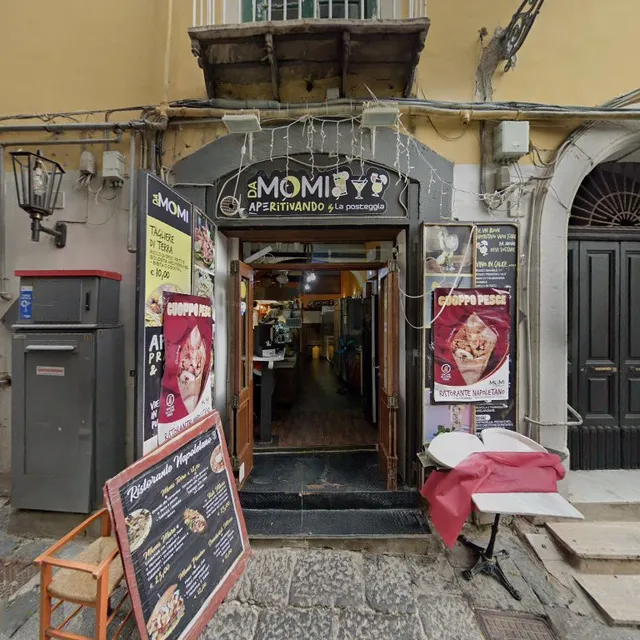
Vicolo Barriera, 2
3.8
(55)
Click for details

Escape Room Salerno
4.7
(133)
Click for details
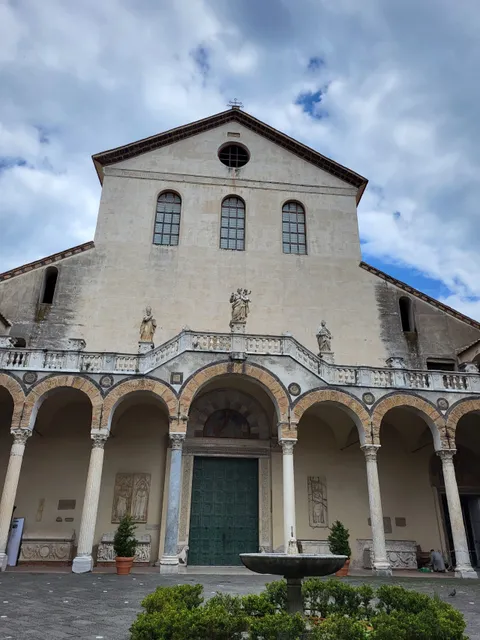
Roman Catholic Archdiocese of Salerno-Campagna-Acerno
4.4
(42)
Click for details
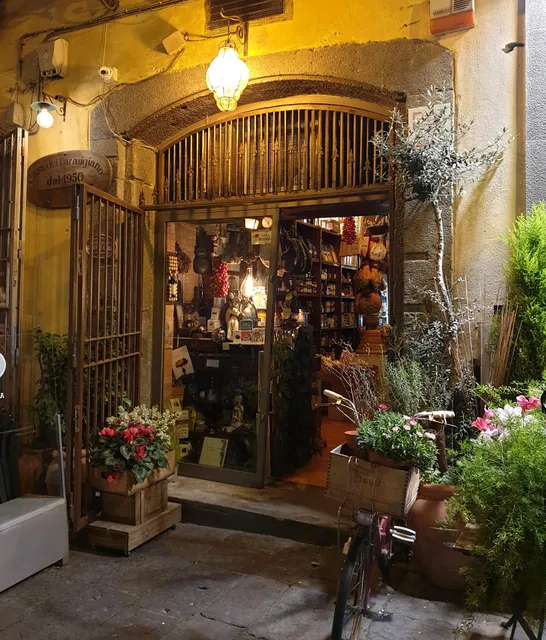
Casa Del Parmigiano Di Vezzo Angela
4.5
(18)
Click for details