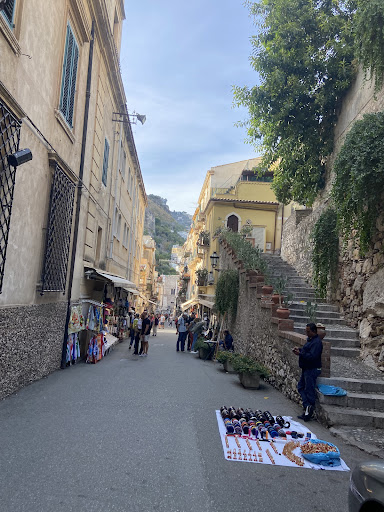
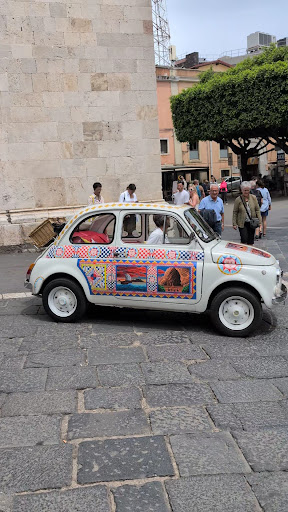
Palazzo Corvaja things to do, attractions, restaurants, events info and trip planning
Basic Info
Palazzo Corvaja
Piazza Vittorio Emanuele II, 98039 Taormina ME, Italy
4.4(499)
Open until 12:00 AM
Save
spot
spot
Ratings & Description
Info
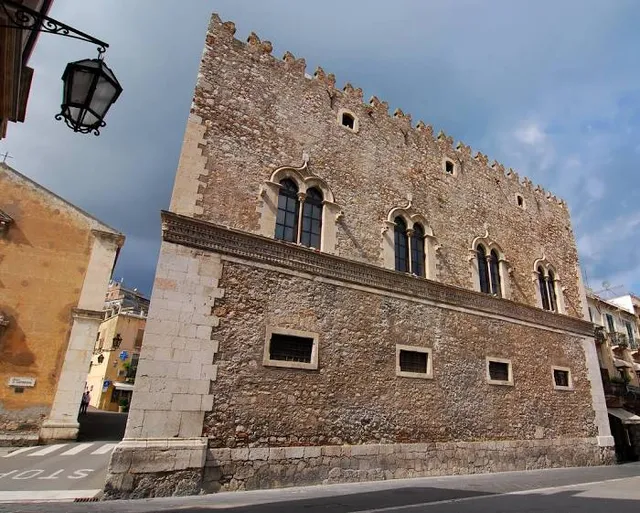
Palazzo Corvaja is a medieval palace in Taormina, Sicily, Italy. It was principally built at the end of the 14th century and is named after one of the oldest and most famous families of Taormina, which owned it from 1538 to 1945.
Cultural
Scenic
Accessibility
Family friendly
attractions: Chiesa di Santa Caterina d'Alessandria, Porta Messina, Roman Odeon, Teatro Antico di Taormina, Parcheggio Lumbi - Taormina, Villa Comunale di Taormina, Naumachia di Taormina, Italian Opera Taormina, Piazza IX Aprile, Chiesa della Madonna della Rocca, restaurants: Ristorante Pizzeria Porta Messina, Bam Bar, Osteria Villa Zuccaro, Licchio's Coffee&food, Ristorante Badia, CAFFÈ FORASTIERO, Don Diego Gelateria Caffetteria, Bar Trinacria Taormina, Trattoria Tutti Cca, Ristorante Pirandello 2.0, local businesses: Porta Messina, Selfcare Taormina - L'ARÔME, Cable Car - Taormina Mazzarò, La Bottega del Formaggio, Taormina Cable Car - Top, Taormina - Mazzaró Cable Car (top), Belvedere di Taormina, Terminal Interbus Taormina, Belvedere di Via Pirandello, SunnySicily
 Learn more insights from Wanderboat AI.
Open hoursSee all hours
WedOpen 24 hoursOpen
Plan your stay

Pet-friendly Hotels in Taormina
Find a cozy hotel nearby and make it a full experience.

Affordable Hotels in Taormina
Find a cozy hotel nearby and make it a full experience.

The Coolest Hotels You Haven't Heard Of (Yet)
Find a cozy hotel nearby and make it a full experience.

Trending Stays Worth the Hype in Taormina
Find a cozy hotel nearby and make it a full experience.
Reviews
Live events

Explore Etna with a local guide
Thu, Feb 26 • 8:30 AM
98039, Villagonia, Sicily, Italy
View details
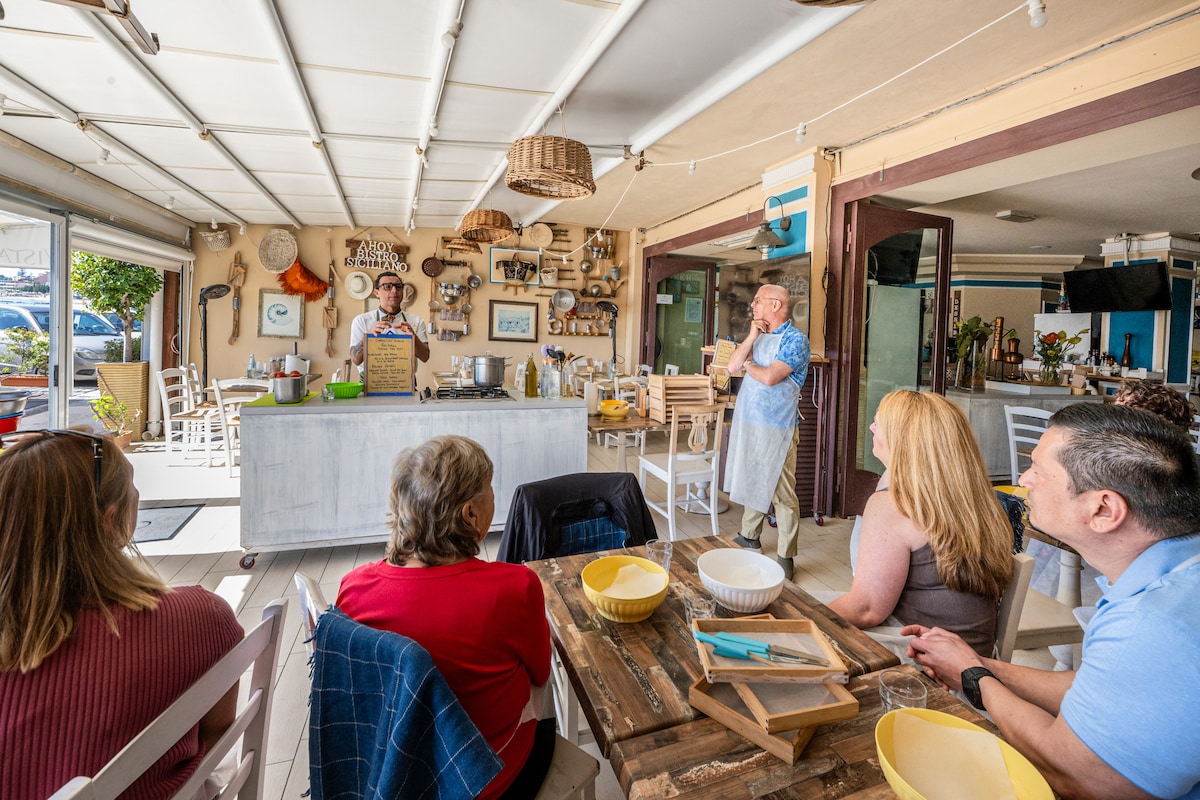
Seaview Cooking Class & Taormina local flavors
Wed, Feb 25 • 10:00 AM
98039, Taormina, Sicily, Italy
View details
Nearby attractions of Palazzo Corvaja
Chiesa di Santa Caterina d'Alessandria
Porta Messina
Roman Odeon
Teatro Antico di Taormina
Parcheggio Lumbi - Taormina
Villa Comunale di Taormina
Naumachia di Taormina
Italian Opera Taormina
Piazza IX Aprile
Chiesa della Madonna della Rocca
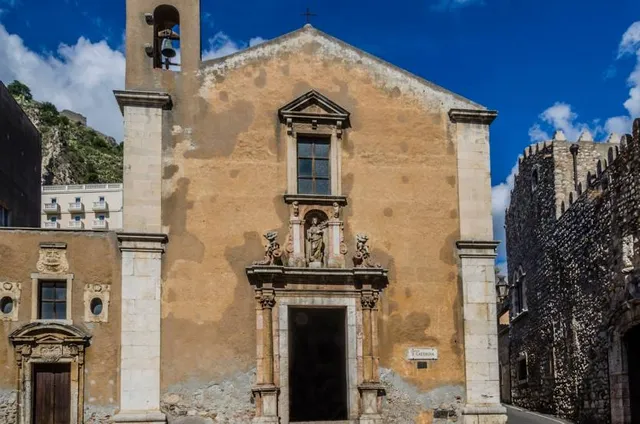
Chiesa di Santa Caterina d'Alessandria
4.5
(196)
Open 24 hours
Click for details
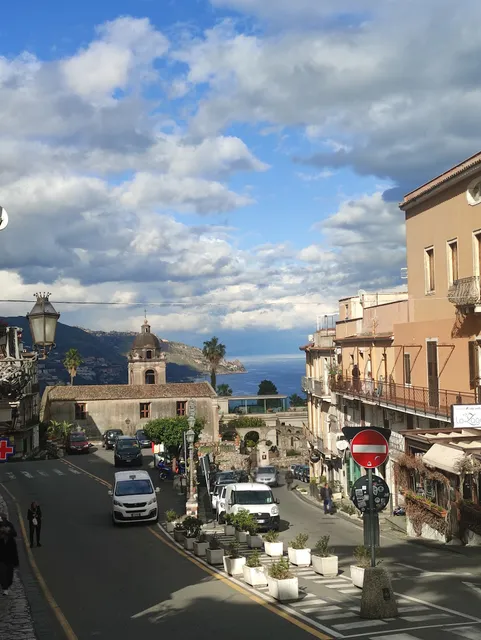
Porta Messina
4.6
(352)
Open 24 hours
Click for details
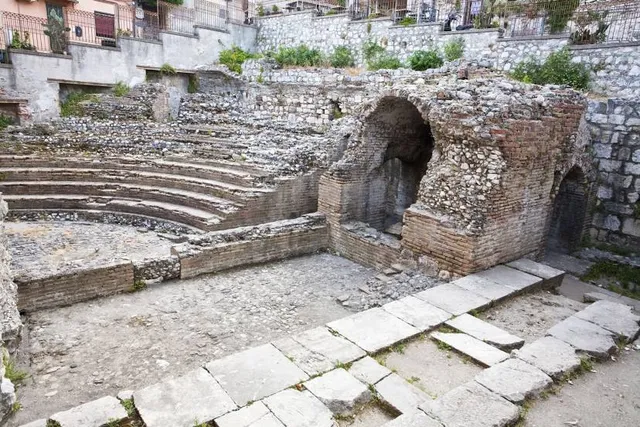
Roman Odeon
4.4
(194)
Open until 7:00 PM
Click for details
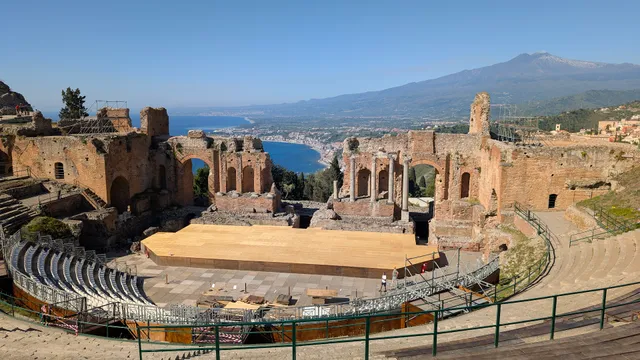
Teatro Antico di Taormina
4.6
(14.1K)
Open 24 hours
Click for details
Nearby restaurants of Palazzo Corvaja
Ristorante Pizzeria Porta Messina
Bam Bar
Osteria Villa Zuccaro
Licchio's Coffee&food
Ristorante Badia
CAFFÈ FORASTIERO
Don Diego Gelateria Caffetteria
Bar Trinacria Taormina
Trattoria Tutti Cca
Ristorante Pirandello 2.0
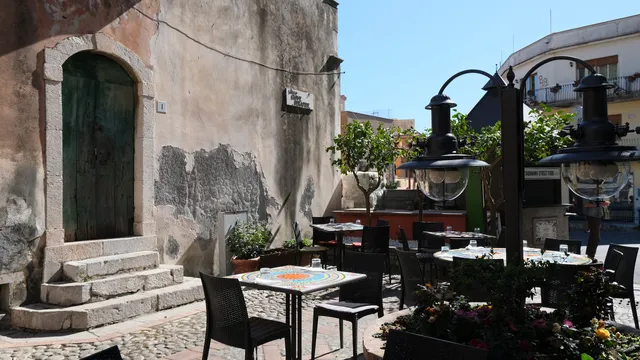
Ristorante Pizzeria Porta Messina
4.7
(4.3K)
Click for details
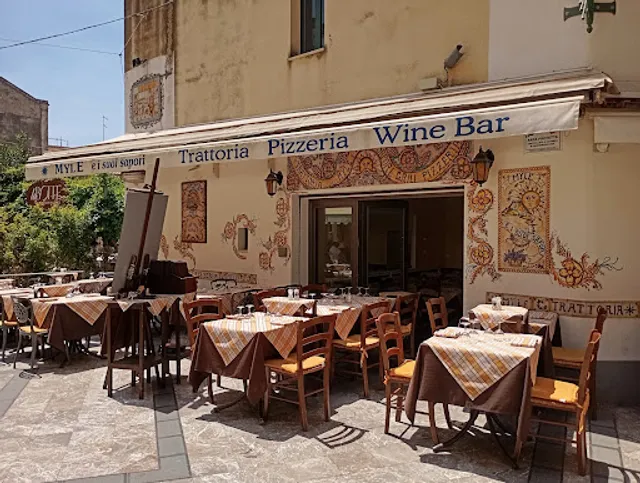
Bam Bar
4.5
(3.8K)
Click for details
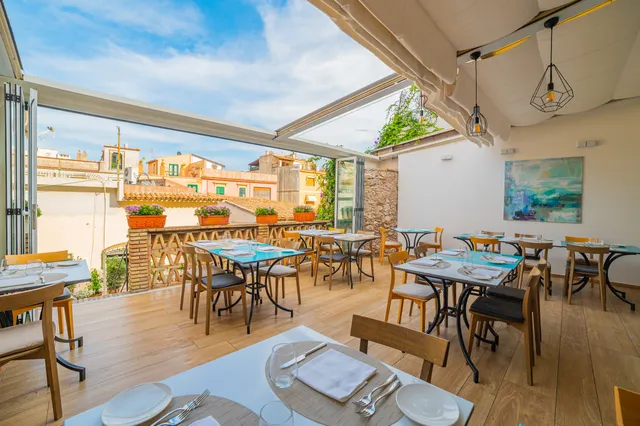
Osteria Villa Zuccaro
4.5
(1.1K)
$$
Closed
Click for details
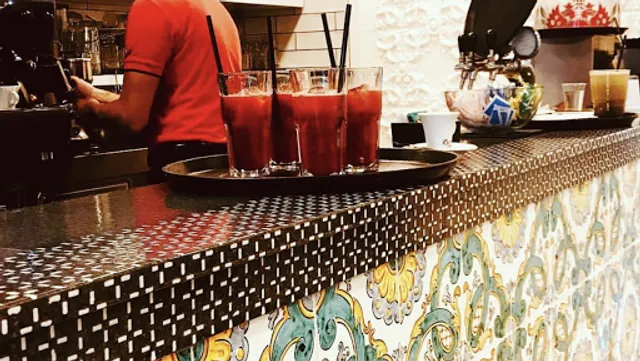
Licchio's Coffee&food
4.2
(728)
Open until 12:00 AM
Click for details
Nearby local services of Palazzo Corvaja
Porta Messina
Selfcare Taormina - L'ARÔME
Cable Car - Taormina Mazzarò
La Bottega del Formaggio
Taormina Cable Car - Top
Taormina - Mazzaró Cable Car (top)
Belvedere di Taormina
Terminal Interbus Taormina
Belvedere di Via Pirandello
SunnySicily
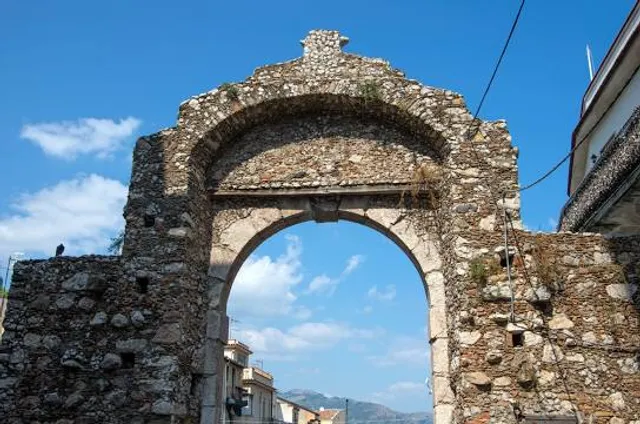
Porta Messina
4.5
(86)
Click for details
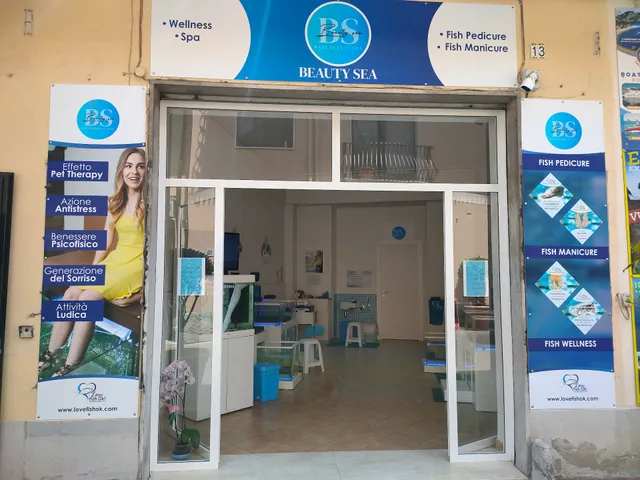
Selfcare Taormina - L'ARÔME
4.9
(107)
Click for details
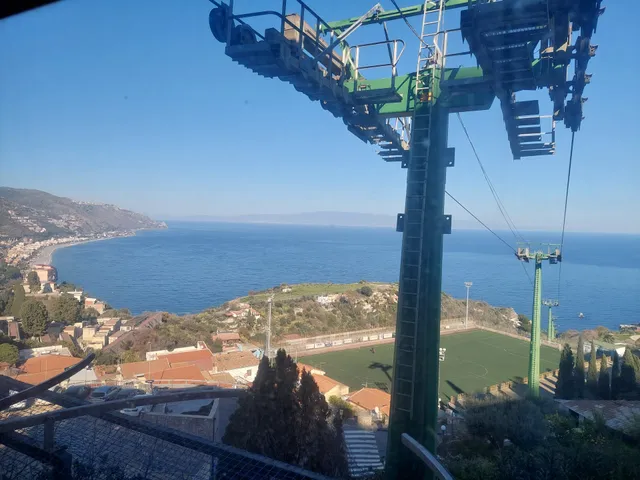
Cable Car - Taormina Mazzarò
4.2
(533)
Click for details
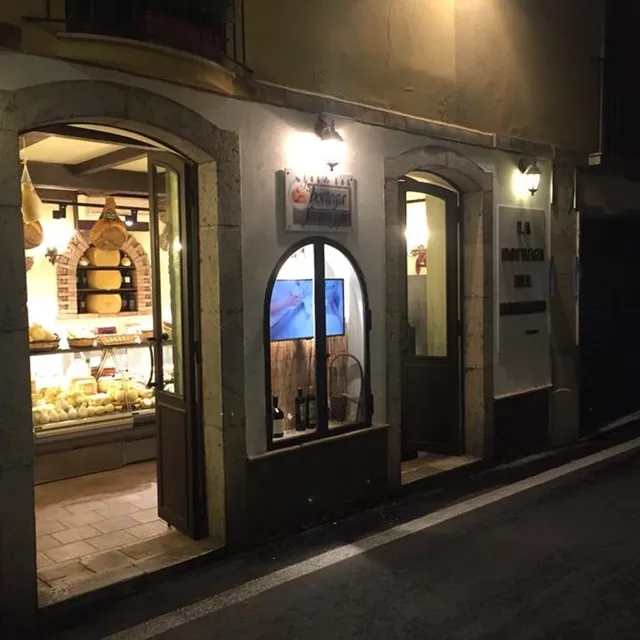
La Bottega del Formaggio
4.8
(329)
Click for details