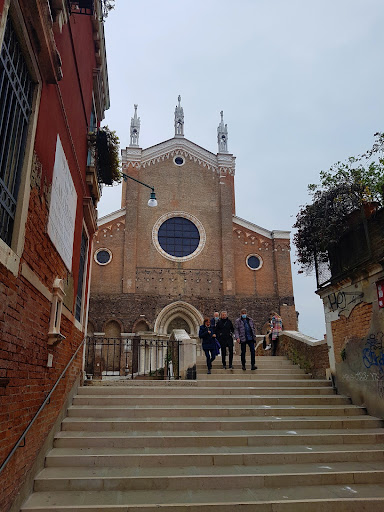
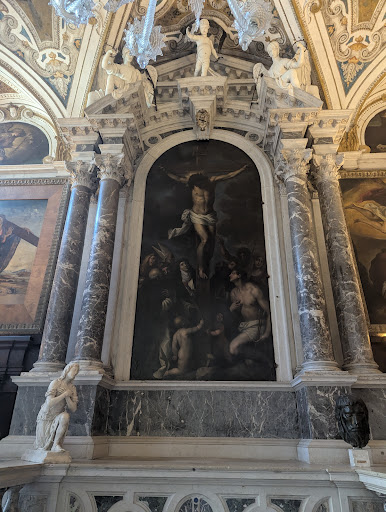
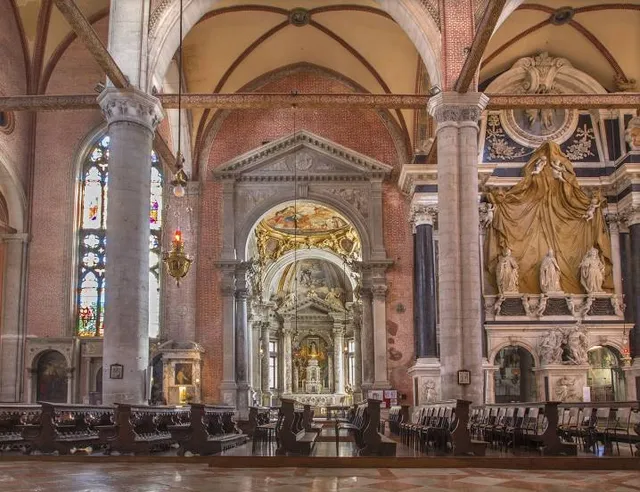
Basilica dei Santi Giovanni e Paolo things to do, attractions, restaurants, events info and trip planning
Basic Info
Basilica dei Santi Giovanni e Paolo
Campo S.S. Giovanni e Paolo, 6363, 30122 Venezia VE, Italy
4.7(2.1K)
Closed

tickets
Save
spot
spot
Ratings & Description
Info
Cultural
Accessibility
attractions: Equestrian statue of Bartolomeo Colleoni, Church of Saint Mary of Miracles, Rialto Bridge, Parrocchia di Santa Maria Formosa, Museo di Palazzo Grimani, Stefan Nedialkov Popdimitrov, Chiesa di Santa Maria dei Derelitti, Piazza San Marco, Palazzo Soranzo Van Axel, Fondazione Querini Stampalia, restaurants: 6342 A Le Tole Spaghetteria Pizzeria, Ristorante Hostaria al Cavallo pizza e cicchetti, Rosa Salva - Sts. John and Paul, Osteria al Ponte, 6342 Alla Corte Ristorante, Ai Do Archi Venezia, Osteria Da nico, Osteria Da Alberto, Osteria Alla Staffa, Fusion Puppa, local businesses: Libreria Acqua Alta, Librairie Acqua Alta, Escuela Grande de San Marcos, Cloud Factory Vape Shop, Church of Saint Mary of Miracles Venice, Pasticceria Dal Conte, Chiesa Parrocchiale di Santa Maria Formosa, L'albero Venezia, Palazzo Tetta, St. Mark's Square
 Learn more insights from Wanderboat AI.
Phone
+39 041 523 5913
Website
santigiovanniepaolo.it
Open hoursSee all hours
Sun12 - 6 PMClosed
Plan your stay

Pet-friendly Hotels in Venice
Find a cozy hotel nearby and make it a full experience.

Affordable Hotels in Venice
Find a cozy hotel nearby and make it a full experience.

The Coolest Hotels You Haven't Heard Of (Yet)
Find a cozy hotel nearby and make it a full experience.

Trending Stays Worth the Hype in Venice
Find a cozy hotel nearby and make it a full experience.
Reviews
Live events
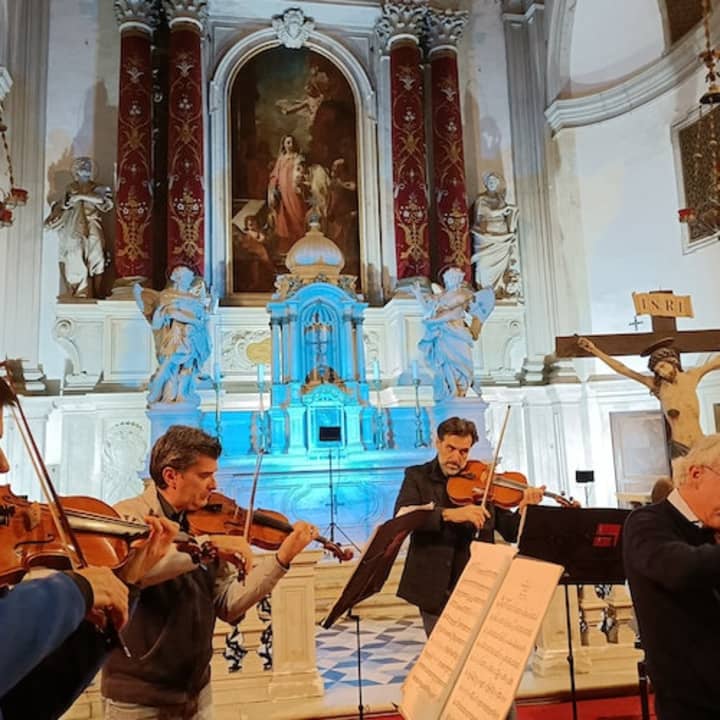
Chiesa di Venezia di Vivaldi: Concerto Le Quattro Stagioni di Vivaldi
Mon, Feb 9 • 7:00 PM
Piazza San Marco, Venezia, 30124
View details

STELLAR-PARTY
Thu, Feb 12 • 7:00 PM
45 Via Fratelli Bandiera, 30175 Venezia
View details

OGNI VENERDI ANDA VENICE HOSTEL - FREE ENTRY
Fri, Feb 13 • 10:00 PM
10 Via Ortigara, 30171 Mestre
View details
Nearby attractions of Basilica dei Santi Giovanni e Paolo
Equestrian statue of Bartolomeo Colleoni
Church of Saint Mary of Miracles
Rialto Bridge
Parrocchia di Santa Maria Formosa
Museo di Palazzo Grimani
Stefan Nedialkov Popdimitrov
Chiesa di Santa Maria dei Derelitti
Piazza San Marco
Palazzo Soranzo Van Axel
Fondazione Querini Stampalia
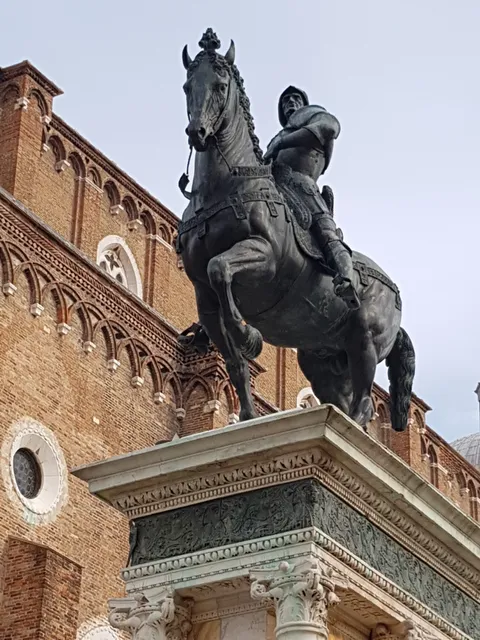
Equestrian statue of Bartolomeo Colleoni
4.5
(120)
Open until 12:00 AM
Click for details
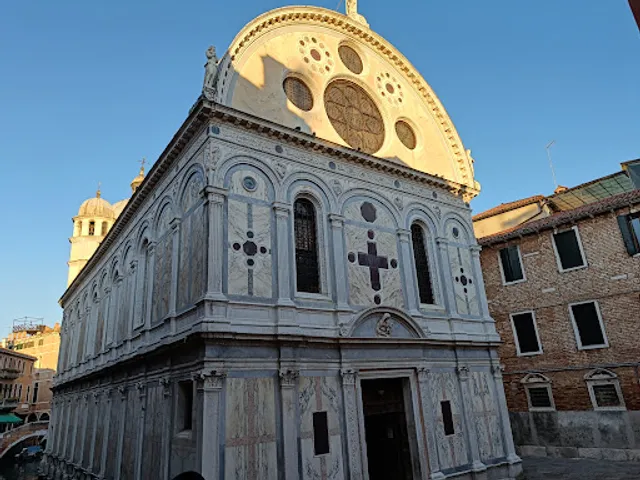
Church of Saint Mary of Miracles
4.6
(983)
Open until 12:00 AM
Click for details
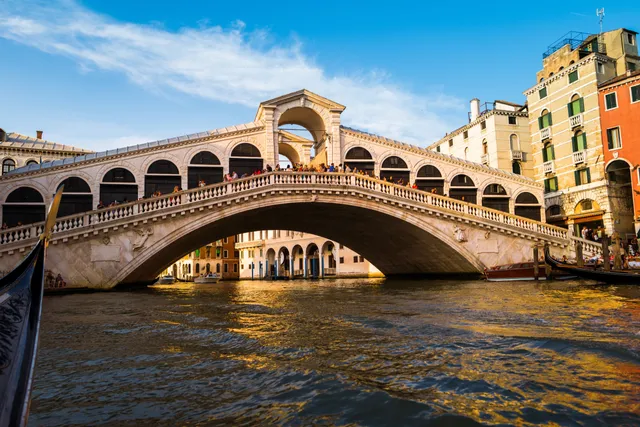
Rialto Bridge
4.7
(58.7K)
Open 24 hours
Click for details
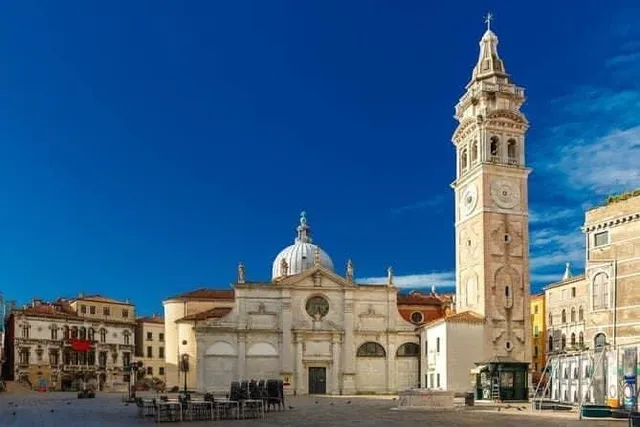
Parrocchia di Santa Maria Formosa
4.6
(947)
Closed
Click for details
Nearby restaurants of Basilica dei Santi Giovanni e Paolo
6342 A Le Tole Spaghetteria Pizzeria
Ristorante Hostaria al Cavallo pizza e cicchetti
Rosa Salva - Sts. John and Paul
Osteria al Ponte
6342 Alla Corte Ristorante
Ai Do Archi Venezia
Osteria Da nico
Osteria Da Alberto
Osteria Alla Staffa
Fusion Puppa
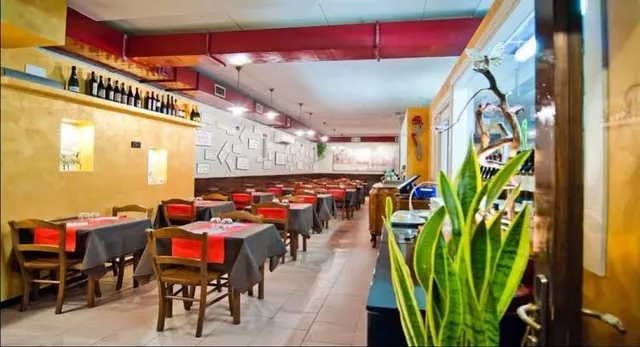
6342 A Le Tole Spaghetteria Pizzeria
4.5
(1.5K)
Open until 12:00 AM
Click for details
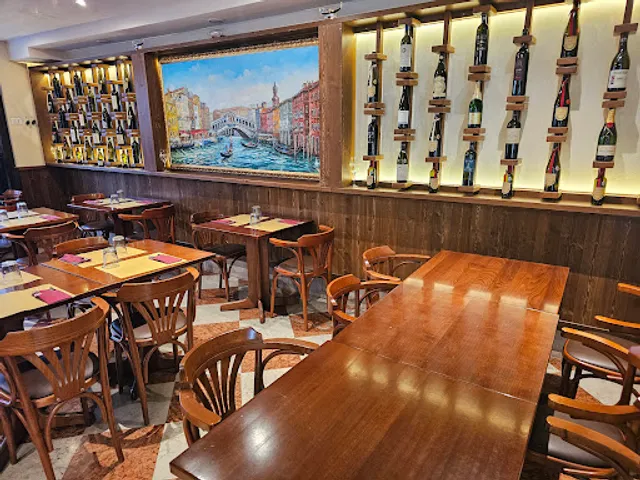
Ristorante Hostaria al Cavallo pizza e cicchetti
4.6
(597)
Open until 12:00 AM
Click for details
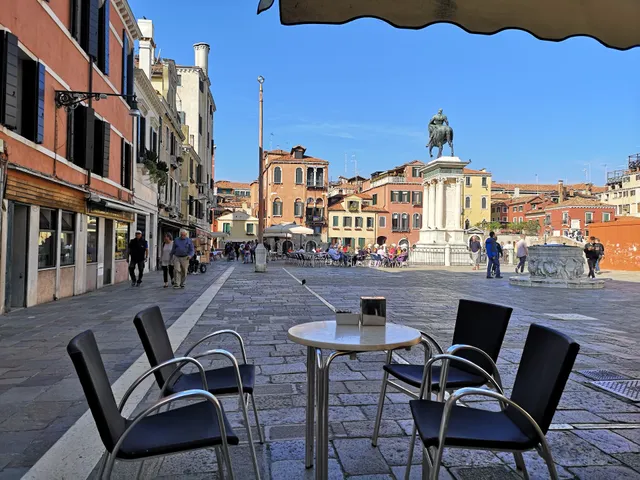
Rosa Salva - Sts. John and Paul
3.8
(555)
$$
Closed
Click for details
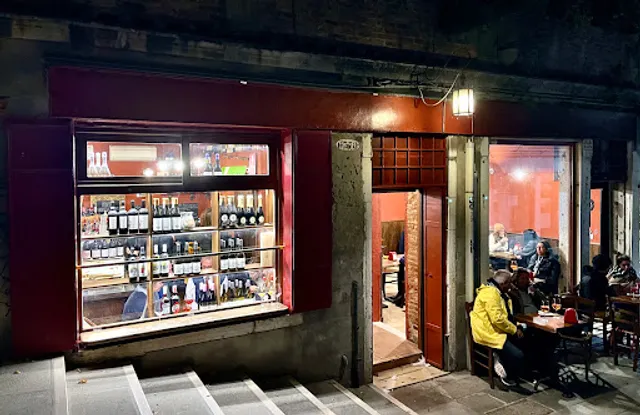
Osteria al Ponte
4.6
(543)
Closed
Click for details
Nearby local services of Basilica dei Santi Giovanni e Paolo
Libreria Acqua Alta
Librairie Acqua Alta
Escuela Grande de San Marcos
Cloud Factory Vape Shop
Church of Saint Mary of Miracles Venice
Pasticceria Dal Conte
Chiesa Parrocchiale di Santa Maria Formosa
L'albero Venezia
Palazzo Tetta
St. Mark's Square
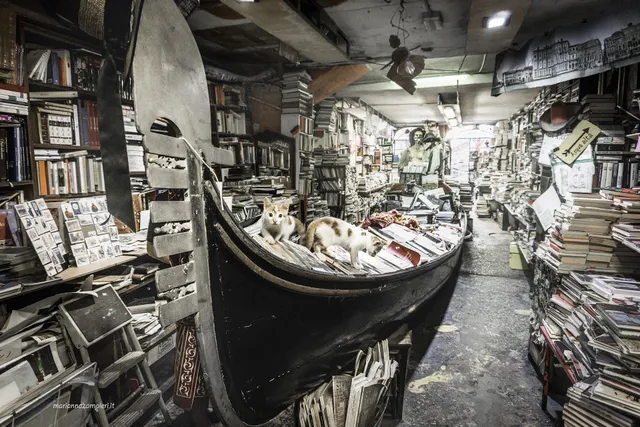
Libreria Acqua Alta
4.4
(11.6K)
Click for details

Librairie Acqua Alta
4.5
(8.7K)
Click for details
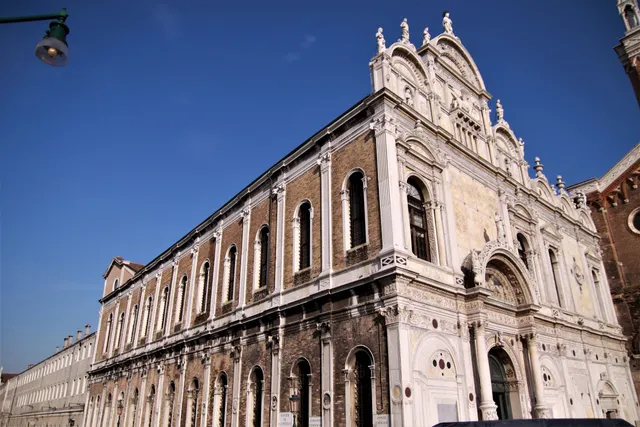
Escuela Grande de San Marcos
4.7
(148)
Click for details

Cloud Factory Vape Shop
5.0
(138)
Click for details