HTML SitemapExplore
logo
Find Things to DoFind The Best Restaurants

Parrocchia di Santa Maria Formosa — Attraction in Venice

Name
Parrocchia di Santa Maria Formosa
Description
Nearby attractions
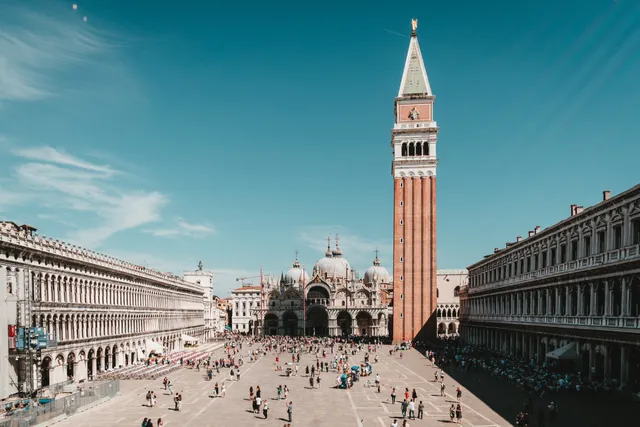
Piazza San Marco
P.za San Marco, 30100 Venezia VE, Italy
Rialto Bridge
30125 Venice, Metropolitan City of Venice, Italy
Museo di Palazzo Grimani
Rugagiuffa, 4858, 30122 Venezia VE, Italy
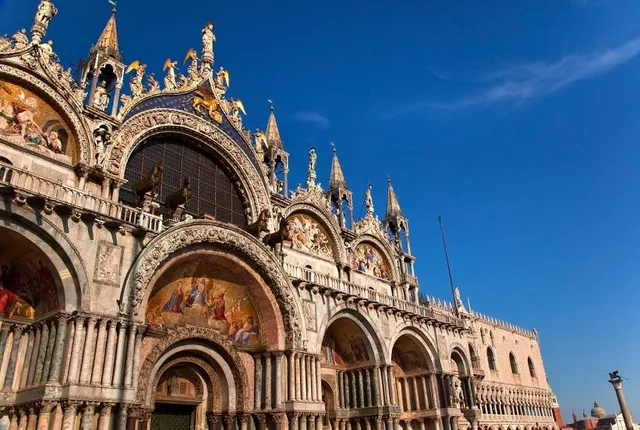
Saint Mark's Basilica
P.za San Marco, 328, 30100 Venezia VE, Italy
Fondazione Querini Stampalia
Campiello Santa Maria Formosa, 5252, 30122 Venezia VE, Italy
Bridge of Sighs
30124 Venice, Metropolitan City of Venice, Italy
Doge's Palace
P.za San Marco, 1, 30124 Venezia VE, Italy
Basilica dei Santi Giovanni e Paolo
Campo S.S. Giovanni e Paolo, 6363, 30122 Venezia VE, Italy
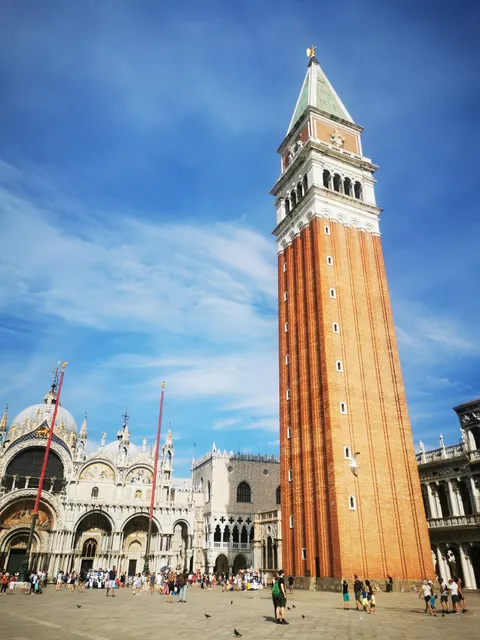
St Mark's Campanile
P.za San Marco, 30124 Venezia VE, Italy
Church of Saint Mary of Miracles
Campiello dei Miracoli, 30121 Venezia VE, Italy
Nearby restaurants
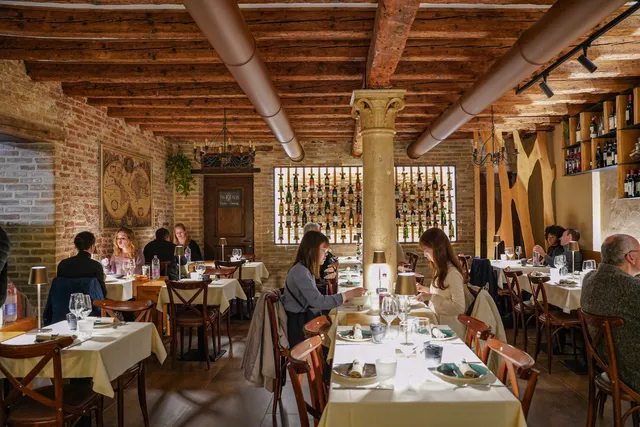
Ristorante Santa Maria Formosa
Campiello Santa Maria Formosa, 5245, 30122 Venezia VE, Italy
Trattoria Da Gigi
Salizada S. Lio, 5410, 30122 Venezia VE, Italy
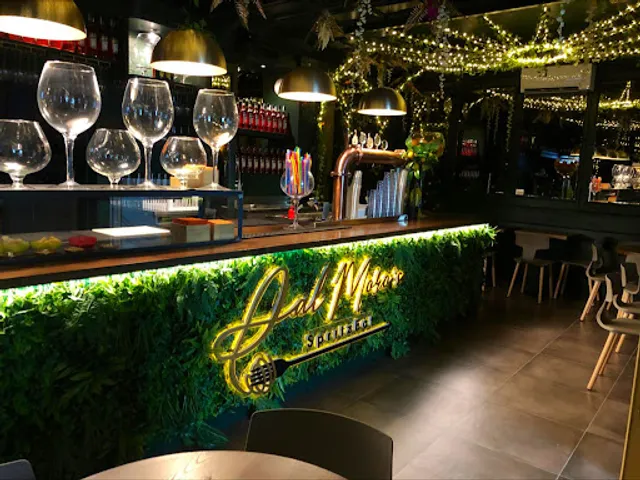
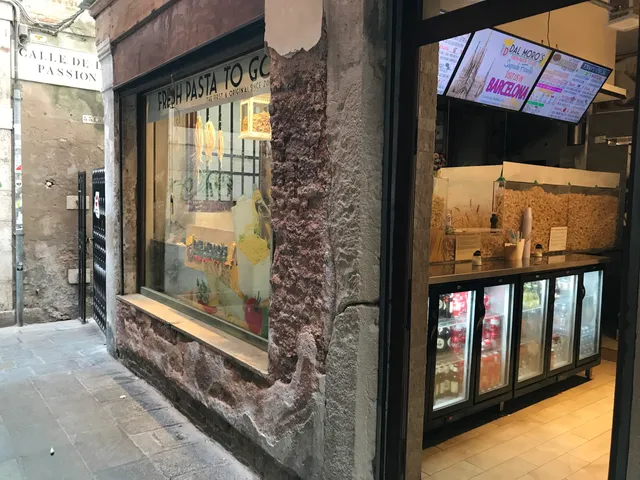
Dal Moro's Venice | Fresh Pasta Restaurant
Rugagiuffa, 4864, 30122 Venezia VE, Italy
Dal Moro's
Calle de la Casseleria, 5324, 30122 Venezia VE, Italy
Ristorante Da Carletto
Calle de le Bande, 5272, 30122 Venezia VE, Italy
Pizzeria Birreria Barbanera
Calle al Ponte de la Guerra, 5356, 30122 Venezia VE, Italy
Ristorante Mondo Novo
Salizada S. Lio, 5409, 30122 Venezia VE, Italy
Ristorante ai Barbacani
C. del Paradiso, 5746, 30122 Venezia VE, Italy
Pasta & Pasta
Calle de le Bande, 5374, 30122 Venezia VE, Italy
Rossopomodoro San Marco
Calle Larga S. Marco, 404/408, 30124 Venezia VE, Italy
Related posts
Keywords
Parrocchia di Santa Maria Formosa tourism.Parrocchia di Santa Maria Formosa hotels.Parrocchia di Santa Maria Formosa bed and breakfast. flights to Parrocchia di Santa Maria Formosa.Parrocchia di Santa Maria Formosa attractions.Parrocchia di Santa Maria Formosa restaurants.Parrocchia di Santa Maria Formosa travel.Parrocchia di Santa Maria Formosa travel guide.Parrocchia di Santa Maria Formosa travel blog.Parrocchia di Santa Maria Formosa pictures.Parrocchia di Santa Maria Formosa photos.Parrocchia di Santa Maria Formosa travel tips.Parrocchia di Santa Maria Formosa maps.Parrocchia di Santa Maria Formosa things to do.
Parrocchia di Santa Maria Formosa things to do, attractions, restaurants, events info and trip planning
Parrocchia di Santa Maria Formosa
ItalyVenetoVeniceParrocchia di Santa Maria Formosa

Basic Info

Parrocchia di Santa Maria Formosa

Calle Seconda de la Fava, 5263, 30122 Venezia VE, Italy
4.6(934)
Open 24 hours
Save
spot

Ratings & Description

Info

Cultural
Scenic
Family friendly
Accessibility
attractions: Piazza San Marco, Rialto Bridge, Museo di Palazzo Grimani, Saint Mark's Basilica, Fondazione Querini Stampalia, Bridge of Sighs, Doge's Palace, Basilica dei Santi Giovanni e Paolo, St Mark's Campanile, Church of Saint Mary of Miracles, restaurants: Ristorante Santa Maria Formosa, Trattoria Da Gigi, Dal Moro's Venice | Fresh Pasta Restaurant, Dal Moro's, Ristorante Da Carletto, Pizzeria Birreria Barbanera, Ristorante Mondo Novo, Ristorante ai Barbacani, Pasta & Pasta, Rossopomodoro San Marco
logoLearn more insights from Wanderboat AI.
Phone
+39 041 523 4645
Website
santamariaformosa.it

Plan your stay

hotel
Pet-friendly Hotels in Venice
Find a cozy hotel nearby and make it a full experience.

hotel
Affordable Hotels in Venice
Find a cozy hotel nearby and make it a full experience.

hotel
The Coolest Hotels You Haven't Heard Of (Yet)
Find a cozy hotel nearby and make it a full experience.

hotel
Trending Stays Worth the Hype in Venice
Find a cozy hotel nearby and make it a full experience.

Reviews

Nearby attractions of Parrocchia di Santa Maria Formosa

Piazza San Marco

Rialto Bridge

Museo di Palazzo Grimani

Saint Mark's Basilica

Fondazione Querini Stampalia

Bridge of Sighs

Doge's Palace

Basilica dei Santi Giovanni e Paolo

St Mark's Campanile

Church of Saint Mary of Miracles

Piazza San Marco

Piazza San Marco

4.7

(56.9K)

Open 24 hours
Click for details
Rialto Bridge

Rialto Bridge

4.7

(56K)

Open 24 hours
Click for details
Museo di Palazzo Grimani

Museo di Palazzo Grimani

4.6

(728)

Open 24 hours
Click for details
Saint Mark's Basilica

Saint Mark's Basilica

4.7

(10K)

Open 24 hours
Click for details

Things to do nearby

Legends, Ghosts and Ghouls of Venice
Thu, Dec 4 • 9:00 PM
30121, Venice, Veneto, Italy
View details
Visit and learn about Murano glass
Thu, Dec 4 • 10:00 PM
30122, Venice, Veneto, Italy
View details
Explore the lagoon and secret islands by kayak
Fri, Dec 5 • 2:30 PM
30142, Venice, Veneto, Italy
View details

Nearby restaurants of Parrocchia di Santa Maria Formosa

Ristorante Santa Maria Formosa

Trattoria Da Gigi

Dal Moro's Venice | Fresh Pasta Restaurant

Dal Moro's

Ristorante Da Carletto

Pizzeria Birreria Barbanera

Ristorante Mondo Novo

Ristorante ai Barbacani

Pasta & Pasta

Rossopomodoro San Marco

Ristorante Santa Maria Formosa

Ristorante Santa Maria Formosa

4.6

(1.8K)

$$

Click for details
Trattoria Da Gigi

Trattoria Da Gigi

4.5

(2.1K)

Click for details
Dal Moro's Venice | Fresh Pasta Restaurant

Dal Moro's Venice | Fresh Pasta Restaurant

4.8

(2.3K)

Click for details
Dal Moro's

Dal Moro's

4.6

(5.8K)

Click for details
Get the Appoverlay
Get the AppOne tap to find yournext favorite spots!
Wanderboat LogoWanderboat

Your everyday Al companion for getaway ideas

CompanyAbout Us
InformationAI Trip PlannerSitemap
SocialXInstagramTiktokLinkedin
LegalTerms of ServicePrivacy Policy

Get the app

© 2025 Wanderboat. All rights reserved.
logo

Reviews of Parrocchia di Santa Maria Formosa

4.6
(934)
avatar
5.0
4y

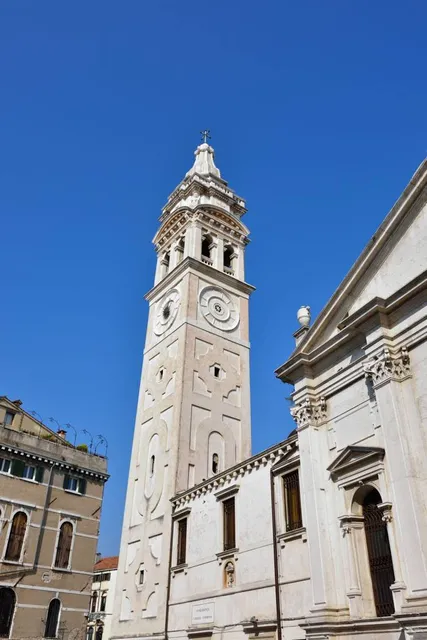
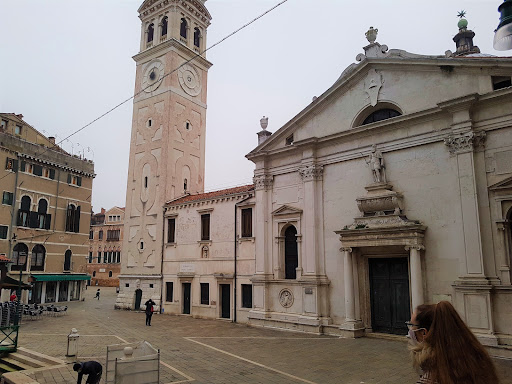
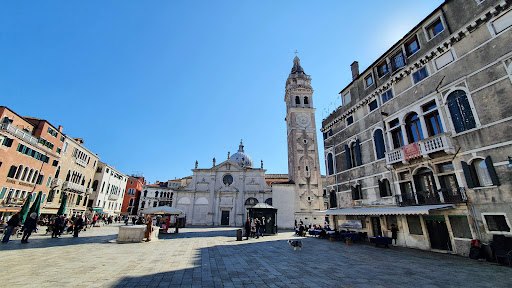
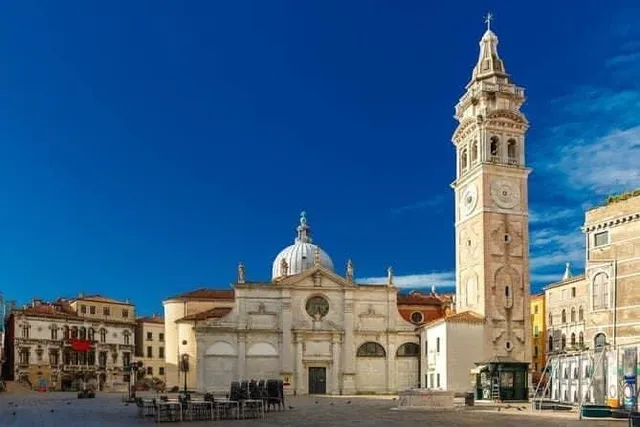
The church of Santa Maria Formosa built in 1492, is Mauro Codussi's architectural masterpiece and marks the introduction of the full spatial vision embodied in the Tuscan Renaissance in Venice. The Latin-cross layout, with central nave and two side aisles, respects the foundations of the original 7th-century church which, according to tradition, was one of the eight founded by San Magno, bishop of Oderzo. The name "formosa" ( in latin "beautiful") relates to an alleged appearance of the Holy Virgin disguised as a voluptuous woman. The church is partially maintaining the visibility of the remaking from the 9th-century during which the church enriched with the cupola and a Greek-cross layout. For the external façades, commissioned by the Cappello family, two different styles were chosen, the classical-style façade giving onto the Canal, built in 1542, and the Baroque façade giving onto the small campo in 1604. The interior of the church is beautiful and richly decorated with many magnificent works by famous masters of painting and sculpture. One of the works of art in the church which should not be missed is the "Saint Barbara Polyptych" by Jacopo Palma il Vecchio (1523 ca.), located in the chapel of the Scuola dei Bombardieri, the piece of art that first gave recognization to the artist's name within the city. Opposite it, hangs Leandro Bassano's sombre "Last Supper" (end of the XVI century), whilst in the chapel of the Conception we are find the famous "Triptych of Virgin Mary of Mercy" (1473), which reveals the clear influence of the Mantegna style on Murano artist Bartolomeo Vivarini. While in the Oratory we were delighted with the painting “The Madonna with Child and St. Dominic” by Giambattista Tiepolo...

   Read more
avatar
5.0
3y

Nagyon szép templom!

The Venetian term “mascaron” indicates stone figures with monstrous and grotesque features, inserted on the keystones of portals, wells or bridges, for ornamental and superstitious use. The ancient function of the “mascarons” with frightening sneers or monstrous features, half human and half beast, carved in the facades of palaces and churches, was to scare away the evil demons or even the devil. In particular, the sacred places were equipped with stone guardians often placed near the bell towers so that they could guard against the evil presences that, attracted by the sound of the bells, would create havoc among the population. One of the most famous mascarons is certainly the one that decorates the entrance portal of the bell tower of Santa Maria Formosa, known as “El Mascaron”. Its purpose was to frighten the devil but surely it succeeded in scaring the English writer John Ruskin, author of the beautiful book “The Stones of Venice”, who described it in this way: “a head – huge, inhuman and monstrous – leering in bestial degradation, too foul to be either pictured or described, or to be beheld for more than an instant…..” “El Mascaron” at first sight is undoubtedly impressive. Observing with care the traits of the monstrosity, in the end the thought runs more towards the terrible malformation that struck this unfortunate person, rather than to a form of wickedness where the external ugliness plays to raise the sense of terror. Isn’t it true that behind such inclemency on the part of “Mother Nature” hid the purity and the soul’s generosity of Quasimodo? Curiosity: even now in Venice, when you see a woman using too much make-up, so much so that she looks like a mask, you say “par...

   Read more
avatar
5.0
1y

Nota come Santa Maria Formosa, la chiesa della purificazione di Maria occupa una vasta porzione dell'estesissimo omonimo campo, potendo offrire allo sguardo dei viandanti veneziani e non due eleganti facciate realizzate in stili affatto diversi tra loro e un bel campanile che svetta imperioso verso l'azzurro cielo. L'interno, la cui visita costituisce gioia e gaudio artistico per gli amanti delle decorazioni pittoriche in cui il sacro è eletto a motivo di elevato sentimento religioso, costituisce uno dei maggiori vanti per l'associazione Chorus che ne cura la fruibilità per tutti coloro che amano le chiese veneziane. Il viandante di turno resta folgorato in estasiata ammirazione del polittico di Palma il vecchio le cui sei figure sono racchiuse all'interno di una monumentale struttura marmorea. Il quattrocentesco trittico del Vivarini che narra le storie della Vergine con al centro raffigurata la Madonna della misericordia, costituisce uno dei massimi vertici pittorici dell'artista muranese. L'ultima cena di Leandro Bassano fa della circolarità della composizione pittorica la forma in cui ruota l'intera azione convergente verso il centro. Il viandante, apparentemente pago di una visione superficiale delle opere d'arte, completa il giro delle cappelle rinnovando gli sguardi sul colore accesso che gli artisti hanno inteso profondere sulle composizioni. Poiché il fine dell'artista è accendere una piccola fiamma in colui che ammira...

   Read more
Page 1 of 7
Previous
Next

Posts

Asiyah Noemi KosoAsiyah Noemi Koso
The church of Santa Maria Formosa built in 1492, is Mauro Codussi's architectural masterpiece and marks the introduction of the full spatial vision embodied in the Tuscan Renaissance in Venice. The Latin-cross layout, with central nave and two side aisles, respects the foundations of the original 7th-century church which, according to tradition, was one of the eight founded by San Magno, bishop of Oderzo. The name "formosa" ( in latin "beautiful") relates to an alleged appearance of the Holy Virgin disguised as a voluptuous woman. The church is partially maintaining the visibility of the remaking from the 9th-century during which the church enriched with the cupola and a Greek-cross layout. For the external façades, commissioned by the Cappello family, two different styles were chosen, the classical-style façade giving onto the Canal, built in 1542, and the Baroque façade giving onto the small campo in 1604. The interior of the church is beautiful and richly decorated with many magnificent works by famous masters of painting and sculpture. One of the works of art in the church which should not be missed is the "Saint Barbara Polyptych" by Jacopo Palma il Vecchio (1523 ca.), located in the chapel of the Scuola dei Bombardieri, the piece of art that first gave recognization to the artist's name within the city. Opposite it, hangs Leandro Bassano's sombre "Last Supper" (end of the XVI century), whilst in the chapel of the Conception we are find the famous "Triptych of Virgin Mary of Mercy" (1473), which reveals the clear influence of the Mantegna style on Murano artist Bartolomeo Vivarini. While in the Oratory we were delighted with the painting “The Madonna with Child and St. Dominic” by Giambattista Tiepolo (18th century).
József BöröndiJózsef Böröndi
Nagyon szép templom! The Venetian term “mascaron” indicates stone figures with monstrous and grotesque features, inserted on the keystones of portals, wells or bridges, for ornamental and superstitious use. The ancient function of the “mascarons” with frightening sneers or monstrous features, half human and half beast, carved in the facades of palaces and churches, was to scare away the evil demons or even the devil. In particular, the sacred places were equipped with stone guardians often placed near the bell towers so that they could guard against the evil presences that, attracted by the sound of the bells, would create havoc among the population. One of the most famous mascarons is certainly the one that decorates the entrance portal of the bell tower of Santa Maria Formosa, known as “El Mascaron”. Its purpose was to frighten the devil but surely it succeeded in scaring the English writer John Ruskin, author of the beautiful book “The Stones of Venice”, who described it in this way: “a head – huge, inhuman and monstrous – leering in bestial degradation, too foul to be either pictured or described, or to be beheld for more than an instant…..” “El Mascaron” at first sight is undoubtedly impressive. Observing with care the traits of the monstrosity, in the end the thought runs more towards the terrible malformation that struck this unfortunate person, rather than to a form of wickedness where the external ugliness plays to raise the sense of terror. Isn’t it true that behind such inclemency on the part of “Mother Nature” hid the purity and the soul’s generosity of Quasimodo? Curiosity: even now in Venice, when you see a woman using too much make-up, so much so that she looks like a mask, you say “par un mascaron”.
Michele SoldovieriMichele Soldovieri
Nota come Santa Maria Formosa, la chiesa della purificazione di Maria occupa una vasta porzione dell'estesissimo omonimo campo, potendo offrire allo sguardo dei viandanti veneziani e non due eleganti facciate realizzate in stili affatto diversi tra loro e un bel campanile che svetta imperioso verso l'azzurro cielo. L'interno, la cui visita costituisce gioia e gaudio artistico per gli amanti delle decorazioni pittoriche in cui il sacro è eletto a motivo di elevato sentimento religioso, costituisce uno dei maggiori vanti per l'associazione Chorus che ne cura la fruibilità per tutti coloro che amano le chiese veneziane. Il viandante di turno resta folgorato in estasiata ammirazione del polittico di Palma il vecchio le cui sei figure sono racchiuse all'interno di una monumentale struttura marmorea. Il quattrocentesco trittico del Vivarini che narra le storie della Vergine con al centro raffigurata la Madonna della misericordia, costituisce uno dei massimi vertici pittorici dell'artista muranese. L'ultima cena di Leandro Bassano fa della circolarità della composizione pittorica la forma in cui ruota l'intera azione convergente verso il centro. Il viandante, apparentemente pago di una visione superficiale delle opere d'arte, completa il giro delle cappelle rinnovando gli sguardi sul colore accesso che gli artisti hanno inteso profondere sulle composizioni. Poiché il fine dell'artista è accendere una piccola fiamma in colui che ammira una sua tela.
See more posts
See more posts
hotel
Find your stay

Pet-friendly Hotels in Venice

Find a cozy hotel nearby and make it a full experience.

The church of Santa Maria Formosa built in 1492, is Mauro Codussi's architectural masterpiece and marks the introduction of the full spatial vision embodied in the Tuscan Renaissance in Venice. The Latin-cross layout, with central nave and two side aisles, respects the foundations of the original 7th-century church which, according to tradition, was one of the eight founded by San Magno, bishop of Oderzo. The name "formosa" ( in latin "beautiful") relates to an alleged appearance of the Holy Virgin disguised as a voluptuous woman. The church is partially maintaining the visibility of the remaking from the 9th-century during which the church enriched with the cupola and a Greek-cross layout. For the external façades, commissioned by the Cappello family, two different styles were chosen, the classical-style façade giving onto the Canal, built in 1542, and the Baroque façade giving onto the small campo in 1604. The interior of the church is beautiful and richly decorated with many magnificent works by famous masters of painting and sculpture. One of the works of art in the church which should not be missed is the "Saint Barbara Polyptych" by Jacopo Palma il Vecchio (1523 ca.), located in the chapel of the Scuola dei Bombardieri, the piece of art that first gave recognization to the artist's name within the city. Opposite it, hangs Leandro Bassano's sombre "Last Supper" (end of the XVI century), whilst in the chapel of the Conception we are find the famous "Triptych of Virgin Mary of Mercy" (1473), which reveals the clear influence of the Mantegna style on Murano artist Bartolomeo Vivarini. While in the Oratory we were delighted with the painting “The Madonna with Child and St. Dominic” by Giambattista Tiepolo (18th century).
Asiyah Noemi Koso

Asiyah Noemi Koso

hotel
Find your stay

Affordable Hotels in Venice

Find a cozy hotel nearby and make it a full experience.

Get the Appoverlay
Get the AppOne tap to find yournext favorite spots!
Nagyon szép templom! The Venetian term “mascaron” indicates stone figures with monstrous and grotesque features, inserted on the keystones of portals, wells or bridges, for ornamental and superstitious use. The ancient function of the “mascarons” with frightening sneers or monstrous features, half human and half beast, carved in the facades of palaces and churches, was to scare away the evil demons or even the devil. In particular, the sacred places were equipped with stone guardians often placed near the bell towers so that they could guard against the evil presences that, attracted by the sound of the bells, would create havoc among the population. One of the most famous mascarons is certainly the one that decorates the entrance portal of the bell tower of Santa Maria Formosa, known as “El Mascaron”. Its purpose was to frighten the devil but surely it succeeded in scaring the English writer John Ruskin, author of the beautiful book “The Stones of Venice”, who described it in this way: “a head – huge, inhuman and monstrous – leering in bestial degradation, too foul to be either pictured or described, or to be beheld for more than an instant…..” “El Mascaron” at first sight is undoubtedly impressive. Observing with care the traits of the monstrosity, in the end the thought runs more towards the terrible malformation that struck this unfortunate person, rather than to a form of wickedness where the external ugliness plays to raise the sense of terror. Isn’t it true that behind such inclemency on the part of “Mother Nature” hid the purity and the soul’s generosity of Quasimodo? Curiosity: even now in Venice, when you see a woman using too much make-up, so much so that she looks like a mask, you say “par un mascaron”.
József Böröndi

József Böröndi

hotel
Find your stay

The Coolest Hotels You Haven't Heard Of (Yet)

Find a cozy hotel nearby and make it a full experience.

hotel
Find your stay

Trending Stays Worth the Hype in Venice

Find a cozy hotel nearby and make it a full experience.

Nota come Santa Maria Formosa, la chiesa della purificazione di Maria occupa una vasta porzione dell'estesissimo omonimo campo, potendo offrire allo sguardo dei viandanti veneziani e non due eleganti facciate realizzate in stili affatto diversi tra loro e un bel campanile che svetta imperioso verso l'azzurro cielo. L'interno, la cui visita costituisce gioia e gaudio artistico per gli amanti delle decorazioni pittoriche in cui il sacro è eletto a motivo di elevato sentimento religioso, costituisce uno dei maggiori vanti per l'associazione Chorus che ne cura la fruibilità per tutti coloro che amano le chiese veneziane. Il viandante di turno resta folgorato in estasiata ammirazione del polittico di Palma il vecchio le cui sei figure sono racchiuse all'interno di una monumentale struttura marmorea. Il quattrocentesco trittico del Vivarini che narra le storie della Vergine con al centro raffigurata la Madonna della misericordia, costituisce uno dei massimi vertici pittorici dell'artista muranese. L'ultima cena di Leandro Bassano fa della circolarità della composizione pittorica la forma in cui ruota l'intera azione convergente verso il centro. Il viandante, apparentemente pago di una visione superficiale delle opere d'arte, completa il giro delle cappelle rinnovando gli sguardi sul colore accesso che gli artisti hanno inteso profondere sulle composizioni. Poiché il fine dell'artista è accendere una piccola fiamma in colui che ammira una sua tela.
Michele Soldovieri

Michele Soldovieri

See more posts
See more posts