Church of Madonna dell'Orto things to do, attractions, restaurants, events info and trip planning
Basic Info
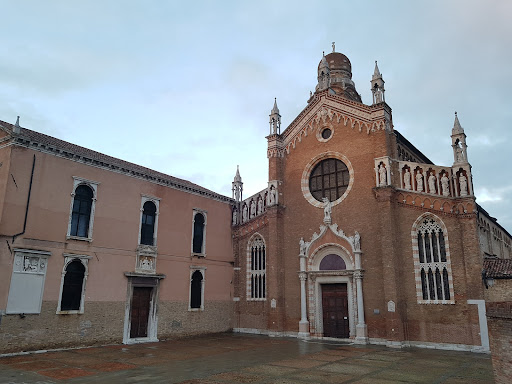
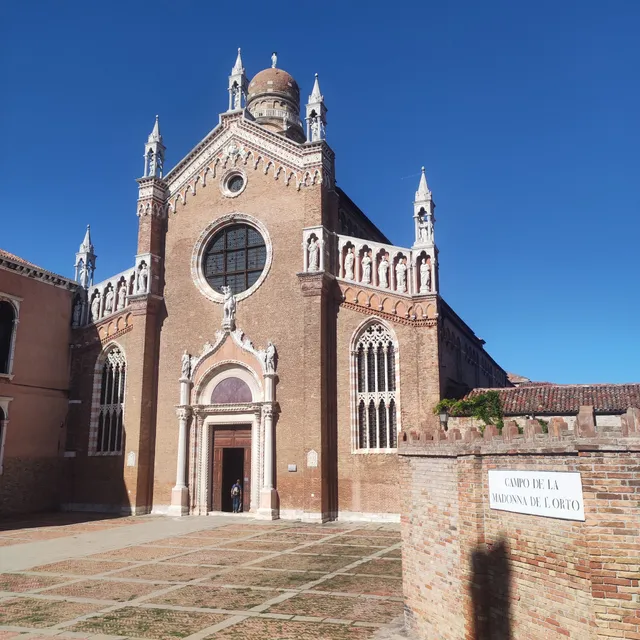
Church of Madonna dell'Orto
Cannareggio, 3512, 30121 Venezia VE, Italy
4.5(831)
Open until 12:00 AM


tickets
Save
spot
spot
Ratings & Description
Info
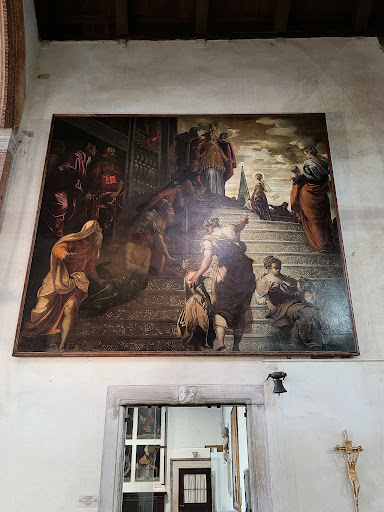
The Madonna dell'Orto is a church in Venice, Italy, in the sestiere of Cannaregio. This was the home parish of Tintoretto and holds a number of his works as well as his tomb.
Cultural
Scenic
Family friendly
Accessibility
attractions: Chiesa Parrocchiale di Sant'Alvise (San Ludovico Vescovo), Ghetto Ebraico, Ponte Chiodo, Casino of Venice, Chiesa dell'Abbazia della Misericordia, Chabad di Venezia, European Cultural Centre (ECC) - Palazzo Mora, marina bastianello gallery, Ex Teatro Italia, Fontego dei Turchi, restaurants: Il Paradiso Perduto, Osteria L’Orto dei Mori, Ristorante Pesciolino D'oro, sullaluna libreria & bistrot, Vino Vero, Trattoria Misericordia, Ostaria da Rioba, A La Vecia Papussa, Ristorante Due Fratelli, Ristorante Levante, local businesses: SUP in Venice, Despar Teatro Italia, Venice Boat Tour, Venice Casino, Jewish Museum of Venice, Pc-Click - Venetian Computer S.n.c., Venice Kayak, San Marziale, R-Store Venezia | Rivenditore Autorizzato Apple e Centro Assistenza Autorizzato Apple, Bigiotteria Italian Style di Alberto Lorenzato
 Learn more insights from Wanderboat AI.
Phone
+39 041 275 0462
Website
chorusvenezia.org
Open hoursSee all hours
SunClosedOpen
Plan your stay

Pet-friendly Hotels in Venice
Find a cozy hotel nearby and make it a full experience.

Affordable Hotels in Venice
Find a cozy hotel nearby and make it a full experience.

The Coolest Hotels You Haven't Heard Of (Yet)
Find a cozy hotel nearby and make it a full experience.

Trending Stays Worth the Hype in Venice
Find a cozy hotel nearby and make it a full experience.
Reviews
Live events
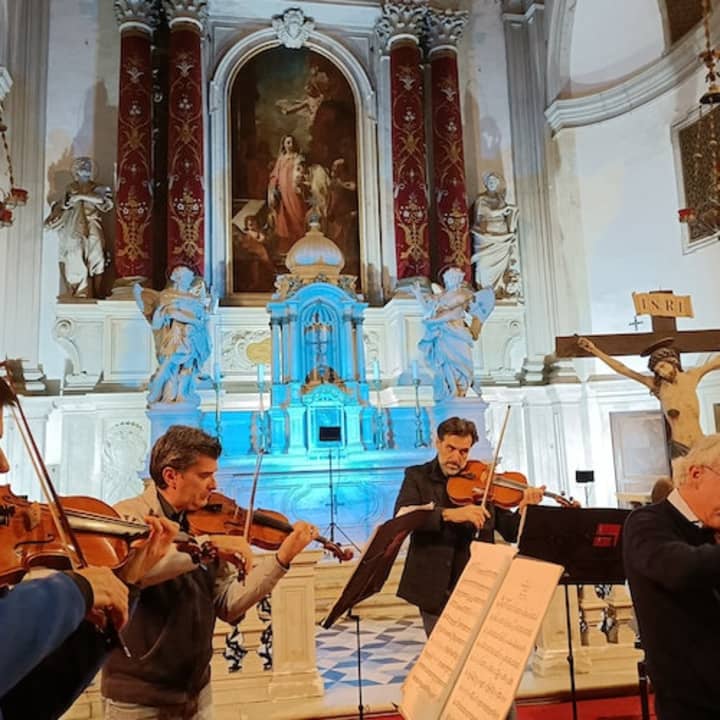
Chiesa di Venezia di Vivaldi: Concerto Le Quattro Stagioni di Vivaldi
Mon, Feb 9 • 7:00 PM
Piazza San Marco, Venezia, 30124
View details

STELLAR-PARTY
Thu, Feb 12 • 7:00 PM
45 Via Fratelli Bandiera, 30175 Venezia
View details

OGNI VENERDI ANDA VENICE HOSTEL - FREE ENTRY
Fri, Feb 13 • 10:00 PM
10 Via Ortigara, 30171 Mestre
View details
Nearby attractions of Church of Madonna dell'Orto
Chiesa Parrocchiale di Sant'Alvise (San Ludovico Vescovo)
Ghetto Ebraico
Ponte Chiodo
Casino of Venice
Chiesa dell'Abbazia della Misericordia
Chabad di Venezia
European Cultural Centre (ECC) - Palazzo Mora
marina bastianello gallery
Ex Teatro Italia
Fontego dei Turchi
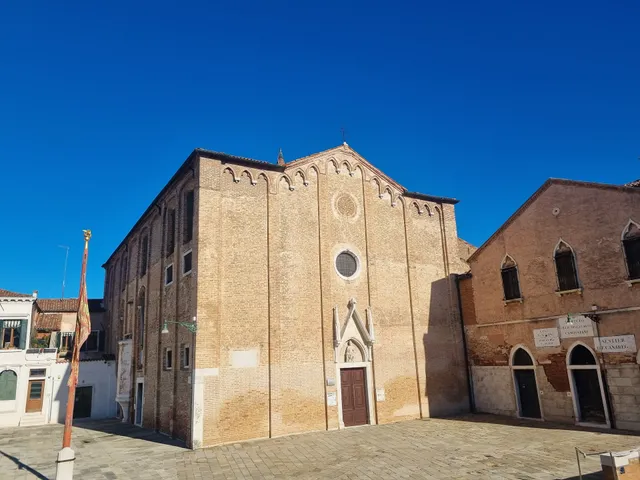
Chiesa Parrocchiale di Sant'Alvise (San Ludovico Vescovo)
4.5
(192)
Open until 12:00 AM
Click for details
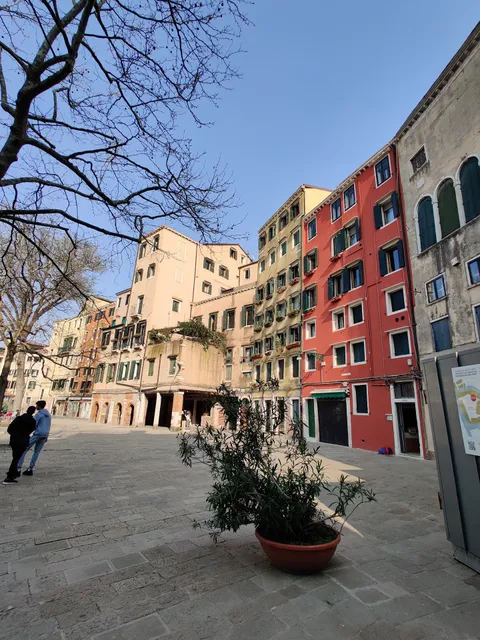
Ghetto Ebraico
4.5
(2.8K)
Open until 12:00 AM
Click for details
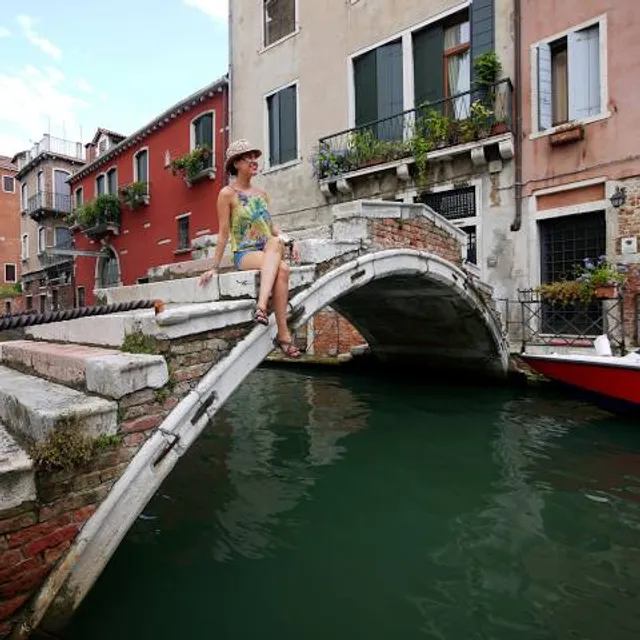
Ponte Chiodo
4.6
(991)
Open until 12:00 AM
Click for details
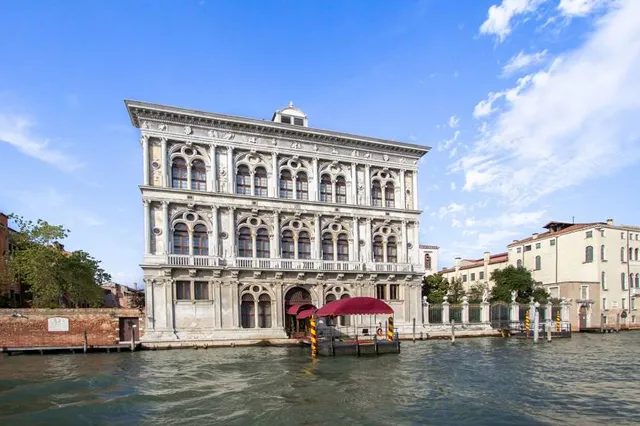
Casino of Venice
3.9
(1.2K)
Open until 12:00 AM
Click for details
Nearby restaurants of Church of Madonna dell'Orto
Il Paradiso Perduto
Osteria L’Orto dei Mori
Ristorante Pesciolino D'oro
sullaluna libreria & bistrot
Vino Vero
Trattoria Misericordia
Ostaria da Rioba
A La Vecia Papussa
Ristorante Due Fratelli
Ristorante Levante
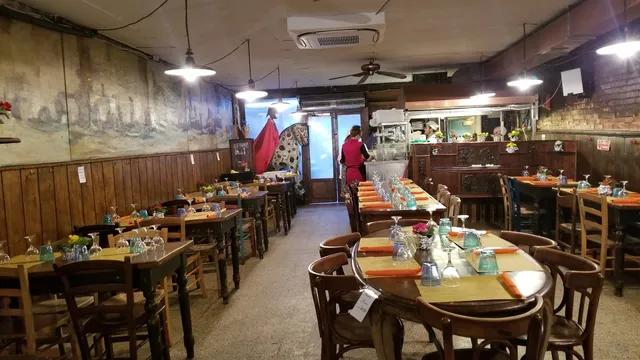
Il Paradiso Perduto
4.2
(2.5K)
Closed
Click for details
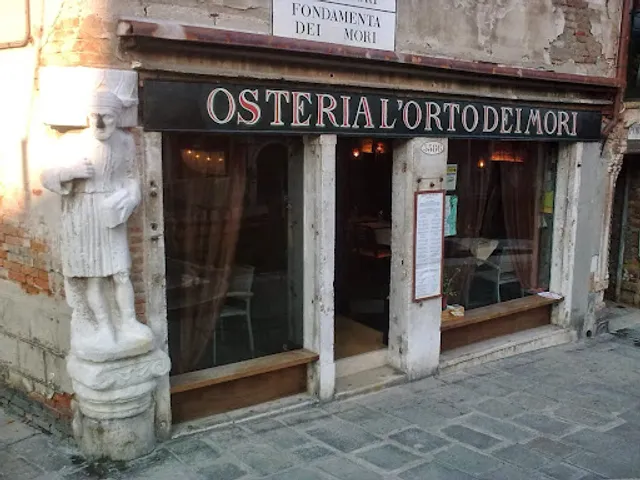
Osteria L’Orto dei Mori
4.4
(311)
Closed
Click for details
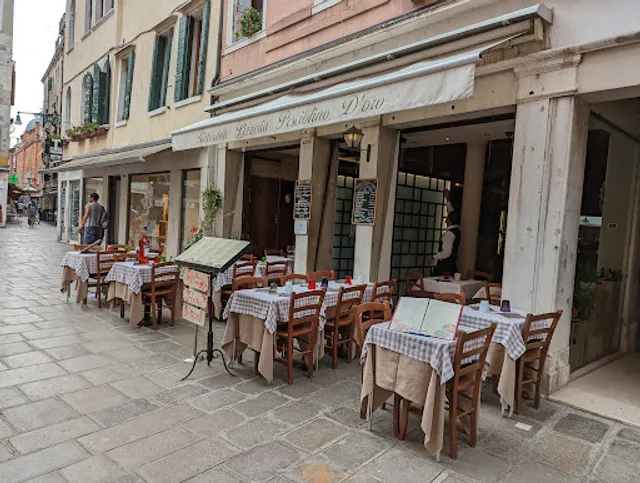
Ristorante Pesciolino D'oro
3.8
(439)
Open until 11:30 PM
Click for details

sullaluna libreria & bistrot
4.5
(761)
Closed
Click for details
Nearby local services of Church of Madonna dell'Orto
SUP in Venice
Despar Teatro Italia
Venice Boat Tour
Venice Casino
Jewish Museum of Venice
Pc-Click - Venetian Computer S.n.c.
Venice Kayak
San Marziale
R-Store Venezia | Rivenditore Autorizzato Apple e Centro Assistenza Autorizzato Apple
Bigiotteria Italian Style di Alberto Lorenzato
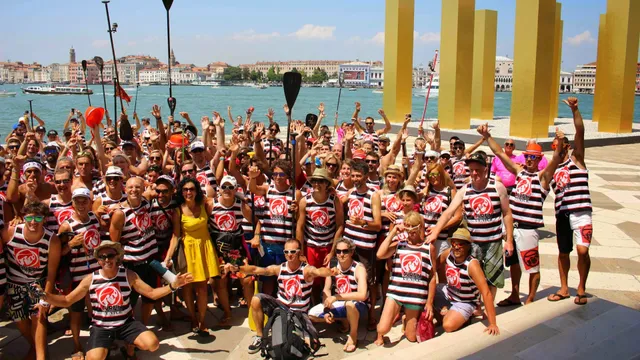
SUP in Venice
4.9
(54)
Click for details
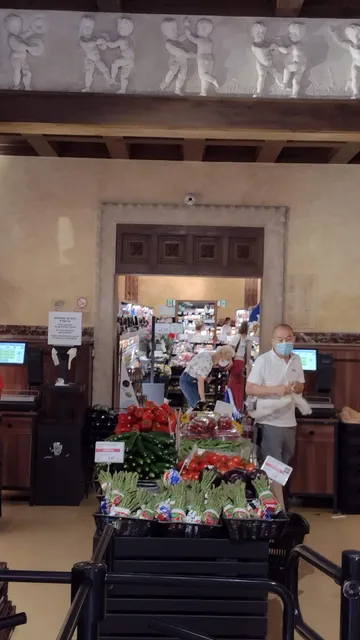
Despar Teatro Italia
4.5
(1.8K)
Click for details
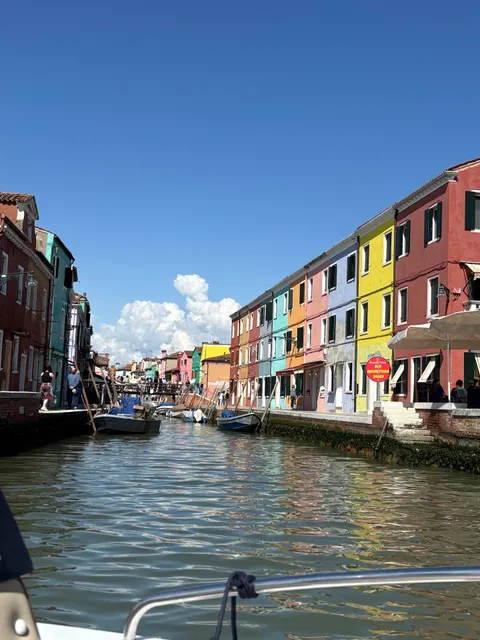
Venice Boat Tour
5.0
(22)
Click for details
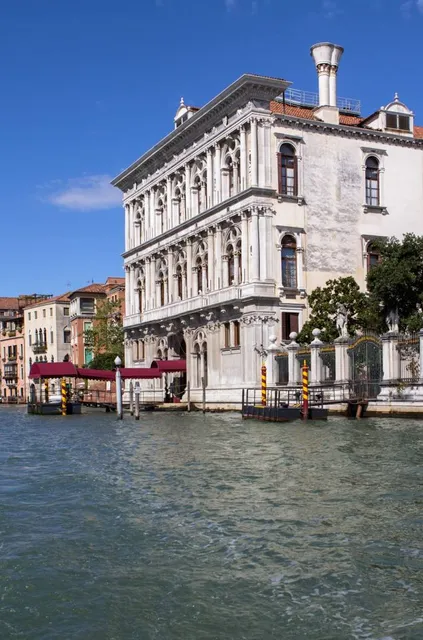
Venice Casino
3.8
(1.1K)
Click for details