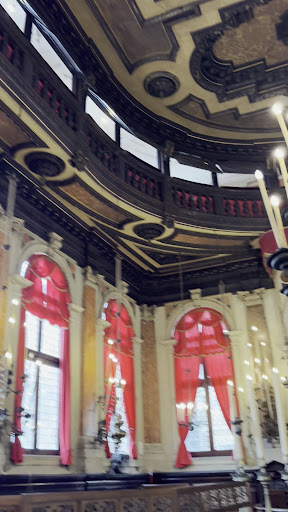
HTML SitemapExplore
logo
Find Things to DoFind The Best Restaurants

Ghetto Ebraico — Attraction in Venice

Name
Ghetto Ebraico
Description
Nearby attractions
Ponte delle Guglie
30121 Venice, Metropolitan City of Venice, Italy
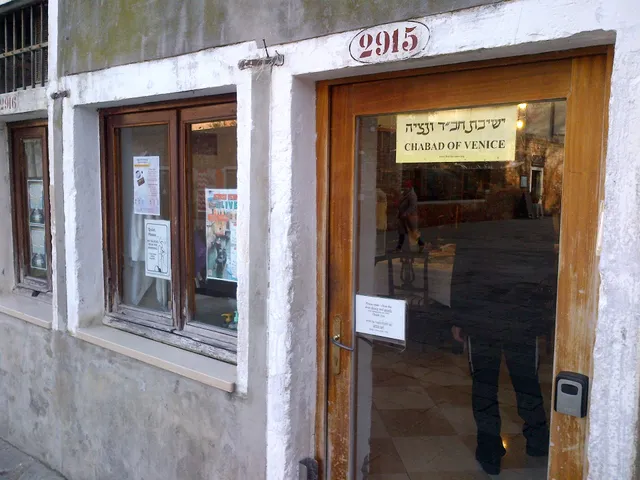
Chabad di Venezia
Sestiere Cannaregio, 2915, 30121 Venezia VE, Italy
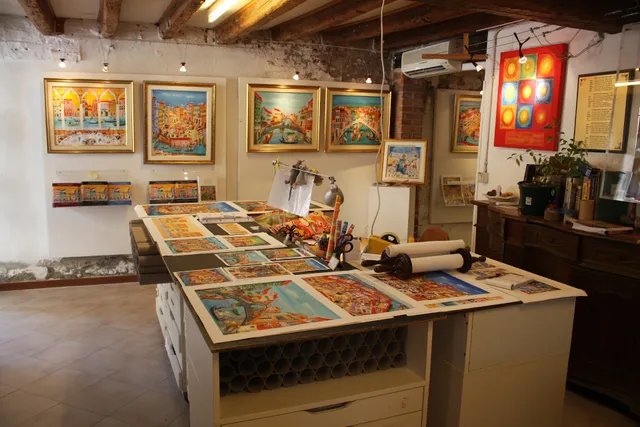
The Studio in Venice by Michal Meron
In the campo del, Cl. Ghetto Vecchio, 1152, 30121 Venezia VE, Italy
Banco Rosso
Cannaregio, 2913, 30121 Venezia VE, Italy
Galleria Levantina
Cannaregio, 1221, 30121 Venezia VE, Italy
Chiesa dei Santi Geremia e Lucia - Santuario di Lucia
Campo San Geremia, 272, 30121 Venezia VE, Italy
Savorgnan Park
Calle Pesaro, 427, 30121 Venezia VE, Italy
Casino of Venice
C. Seconda del Cristo, 2040, 30121 Venezia VE, Italy
Chiesa Parrocchiale di Sant'Alvise (San Ludovico Vescovo)
Campo Sant'Alvise, 3205, 30121 Venezia VE, Italy
Ex Teatro Italia
Calle de l'Anconeta, 1944, 30121 Venezia VE, Italy
Nearby restaurants
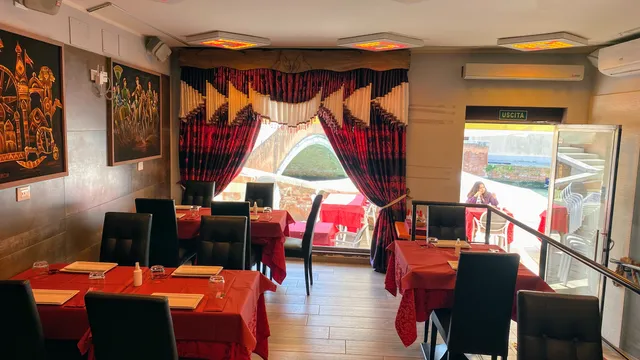
ITAL INDIA Restaurant Halal Foods
Fondamenta de le Capuzine, 3102, 30121 Venezia VE, Italy
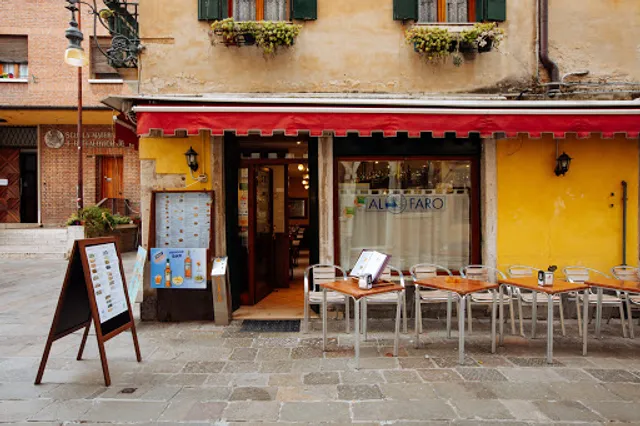
Ristorante Pizzería Al Faro
Cl. Ghetto Vecchio, 1181, 30121 Venezia VE, Italy
Ba Ghetto Ristorante Kosher
Cannaregio, 2873/c, 30121 Venezia VE, Italy
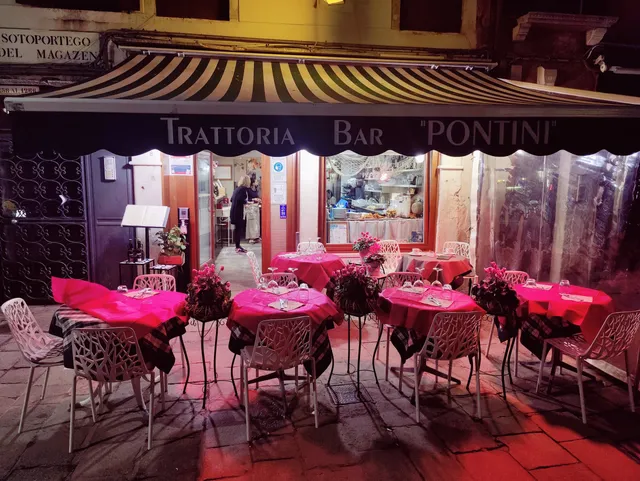
Trattoria Bar Pontini
Cannaregio, 1268, 30121 Venezia VE, Italy
Ristorante Due Fratelli
Rio Terà Farsetti, 1836, 30100 Venezia VE, Italy
Al Timon
Fondamenta dei Ormesini, 2754, 30121 Venezia VE, Italy
Strazzaria
Campo del Ghetto Nuovo, 2888, 30121 Venezia VE, Italy
Trattoria Alla Fontana
Fondamenta Cannaregio, 1102, 30121 Venezia VE, Italy
TRATTORIA AL POGGIO
30121 Venice, Metropolitan City of Venice, Italy
Trattoria da Mimmo
Rio Terà S. Leonardo, 1372, 30121 Venezia VE, Italy
Nearby hotels
Locanda del Ghetto
Campo di Ghetto Nuovo, 30121 Venezia VE, Italy
Ca' Pozzo Inn
Cannaregio, 1279, 30121 Venezia VE, Italy
Suites Inn
Cannaregio, 1188, 30121 Venezia VE, Italy
Hotel Arcadia Venezia
Rio Terà S. Leonardo, 1333, 30121 Venezia VE, Italy
Casa Martini
Cannaregio, 1314, 30121 Venezia VE, Italy
Hotel Eurostars Residenza Cannaregio
Conad - Supermercato, Calle dei Riformati, 3210A, 30121 Venezia VE, Italy
Radisson Collection Hotel, Palazzo Nani Venice
Fondamenta Cannaregio, 1105, 30121 Venezia VE, Italy
Leone Hotel
Sestiere Cannaregio, 1250, 30121 Venezia VE, Italy
Hotel alle Guglie
Cannaregio, 1523, 30121 Venezia VE, Italy
Hotel Leonardo
Calle de la Masena, 1385, 30121 Venezia VE, Italy
Related posts
Keywords
Ghetto Ebraico tourism.Ghetto Ebraico hotels.Ghetto Ebraico bed and breakfast. flights to Ghetto Ebraico.Ghetto Ebraico attractions.Ghetto Ebraico restaurants.Ghetto Ebraico travel.Ghetto Ebraico travel guide.Ghetto Ebraico travel blog.Ghetto Ebraico pictures.Ghetto Ebraico photos.Ghetto Ebraico travel tips.Ghetto Ebraico maps.Ghetto Ebraico things to do.
Ghetto Ebraico things to do, attractions, restaurants, events info and trip planning
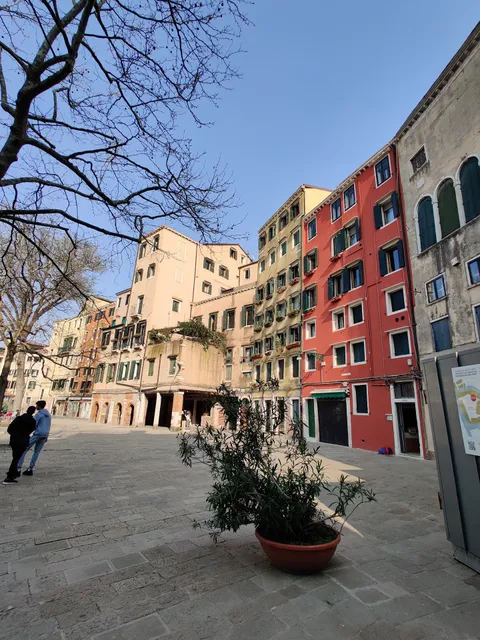
Ghetto Ebraico
ItalyVenetoVeniceGhetto Ebraico

Basic Info

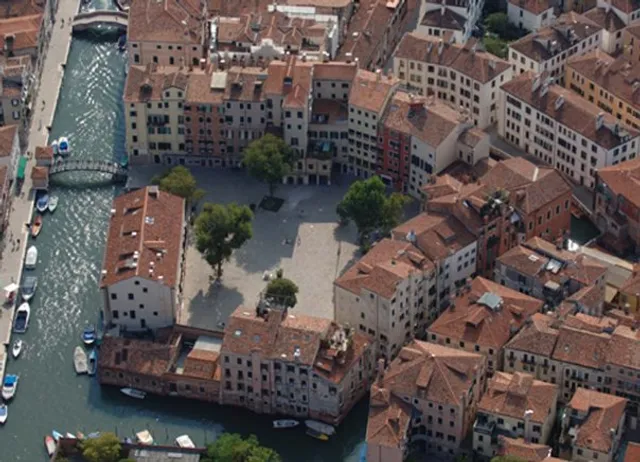
Ghetto Ebraico

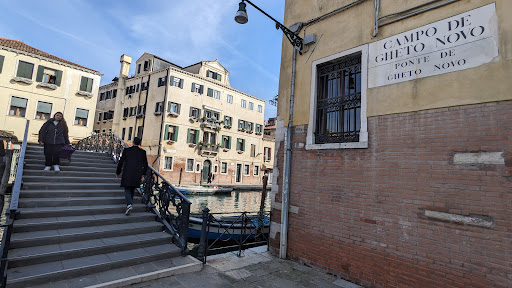
Campo del Ghetto Nuovo, C. del Magazzen, 2882, 30121 Venezia VE, Italy
4.5(2.8K)
Open 24 hours
Save
spot

Ratings & Description

Info

Cultural
Family friendly
Accessibility
attractions: Ponte delle Guglie, Chabad di Venezia, The Studio in Venice by Michal Meron, Banco Rosso, Galleria Levantina, Chiesa dei Santi Geremia e Lucia - Santuario di Lucia, Savorgnan Park, Casino of Venice, Chiesa Parrocchiale di Sant'Alvise (San Ludovico Vescovo), Ex Teatro Italia, restaurants: ITAL INDIA Restaurant Halal Foods, Ristorante Pizzería Al Faro, Ba Ghetto Ristorante Kosher, Trattoria Bar Pontini, Ristorante Due Fratelli, Al Timon, Strazzaria, Trattoria Alla Fontana, TRATTORIA AL POGGIO, Trattoria da Mimmo
logoLearn more insights from Wanderboat AI.
Phone
+39 055 298 9815
Website
ghettovenezia.com

Plan your stay

hotel
Pet-friendly Hotels in Venice
Find a cozy hotel nearby and make it a full experience.

hotel
Affordable Hotels in Venice
Find a cozy hotel nearby and make it a full experience.

hotel
The Coolest Hotels You Haven't Heard Of (Yet)
Find a cozy hotel nearby and make it a full experience.

hotel
Trending Stays Worth the Hype in Venice
Find a cozy hotel nearby and make it a full experience.

Reviews

Nearby attractions of Ghetto Ebraico

Ponte delle Guglie

Chabad di Venezia

The Studio in Venice by Michal Meron

Banco Rosso

Galleria Levantina

Chiesa dei Santi Geremia e Lucia - Santuario di Lucia

Savorgnan Park

Casino of Venice

Chiesa Parrocchiale di Sant'Alvise (San Ludovico Vescovo)

Ex Teatro Italia

Ponte delle Guglie

Ponte delle Guglie

4.6

(2.3K)

Open until 12:00 AM
Click for details
Chabad di Venezia

Chabad di Venezia

4.8

(231)

Open until 12:00 AM
Click for details
The Studio in Venice by Michal Meron

The Studio in Venice by Michal Meron

4.8

(61)

Open 24 hours
Click for details
Banco Rosso

Banco Rosso

4.2

(40)

Open 24 hours
Click for details

Things to do nearby

Legends, Ghosts and Ghouls of Venice
Fri, Dec 5 • 9:00 PM
30121, Venice, Veneto, Italy
View details
Murano Burano Torcello with a Local
Fri, Dec 5 • 9:00 AM
N/A 30100, Venice, Veneto, Italy
View details
Visit and learn about Murano glass
Fri, Dec 5 • 2:00 PM
30122, Venice, Veneto, Italy
View details

Nearby restaurants of Ghetto Ebraico

ITAL INDIA Restaurant Halal Foods

Ristorante Pizzería Al Faro

Ba Ghetto Ristorante Kosher

Trattoria Bar Pontini

Ristorante Due Fratelli

Al Timon

Strazzaria

Trattoria Alla Fontana

TRATTORIA AL POGGIO

Trattoria da Mimmo

ITAL INDIA Restaurant Halal Foods

ITAL INDIA Restaurant Halal Foods

4.7

(1.7K)

$$

Click for details
Ristorante Pizzería Al Faro

Ristorante Pizzería Al Faro

4.2

(552)

Click for details
Ba Ghetto Ristorante Kosher

Ba Ghetto Ristorante Kosher

4.4

(654)

$$

Click for details
Trattoria Bar Pontini

Trattoria Bar Pontini

4.5

(2.3K)

$$

Click for details
Get the Appoverlay
Get the AppOne tap to find yournext favorite spots!
Wanderboat LogoWanderboat

Your everyday Al companion for getaway ideas

CompanyAbout Us
InformationAI Trip PlannerSitemap
SocialXInstagramTiktokLinkedin
LegalTerms of ServicePrivacy Policy

Get the app

© 2025 Wanderboat. All rights reserved.
logo

Reviews of Ghetto Ebraico

4.5
(2,771)
avatar
5.0
4y

The Jewish Ghetto of Venice is located in the Cannaregio district, divided into the Ghetto Nuovo ("New Ghetto"), and the adjacent Ghetto Vecchio ("Old Ghetto"). The Venetian Ghetto was the area of Venice in which Jews were forced to live by the government of the Venetian Republic. As early as the 11th century, that is, in the Middle Ages, Jews appeared in the city of the lagoon. According to tradition, the Jewish presence became strong above all in a district, which for this reason took its name in the Giuedecca district, previously called Spinalonga. Over time to the jewish were forbidden to live in Venice. Only in 1516 a decree of the government of the Venetian Republic established that the community should live in the same area, that of the Fondamenta: the ghetto. The English word ghetto is derived from the Jewish ghetto in Venice. Ghetto comes from the Italian word gettare which means "throw away", because the area was before then a waste dump for foundries. The Venetian Ghetto was instituted on 29 March 1516. In 1797 the French Army in Italy, commanded by the 28 year old General Napoleon Bonaparte, occupied Venice, forced the Venetian Republic to dissolve itself on 12 May 1797, and ended the ghetto's separation from the city on 11 July the same year. In the 19th century, the ghetto was renamed the Contrada dell'unione. The ghetto was connected to the rest of the city by two bridges that were only open during the day. Gates were opened in the morning at the ringing of the marangona, the largest bell in St. Mark's Campanile, and locked in the evening. Permanent, round-the-clock surveillance of the gates occurred at the Jewish residents' expense. Strict penalties were to be imposed on any Jewish resident caught outside after curfew. Areas of Ghetto Nuovo that were open to the canal were to be sealed off with walls, while outward facing quays were to be bricked over in order to make it impossible for unauthorized entry or exit. Though it was home to a large number of Jews, the population living in the Venetian Ghetto never assimilated to form a distinct, "Venetian Jewish" ethnicity. Four of the five synagogues were clearly divided according to ethnic identity: separate synagogues existed for the German (the Scuola Grande Tedesca), Italian (the Scuola Italiana), Spanish and Portuguese (the Scuola Spagnola), and Levantine Sephardi communities (the Scuola Levantina). The fifth, the Scuola Canton, was possibly built as a private synagogue and also served the Venetian Ashkenazi community. Today, there are also other populations of Ashkenazic Jews in Venice, mainly Lubavitchers who operate a kosher food store, a yeshiva, and a Chabad synagogue. Today, the Ghetto is still a center of Jewish life in the city. The Jewish community of Venice. In the Ghetto area there is also a yeshiva, several Judaica shops, and a Chabad synagogue run by Chabad of Venice. Although only few of the roughly 500 Venetian Jews still live...

   Read more
avatar
1.0
2y

As a decedent of the holocaust, I am absolutely disgusted by the treatment I received and the profiting off of trauma at this ghetto. My grandmother — whose 9 siblings and parents were murdered in a concentration camp — would want me to view this cruel history and visit a symbol of Judaism, the ghetto’s synagogue. Being on a very tight budget and having little to no money (it cost 12.5 Euros just to walk through) I kindly asked the workers if I can view the synagogue and walk through the gates my people were confined in. I was met with NO sympathy and even aggression. One worker, with hostility, said “yeah, well everyone was affected,” YET more than 99% of the people in Venice are non-Jews, only 14 Jews in Venice survived, and there are only around 400 Jews presently living in Venice. Another worker (guarding the synagogue) practically yelled at me and my friends, and said “this is not free, this is a museum.” A synagogue is a PLACE OF WORSHIP for me and my ancestors, it is only a museum BECAUSE it has been privatized by these people. This was a site of injustice, it shouldn’t be an expensive tourist attraction. I was tearing and choking up talking to these workers, and not one of them offered any apology. I left enraged, hurt, and pained for my ancestors. Truly horrible experience, Disgusting that decedents of survivors aren’t allowed to give respect to their lost...

   Read more
avatar
2.0
31w

We took the self guided audio tour. The information is available via wifi download that you play on your own device. We made it about half way through and the information had some interesting points to make but was presented quite dryly, but maybe that is fitting for the content and context. Unfortunately, was a little glitchy so needed to re-download several times.

The reason for the poor rating is the service. We were denied entry into one of the synagogues because half our group found the content too boring and they had left with our green sticker badges. The guards were rude and obnoxious and wouldn’t listen to reason, saying that the cards we were issued didn’t count as tickets because they could have been given to us by others. The stupid and frustrating thing is, is that the same could be said about the green sticker. It’s not like there was a massive line of people...

   Read more
Page 1 of 7
Previous
Next

Posts

Asiyah Noemi KosoAsiyah Noemi Koso
The Jewish Ghetto of Venice is located in the Cannaregio district, divided into the Ghetto Nuovo ("New Ghetto"), and the adjacent Ghetto Vecchio ("Old Ghetto"). The Venetian Ghetto was the area of Venice in which Jews were forced to live by the government of the Venetian Republic. As early as the 11th century, that is, in the Middle Ages, Jews appeared in the city of the lagoon. According to tradition, the Jewish presence became strong above all in a district, which for this reason took its name in the Giuedecca district, previously called Spinalonga. Over time to the jewish were forbidden to live in Venice. Only in 1516 a decree of the government of the Venetian Republic established that the community should live in the same area, that of the Fondamenta: the ghetto. The English word ghetto is derived from the Jewish ghetto in Venice. Ghetto comes from the Italian word gettare which means "throw away", because the area was before then a waste dump for foundries. The Venetian Ghetto was instituted on 29 March 1516. In 1797 the French Army in Italy, commanded by the 28 year old General Napoleon Bonaparte, occupied Venice, forced the Venetian Republic to dissolve itself on 12 May 1797, and ended the ghetto's separation from the city on 11 July the same year. In the 19th century, the ghetto was renamed the Contrada dell'unione. The ghetto was connected to the rest of the city by two bridges that were only open during the day. Gates were opened in the morning at the ringing of the marangona, the largest bell in St. Mark's Campanile, and locked in the evening. Permanent, round-the-clock surveillance of the gates occurred at the Jewish residents' expense. Strict penalties were to be imposed on any Jewish resident caught outside after curfew. Areas of Ghetto Nuovo that were open to the canal were to be sealed off with walls, while outward facing quays were to be bricked over in order to make it impossible for unauthorized entry or exit. Though it was home to a large number of Jews, the population living in the Venetian Ghetto never assimilated to form a distinct, "Venetian Jewish" ethnicity. Four of the five synagogues were clearly divided according to ethnic identity: separate synagogues existed for the German (the Scuola Grande Tedesca), Italian (the Scuola Italiana), Spanish and Portuguese (the Scuola Spagnola), and Levantine Sephardi communities (the Scuola Levantina). The fifth, the Scuola Canton, was possibly built as a private synagogue and also served the Venetian Ashkenazi community. Today, there are also other populations of Ashkenazic Jews in Venice, mainly Lubavitchers who operate a kosher food store, a yeshiva, and a Chabad synagogue. Today, the Ghetto is still a center of Jewish life in the city. The Jewish community of Venice. In the Ghetto area there is also a yeshiva, several Judaica shops, and a Chabad synagogue run by Chabad of Venice. Although only few of the roughly 500 Venetian Jews still live in the Ghetto.
Oh My GoshenOh My Goshen
Did you know? The word "ghetto" has its origins in Venice! Some researchers believe that the term originates from the Venetian Ghetto, established in 1516. This was an area in Venice where Jewish people were required to live. It's believed that "ghetto" derives from the Venetian word "ghèto," meaning "foundry. This is because the area designated for Jewish residence was previously the site of a copper foundry. Specifically, the word comes from the Italian verb "gettare" meaning "to throw" or "to cast" which would have been used in the foundry for casting copper. Over time, the word's meaning expanded beyond its initial Venetian context and now expresses any area where a particular group, often marginalized or disadvantaged, is concentrated. It has also been used in very negative ways, especially during the holocaust, when the Nazi's used Ghettos to imprison Jewish people. Am Israel Chai 💪
Seokjin HamSeokjin Ham
This is the first officially designated Jewish ghetto in Europe. It was established in 1516 by a decree from Doge Leonardo Loredan, which forced the city's Jewish population to reside in the ghetto. Later expansions in 1541 and 1633 formed the area known today as the Venetian Ghetto. The neighborhood was enclosed by canals and walls, and its gates were locked from dusk until dawn. Residents were often required to wear identifying clothing, such as yellow hats. The ghetto system was officially abolished in 1797 with the fall of the Venetian Republic under Napoleon, granting Jews equal rights with non-Jews. Today, the area is home to five synagogues, some of which are still active places of worship, while others are part of the Jewish Museum of Venice.
See more posts
See more posts
hotel
Find your stay

Pet-friendly Hotels in Venice

Find a cozy hotel nearby and make it a full experience.

The Jewish Ghetto of Venice is located in the Cannaregio district, divided into the Ghetto Nuovo ("New Ghetto"), and the adjacent Ghetto Vecchio ("Old Ghetto"). The Venetian Ghetto was the area of Venice in which Jews were forced to live by the government of the Venetian Republic. As early as the 11th century, that is, in the Middle Ages, Jews appeared in the city of the lagoon. According to tradition, the Jewish presence became strong above all in a district, which for this reason took its name in the Giuedecca district, previously called Spinalonga. Over time to the jewish were forbidden to live in Venice. Only in 1516 a decree of the government of the Venetian Republic established that the community should live in the same area, that of the Fondamenta: the ghetto. The English word ghetto is derived from the Jewish ghetto in Venice. Ghetto comes from the Italian word gettare which means "throw away", because the area was before then a waste dump for foundries. The Venetian Ghetto was instituted on 29 March 1516. In 1797 the French Army in Italy, commanded by the 28 year old General Napoleon Bonaparte, occupied Venice, forced the Venetian Republic to dissolve itself on 12 May 1797, and ended the ghetto's separation from the city on 11 July the same year. In the 19th century, the ghetto was renamed the Contrada dell'unione. The ghetto was connected to the rest of the city by two bridges that were only open during the day. Gates were opened in the morning at the ringing of the marangona, the largest bell in St. Mark's Campanile, and locked in the evening. Permanent, round-the-clock surveillance of the gates occurred at the Jewish residents' expense. Strict penalties were to be imposed on any Jewish resident caught outside after curfew. Areas of Ghetto Nuovo that were open to the canal were to be sealed off with walls, while outward facing quays were to be bricked over in order to make it impossible for unauthorized entry or exit. Though it was home to a large number of Jews, the population living in the Venetian Ghetto never assimilated to form a distinct, "Venetian Jewish" ethnicity. Four of the five synagogues were clearly divided according to ethnic identity: separate synagogues existed for the German (the Scuola Grande Tedesca), Italian (the Scuola Italiana), Spanish and Portuguese (the Scuola Spagnola), and Levantine Sephardi communities (the Scuola Levantina). The fifth, the Scuola Canton, was possibly built as a private synagogue and also served the Venetian Ashkenazi community. Today, there are also other populations of Ashkenazic Jews in Venice, mainly Lubavitchers who operate a kosher food store, a yeshiva, and a Chabad synagogue. Today, the Ghetto is still a center of Jewish life in the city. The Jewish community of Venice. In the Ghetto area there is also a yeshiva, several Judaica shops, and a Chabad synagogue run by Chabad of Venice. Although only few of the roughly 500 Venetian Jews still live in the Ghetto.
Asiyah Noemi Koso

Asiyah Noemi Koso

hotel
Find your stay

Affordable Hotels in Venice

Find a cozy hotel nearby and make it a full experience.

Get the Appoverlay
Get the AppOne tap to find yournext favorite spots!
Did you know? The word "ghetto" has its origins in Venice! Some researchers believe that the term originates from the Venetian Ghetto, established in 1516. This was an area in Venice where Jewish people were required to live. It's believed that "ghetto" derives from the Venetian word "ghèto," meaning "foundry. This is because the area designated for Jewish residence was previously the site of a copper foundry. Specifically, the word comes from the Italian verb "gettare" meaning "to throw" or "to cast" which would have been used in the foundry for casting copper. Over time, the word's meaning expanded beyond its initial Venetian context and now expresses any area where a particular group, often marginalized or disadvantaged, is concentrated. It has also been used in very negative ways, especially during the holocaust, when the Nazi's used Ghettos to imprison Jewish people. Am Israel Chai 💪
Oh My Goshen

Oh My Goshen

hotel
Find your stay

The Coolest Hotels You Haven't Heard Of (Yet)

Find a cozy hotel nearby and make it a full experience.

hotel
Find your stay

Trending Stays Worth the Hype in Venice

Find a cozy hotel nearby and make it a full experience.

This is the first officially designated Jewish ghetto in Europe. It was established in 1516 by a decree from Doge Leonardo Loredan, which forced the city's Jewish population to reside in the ghetto. Later expansions in 1541 and 1633 formed the area known today as the Venetian Ghetto. The neighborhood was enclosed by canals and walls, and its gates were locked from dusk until dawn. Residents were often required to wear identifying clothing, such as yellow hats. The ghetto system was officially abolished in 1797 with the fall of the Venetian Republic under Napoleon, granting Jews equal rights with non-Jews. Today, the area is home to five synagogues, some of which are still active places of worship, while others are part of the Jewish Museum of Venice.
Seokjin Ham

Seokjin Ham

See more posts
See more posts