Constitution Bridge things to do, attractions, restaurants, events info and trip planning
Basic Info
Constitution Bridge
Ponte de la Constituzione, 30135 Venezia VE, Italy
4.2(5.4K)
Open until 12:00 AM
Save
spot
spot
Ratings & Description
Info
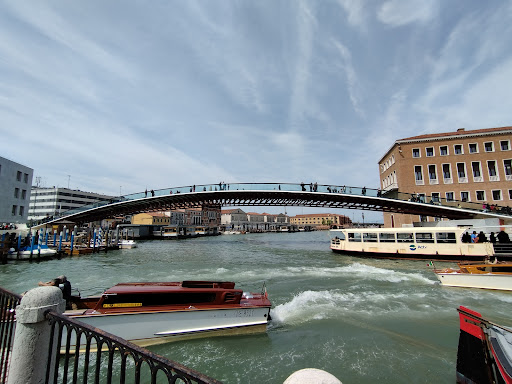
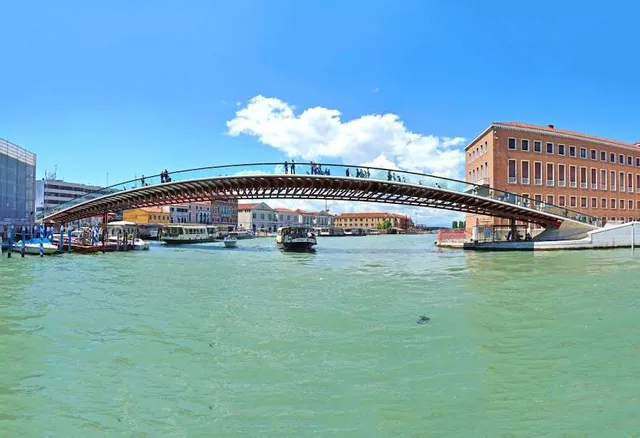
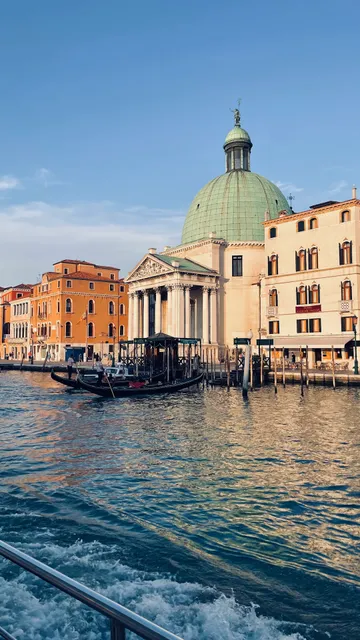
The Ponte della Costituzione is the fourth bridge over the Grand Canal in Venice, Italy. It was designed by Santiago Calatrava, and was moved into place in 2007, amid protest by politicians and the general public. The bridge was installed in 2008 and opened to the public on the night of September 11, 2008.
Cultural
Accessibility
attractions: Giardini Papadopoli, Venezia Piazzale Roma IAT, Ponte degli Scalzi, Santa Maria di Nazareth Church, Scuola Grande di San Rocco, Basilica S.Maria Gloriosa dei Frari, Mama Isa: Cooking Classes Venice Italy | Cookery Courses, Murano Glass Italy - Factory Store, Università Iuav di Venezia, Scuola Grande San Giovanni Evangelista di Venezia, restaurants: Bacareto da Lele, Mira Hostaria, Hostaria Osottoosopra, Bar Ristorante Autorimessa, Rio Novo, Zanze XVI, Arcicchetti Bakaro, Ristorante Ca' Leon, Osteria Leone Alato, Borgo Molino, local businesses: VENETIANA - FERMATA S. LUCIA/CALATRAVA,, Angolo del gusto, Giunti al Punto, Venezia Santa Lucia, Libreria Editrice Mare di Carta, Venchi Cioccolato e Gelato, Venezia Stazione Santa Lucia, Ponte degli Scalzi, Il Grifone, Chiesa di San Simeon Piccolo, Negozi di souvenir
 Learn more insights from Wanderboat AI.
Phone
+39 041 274 8111
Website
provincia.venezia.it
Open hoursSee all hours
MonOpen 24 hoursOpen
Plan your stay

Pet-friendly Hotels in Venice
Find a cozy hotel nearby and make it a full experience.

Affordable Hotels in Venice
Find a cozy hotel nearby and make it a full experience.

The Coolest Hotels You Haven't Heard Of (Yet)
Find a cozy hotel nearby and make it a full experience.

Trending Stays Worth the Hype in Venice
Find a cozy hotel nearby and make it a full experience.
Reviews
Live events
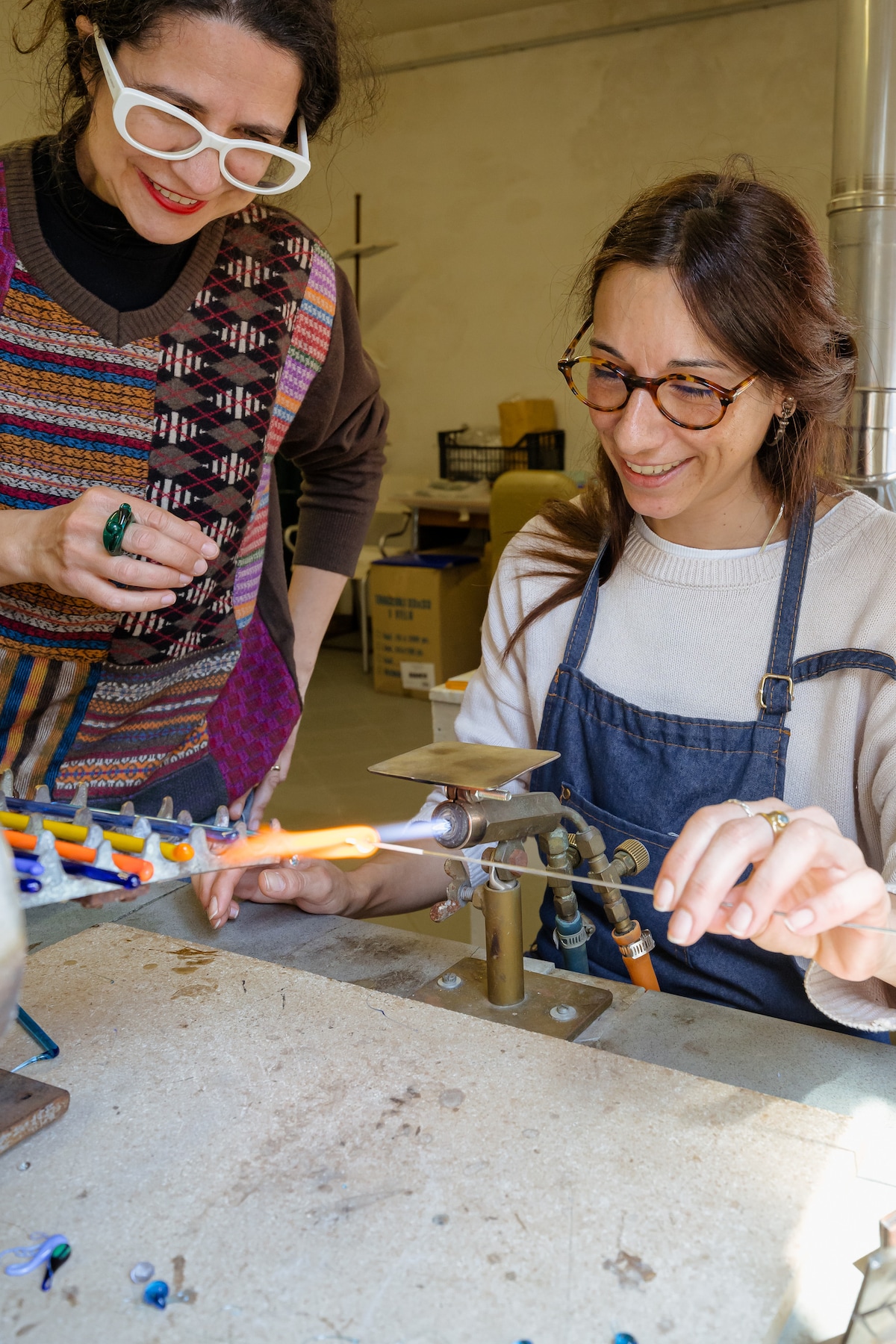
Create Murano Glass with an Expert Master
Sat, Feb 28 • 3:30 PM
30141, Venice, Veneto, Italy
View details

Slide & Storytelling: Trasformare informazioni e dati in messaggi visivi
Wed, Feb 25 • 6:30 PM
Calle Giovanni Legrenzi 30171 Venezia
View details

OGNI MERCOLEDI ANDA VENICE HOSTEL - FREE ENTRY
Wed, Feb 25 • 9:00 PM
10 Via Ortigara 30171 Mestre
View details
Nearby attractions of Constitution Bridge
Giardini Papadopoli
Venezia Piazzale Roma IAT
Ponte degli Scalzi
Santa Maria di Nazareth Church
Scuola Grande di San Rocco
Basilica S.Maria Gloriosa dei Frari
Mama Isa: Cooking Classes Venice Italy | Cookery Courses
Murano Glass Italy - Factory Store
Università Iuav di Venezia
Scuola Grande San Giovanni Evangelista di Venezia
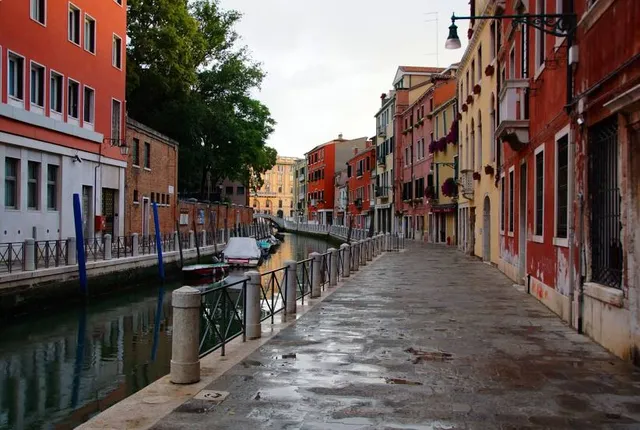
Giardini Papadopoli
4.4
(1.5K)
Closed
Click for details

Venezia Piazzale Roma IAT
3.3
(57)
Closed
Click for details
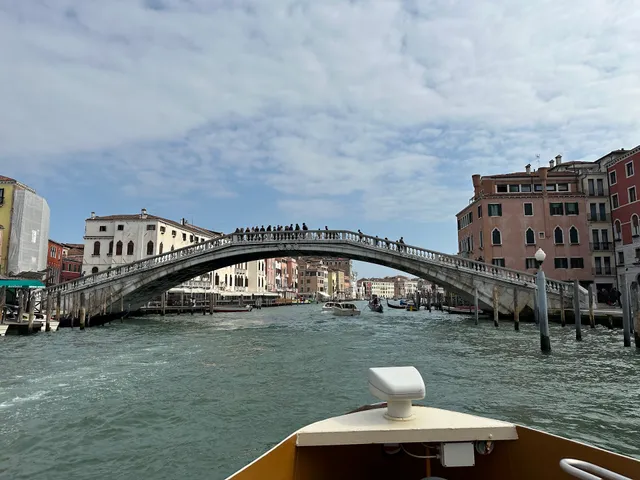
Ponte degli Scalzi
4.6
(1.4K)
Open until 12:00 AM
Click for details
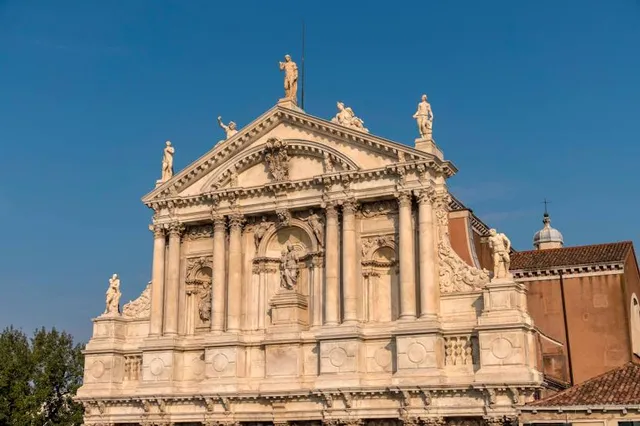
Santa Maria di Nazareth Church
4.7
(389)
Closed
Click for details
Nearby restaurants of Constitution Bridge
Bacareto da Lele
Mira Hostaria
Hostaria Osottoosopra
Bar Ristorante Autorimessa
Rio Novo
Zanze XVI
Arcicchetti Bakaro
Ristorante Ca' Leon
Osteria Leone Alato
Borgo Molino
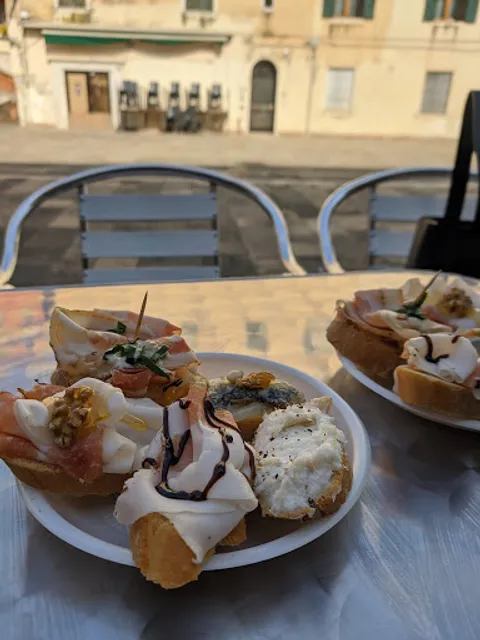
Bacareto da Lele
4.7
(2.5K)
Closed
Click for details
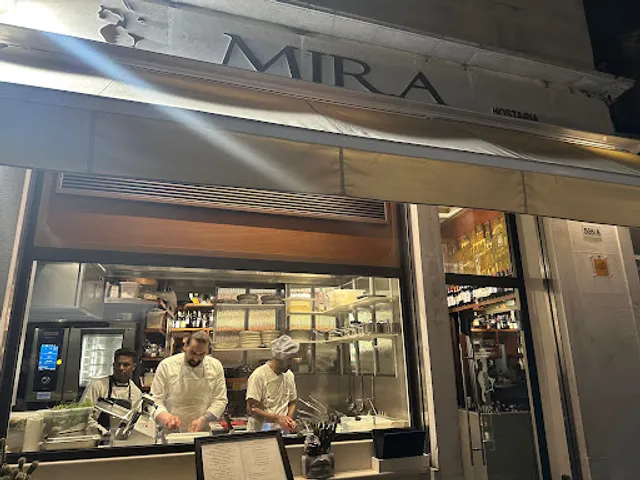
Mira Hostaria
4.7
(803)
Closed
Click for details
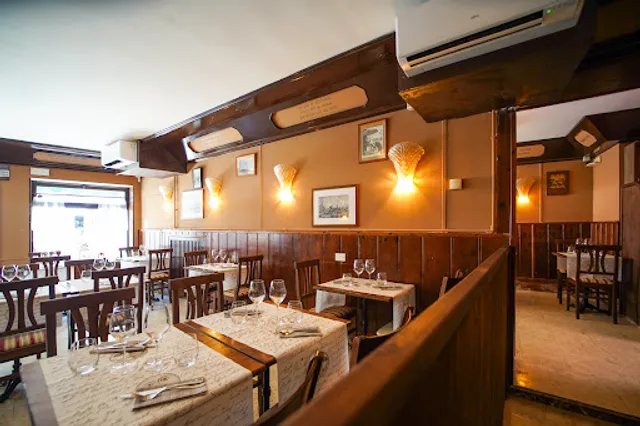
Hostaria Osottoosopra
4.8
(3.1K)
$$
Closed
Click for details
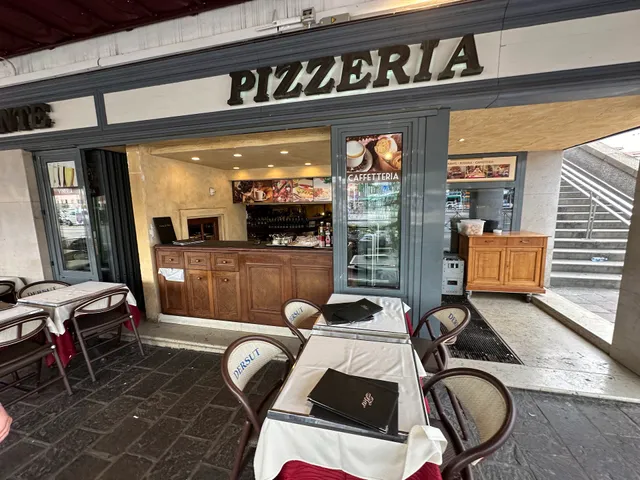
Bar Ristorante Autorimessa
3.3
(411)
$$
Open until 12:00 AM
Click for details
Nearby local services of Constitution Bridge
VENETIANA - FERMATA S. LUCIA/CALATRAVA,
Angolo del gusto
Giunti al Punto
Venezia Santa Lucia
Libreria Editrice Mare di Carta
Venchi Cioccolato e Gelato, Venezia Stazione Santa Lucia
Ponte degli Scalzi
Il Grifone
Chiesa di San Simeon Piccolo
Negozi di souvenir
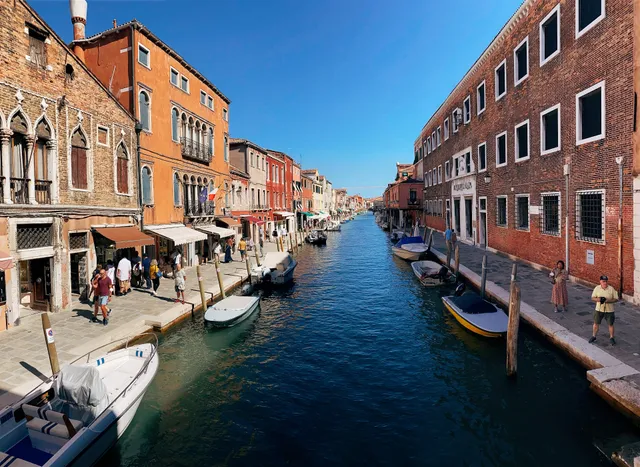
VENETIANA - FERMATA S. LUCIA/CALATRAVA,
4.3
(485)
Click for details
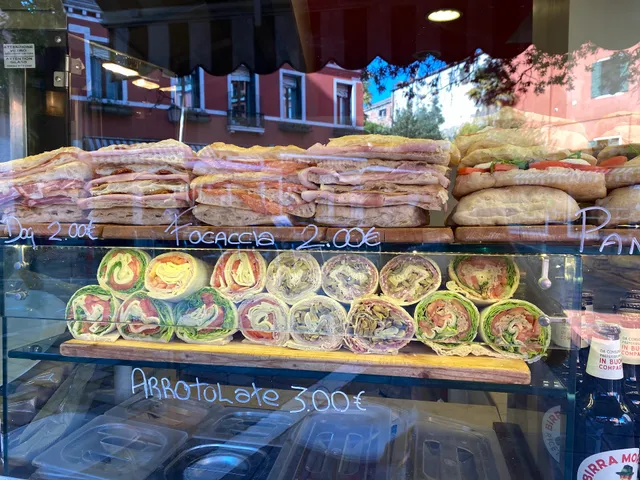
Angolo del gusto
4.9
(398)
Click for details

Giunti al Punto
4.2
(80)
Click for details
Venezia Santa Lucia
4.4
(844)
Click for details