Ponte degli Scalzi things to do, attractions, restaurants, events info and trip planning
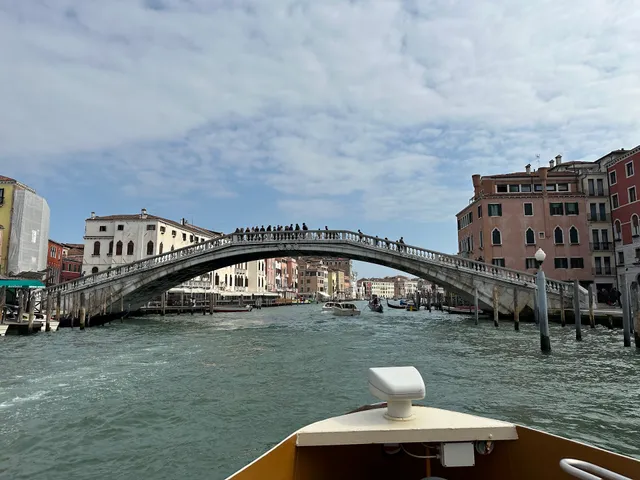
Basic Info
Ponte degli Scalzi
Ponte degli Scalzi, 30135 Venezia VE, Italy
4.6(1.4K)
Open until 12:00 AM
Save
spot
spot
Ratings & Description
Info
Cultural
Scenic
Accessibility
attractions: Santa Maria di Nazareth Church, Constitution Bridge, Chiesa dei Santi Geremia e Lucia - Santuario di Lucia, Mama Isa: Cooking Classes Venice Italy | Cookery Courses, Ponte delle Guglie, Giardini Papadopoli, Savorgnan Park, Palazzo Soranzo Cappello, Fontego dei Turchi, Scuola Grande San Giovanni Evangelista di Venezia, restaurants: Trattoria Bella Venezia, Trattoria Il Vagone, Trattoria Alle Lance, Trattoria Povoledo Venezia, Ai Scalzi, Vittoria dal 1938, Osteria al Cicheto, Bacaro Quebrado, Vision Bar, Gelateria Artigianale Il, local businesses: Ponte degli Scalzi, Supermercato Despar Cannaregio (ex Brek), Venezia Santa Lucia, Venchi Cioccolato e Gelato, Venezia Stazione Santa Lucia, Chiesa di San Simeon Piccolo, Conad, Nino & Friends, Benor Maschere, VENETIANA - FERMATA S. LUCIA/CALATRAVA,, Souvenir da Gabriele Al numero 744
 Learn more insights from Wanderboat AI.
Open hoursSee all hours
SunOpen 24 hoursOpen
Plan your stay

Pet-friendly Hotels in Venice
Find a cozy hotel nearby and make it a full experience.

Affordable Hotels in Venice
Find a cozy hotel nearby and make it a full experience.

The Coolest Hotels You Haven't Heard Of (Yet)
Find a cozy hotel nearby and make it a full experience.

Trending Stays Worth the Hype in Venice
Find a cozy hotel nearby and make it a full experience.
Reviews
Live events
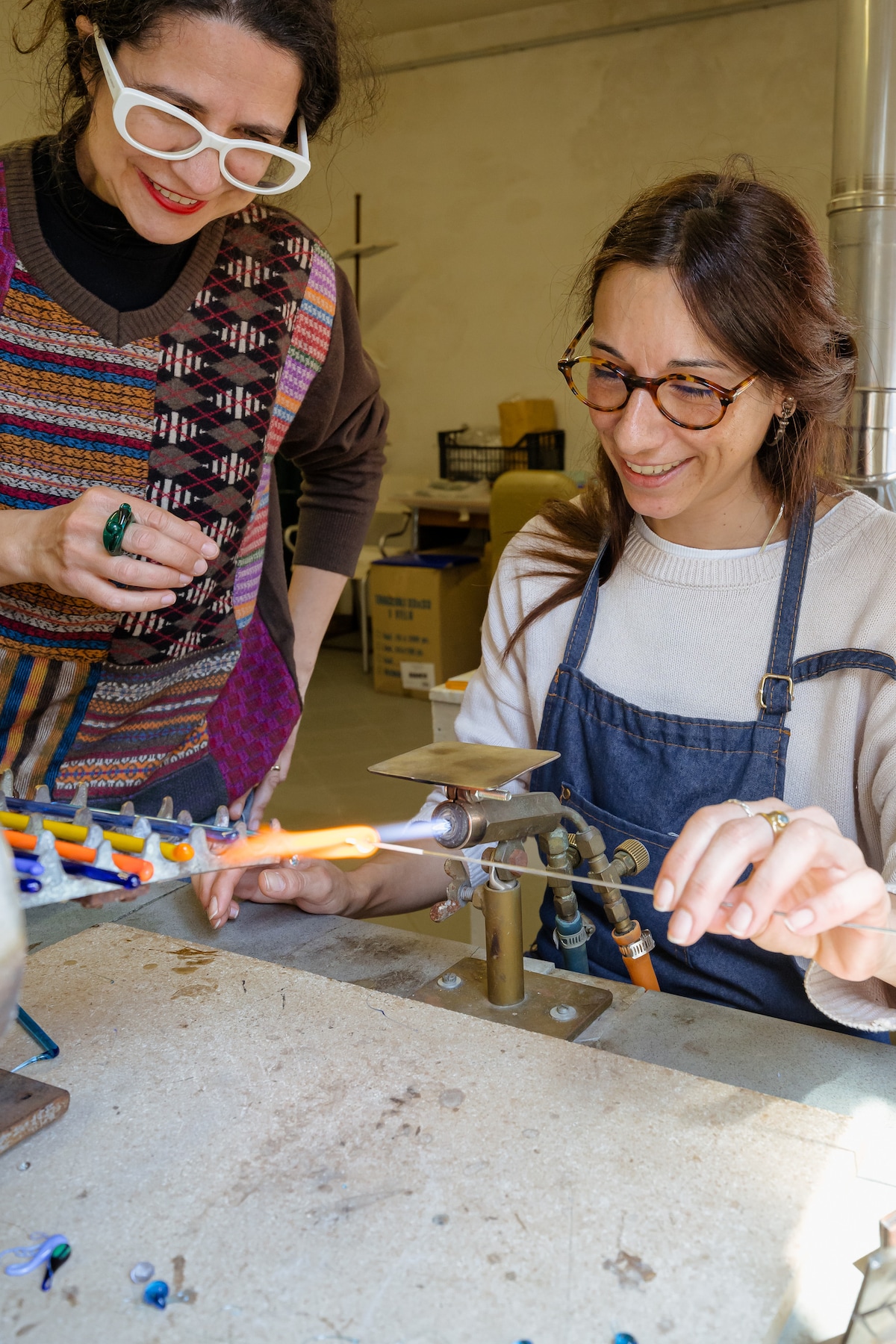
Create Murano Glass with an Expert Master
Mon, Feb 23 • 9:30 AM
30141, Venice, Veneto, Italy
View details

Legends, Ghosts and Ghouls of Venice
Sun, Feb 22 • 9:00 PM
30121, Venice, Veneto, Italy
View details

Live Music Evening at a&o Venezia Mestre
Fri, Feb 27 • 9:00 PM
19 Via Ca' Marcello 30172 Venezia
View details
Nearby attractions of Ponte degli Scalzi
Santa Maria di Nazareth Church
Constitution Bridge
Chiesa dei Santi Geremia e Lucia - Santuario di Lucia
Mama Isa: Cooking Classes Venice Italy | Cookery Courses
Ponte delle Guglie
Giardini Papadopoli
Savorgnan Park
Palazzo Soranzo Cappello
Fontego dei Turchi
Scuola Grande San Giovanni Evangelista di Venezia
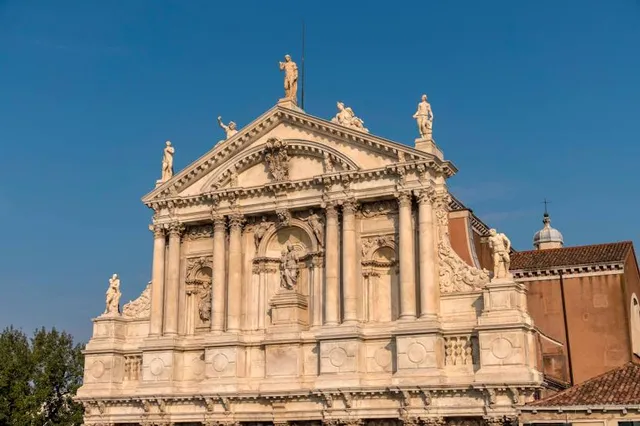
Santa Maria di Nazareth Church
4.7
(389)
Open until 12:00 PM
Click for details
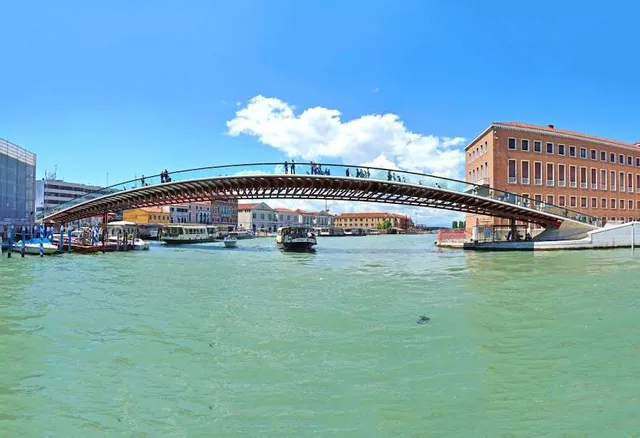
Constitution Bridge
4.2
(5.4K)
Open until 12:00 AM
Click for details
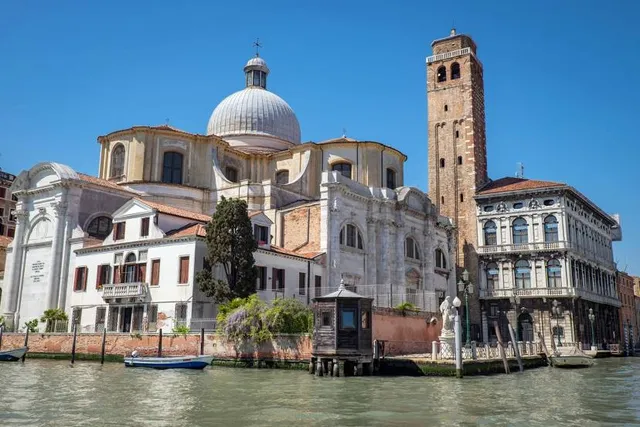
Chiesa dei Santi Geremia e Lucia - Santuario di Lucia
4.6
(584)
Closed
Click for details
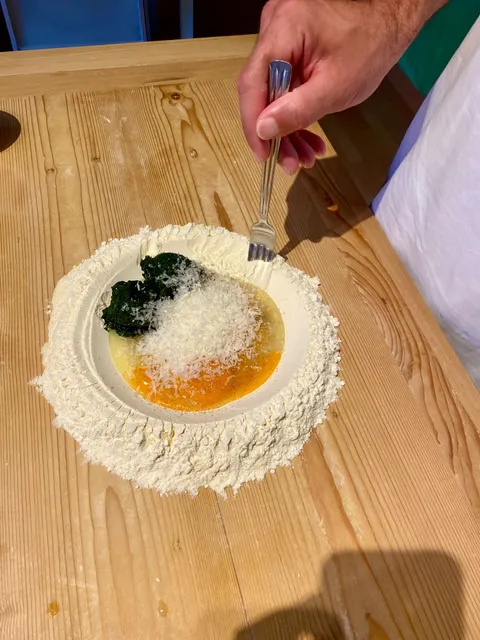
Mama Isa: Cooking Classes Venice Italy | Cookery Courses
5.0
(132)
Closed
Click for details
Nearby restaurants of Ponte degli Scalzi
Trattoria Bella Venezia
Trattoria Il Vagone
Trattoria Alle Lance
Trattoria Povoledo Venezia
Ai Scalzi
Vittoria dal 1938
Osteria al Cicheto
Bacaro Quebrado
Vision Bar
Gelateria Artigianale Il
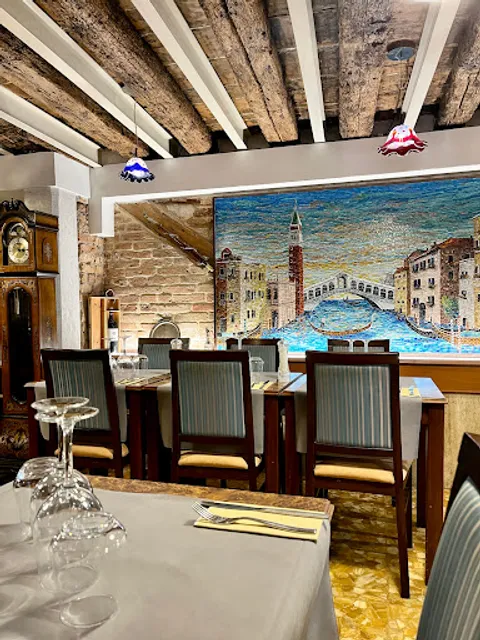
Trattoria Bella Venezia
4.2
(1.5K)
$$
Closed
Click for details
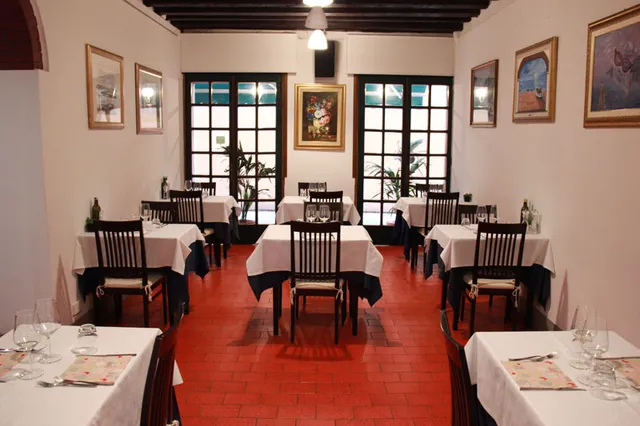
Trattoria Il Vagone
4.5
(1.2K)
Closed
Click for details
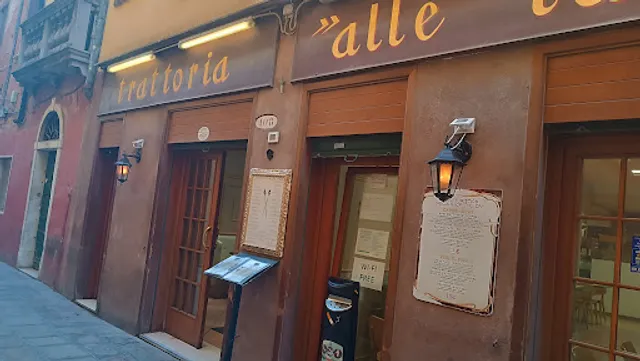
Trattoria Alle Lance
4.0
(941)
Closed
Click for details
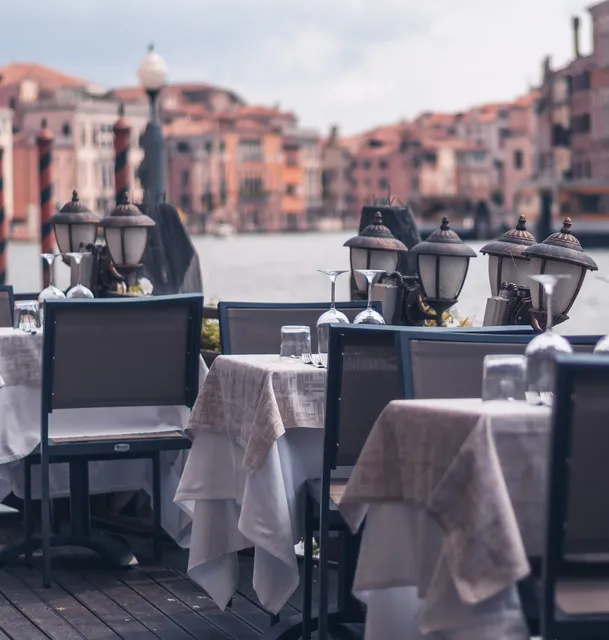
Trattoria Povoledo Venezia
4.1
(977)
Closed
Click for details
Nearby local services of Ponte degli Scalzi
Ponte degli Scalzi
Supermercato Despar Cannaregio (ex Brek)
Venezia Santa Lucia
Venchi Cioccolato e Gelato, Venezia Stazione Santa Lucia
Chiesa di San Simeon Piccolo
Conad
Nino & Friends
Benor Maschere
VENETIANA - FERMATA S. LUCIA/CALATRAVA,
Souvenir da Gabriele Al numero 744

Ponte degli Scalzi
4.6
(1.2K)
Click for details
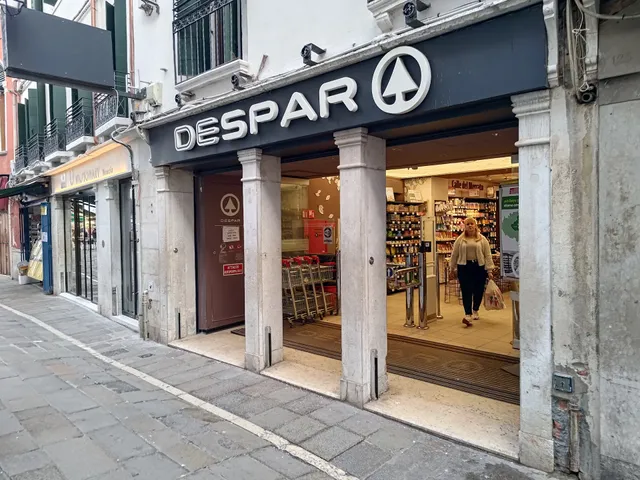
Supermercato Despar Cannaregio (ex Brek)
4.0
(434)
Click for details
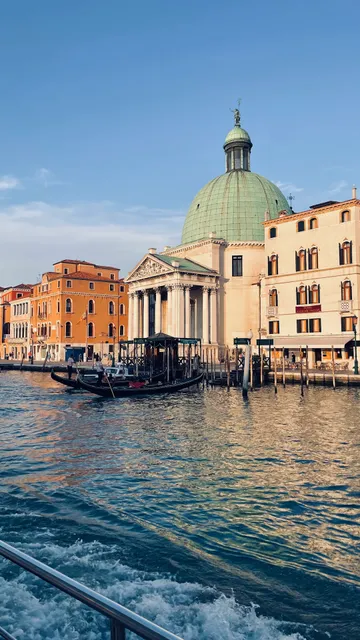
Venezia Santa Lucia
4.4
(844)
Click for details
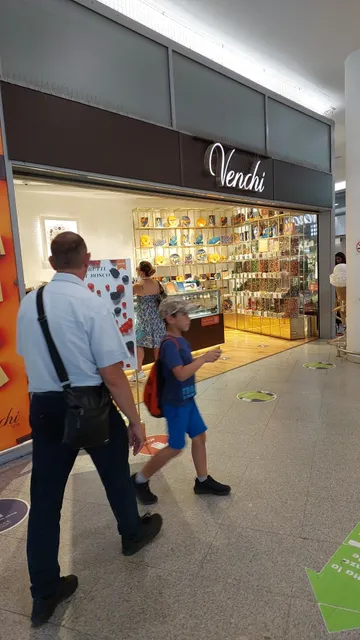
Venchi Cioccolato e Gelato, Venezia Stazione Santa Lucia
4.8
(545)
Click for details