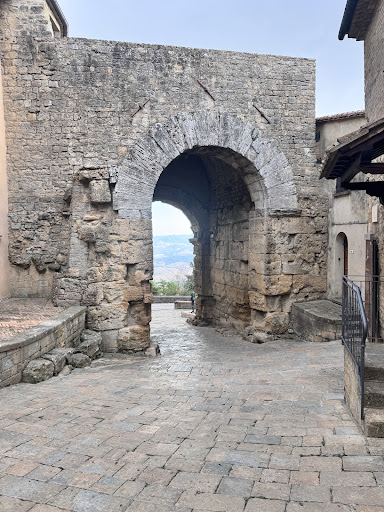
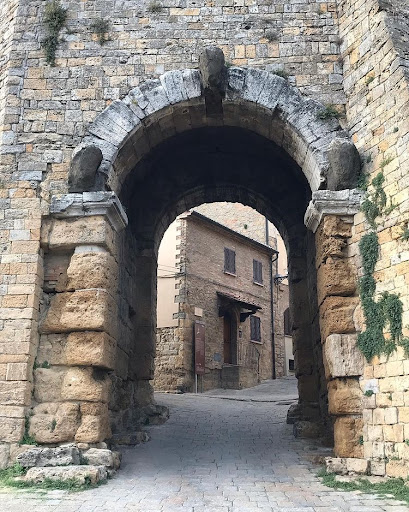
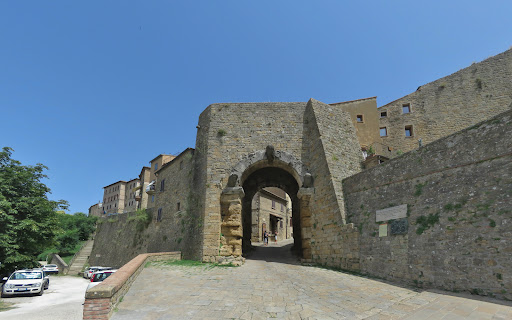
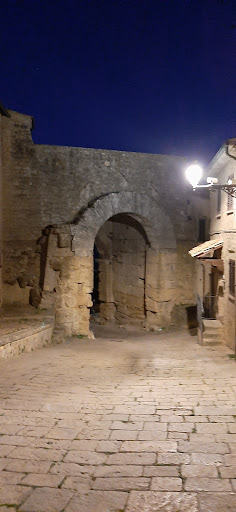
Porta all'Arco things to do, attractions, restaurants, events info and trip planning
Basic Info
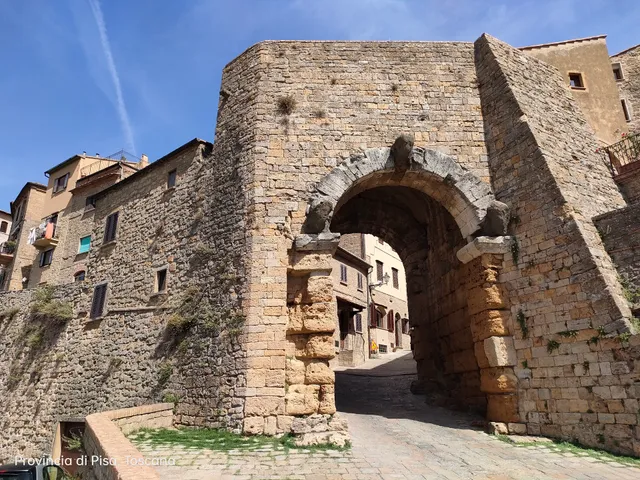
Porta all'Arco
Via Porta all'Arco, 56048 Volterra PI, Italy
4.7(239)
Open until 12:00 AM
Save
spot
spot
Ratings & Description
Info
Cultural
Scenic
attractions: Cattedrale di Santa Maria Assunta, Palace of the Priors, Acropoli Etrusca, Roman Theatre, Parco Archeologico Enrico Fiumi, Volterra City Museum and Art Gallery, Volterra Museum of Torture, Porta San Francesco, Porta and Sources of Docciola, Chiesa di San Francesco, restaurants: i ponti volterra bistrot, Osteria Fornelli, La Vecchia Lira, Life Bistrot - Plant Based Restaurant in Tuscany, Trattoria Il Poggio, Hostaria Il Sacco Fiorentino, La Sosta del Priore, Volaterra, Torre del Porcellino, Ristorante Etruria, local businesses: Cathedral of Santa Maria Assunta, Palazzo dei Priori, Palazzo Viti, Roman Catholic Diocese of Volterra, Fabula Etrusca, San Lino, Volterra, Fortezza Medicea
 Learn more insights from Wanderboat AI.
Website
lapanchinaalsole.com
Open hoursSee all hours
TueOpen 24 hoursOpen
Plan your stay

Pet-friendly Hotels in Volterra
Find a cozy hotel nearby and make it a full experience.

Affordable Hotels in Volterra
Find a cozy hotel nearby and make it a full experience.

The Coolest Hotels You Haven't Heard Of (Yet)
Find a cozy hotel nearby and make it a full experience.

Trending Stays Worth the Hype in Volterra
Find a cozy hotel nearby and make it a full experience.
Reviews
Live events
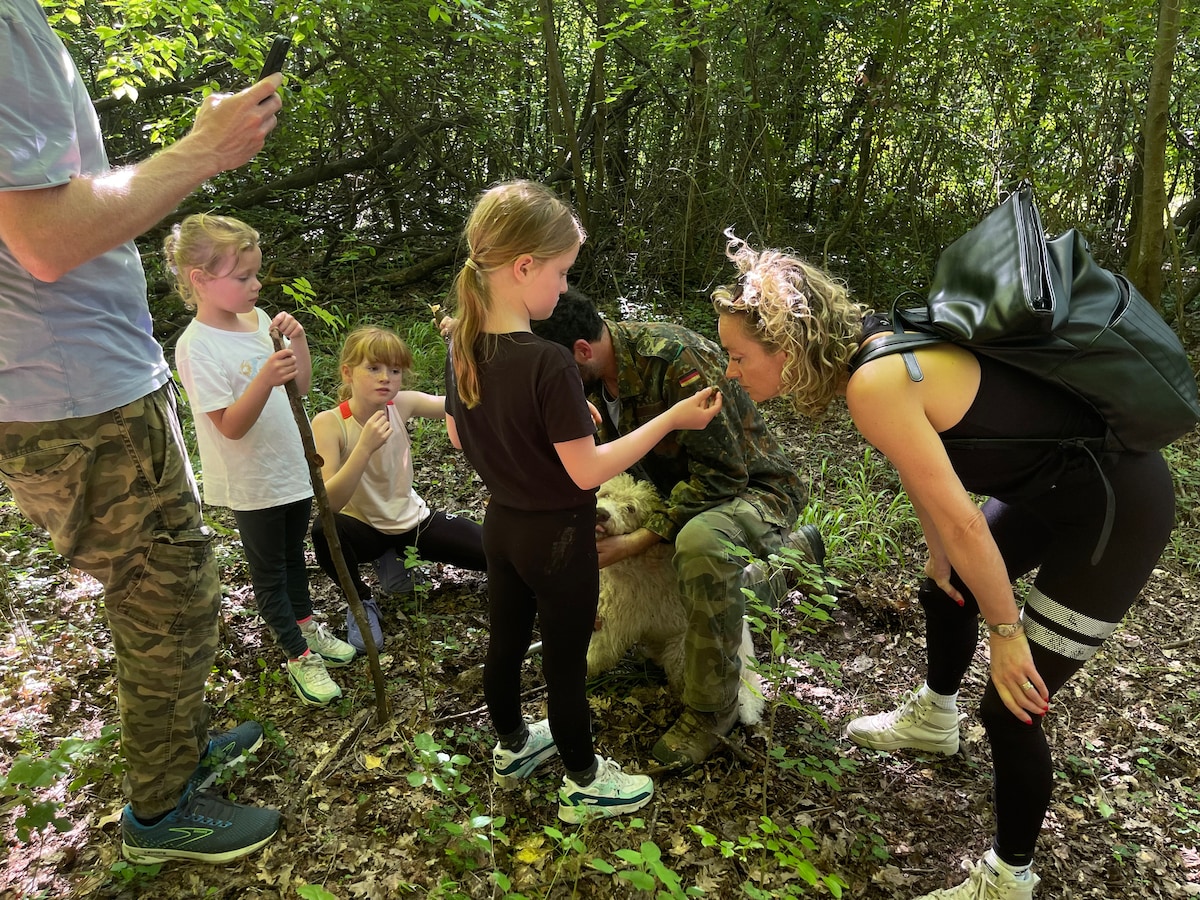
Truffle hunting with tasting in San Miniato
Tue, Feb 24 • 10:00 AM
56028, San Miniato, Toscana, Italy
View details
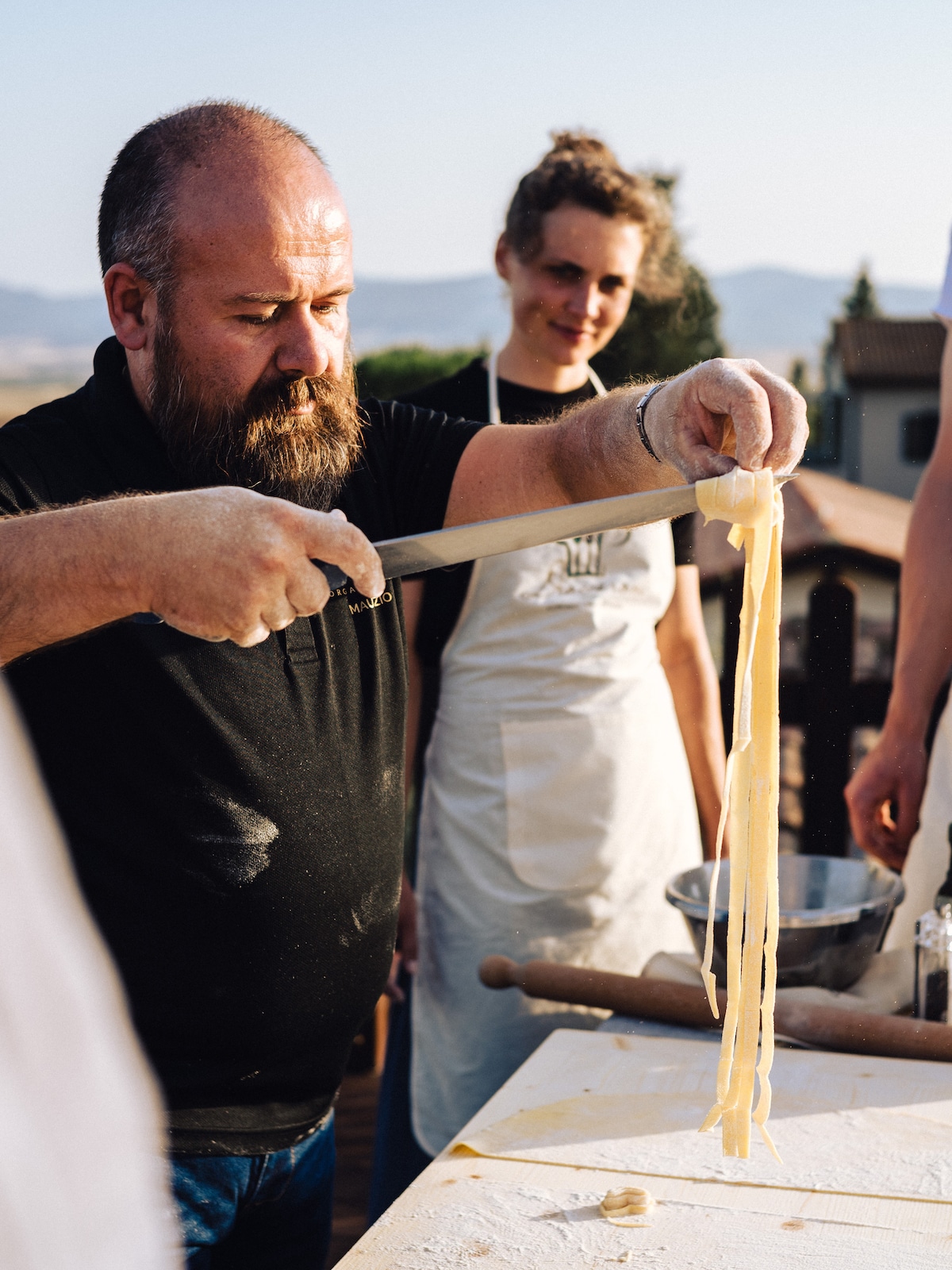
Learn traditional Tuscan pasta making
Sun, Mar 1 • 10:30 AM
56048, Peccioli, Toscana, Italy
View details
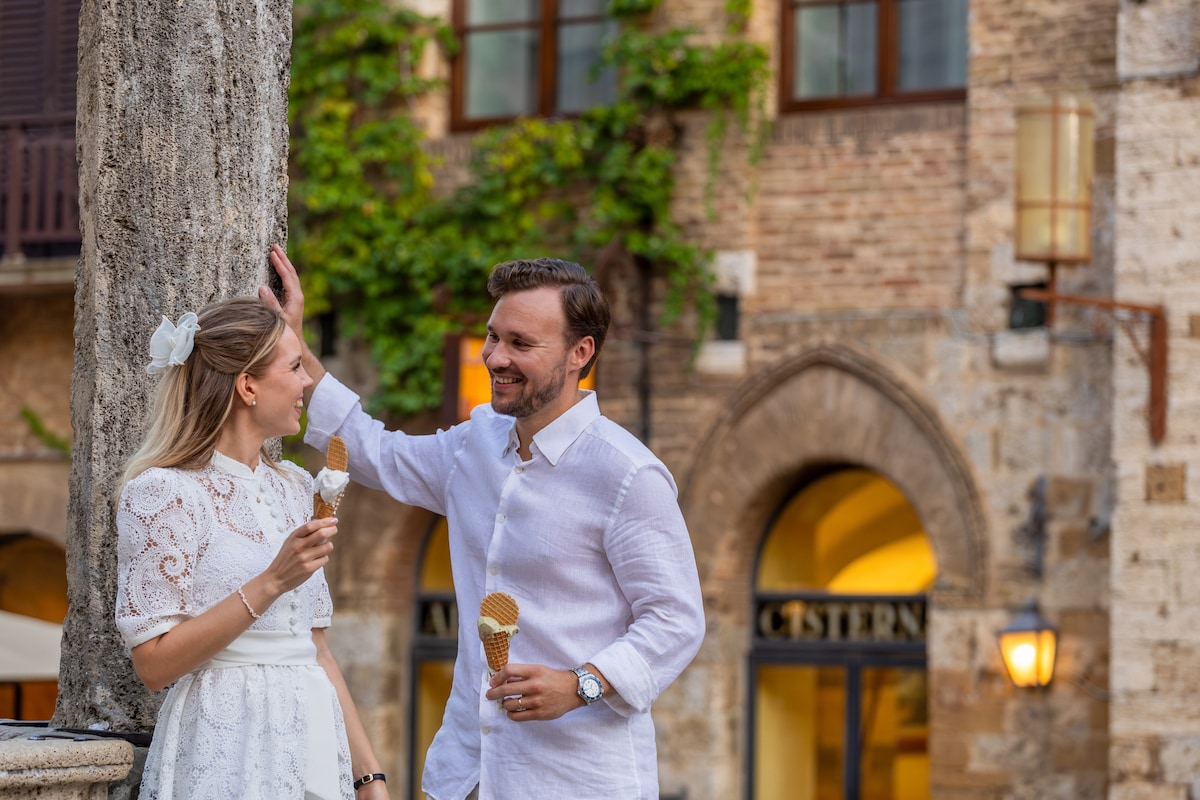
Photo shoot through San Gimignano with Simone
Tue, Feb 24 • 8:00 AM
53037, San Gimignano, Tuscany, Italy
View details
Nearby attractions of Porta all'Arco
Cattedrale di Santa Maria Assunta
Palace of the Priors
Acropoli Etrusca
Roman Theatre
Parco Archeologico Enrico Fiumi
Volterra City Museum and Art Gallery
Volterra Museum of Torture
Porta San Francesco
Porta and Sources of Docciola
Chiesa di San Francesco
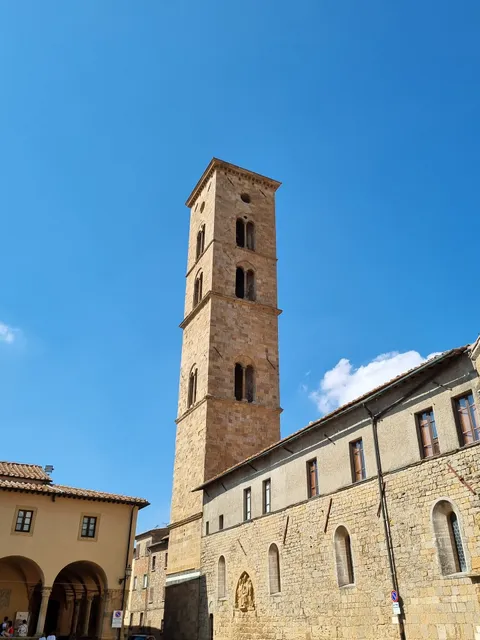
Cattedrale di Santa Maria Assunta
4.4
(427)
Closed
Click for details
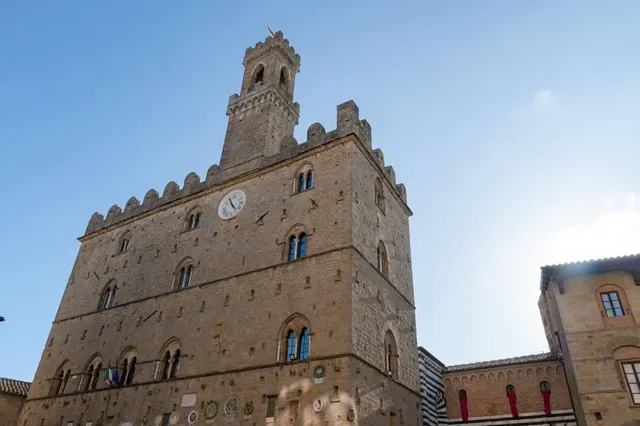
Palace of the Priors
4.5
(298)
Open until 12:00 AM
Click for details
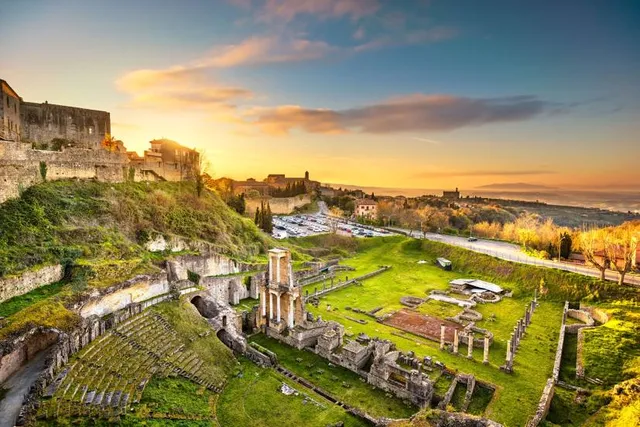
Acropoli Etrusca
3.9
(284)
Open until 12:00 AM
Click for details
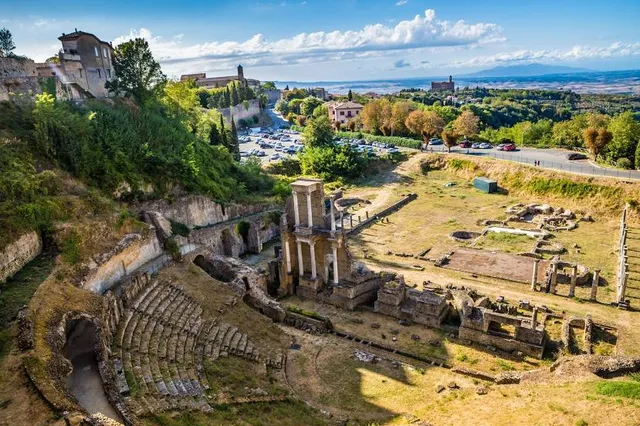
Roman Theatre
4.4
(1.9K)
Open until 12:00 AM
Click for details
Nearby restaurants of Porta all'Arco
i ponti volterra bistrot
Osteria Fornelli
La Vecchia Lira
Life Bistrot - Plant Based Restaurant in Tuscany
Trattoria Il Poggio
Hostaria Il Sacco Fiorentino
La Sosta del Priore
Volaterra
Torre del Porcellino
Ristorante Etruria

i ponti volterra bistrot
4.1
(320)
Click for details
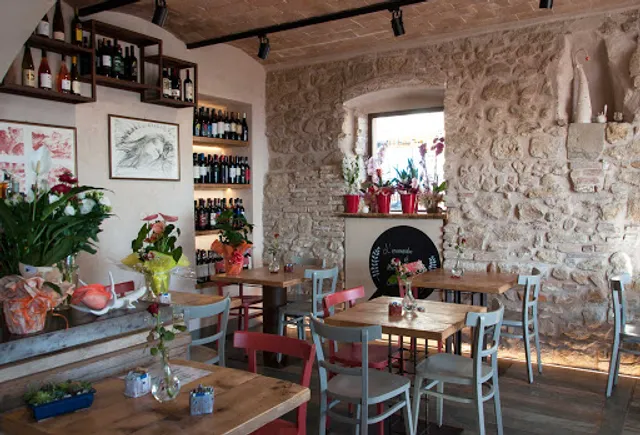
Osteria Fornelli
4.5
(622)
Open until 12:00 AM
Click for details
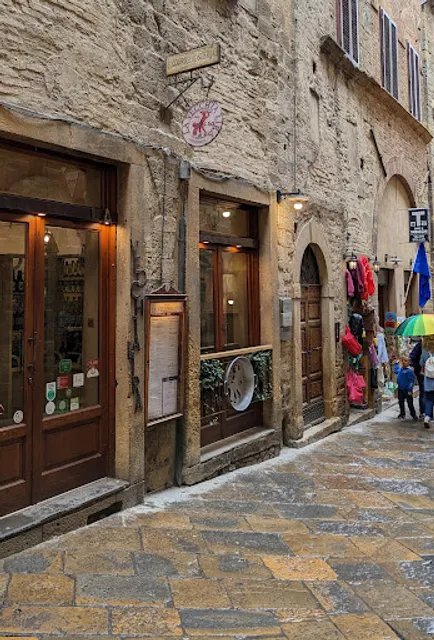
La Vecchia Lira
4.6
(915)
Click for details
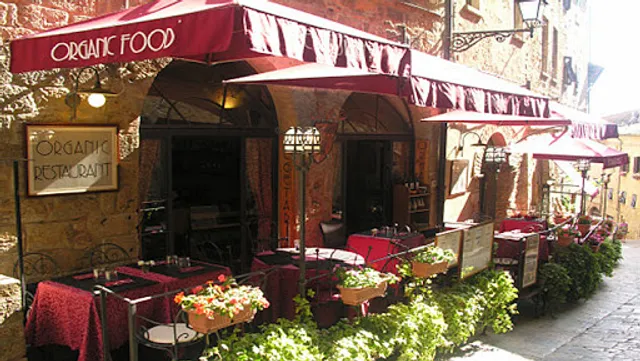
Life Bistrot - Plant Based Restaurant in Tuscany
4.7
(328)
Closed
Click for details
Nearby local services of Porta all'Arco
Cathedral of Santa Maria Assunta
Palazzo dei Priori
Palazzo Viti
Roman Catholic Diocese of Volterra
Fabula Etrusca
San Lino, Volterra
Fortezza Medicea
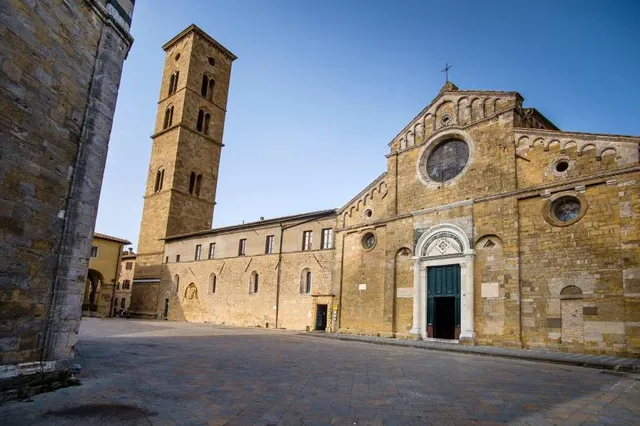
Cathedral of Santa Maria Assunta
4.4
(353)
Click for details
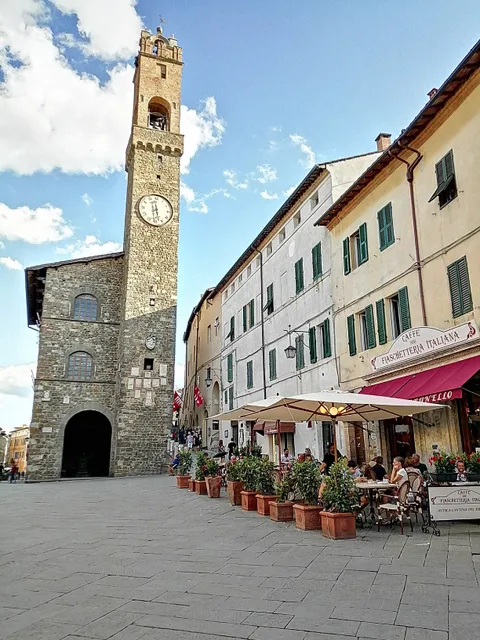
Palazzo dei Priori
4.4
(70)
Click for details
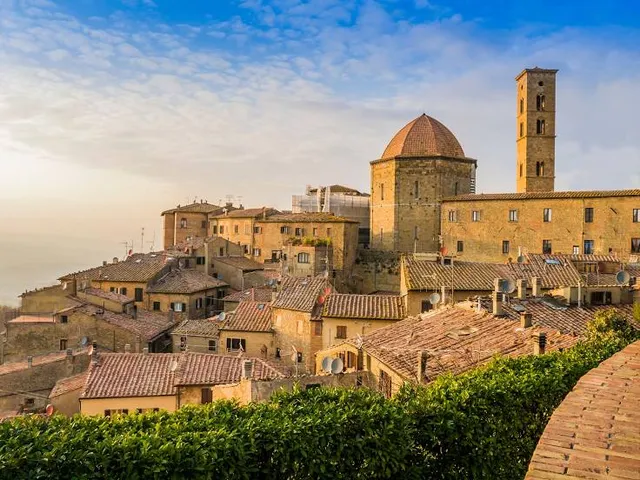
Palazzo Viti
4.6
(158)
Click for details
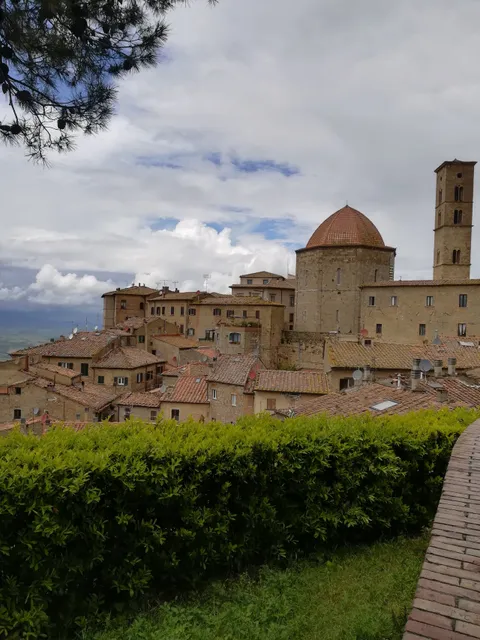
Roman Catholic Diocese of Volterra
4.0
(13)
Click for details