MOA Museum of Art things to do, attractions, restaurants, events info and trip planning
Basic Info
MOA Museum of Art
26-2 Momoyamacho, Atami, Shizuoka 413-8511, Japan
4.3(2.9K)
Open until 12:00 AM


tickets
Save
spot
spot
Ratings & Description
Info
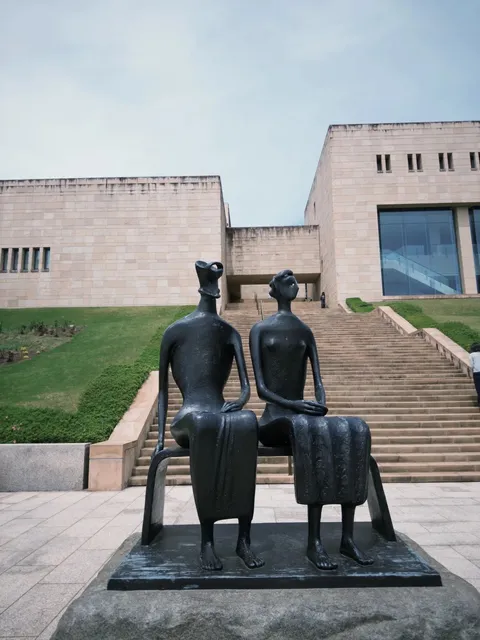
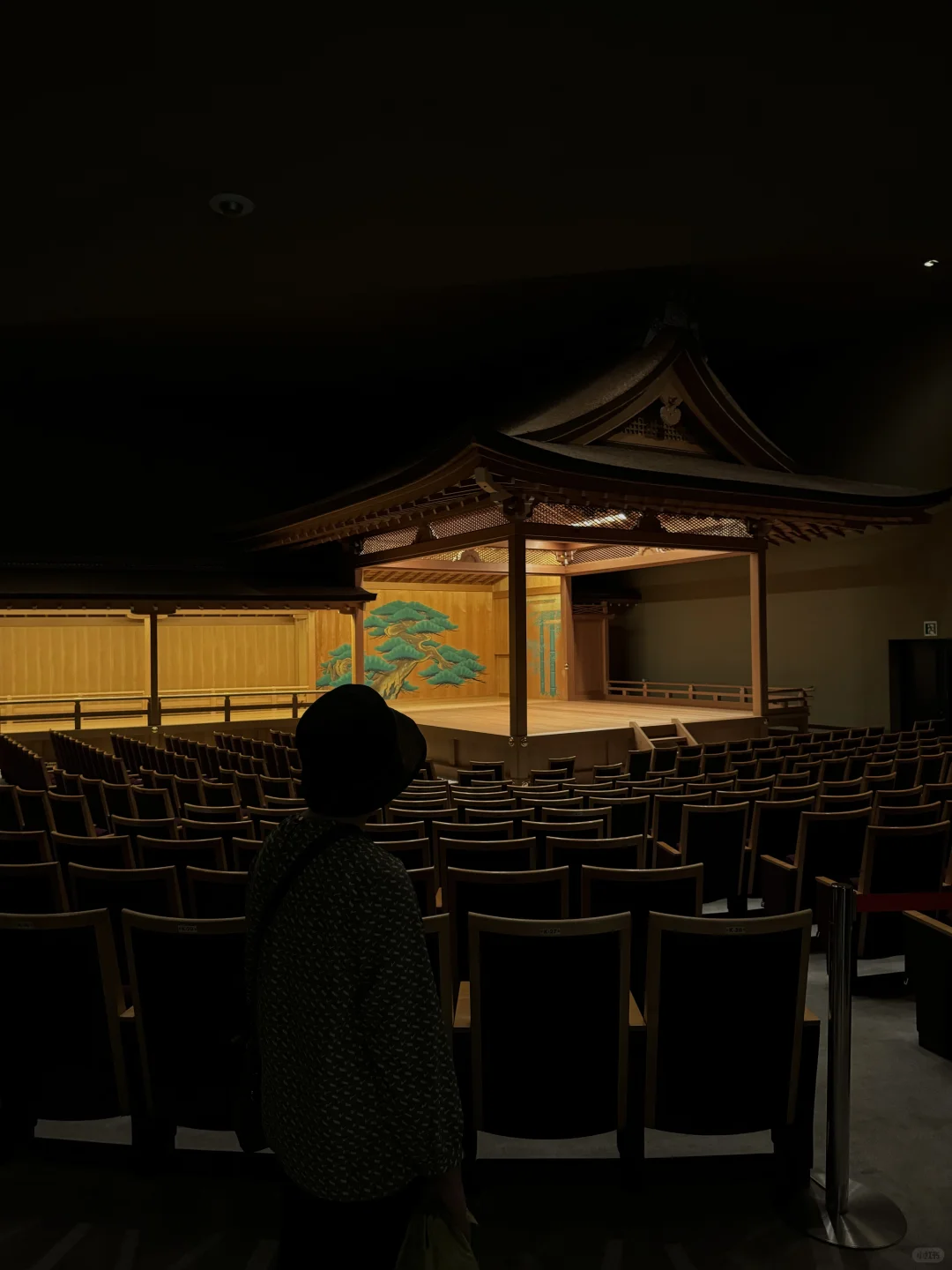
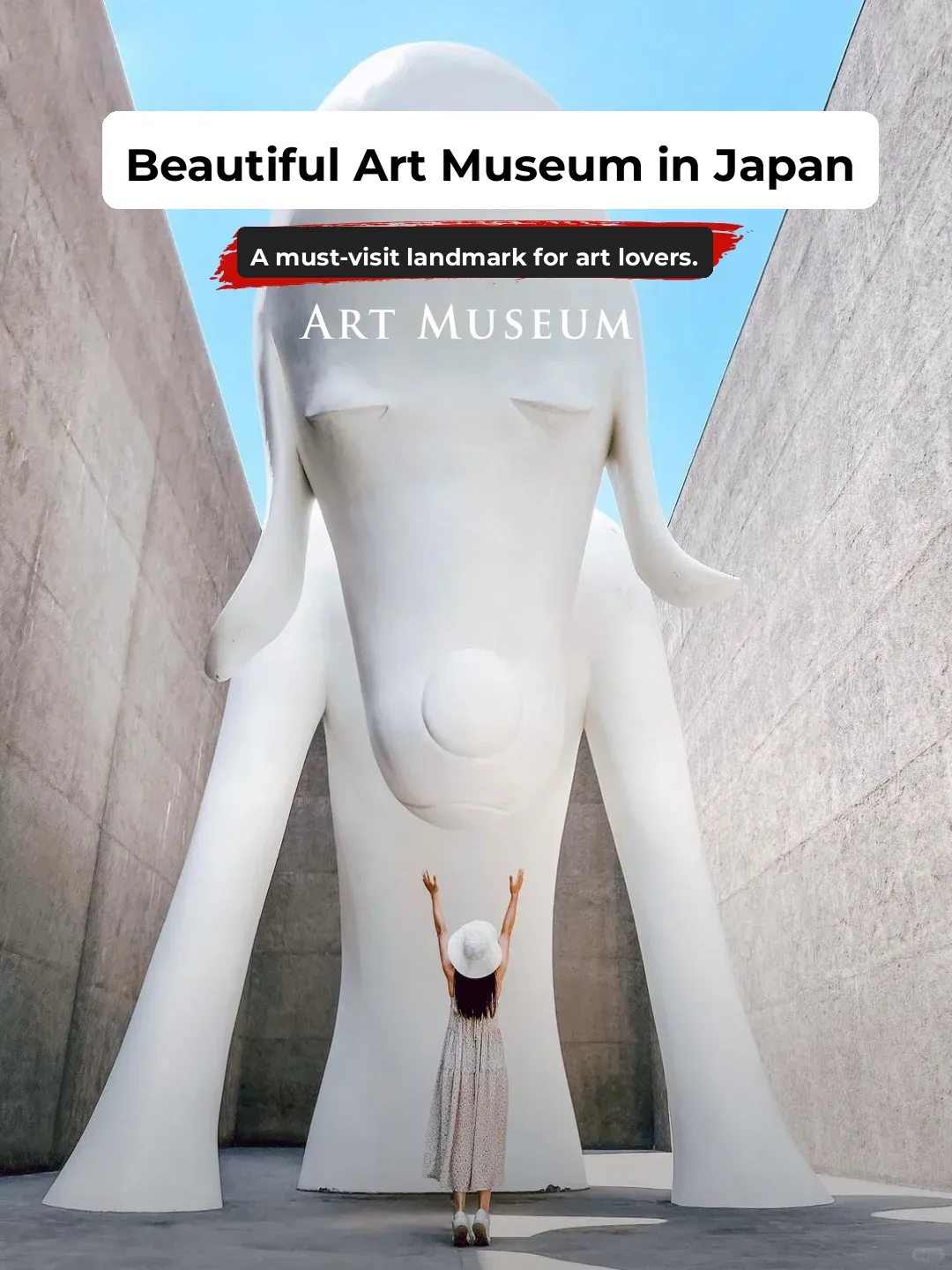
The MOA Museum of Art is a private museum in the city of Atami, Japan. The museum is the third museum established to house the art collection of Mokichi Okada, the founder of the Church of World Messianity, and was founded in 1982.
Cultural
Accessibility
attractions: Solo Sagrado de Atami, Crystal Hall, Atami Heiwa-dōri Shopping Street, Hannya-in, Nakamise-dōri Shopping Street, Masuo Ikeda and Yoko Sato's house of creation, Atami Information Centre, Atami Juraku Hotel, Mizumoriadonomochabakogaro Atamiten, Old Hinata Townhouse by Bruno Taut, restaurants: La Pâtisserie du musée par Toshi Yoroizuka, the café, Japanese restaurant Hana-no-Chaya, Rosarosso, Yamaboushi, 百山茶寮/熱海倶楽部迎賓館, Izutaro Atami, Gomihatchin Lusca Atami, Bakery&Table ラスカ熱海店, Maguroya, local businesses: Shiki Club Atami Boyokan, Lusca Atami, Atami Station, Ieyasu-no-yu, Seijo Ishii, 熱海駅前温泉浴場, Atami Butter An, 熱海クラフト工房, 熱海ゆびわ工房, Izu Muranoeki Rasukaatamiten
 Learn more insights from Wanderboat AI.
Phone
+81 557-84-2511
Website
moaart.or.jp
Open hoursSee all hours
ThuClosedOpen
Plan your stay

Pet-friendly Hotels in Atami
Find a cozy hotel nearby and make it a full experience.

Affordable Hotels in Atami
Find a cozy hotel nearby and make it a full experience.

The Coolest Hotels You Haven't Heard Of (Yet)
Find a cozy hotel nearby and make it a full experience.

Trending Stays Worth the Hype in Atami
Find a cozy hotel nearby and make it a full experience.
Reviews
Live events
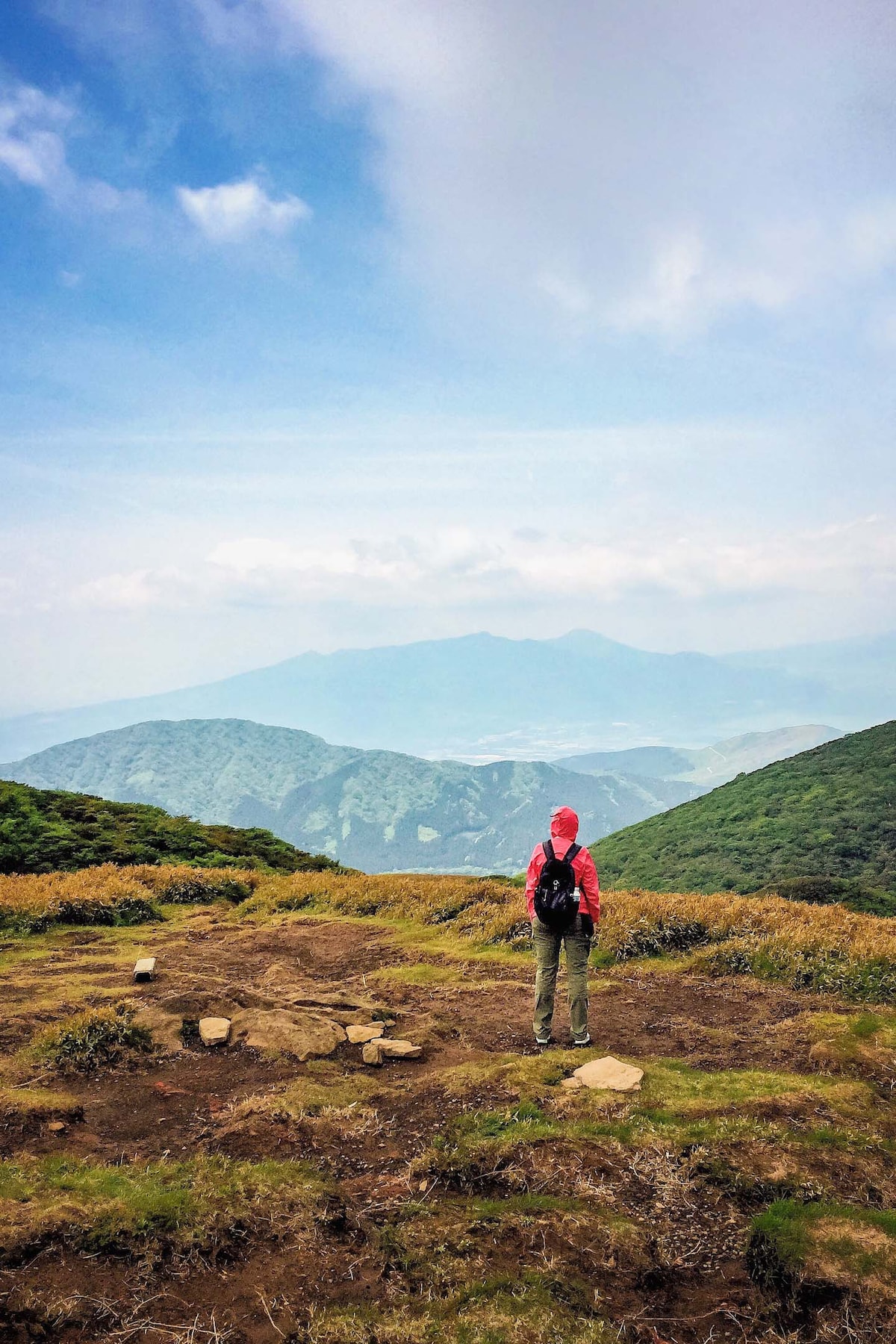
Hike a gentle mountain and hear samurai stories.
Sun, Feb 15 • 11:30 AM
250-0631, Kanagawa Prefecture, Hakone, Japan
View details
Nearby attractions of MOA Museum of Art
Solo Sagrado de Atami
Crystal Hall
Atami Heiwa-dōri Shopping Street
Hannya-in
Nakamise-dōri Shopping Street
Masuo Ikeda and Yoko Sato's house of creation
Atami Information Centre
Atami Juraku Hotel
Mizumoriadonomochabakogaro Atamiten
Old Hinata Townhouse by Bruno Taut
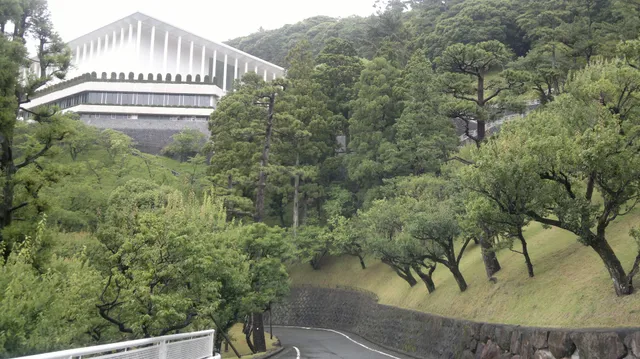
Solo Sagrado de Atami
4.8
(15)
Open 24 hours
Click for details
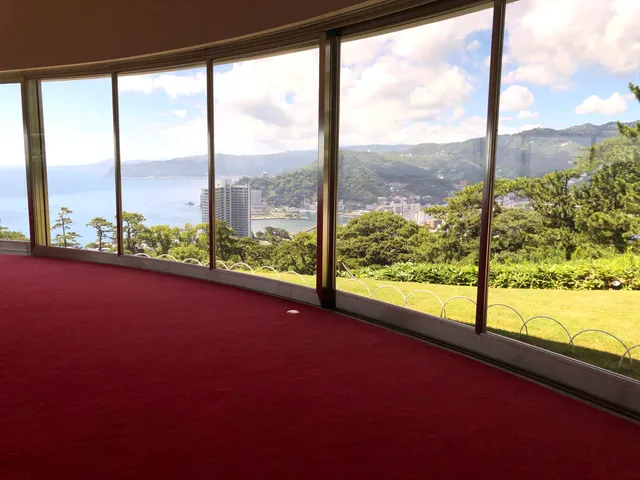
Crystal Hall
4.8
(24)
Open until 12:00 AM
Click for details
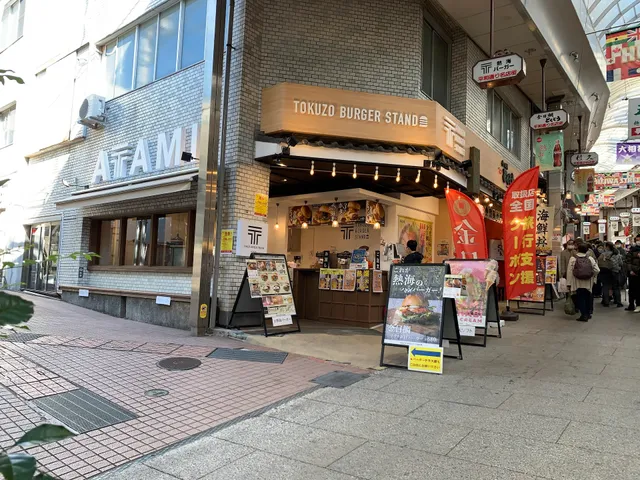
Atami Heiwa-dōri Shopping Street
4.0
(421)
Open 24 hours
Click for details
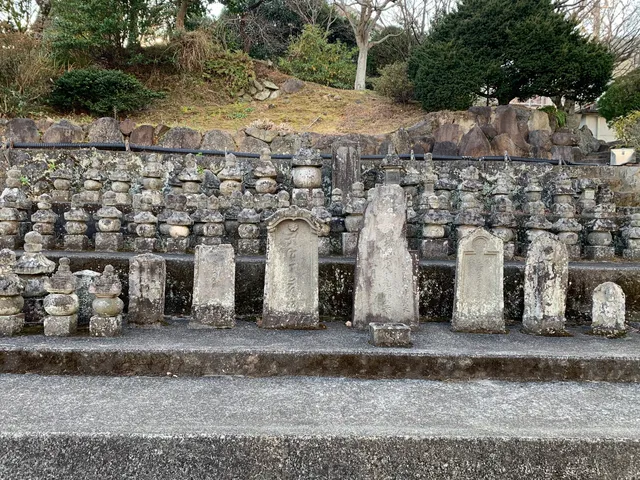
Hannya-in
4.0
(42)
Open until 12:00 AM
Click for details
Nearby restaurants of MOA Museum of Art
La Pâtisserie du musée par Toshi Yoroizuka
the café
Japanese restaurant Hana-no-Chaya
Rosarosso
Yamaboushi
百山茶寮/熱海倶楽部迎賓館
Izutaro Atami
Gomihatchin Lusca Atami
Bakery&Table ラスカ熱海店
Maguroya
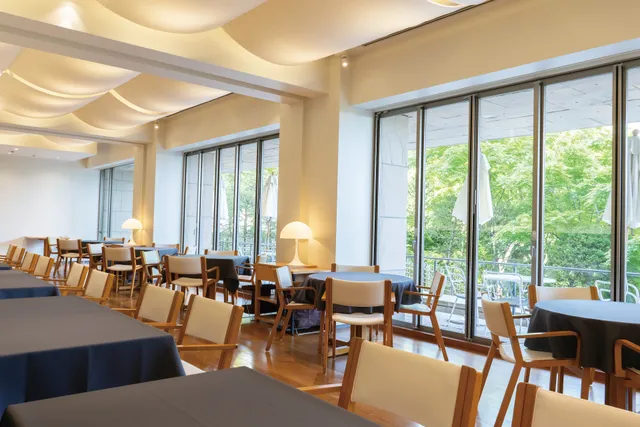
La Pâtisserie du musée par Toshi Yoroizuka
4.4
(84)
Closed
Click for details
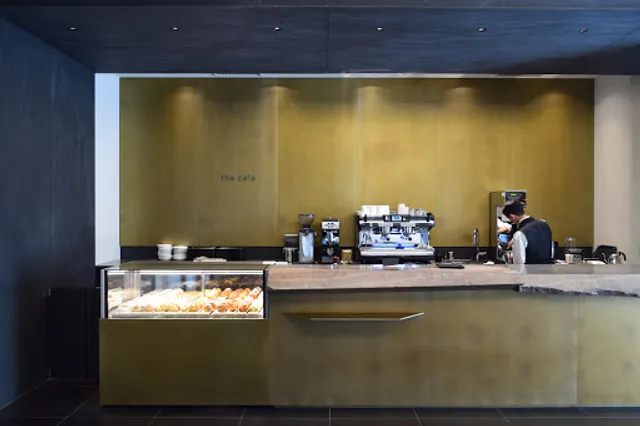
the café
4.5
(60)
Closed
Click for details
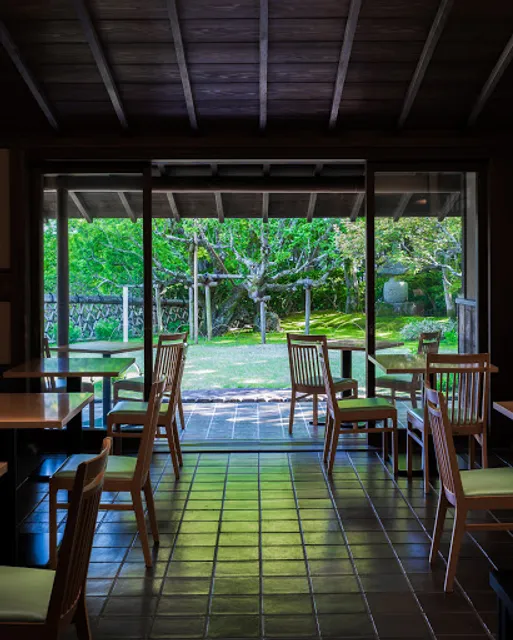
Japanese restaurant Hana-no-Chaya
4.3
(51)
Open until 12:00 AM
Click for details
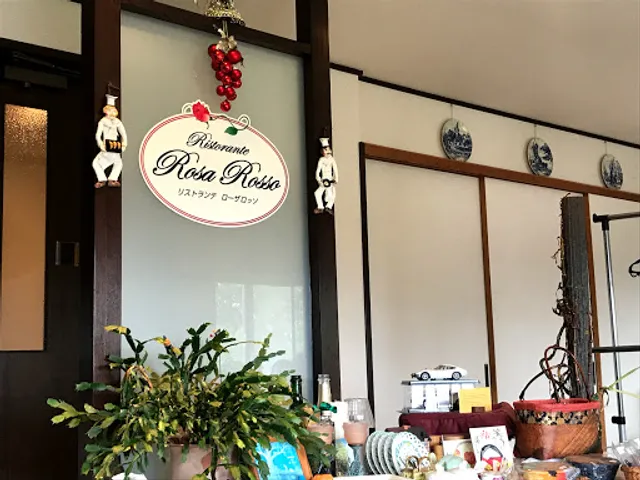
Rosarosso
4.0
(47)
Open until 12:00 AM
Click for details
Nearby local services of MOA Museum of Art
Shiki Club Atami Boyokan
Lusca Atami
Atami Station
Ieyasu-no-yu
Seijo Ishii
熱海駅前温泉浴場
Atami Butter An
熱海クラフト工房
熱海ゆびわ工房
Izu Muranoeki Rasukaatamiten
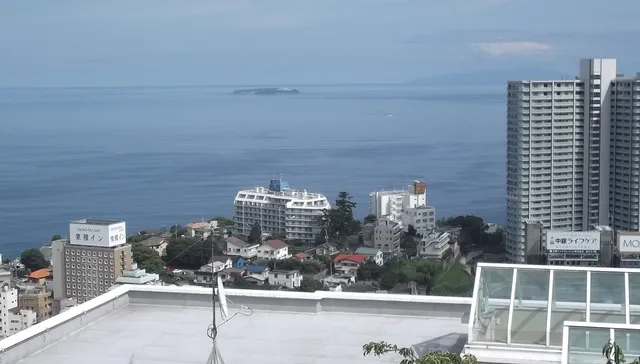
Shiki Club Atami Boyokan
3.6
(129)
Click for details

Lusca Atami
3.8
(756)
Click for details
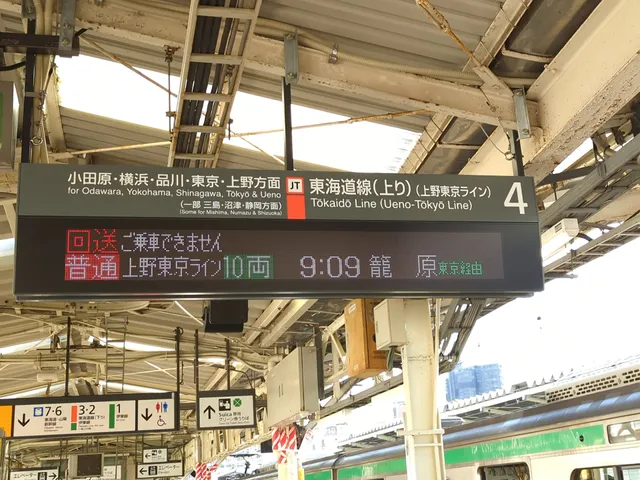
Atami Station
3.9
(232)
Click for details
Ieyasu-no-yu
3.9
(259)
Click for details