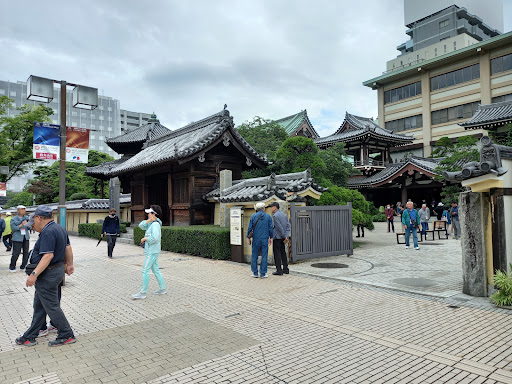
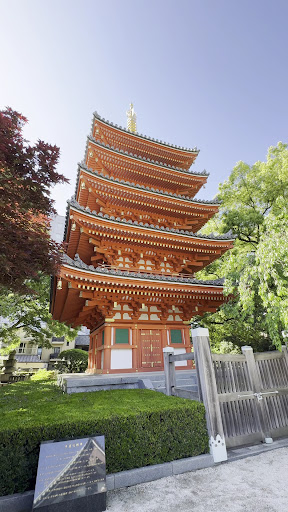
Tochoji Temple things to do, attractions, restaurants, events info and trip planning
Basic Info
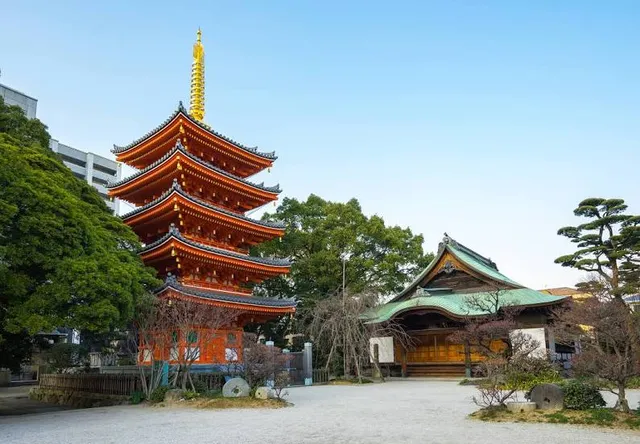
Tochoji Temple
2-4 Gokushomachi, Hakata Ward, Fukuoka, 812-0037, Japan
4.4(1.7K)
Open until 4:45 PM
Save
spot
spot
Ratings & Description
Info
Tōchō-ji is a Shingon temple in Hakata, Fukuoka, Japan. Its honorary sangō prefix is Nangakuzan. It was founded by Kūkai in 806, making it the oldest Shingon temple on the island of Kyushu.
Cultural
Relaxation
Family friendly
attractions: Giant Wooden Buddha, Shofukuji, Jotenji, Ryuguji Temple, Hakata Old Town Area, Hakata Machiya Hometown Museum, Hakata Sennen-no-Mon Gate, Waka Hachimangu Shrine, Sekijozan Myorakuji Temple, Kushida shrine torii gate, restaurants: MUEN COFFEE, Nagahama Number One Gion Store, Yayoiken Hakata Gion, 牛鰻庵 GyuManAn 규만안 lunch 점심 牛餐, うま馬 祇園本店, Tetsunabe Gyoza, Kanyo Korean Restaurant, Hakata Issou Gion, 石堂橋白つぐ, Izakaya Takenoya Gion, local businesses: Murata, 健·もみほぐし整体, Kushida Shrine, Kushida-jinja Shrine, 株式会社プラスト 福岡営業所, Maison HAKOSHIMA メゾンハコシマ, 福岡藩主黒田家墓所(東長寺), Mobile Z Fukuoka iPhone/iPad/Android Repair & Sales Shop, Hakata AKACHOKOBE, オンテックス福岡・福岡拠点
 Learn more insights from Wanderboat AI.
Phone
+81 92-291-4459
Website
tochoji.net
Open hoursSee all hours
Fri9 AM - 4:45 PMOpen
Plan your stay

Pet-friendly Hotels in Fukuoka
Find a cozy hotel nearby and make it a full experience.

Affordable Hotels in Fukuoka
Find a cozy hotel nearby and make it a full experience.

The Coolest Hotels You Haven't Heard Of (Yet)
Find a cozy hotel nearby and make it a full experience.

Trending Stays Worth the Hype in Fukuoka
Find a cozy hotel nearby and make it a full experience.
Reviews
Live events
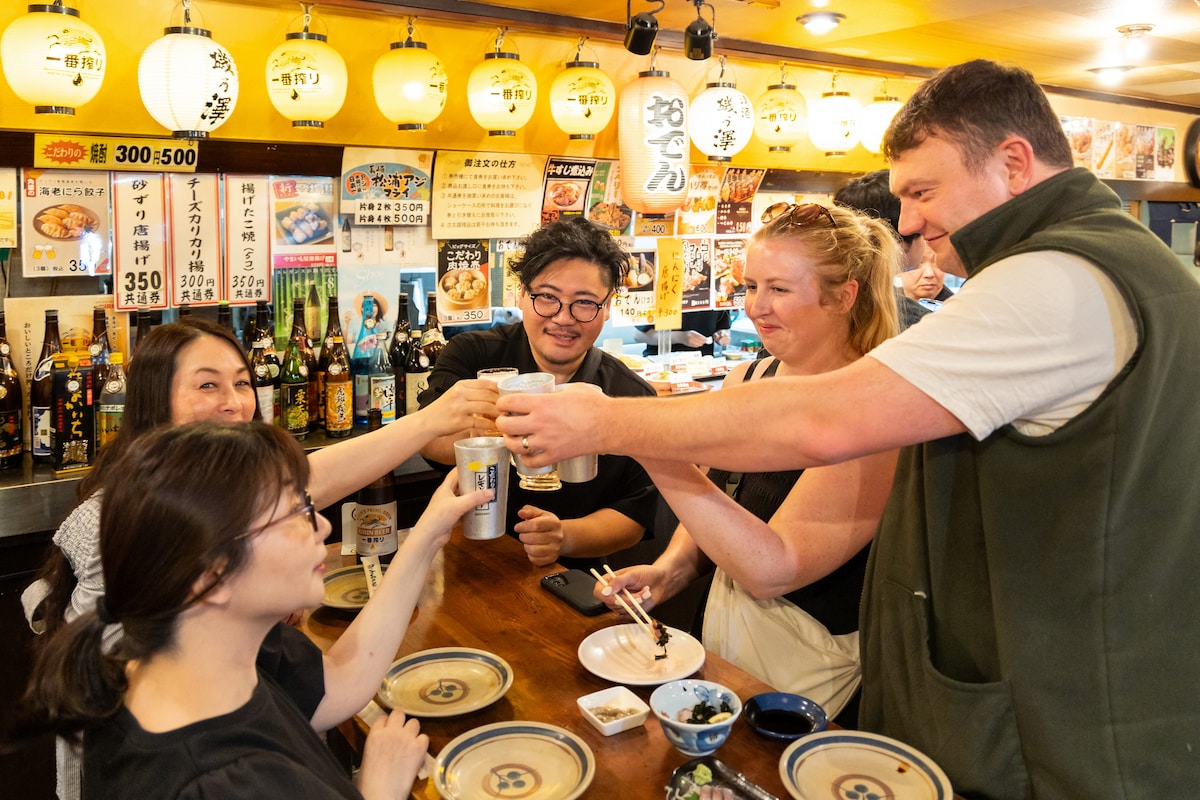
Discover Fukuokas hidden nightlife
Fri, Feb 27 • 7:00 PM
810-0001, Fukuoka, Fukuoka, Japan
View details
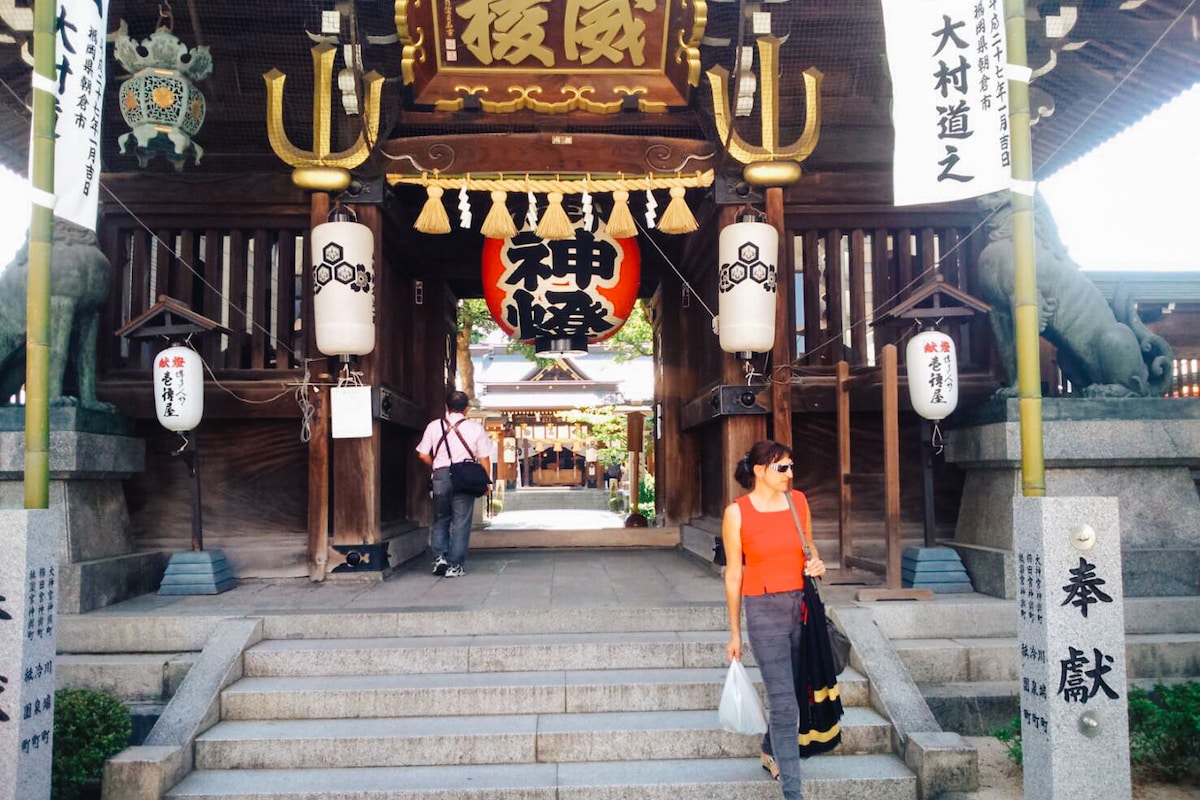
Mysterious Temples of Hakata
Fri, Feb 27 • 10:00 AM
812-0039, Fukuoka, Fukuoka, Japan
View details
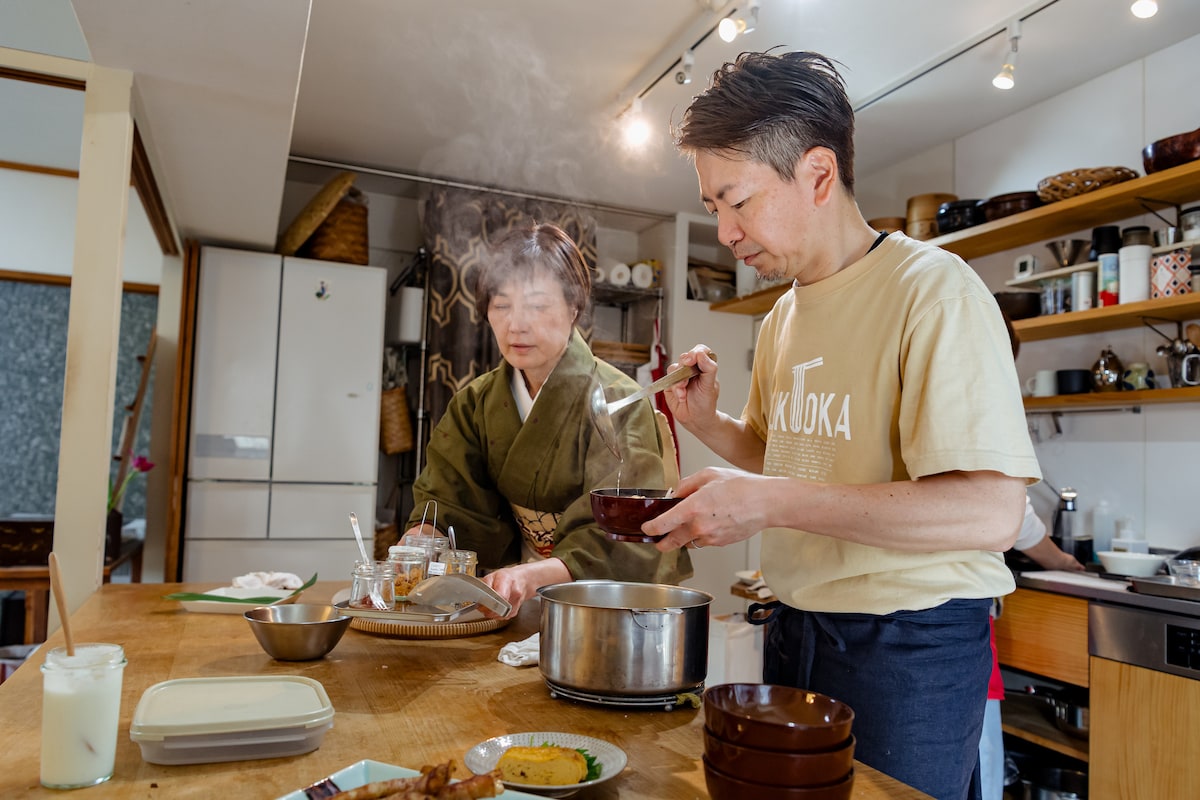
Make miso and seasonal dishes
Tue, Mar 3 • 10:30 AM
810-0022, Fukuoka, Fukuoka, Japan
View details
Nearby attractions of Tochoji Temple
Giant Wooden Buddha
Shofukuji
Jotenji
Ryuguji Temple
Hakata Old Town Area
Hakata Machiya Hometown Museum
Hakata Sennen-no-Mon Gate
Waka Hachimangu Shrine
Sekijozan Myorakuji Temple
Kushida shrine torii gate
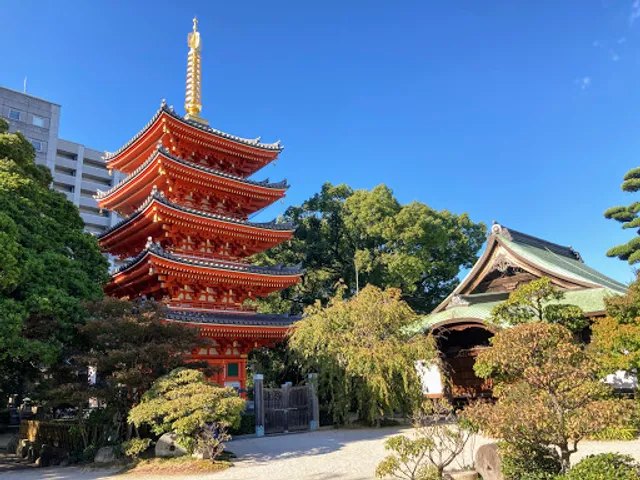
Giant Wooden Buddha
4.5
(199)
Open until 4:45 PM
Click for details
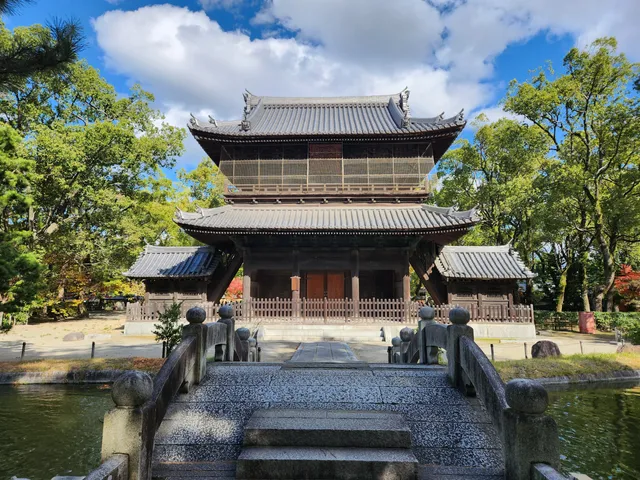
Shofukuji
4.2
(459)
Open until 5:00 PM
Click for details
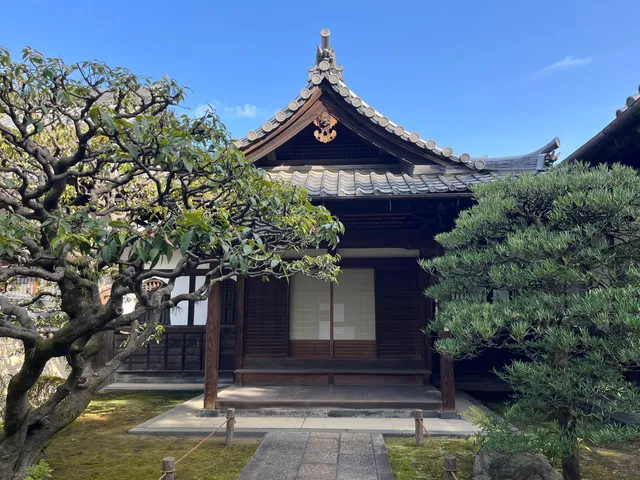
Jotenji
4.2
(357)
Open until 4:30 PM
Click for details
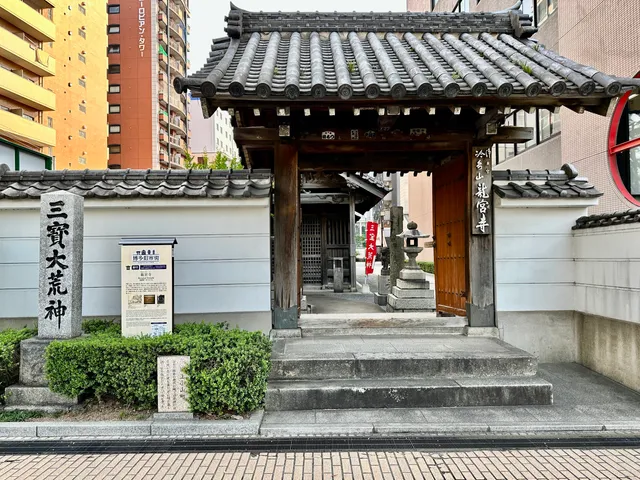
Ryuguji Temple
3.9
(67)
Open 24 hours
Click for details
Nearby restaurants of Tochoji Temple
MUEN COFFEE
Nagahama Number One Gion Store
Yayoiken Hakata Gion
牛鰻庵 GyuManAn 규만안 lunch 점심 牛餐
うま馬 祇園本店
Tetsunabe Gyoza
Kanyo Korean Restaurant
Hakata Issou Gion
石堂橋白つぐ
Izakaya Takenoya Gion
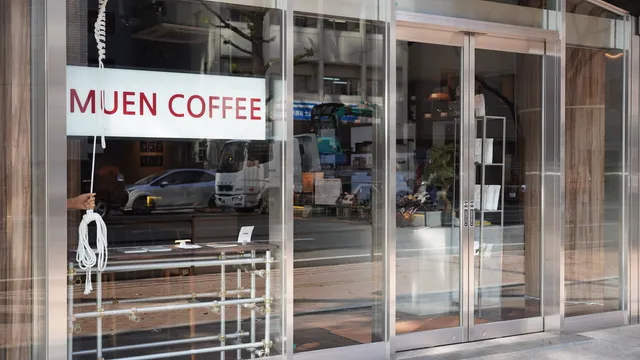
MUEN COFFEE
4.3
(124)
Open until 11:00 PM
Click for details
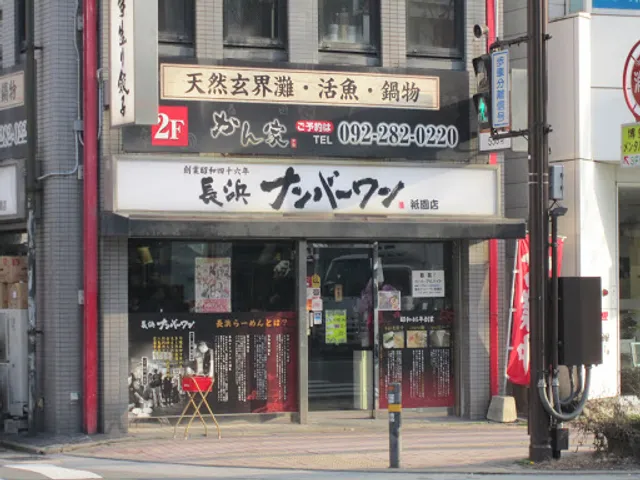
Nagahama Number One Gion Store
4.1
(894)
Closed
Click for details
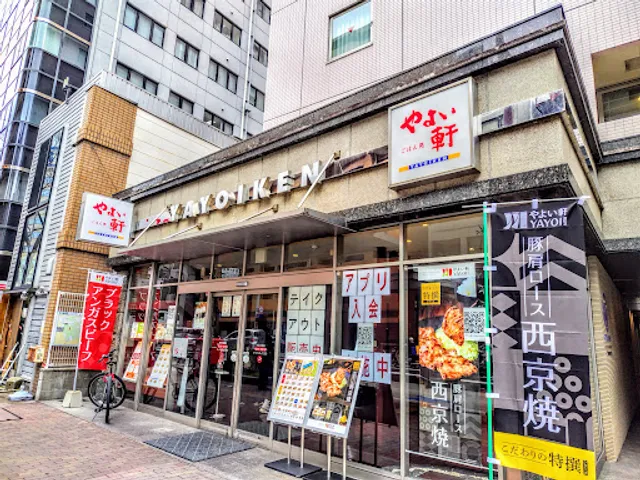
Yayoiken Hakata Gion
3.8
(362)
Closed
Click for details
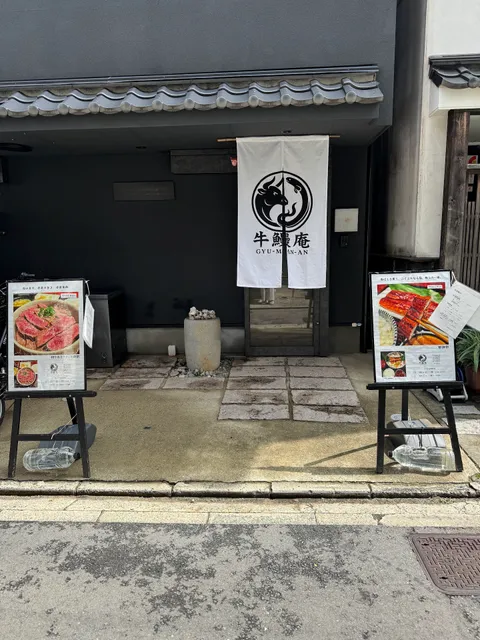
牛鰻庵 GyuManAn 규만안 lunch 점심 牛餐
4.9
(131)
Closed
Click for details
Nearby local services of Tochoji Temple
Murata
健·もみほぐし整体
Kushida Shrine
Kushida-jinja Shrine
株式会社プラスト 福岡営業所
Maison HAKOSHIMA メゾンハコシマ
福岡藩主黒田家墓所(東長寺)
Mobile Z Fukuoka iPhone/iPad/Android Repair & Sales Shop
Hakata AKACHOKOBE
オンテックス福岡・福岡拠点

Murata
4.3
(774)
Click for details

健·もみほぐし整体
5.0
(118)
Click for details
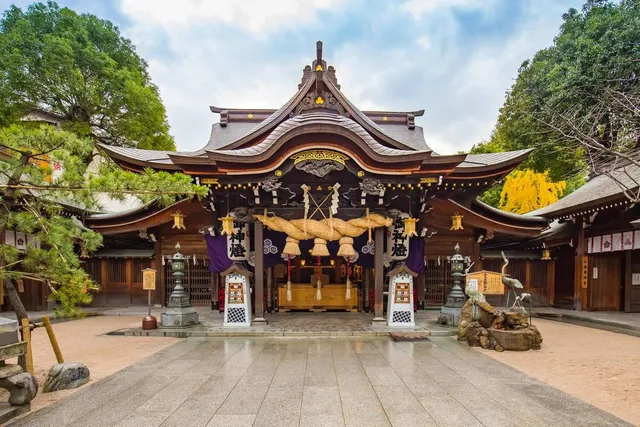
Kushida Shrine
4.3
(5.7K)
Click for details
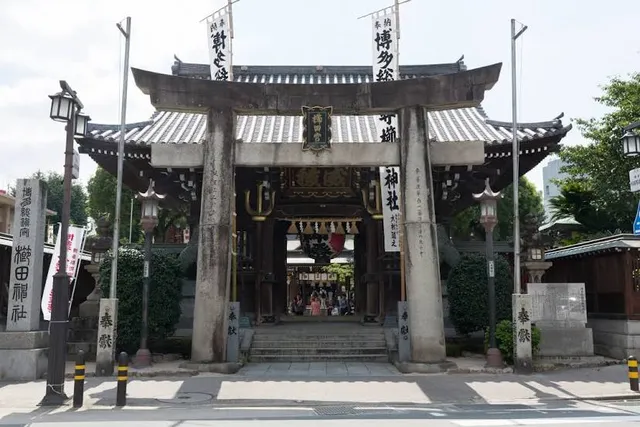
Kushida-jinja Shrine
4.3
(4.5K)
Click for details