Okada Museum of Art things to do, attractions, restaurants, events info and trip planning
Basic Info
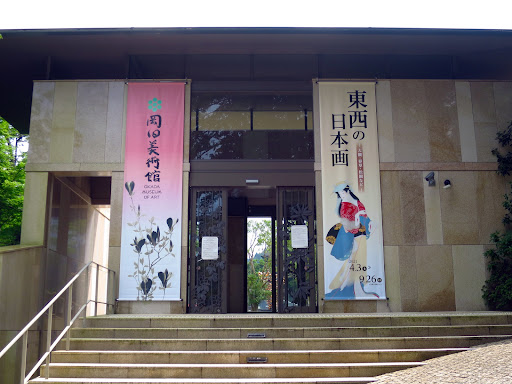
Okada Museum of Art
493-1 Kowakudani, Hakone, Ashigarashimo District, Kanagawa 250-0406, Japan
4.3(894)
Closed

tickets
Save
spot
spot
Ratings & Description
Info
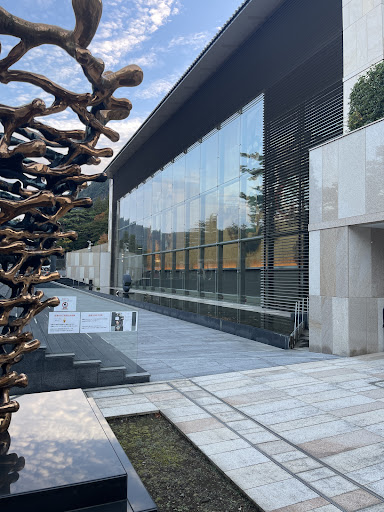
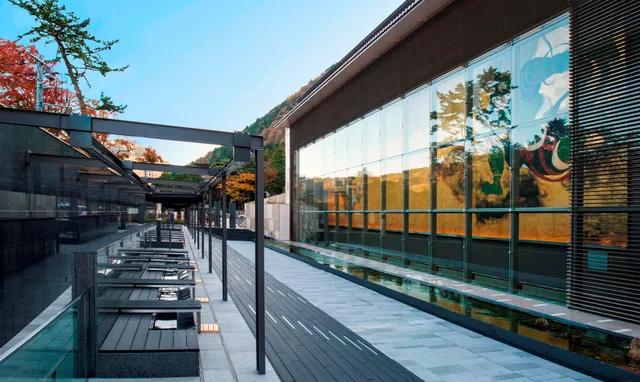
Okada Museum of Art opened in Hakone, Kanagawa Prefecture, Japan, in 2013. A private museum of Asian art with the largest indoor exhibition space in Hakone, extending over five floors, the collection ...
Cultural
Accessibility
attractions: Hakone Kowakien Yunessun, Kowakidani Horaien Gardens, Chisuji Falls, The Hakone Open-Air Museum, Picasso Pavilion, Symphonic Sculpture, Woods of Net, restaurants: Okada Museum of Art footbath cafe, Kaikatei, Teppanyaki / Shabu-shabu Geihinkan, Yakiniku Zen|hakone lunch dinner course, Sushi & Shabushabu Kumashiro, Fontainebleau, FoodCourt FONTANA, BEER BAR by GORA BREWERY, Restaurant ROI, HAKONE PICNIC, local businesses: Hakone Kowakien Morinoyu, Sanno Shrine, 7-Eleven, 亀の湯, Kowakidani Station, Hakonenomori Footbath, Symphonic Sculpture, Nature Trail, Sanctuary, Forests Hot-Spring Foot-Bath
 Learn more insights from Wanderboat AI.
Phone
+81 460-87-3931
Website
okada-museum.com
Open hoursSee all hours
Tue9 AM - 5 PMClosed
Plan your stay

Pet-friendly Hotels in Hakone
Find a cozy hotel nearby and make it a full experience.

Affordable Hotels in Hakone
Find a cozy hotel nearby and make it a full experience.

The Coolest Hotels You Haven't Heard Of (Yet)
Find a cozy hotel nearby and make it a full experience.

Trending Stays Worth the Hype in Hakone
Find a cozy hotel nearby and make it a full experience.
Reviews
Live events
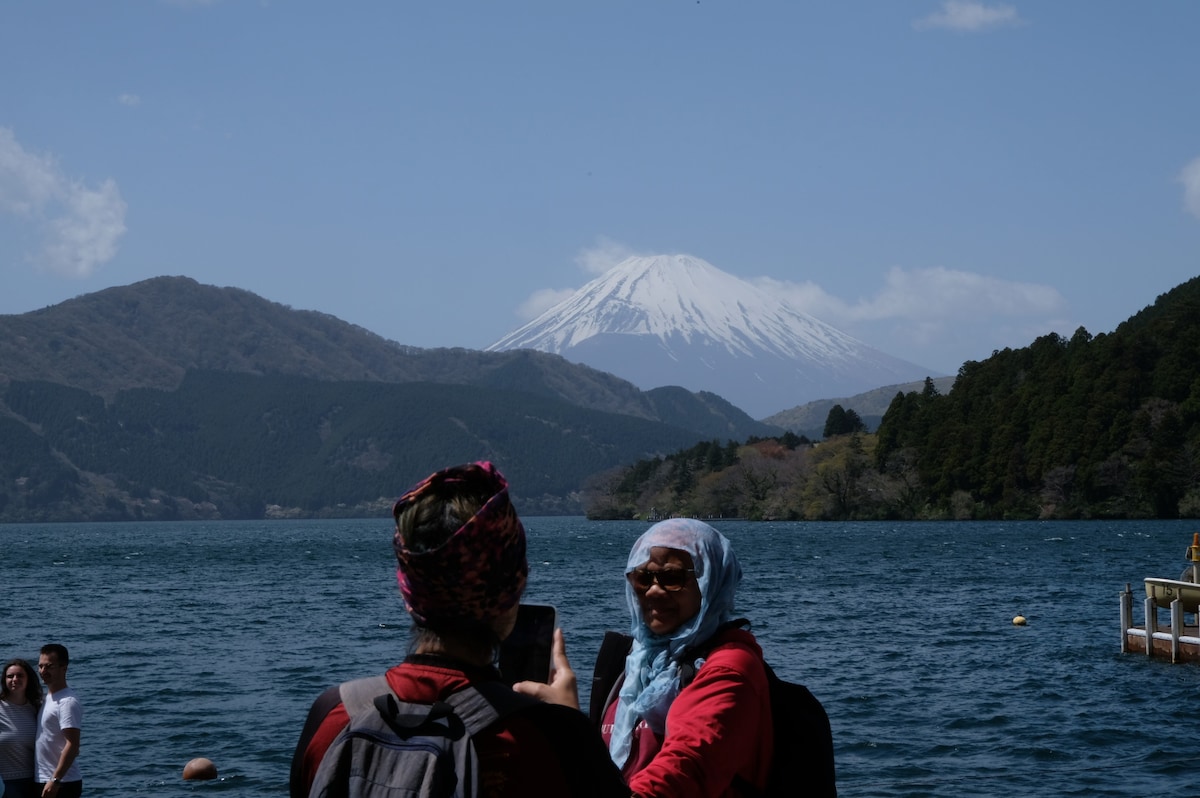
Half day Hike on Historical Hakone Hachiri Trail
Thu, Feb 26 • 9:00 AM
250-0311, Kanagawa Prefecture, Hakone, Japan
View details
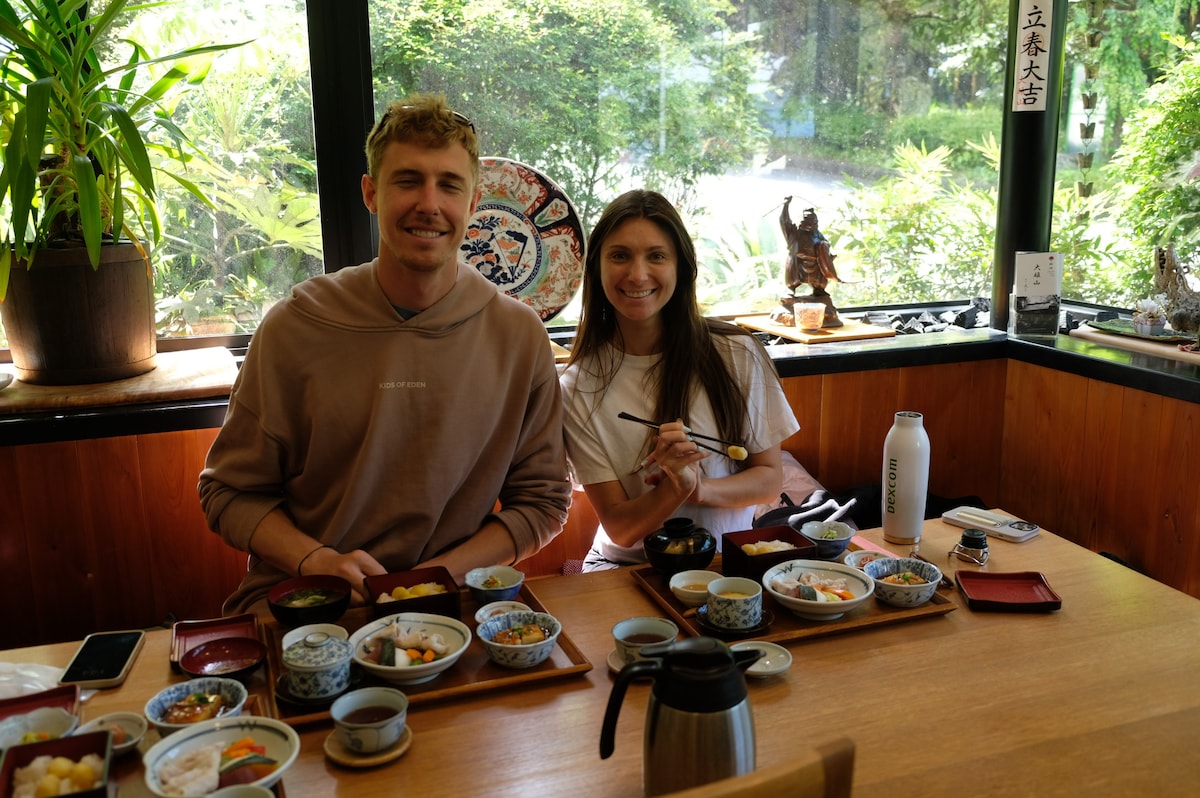
Forest bathing and onsen with healing power
Thu, Feb 26 • 9:00 AM
00000, Kanagawa Prefecture, Odawara, Japan
View details

Enjoy driving and shooting in style with the latest Porsche 911 Carrera Cabriolet.
Wed, Feb 25 • 1:00 PM
259-0303, Kanagawa Prefecture, Yugawara, Ashigarashimo District, Japan
View details
Nearby attractions of Okada Museum of Art
Hakone Kowakien Yunessun
Kowakidani Horaien Gardens
Chisuji Falls
The Hakone Open-Air Museum
Picasso Pavilion
Symphonic Sculpture
Woods of Net
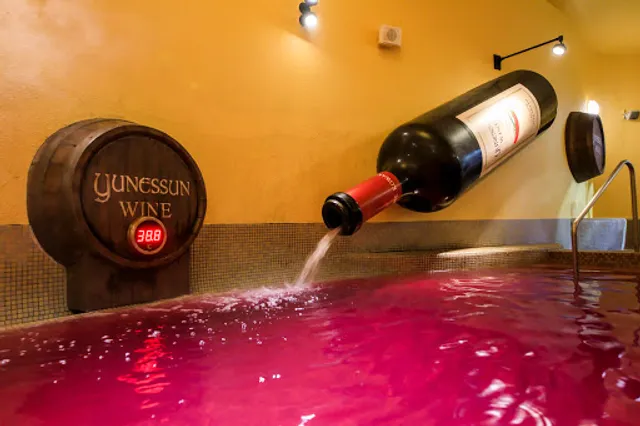
Hakone Kowakien Yunessun
3.8
(203)
Open 24 hours
Click for details
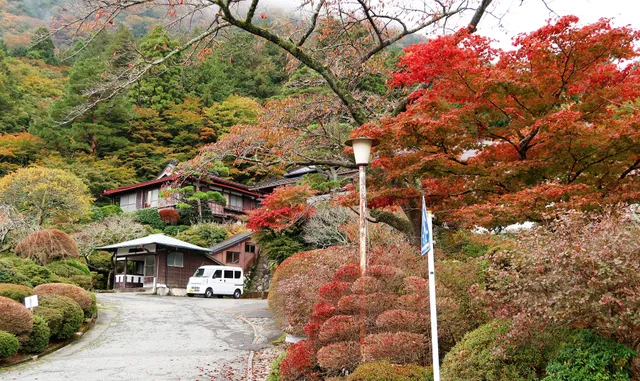
Kowakidani Horaien Gardens
3.9
(39)
Open 24 hours
Click for details
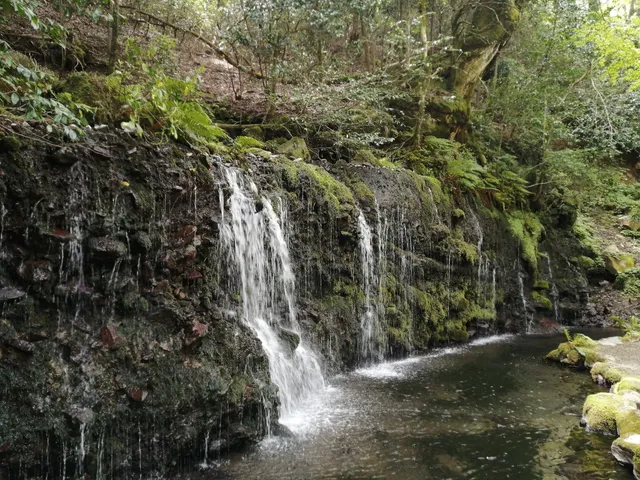
Chisuji Falls
4.1
(448)
Open until 12:00 AM
Click for details
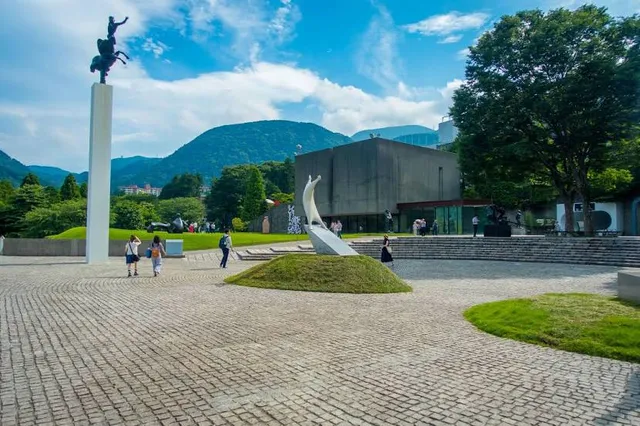
The Hakone Open-Air Museum
4.5
(6.1K)
Closed
Click for details
Nearby restaurants of Okada Museum of Art
Okada Museum of Art footbath cafe
Kaikatei
Teppanyaki / Shabu-shabu Geihinkan
Yakiniku Zen|hakone lunch dinner course
Sushi & Shabushabu Kumashiro
Fontainebleau
FoodCourt FONTANA
BEER BAR by GORA BREWERY
Restaurant ROI
HAKONE PICNIC

Okada Museum of Art footbath cafe
4.3
(58)
Closed
Click for details
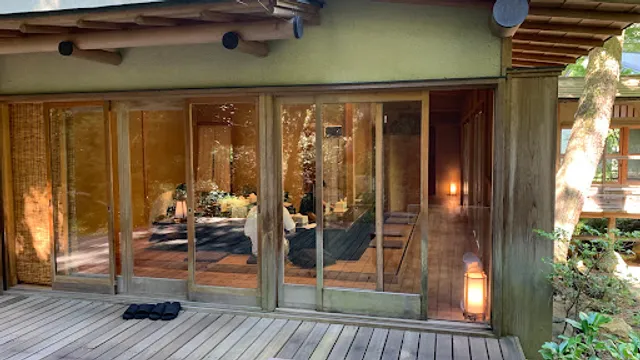
Kaikatei
4.5
(81)
Closed
Click for details
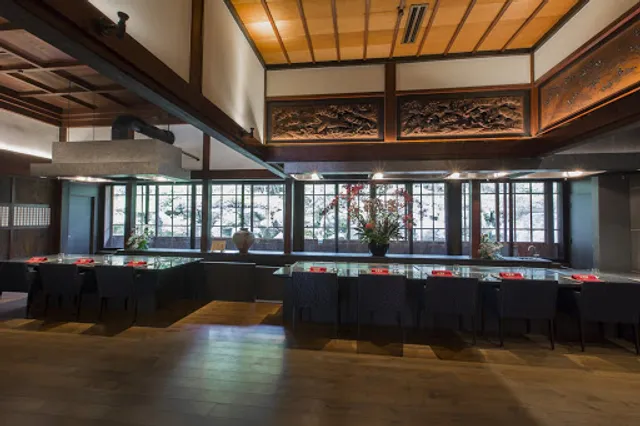
Teppanyaki / Shabu-shabu Geihinkan
3.9
(53)
Closed
Click for details
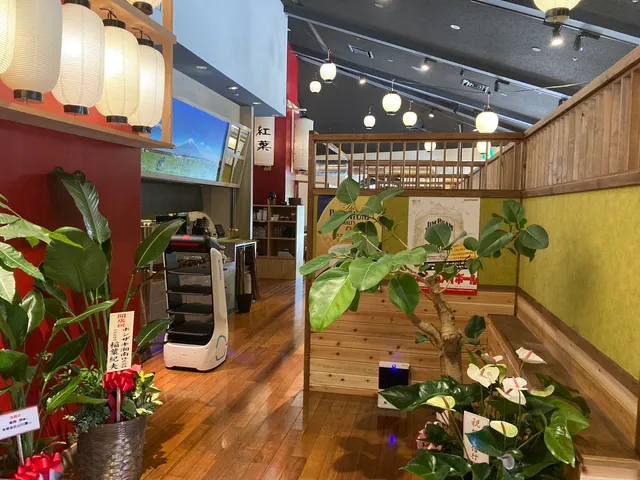
Yakiniku Zen|hakone lunch dinner course
3.9
(34)
Closed
Click for details
Nearby local services of Okada Museum of Art
Hakone Kowakien Morinoyu
Sanno Shrine
7-Eleven
亀の湯
Kowakidani Station
Hakonenomori Footbath
Symphonic Sculpture
Nature Trail
Sanctuary
Forests Hot-Spring Foot-Bath
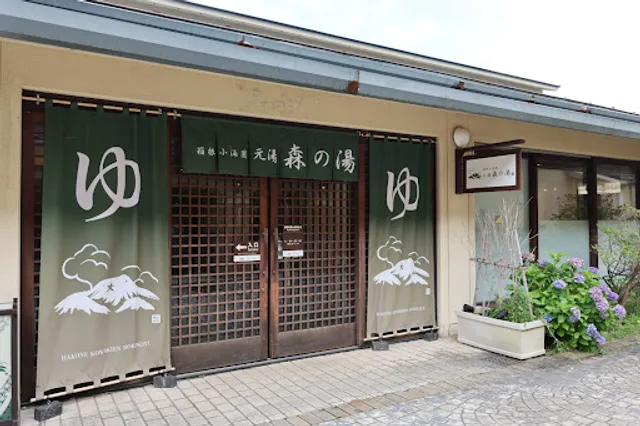
Hakone Kowakien Morinoyu
3.8
(207)
Click for details
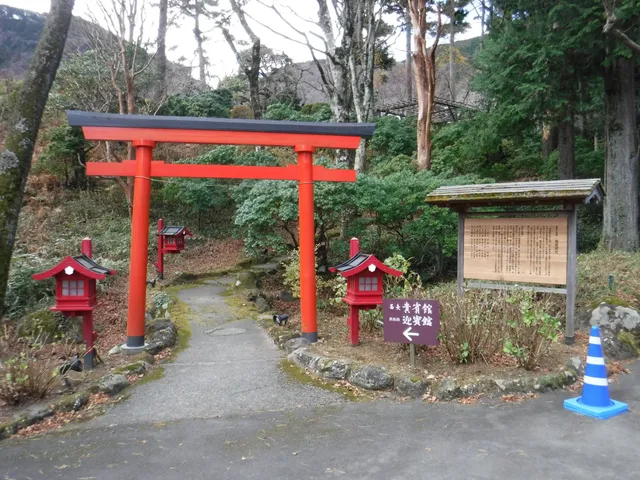
Sanno Shrine
3.3
(17)
Click for details

7-Eleven
3.1
(51)
Click for details
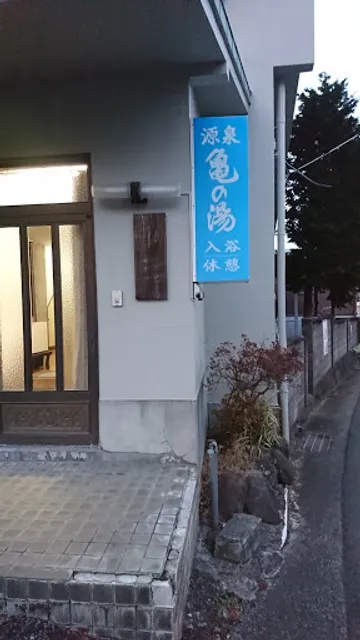
亀の湯
3.8
(94)
Click for details