
 Learn more insights from Wanderboat AI.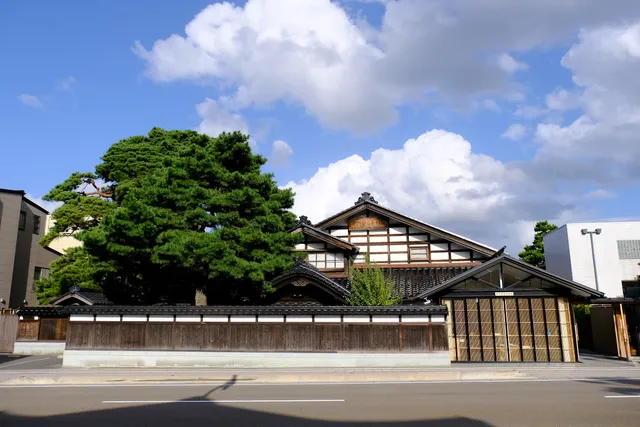
Ohi Museum
4.1
(90)
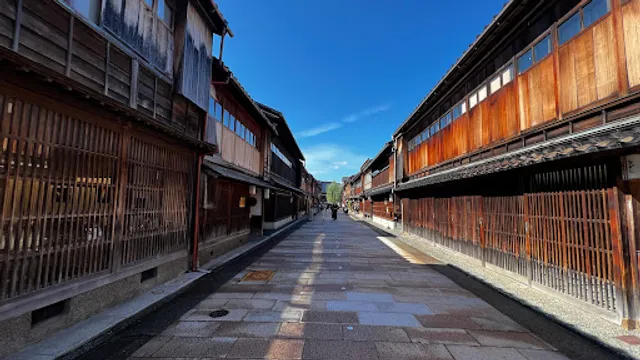
Higashi Chaya District
4.2
(8.4K)
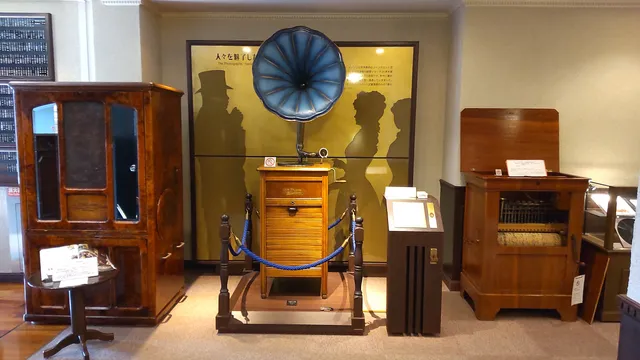
Kanazawa Phonograph Museum
4.6
(333)
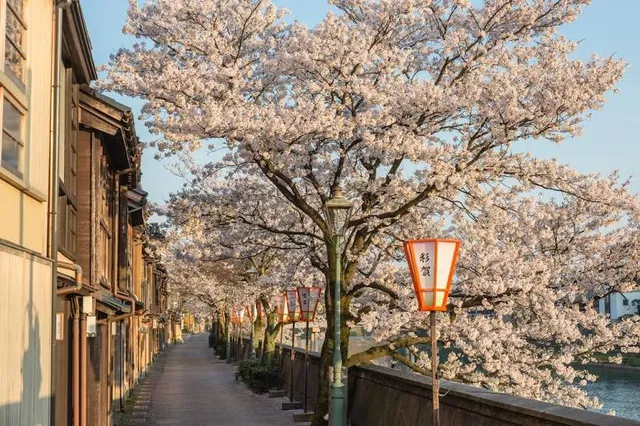
Kazuemachi Chaya District
4.2
(635)
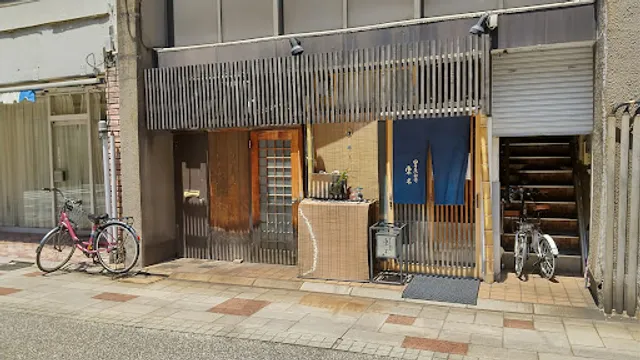
Hibi Sakanazuki Toboku
4.4
(151)
$$$
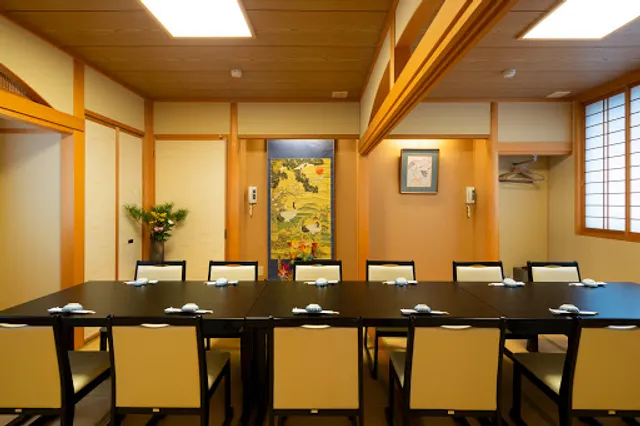
Kobei-sushi
4.3
(106)
$$$
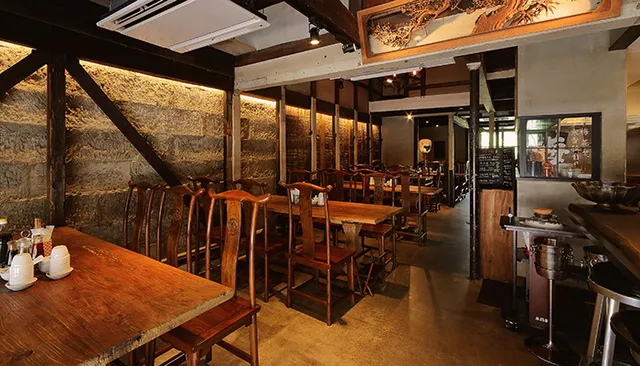
Meimei Kanazawa
3.9
(306)

UNFINI(アンフィニ)
4.6
(46)

Loved this place! Less busy than the more popular one in the area, so it would almost feel like ours since we lingered longer than other guest.
Also did the Macha Ceremony, and that was quite lovely too. The sweets they served were amazing, and would have purchased a whole box if were available but forgot to ask. The macha itself tasted very robust or fresh or macha forward — however you want to say excellent.
The ladies were so sweet too!
Would definitely go for the ceremony again.
The moss garden was very peaceful, would lovely to be able to just sit and...
Read more
Stumbled upon this place while wandering around. The food was very good and I think this might be a long-standing husband and wife partnership, with the husband in the kitchen and the wife serving. At any rate, this has the air of a quality cafe and the amount of trade from locals while we were there confirms it. I had the the katsu curry and my friend had an ebi curry with prawns. Both were excellent and yoy can watch much of the preparation from a seat at the bar. Drinks and food came to just under ¥2,000 and it was well worth it. English...
Read more
La casa de Kurando Terashima
Según un documento historio de 1777 se concedió a Stasatsugu Gorobee, el abuelo de Kurando Terashima, el terreno donde se construyó la casa, probablemente el mediados de la segunda mitad del siglo XVIII.
Durante el periodo Edo, contaba con una larga puerta de Entrada que daba a una estrecha carretera en la parte sur, posteriormente fue destruida. Una parte de la casa ha quo reconstruida a menor escala; pero el resto de la casa, el almacén, y los muros de arcilla nos transmiten el aire original de la residencia de un retenedor de clase media. La casa y el jardín fueron designados como sitios históricos del municipio en 1974, y todavía se conservan como tales.
En la primera planta, hay varias habitaciones, entre ellas una sala de estilo japonés de 13,5 tatami, un salón de té de 5 tatami y la habitación de 4 tatami donde Kurando invitó a Gyokudo Urakami a tocar el koto.
En la segunda planta hay la habitación de 8 tatami donde Kurando pintó "Haku-un Shinsho".
El jardín cuenta con un circuito para recorrer, con un estanque central y una pagoda de 3 plantas y 9 aros que Kurando encargó. De hecho, el estanque no estaba lleno de agua, y de ahí que Kurando llamara "Kansentei" (lugar de la fuente seca) a su despacho. Hoy todavía se conserva también la tabla donde Gyokudo Urakami escro "kansen" en caracteres chinos.
Las azaleas Dodan tsutsuji que florecen en primavera, y las hojas otoñales son particularmente...
Read more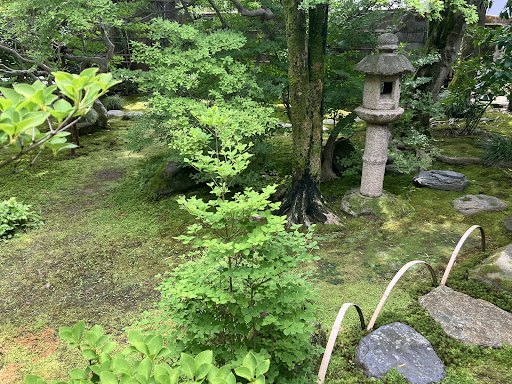


&promo_pic=/hotel-sample/coolest.webp)




