Historic, But Underwhelming for the Wait
Nijō Castle in Kyoto is undoubtedly an important historical site, but my visit was a bit underwhelming, especially considering the long queues and crowded conditions. I’d give it a solid 3 out of 5—worth seeing if you’re already in the area, but not quite the showstopper you might expect compared to European castles or museums.
First things first: buy your tickets online in advance. I cannot stress this enough. The queue to purchase entry tickets on-site was surprisingly long, even on a weekday afternoon. I waited almost 40 minutes just to get in, and by the time I entered the actual castle grounds, it already felt slightly exhausting. There’s little shade in the ticketing area too, so prepare for the elements if you’re visiting in warmer months.
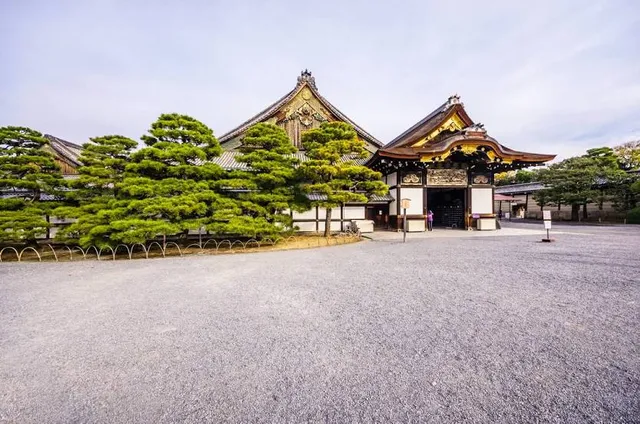
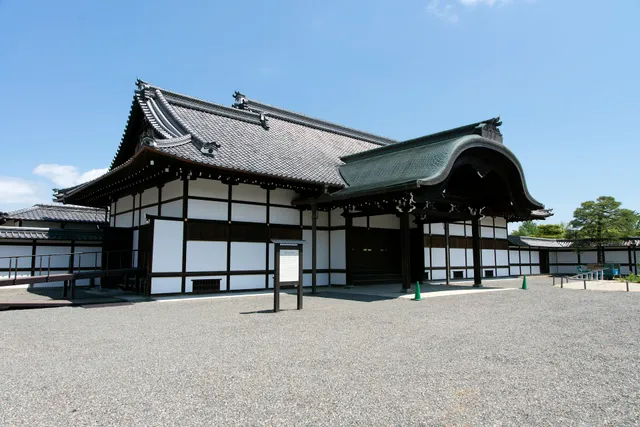
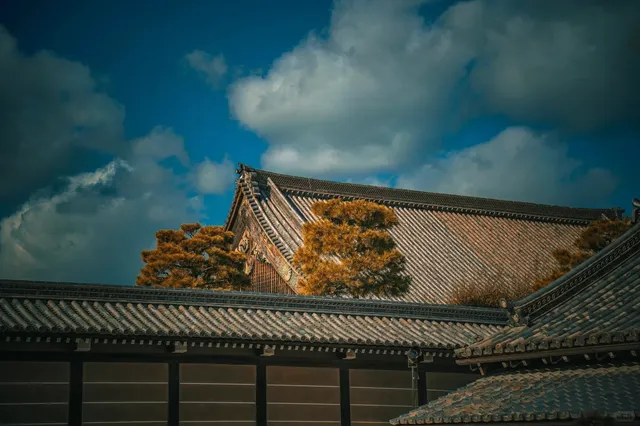
The architecture of the castle is certainly traditional and elegant in its own right, with well-preserved wooden interiors and iconic nightingale floors that chirp as you walk (meant to detect intruders). However, the entire interior experience is no photography allowed, which is understandable from a preservation standpoint, but disappointing if you’re hoping to document your visit or share it later.
Once inside the main palace, movement is slow due to how tightly packed the visitors are. There’s very little space for privacy, and the flow of people makes it hard to pause and appreciate the artwork or historical elements. Some rooms feel rushed, as you’re gently herded along a predetermined path. If you’re expecting a quiet, contemplative experience, you won’t find it here.
In terms of visual impact, while the history is fascinating, the interiors don’t quite offer the same breathtaking, opulent detail you might find in European palaces or cathedrals. It’s more subdued, and if you’re not already interested in Japanese history or architecture, you might find it underwhelming.
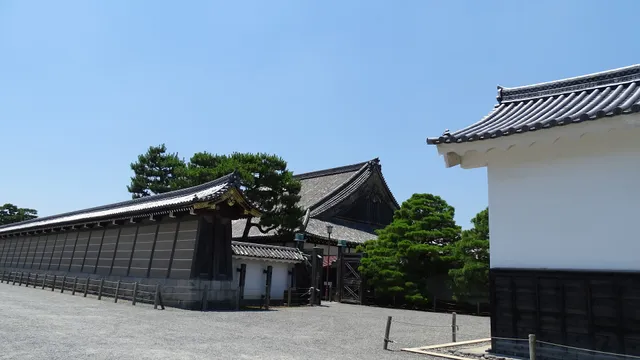
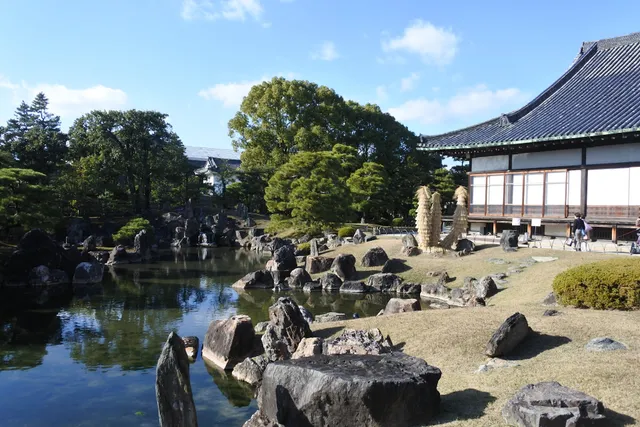
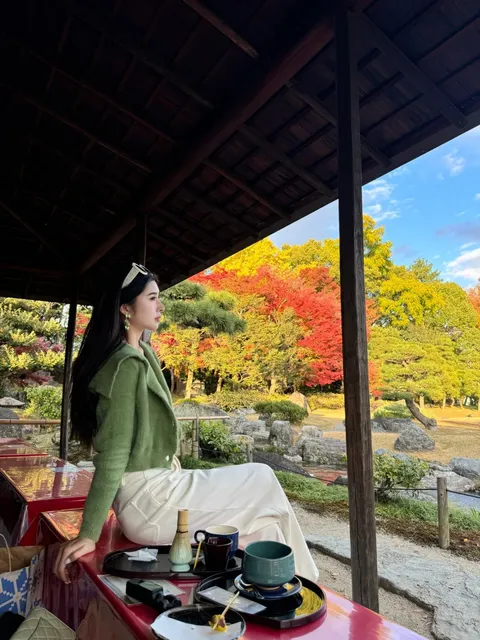
Outside, the gardens are nicely landscaped and offer a bit more breathing space, though even here, it felt a bit overcrowded. You can stroll along the stone walls and take in views of the castle moat, which are pleasant but not particularly unique compared to other historic sites in Kyoto.
One odd thing to note: there’s virtually no merchandise to buy on-site. No detailed guidebooks, prints, or replicas—just a few small items at the ticket counter. I would’ve loved to take home something more reflective of the castle’s legacy.
In short, Nijō Castle has historical value, but the long waiting times, lack of photography, limited space, and crowding really detract from the overall experience. If you do decide to go, buy tickets online, arrive early or late to avoid the midday rush, and temper your expectations. Worth seeing once—but probably not a...
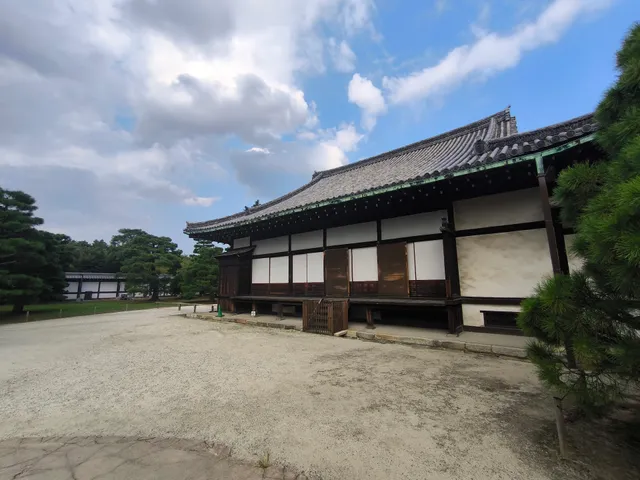
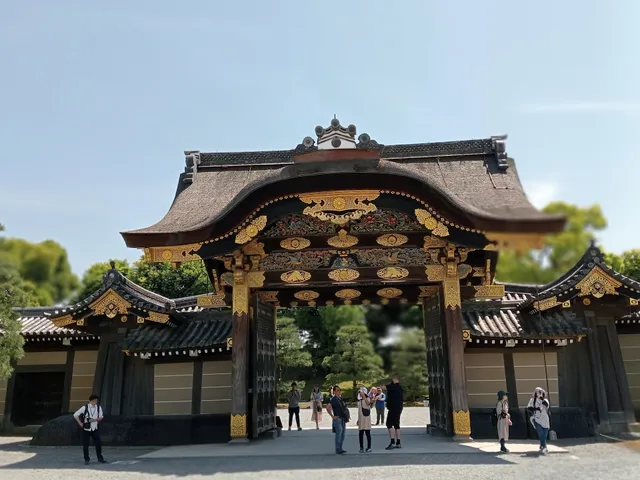
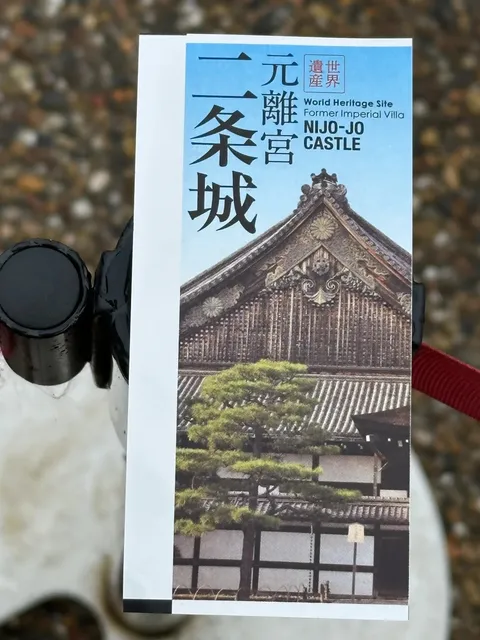
Read moreNijo Castle (二条城, Nijōjō) was built in 1603 as the Kyoto residence of Tokugawa Ieyasu, the first shogun of the Edo Period (1603-1868). The castle consists of two concentric rings of fortifications, the Ninomaru Palace, the ruins of the Honmaru Palace, various support buildings and several gardens. His grandson Iemitsu completed the castle's palace buildings 23 years later and expanded the castle by adding a five story castle keep. After the Tokugawa Shogunate fell in 1867, Nijo Castle was used as an imperial palace for a while before being donated to the city and opened up to the public as a historic site. Its palace buildings are arguably the best surviving examples of castle palace architecture of Japan's feudal era, and the castle was designated a UNESCO world heritage site in 1994. Nijo Castle can be divided into three areas: the Honmaru (main circle of defense), the Ninomaru (secondary circle of defense) and some gardens around them. The entire castle grounds and the Honmaru are surrounded by stone walls and moats. Visitors to Nijo Castle enter the castle grounds through a large gate in the east. English audio guides are available for rent at a kiosk just inside the gate. Venturing further into the castle will bring you to the Chinese-style Karamon Gate, the entrance to the Ninomaru (secondary circle of defense), where the castle's main attraction, the Ninomaru Palace is located. The Ninomaru Palace served as the residence and office of the shogun during his visits to Kyoto. Surviving in its original form, the palace consists of multiple separate buildings that are connected with each other by corridors with so called nightingale floors, as they squeak when stepped upon as a security measure against intruders. The palace rooms are tatami mat covered and feature decorated ceilings and beautifully painted sliding doors (fusuma). Note that to view the interior of the Ninomaru Palace, visitors need to pay an additional fee. The entrance of Nijo Castle is a few steps from Nijojo-mae Station on the Tozai Subway Line. From Kyoto Station, take the Karasuma Subway Line to Karasuma-Oike Station and transfer to the Tozai Line to Nijojo-mae Station. The whole trip takes about 15 minutes and costs 260 yen. Alternatively, the castle can be reached from Kyoto Station by Kyoto City Bus numbers 9 or 50 (15-20 minutes, 230 yen one way) or from Shijo-Kawaramachi by Kyoto City Bus number 12 (15 minutes, 230...
Read moreNijo-jo Castle, located in the heart of Kyoto, is a historic landmark and one of the finest examples of Japanese feudal architecture. Built in 1603 by Tokugawa Ieyasu, the first shogun of the Edo period, the castle served as the Kyoto residence of the Tokugawa shogunate and symbolized their power and influence. It was later expanded by Ieyasu’s grandson, Tokugawa Iemitsu, in the 1620s.
The castle complex is divided into two main areas: the Ninomaru Palace and the Honmaru Palace, surrounded by massive stone walls, moats, and beautifully landscaped gardens. The Ninomaru Palace, a UNESCO World Heritage Site, is particularly famous for its well-preserved traditional Japanese architecture and interiors, including sliding doors adorned with intricate gold leaf and paintings by the Kano school of art. The palace also features the famous “nightingale floors,” which squeak when walked upon, serving as a security measure against intruders.
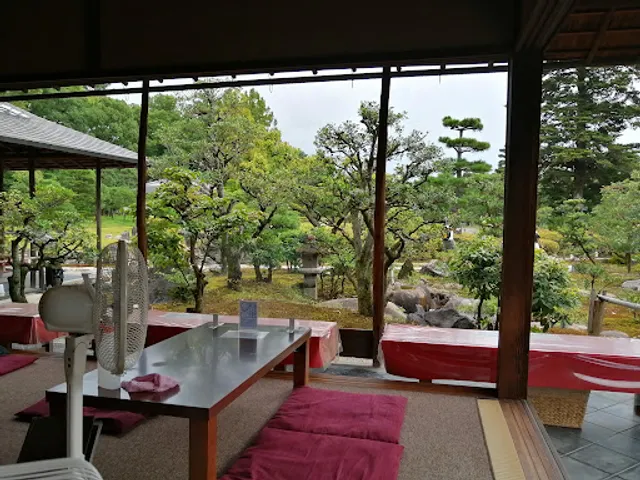
The Honmaru Palace, though less accessible to visitors, retains its historical significance as a secondary residence and defensive stronghold. The castle grounds are also home to exquisite gardens, such as the Ninomaru Garden, designed by renowned landscape architect Kobori Enshu. These gardens combine elements of ponds, stones, and meticulously pruned pine trees, reflecting the aesthetic principles of the Edo period.
Nijo-jo Castle played a pivotal role in Japanese history, notably as the site where the last shogun, Tokugawa Yoshinobu, formally returned power to the emperor in 1867, ending over 260 years of shogunate rule. Today, the castle is open to the public and offers a glimpse into the grandeur of samurai culture and political life during Japan’s feudal era. A visit to Nijo-jo Castle is an unforgettable journey through Kyoto’s rich history and...
Read more