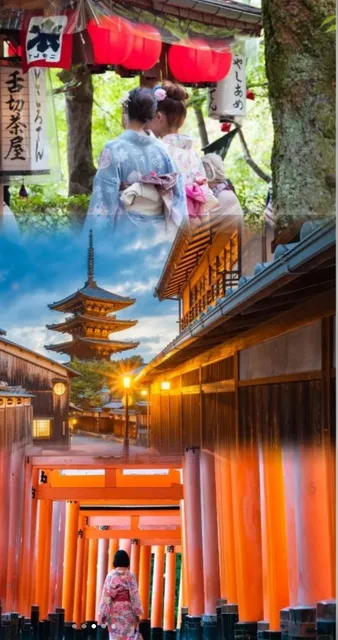
Fushimi Inari Taisha Sembon Torii photo album part 1
Fushimi Inari Taisha Sembon Torii (English: Thousand Torii Gates) Japanese: 伏見稲荷大社) is the head shrine of the KamiInari, located in Fushimi-ku, Kyoto.
The shrine sits at the base of a mountain and includes 4 km trails up the mountain and takes roughly 2 to 3 hours to hike up. So be prepared to hike up many many steps and do wear comfortable shoes to challenge the hike.
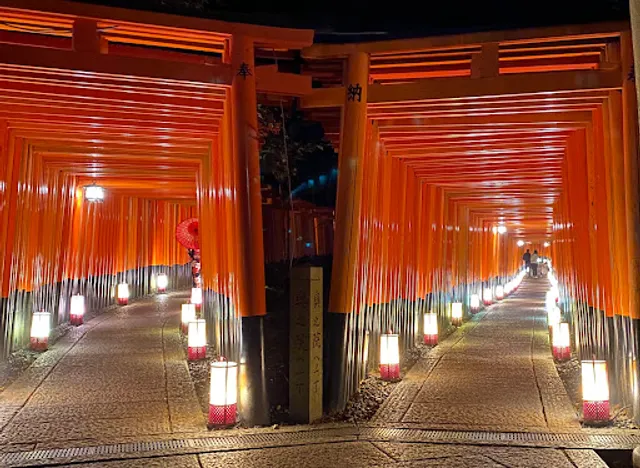
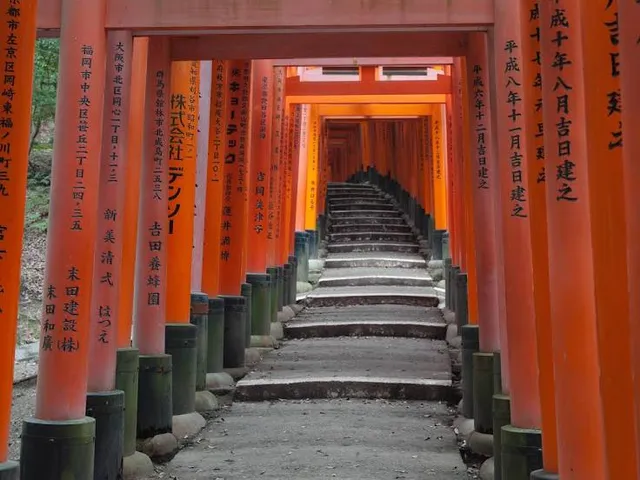
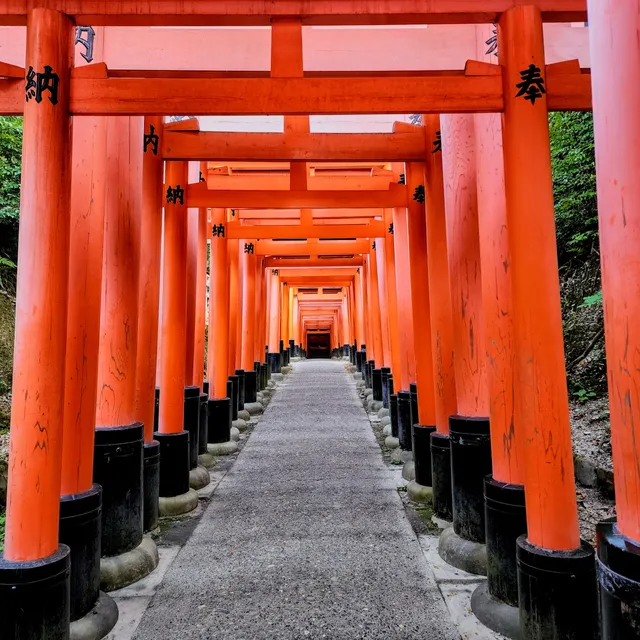
There are approximately 10,000 torii gates which was each donated by a Japanese business. The Tori gates are open 24 hours to public, and the main shrine hall, Honden (Japanese : 本殿)itself illuminated all night.
You can get to the shrine by taking the JR Nara Line from Kyoto station and get off at the Inari Station. From Inari station, you just walk 2 minutes to reach the entrance of the shrine. There is no entrance fee to visit the shrine and the Tori gates.
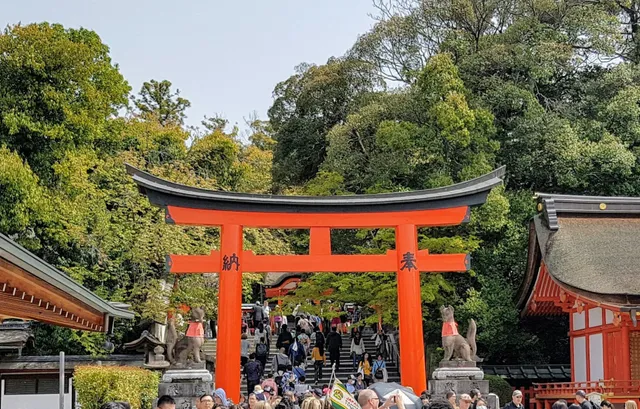
Don’t be too eager and anxious to take photos at the entrance cause it is constantly crowded with people. You can never take great solo pictures at the entrance. So if you want to take astonishing photos or marvelous selfies then you hike up to a higher point or walk pass the second sets of torri gates where the crowds have thinned out.
When we visited the torii gates, fox statues and the surrounding forest in the early morning sunrise, we felt as if we have entered into a serene dreamland (without many people around us).
Anyway, we woke up very early and took a taxi from our hotel (next to Tokyo station) to the Torii gates at 6am. It was only a 9-10 minutes taxi ride. We thought we should be early enough to avoid the crowds and catch a glimpse of sunrise peacefully. We were wrong! There were still other people think alike and arrived at this early hour too! Thank goodness it was not anywhere close to what we saw from social media photos (huge crowds of people rubbing shoulders against each other and trying to take selfies or photos of the Torii gates)
Anyway, a visit to Fushimi Inari Shrine is a phenomenal and awe-inspiring experience. We find that The Fushimi Inari Shrine offers us a n opportunity to learn and appreciate Japanese cultural history and otherworldliness. Walking along the path of shrines and Tori gates is wondrous and serene. We feel that the bright red torii gates create an enchanting backdrop for a unique yet tranquil adventure.
Fushimi Inari Shrine is known as one of the top “must-visit” attractions in Kyoto. The mix of extraordinary optics and placid atmosphere makes the Inari Shrine a remarkable yet memorable experience.
We did not hike up the mountain cause we had a very tight and busy schedule ahead on that day. We finished our walk at around 8am. We were disappointed that we did not have a chance to try some street food such as grilled dango and tea at Nanakorobiyaoki (3 mins walk from Fushimi). The street food stalls usually open at around 10-11am! Also we did not even have time for a hearty breakfast at the nearby Vermillion Cafe (a tree-ringed cafe overlooking a pond and it opens at 830am!)
Anyway we had an awesome visit and took plenty of memorable photos and short videos.
Recommend to go either early morning or at night to avoid crowds. Or hike up to the top if you arrive after the early morning hours or at the...
Read moreReview of Senbon Torii (Thousand Torii Gates) – Fushimi Inari Taisha, Kyoto Overview Senbon Torii, meaning "Thousand Torii Gates," is one of Kyoto’s most iconic and mesmerizing attractions. Located at Fushimi Inari Taisha, the head shrine of the Shinto god Inari, this breathtaking path consists of thousands of vermillion torii gates winding up Mount Inari. The shrine is dedicated to Inari, the god of rice, prosperity, and business, making it a significant place for merchants and companies, many of whom donate torii gates as offerings for good fortune.
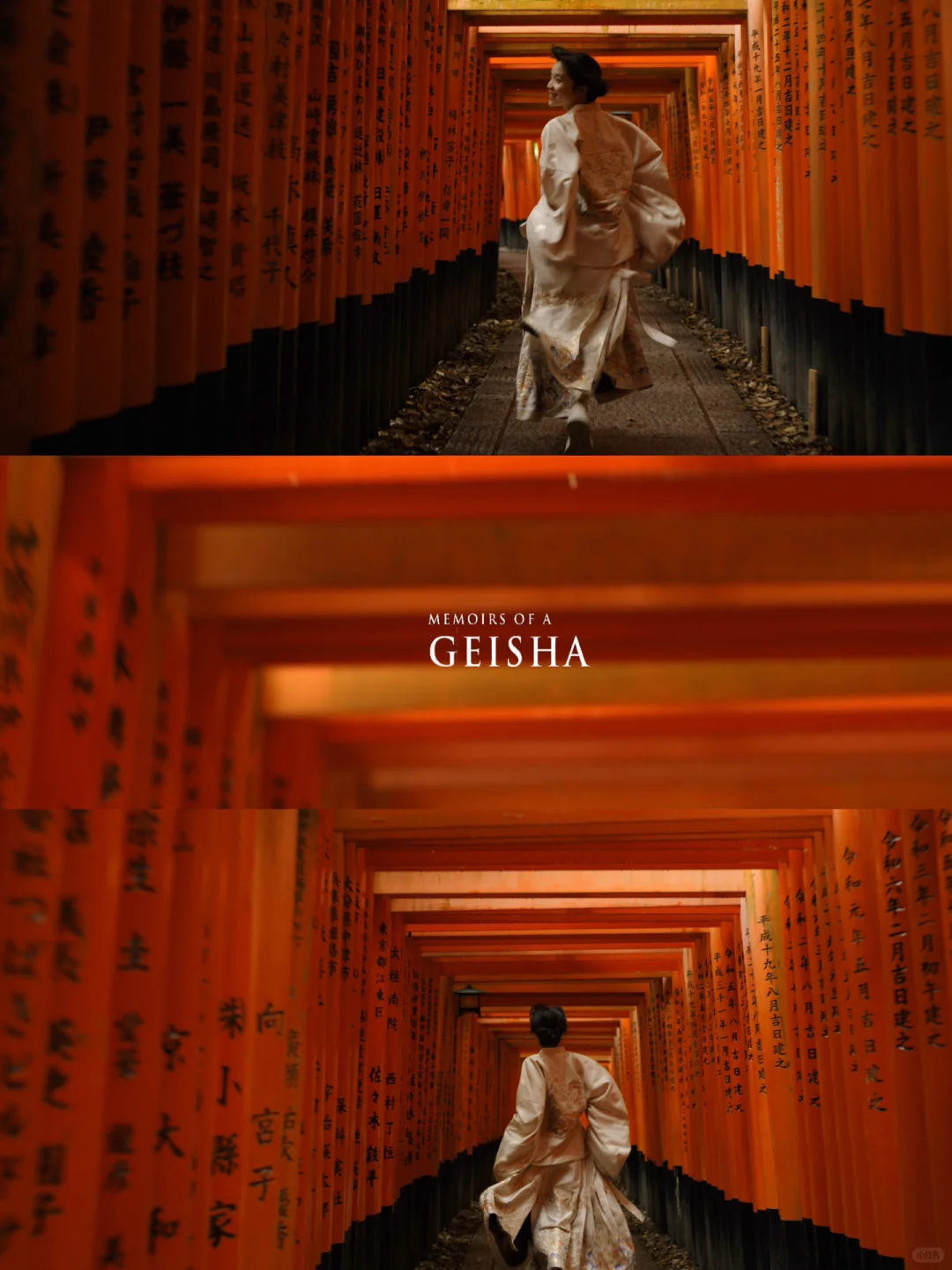
Architecture & Design The Senbon Torii pathway is lined with thousands of tightly packed torii gates, creating a seemingly endless tunnel of vibrant red-orange hues. Each gate is inscribed with the name of its donor and the date of donation. The contrast between the torii and the lush green forest enhances the mystical atmosphere. The pathway consists of several trails, with the most famous section at the beginning, where two parallel rows of gates form an iconic tunnel leading deeper into the mountain.
History & Significance Fushimi Inari Taisha dates back to 711 AD, making it one of Kyoto’s oldest Shinto shrines. Inari, the deity enshrined here, is associated with agriculture, business success, and good fortune. Over centuries, worshippers, especially merchants, donated torii gates as a sign of gratitude for their prosperity. The practice continues today, and new gates are regularly added, ensuring the site's continual expansion and spiritual significance.
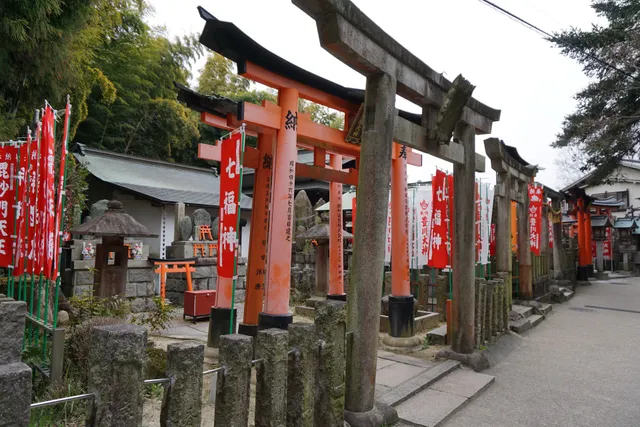
Visitor Experience The most famous section of the Senbon Torii is located just behind the main shrine and features two closely packed rows of gates. This area is often crowded, especially during the day. However, for those willing to hike up Mount Inari, the torii gates continue along a 4 km trail leading to the summit, where the crowds thin out, offering a more peaceful and immersive experience. Along the way, visitors will encounter smaller shrines, fox statues (kitsune, messengers of Inari), and scenic viewpoints overlooking Kyoto.
Best Times to Visit To experience the Senbon Torii without heavy crowds, it’s best to visit early in the morning or late in the evening. The shrine is open 24/7 and illuminated at night, creating a surreal atmosphere. Each season offers a unique charm—cherry blossoms in spring, lush greenery in summer, fiery maple leaves in autumn, and a mystical fog in winter.
Conclusion Senbon Torii at Fushimi Inari Taisha is more than just a visual spectacle; it’s a deeply spiritual and cultural experience. Whether one visits for photography, history, or personal reflection, walking through the thousand torii gates is a journey that embodies the essence of Kyoto’s...
Read moreVisiting Fushimi Inari Shrine in Kyoto was an unforgettable experience. Despite the large crowds, there was something truly special about walking through the iconic vermillion torii gates, feeling immersed in history and tradition. From the moment we arrived, the atmosphere was lively. The path leading from the parking lot was lined with food stalls, offering a variety of delicious street snacks. The scent of grilled yakitori, fresh taiyaki, and other local treats filled the air, making it hard to resist stopping for a bite before heading into the shrine.
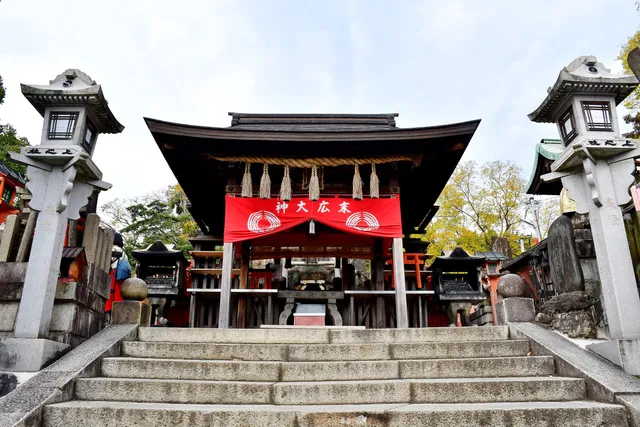
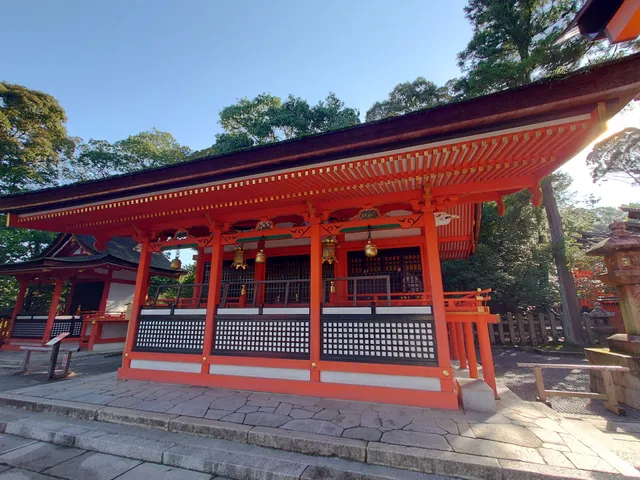
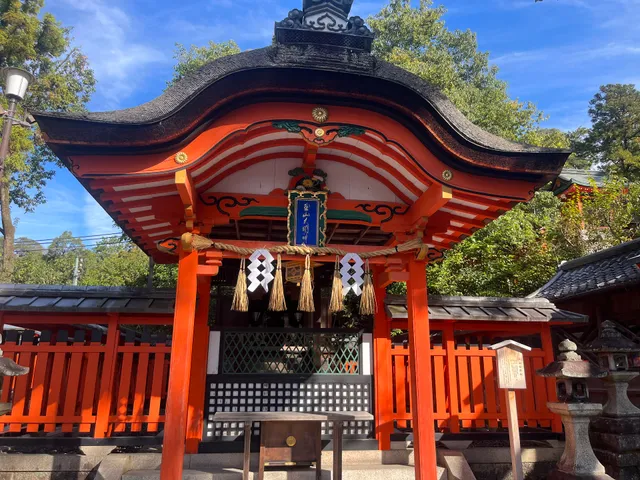
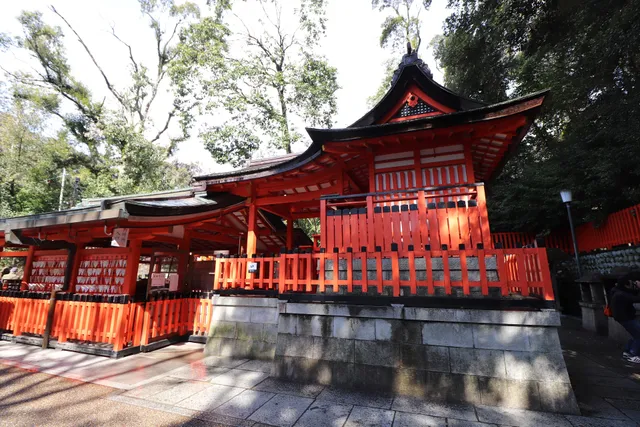
The main shrine building itself was stunning, with its bright red-orange hues contrasting beautifully against the lush greenery of the surrounding forest. However, the highlight of the visit was undoubtedly the famous torii gate pathway. Walking through the seemingly endless rows of gates, each donated by individuals and businesses, felt almost surreal. The sunlight filtering through the gaps created a mesmerizing play of light and shadow along the trail.
While the crowds made it difficult to find a quiet moment, the further we walked, the more the crowds began to thin out. The peacefulness of the upper trails allowed for a more reflective experience, where we could fully appreciate the spiritual significance of the shrine.
Despite the high number of visitors, Fushimi Inari Shrine remains a must-see in Kyoto. The combination of stunning architecture, rich history, and breathtaking scenery makes it an experience unlike any other. I would definitely recommend visiting, even if just to witness the beauty of the torii...
Read more