HTML SitemapExplore
logo
Find Things to DoFind The Best Restaurants

Mount Inari — Attraction in Kyoto

Name
Mount Inari
Description
Nearby attractions
Ichinomine(Kamisha shinseki)
15 Inariyamakanyuchi, Fushimi Ward, Kyoto, 612-0804, Japan
Fushimi Inari Taisha
68 Fukakusa Yabunouchicho, Fushimi Ward, Kyoto, 612-0882, Japan
Mitsurugi Shrine
16 Inariyamakanyuchi, Fushimi Ward, Kyoto, 612-0804, Japan
Yakuriki no Taki
17 Inariyamakanyuchi, Fushimi Ward, Kyoto, 612-0804, Japan
Kojingamine (Tanakasha Shinseki)
0804 612 Inariyamakanyuchi, Fushimi Ward, Kyoto, 612-0804, Japan
Kojingamine Observation Deck
Inariyamakanyuchi, Fushimi Ward, Kyoto, 612-0804, Japan
Kumataka Shrine
Fukakusa Kaidoguchicho, Fushimi Ward, Kyoto, 612-0805, Japan
Fushimi Kandakara Shrine
15 Fukakusa Sasayamacho, Fushimi Ward, Kyoto, 612-0811, Japan
Senbon Torii (Thousand Torii Gates)
68番地 Fukakusa Yabunouchicho, Fushimi Ward, Kyoto, 612-0882, Japan
Araki-jinja Shrine
12-3 Fukakusa Kaidoguchicho, Fushimi Ward, Kyoto, 612-0805, Japan
Nearby restaurants
Tsujitei
14 Inariyamakanyuchi, Fushimi Ward, Kyoto, 612-0804, Japan
Santokutei
Japan, 〒612-0804 Kyoto, Fushimi Ward, Inariyamakanyuchi, 9
Nearby hotels
Related posts
Keywords
Mount Inari tourism.Mount Inari hotels.Mount Inari bed and breakfast. flights to Mount Inari.Mount Inari attractions.Mount Inari restaurants.Mount Inari travel.Mount Inari travel guide.Mount Inari travel blog.Mount Inari pictures.Mount Inari photos.Mount Inari travel tips.Mount Inari maps.Mount Inari things to do.
Mount Inari things to do, attractions, restaurants, events info and trip planning
Mount Inari
JapanKyoto PrefectureKyotoMount Inari

Basic Info

Mount Inari

Inariyamakanyuchi, Fushimi Ward, Kyoto, 612-0804, Japan
4.6(512)
Open 24 hours
Save
spot

Ratings & Description

Info

Cultural
Outdoor
Adventure
Scenic
attractions: Ichinomine(Kamisha shinseki), Fushimi Inari Taisha, Mitsurugi Shrine, Yakuriki no Taki, Kojingamine (Tanakasha Shinseki), Kojingamine Observation Deck, Kumataka Shrine, Fushimi Kandakara Shrine, Senbon Torii (Thousand Torii Gates), Araki-jinja Shrine, restaurants: Tsujitei, Santokutei
logoLearn more insights from Wanderboat AI.
Phone
+81 75-641-7331
Website
inari.jp

Plan your stay

hotel
Pet-friendly Hotels in Kyoto
Find a cozy hotel nearby and make it a full experience.

hotel
Affordable Hotels in Kyoto
Find a cozy hotel nearby and make it a full experience.

hotel
The Coolest Hotels You Haven't Heard Of (Yet)
Find a cozy hotel nearby and make it a full experience.

hotel
Trending Stays Worth the Hype in Kyoto
Find a cozy hotel nearby and make it a full experience.

Reviews

Nearby attractions of Mount Inari

Ichinomine(Kamisha shinseki)

Fushimi Inari Taisha

Mitsurugi Shrine

Yakuriki no Taki

Kojingamine (Tanakasha Shinseki)

Kojingamine Observation Deck

Kumataka Shrine

Fushimi Kandakara Shrine

Senbon Torii (Thousand Torii Gates)

Araki-jinja Shrine

Ichinomine(Kamisha shinseki)

Ichinomine(Kamisha shinseki)

4.6

(378)

Open 24 hours
Click for details
Fushimi Inari Taisha

Fushimi Inari Taisha

4.6

(29.2K)

Open 24 hours
Click for details
Mitsurugi Shrine

Mitsurugi Shrine

4.6

(52)

Open 24 hours
Click for details
Yakuriki no Taki

Yakuriki no Taki

4.5

(25)

Open until 12:00 AM
Click for details

Things to do nearby

Cycle through hidden Kyoto
Mon, Dec 8 • 9:00 AM
602-8336, Kyoto, Kyoto, Japan
View details
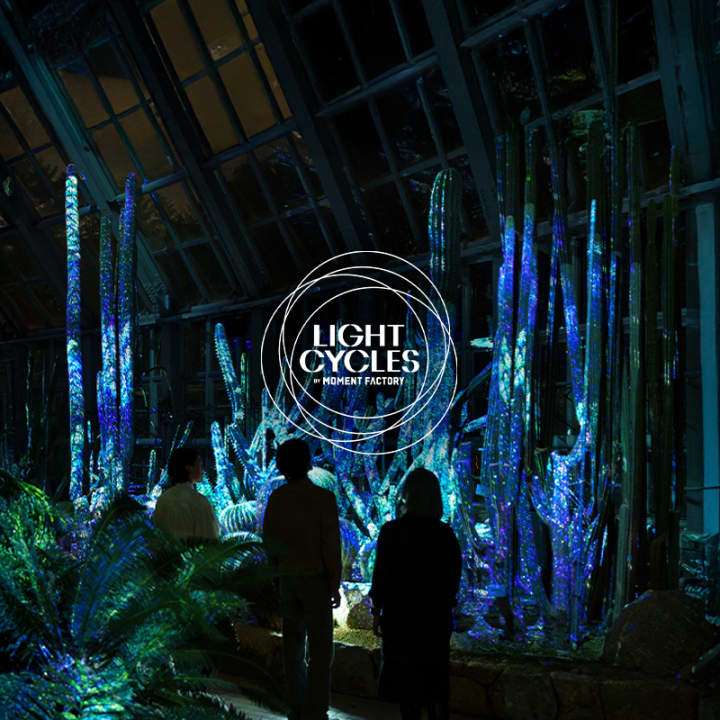
京都府立植物園:LIGHT CYCLES KYOTO (ライトサイクル京都)
Tue, Dec 9 • 6:00 PM
京都市左京区下鴨半木町, 606-0823
View details
90 min Kyoto Insider Sake Experience
Mon, Dec 8 • 1:30 PM
612-8365, Kyoto, Kyoto, Japan
View details

Nearby restaurants of Mount Inari

Tsujitei

Santokutei

Tsujitei

Tsujitei

4.1

(14)

Closed
Click for details
Santokutei

Santokutei

3.5

(39)

Click for details
Get the Appoverlay
Get the AppOne tap to find yournext favorite spots!
Wanderboat LogoWanderboat

Your everyday Al companion for getaway ideas

CompanyAbout Us
InformationAI Trip PlannerSitemap
SocialXInstagramTiktokLinkedin
LegalTerms of ServicePrivacy Policy

Get the app

© 2025 Wanderboat. All rights reserved.
logo

Reviews of Mount Inari

4.6
(512)
avatar
5.0
24w

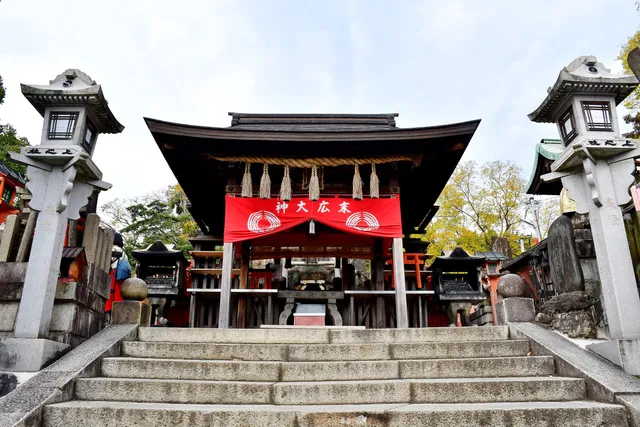
I made it a point to reach Fushimi Inari Taisha by 6am, just to beat the crowd—and honestly, it was the best decision I made on this trip.

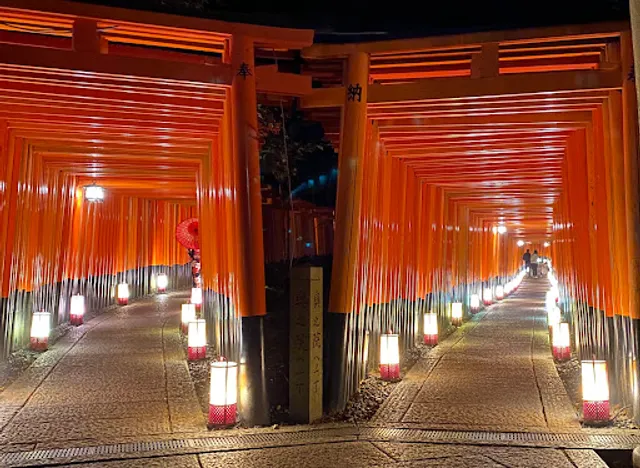
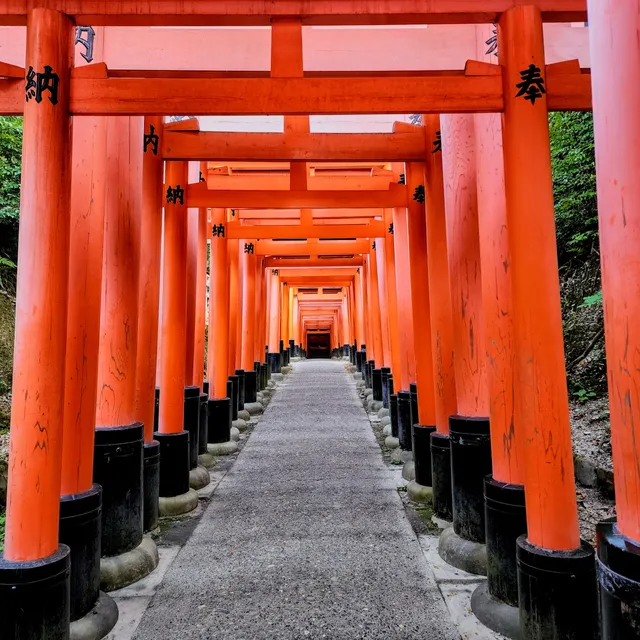
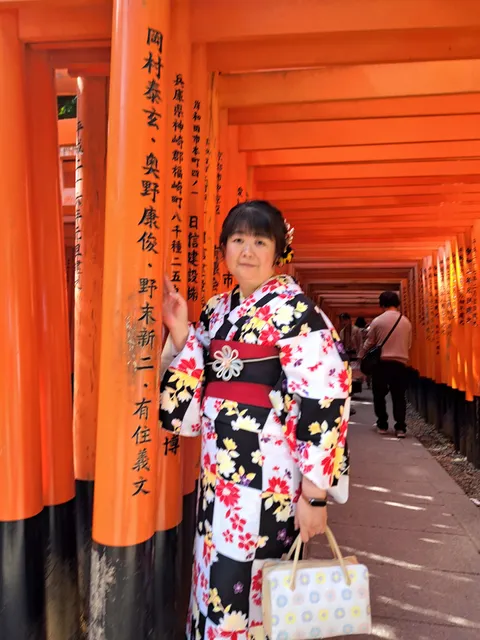
Arriving that early meant I had the famous vermilion torii gates all to myself. No jostling with tourists, no one photo-bombing my shots—just me, the crisp morning air, and this surreal, almost spiritual trail unfolding quietly in front of me. It felt like I had the whole mountain to myself.

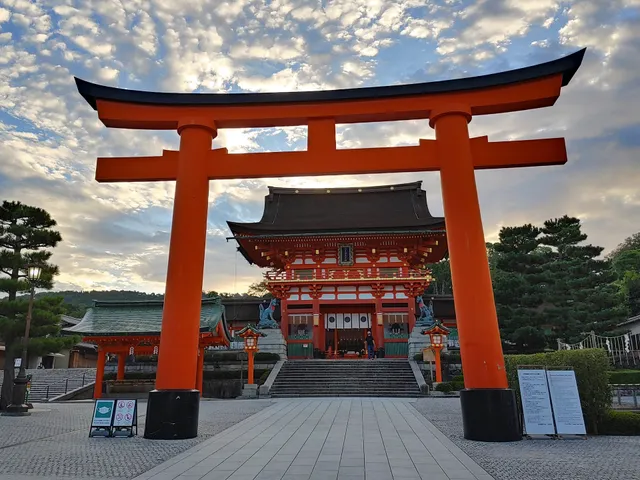
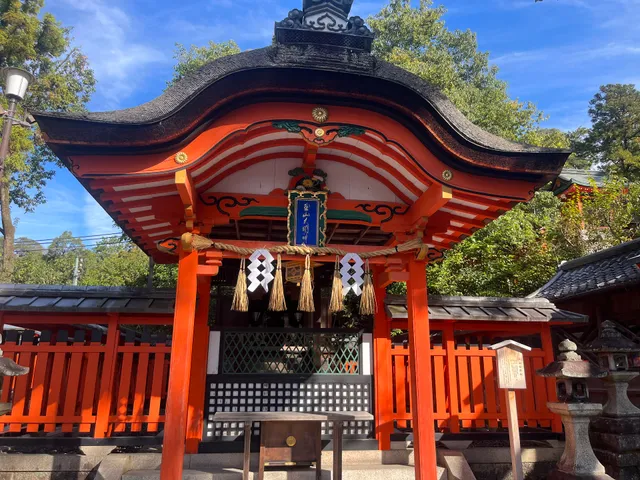
This place isn’t just famous for the photos. Fushimi Inari is one of the most important and oldest Shinto shrines in Japan, dating all the way back to the year 711.

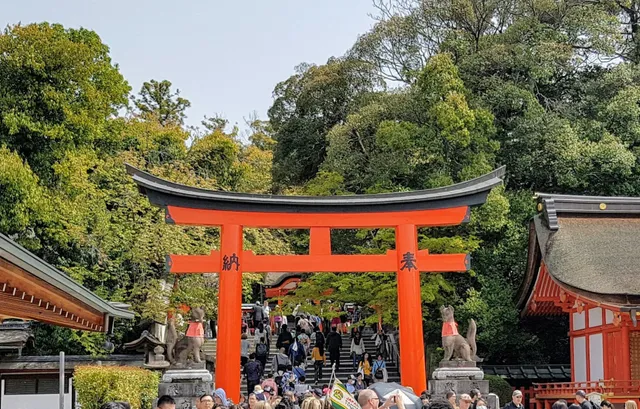
It’s dedicated to Inari, the Shinto god of rice, agriculture, and prosperity. That’s why you’ll see all the fox (kitsune) statues around the shrine—they’re said to be messengers of Inari.

Over the centuries, worshippers—especially merchants and businesses—have donated torii gates to show gratitude or seek blessings for success, which is why the trail has grown to thousands of gates today.

As you walk the path, the gates seem to go on forever, snaking up the forested slopes of Mount Inari. It’s peaceful, scenic, and deeply atmospheric, especially in the early morning light.

But make no mistake—the hike up is no joke. The incline gets steeper the further you go, and while it’s manageable if you take your time, it’s definitely not for the faint-hearted or those expecting a casual stroll.

I was sweating by the time I reached the halfway point, but the scenic views of Kyoto peeking through the trees made it all worth it.

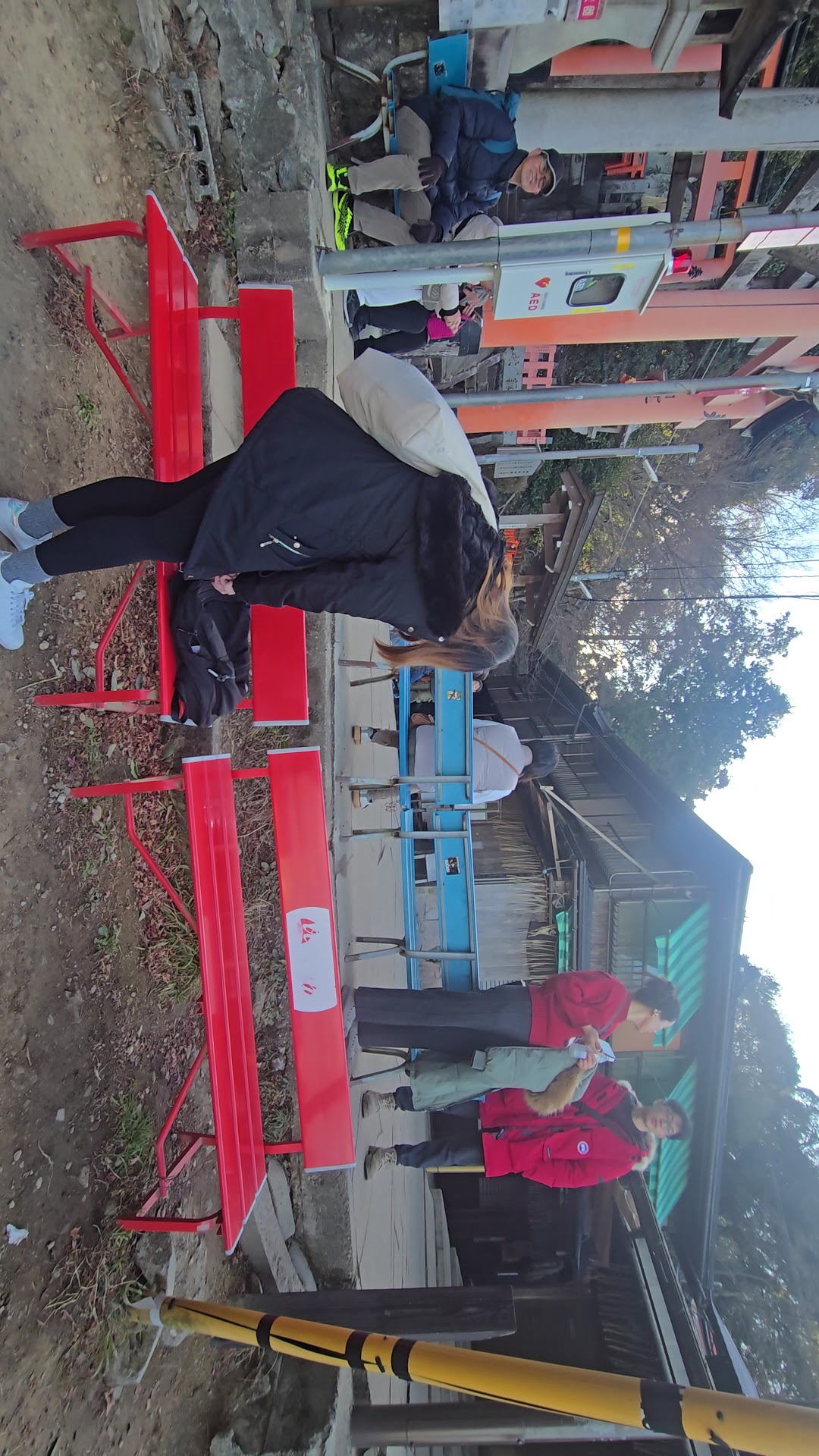
There are small shrines and rest stops dotted along the way, and even vending machines at certain points, which helped.

But the beauty of this place is really in taking your time—not rushing up, but just soaking in the forest, the history, the spiritual energy of the place.

By the time I was making my way down, the crowd had started to build up, and I was glad I had already taken all my photos and had time to just appreciate the place in peace.

As a Singaporean used to flat paths and city buzz, the Fushimi Inari experience was something completely different. The calm, the cold, the climb, and the culture all came together in the best way.

If you’re planning to visit, go early, wear proper shoes, and be ready to sweat a bit. It’s more than just an Instagram spot.

it’s a beautiful, sacred space with over 1,300 years of history behind it, and walking through it at sunrise is something I’ll...

   Read more
avatar
3.0
34w

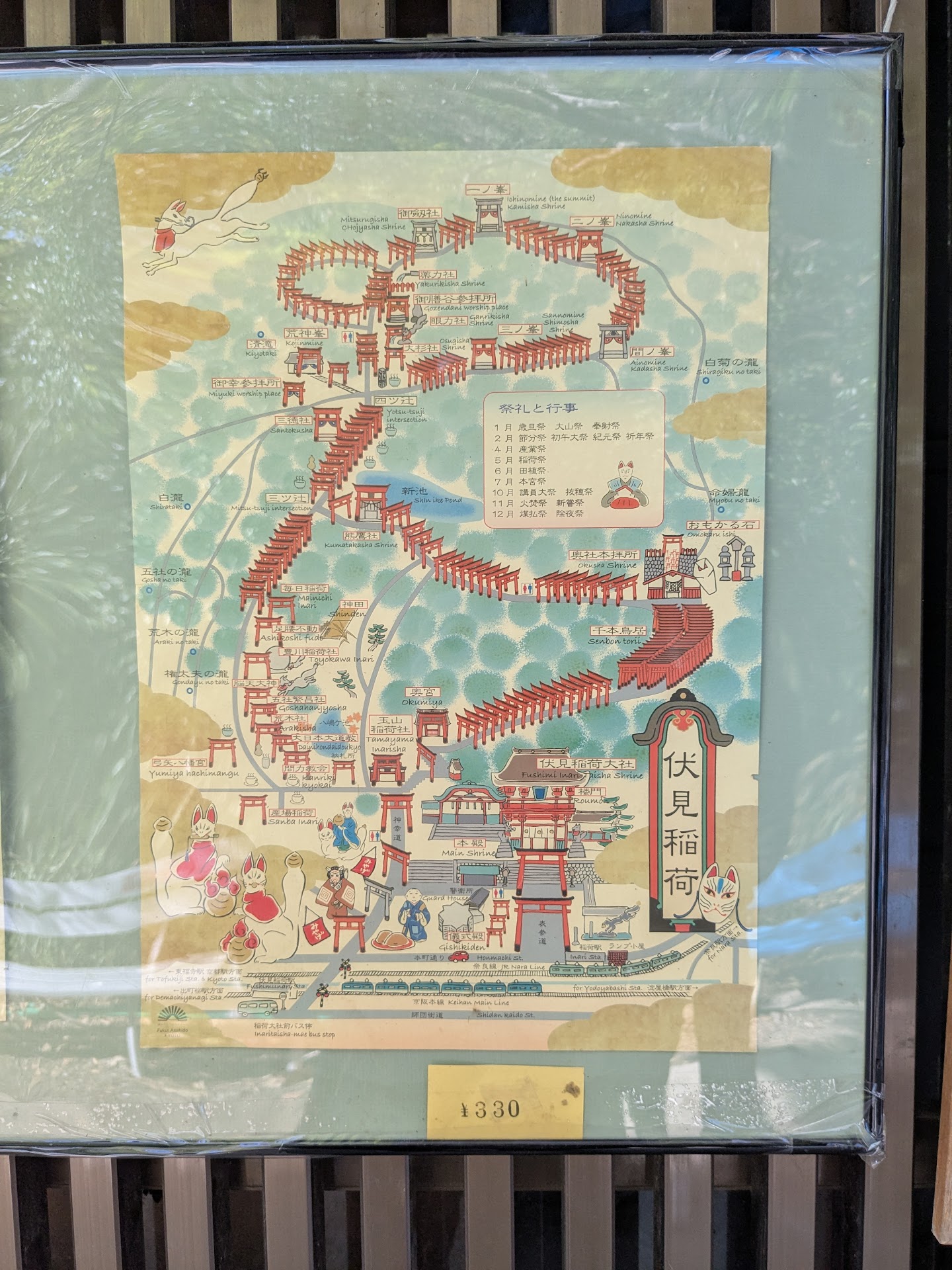
The experience you get of this place highly depends on WHEN exactly you come here, because this impacts the number of people you have to squeeze around and wait for while they're taking pictures along the way. Unfortunately we could come here only on the weekend (definitely more recommended to come on weekdays) and even though we came here pretty early - 7:00 am - it wasn't enough, there were still hordes of people around. So I must recommend coming even sooner, or maybe when the weather is bad, or a different time of the year than sakura blooming season. Regarding the place itself, it's rather interesting, the path is very intricate with many little side paths and things you can see along the way. At some point, around halfway to the top of the mountain, the path splits and you can choose to go either left or right to the top. The left one has a bit more shrines and stuff along the way. On the top there are multiple altars, with many votive stones, commemorative steles and multitudes of tori gates of all sizes. It's good to read up on what they represent and why they are there otherwise it might come as confusing why are all the shrines so cluttered with so...

   Read more
avatar
5.0
1y

I think the reviews here that complain about the lack of view at the top are pretty telling as to the purpose of the climb for many. You get to walk through picturesque bamboo forest passed thousands of Tori gates on what amounts to, all things considered, a relatively simple mountain climb in the heart of a city of over one million people.

On the way you get many spectacular views and a chance to reconnect with nature, the Kami, whatever you see fit. Culminating at a well maintained shrine that allows those who worship Shinto to pray as they see fit. If after all that your first though is "where is my view" it may be worth zooming out a moment to realize everything you had on the journey and reflecting.

The real benefit is that the higher you go the less packed things are. I took one of the side routes and there were large sections where I didn't see a single other person, a major change from the ten thousand plus people at the base jumping in front of people and holding up hundreds to take an arm stretched out profile picture.

You'll see hundred of kitsune statues on the way, and feel plenty of fox magic on the climb. I highly...

   Read more
Page 1 of 7
Previous
Next

Posts

Samuel TanSamuel Tan
I made it a point to reach Fushimi Inari Taisha by 6am, just to beat the crowd—and honestly, it was the best decision I made on this trip. Arriving that early meant I had the famous vermilion torii gates all to myself. No jostling with tourists, no one photo-bombing my shots—just me, the crisp morning air, and this surreal, almost spiritual trail unfolding quietly in front of me. It felt like I had the whole mountain to myself. This place isn’t just famous for the photos. Fushimi Inari is one of the most important and oldest Shinto shrines in Japan, dating all the way back to the year 711. It’s dedicated to Inari, the Shinto god of rice, agriculture, and prosperity. That’s why you’ll see all the fox (kitsune) statues around the shrine—they’re said to be messengers of Inari. Over the centuries, worshippers—especially merchants and businesses—have donated torii gates to show gratitude or seek blessings for success, which is why the trail has grown to thousands of gates today. As you walk the path, the gates seem to go on forever, snaking up the forested slopes of Mount Inari. It’s peaceful, scenic, and deeply atmospheric, especially in the early morning light. But make no mistake—the hike up is no joke. The incline gets steeper the further you go, and while it’s manageable if you take your time, it’s definitely not for the faint-hearted or those expecting a casual stroll. I was sweating by the time I reached the halfway point, but the scenic views of Kyoto peeking through the trees made it all worth it. There are small shrines and rest stops dotted along the way, and even vending machines at certain points, which helped. But the beauty of this place is really in taking your time—not rushing up, but just soaking in the forest, the history, the spiritual energy of the place. By the time I was making my way down, the crowd had started to build up, and I was glad I had already taken all my photos and had time to just appreciate the place in peace. As a Singaporean used to flat paths and city buzz, the Fushimi Inari experience was something completely different. The calm, the cold, the climb, and the culture all came together in the best way. If you’re planning to visit, go early, wear proper shoes, and be ready to sweat a bit. It’s more than just an Instagram spot. it’s a beautiful, sacred space with over 1,300 years of history behind it, and walking through it at sunrise is something I’ll never forget.
RadoRado
The experience you get of this place highly depends on WHEN exactly you come here, because this impacts the number of people you have to squeeze around and wait for while they're taking pictures along the way. Unfortunately we could come here only on the weekend (definitely more recommended to come on weekdays) and even though we came here pretty early - 7:00 am - it wasn't enough, there were still hordes of people around. So I must recommend coming even sooner, or maybe when the weather is bad, or a different time of the year than sakura blooming season. Regarding the place itself, it's rather interesting, the path is very intricate with many little side paths and things you can see along the way. At some point, around halfway to the top of the mountain, the path splits and you can choose to go either left or right to the top. The left one has a bit more shrines and stuff along the way. On the top there are multiple altars, with many votive stones, commemorative steles and multitudes of tori gates of all sizes. It's good to read up on what they represent and why they are there otherwise it might come as confusing why are all the shrines so cluttered with so many of them.
Kosta LatourKosta Latour
Beautiful scenery all the way to the top. The hike is a loop so you can either go left or right to reach the top of the mountain. If you want to go up the easy way I suggest choosing the right path. It has more level parts along the climb so you can take breaks. If you want more of a challenge then choose the left path. It is a straight climb to the top with pretty much no level ground for breaks. We took that path for the way down. From the entrance, it took us about 30 minutes to reach the beggining of the loop. It took us about 40 minutes to get to the summit and another 30 minutes to get back down. The fork where the path splits has a nice resting spot where you can see the view of Kyoto. There is no outlook at the summit. I feel lucky that we chose the "right" path because we had no idea that one way was easier. Either way, both paths are breathtaking (no pun intended 😉). We went at 5pm so all the shops were closed but the path stays open. We saw a nice sunset at the fork. This was one of the highlights of the my entire trip in Japan. So beautiful and peaceful. One of the few places where you will actually see cats surprisingly.
See more posts
See more posts
hotel
Find your stay

Pet-friendly Hotels in Kyoto

Find a cozy hotel nearby and make it a full experience.

I made it a point to reach Fushimi Inari Taisha by 6am, just to beat the crowd—and honestly, it was the best decision I made on this trip. Arriving that early meant I had the famous vermilion torii gates all to myself. No jostling with tourists, no one photo-bombing my shots—just me, the crisp morning air, and this surreal, almost spiritual trail unfolding quietly in front of me. It felt like I had the whole mountain to myself. This place isn’t just famous for the photos. Fushimi Inari is one of the most important and oldest Shinto shrines in Japan, dating all the way back to the year 711. It’s dedicated to Inari, the Shinto god of rice, agriculture, and prosperity. That’s why you’ll see all the fox (kitsune) statues around the shrine—they’re said to be messengers of Inari. Over the centuries, worshippers—especially merchants and businesses—have donated torii gates to show gratitude or seek blessings for success, which is why the trail has grown to thousands of gates today. As you walk the path, the gates seem to go on forever, snaking up the forested slopes of Mount Inari. It’s peaceful, scenic, and deeply atmospheric, especially in the early morning light. But make no mistake—the hike up is no joke. The incline gets steeper the further you go, and while it’s manageable if you take your time, it’s definitely not for the faint-hearted or those expecting a casual stroll. I was sweating by the time I reached the halfway point, but the scenic views of Kyoto peeking through the trees made it all worth it. There are small shrines and rest stops dotted along the way, and even vending machines at certain points, which helped. But the beauty of this place is really in taking your time—not rushing up, but just soaking in the forest, the history, the spiritual energy of the place. By the time I was making my way down, the crowd had started to build up, and I was glad I had already taken all my photos and had time to just appreciate the place in peace. As a Singaporean used to flat paths and city buzz, the Fushimi Inari experience was something completely different. The calm, the cold, the climb, and the culture all came together in the best way. If you’re planning to visit, go early, wear proper shoes, and be ready to sweat a bit. It’s more than just an Instagram spot. it’s a beautiful, sacred space with over 1,300 years of history behind it, and walking through it at sunrise is something I’ll never forget.
Samuel Tan

Samuel Tan

hotel
Find your stay

Affordable Hotels in Kyoto

Find a cozy hotel nearby and make it a full experience.

Get the Appoverlay
Get the AppOne tap to find yournext favorite spots!
The experience you get of this place highly depends on WHEN exactly you come here, because this impacts the number of people you have to squeeze around and wait for while they're taking pictures along the way. Unfortunately we could come here only on the weekend (definitely more recommended to come on weekdays) and even though we came here pretty early - 7:00 am - it wasn't enough, there were still hordes of people around. So I must recommend coming even sooner, or maybe when the weather is bad, or a different time of the year than sakura blooming season. Regarding the place itself, it's rather interesting, the path is very intricate with many little side paths and things you can see along the way. At some point, around halfway to the top of the mountain, the path splits and you can choose to go either left or right to the top. The left one has a bit more shrines and stuff along the way. On the top there are multiple altars, with many votive stones, commemorative steles and multitudes of tori gates of all sizes. It's good to read up on what they represent and why they are there otherwise it might come as confusing why are all the shrines so cluttered with so many of them.
Rado

Rado

hotel
Find your stay

The Coolest Hotels You Haven't Heard Of (Yet)

Find a cozy hotel nearby and make it a full experience.

hotel
Find your stay

Trending Stays Worth the Hype in Kyoto

Find a cozy hotel nearby and make it a full experience.

Beautiful scenery all the way to the top. The hike is a loop so you can either go left or right to reach the top of the mountain. If you want to go up the easy way I suggest choosing the right path. It has more level parts along the climb so you can take breaks. If you want more of a challenge then choose the left path. It is a straight climb to the top with pretty much no level ground for breaks. We took that path for the way down. From the entrance, it took us about 30 minutes to reach the beggining of the loop. It took us about 40 minutes to get to the summit and another 30 minutes to get back down. The fork where the path splits has a nice resting spot where you can see the view of Kyoto. There is no outlook at the summit. I feel lucky that we chose the "right" path because we had no idea that one way was easier. Either way, both paths are breathtaking (no pun intended 😉). We went at 5pm so all the shops were closed but the path stays open. We saw a nice sunset at the fork. This was one of the highlights of the my entire trip in Japan. So beautiful and peaceful. One of the few places where you will actually see cats surprisingly.
Kosta Latour

Kosta Latour

See more posts
See more posts