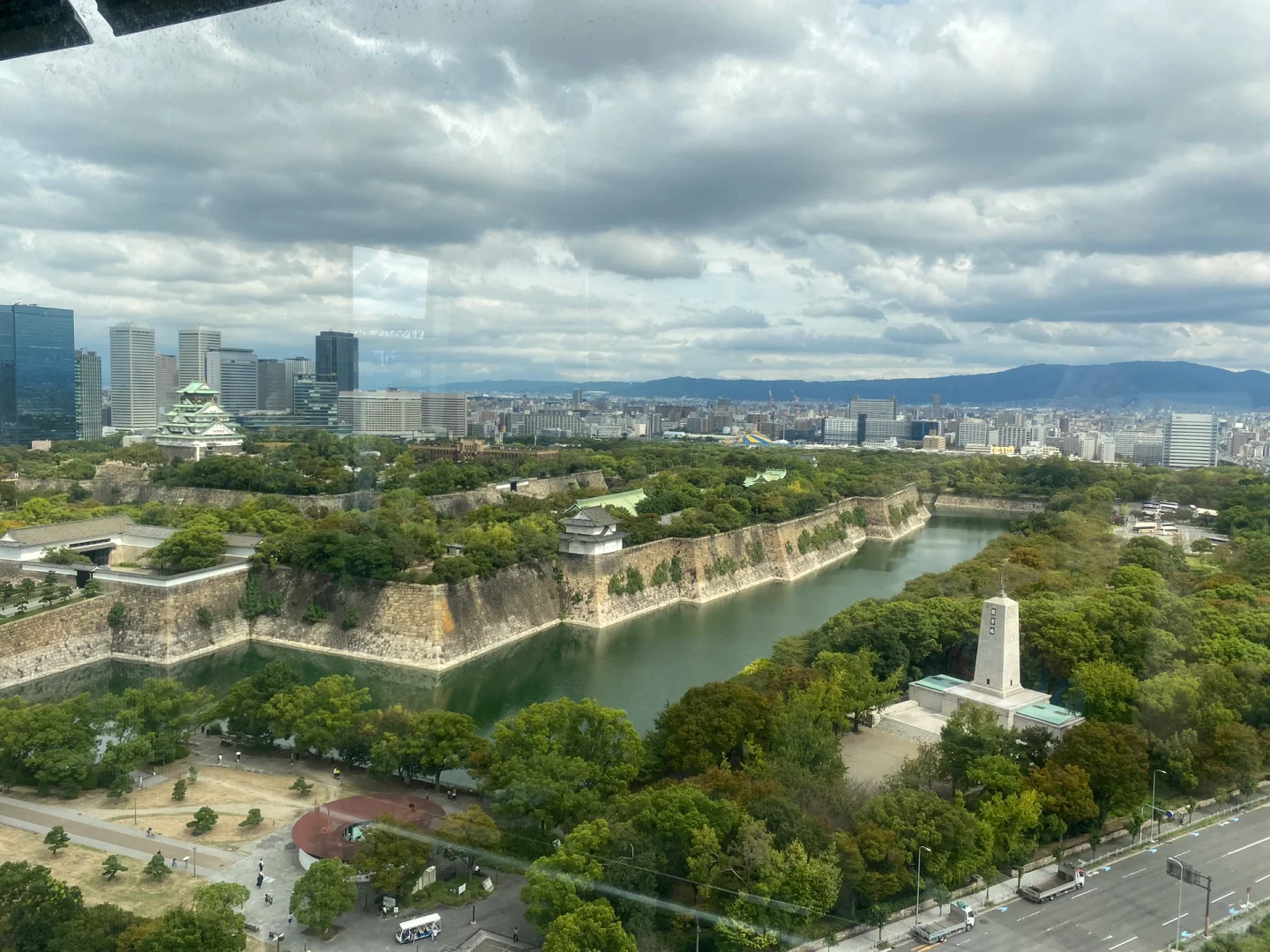
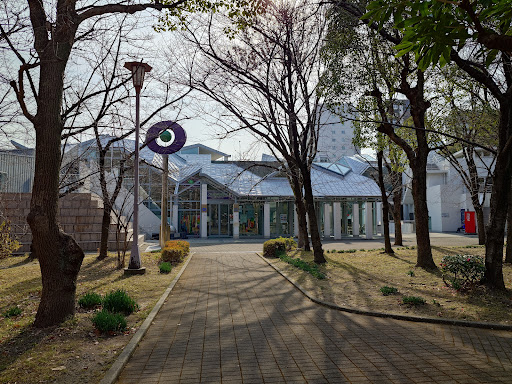
PEACE OSAKA (International Peace Center) things to do, attractions, restaurants, events info and trip planning
Basic Info
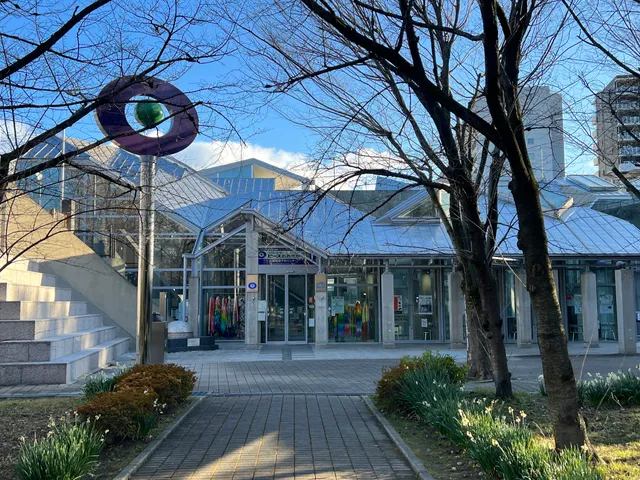
PEACE OSAKA (International Peace Center)
Japan, 〒540-0002 Osaka, Chuo Ward, Osakajo, 2−1 大阪国際平和センター(ピースおおさか)
4.2(328)
Open until 5:00 PM
Save
spot
spot
Ratings & Description
Info
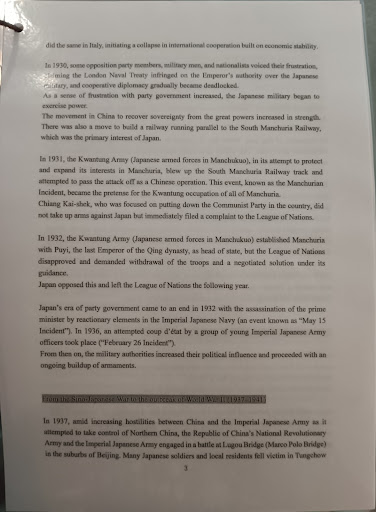
The Osaka International Peace Center, also known as Peace Osaka, is a peace museum established in August 1991 based in the city of Osaka, Japan. It focuses on the destruction of the city during World War II and the broader themes of the tragedy of war and the importance of peace.
Cultural
Accessibility
Family friendly
attractions: Osakajo Ongakudo, Osaka Castle Park Fountain, Hokoku Shrine, Nioino mori, Osaka Castle Playground, Osaka Castle Park, Playville by Børnelund, Osaka Castle, Kasasagimori-no-Miya, Autumn Garden, restaurants: Shokudo Cafe potto x Tanita Cafe — Morinomiya Q's Mall, Asushoku, Starbucks Coffee - Osaka Castle Park Morinomiya, Tokumasa Udon Morinomiya, Ringer Hut Morinomiya Q’s MALL BASE, FRESHNESS BURGER Morinomiya Q’s Mall, R Baker Osaka-jo, Curry & Rice no Indo-ya Morinomiya, 一揚一杯 ICHIAGE IPPAI, Cafe195, local businesses: Morinomiya Q’s MALL BASE, Osaka Castle Park Fountain, Climbing Bum, ABC-MART Morinomiya Q'S MALL BASE Shop, Road Train Ticket Machine, Morinomiya Station, Osaka Castle Park, Total Body Care LOHAS AYA, Osaka-Takamatsu Cathedral St. Mary's Cathedral, Jonan Park
 Learn more insights from Wanderboat AI.
Phone
+81 6-6947-7208
Website
peace-osaka.or.jp
Open hoursSee all hours
Thu9:30 AM - 5 PMOpen
Plan your stay

Pet-friendly Hotels in Osaka
Find a cozy hotel nearby and make it a full experience.

Affordable Hotels in Osaka
Find a cozy hotel nearby and make it a full experience.

The Coolest Hotels You Haven't Heard Of (Yet)
Find a cozy hotel nearby and make it a full experience.

Trending Stays Worth the Hype in Osaka
Find a cozy hotel nearby and make it a full experience.
Reviews
Live events

MIRRORGE OSAKA:Enchantry Aquatica (エンチャントリー・アクアティカ)
Thu, Feb 12 • 2:00 PM
グラングリーン大阪うめきた公園サウスパーク PLAT UMEKITA内 (Grand Green Osaka, Umekita Park South Park, PLAT UMEKITA, Osaka ), 530-0011
View details
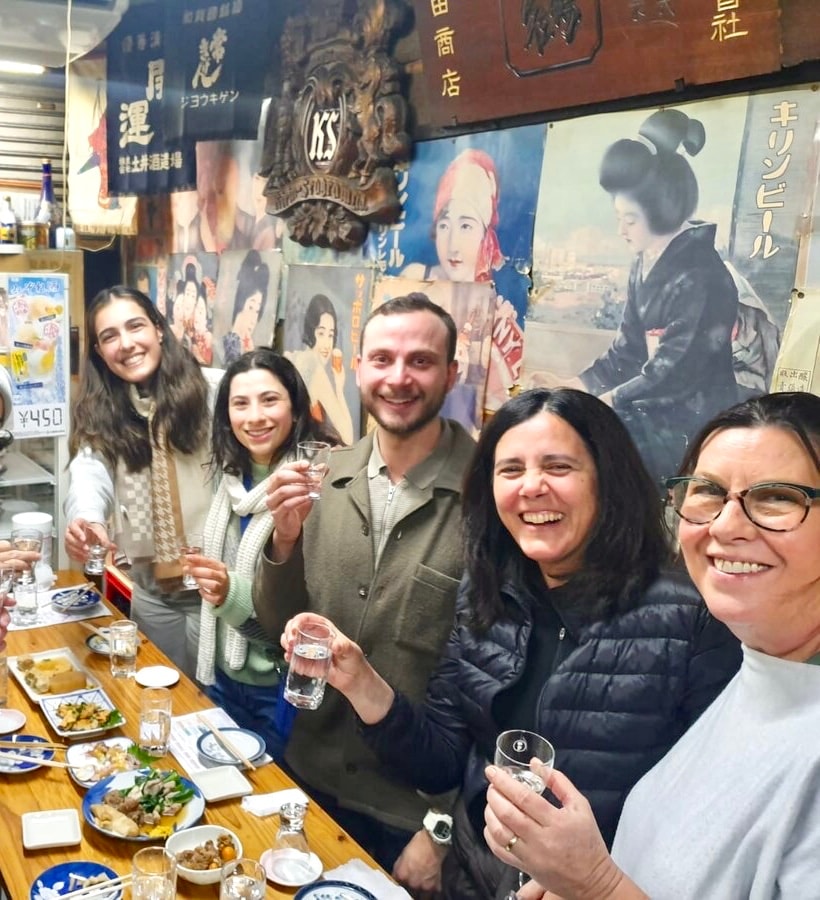
Off The Beaten Path Osaka Local Bar Crawl
Thu, Feb 12 • 6:00 PM
530-0034, Osaka, Osaka, Japan
View details
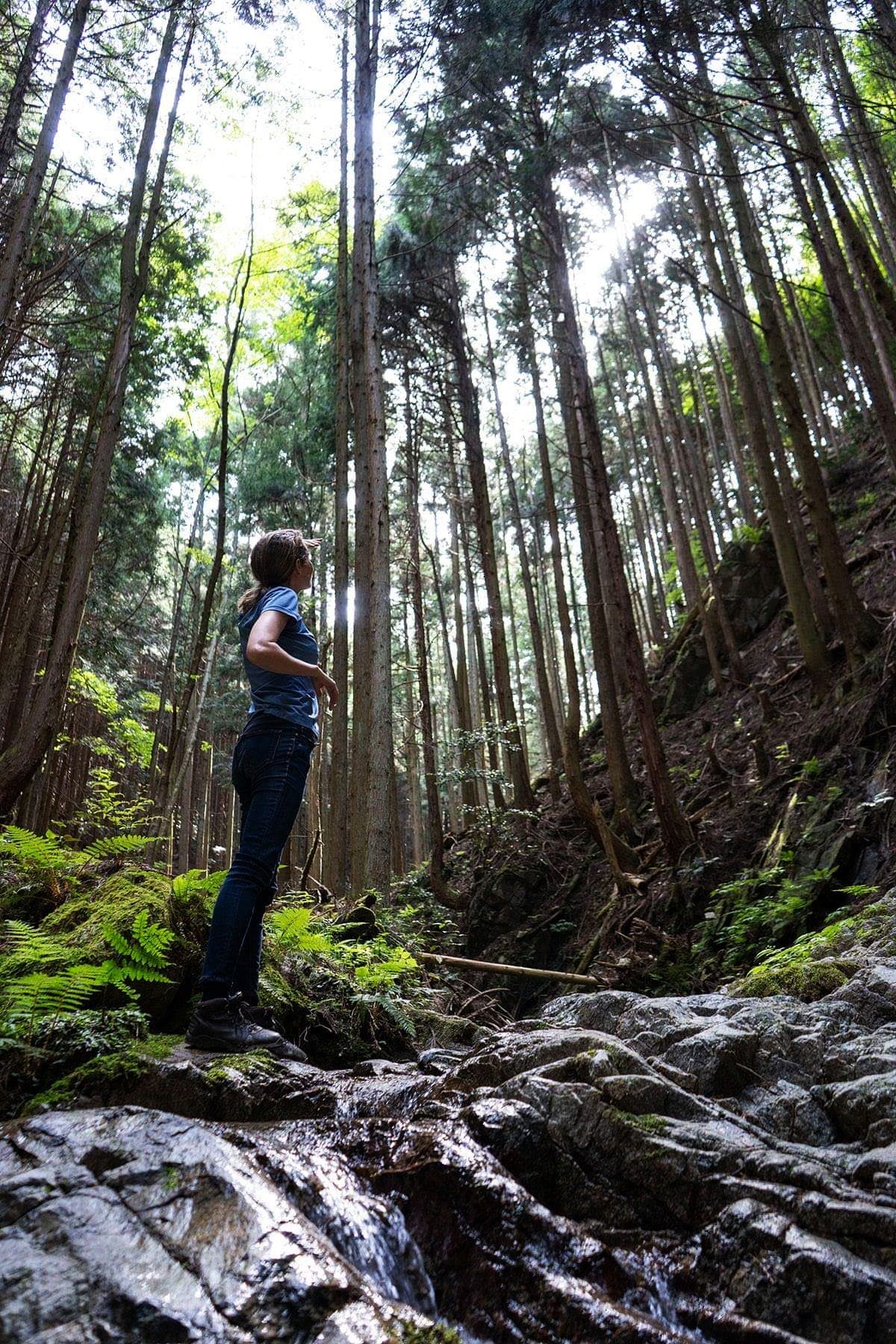
Osaka mountain hike and trout fishing
Thu, Feb 12 • 8:45 AM
586-0015, Osaka, Kawachinagano, Japan
View details
Nearby attractions of PEACE OSAKA (International Peace Center)
Osakajo Ongakudo
Osaka Castle Park Fountain
Hokoku Shrine
Nioino mori
Osaka Castle Playground
Osaka Castle Park
Playville by Børnelund
Osaka Castle
Kasasagimori-no-Miya
Autumn Garden
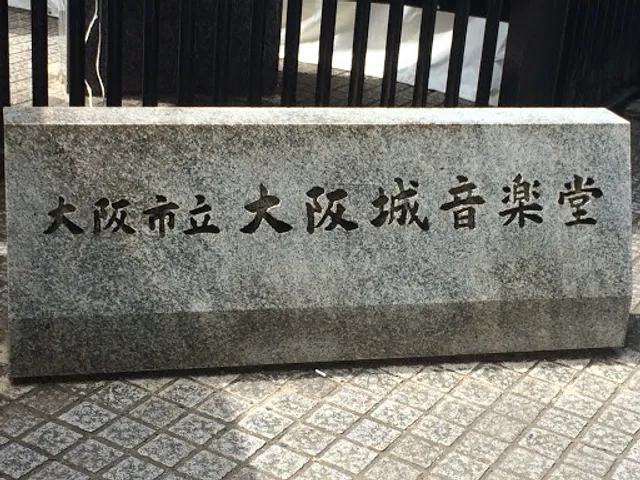
Osakajo Ongakudo
4.3
(557)
Open 24 hours
Click for details
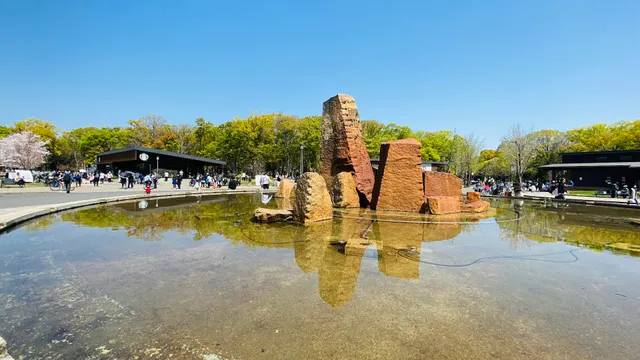
Osaka Castle Park Fountain
4.1
(575)
Open until 12:00 AM
Click for details
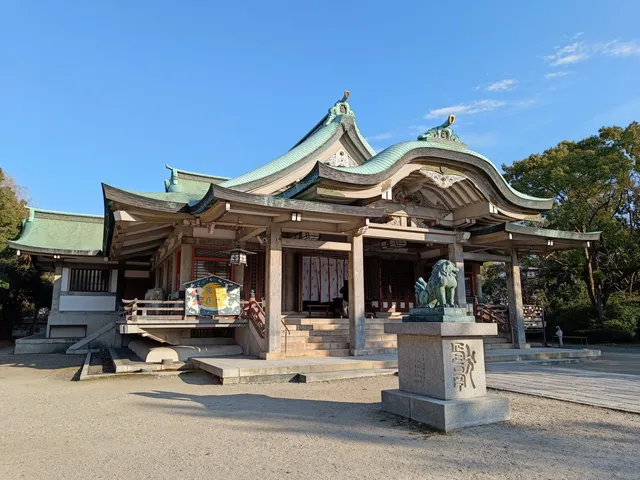
Hokoku Shrine
4.2
(1.2K)
Open until 4:50 PM
Click for details
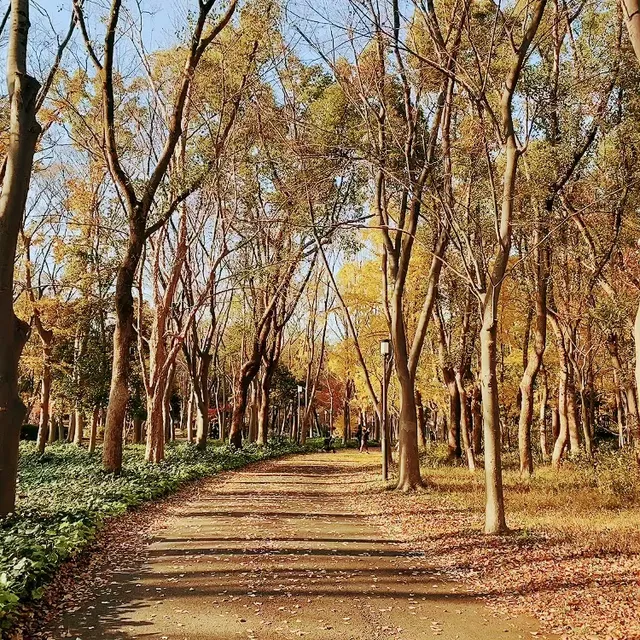
Nioino mori
4.0
(19)
Open 24 hours
Click for details
Nearby restaurants of PEACE OSAKA (International Peace Center)
Shokudo Cafe potto x Tanita Cafe — Morinomiya Q's Mall
Asushoku
Starbucks Coffee - Osaka Castle Park Morinomiya
Tokumasa Udon Morinomiya
Ringer Hut Morinomiya Q’s MALL BASE
FRESHNESS BURGER Morinomiya Q’s Mall
R Baker Osaka-jo
Curry & Rice no Indo-ya Morinomiya
一揚一杯 ICHIAGE IPPAI
Cafe195

Shokudo Cafe potto x Tanita Cafe — Morinomiya Q's Mall
4.2
(258)
Open until 9:30 PM
Click for details
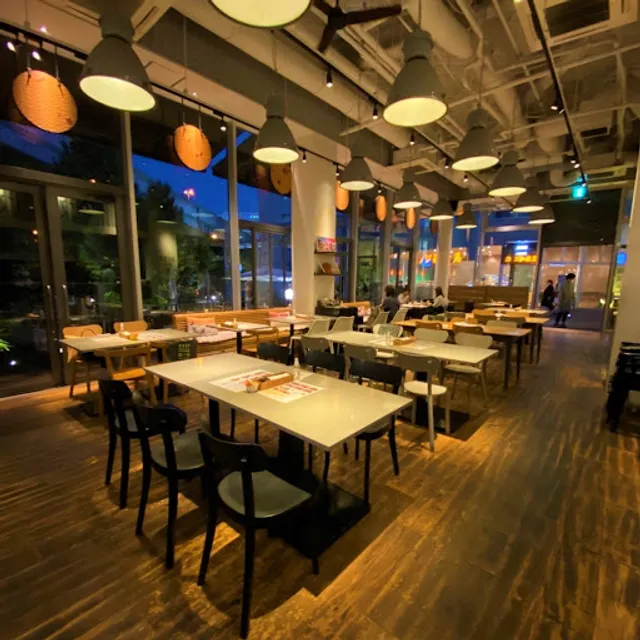
Asushoku
3.6
(287)
Open until 9:00 PM
Click for details
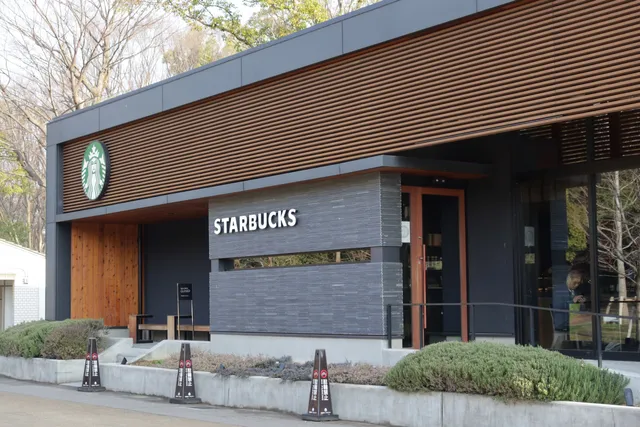
Starbucks Coffee - Osaka Castle Park Morinomiya
4.3
(563)
Open until 9:00 PM
Click for details
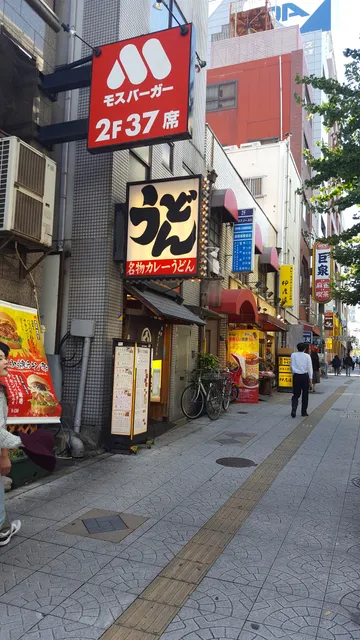
Tokumasa Udon Morinomiya
4.3
(579)
Open until 2:45 PM
Click for details
Nearby local services of PEACE OSAKA (International Peace Center)
Morinomiya Q’s MALL BASE
Osaka Castle Park Fountain
Climbing Bum
ABC-MART Morinomiya Q'S MALL BASE Shop
Road Train Ticket Machine
Morinomiya Station
Osaka Castle Park
Total Body Care LOHAS AYA
Osaka-Takamatsu Cathedral St. Mary's Cathedral
Jonan Park
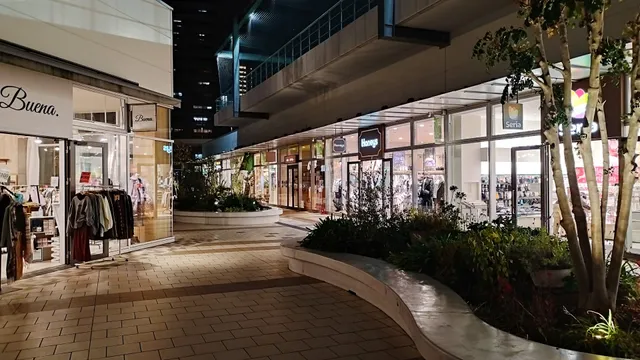
Morinomiya Q’s MALL BASE
3.7
(1.3K)
Click for details
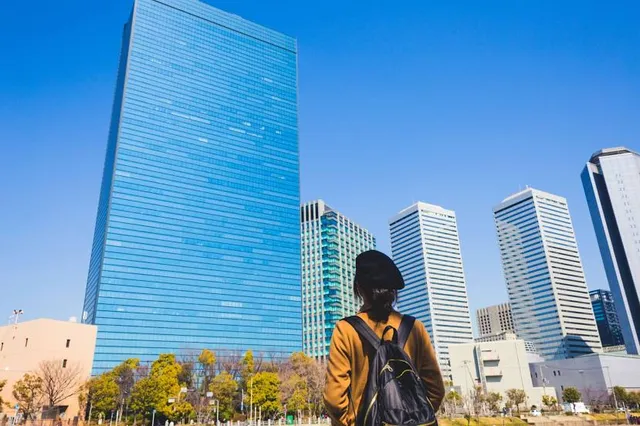
Osaka Castle Park Fountain
4.1
(446)
Click for details
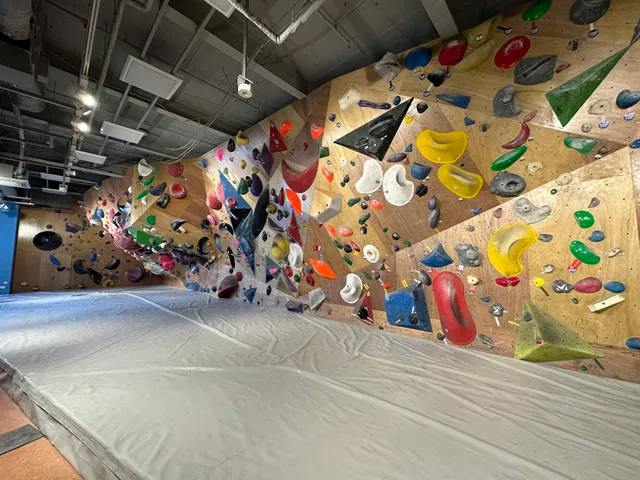
Climbing Bum
4.4
(63)
Click for details
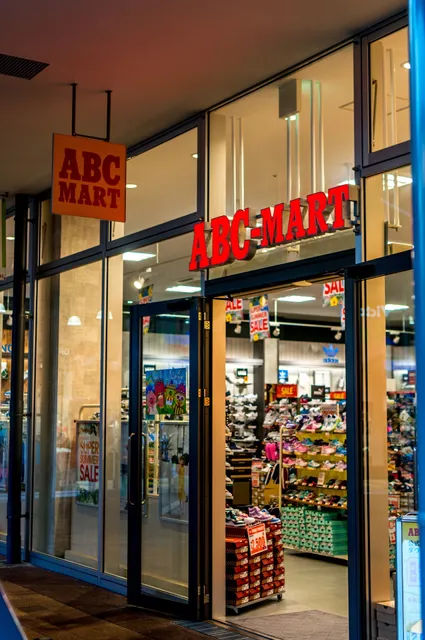
ABC-MART Morinomiya Q'S MALL BASE Shop
3.6
(48)
Click for details