Nezu Shrine things to do, attractions, restaurants, events info and trip planning
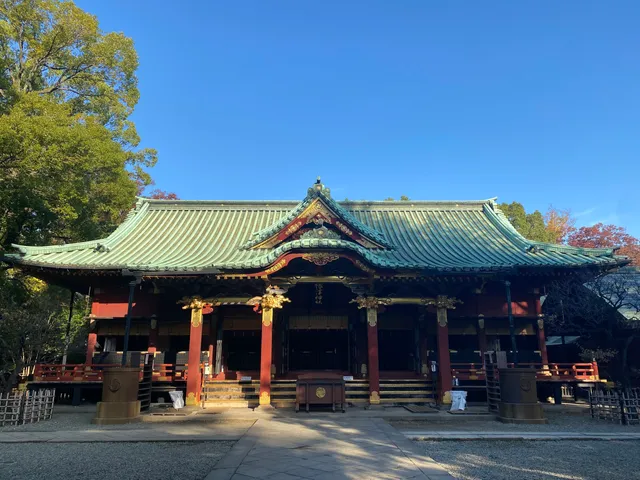
Basic Info
Nezu Shrine
1 Chome-28-9 Nezu, Bunkyo City, Tokyo 113-0031, Japan
4.4(3.7K)
Closed
Save
spot
spot
Ratings & Description
Info
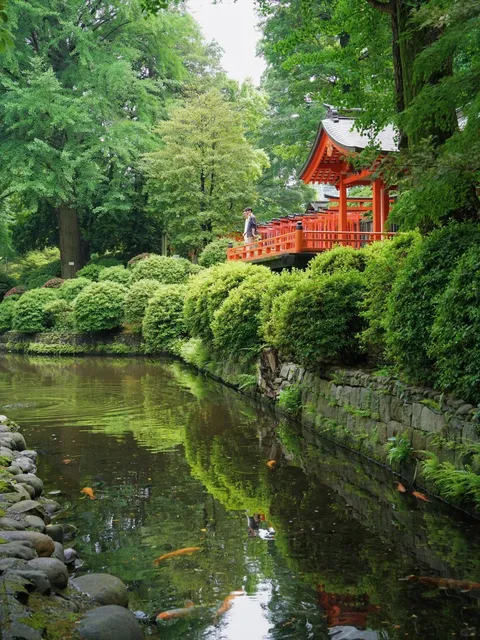
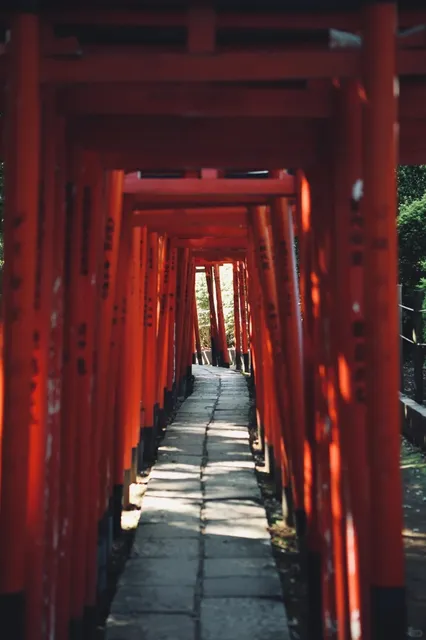
Nezu Shrine is a Shinto shrine located in the Bunkyō ward of Tokyo, Japan. Established in 1705, it is one of the oldest places of worship in the city, and several of the buildings on the shrine grounds have been designated as Important Cultural Property.
Cultural
Outdoor
Family friendly
attractions: Nezu Shrine Azalea Garden, Kaidan of Nezu, The University of Tokyo - Yayoi Campus, Bunkyo Gakuin University Hongo Campus, Mori Ōgai Memorial Museum, Agricultural Museum, The University of Tokyo, Sendagi Fureai-no-mori, Neko Machi Gallery, Gallery Marusan, Daimyo Clock Museum, restaurants: NezuCafe 根津珈琲店, Starbucks Coffee - Nippon Medical School Hospital, Master Chef Kitchen, Yakiniku Tansei, Hai Shang Hai, Kujira, Tsumugu Cafe, AOYAMA COFFEE ROASTER, Ohirasei-pan, Hedge8, local businesses: Nezu Shrine, Nezu Shrine, Otamainari Shrine, Takajō, St. Timothy's Church, Tokyo, Hanairogakuha Flower Shop, 日本医科大学橘桜会館, University of Tokyo Baseball Field, Hiruneko Books, Saikyouji
 Learn more insights from Wanderboat AI.
Phone
+81 3-3822-0753
Website
nedujinja.or.jp
Open hoursSee all hours
Thu6 AM - 5 PMClosed
Plan your stay

Pet-friendly Hotels in Tokyo
Find a cozy hotel nearby and make it a full experience.

Affordable Hotels in Tokyo
Find a cozy hotel nearby and make it a full experience.

The Coolest Hotels You Haven't Heard Of (Yet)
Find a cozy hotel nearby and make it a full experience.

Trending Stays Worth the Hype in Tokyo
Find a cozy hotel nearby and make it a full experience.
Reviews
Live events
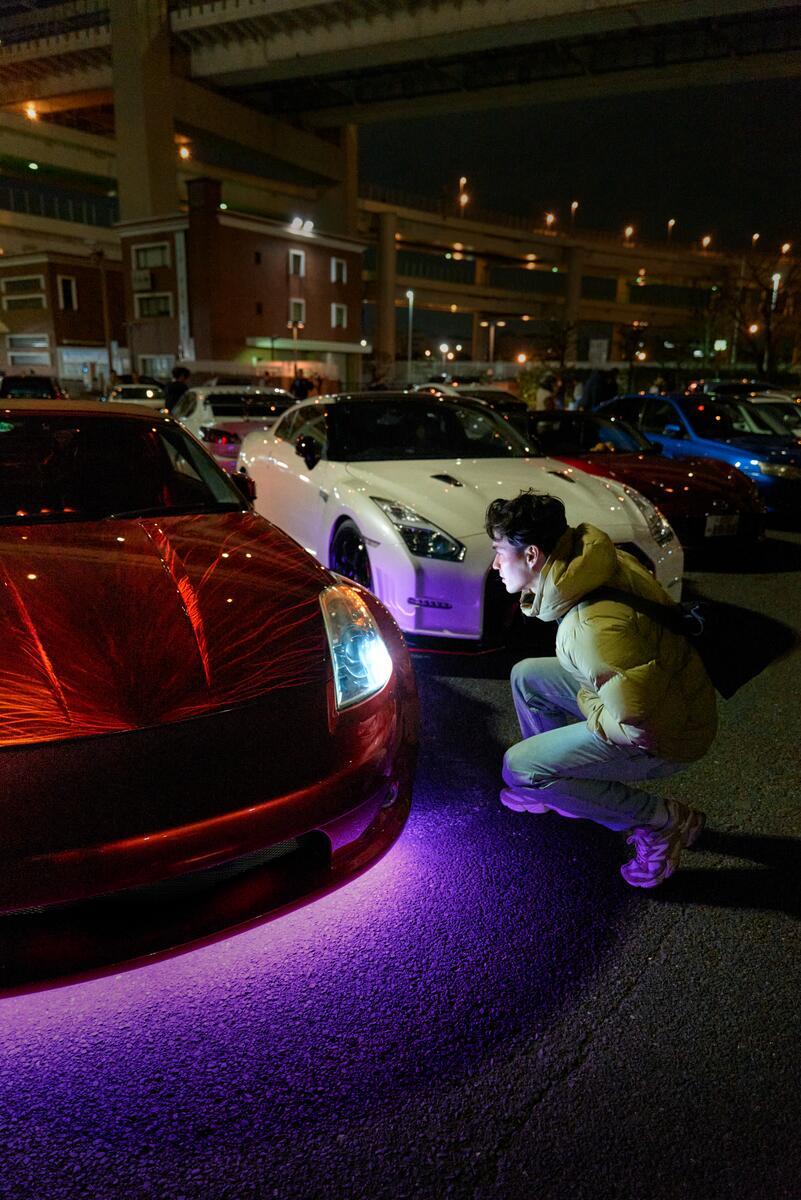
Drive Tokyo’s car culture in a Nissan Skyline
Fri, Feb 27 • 5:30 PM
150-0047, Tokyo Prefecture, Shibuya, Japan
View details
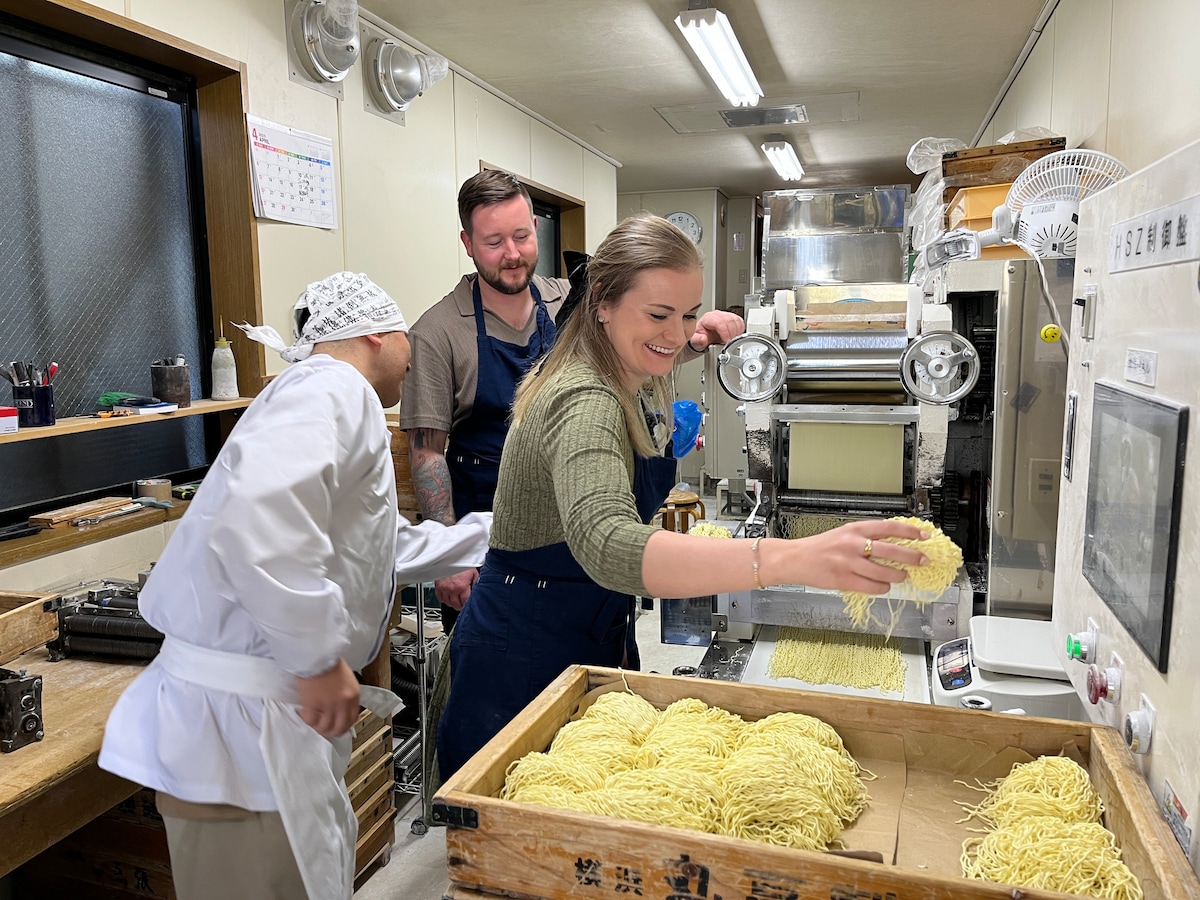
Yokohama Ramen Adventure: From Factory To Home
Tue, Mar 3 • 4:00 PM
222-0011, Kanagawa Prefecture, Yokohama, Japan
View details
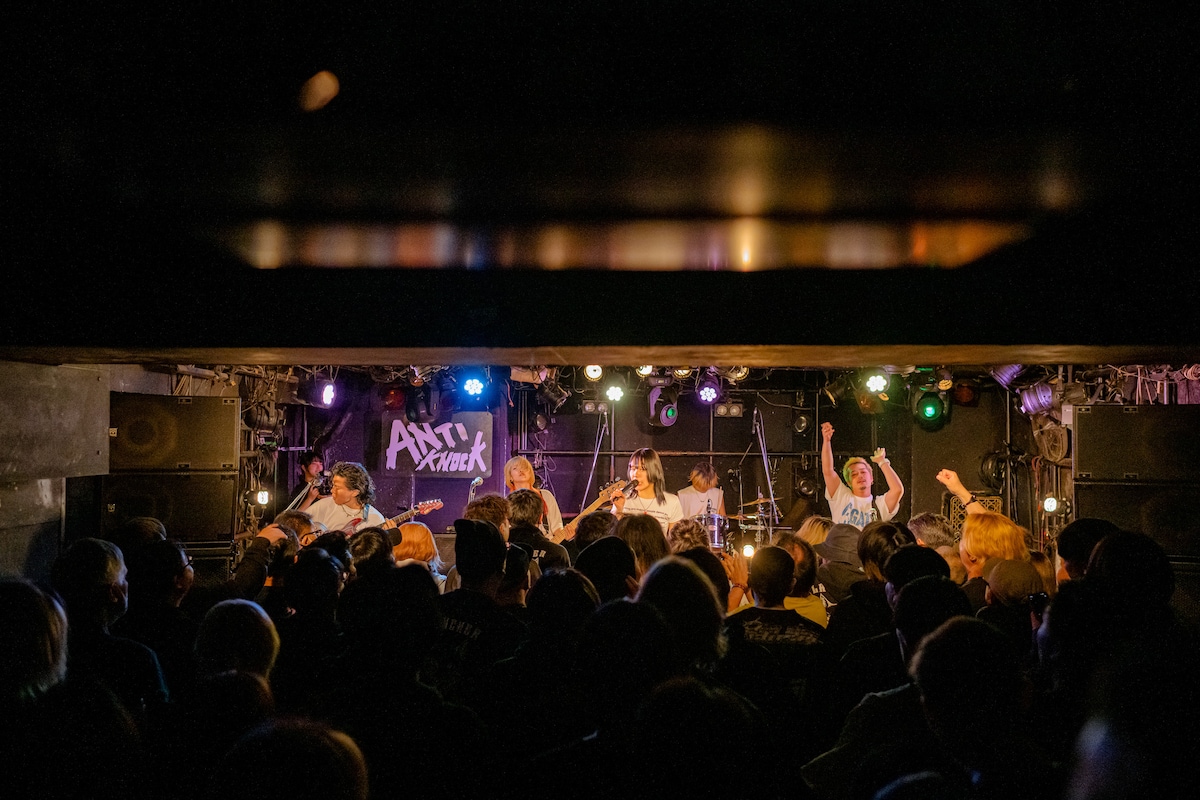
Explore Tokyo’s music scene with an insider
Fri, Feb 27 • 5:30 PM
150-0043, Tokyo Prefecture, Shibuya, Japan
View details
Nearby attractions of Nezu Shrine
Nezu Shrine Azalea Garden
Kaidan of Nezu
The University of Tokyo - Yayoi Campus
Bunkyo Gakuin University Hongo Campus
Mori Ōgai Memorial Museum
Agricultural Museum, The University of Tokyo
Sendagi Fureai-no-mori
Neko Machi Gallery
Gallery Marusan
Daimyo Clock Museum
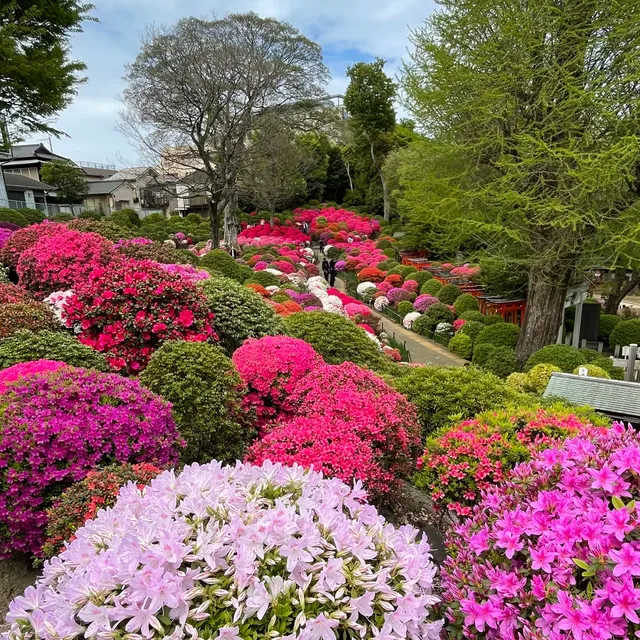
Nezu Shrine Azalea Garden
4.5
(306)
Open 24 hours
Click for details
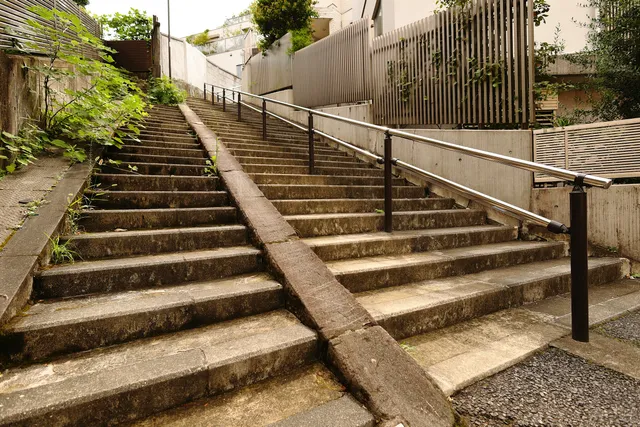
Kaidan of Nezu
3.6
(80)
Open 24 hours
Click for details
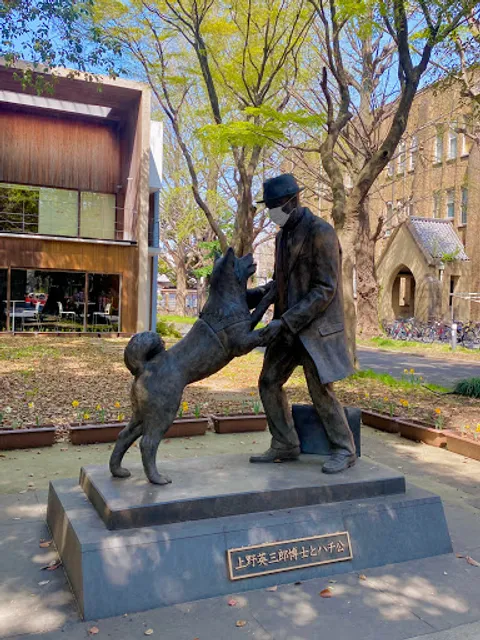
The University of Tokyo - Yayoi Campus
4.2
(73)
Open until 12:00 AM
Click for details
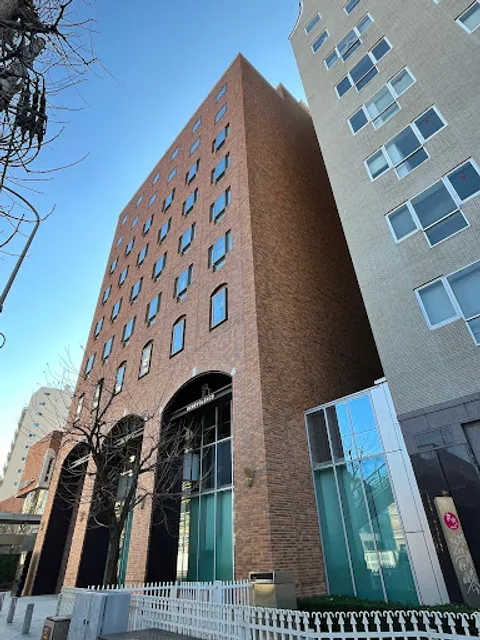
Bunkyo Gakuin University Hongo Campus
3.8
(37)
Open 24 hours
Click for details
Nearby restaurants of Nezu Shrine
NezuCafe 根津珈琲店
Starbucks Coffee - Nippon Medical School Hospital
Master Chef Kitchen
Yakiniku Tansei
Hai Shang Hai
Kujira
Tsumugu Cafe
AOYAMA COFFEE ROASTER
Ohirasei-pan
Hedge8
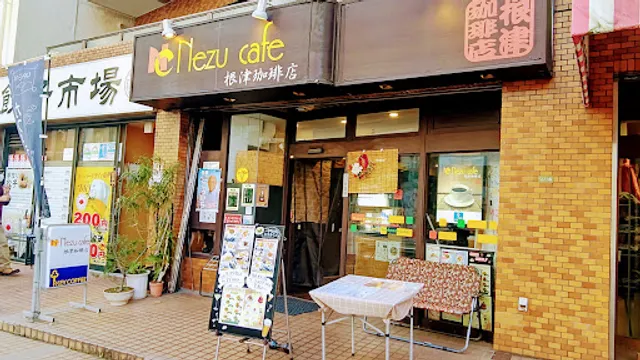
NezuCafe 根津珈琲店
3.8
(147)
Closed
Click for details
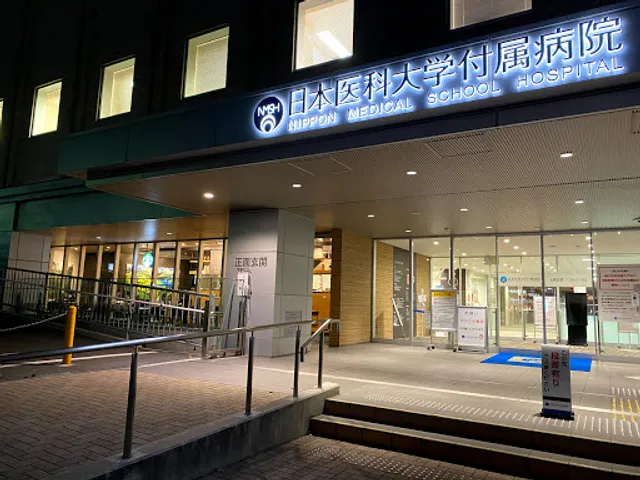
Starbucks Coffee - Nippon Medical School Hospital
3.8
(175)
Closed
Click for details
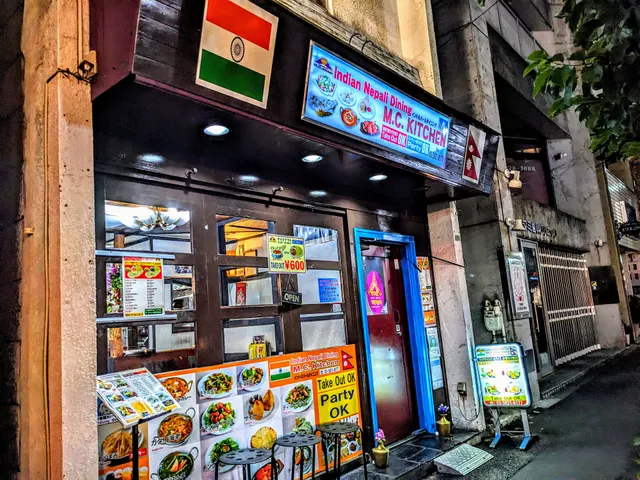
Master Chef Kitchen
4.2
(80)
Closed
Click for details
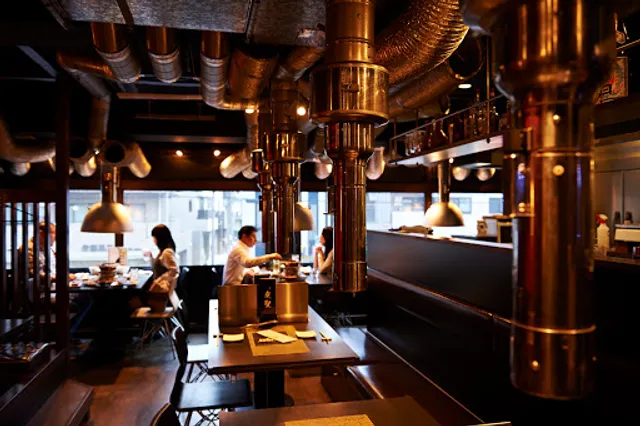
Yakiniku Tansei
4.3
(91)
$$$
Click for details
Nearby local services of Nezu Shrine
Nezu Shrine
Nezu Shrine
Otamainari Shrine
Takajō
St. Timothy's Church, Tokyo
Hanairogakuha Flower Shop
日本医科大学橘桜会館
University of Tokyo Baseball Field
Hiruneko Books
Saikyouji
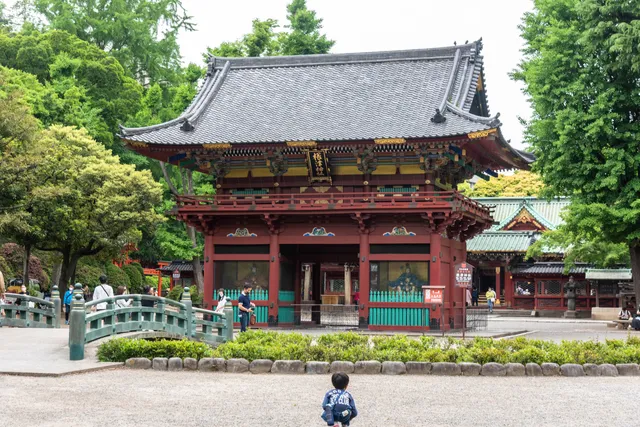
Nezu Shrine
4.4
(3.8K)
Click for details
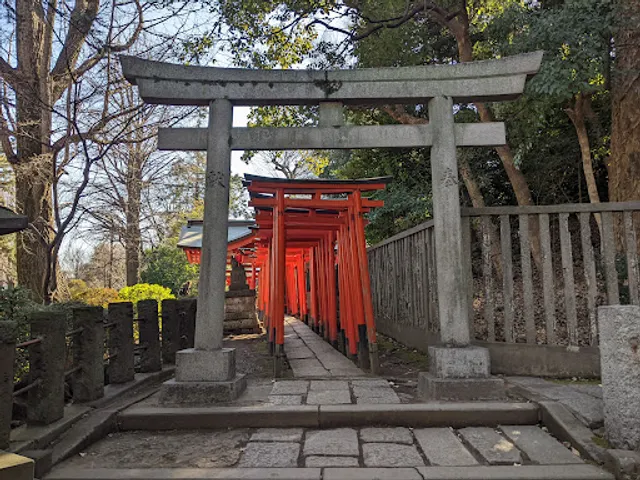
Nezu Shrine
4.4
(3.7K)
Click for details
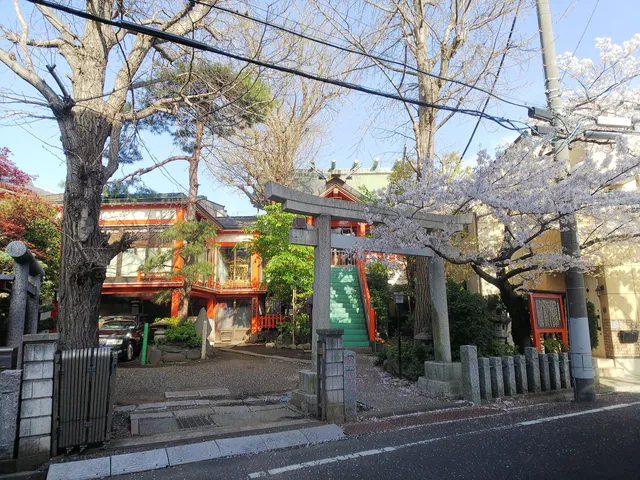
Otamainari Shrine
4.1
(26)
Click for details
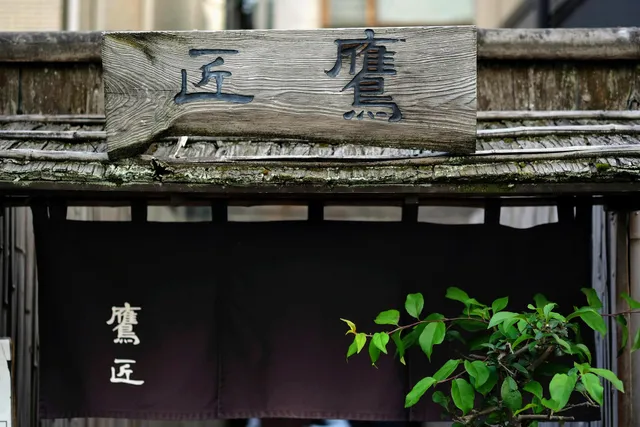
Takajō
4.4
(238)
Click for details