HTML SitemapExplore

Ono-Terusaki Shrine — Attraction in Tokyo

Name
Ono-Terusaki Shrine
Description
Nearby attractions
Hōshō-ji (Vaiśravaṇa)
2 Chome-10-6 Shitaya, Taito City, Tokyo 110-0004, Japan
Shingen-ji (Kishi-Mojin of Iriya)
1 Chome-12-16 Shitaya, Taito City, Tokyo 110-0004, Japan
Shitaya Mishima Shrine
3 Chome-7-5 Shitaya, Taito City, Tokyo 110-0004, Japan
Uguisudani Park
1 Chome-3-17 Negishi, Taito City, Tokyo 110-0003, Japan
Haginoyu
Thermae Domus Negishi, 2 Chome-13-13 Negishi, Taito City, Tokyo 110-0003, Japan
Tokyo National Museum
13-9 Uenokoen, Taito City, Tokyo 110-8712, Japan
Taito City Kanasugi Park
3 Chome-5-12 Shitaya, Taito City, Tokyo 110-0004, Japan
National Museum of Nature and Science
7-20 Uenokoen, Taito City, Tokyo 110-8718, Japan
Ueno Storehouse
Japan, 〒110-0014 Tokyo, Taito City, Kitaueno, 1 Chome−6−11 NORDビル
Tokyo National Museum Garden
13-9 Uenokoen, Taito City, Tokyo 110-8712, Japan
Nearby restaurants
Iriya Plus Cafe
2 Chome-9-10 Shitaya, Taito City, Tokyo 110-0004, Japan
rébon Kaisaiyu
2 Chome-17-11 Shitaya, Taito City, Tokyo 110-0004, Japan
Gouter Le Blé
Japan, 〒110-0013 Tokyo, Taito City, Iriya, 1 Chome−18−10 東京菓子会館 1階
Kushikatsu Tanaka Uguisudani
3 Chome-1-4 Negishi, Taito City, Tokyo 110-0003, Japan
Café Den
Japan, 〒110-0003 Tokyo, Taito City, Negishi, 3 Chome−3−18 メゾン根岸
Ocean Sandwich Shop
3 Chome-2-9 Negishi, Taito City, Tokyo 110-0003, Japan
Kimihan Sohonten
Japan, 〒110-0003 Tokyo, Taito City, Negishi, 3 Chome−3−18 メゾン根岸
Takayama Bakery
2 Chome-8-8 Shitaya, Taito City, Tokyo 110-0004, Japan
小香港
2 Chome-8-11 Shitaya, Taito City, Tokyo 110-0004, Japan
Restaurant Kamiya
3 Chome-18-18 Negishi, Taito City, Tokyo 110-0003, Japan
Nearby local services
Ono Terusaki shrine
2 Chome-13-14 Shitaya, Taito City, Tokyo 110-0004, Japan
Sauna Center
2 Chome-4-7 Shitaya, Taito City, Tokyo 110-0004, Japan
Hosen-yu
Japan, 〒110-0003 Tokyo, Taito City, Negishi, 3 Chome−14−14 石田ビル
Iriya Sta.
1 Chome-14-12 Iriya, Taito City, Tokyo 110-0013, Japan
Tokyo Kinema Club
1 Chome-1-14 Negishi, Taito City, Tokyo 110-0003, Japan
Heaven Beauty Nail Salon
Japan, 〒110-0003 Tokyo, Taito City, Negishi, 3 Chome−4−13 塩田コーポ 201
Gyomu Super Ueno Koen branch
1 Chome-2-13 Negishi, Taito City, Tokyo 110-0003, Japan
cut-one鶯谷店
3 Chome-1-10 Negishi, Taito City, Tokyo 110-0003, Japan
Inageya Iriya shop
1 Chome-22-10 Iriya, Taito City, Tokyo 110-0013, Japan
FamilyMart
2 Chome-1-10 Shitaya, Taito City, Tokyo 110-0004, Japan
Nearby hotels
Tokyo Guest House toco.
2 Chome-13-21 Shitaya, Taito City, Tokyo 110-0004, Japan
Sakura Cross Hotel Ueno-Iriya Annex
1 Chome-21-7 Iriya, Taito City, Tokyo 110-0013, Japan
VESSEL INN UENO IRIYA EKIMAE
1 Chome-25-6 Iriya, Taito City, Tokyo 110-0013, Japan
Edo Sakura
3 Chome-2-13 Shitaya, Taito City, Tokyo 110-0004, Japan
LANDABOUT TOKYO
Japan, 〒110-0003 Tokyo, Taito City, Negishi, 3 Chome−4−5 ランダバウト東京 1階
Sakura Cross Hotel Ueno-Iriya
3 Chome-18-18 Negishi, Taito City, Tokyo 110-0003, Japan
Candeo Hotels Ueno Koen
1 Chome-2-13 Negishi, Taito City, Tokyo 110-0003, Japan
宿家 鶯
2 Chome-5-7 Shitaya, Taito City, Tokyo 110-0004, Japan
Toyoko INN Uguisudani Station
1 Chome-2-17 Negishi, Taito City, Tokyo 110-0003, Japan
Hotel Sherwood
Japan, 〒110-0003 Tokyo, Taito City, Negishi, 1 Chome−2−21 2F
Related posts
Keywords
Ono-Terusaki Shrine tourism.Ono-Terusaki Shrine hotels.Ono-Terusaki Shrine bed and breakfast. flights to Ono-Terusaki Shrine.Ono-Terusaki Shrine attractions.Ono-Terusaki Shrine restaurants.Ono-Terusaki Shrine local services.Ono-Terusaki Shrine travel.Ono-Terusaki Shrine travel guide.Ono-Terusaki Shrine travel blog.Ono-Terusaki Shrine pictures.Ono-Terusaki Shrine photos.Ono-Terusaki Shrine travel tips.Ono-Terusaki Shrine maps.Ono-Terusaki Shrine things to do.
Ono-Terusaki Shrine things to do, attractions, restaurants, events info and trip planning
Ono-Terusaki Shrine
JapanTokyoOno-Terusaki Shrine

Basic Info

Ono-Terusaki Shrine

2 Chome-13-14 Shitaya, Taito City, Tokyo 110-0004, Japan
4.3(940)
Open until 4:00 PM
Save
spot

Ratings & Description

Info

Cultural
Scenic
Relaxation
Family friendly
attractions: Hōshō-ji (Vaiśravaṇa), Shingen-ji (Kishi-Mojin of Iriya), Shitaya Mishima Shrine, Uguisudani Park, Haginoyu, Tokyo National Museum, Taito City Kanasugi Park, National Museum of Nature and Science, Ueno Storehouse, Tokyo National Museum Garden, restaurants: Iriya Plus Cafe, rébon Kaisaiyu, Gouter Le Blé, Kushikatsu Tanaka Uguisudani, Café Den, Ocean Sandwich Shop, Kimihan Sohonten, Takayama Bakery, 小香港, Restaurant Kamiya, local businesses: Ono Terusaki shrine, Sauna Center, Hosen-yu, Iriya Sta., Tokyo Kinema Club, Heaven Beauty Nail Salon, Gyomu Super Ueno Koen branch, cut-one鶯谷店, Inageya Iriya shop, FamilyMart

logoLearn more insights from Wanderboat AI.
Phone
+81 3-3872-5514
Website
onoteru.or.jp
Open hoursSee all hours
Sat9 AM - 4 PMOpen

Plan your stay

hotel
Pet-friendly Hotels in Tokyo
Find a cozy hotel nearby and make it a full experience.

hotel
Affordable Hotels in Tokyo
Find a cozy hotel nearby and make it a full experience.

hotel
The Coolest Hotels You Haven't Heard Of (Yet)
Find a cozy hotel nearby and make it a full experience.

hotel
Trending Stays Worth the Hype in Tokyo
Find a cozy hotel nearby and make it a full experience.

Reviews

Live events
Shinjuku Izakaya Tour with an Expert
Fri, Feb 13 • 4:30 PM
160-0023, Tokyo Prefecture, Shinjuku City, Japan
View details
Explore Tokyo’s Car Scene in a Nissan Skyline
Sat, Feb 7 • 5:30 PM
150-0047, Tokyo Prefecture, Shibuya, Japan
View details
Asakusa Street Food Experience
Sat, Feb 7 • 11:30 AM
111-0032, Tokyo Prefecture, Taito City, Japan
View details

Nearby attractions of Ono-Terusaki Shrine

Hōshō-ji (Vaiśravaṇa)

Shingen-ji (Kishi-Mojin of Iriya)

Shitaya Mishima Shrine

Uguisudani Park

Haginoyu

Tokyo National Museum

Taito City Kanasugi Park

National Museum of Nature and Science

Ueno Storehouse

Tokyo National Museum Garden

Hōshō-ji (Vaiśravaṇa)

Hōshō-ji (Vaiśravaṇa)

3.9

(47)

Open 24 hours
Click for details
Shingen-ji (Kishi-Mojin of Iriya)

Shingen-ji (Kishi-Mojin of Iriya)

3.8

(348)

Open until 4:00 PM
Click for details
Shitaya Mishima Shrine

Shitaya Mishima Shrine

4.1

(248)

Open until 12:00 AM
Click for details
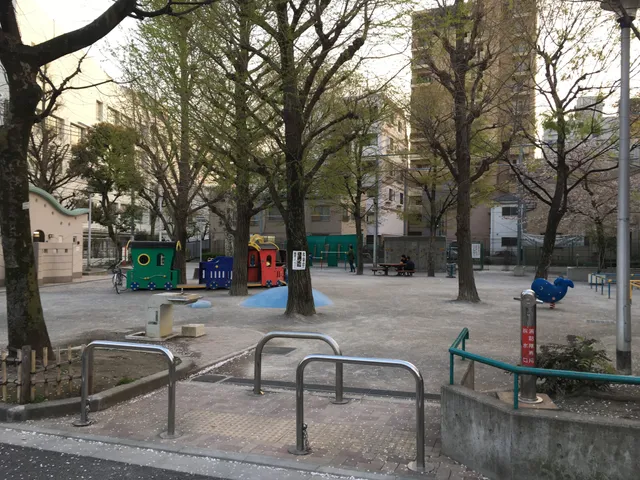
Uguisudani Park

Uguisudani Park

3.5

(130)

Open until 12:00 AM
Click for details

Nearby restaurants of Ono-Terusaki Shrine

Iriya Plus Cafe

rébon Kaisaiyu

Gouter Le Blé

Kushikatsu Tanaka Uguisudani

Café Den

Ocean Sandwich Shop

Kimihan Sohonten

Takayama Bakery

小香港

Restaurant Kamiya
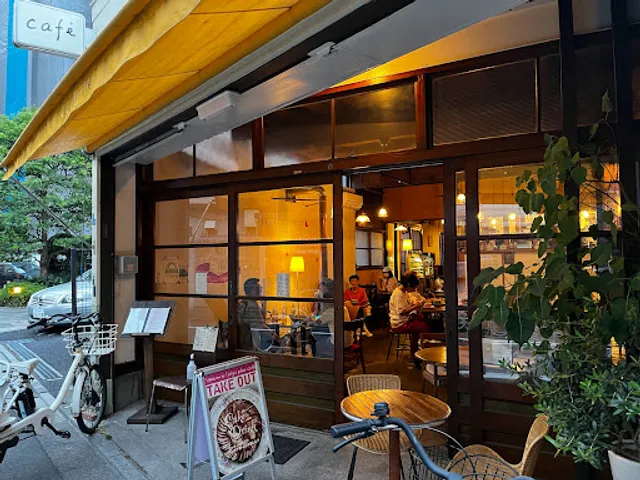
Iriya Plus Cafe

Iriya Plus Cafe

4.2

(303)

Open until 5:00 PM
Click for details
rébon Kaisaiyu

rébon Kaisaiyu

4.4

(217)

Open until 6:00 PM
Click for details
Gouter Le Blé

Gouter Le Blé

4.2

(466)

Open until 8:00 PM
Click for details
Kushikatsu Tanaka Uguisudani

Kushikatsu Tanaka Uguisudani

4.5

(802)

Open until 2:00 AM
Click for details

Nearby local services of Ono-Terusaki Shrine

Ono Terusaki shrine

Sauna Center

Hosen-yu

Iriya Sta.

Tokyo Kinema Club

Heaven Beauty Nail Salon

Gyomu Super Ueno Koen branch

cut-one鶯谷店

Inageya Iriya shop

FamilyMart
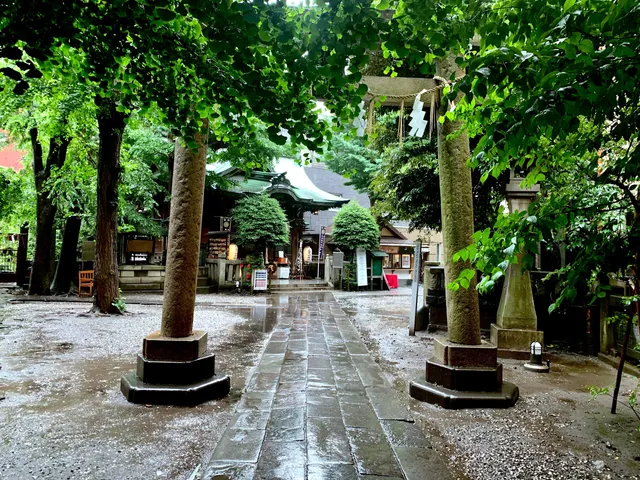
Ono Terusaki shrine

Ono Terusaki shrine

4.3

(756)

Click for details
Sauna Center

Sauna Center

4.2

(372)

Click for details
Hosen-yu

Hosen-yu

3.8

(130)

Click for details
Iriya Sta.

Iriya Sta.

3.4

(94)

Click for details
Get the Appoverlay
Get the AppOne tap to find yournext favorite spots!
Wanderboat LogoWanderboat

Your everyday Al companion for getaway ideas

CompanyAbout Us
InformationAI Trip PlannerSitemap
SocialXInstagramTiktokLinkedin
LegalTerms of ServicePrivacy Policy

Get the app

© 2025 Wanderboat. All rights reserved.

Reviews of Ono-Terusaki Shrine

4.3
(940)
avatar
5.0
2y

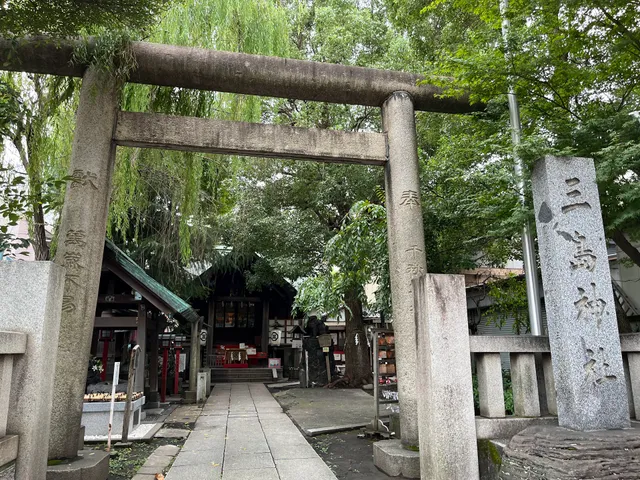
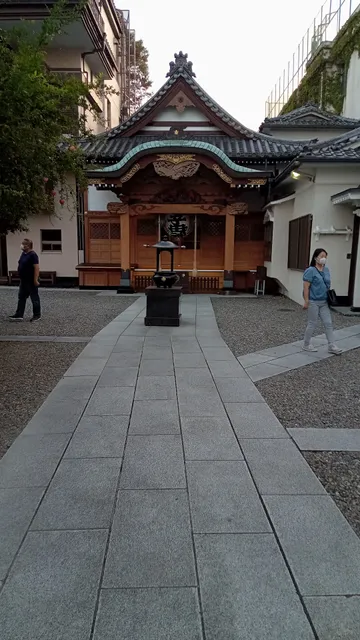
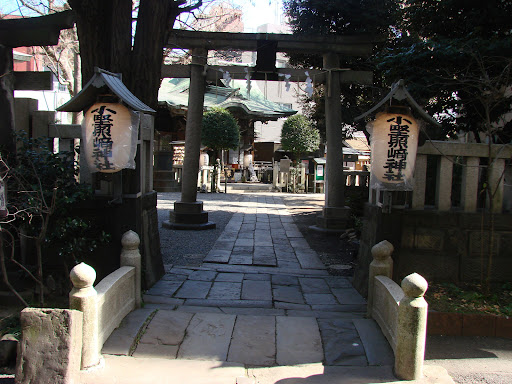
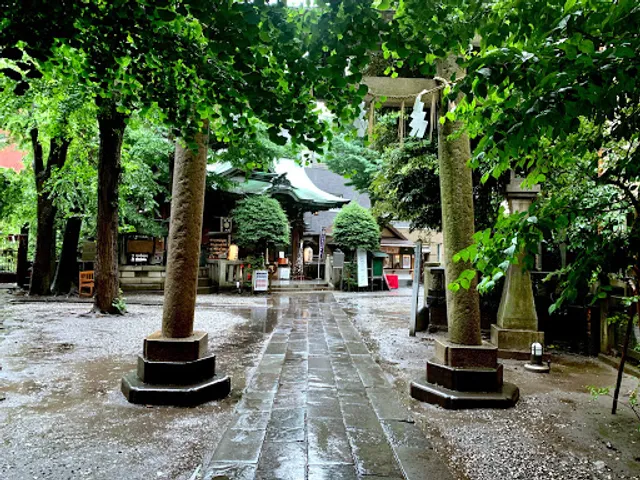
小野照崎神社 Ono Terusaki shrine Enshrined deities: 小野篁 Takamura Ono & 菅原道真 Michizane Sugawara Michizane Sugawara is the god of learning and performing arts. The shrine is part of the eight shrine pilgrimage (for good fortune) 下町八社福参りなどのコース Shitamachi Hachisha Fukumairi. Within the relatively small shrine precincts: 富士浅間神社 Fuji Asama Jinja, 下谷坂本の富士塚 Shitaya Sakamoto no Fujizuka (surrogate Mt. Fuji open on 30 June & 1 July), 御嶽神社 Mitake Jinja & 三峰神社 Mitsumine Jinja, 琴平神社 Kotohira Jinja, 庚申塚 Koshinzuka (remnants of the original shrine), 稲荷神社 Inari Jinja & 織姫神社 Orihime Jinja, 神楽殿 (Kaguraden) 強烈な努力の碑 (Kyōretsuna doryoku no ishibumi) Monument of intense effort Most of the subsidiary shrines have separate entries in Google maps. There is a small stone bridge and a pair of covered lanterns before the main entrance torii. When I visited, there were three cats conspicuously lounging in sunny areas of the precincts.

To expand upon the 庚申塚 Kōshin zuka. Kōshin (庚申) or Kōshin-shinkō (庚申信仰) is a folk belief in Japan with Taoist origins, influenced by Shinto, Buddhism and other local beliefs. The followers of the 庚申講 (Kōshin-kō) Kōshin faith have a special devotion to the day (sunrise to sunrise) of the 庚申 metal monkey in the iterative 60 day cycle based on the five elements and the twelve animal zodiac. On the night defined as Kōshin, 三尸/三虫(蟲) (sanshi/sanchū) three worms also translated as insects or corpses, believed to dwell in a person's body, ascend to heaven while their host sleeps. The 天帝 Emperor of Heaven, apprised by the worms of the host's transgressions during the previous cycle, deducts a certain number of days from the person's life for each misdeed. This belief led to the Japanese custom of staying up all night, 「庚申待」 (kōshin-machi) [hang on]/「守庚申」 (mori kōshin) [protect], to prevent the worms from leaving the body to report on their hosts. Those worshiped during the all night party are: 天帝 (Tentei), the aforementioned Emperor of Heaven; 猿田彦 (Sarutahiko), the patron of martial arts and bringer of world peace; 馬頭観音 (Batō [horse head] Kannon), principal deity of rituals that subjugate evil people and enemies (usually three faces and eight arms, crown with horse's head); and 青面金剛 (Shōmen [blue faced] Kongō), one of the 羅刹天 (rasetsuten) rakshasa lords (Rakshasas are a race of malevolent demons or goblins in Hindu mythology that have supernatural powers and often use them for evil). They also revered the trio of wise monkeys: 🙈 見ざる (mizaru) "See no evil", 🙉 聞かざる (kikazaru) "Hear no evil", 🙊 言わざる (iwazaru)...

   Read more
avatar
5.0
3y

小野照崎神社は、東京メトロ 下谷駅の北東100mほどの台東区下谷の住宅街の中に鎮座している神社です。旧社格は村社で、旧下谷区の総鎮守です。

平安時代初期の公卿である小野篁(おののたかむら)が、かつて御東下の際に住んでいた上野照崎の地に、仁寿2年(852年)に奉斎したのが起源と伝わります。 小野篁は、百人一首にも撰された平安初期有数の歌人であり、漢詩は「日本の白楽天」と呼ばれ、その文才は天下無双、「その才は神に至る」と評される程の絵の大廈でもあり、法律に明るい当代きっての学者で、参議という国の要職も務たました。 寛永2年(1625年)寛永寺の建立のため幕府より移転を命じられ、現社地に遷座しました。

現在の社殿は、慶応2年(1866年)の建築で、関東大震災や東京大空襲などによる被害を免れました。 江戸末期、回向院より菅原道真自刻と伝わる像を迎えて相殿に祀り、「江戸二十五天神」の一つに数えられました。 「学問・芸能」の神様として有名で、下町八社福参りなどのコースに入っています。 樋口一葉の「たけくらべ」に「小野照さま」の名で出ています。

境内末社として、富士浅間神社(下谷坂本富士)、御嶽神社、三峰神社、琴平神社、庚申塚 、青面金剛、稲荷神社、織姫神社などがあります。

『下谷坂本の富士塚(国指定重要有形民俗文化財)』、文政11年(1828年)に築かれた、直径約15m、高さ約6mのミニチュアの富士山です。塚全体を富士の熔岩で覆っています。塚の上の登山道に合目石を建て、一合目の岩屋に役行者像、五合目付近に富士講の祖と崇められる藤原角行(1646年没)の像をまつる石祠を置いています。毎年、富士山の開山に合わせて6月30日と7月1日に一般の登拝ができます。 富士山はわが国の霊山のうち、古来、信仰の対象とされた最も著名な山の一つです。富士塚は、富士山を模して築造された塚で、江戸高田の行者藤四郎が、老若男女だれでも心安く富士に登山できるようにと、安永9年(1780年)高田水稲荷の境内にこれを築いたのが始まりです。庶民の富士山信仰は江戸中期には盛んになり、江戸を中心に富士講が所々に結成され、やがて多くの富士塚が築造されて、現都区内だけでも50数か所の富士塚を数えるに至りました。

毎年5月19日に一番近い土日に例大祭が行われます。 通常3年に一度本社神輿(神社のお神輿)が渡御されます。 間の年は「陰」と呼ばれ氏子15ヶ町の町会神輿が神社まで連合渡御されます。ただし、皇族の即位やご誕生などの際は「陰」年でも本社神輿が渡御される場合があります。

小野篁(802〜852年)は、平安時代前期の歌人です。 小野妹子の子孫で、少年時代弓馬に熱中しましたが,嵯峨天皇のいさめで学業に励んで大学に学び、『令義解 (りょうのぎげ) 』の撰定に加わりました。 承和5年 (838年) 遣唐副使となりましたが病と称して渡航せず、隠岐国に流されました。許されたのちに陸奥守などを経て参議にいたりました。 その博識、詩才は世に重んじられ、奔放な性格は野狂 (やきょう)...

   Read more
avatar
5.0
1y

I really like this shrine, although it's not big, it's a lovely little refuge in the middle of the city. I even had the luxury of seeing a few cats, one was very affectionate! This shrine offers beautiful Goshuin, if you check their website you can see what's on offer and they change the design monthly! I definitely recommend that you make the effort to go and see it. It wasn't super busy but it also wasn't empty. I have visited on both a weekday...

   Read more
Page 1 of 7
Previous
Next

Posts

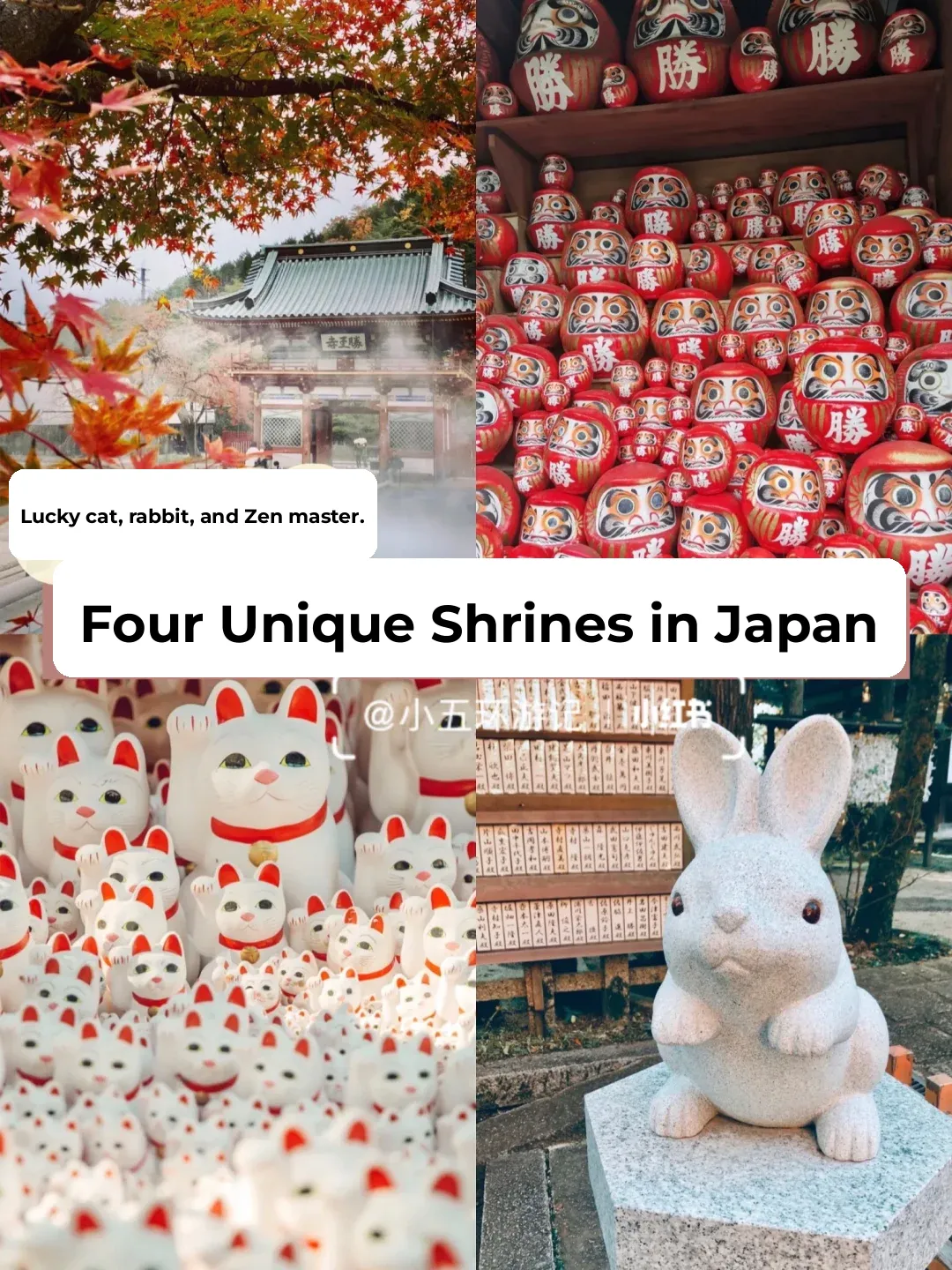
4 Unique Shrines in Japan: Which One Will You Visit for a Super Spiritual Experience?
ink.masterink.master
4 Unique Shrines in Japan: Which One Will You Visit for a Super Spiritual Experience?
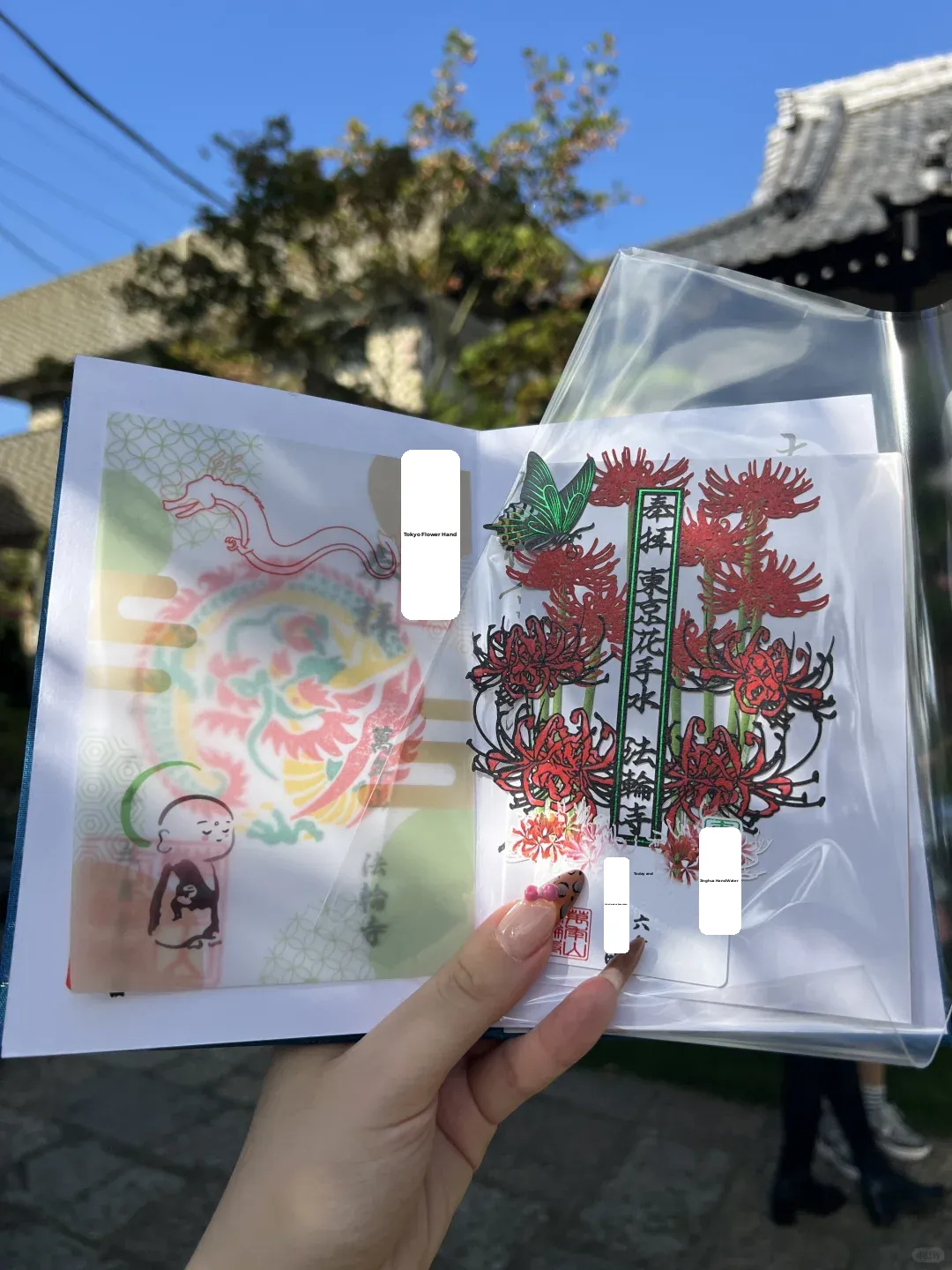
Tokyo Mid-Autumn Night: Ultimate Tourist Edition of the Stamp Collecting Pilgrimage
desert.rose.92desert.rose.92
Tokyo Mid-Autumn Night: Ultimate Tourist Edition of the Stamp Collecting Pilgrimage
Tommy KurauchiTommy Kurauchi
小野照崎神社 Ono Terusaki shrine Enshrined deities: 小野篁 Takamura Ono & 菅原道真 Michizane Sugawara Michizane Sugawara is the god of learning and performing arts. The shrine is part of the eight shrine pilgrimage (for good fortune) 下町八社福参りなどのコース Shitamachi Hachisha Fukumairi. Within the relatively small shrine precincts: 富士浅間神社 Fuji Asama Jinja, 下谷坂本の富士塚 Shitaya Sakamoto no Fujizuka (surrogate Mt. Fuji open on 30 June & 1 July), 御嶽神社 Mitake Jinja & 三峰神社 Mitsumine Jinja, 琴平神社 Kotohira Jinja, 庚申塚 Koshinzuka (remnants of the original shrine), 稲荷神社 Inari Jinja & 織姫神社 Orihime Jinja, 神楽殿 (Kaguraden) 強烈な努力の碑 (Kyōretsuna doryoku no ishibumi) Monument of intense effort Most of the subsidiary shrines have separate entries in Google maps. There is a small stone bridge and a pair of covered lanterns before the main entrance torii. When I visited, there were three cats conspicuously lounging in sunny areas of the precincts. ========== To expand upon the 庚申塚 Kōshin zuka. Kōshin (庚申) or Kōshin-shinkō (庚申信仰) is a folk belief in Japan with Taoist origins, influenced by Shinto, Buddhism and other local beliefs. The followers of the 庚申講 (Kōshin-kō) Kōshin faith have a special devotion to the day (sunrise to sunrise) of the 庚申 metal monkey in the iterative 60 day cycle based on the five elements and the twelve animal zodiac. On the night defined as Kōshin, 三尸/三虫(蟲) (sanshi/sanchū) three worms [also translated as insects or corpses] (black, green and white), believed to dwell in a person's body, ascend to heaven while their host sleeps. The 天帝 Emperor of Heaven, apprised by the worms of the host's transgressions during the previous cycle, deducts a certain number of days from the person's life for each misdeed. This belief led to the Japanese custom of staying up all night, 「庚申待」 (kōshin-machi) [hang on]/「守庚申」 (mori kōshin) [protect], to prevent the worms from leaving the body to report on their hosts. Those worshiped during the all night party are: 天帝 (Tentei), the aforementioned Emperor of Heaven; 猿田彦 (Sarutahiko), the patron of martial arts and bringer of world peace; 馬頭観音 (Batō [horse head] Kannon), principal deity of rituals that subjugate evil people and enemies (usually three faces and eight arms, crown with horse's head); and 青面金剛 (Shōmen [blue faced] Kongō), one of the 羅刹天 (rasetsuten) rakshasa lords (Rakshasas are a race of malevolent demons or goblins in Hindu mythology that have supernatural powers and often use them for evil). They also revered the trio of wise monkeys: 🙈 見ざる (mizaru) "See no evil", 🙉 聞かざる (kikazaru) "Hear no evil", 🙊 言わざる (iwazaru) "Speak no evil".
See more posts
See more posts
hotel
Find your stay

Pet-friendly Hotels in Tokyo

Find a cozy hotel nearby and make it a full experience.

4 Unique Shrines in Japan: Which One Will You Visit for a Super Spiritual Experience?
ink.master

ink.master

hotel
Find your stay

Affordable Hotels in Tokyo

Find a cozy hotel nearby and make it a full experience.

Get the Appoverlay
Get the AppOne tap to find yournext favorite spots!
Tokyo Mid-Autumn Night: Ultimate Tourist Edition of the Stamp Collecting Pilgrimage
desert.rose.92

desert.rose.92

hotel
Find your stay

The Coolest Hotels You Haven't Heard Of (Yet)

Find a cozy hotel nearby and make it a full experience.

hotel
Find your stay

Trending Stays Worth the Hype in Tokyo

Find a cozy hotel nearby and make it a full experience.

小野照崎神社 Ono Terusaki shrine Enshrined deities: 小野篁 Takamura Ono & 菅原道真 Michizane Sugawara Michizane Sugawara is the god of learning and performing arts. The shrine is part of the eight shrine pilgrimage (for good fortune) 下町八社福参りなどのコース Shitamachi Hachisha Fukumairi. Within the relatively small shrine precincts: 富士浅間神社 Fuji Asama Jinja, 下谷坂本の富士塚 Shitaya Sakamoto no Fujizuka (surrogate Mt. Fuji open on 30 June & 1 July), 御嶽神社 Mitake Jinja & 三峰神社 Mitsumine Jinja, 琴平神社 Kotohira Jinja, 庚申塚 Koshinzuka (remnants of the original shrine), 稲荷神社 Inari Jinja & 織姫神社 Orihime Jinja, 神楽殿 (Kaguraden) 強烈な努力の碑 (Kyōretsuna doryoku no ishibumi) Monument of intense effort Most of the subsidiary shrines have separate entries in Google maps. There is a small stone bridge and a pair of covered lanterns before the main entrance torii. When I visited, there were three cats conspicuously lounging in sunny areas of the precincts. ========== To expand upon the 庚申塚 Kōshin zuka. Kōshin (庚申) or Kōshin-shinkō (庚申信仰) is a folk belief in Japan with Taoist origins, influenced by Shinto, Buddhism and other local beliefs. The followers of the 庚申講 (Kōshin-kō) Kōshin faith have a special devotion to the day (sunrise to sunrise) of the 庚申 metal monkey in the iterative 60 day cycle based on the five elements and the twelve animal zodiac. On the night defined as Kōshin, 三尸/三虫(蟲) (sanshi/sanchū) three worms [also translated as insects or corpses] (black, green and white), believed to dwell in a person's body, ascend to heaven while their host sleeps. The 天帝 Emperor of Heaven, apprised by the worms of the host's transgressions during the previous cycle, deducts a certain number of days from the person's life for each misdeed. This belief led to the Japanese custom of staying up all night, 「庚申待」 (kōshin-machi) [hang on]/「守庚申」 (mori kōshin) [protect], to prevent the worms from leaving the body to report on their hosts. Those worshiped during the all night party are: 天帝 (Tentei), the aforementioned Emperor of Heaven; 猿田彦 (Sarutahiko), the patron of martial arts and bringer of world peace; 馬頭観音 (Batō [horse head] Kannon), principal deity of rituals that subjugate evil people and enemies (usually three faces and eight arms, crown with horse's head); and 青面金剛 (Shōmen [blue faced] Kongō), one of the 羅刹天 (rasetsuten) rakshasa lords (Rakshasas are a race of malevolent demons or goblins in Hindu mythology that have supernatural powers and often use them for evil). They also revered the trio of wise monkeys: 🙈 見ざる (mizaru) "See no evil", 🙉 聞かざる (kikazaru) "Hear no evil", 🙊 言わざる (iwazaru) "Speak no evil".
Tommy Kurauchi

Tommy Kurauchi

See more posts
See more posts