Sen-oku Hakukokan Museum Tokyo things to do, attractions, restaurants, events info and trip planning
Basic Info
Sen-oku Hakukokan Museum Tokyo
1 Chome-5-1 Roppongi, Minato City, Tokyo 106-0032, Japan
4.3(301)
Closed


tickets
Save
spot
spot
Ratings & Description
Info
Cultural
Family friendly
Accessibility
attractions: Suntory Hall, teamLab Borderless: MORI Building DIGITAL ART MUSEUM, Azabudai Hills, Okura Museum of Art, Roppongi Sakaue Children's Playground, Kikuchi Kanjitsu Memorial Tomo Museum, Reinanzaka Church, Ark Garden, Azabudai Hills Gallery, Minato Science Museum, restaurants: HARIO CAFE SEN-OKU HAKUKOKANMUSEUM TOKYO, BLT STEAK ROPPONGI, PAUL Roppongi Ichome, Ark Hills Cafe., Ruby Jack’s Premium Seafood & Steak, The 3rd Burger Ark Hills South Tower, Saito, Starbucks Coffee - Ark Hills South Tower, Etsubo, Bubby’s Akasaka, local businesses: Ark Hills South Tower, ARK Hills, ARK Hills Sengokuyama Mori Tower, Ebisu Shrine, Ark Hills Karajan Square, WeWork Ark Hills South, TV Tokyo Corporation, Roppongi T-Cube, Azabudai Hills Mori JP Tower, Sakura-zaka
 Learn more insights from Wanderboat AI.
Phone
+81 50-5541-8600
Website
sen-oku.or.jp
Open hoursSee all hours
Sat11 AM - 6 PMClosed
Plan your stay

Pet-friendly Hotels in Tokyo
Find a cozy hotel nearby and make it a full experience.

Affordable Hotels in Tokyo
Find a cozy hotel nearby and make it a full experience.

The Coolest Hotels You Haven't Heard Of (Yet)
Find a cozy hotel nearby and make it a full experience.

Trending Stays Worth the Hype in Tokyo
Find a cozy hotel nearby and make it a full experience.
Reviews
Live events
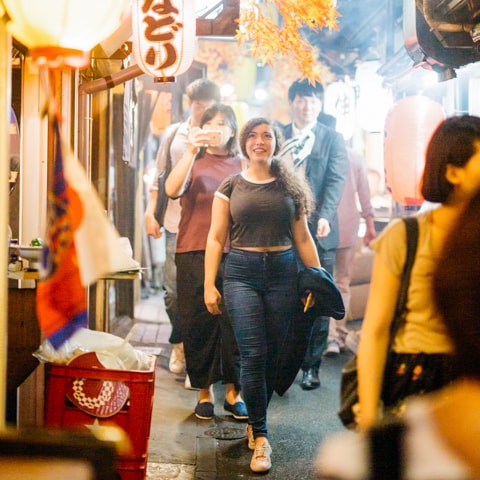
Shinjuku Izakaya Tour with an Expert
Sat, Feb 7 • 5:00 PM
160-0023, Tokyo Prefecture, Shinjuku City, Japan
View details
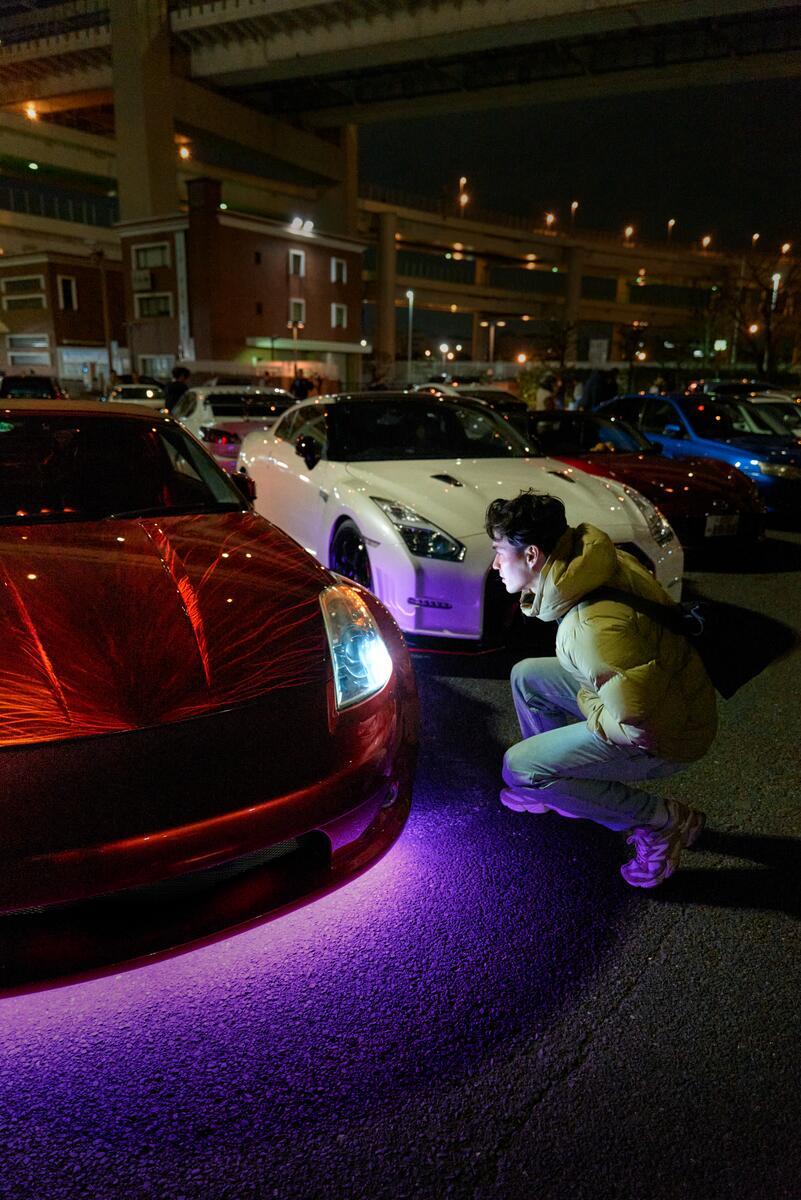
Drive Tokyo’s car culture in a Nissan Skyline
Sat, Feb 7 • 5:30 PM
150-0047, Tokyo Prefecture, Shibuya, Japan
View details

Learn to make traditional Sashiko embroidery
Sun, Feb 8 • 10:30 AM
167-0032, Tokyo Prefecture, Suginami City, Japan
View details
Nearby attractions of Sen-oku Hakukokan Museum Tokyo
Suntory Hall
teamLab Borderless: MORI Building DIGITAL ART MUSEUM
Azabudai Hills
Okura Museum of Art
Roppongi Sakaue Children's Playground
Kikuchi Kanjitsu Memorial Tomo Museum
Reinanzaka Church
Ark Garden
Azabudai Hills Gallery
Minato Science Museum
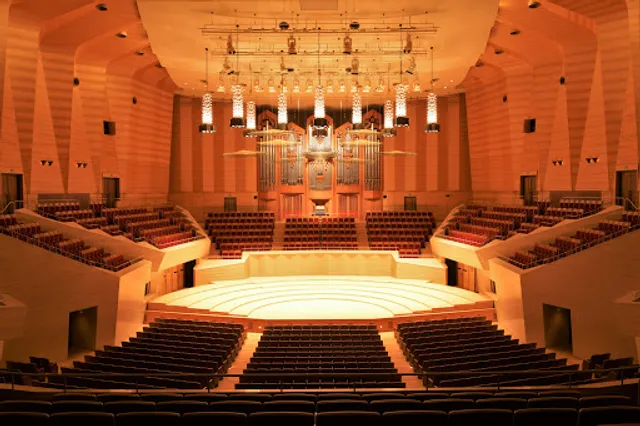
Suntory Hall
4.6
(2.4K)
Open 24 hours
Click for details
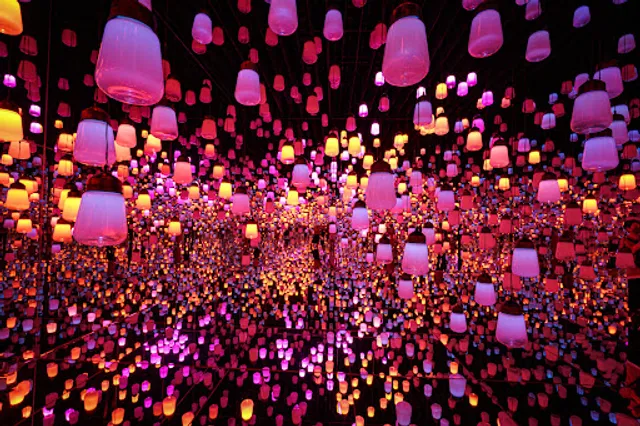
teamLab Borderless: MORI Building DIGITAL ART MUSEUM
4.6
(9.7K)
Open until 9:00 PM
Click for details
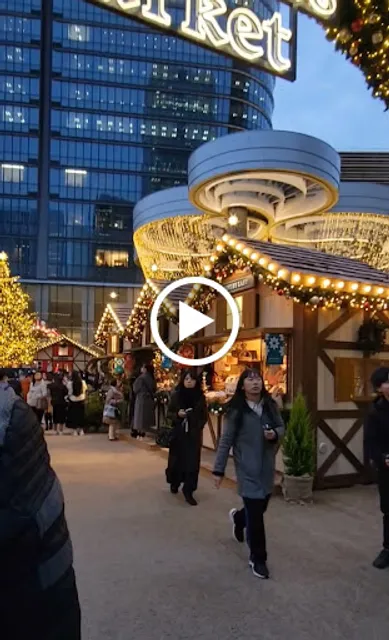
Azabudai Hills
4.4
(2.6K)
Open 24 hours
Click for details
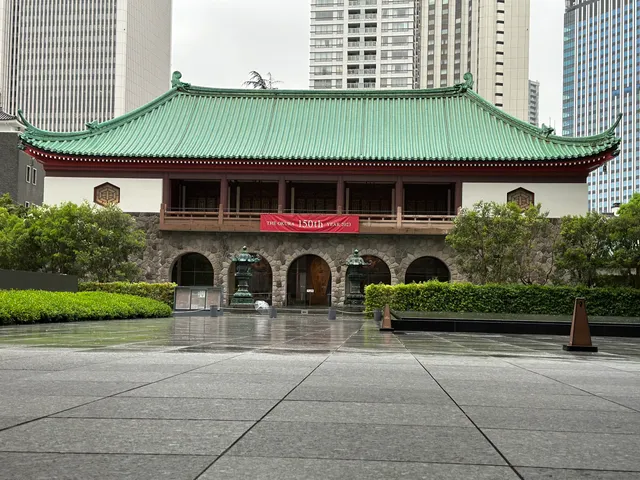
Okura Museum of Art
4.2
(267)
Closed
Click for details
Nearby restaurants of Sen-oku Hakukokan Museum Tokyo
HARIO CAFE SEN-OKU HAKUKOKANMUSEUM TOKYO
BLT STEAK ROPPONGI
PAUL Roppongi Ichome
Ark Hills Cafe.
Ruby Jack’s Premium Seafood & Steak
The 3rd Burger Ark Hills South Tower
Saito
Starbucks Coffee - Ark Hills South Tower
Etsubo
Bubby’s Akasaka
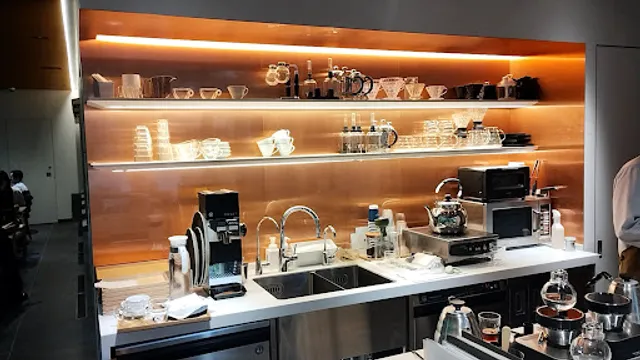
HARIO CAFE SEN-OKU HAKUKOKANMUSEUM TOKYO
3.8
(144)
Closed
Click for details
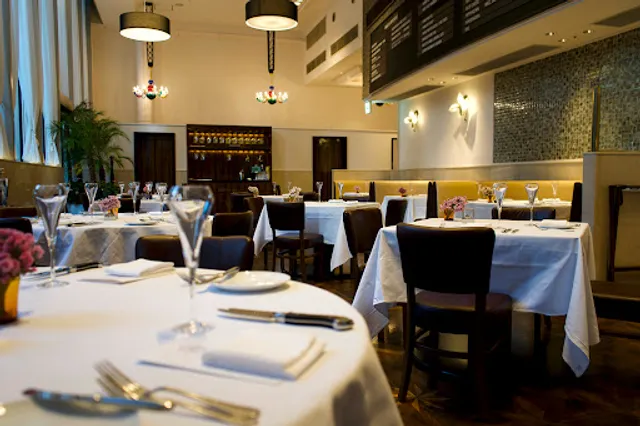
BLT STEAK ROPPONGI
4.2
(319)
Open until 11:00 PM
Click for details
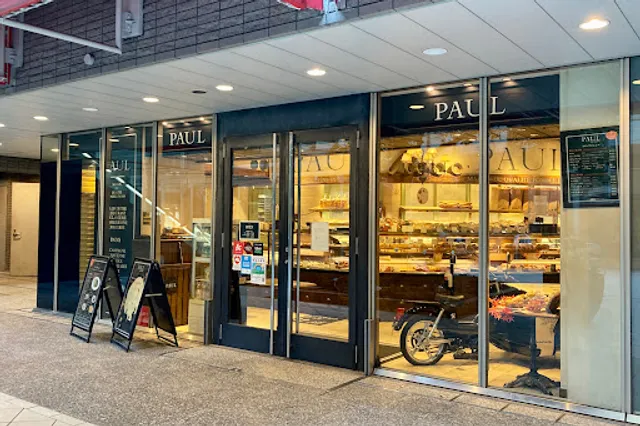
PAUL Roppongi Ichome
3.8
(181)
Closed
Click for details
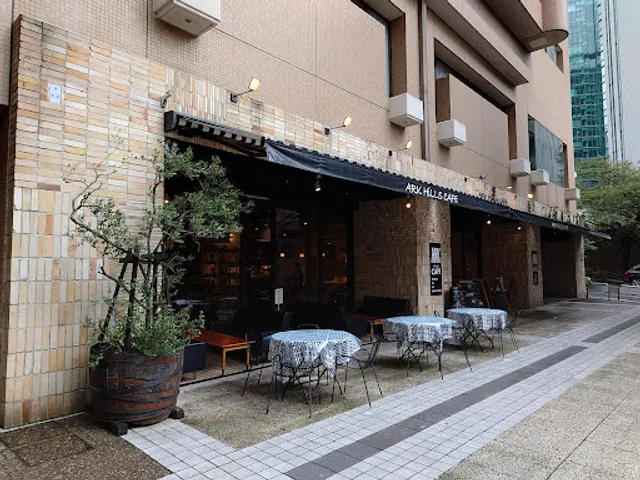
Ark Hills Cafe.
3.8
(227)
Open until 9:00 PM
Click for details
Nearby local services of Sen-oku Hakukokan Museum Tokyo
Ark Hills South Tower
ARK Hills
ARK Hills Sengokuyama Mori Tower
Ebisu Shrine
Ark Hills Karajan Square
WeWork Ark Hills South
TV Tokyo Corporation
Roppongi T-Cube
Azabudai Hills Mori JP Tower
Sakura-zaka
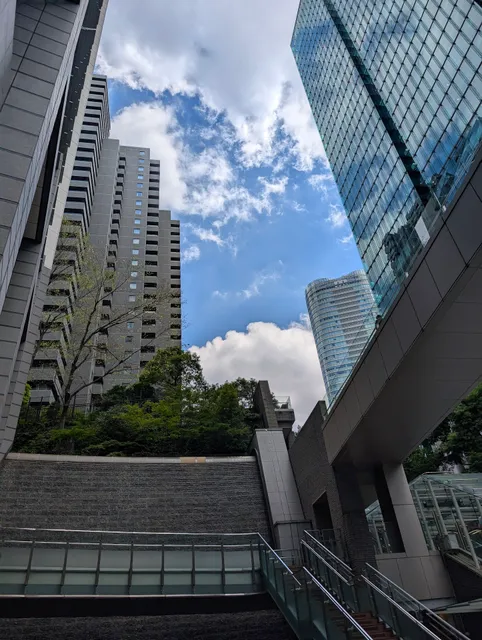
Ark Hills South Tower
3.8
(939)
Click for details
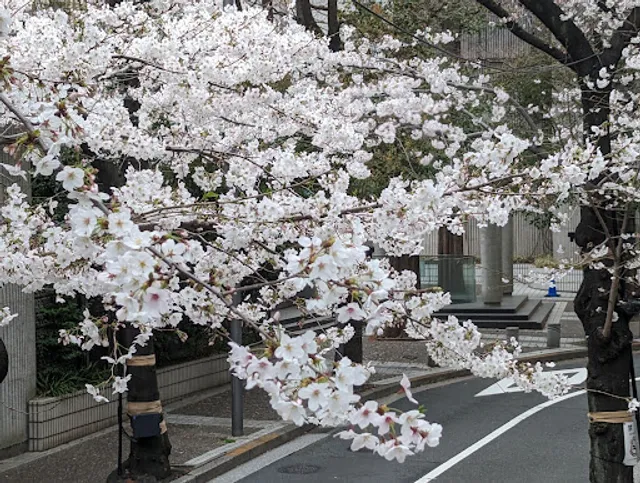
ARK Hills
3.9
(1.6K)
Click for details
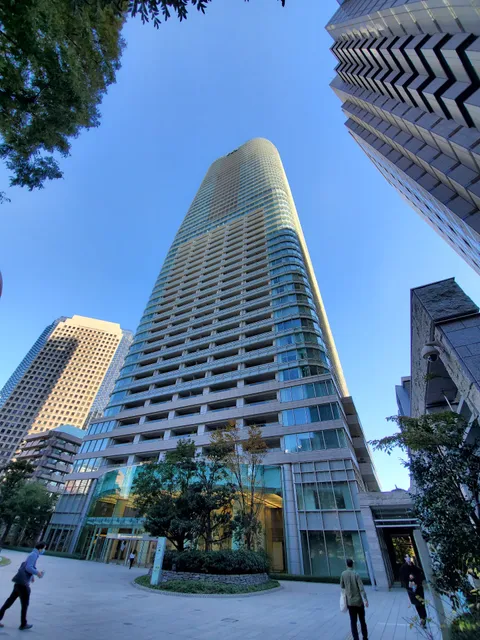
ARK Hills Sengokuyama Mori Tower
3.7
(343)
Click for details
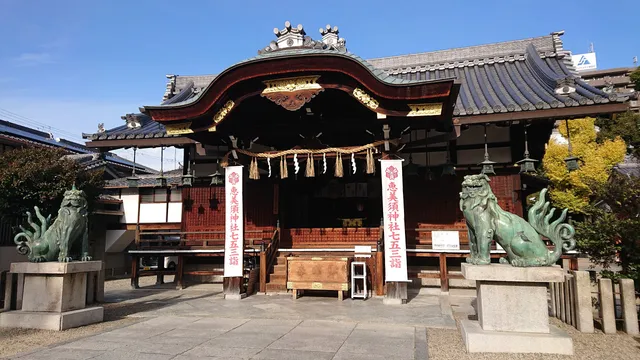
Ebisu Shrine
4.0
(203)
Click for details