Kaunas Castle things to do, attractions, restaurants, events info and trip planning
Basic Info
Kaunas Castle
Pilies g. 17, Kaunas, 44275 Kauno m. sav., Lithuania
4.6(3.6K)
Open until 12:00 AM

tickets
Save
spot
spot
Ratings & Description
Info
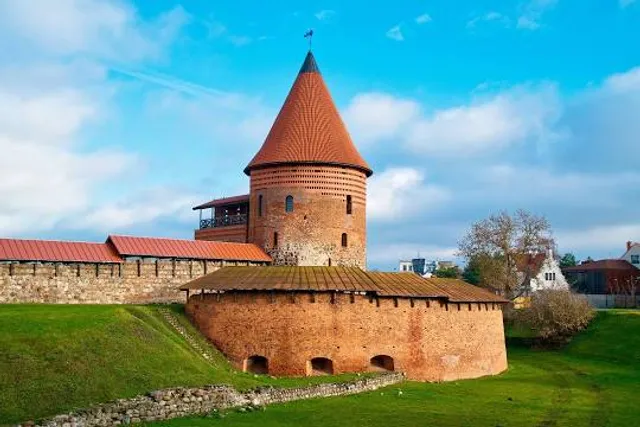
Kaunas Castle is a medieval castle in Kaunas, the second-largest city in Lithuania. Archeological evidence suggests that it was originally built during the mid-14th century, in the Gothic style. Its site is strategic—a rise on the banks of the Nemunas River near its confluence with the Neris River.
Cultural
Outdoor
Family friendly
attractions: Vytis Monument, Kaunas Town Hall, Cathedral-Basilica of St. Peter and St. Paul, Nemunas and Neris Confluence Park, Kaunas City Museum, Museum of the History of Lithuanian Medicine and Pharmacy, Church of St. Francis Xavier, Church of Vytautas the Great, House of Perkūnas, Lithuanian House of Basketball, restaurants: Pilies sodas, Marsas Mieste, Skliautas, Hunters' Inn, Soul. Rotušė, Antis rūsy, Sushi Masters, Žemyn upe, Klimas Restobaras, Agave, local businesses: Maironis Museum of Lithuanian Literature, HOP DOC Gastropub, Vieno prancūzo sandeliukas, Lietuva sport museum, Vilniaus gatvė 13, Vilniaus gatvė 10, Saldita kavinė "Šokoladinė", Vytautas the Great Bridge, Confluence of Niemen and Neris, Pizza Journey
 Learn more insights from Wanderboat AI.
Phone
+370 687 55263
Website
kaunomuziejus.lt
Open hoursSee all hours
SunClosedOpen
Plan your stay

Pet-friendly Hotels in Kaunas
Find a cozy hotel nearby and make it a full experience.

Affordable Hotels in Kaunas
Find a cozy hotel nearby and make it a full experience.

The Coolest Hotels You Haven't Heard Of (Yet)
Find a cozy hotel nearby and make it a full experience.

Trending Stays Worth the Hype in Kaunas
Find a cozy hotel nearby and make it a full experience.
Reviews
Live events
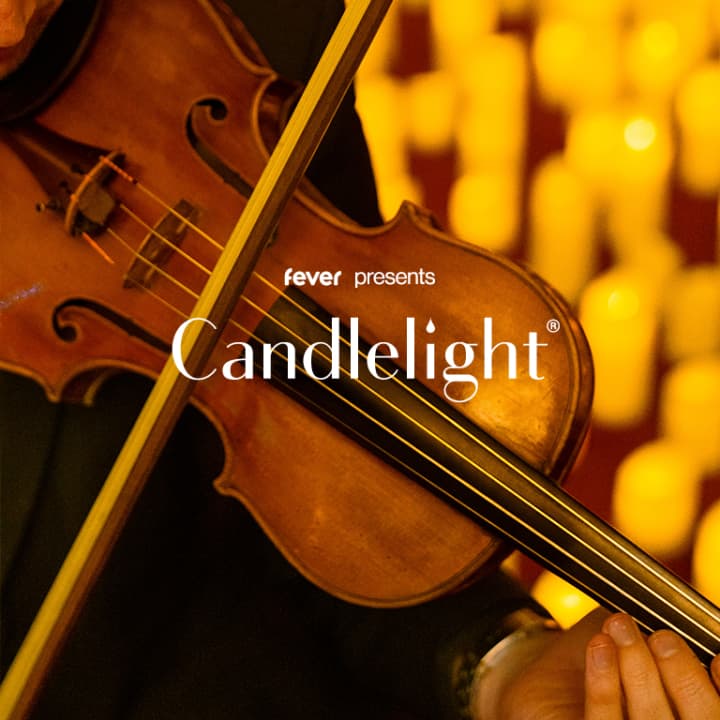
Candlelight: Nesenstantys kompozitoriai
Sun, Feb 22 • 5:00 PM
Vytauto prospektas 79, Kaunas, 44321
View details
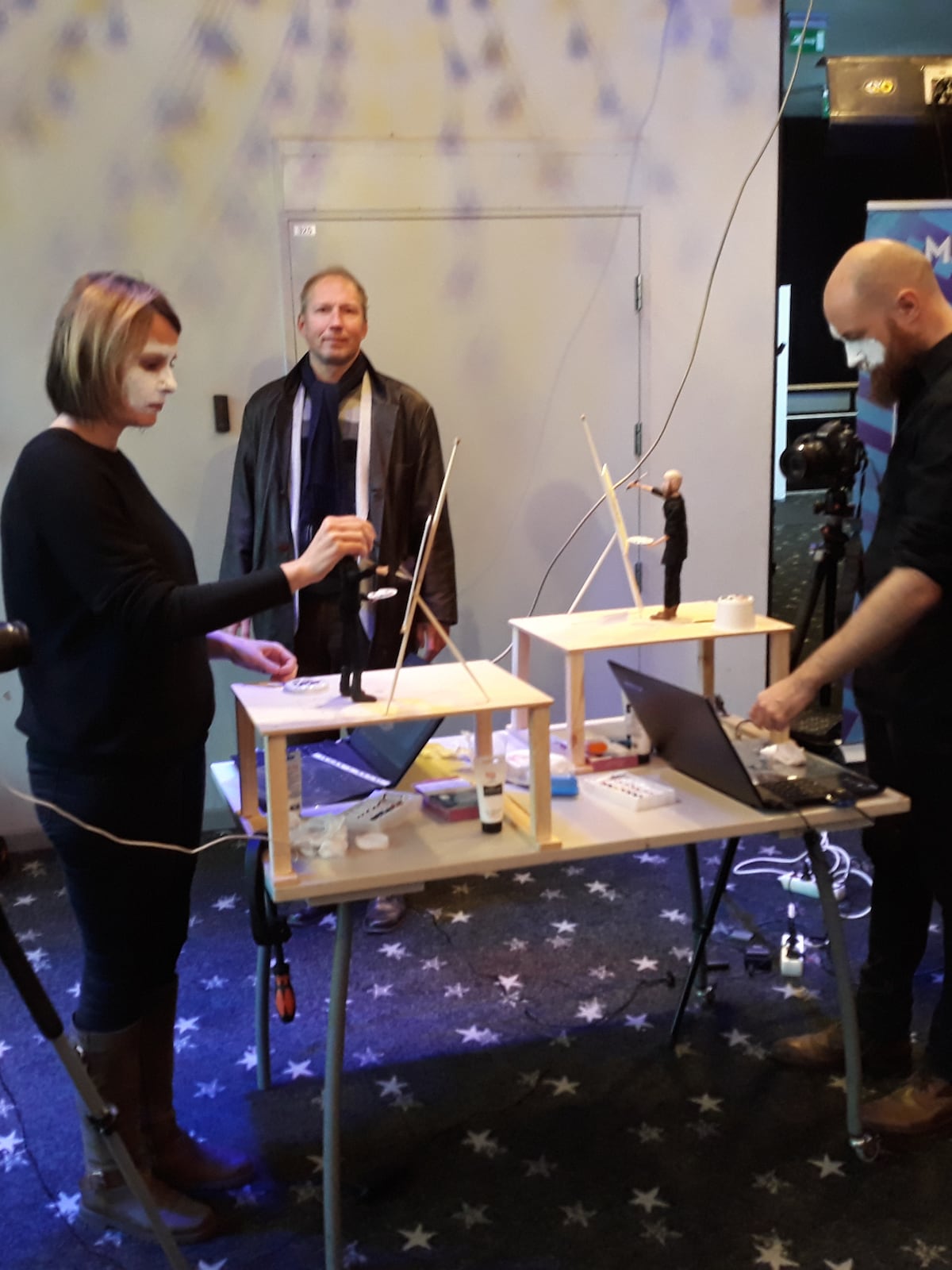
Explore cultural capitals
Sun, Feb 22 • 1:00 PM
44362, Kaunas, Kaunas County, Lithuania
View details

Make Kaunas great again (Snacks. Drinks. New people. Real opportunities)
Sun, Feb 22 • 2:00 PM
Pratęsimas Bocmanas, Santakos g. 11, 44279 Kaunas, Lithuania
View details
Nearby attractions of Kaunas Castle
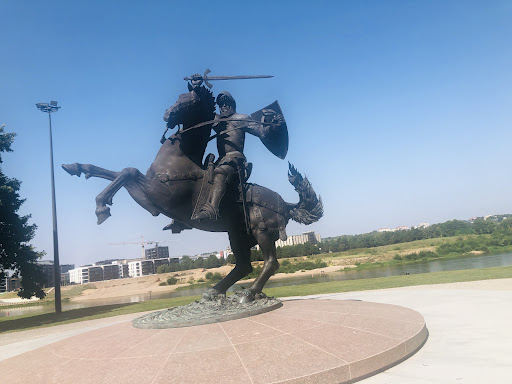
Vytis Monument
Kaunas Town Hall
Cathedral-Basilica of St. Peter and St. Paul
Nemunas and Neris Confluence Park
Kaunas City Museum
Museum of the History of Lithuanian Medicine and Pharmacy
Church of St. Francis Xavier
Church of Vytautas the Great
House of Perkūnas
Lithuanian House of Basketball
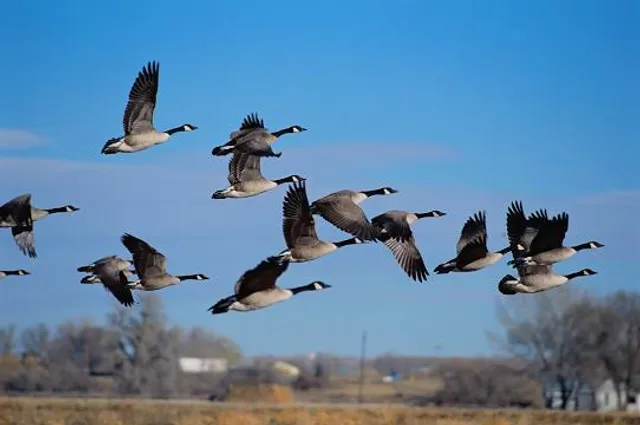
Vytis Monument
4.8
(150)
Open until 12:00 AM
Click for details
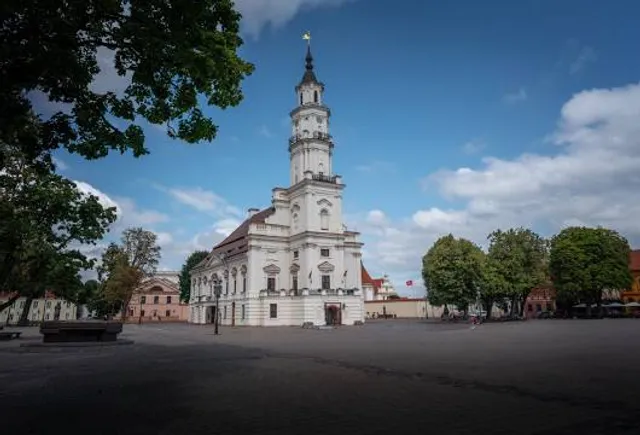
Kaunas Town Hall
4.7
(727)
Closed
Click for details

Cathedral-Basilica of St. Peter and St. Paul
4.8
(1.2K)
Closed
Click for details
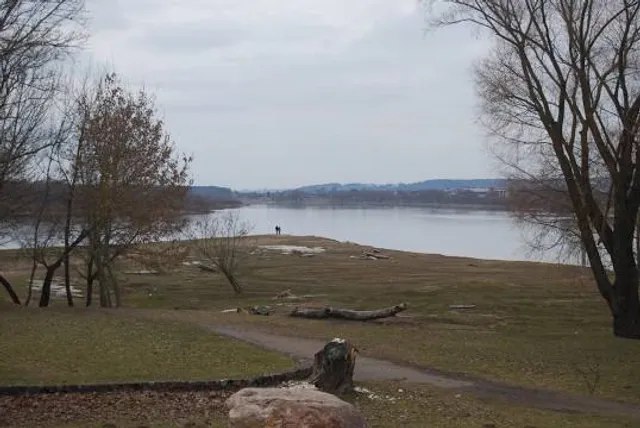
Nemunas and Neris Confluence Park
4.7
(4.3K)
Open until 12:00 AM
Click for details
Nearby restaurants of Kaunas Castle
Pilies sodas
Marsas Mieste
Skliautas
Hunters' Inn
Soul. Rotušė
Antis rūsy
Sushi Masters
Žemyn upe
Klimas Restobaras
Agave
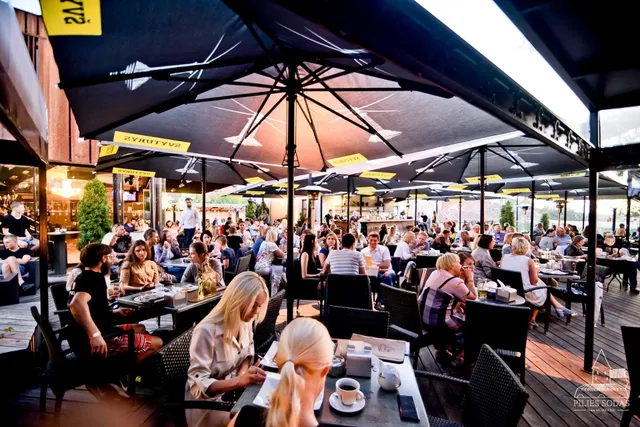
Pilies sodas
4.3
(980)
$$$
Click for details
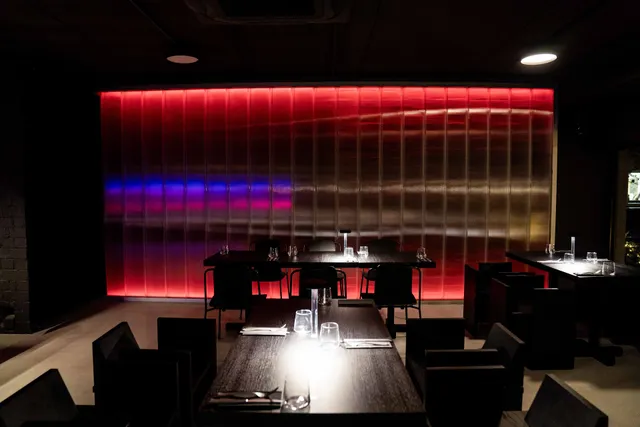
Marsas Mieste
4.5
(219)
Closed
Click for details
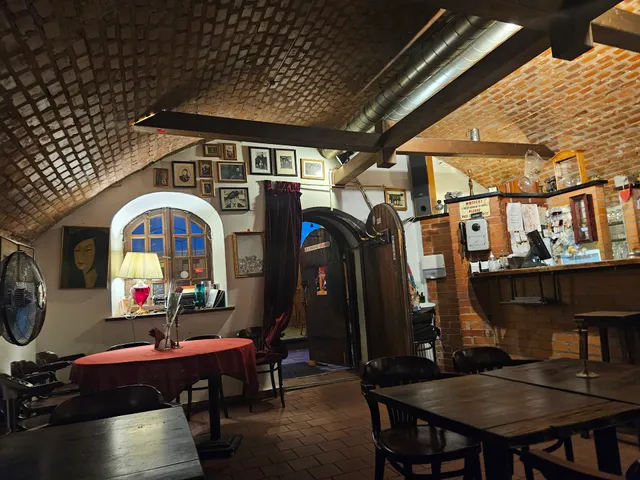
Skliautas
4.5
(242)
Open until 4:00 AM
Click for details
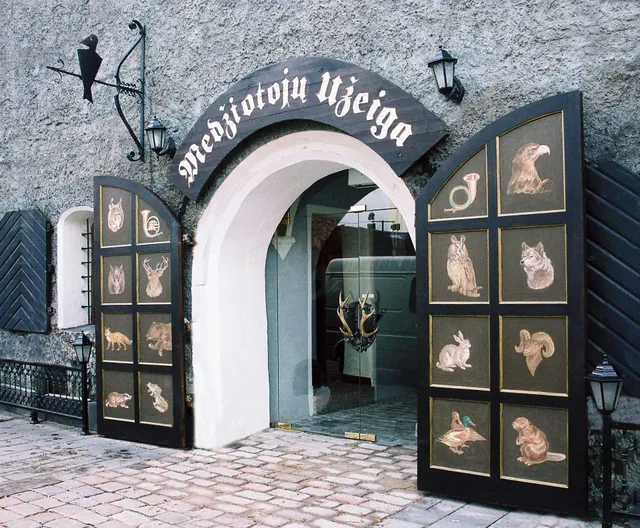
Hunters' Inn
4.5
(548)
$$$
Closed
Click for details
Nearby local services of Kaunas Castle
Maironis Museum of Lithuanian Literature
HOP DOC Gastropub
Vieno prancūzo sandeliukas
Lietuva sport museum
Vilniaus gatvė 13
Vilniaus gatvė 10
Saldita kavinė "Šokoladinė"
Vytautas the Great Bridge
Confluence of Niemen and Neris
Pizza Journey

Maironis Museum of Lithuanian Literature
4.5
(65)
Click for details

HOP DOC Gastropub
4.5
(706)
Click for details
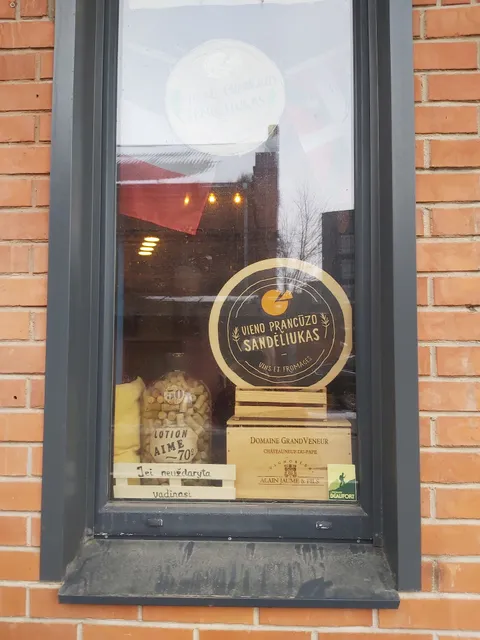
Vieno prancūzo sandeliukas
5.0
(81)
Click for details
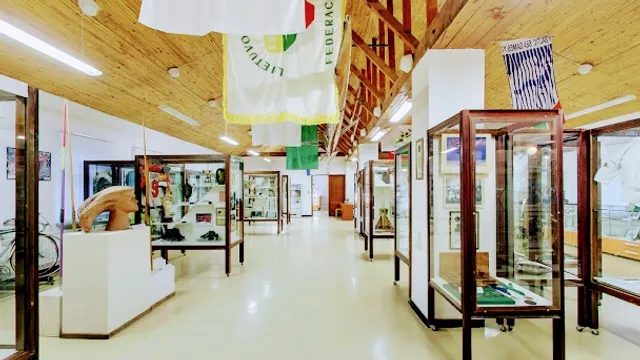
Lietuva sport museum
4.5
(93)
Click for details