The Castle Museum things to do, attractions, restaurants, events info and trip planning
Basic Info
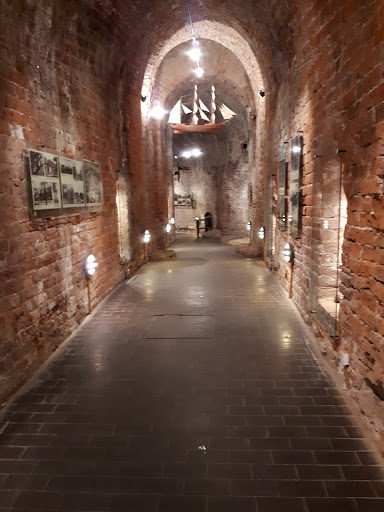
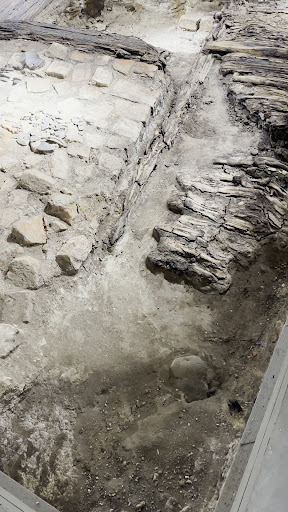
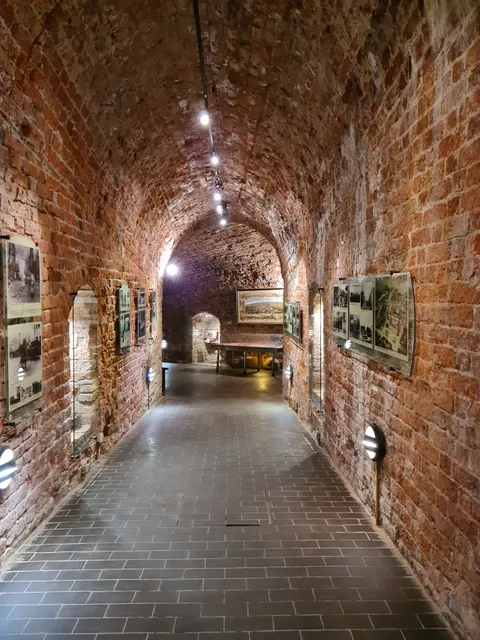
The Castle Museum
Priešpilio g. 2, Klaipėda, 91240 Klaipėdos m. sav., Lithuania
4.7(480)
Closed

tickets
Save
spot
spot
Ratings & Description
Info
Cultural
Entertainment
Family friendly
Accessibility
attractions: Klaipėda Castle, Theatre Square, Black Ghost - Svajunas Jurkus, Ship-museum "Sūduvis", Square of Resurrection, Skulptūra “Žvejys”, Sculpture “ Guardian of the Old Town “, The Danės square, Museum of Clocks, Sculpture "Klaipėda resident", restaurants: ETNO DVARAS, Mosso Bistro, Herkus Kantas, Cremia - kepykla, kavinė, coffee shop, bakery, gelateria, dessert shop, Senoji Hansa, Rozmarinas, ALBA bistro restaurant Klaipėda, Gaisrinė | Restobaras, Katpėdėlė, Kurpiai, local businesses: Neptuno Zuvys, Azia Spa Klaipėda, Sinagogų g. 7, Švyturys Brewery, Corner Gastropub, Momo Grill, S. Šimkaus g. 14, Cukraus Studija
 Learn more insights from Wanderboat AI.
Phone
+370 601 17617
Website
mlimuziejus.lt
Open hoursSee all hours
Fri10 a.m. - 6 p.m.Closed
Plan your stay

Pet-friendly Hotels in Klaipėda
Find a cozy hotel nearby and make it a full experience.

Affordable Hotels in Klaipėda
Find a cozy hotel nearby and make it a full experience.

The Coolest Hotels You Haven't Heard Of (Yet)
Find a cozy hotel nearby and make it a full experience.

Trending Stays Worth the Hype in Klaipėda
Find a cozy hotel nearby and make it a full experience.
Reviews
Live events

Candlelight: Tribute to Coldplay
Sat, Feb 21 • 6:00 PM
K. Donelaičio gatvė 4, Klaipėda, 92144
View details
Nearby attractions of The Castle Museum
Klaipėda Castle
Theatre Square
Black Ghost - Svajunas Jurkus
Ship-museum "Sūduvis"
Square of Resurrection
Skulptūra “Žvejys”
Sculpture “ Guardian of the Old Town “
The Danės square
Museum of Clocks
Sculpture "Klaipėda resident"
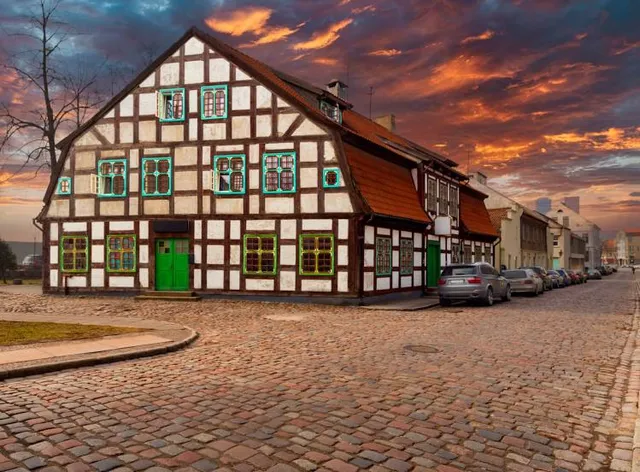
Klaipėda Castle
4.5
(801)
Closed
Click for details
Theatre Square
4.7
(2.5K)
Open until 12:00 AM
Click for details
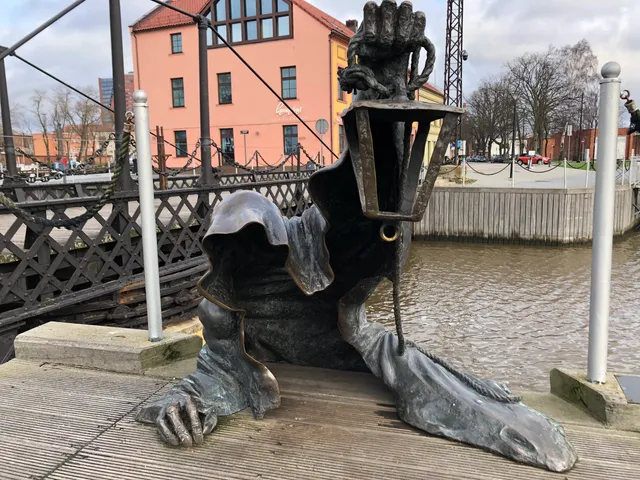
Black Ghost - Svajunas Jurkus
4.8
(333)
Open until 12:00 AM
Click for details
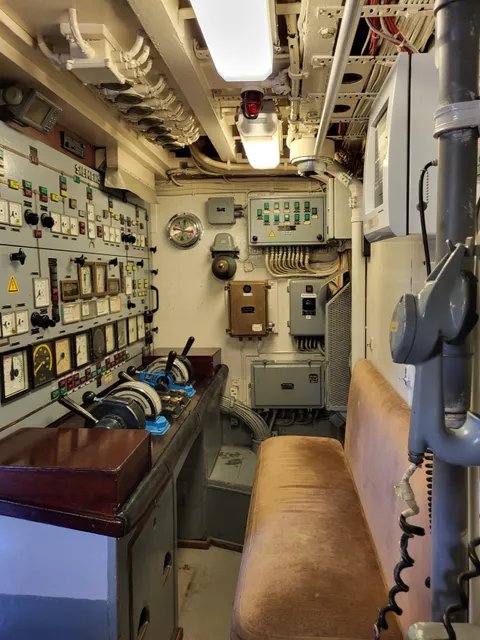
Ship-museum "Sūduvis"
4.7
(208)
Open until 12:00 AM
Click for details
Nearby restaurants of The Castle Museum
ETNO DVARAS
Mosso Bistro
Herkus Kantas
Cremia - kepykla, kavinė, coffee shop, bakery, gelateria, dessert shop
Senoji Hansa
Rozmarinas
ALBA bistro restaurant Klaipėda
Gaisrinė | Restobaras
Katpėdėlė
Kurpiai
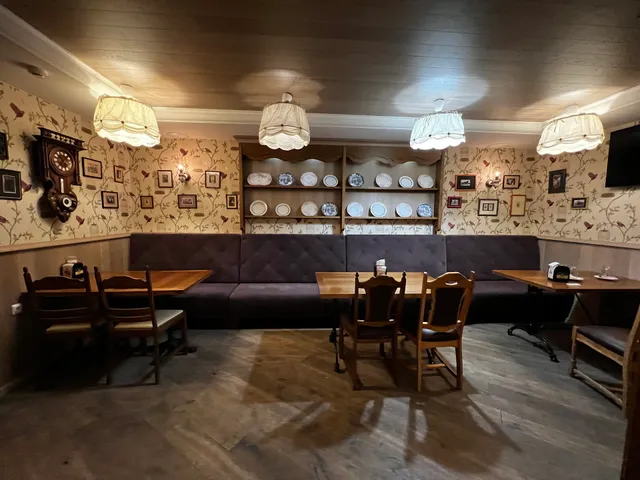
ETNO DVARAS
4.3
(1.4K)
Closed
Click for details
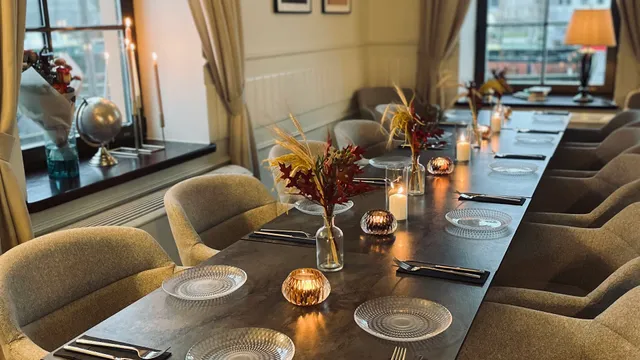
Mosso Bistro
4.7
(237)
Closed
Click for details
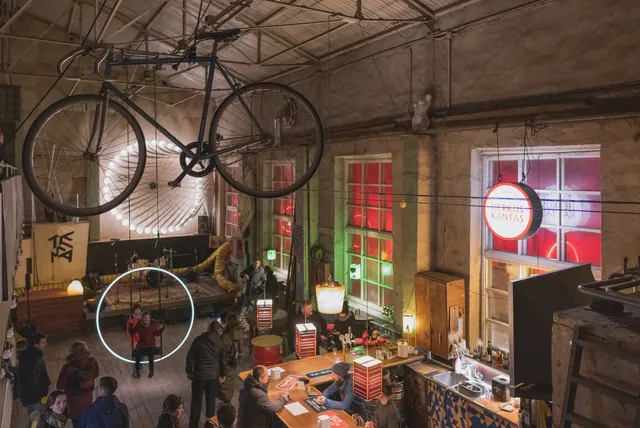
Herkus Kantas
4.8
(349)
$$
Closed
Click for details
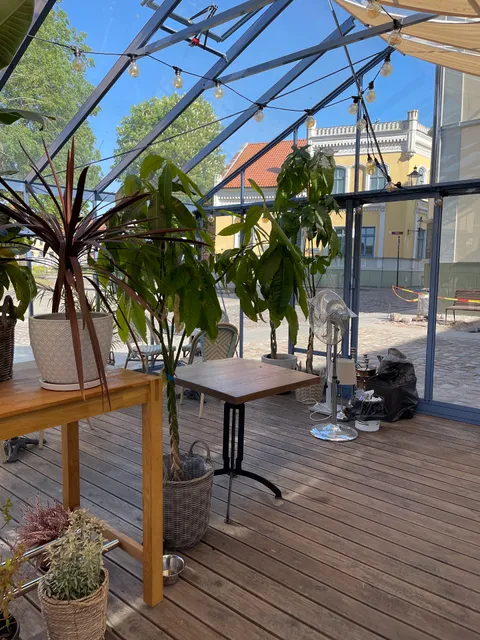
Cremia - kepykla, kavinė, coffee shop, bakery, gelateria, dessert shop
4.1
(325)
Closed
Click for details
Nearby local services of The Castle Museum
Neptuno Zuvys
Azia Spa Klaipėda
Sinagogų g. 7
Švyturys Brewery
Corner Gastropub
Momo Grill
S. Šimkaus g. 14
Cukraus Studija
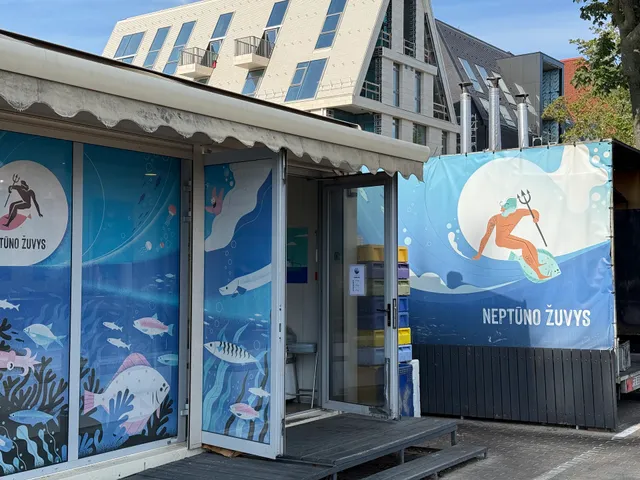
Neptuno Zuvys
4.4
(59)
Click for details
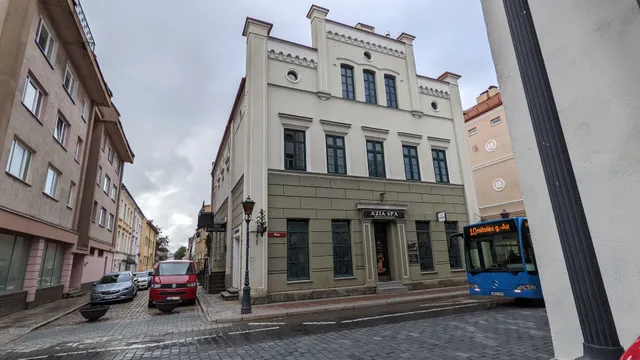
Azia Spa Klaipėda
4.7
(119)
Click for details
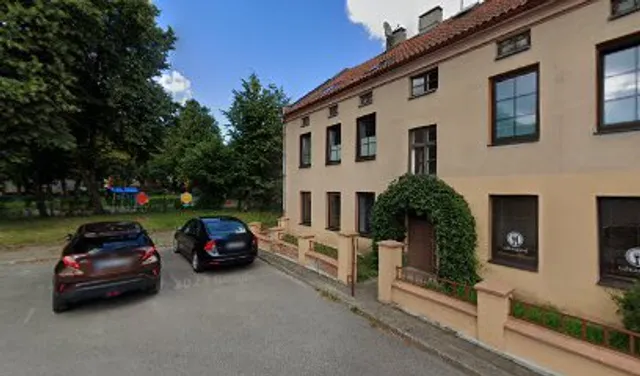
Sinagogų g. 7
4.9
(117)
Click for details
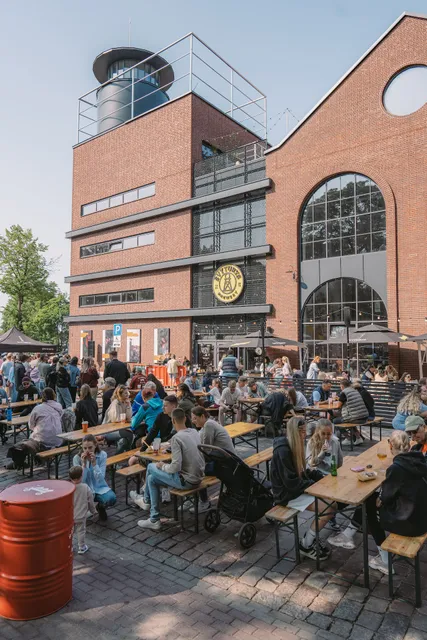
Švyturys Brewery
4.7
(1.6K)
Click for details