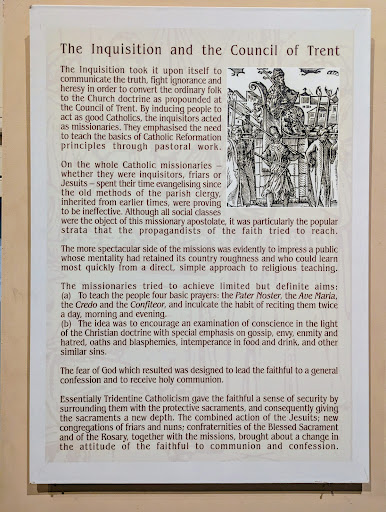
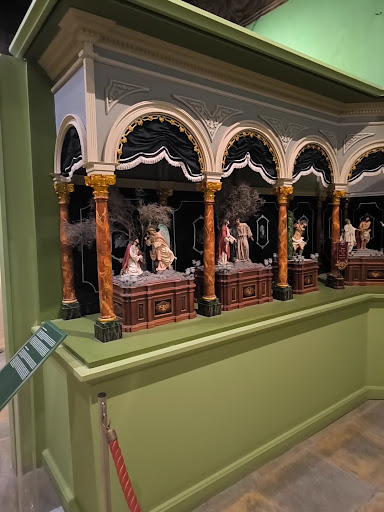
Inquisitor's Palace things to do, attractions, restaurants, events info and trip planning
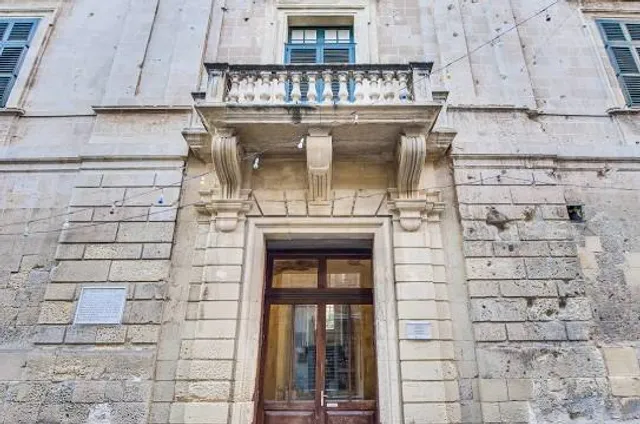
Basic Info
Inquisitor's Palace
Triq il-Mina l-Kbira, Birgu Triq il-Mina, l-Kbira, Birgu BRG 1023, Malta
4.2(1.1K)
Open until 12:00 AM


tickets
Save
spot
spot
Ratings & Description
Info
Cultural
Family friendly
Accessibility
attractions: Parish Church of St Lawrence, Malta Maritime Museum, Malta at War Museum, Casa Normanna, St. Joseph Oratory, Birgu Waterfront, Esplora Interactive Science Centre, Fort St. Angelo, Bir Mula Heritage Museum, Knisja Kolleġġjata tal-Kunċizzjoni, restaurants: BeBirgu, Cafe Du Brazil, Del Borgo, Taste of Vietnam, D'Orsini Gastro-Pub, Main Square, Full House, Sottovento, Café Riche, Cargo Bar & Dine, local businesses: Birgu Flea Market / Car boot Sale, Esplora Interactive Science Centre, Valletta and Grand Harbour Lookout, 3 Cities Take Away, Le Poisson - Fresh Fish & Take Away, Grand Harbour Vista, Kappella ta' Sant'Anna
 Learn more insights from Wanderboat AI.
Phone
+356 2182 7006
Website
heritagemalta.mt
Open hoursSee all hours
Tue9 AM - 5 PMOpen
Plan your stay

Pet-friendly Hotels in Qormi
Find a cozy hotel nearby and make it a full experience.

Affordable Hotels in Qormi
Find a cozy hotel nearby and make it a full experience.

The Coolest Hotels You Haven't Heard Of (Yet)
Find a cozy hotel nearby and make it a full experience.

Trending Stays Worth the Hype in Qormi
Find a cozy hotel nearby and make it a full experience.
Reviews
Live events

Candlelight: Coldplay vs. Imagine Dragons
Sat, Feb 28 • 7:00 PM
The Mall FRN1478, Floriana, FRN1478
View details
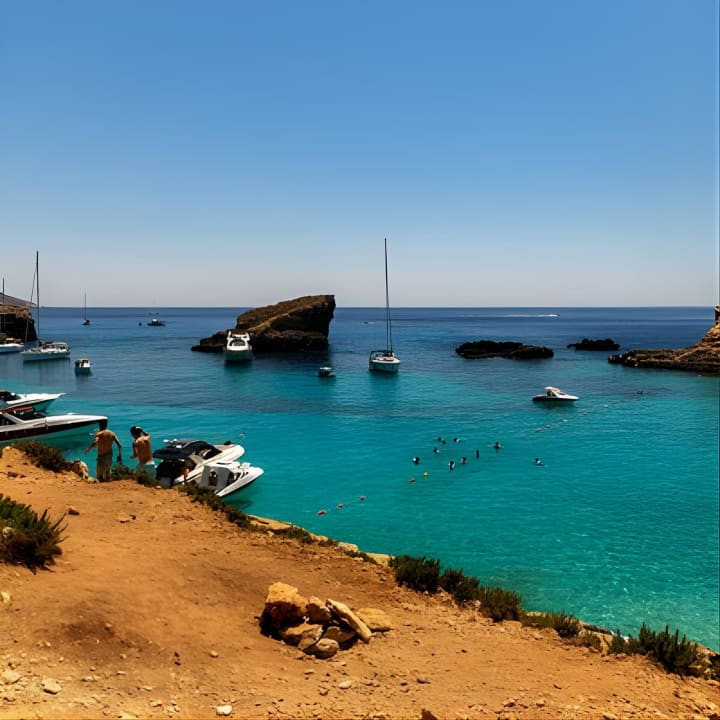
Gozo with bus including Blue Lagoon Comino and St Pauls Islands
Sun, Mar 1 • 10:00 AM
36 Triq San Geraldu, San Pawl il-Baħar
View details

4 Hours Paceville Pub Crawl
Tue, Feb 24 • 9:00 PM
Dublin Road, Wheaton Hall, Drogheda
View details
Nearby attractions of Inquisitor's Palace
Parish Church of St Lawrence
Malta Maritime Museum
Malta at War Museum
Casa Normanna
St. Joseph Oratory
Birgu Waterfront
Esplora Interactive Science Centre
Fort St. Angelo
Bir Mula Heritage Museum
Knisja Kolleġġjata tal-Kunċizzjoni
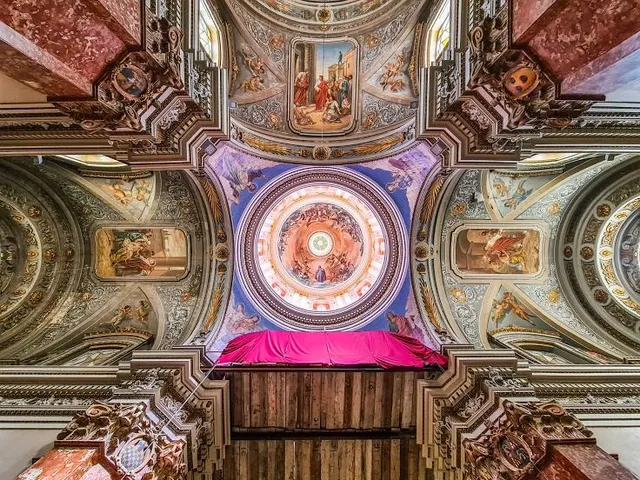
Parish Church of St Lawrence
4.6
(302)
Open 24 hours
Click for details
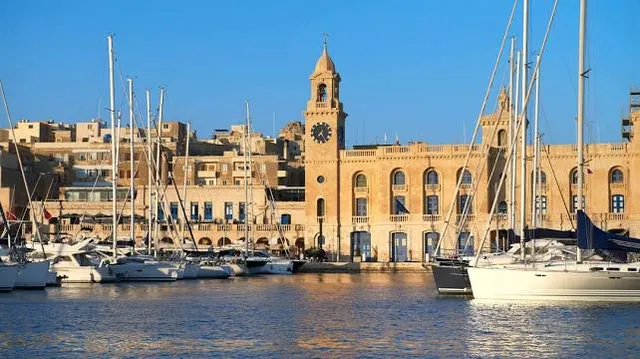
Malta Maritime Museum
4.1
(509)
Open 24 hours
Click for details
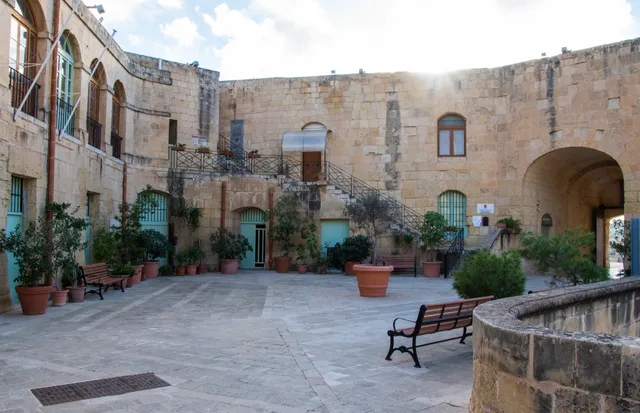
Malta at War Museum
4.6
(721)
Open until 4:30 PM
Click for details
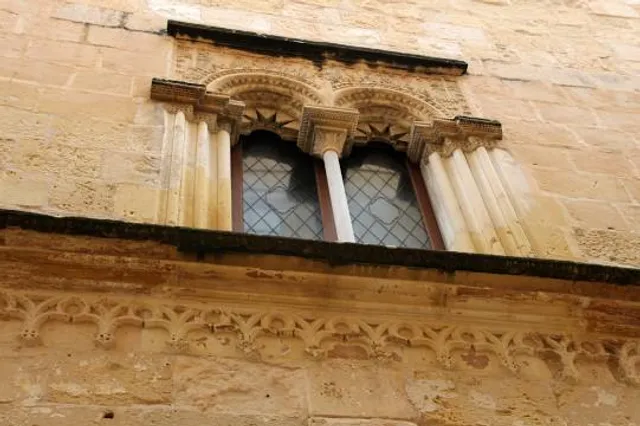
Casa Normanna
4.8
(76)
Open until 5:00 PM
Click for details
Nearby restaurants of Inquisitor's Palace
BeBirgu
Cafe Du Brazil
Del Borgo
Taste of Vietnam
D'Orsini Gastro-Pub
Main Square
Full House
Sottovento
Café Riche
Cargo Bar & Dine
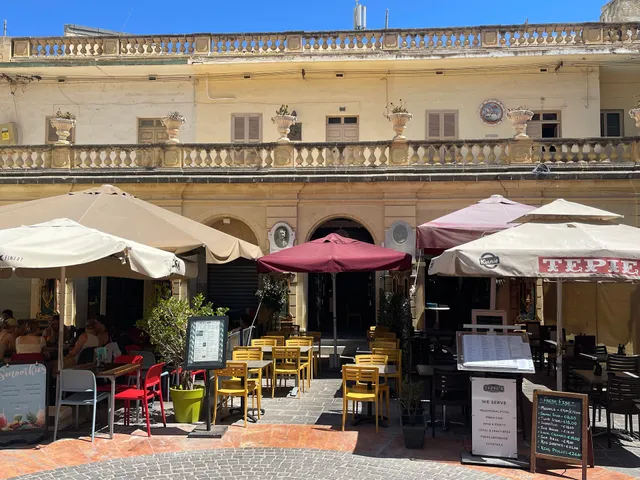
BeBirgu
4.5
(1.1K)
$$
Open until 11:00 PM
Click for details
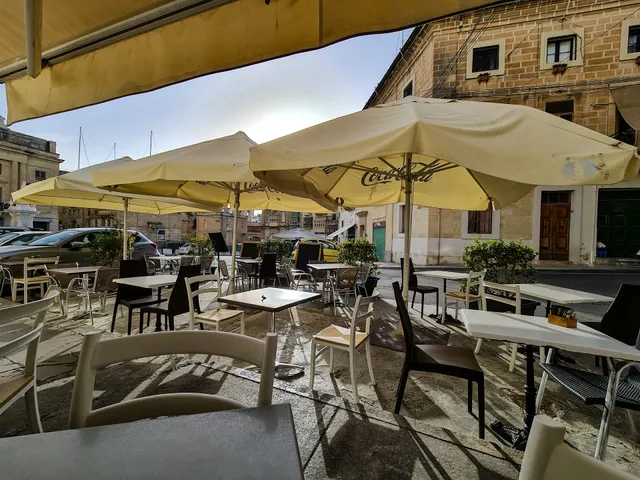
Cafe Du Brazil
4.3
(371)
Open until 7:00 PM
Click for details
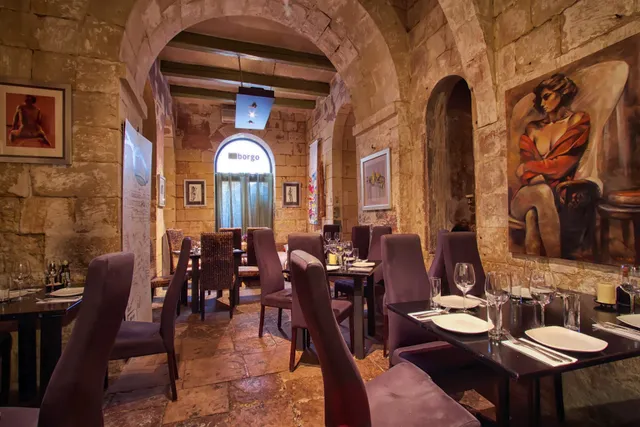
Del Borgo
4.6
(342)
$$
Closed
Click for details
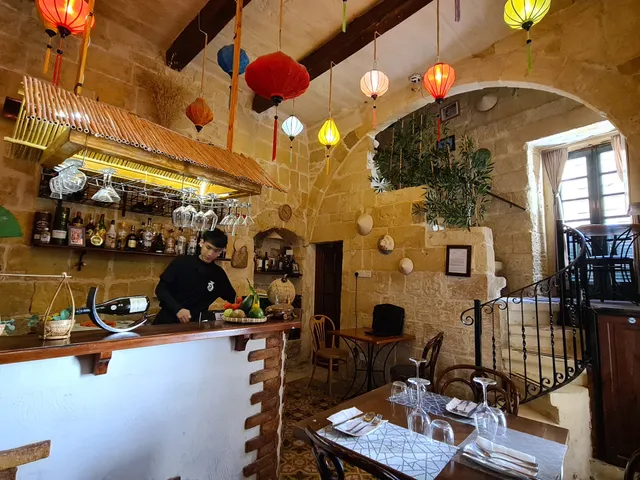
Taste of Vietnam
4.6
(209)
Open until 12:00 AM
Click for details
Nearby local services of Inquisitor's Palace
Birgu Flea Market / Car boot Sale
Esplora Interactive Science Centre
Valletta and Grand Harbour Lookout
3 Cities Take Away
Le Poisson - Fresh Fish & Take Away
Grand Harbour Vista
Kappella ta' Sant'Anna
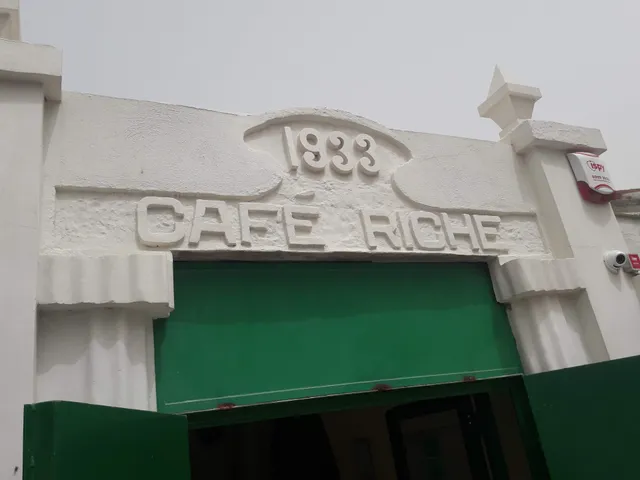
Birgu Flea Market / Car boot Sale
4.1
(307)
Click for details
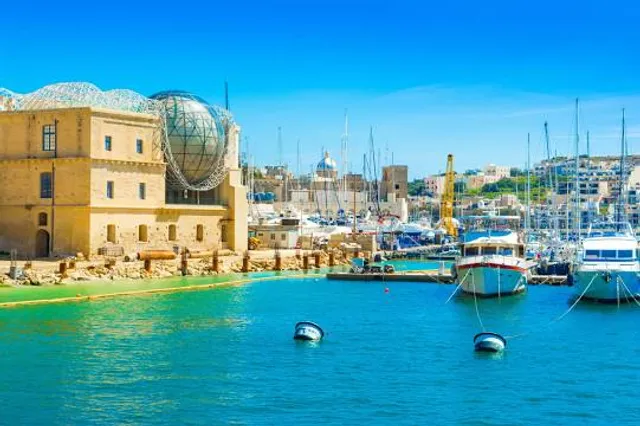
Esplora Interactive Science Centre
4.7
(1.1K)
Click for details
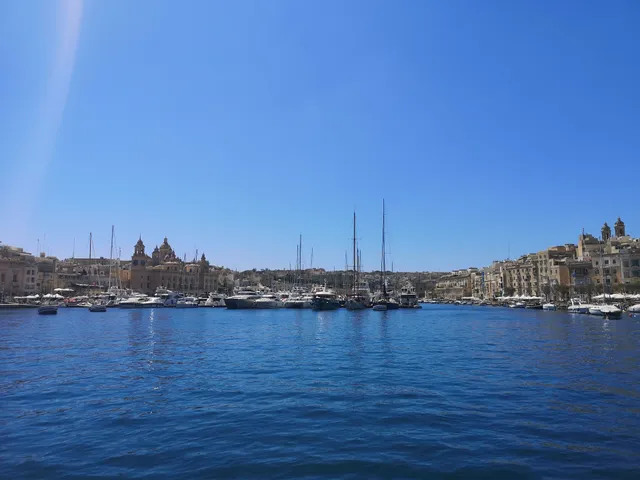
Valletta and Grand Harbour Lookout
4.2
(15)
Click for details
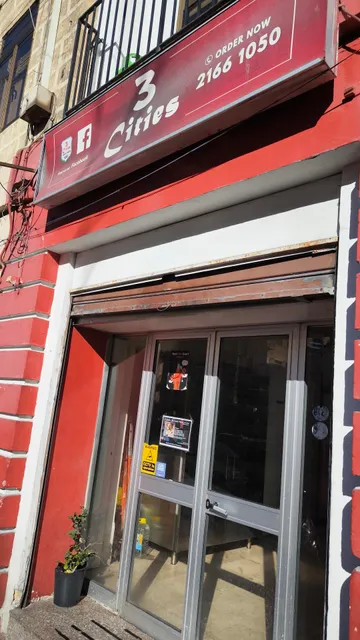
3 Cities Take Away
4.3
(164)
Click for details