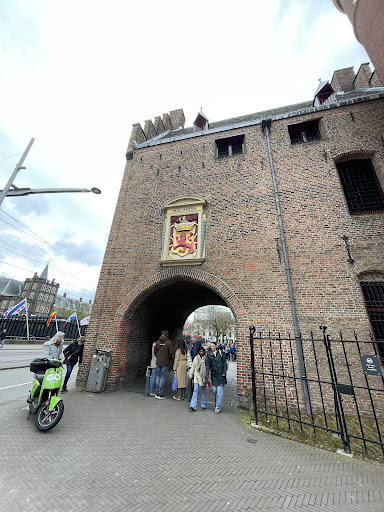
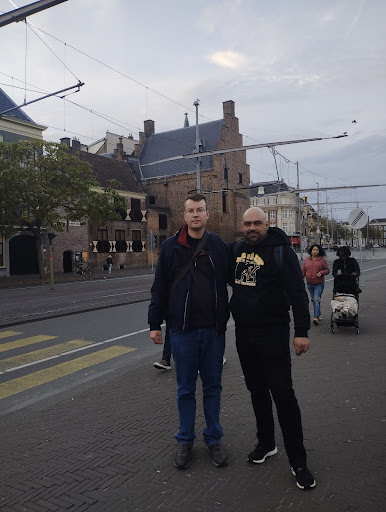
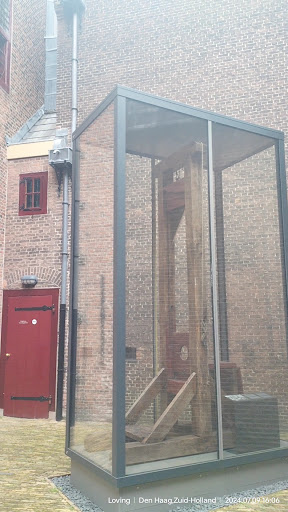
Prison Gate Museum things to do, attractions, restaurants, events info and trip planning
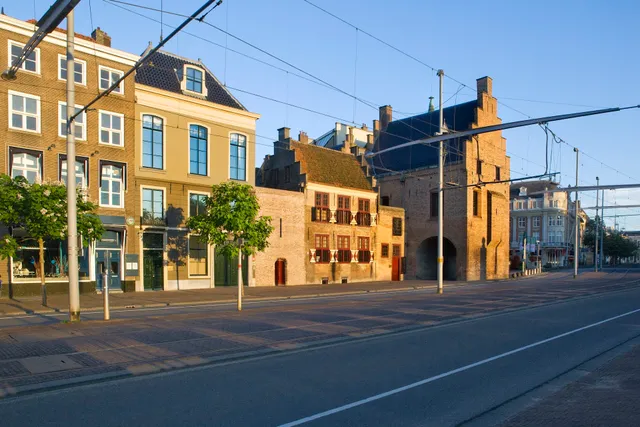
Basic Info
Prison Gate Museum
Buitenhof 33, 2513 AH Den Haag, Netherlands
4.4(962)
Closed


tickets
Save
spot
spot
Ratings & Description
Info
Cultural
Accessibility
attractions: Prince William V Gallery, Binnenhof, Diligentia, Noordeinde Palace, Museum Bredius, Hofkapel, Hofvijver, The Hague's Historic Museum, Pulchri Studio, Mauritstoren, restaurants: Brew & Bake, Palmette, Jamey Bennett, BIT Grill and Café, Bagels & Beans (Plaats), UMAMI by Han Den Haag, Buitenhof Herring Stall, Hotel Restaurant 't Goude Hooft, Restaurant Harper, Dudok Den Haag, local businesses: Gevangenpoort, Cheese & More by Henri Willig Plaats Den Haag, The Canna Club, De Bijenkorf (Den Haag), Hofkapel, Sinbad, La Bodeguita, Cremers Coffeeshop Cup winner, asta Casino, The Old City Hall
 Learn more insights from Wanderboat AI.
Phone
+31 70 346 0861
Website
gevangenpoort.nl
Open hoursSee all hours
Sun11 AM - 5 PMClosed
Plan your stay

Pet-friendly Hotels in The Hague
Find a cozy hotel nearby and make it a full experience.

Affordable Hotels in The Hague
Find a cozy hotel nearby and make it a full experience.

The Coolest Hotels You Haven't Heard Of (Yet)
Find a cozy hotel nearby and make it a full experience.

Trending Stays Worth the Hype in The Hague
Find a cozy hotel nearby and make it a full experience.
Reviews
Live events

PAW Patrol Live! Het Grote Piratenavontuur - Den Haag
Sat, Feb 28 • 2:00 PM
Churchillplein 10, Den Haag, 2517 JW
View details

LUMINISCENCE: De meest spectaculaire lichtshow ter wereld, voor het eerst in Nederland!
Mon, Feb 23 • 7:00 PM
HH Geestkerkhof 25, Delft, Netherlands, 2611 HT
View details
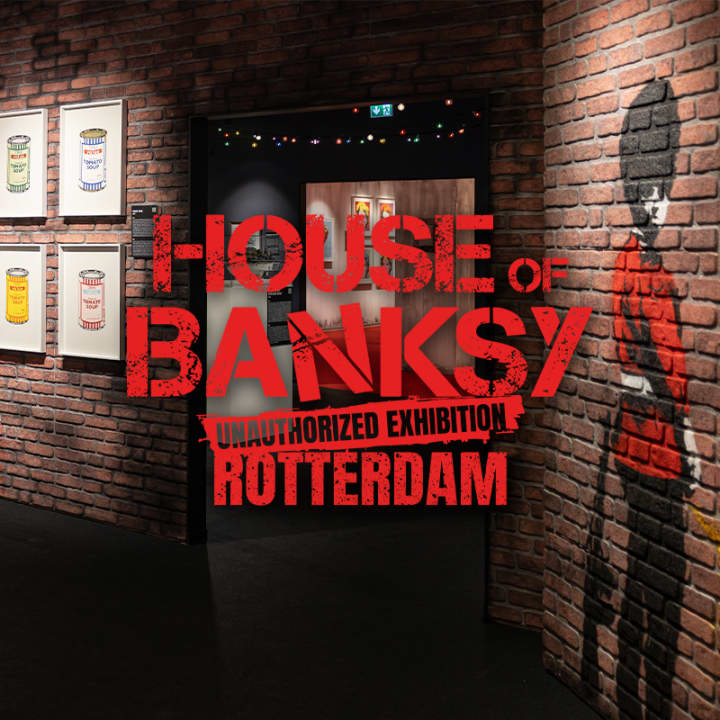
House of Banksy Rotterdam – An Unauthorized Exhibition
Sun, Feb 22 • 10:00 AM
Kop van Zuid, Wilhelminakade 332, Rotterdam, 3072 AR
View details
Nearby attractions of Prison Gate Museum
Prince William V Gallery
Binnenhof
Diligentia
Noordeinde Palace
Museum Bredius
Hofkapel
Hofvijver
The Hague's Historic Museum
Pulchri Studio
Mauritstoren
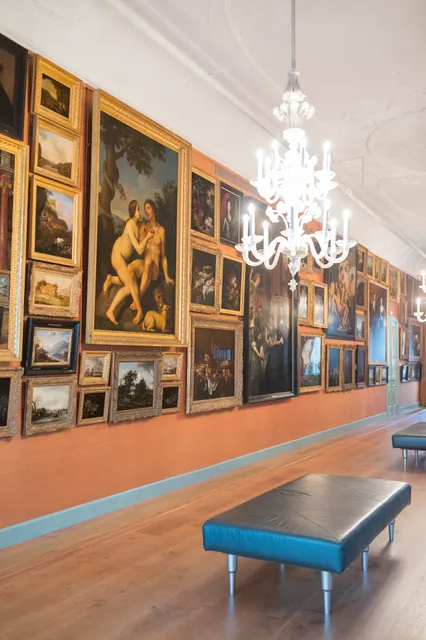
Prince William V Gallery
4.1
(211)
Closed
Click for details
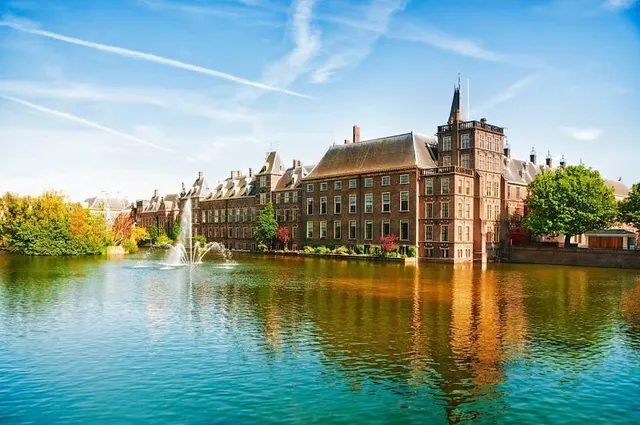
Binnenhof
4.5
(781)
Open 24 hours
Click for details

Diligentia
4.6
(693)
Open 24 hours
Click for details
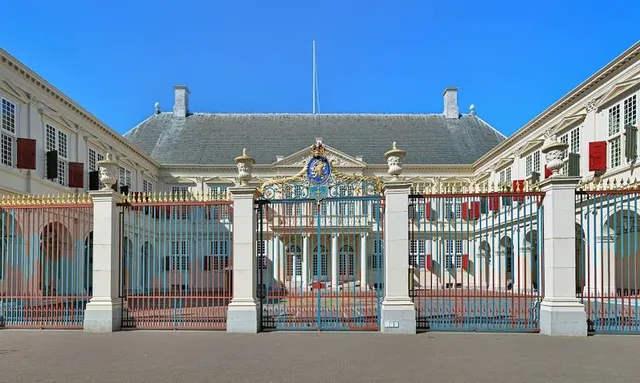
Noordeinde Palace
4.5
(1.1K)
Open 24 hours
Click for details
Nearby restaurants of Prison Gate Museum
Brew & Bake
Palmette
Jamey Bennett
BIT Grill and Café
Bagels & Beans (Plaats)
UMAMI by Han Den Haag
Buitenhof Herring Stall
Hotel Restaurant 't Goude Hooft
Restaurant Harper
Dudok Den Haag

Brew & Bake
4.3
(35)
Closed
Click for details
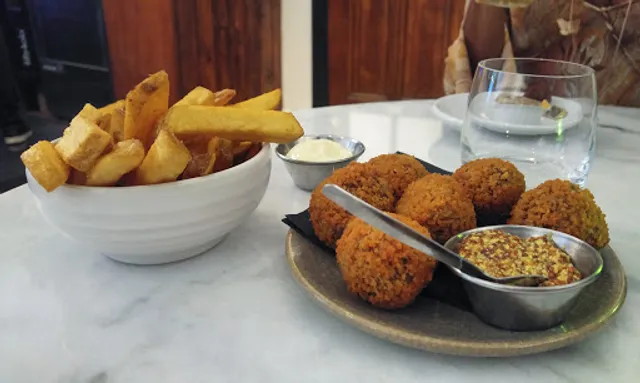
Palmette
4.5
(616)
$
Closed
Click for details
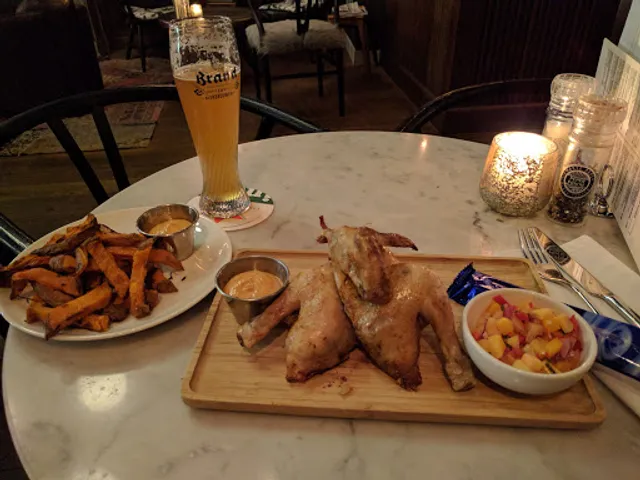
Jamey Bennett
4.3
(940)
$$
Closed
Click for details
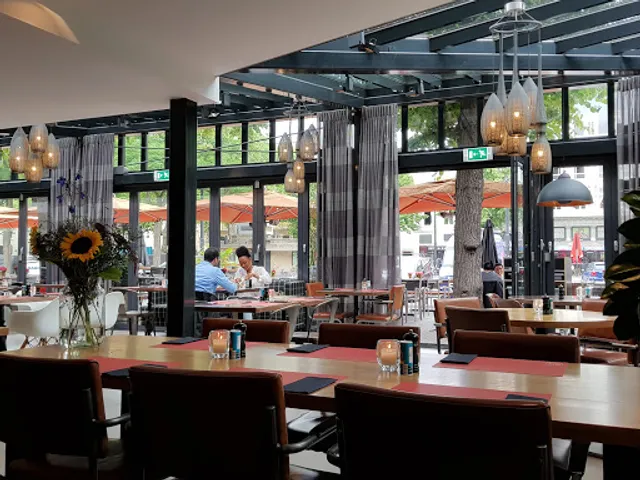
BIT Grill and Café
4.2
(910)
$$
Closed
Click for details
Nearby local services of Prison Gate Museum
Gevangenpoort
Cheese & More by Henri Willig Plaats Den Haag
The Canna Club
De Bijenkorf (Den Haag)
Hofkapel
Sinbad
La Bodeguita
Cremers Coffeeshop Cup winner
asta Casino
The Old City Hall
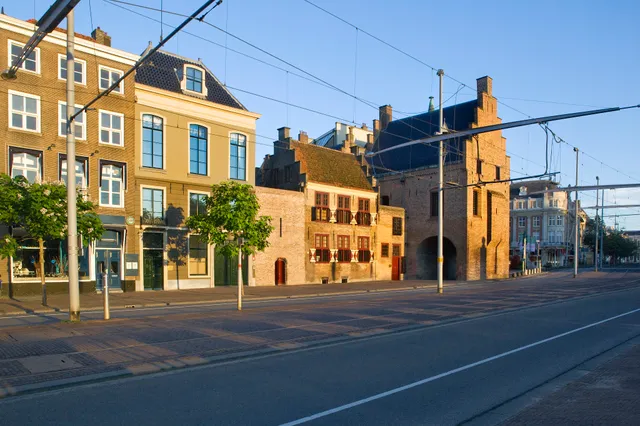
Gevangenpoort
4.3
(688)
Click for details
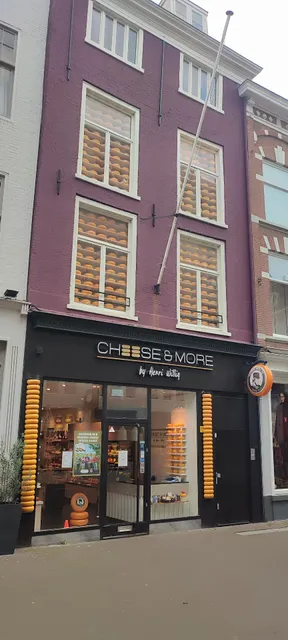
Cheese & More by Henri Willig Plaats Den Haag
4.7
(152)
Click for details
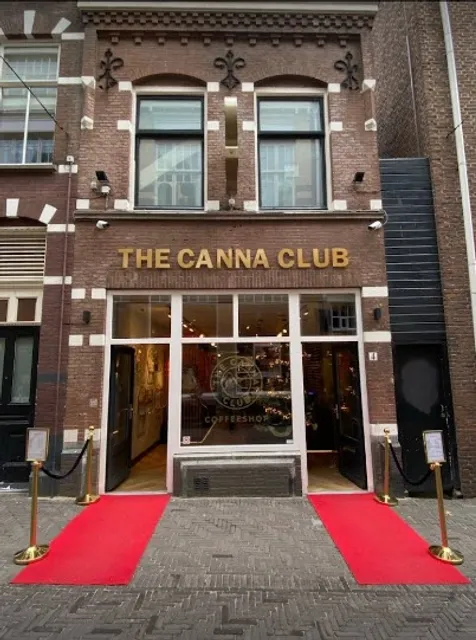
The Canna Club
4.8
(911)
Click for details
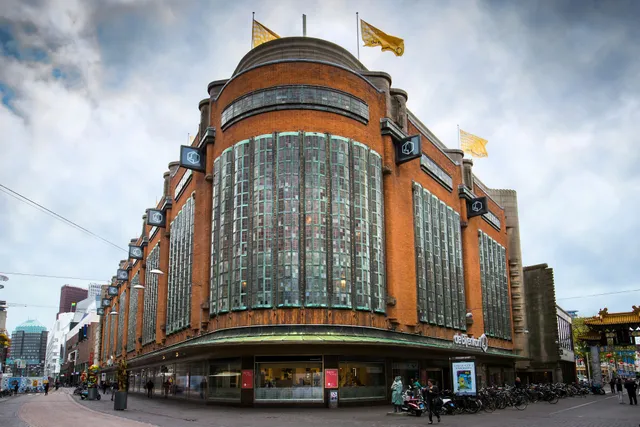
De Bijenkorf (Den Haag)
4.3
(3.8K)
Click for details